
The Van Allen Belts
The Van Allen radiation belts are two layers of energetic charged particles trapped by Earth’s magnetic field.
Useful articles about our universe and science
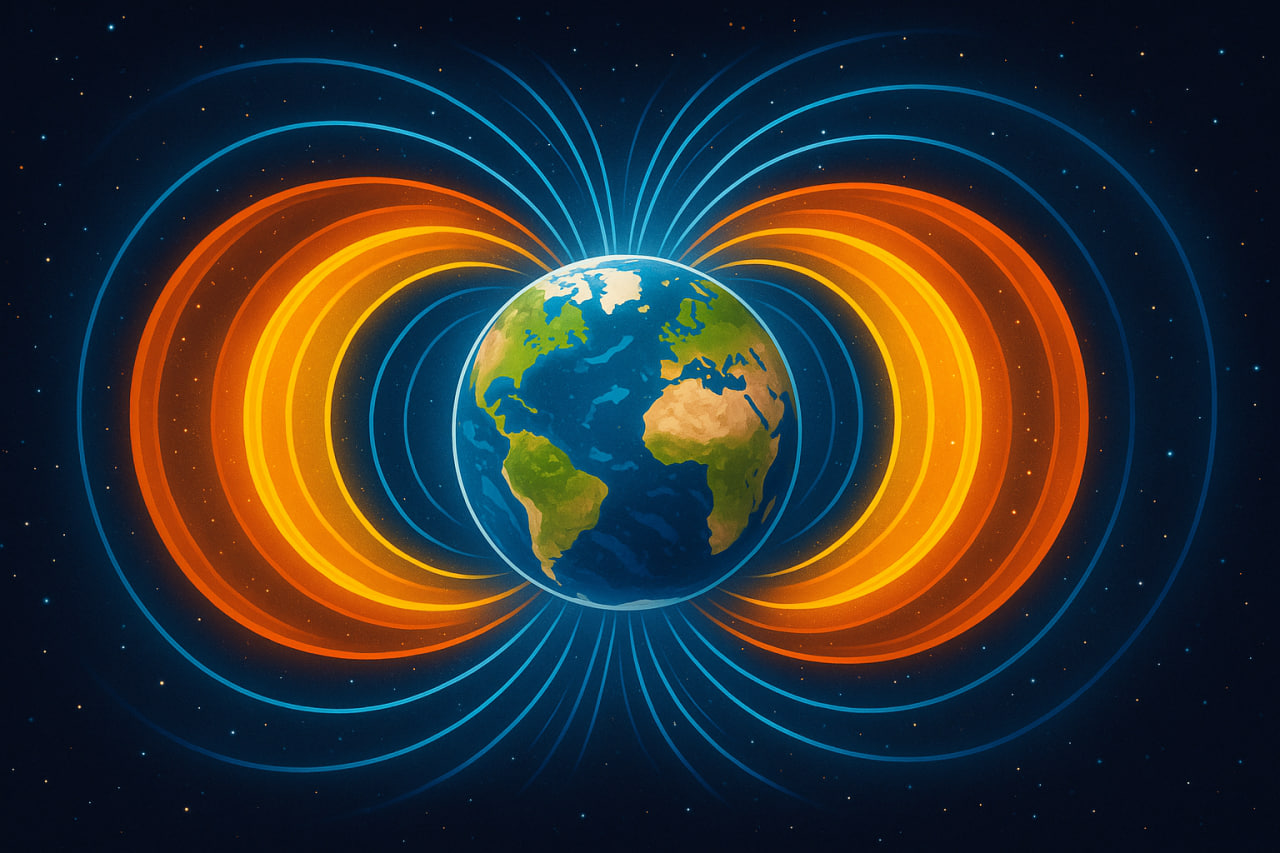
The Van Allen radiation belts are two layers of energetic charged particles trapped by Earth’s magnetic field.
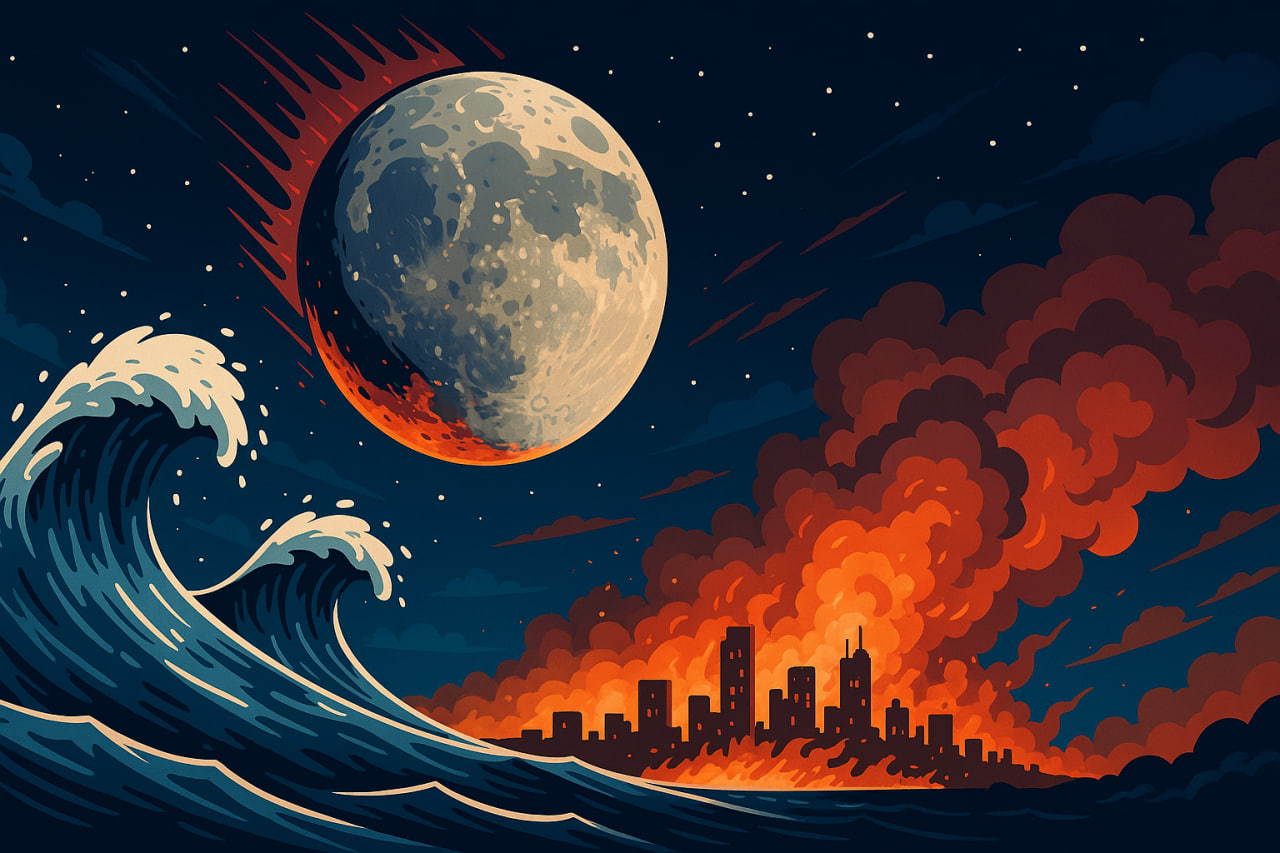
The Moon is Earth’s only natural satellite, orbiting at an average distance of 384,000 kilometers. It influences tides, stabilizes Earth’s axis, and has shaped the planet’s history.
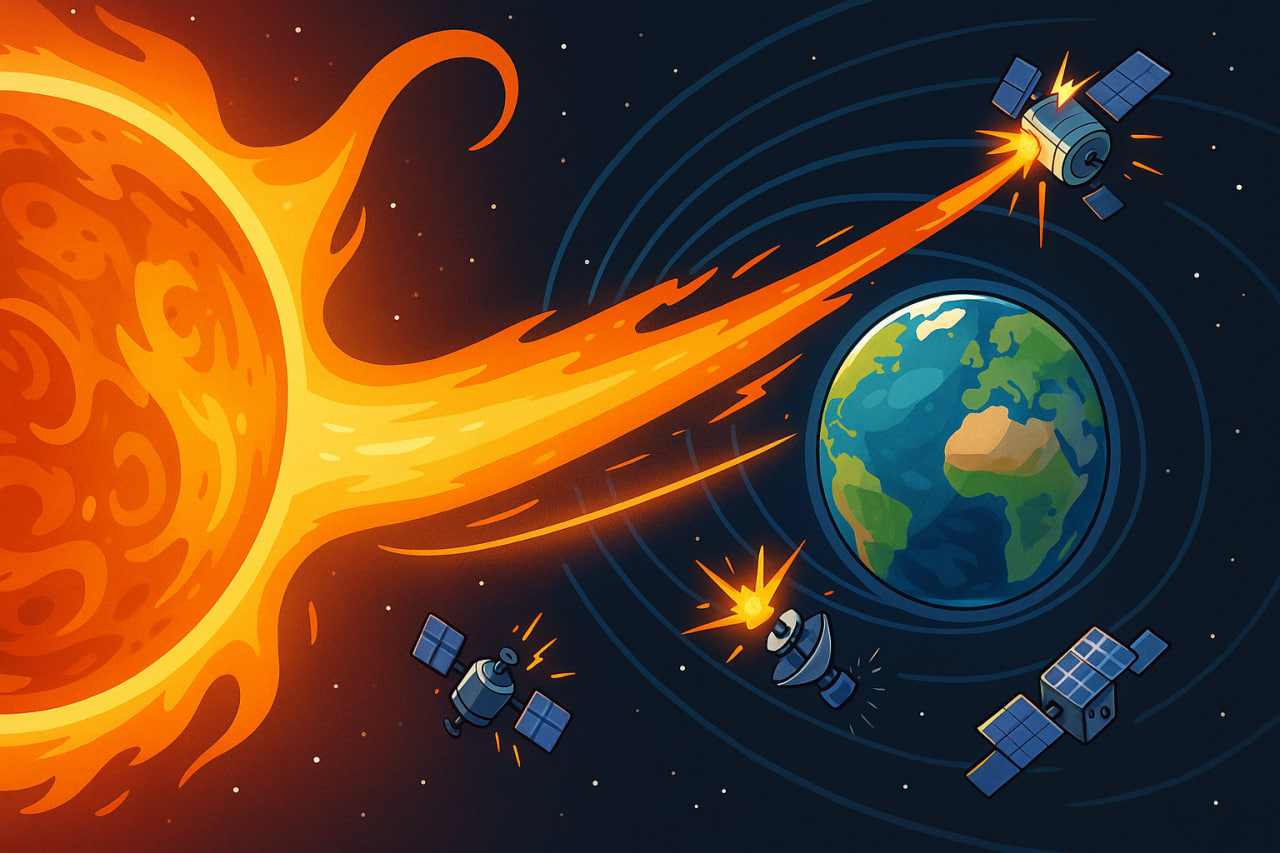
The Sun, like all stars, is a dynamic and active celestial body. One of its most powerful phenomena is the solar flare—a sudden release of energy and radiation caused by magnetic disturbances...
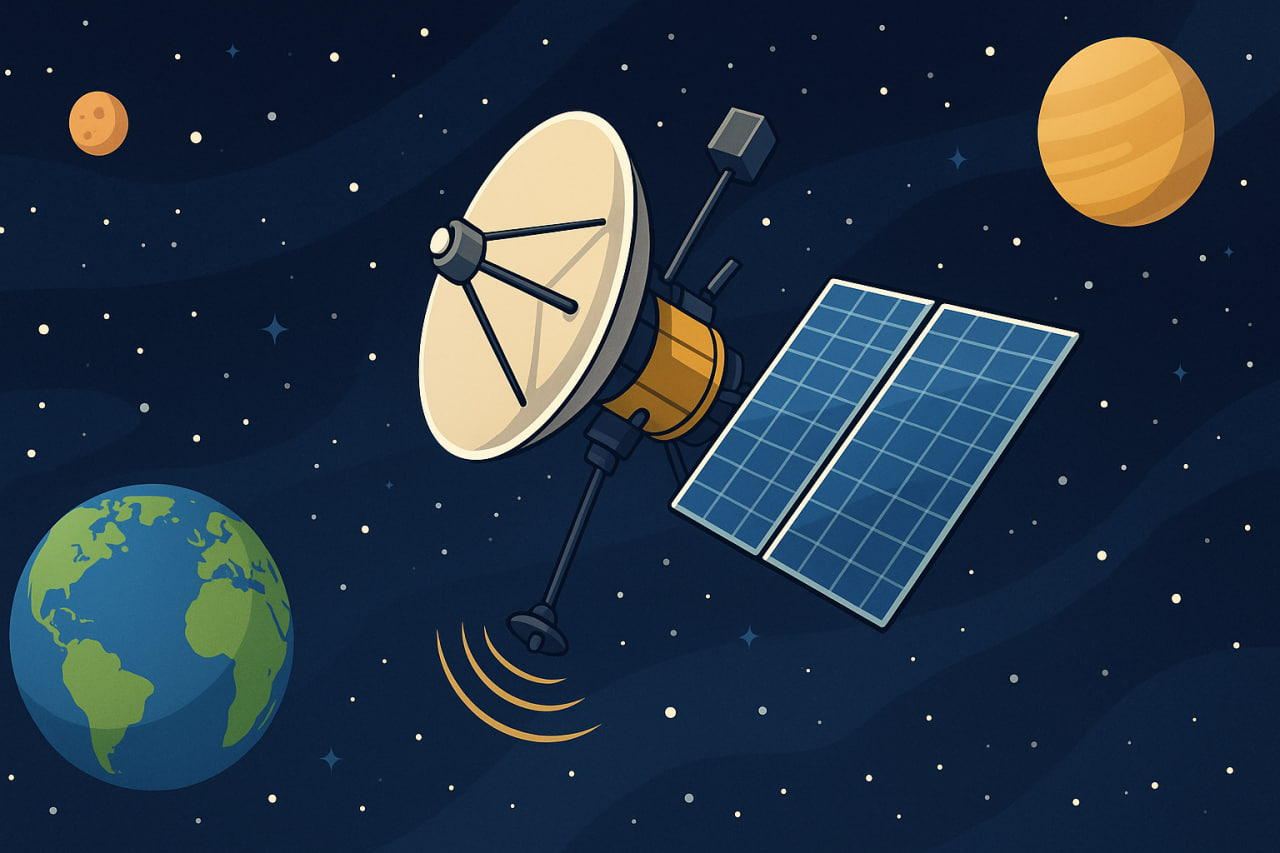
A space probe is an unmanned spacecraft designed to explore outer space and send information back to Earth.
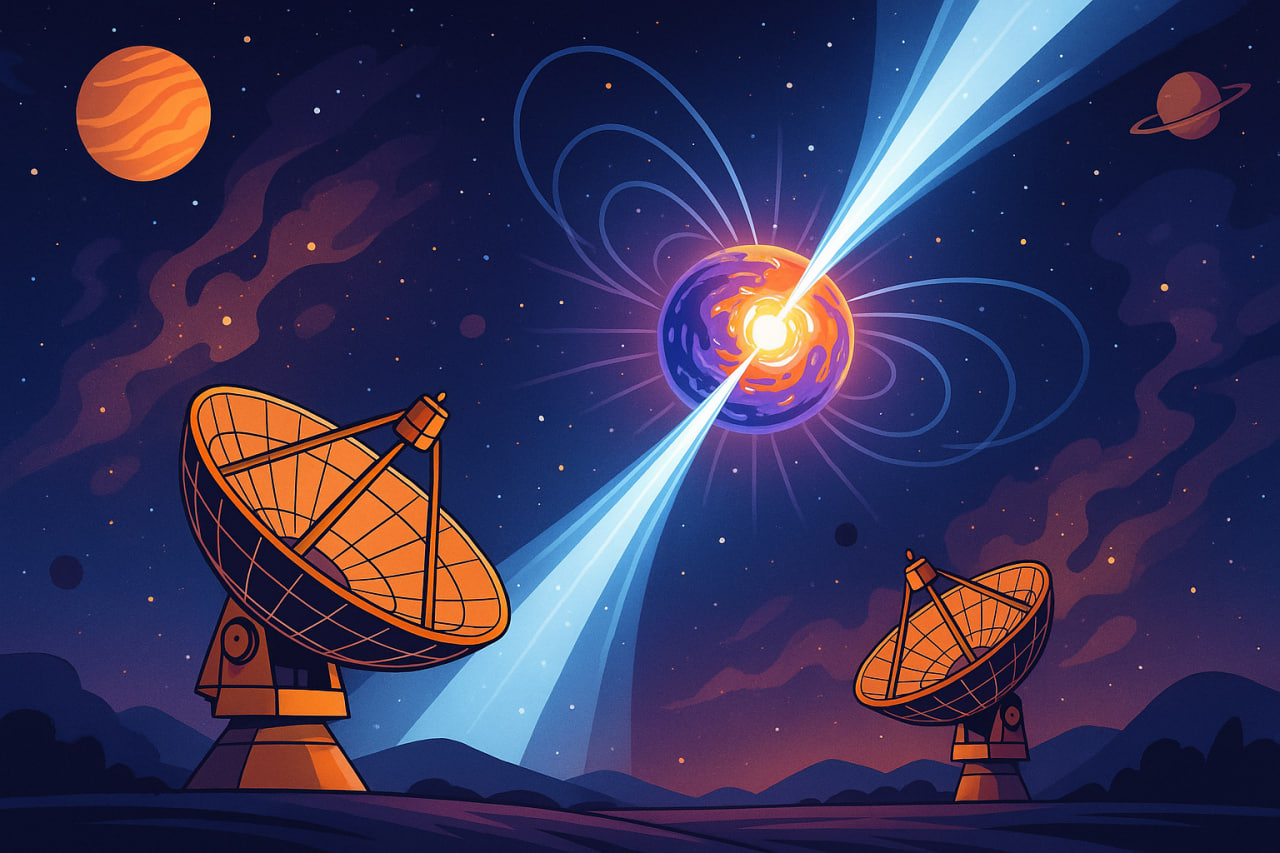
Pulsars are highly magnetized, rapidly rotating neutron stars that emit beams of electromagnetic radiation from their poles.
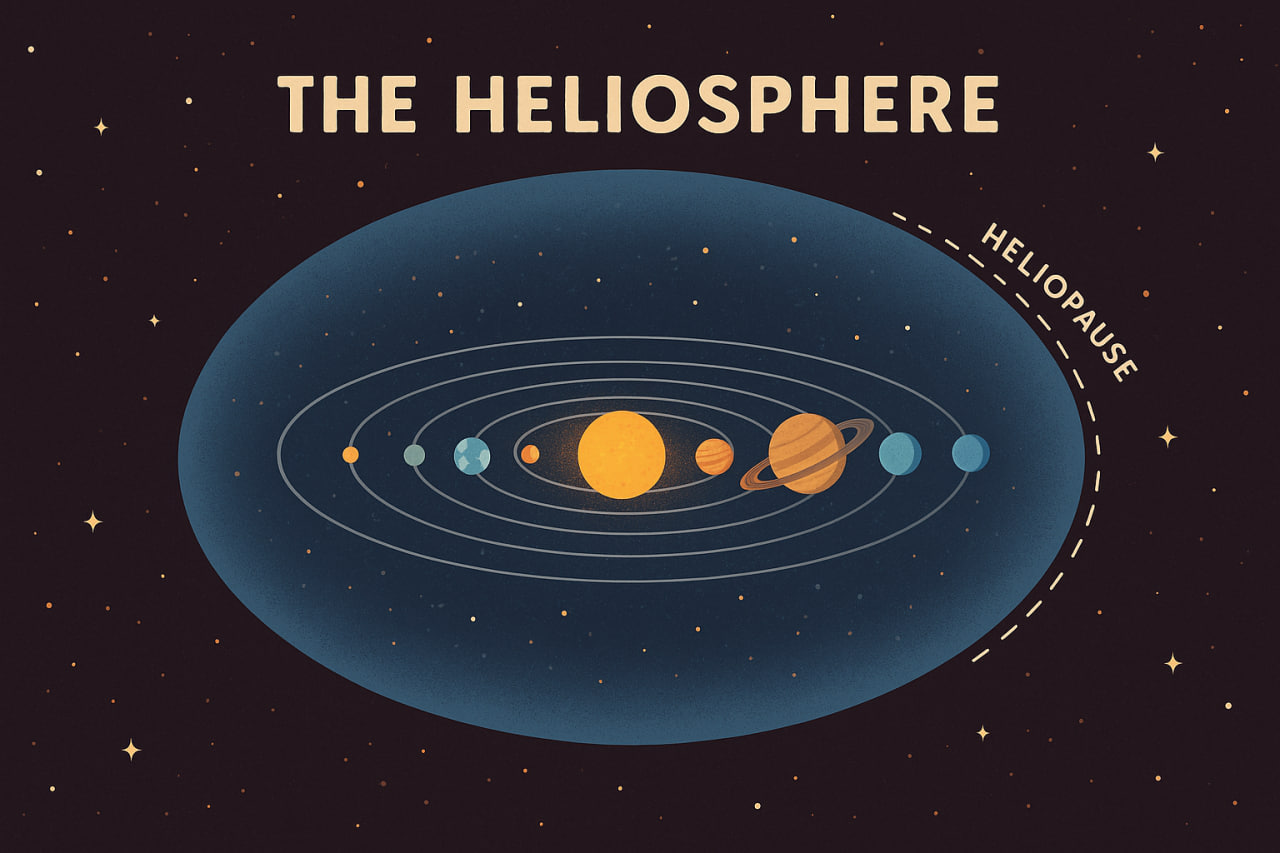
The heliosphere is a vast bubble-like region surrounding our solar system, created by the continuous flow of charged particles from the Sun known as the solar wind.
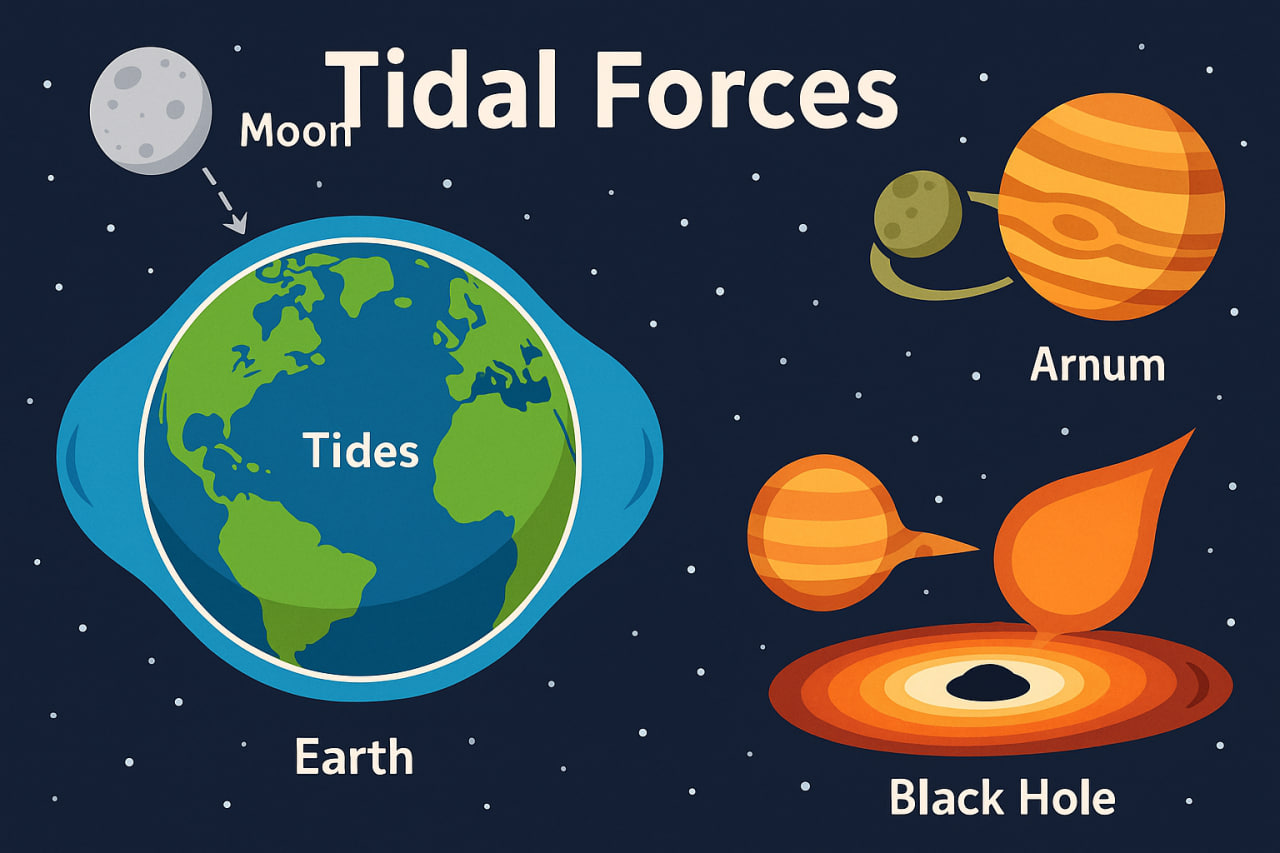
Tidal forces are the result of gravitational interactions between celestial bodies. On Earth, the most familiar example is the effect of the Moon and the Sun on our oceans, causing regular...
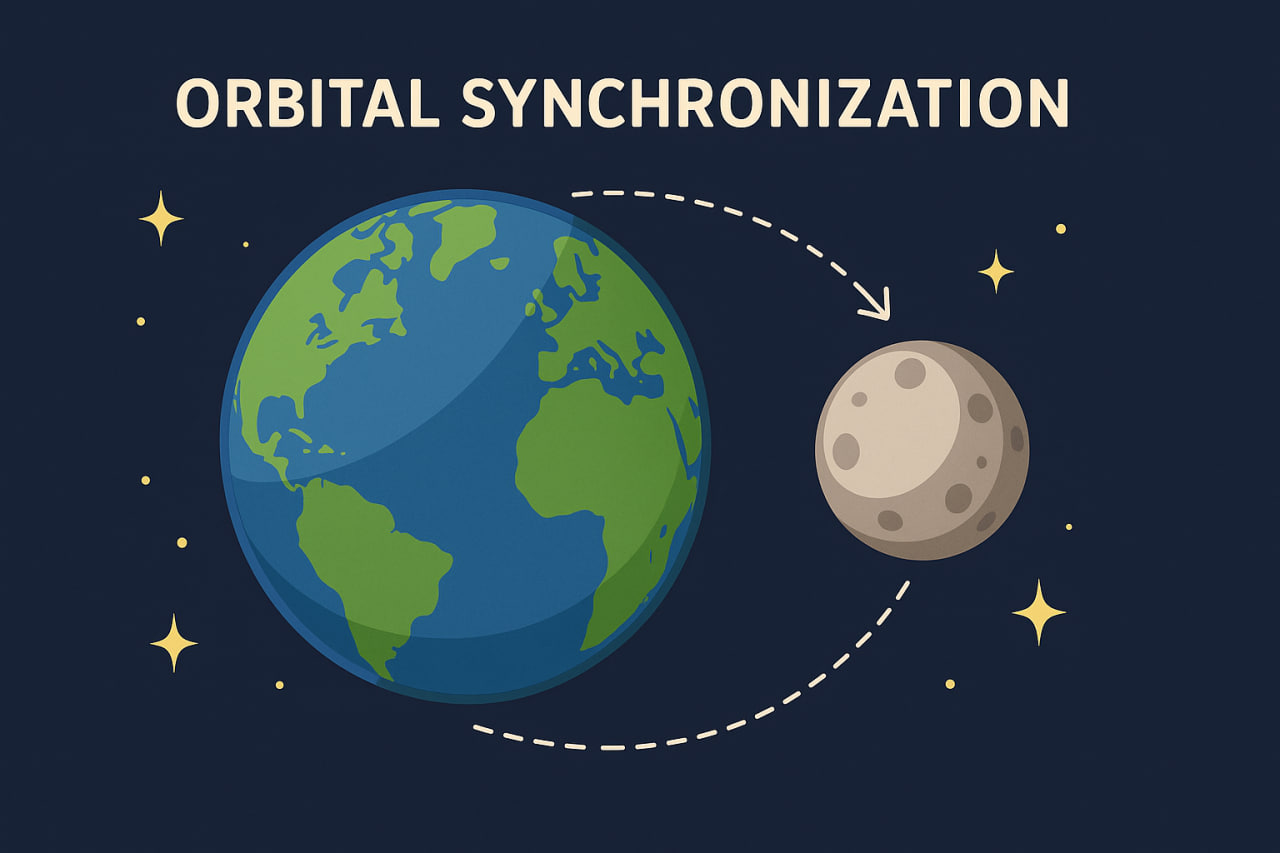
Orbital synchronization is a phenomenon in which one celestial body always shows the same face to another as it orbits.
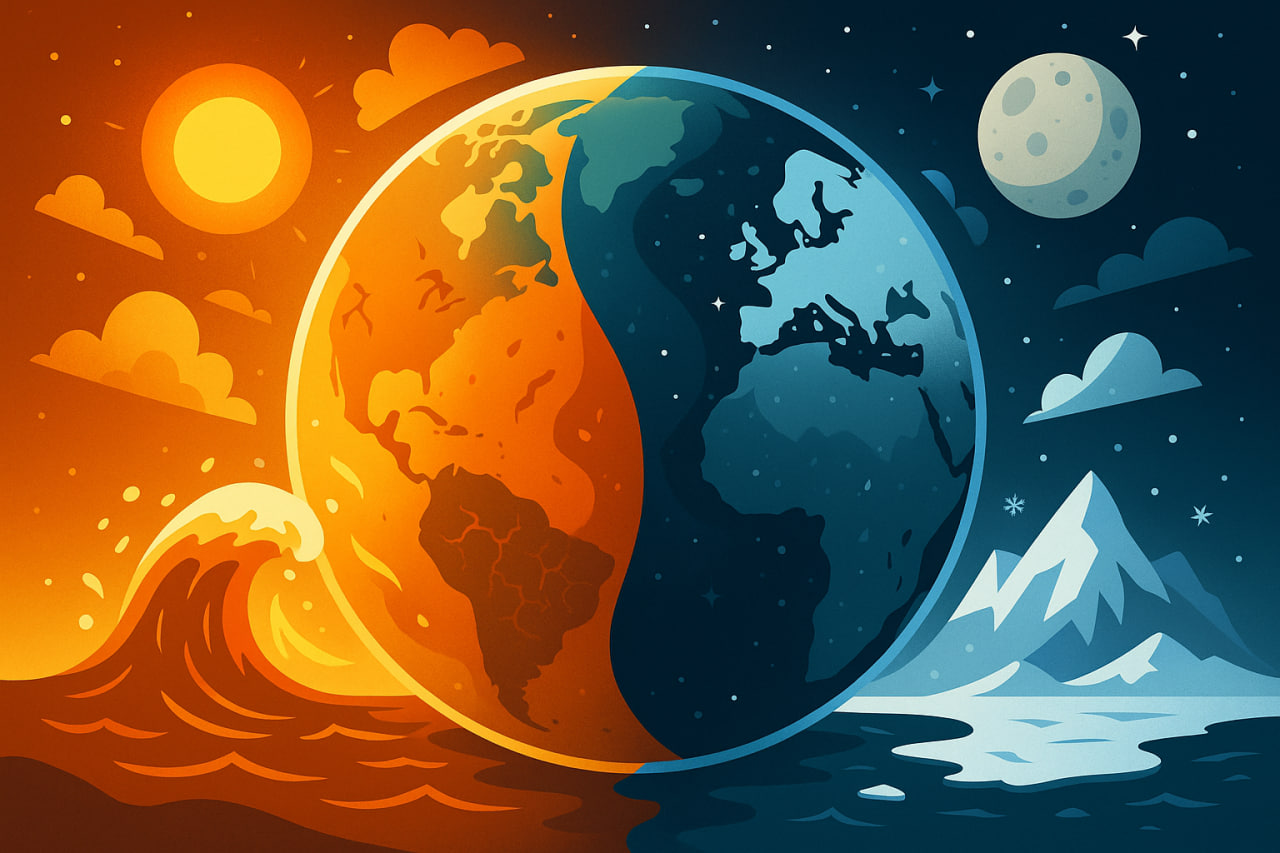
The Earth rotates on its axis once every 24 hours, creating day and night. This rotation also influences weather, ocean currents, and the planet’s overall balance.
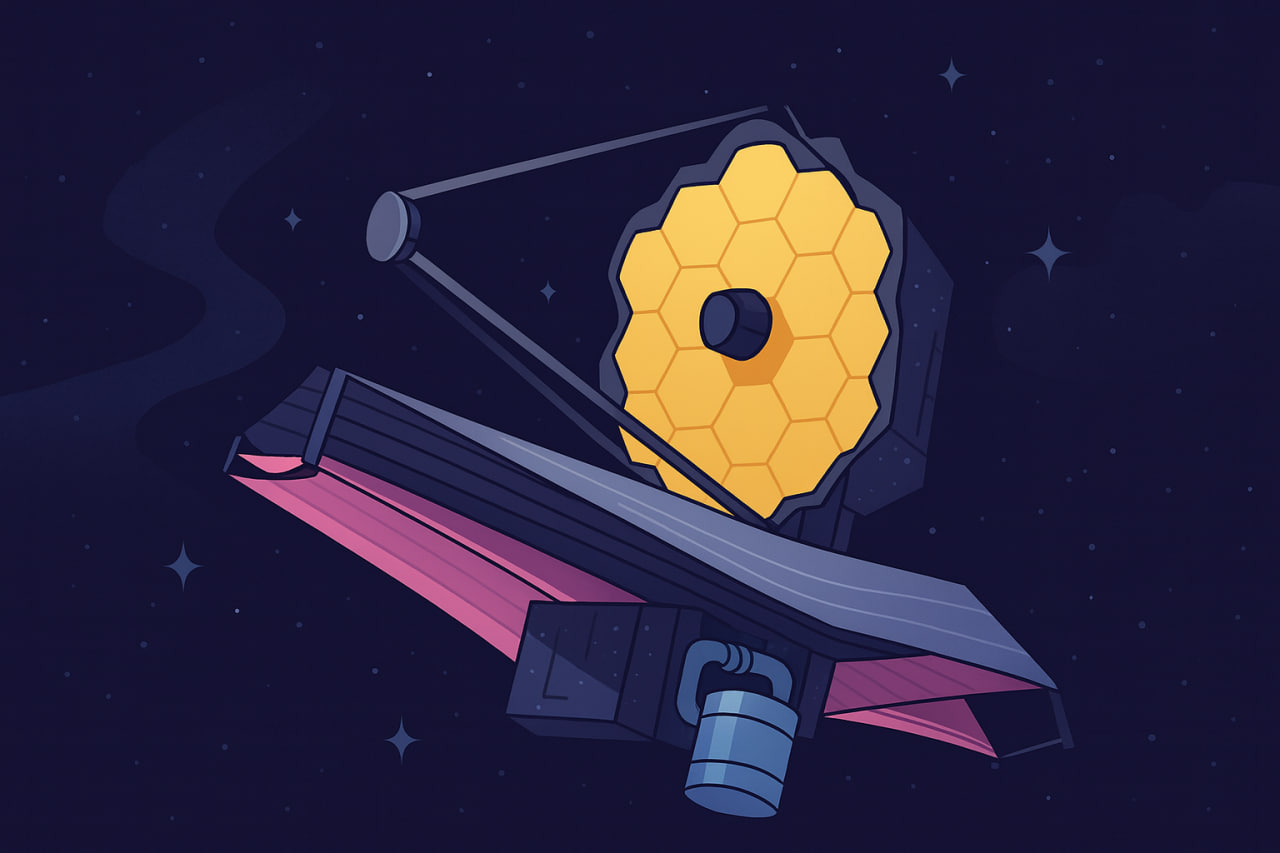
Modern telescopes are powerful instruments designed to capture faint signals from distant stars, galaxies, and other cosmic objects.