
The First Moon Landing
On July 20, 1969, millions of people across the globe watched in awe as Neil Armstrong stepped onto the surface of the Moon, delivering the iconic words: "That's one small step for [a] man...
Useful articles about our universe and science
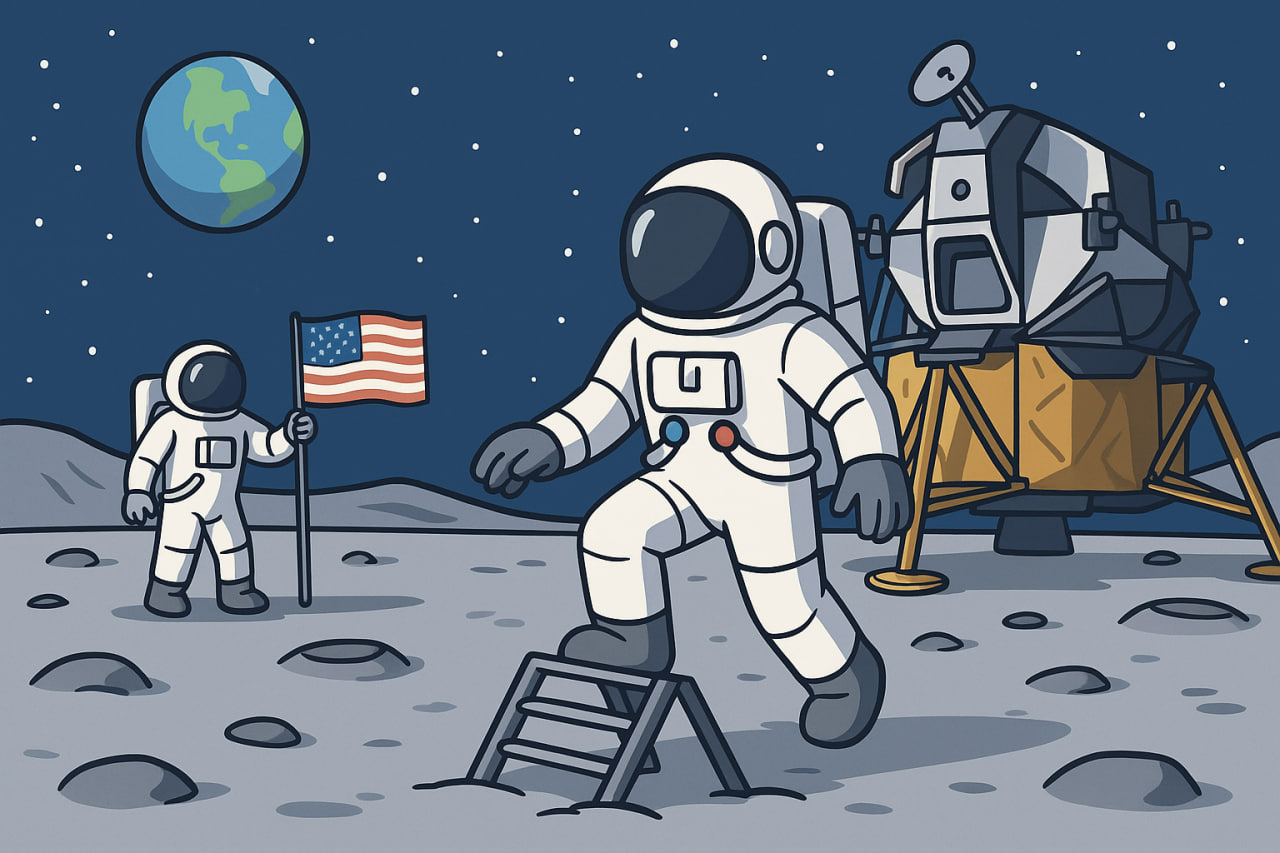
On July 20, 1969, millions of people across the globe watched in awe as Neil Armstrong stepped onto the surface of the Moon, delivering the iconic words: "That's one small step for [a] man...
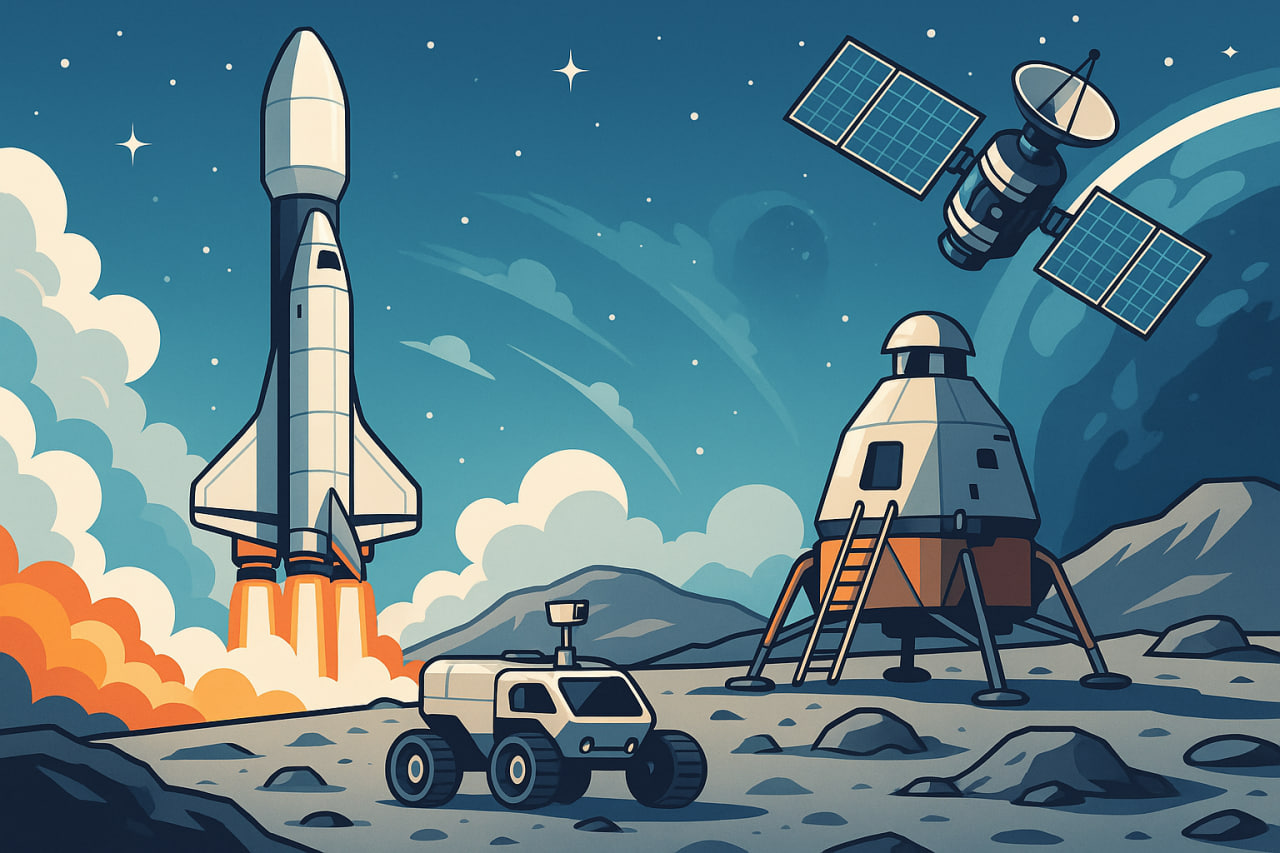
We are living in a revolutionary era of space technology. Once dominated by government agencies and Cold War politics, modern space activity now includes private companies, global...
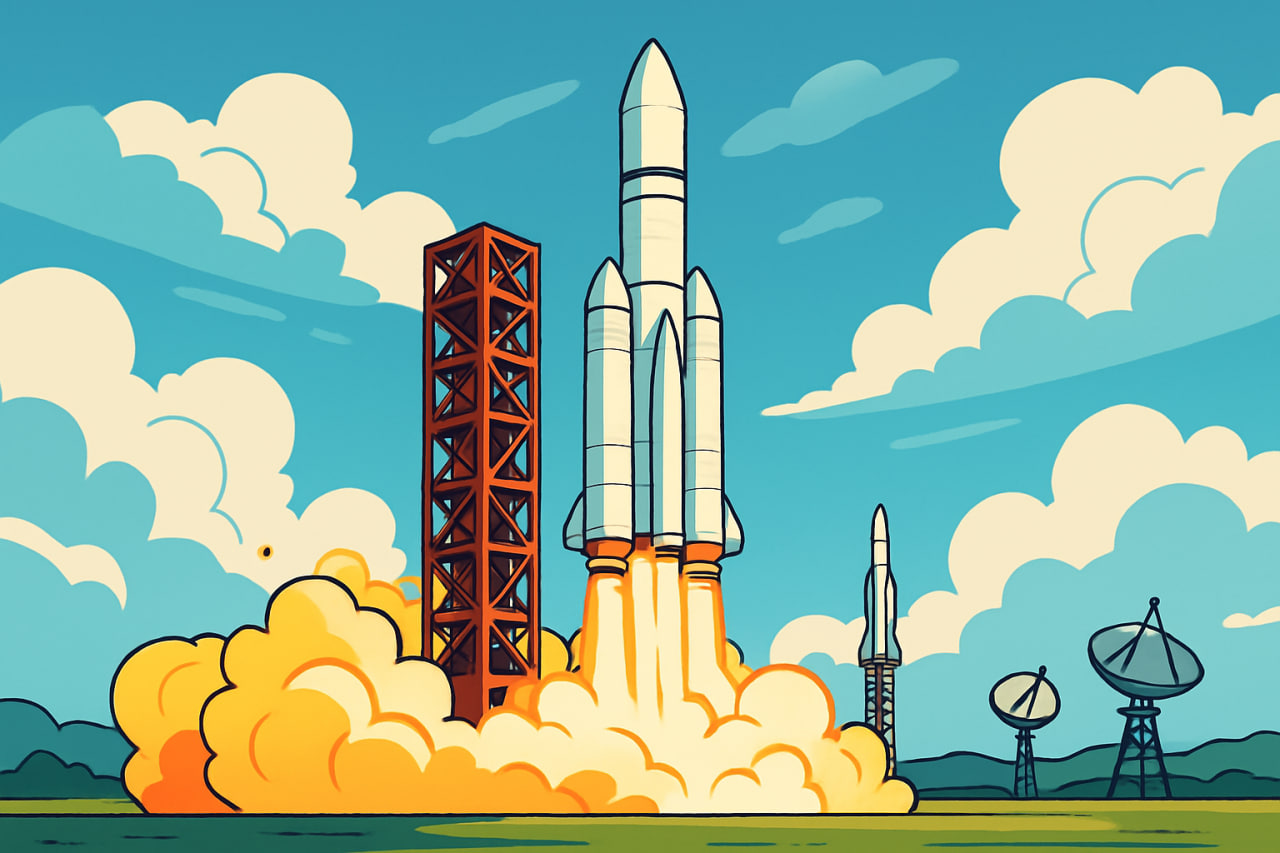
A rocket is a vehicle or device that moves by expelling gas out of a nozzle at high speed, based on Newton’s Third Law of Motion: “For every action, there is an equal and opposite reaction.

Puzzle encoding is a method of transforming information into a form that resembles a disassembled puzzle, making it difficult to interpret unless properly reconstructed.
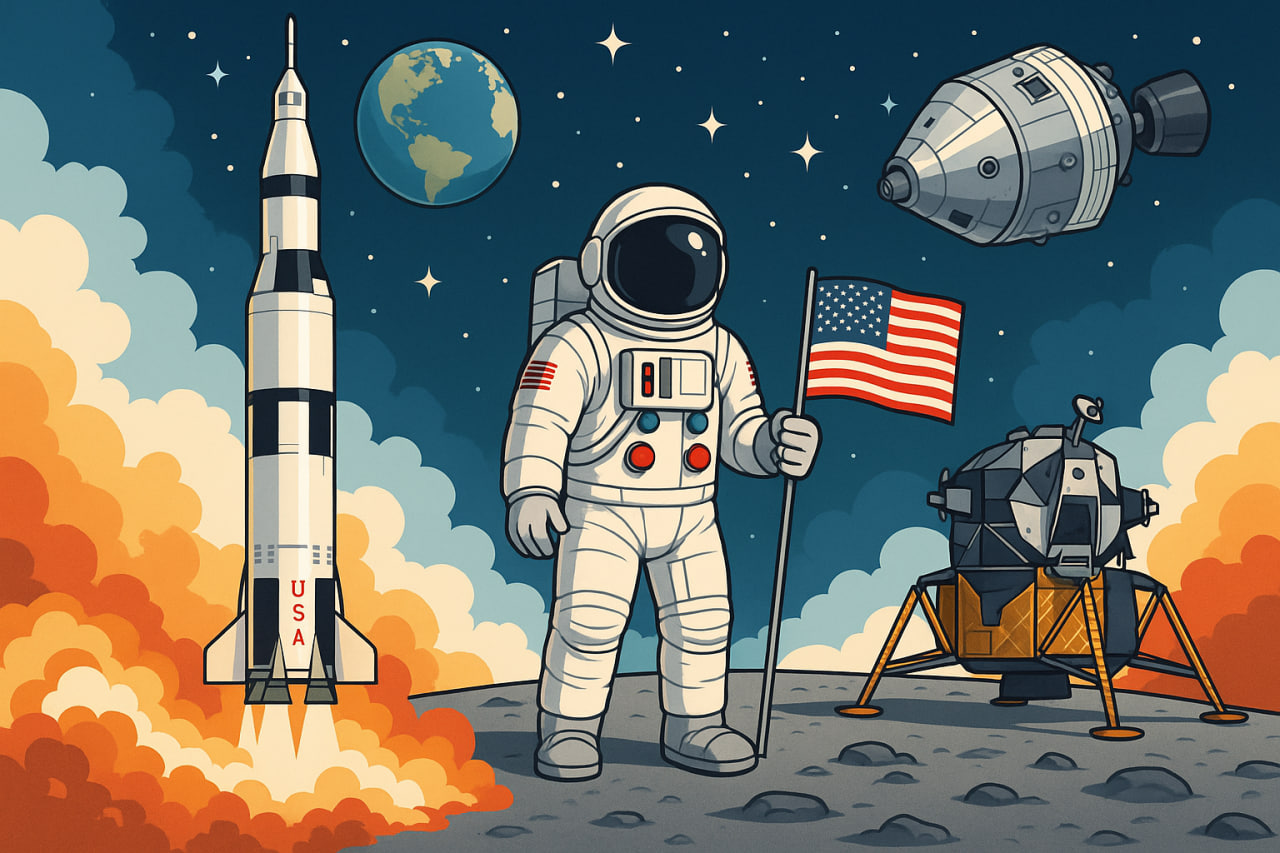
The Apollo program, run by NASA between 1961 and 1972, was one of the most ambitious and historic endeavors in human history. Its goal: to land humans on the Moon and return them safely to Earth.
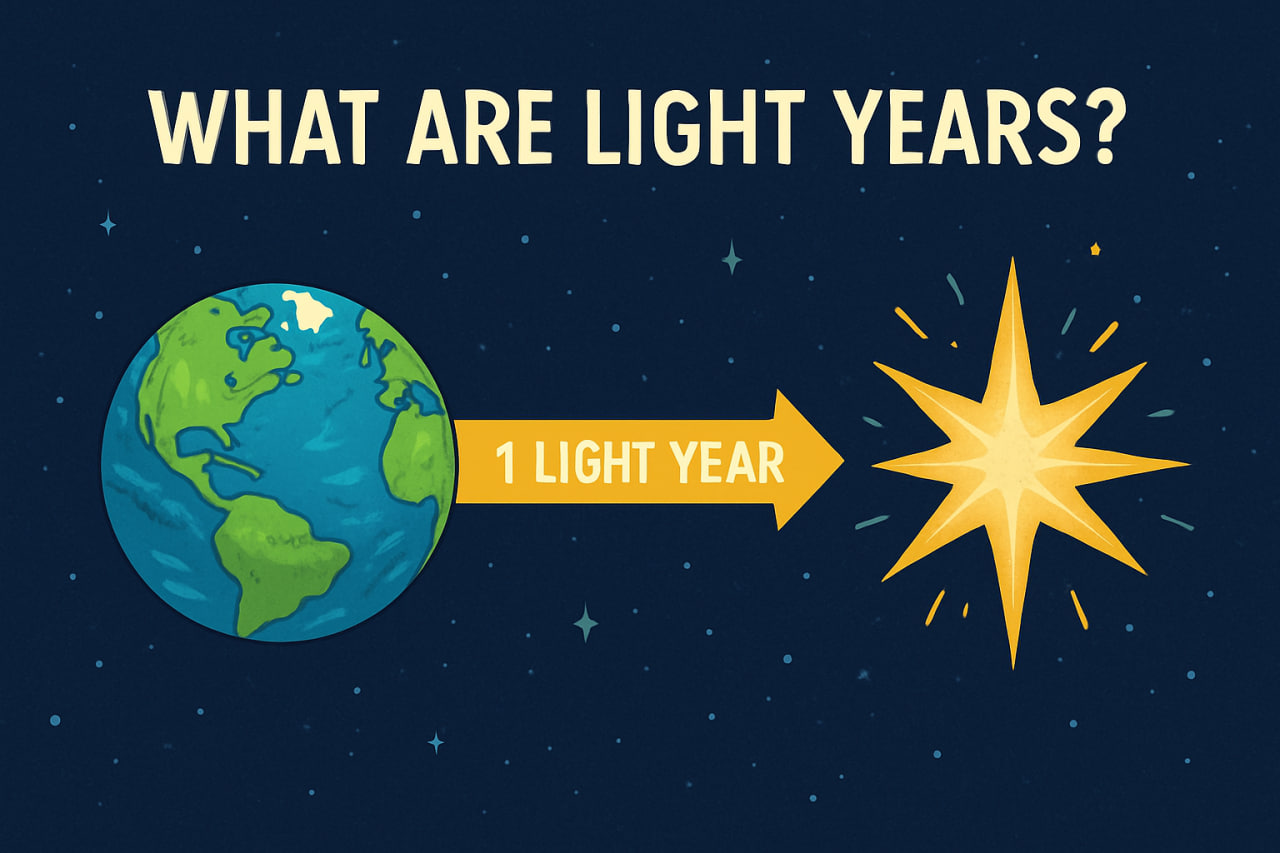
When astronomers talk about stars, galaxies, or other celestial objects, they often use the term "light year" — but it’s not a measure of time.
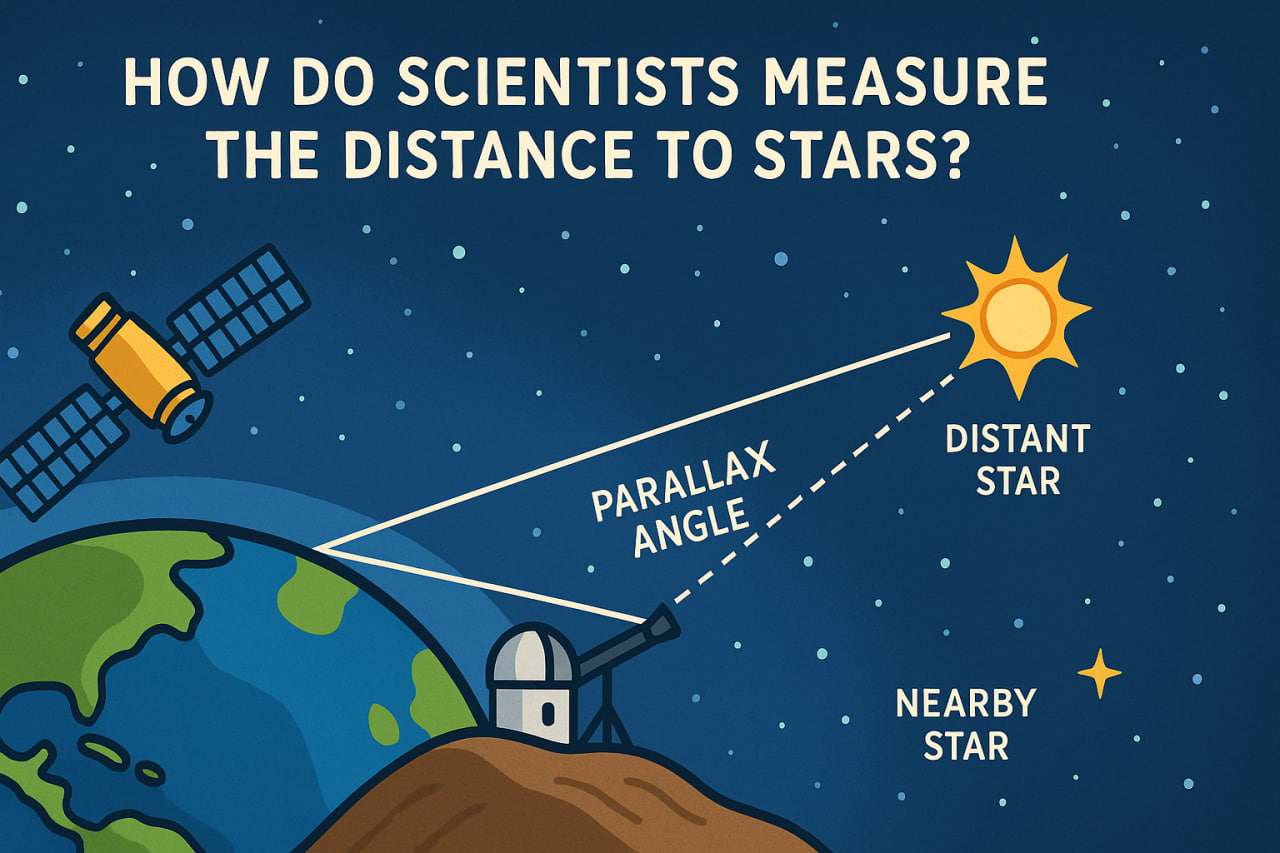
Stars may appear close as dots in the night sky, but in reality, they are incredibly far away — often light years from Earth.
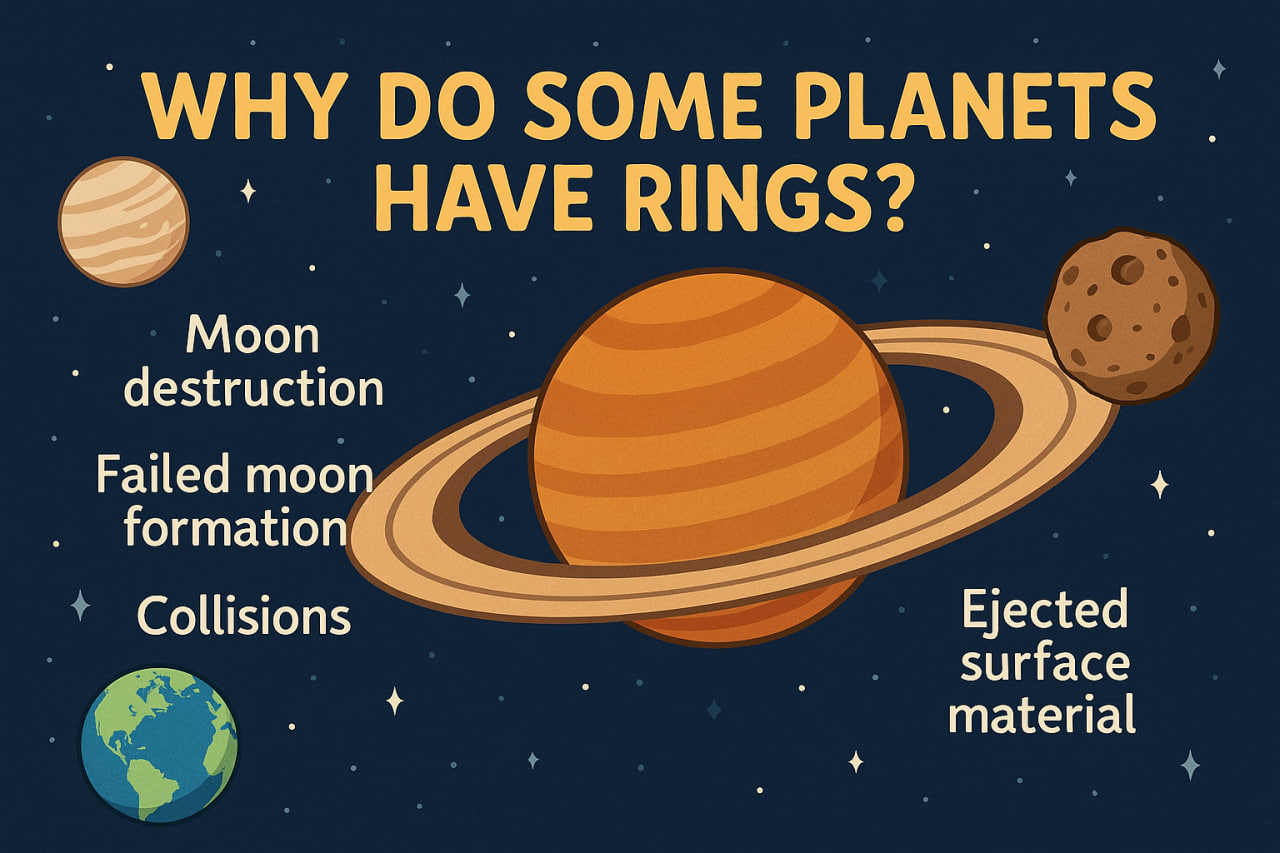
When we picture planets with rings, Saturn immediately comes to mind. But did you know that all four gas giants in our solar system — Jupiter, Saturn, Uranus, and Neptune — have rings?

When we think of light, we usually imagine beams or waves. But in modern physics, light also behaves like a particle — and that particle is called a photon.
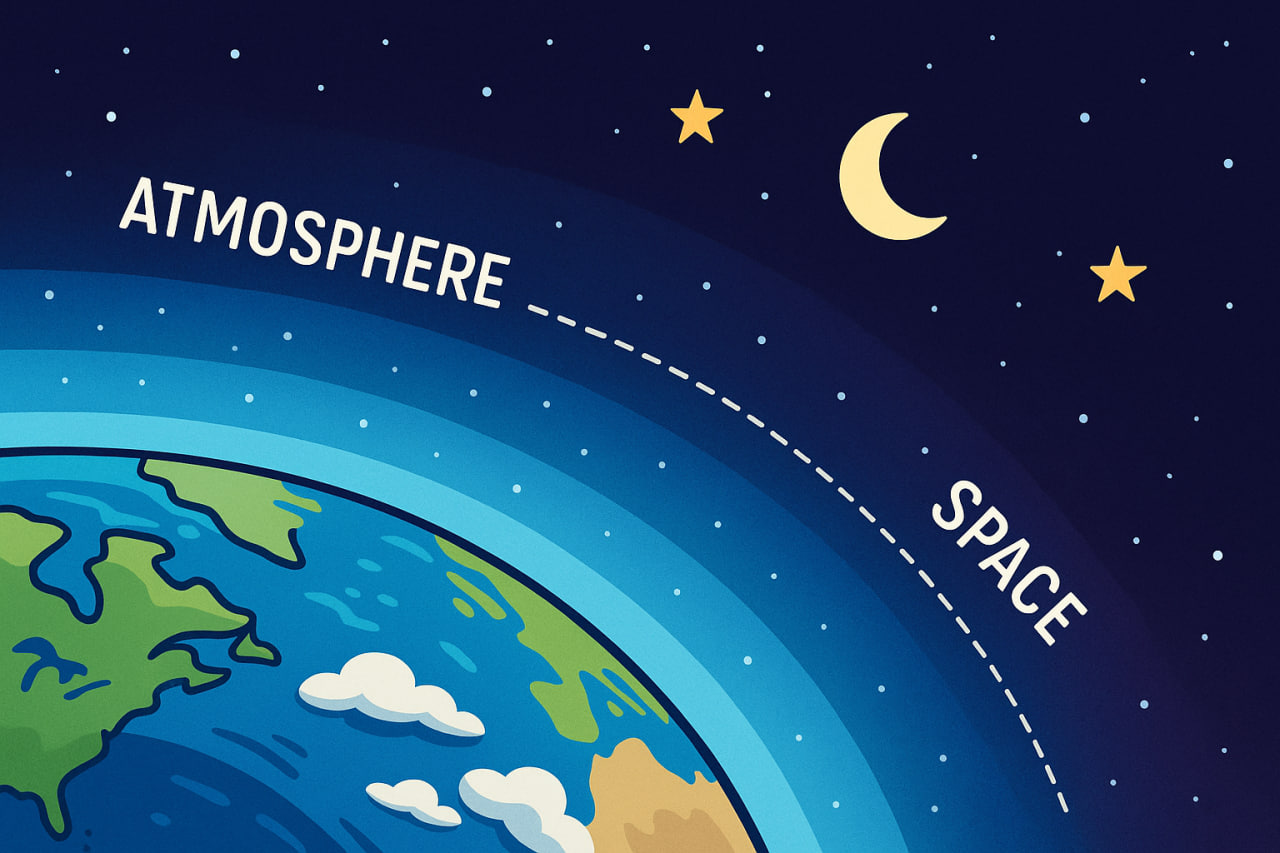
When we look up at the sky, it may seem like space begins just beyond the clouds. But scientifically defining where Earth ends and space begins is far more complex.