
What Is Nuclear Fusion?
Nuclear fusion is the process by which two light atomic nuclei combine to form a heavier nucleus, releasing an enormous amount of energy in the process.
Useful articles about our universe and science
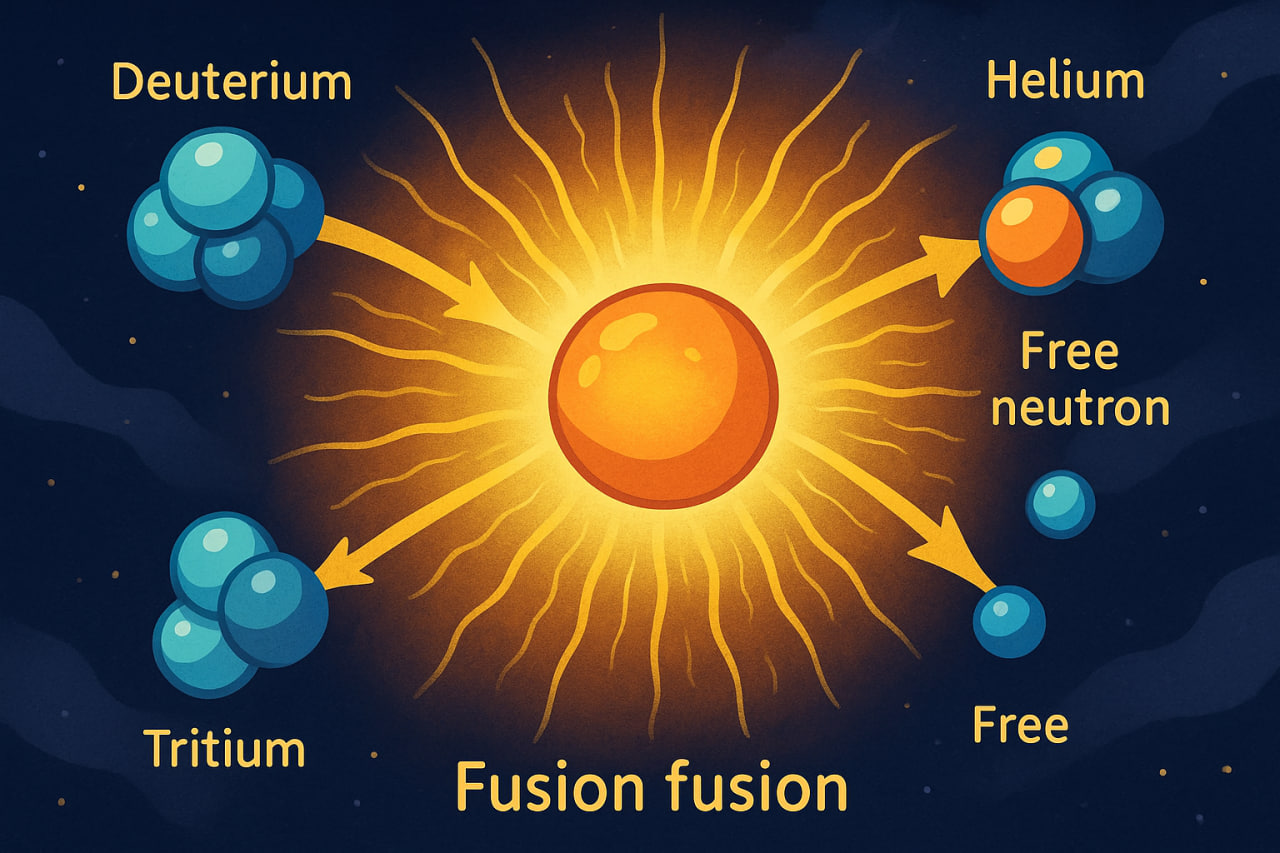
Nuclear fusion is the process by which two light atomic nuclei combine to form a heavier nucleus, releasing an enormous amount of energy in the process.
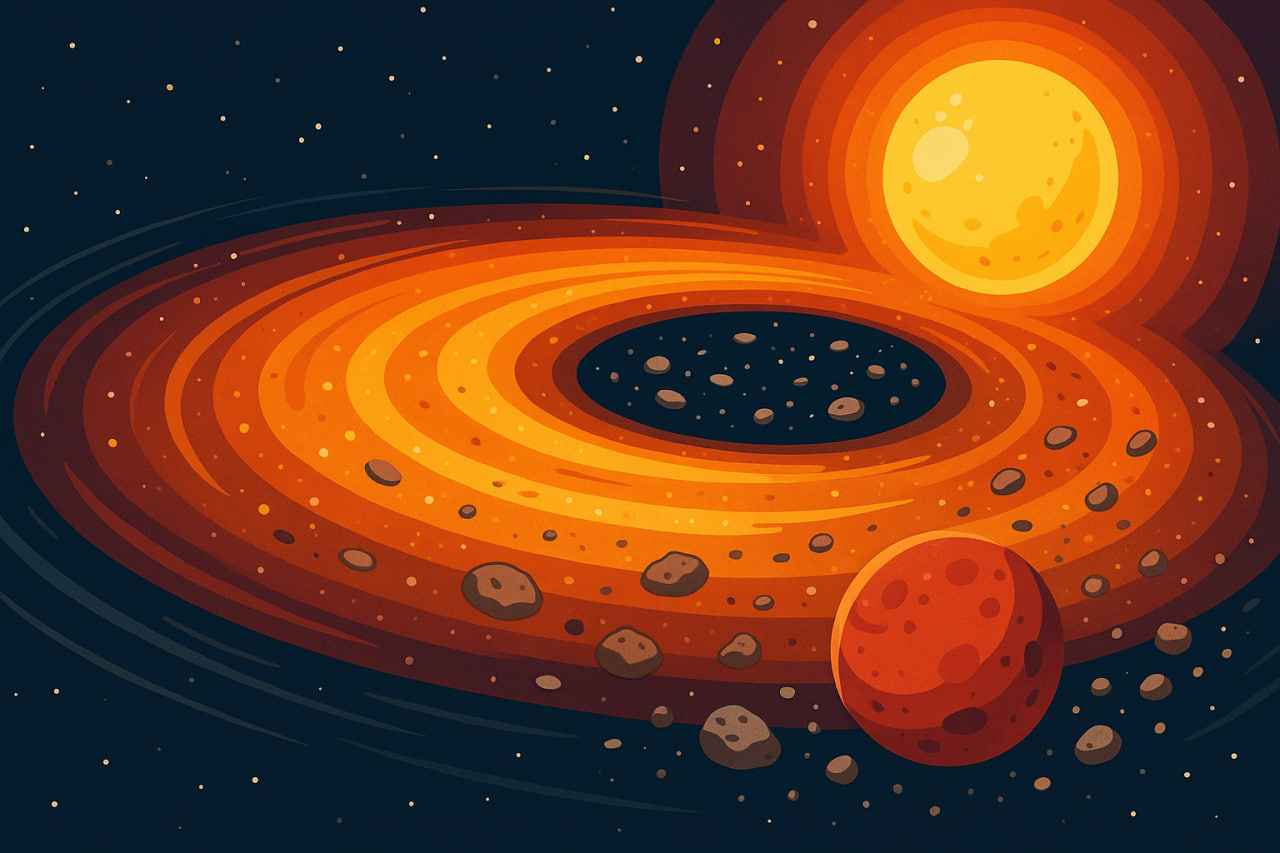
Planets don’t simply appear — they are the result of complex processes unfolding over millions of years.

If you could watch Earth from space, you'd see it constantly spinning on its axis — a full rotation every 24 hours.

A laser (Light Amplification by Stimulated Emission of Radiation) is a device that emits a beam of coherent, monochromatic light — meaning all light waves have the same wavelength and move in...
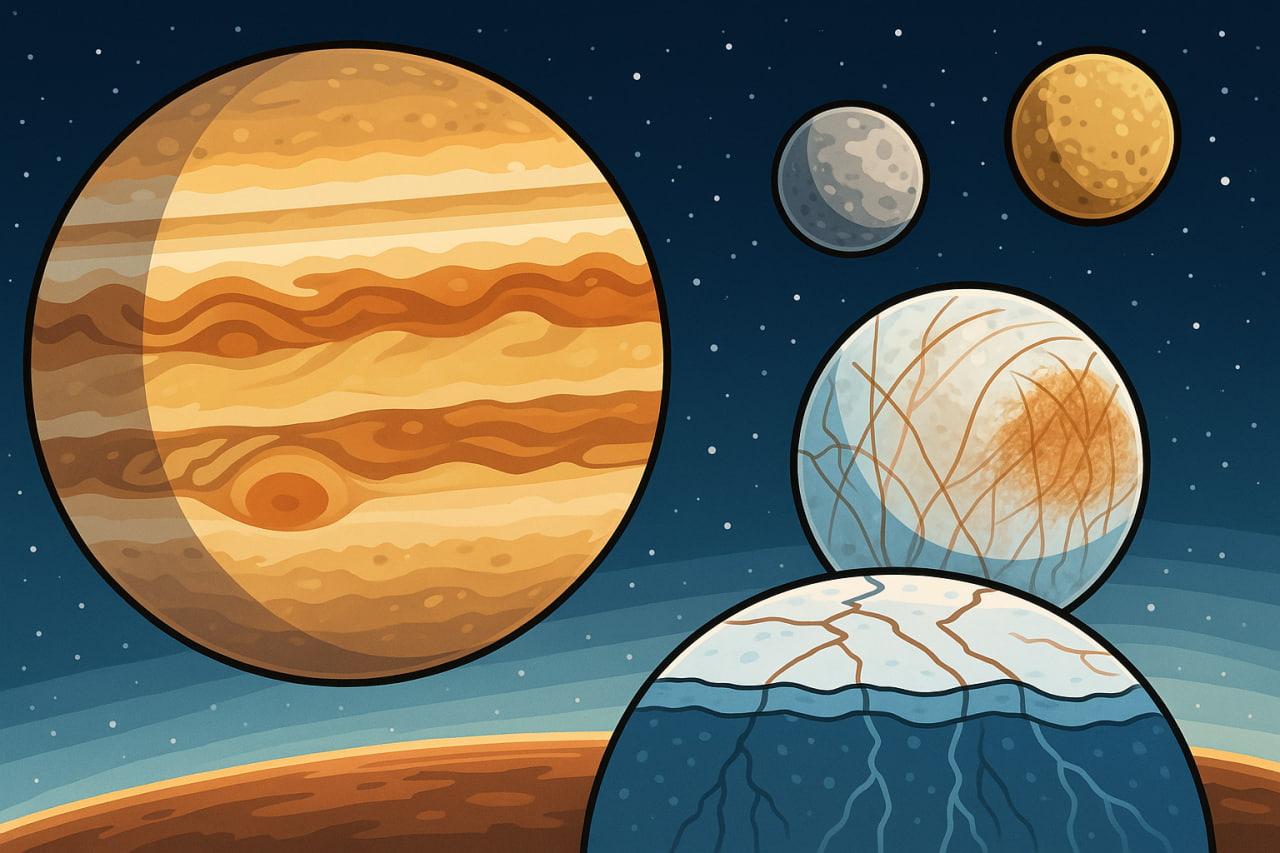
Jupiter is not just the largest planet in our solar system — it's also a host to dozens of fascinating moons, including several that are covered in ice.
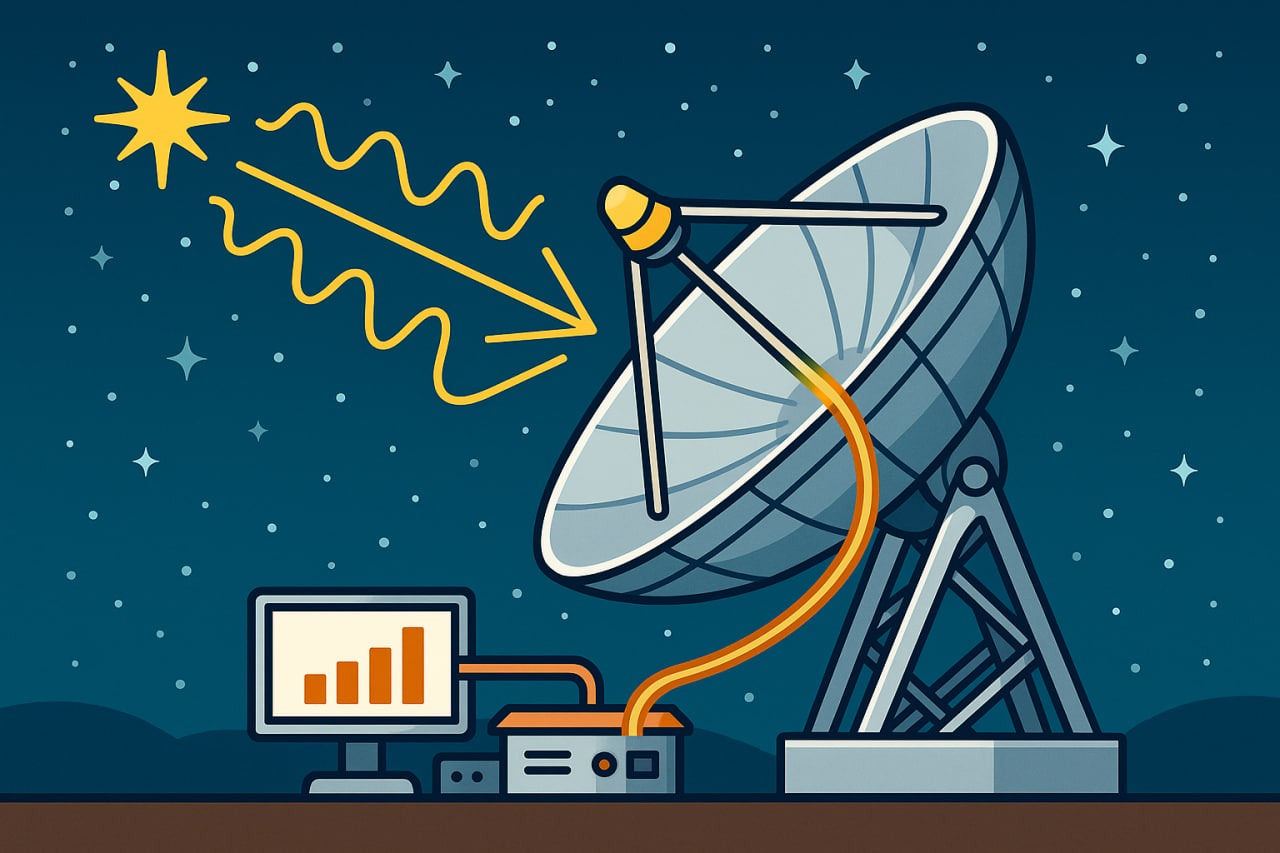
Unlike traditional optical telescopes that capture visible light, a radio telescope detects radio waves emitted by celestial objects.
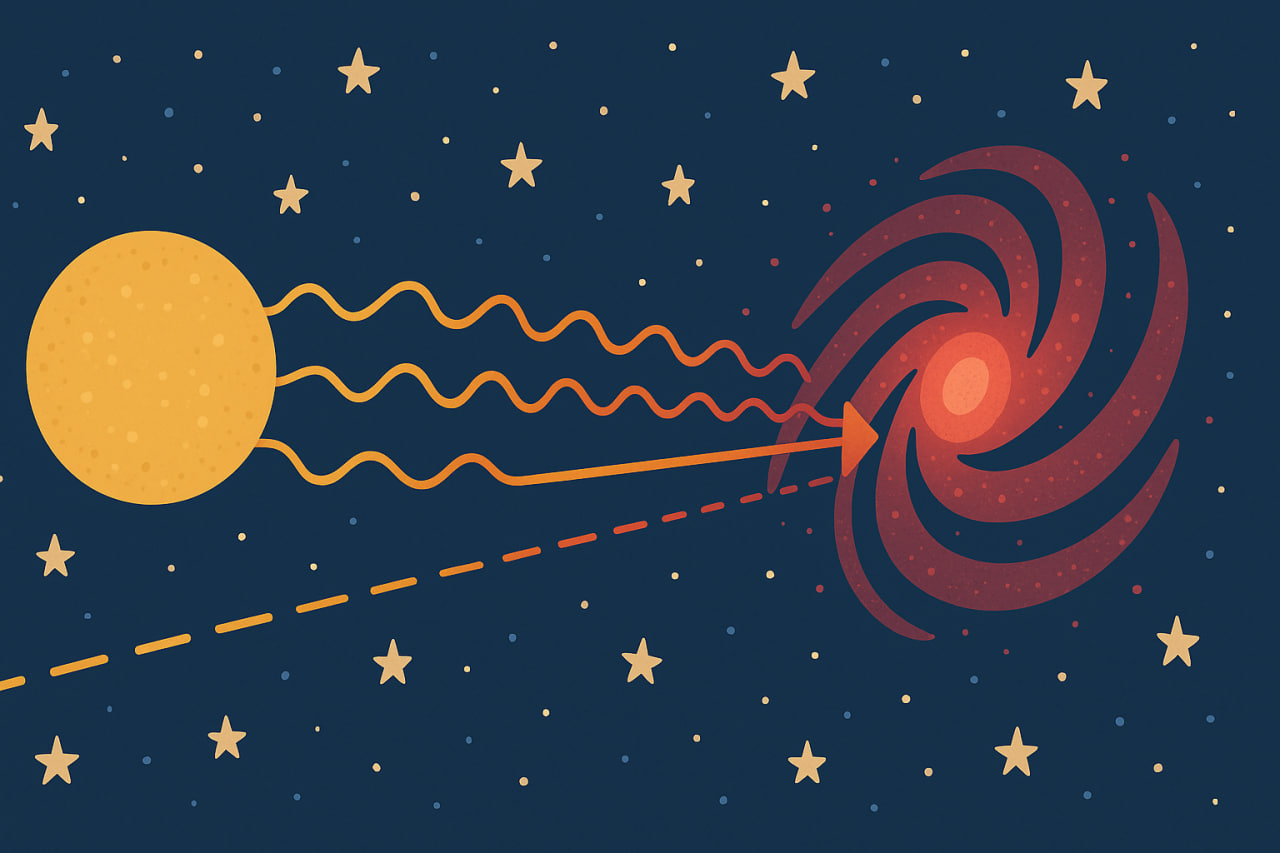
Redshift is a key concept in astronomy that helps scientists understand how distant celestial objects move in space.
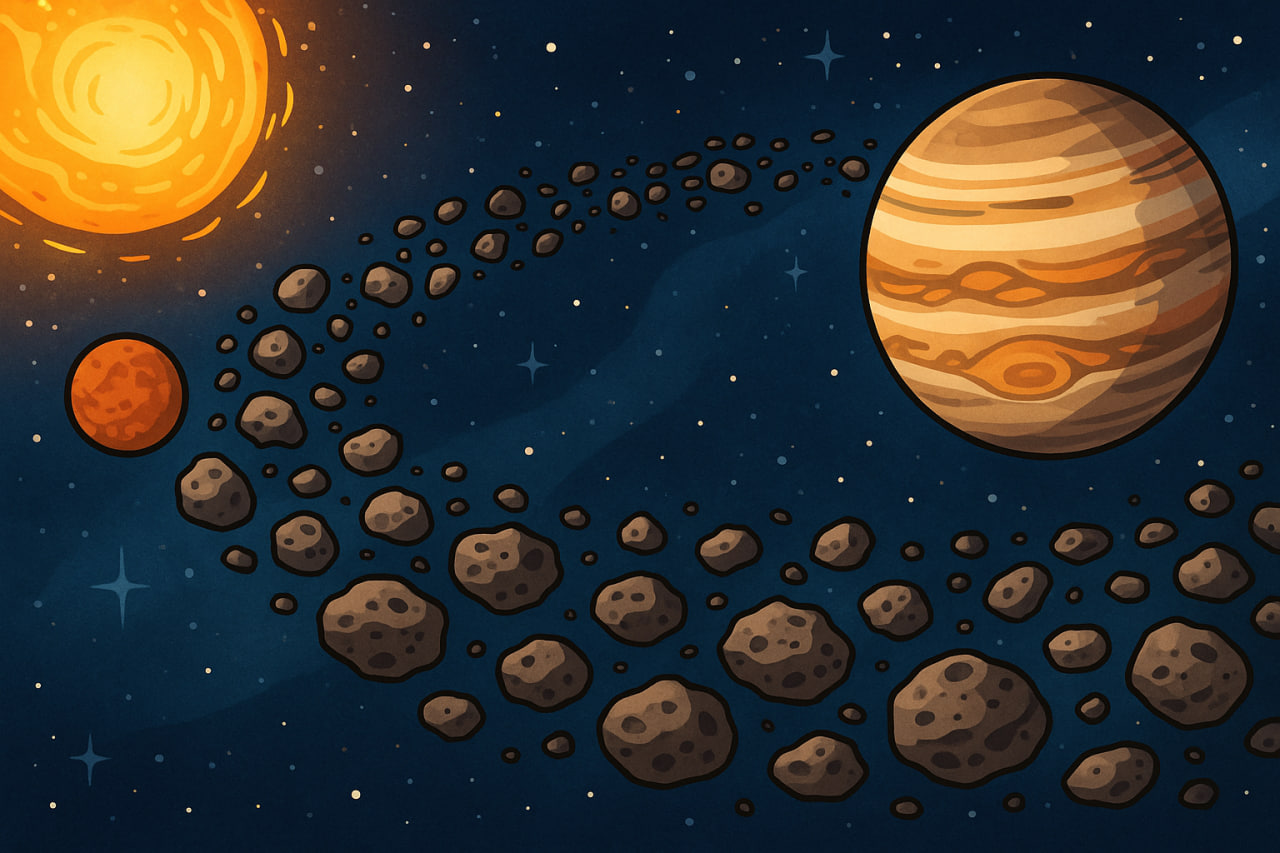
The asteroid belt is a vast region in space filled with rocky objects of various sizes orbiting the Sun.

The Moon has a powerful influence on our planet, even though it's about 384,400 kilometers away.
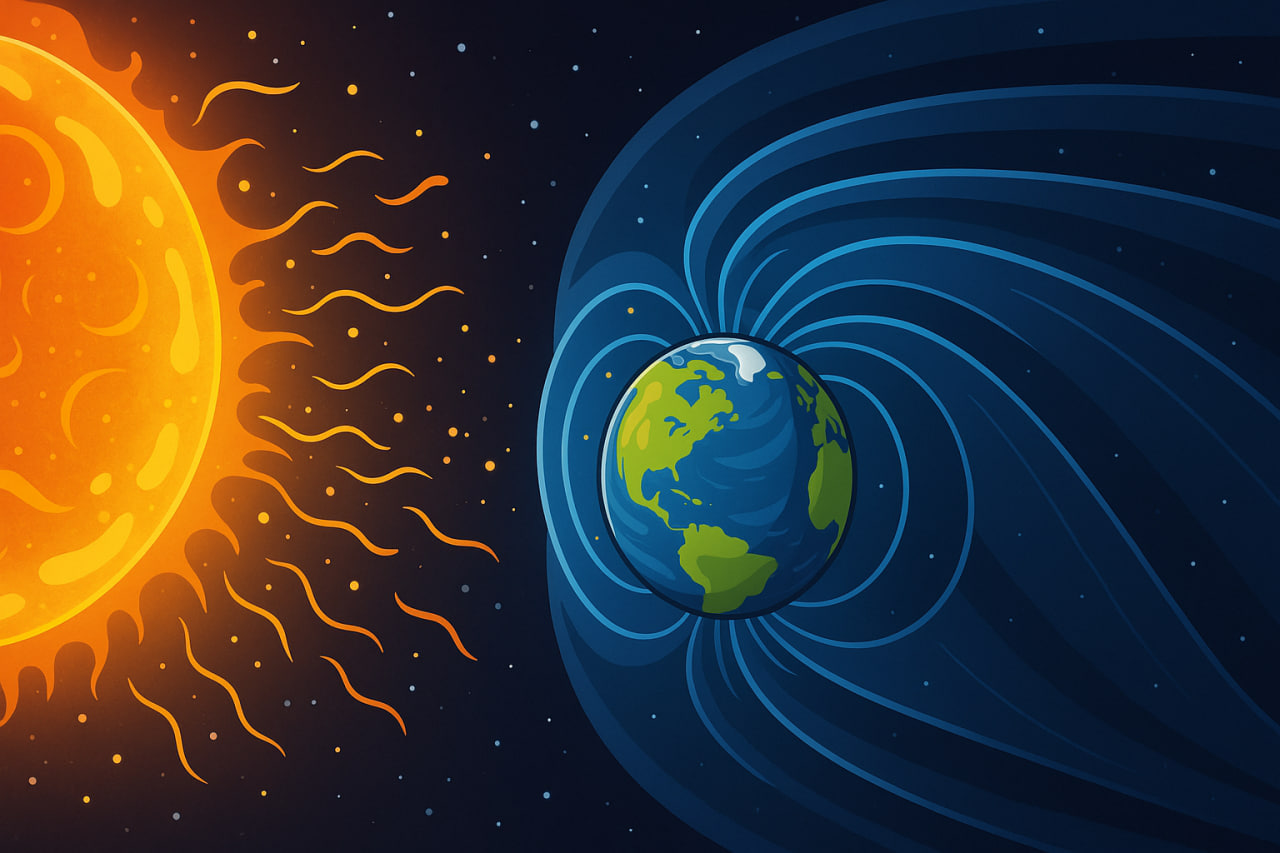
The magnetosphere is a vast, invisible region around Earth that is dominated by the planet’s magnetic field.