
Where Does Earth's Atmosphere End?
The atmosphere of Earth is a vast and complex layer of gases that surrounds the planet, gradually thinning with altitude. But where does it actually end?
Useful articles about our universe and science
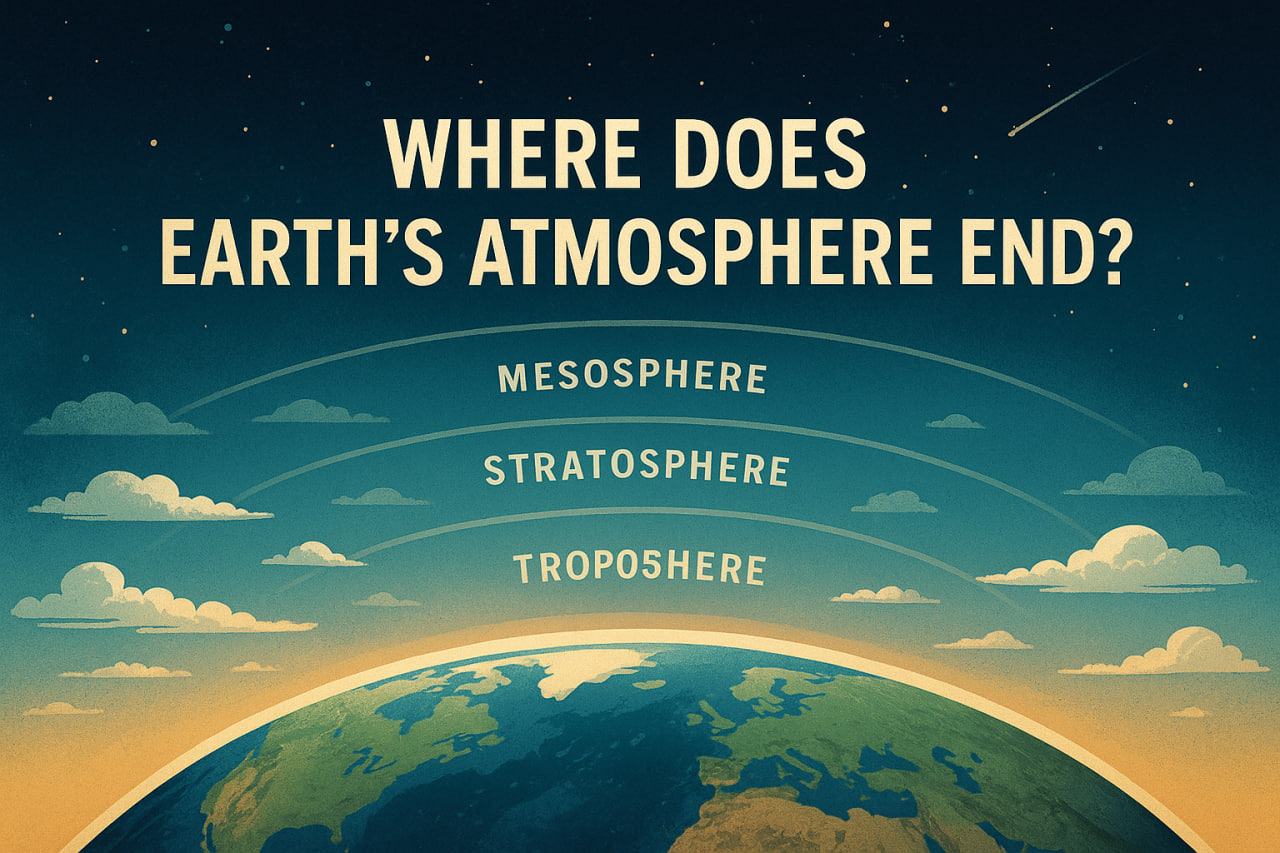
The atmosphere of Earth is a vast and complex layer of gases that surrounds the planet, gradually thinning with altitude. But where does it actually end?
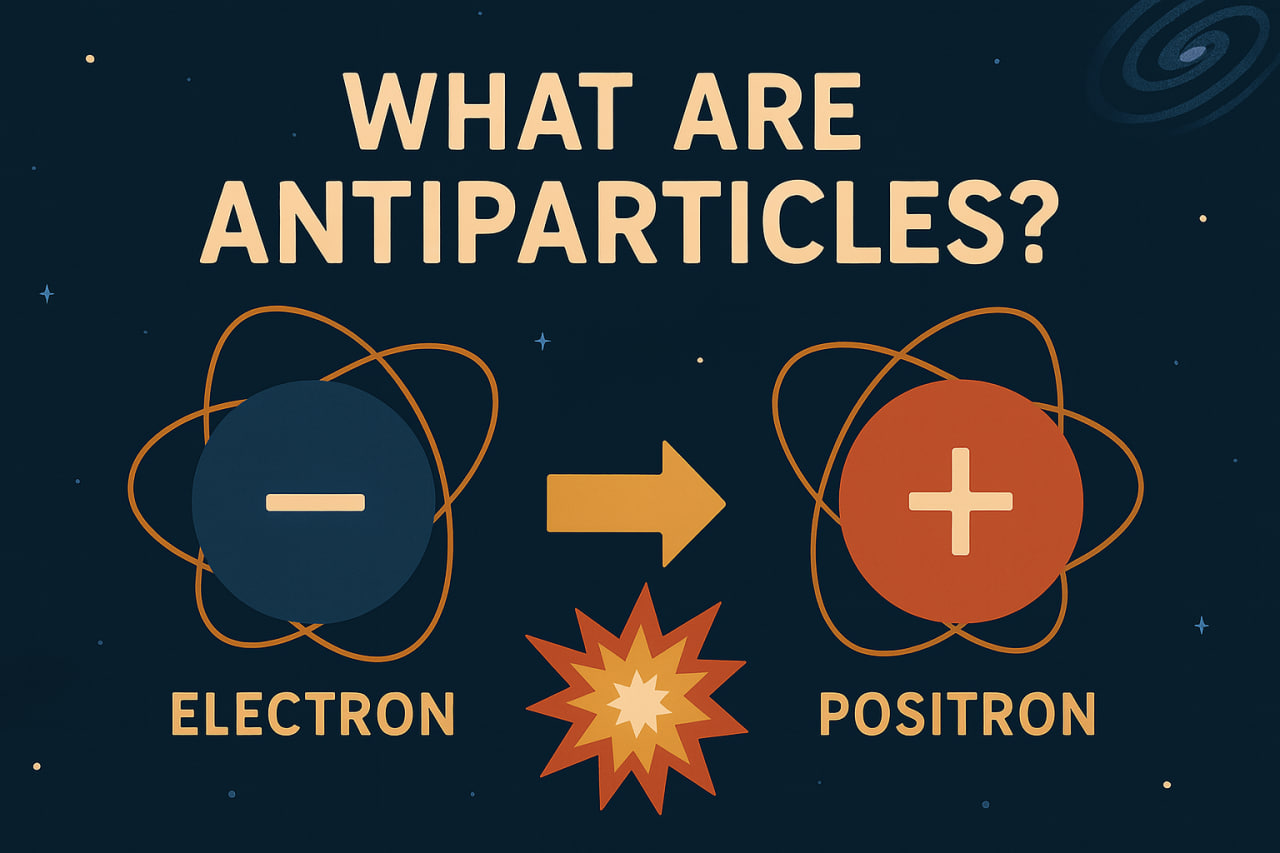
Antiparticles are a fundamental concept in modern physics, especially in the field of quantum mechanics and particle physics.
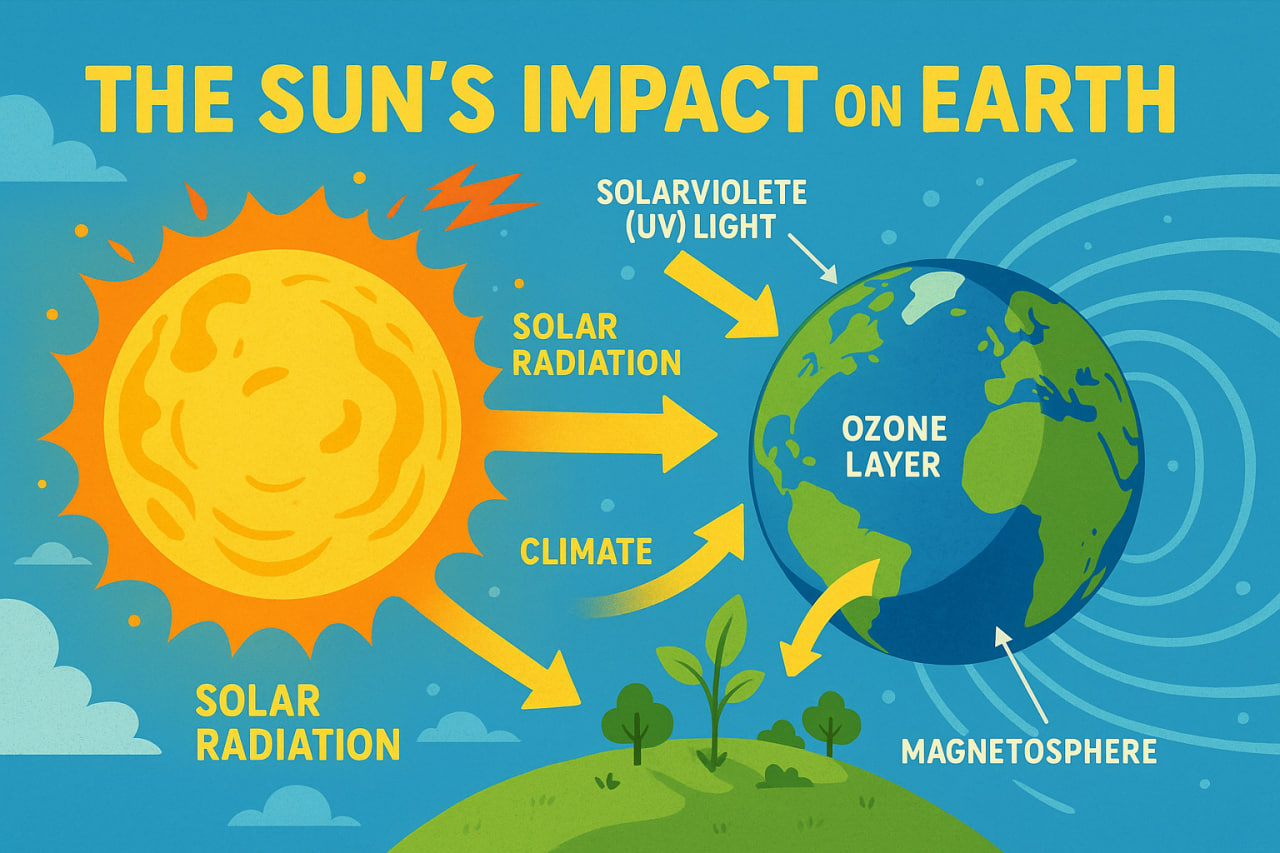
The Sun is the central driver of nearly all natural processes on Earth. As the closest star to our planet, it provides the energy necessary for life, powers the weather and climate systems...
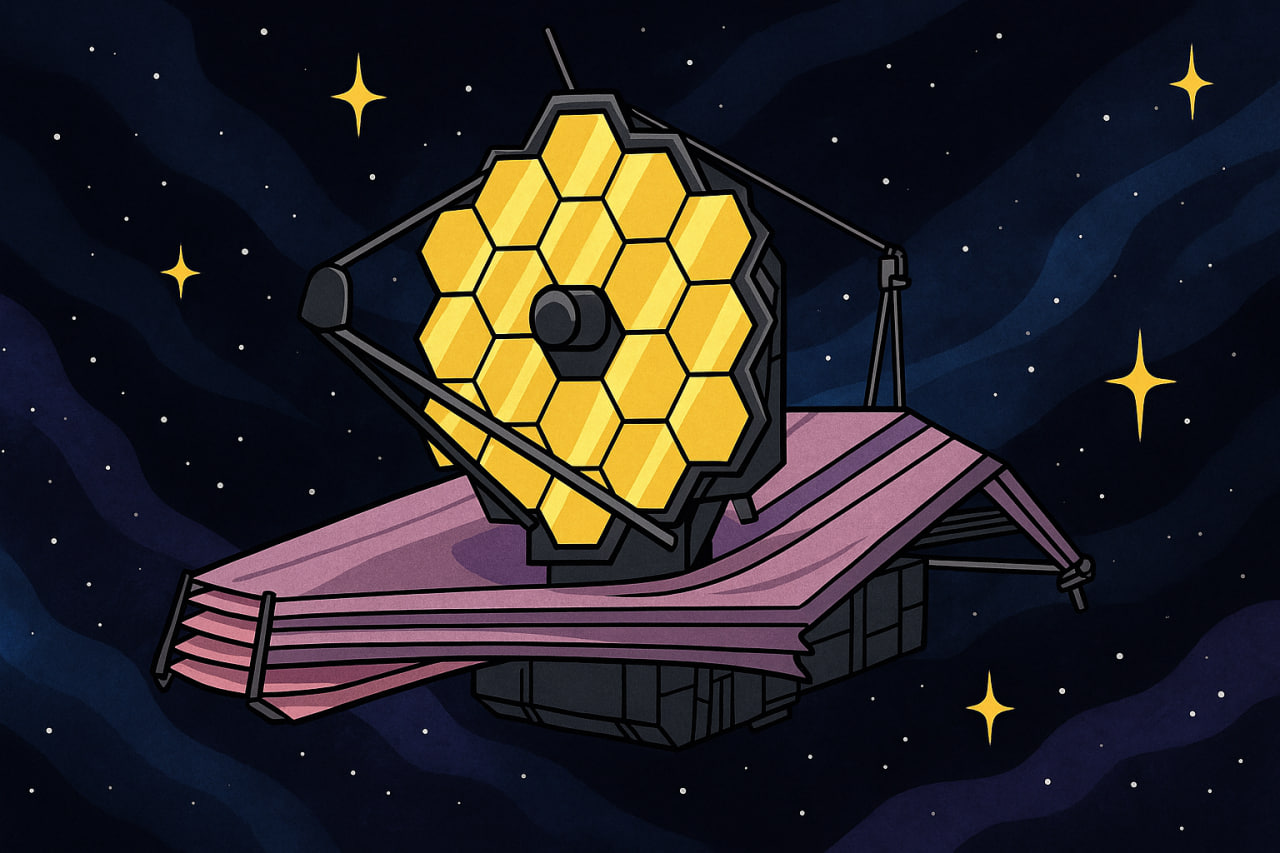
The James Webb Space Telescope (JWST) is the most advanced and powerful space observatory ever launched.
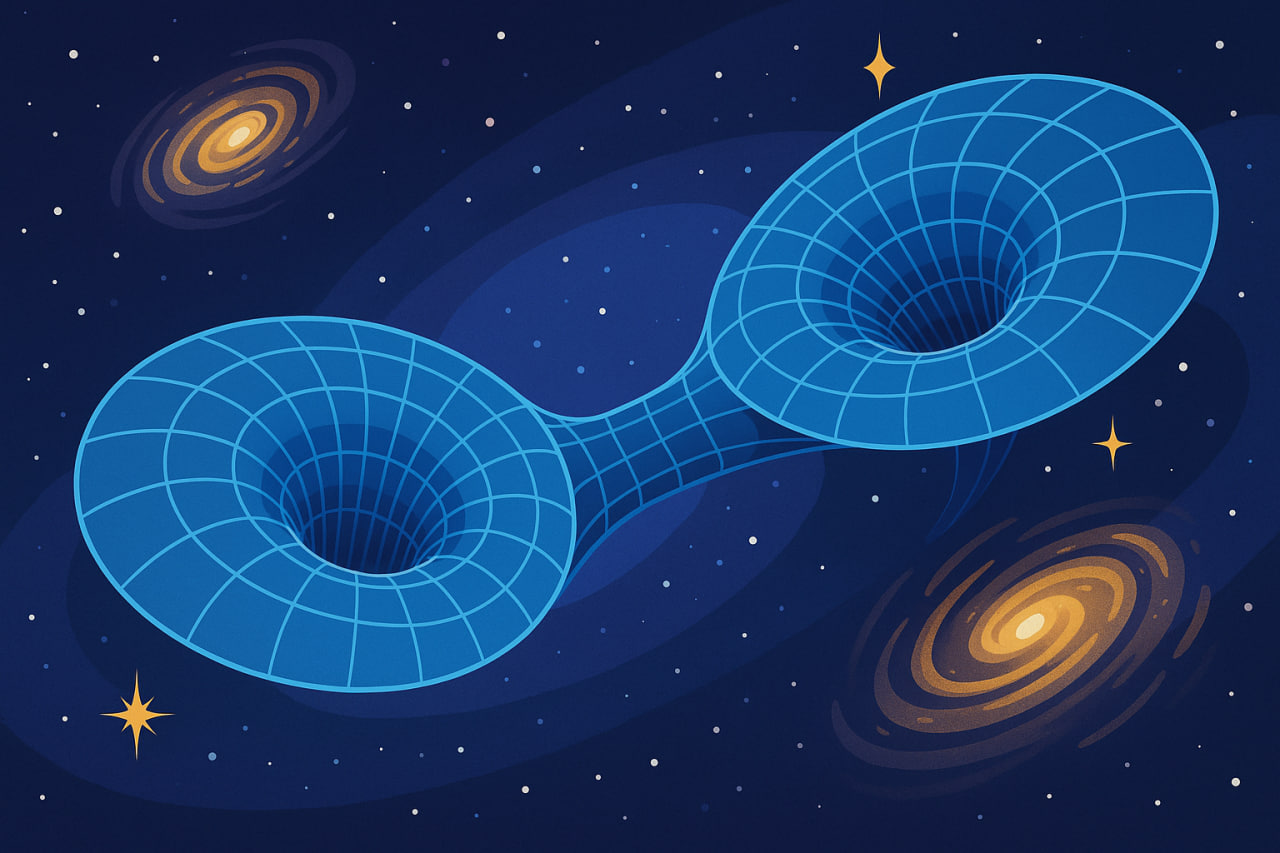
Wormholes, also known as Einstein-Rosen bridges, are theoretical passages through space and time that could connect two distant points in the universe.
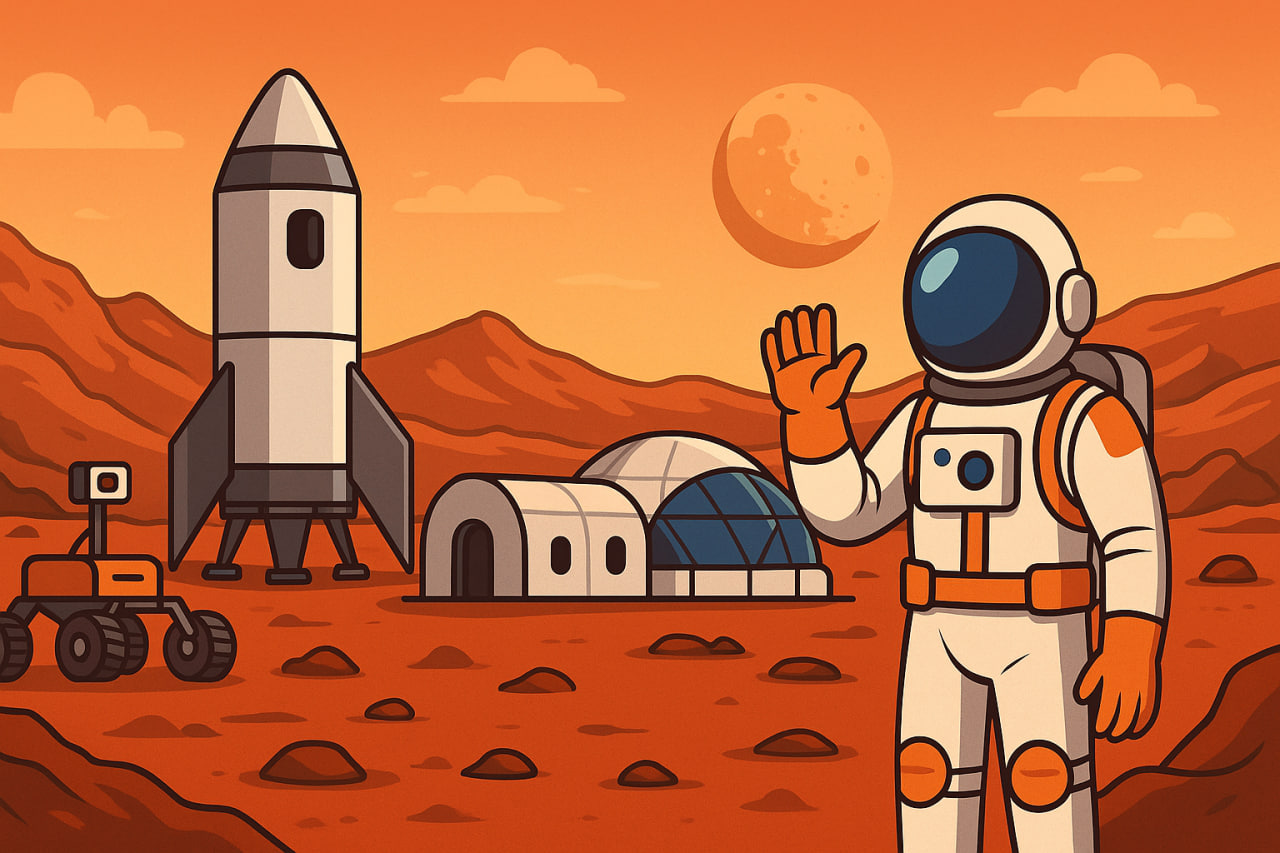
The idea of humans living on Mars has fascinated scientists, engineers, and science fiction writers for decades.
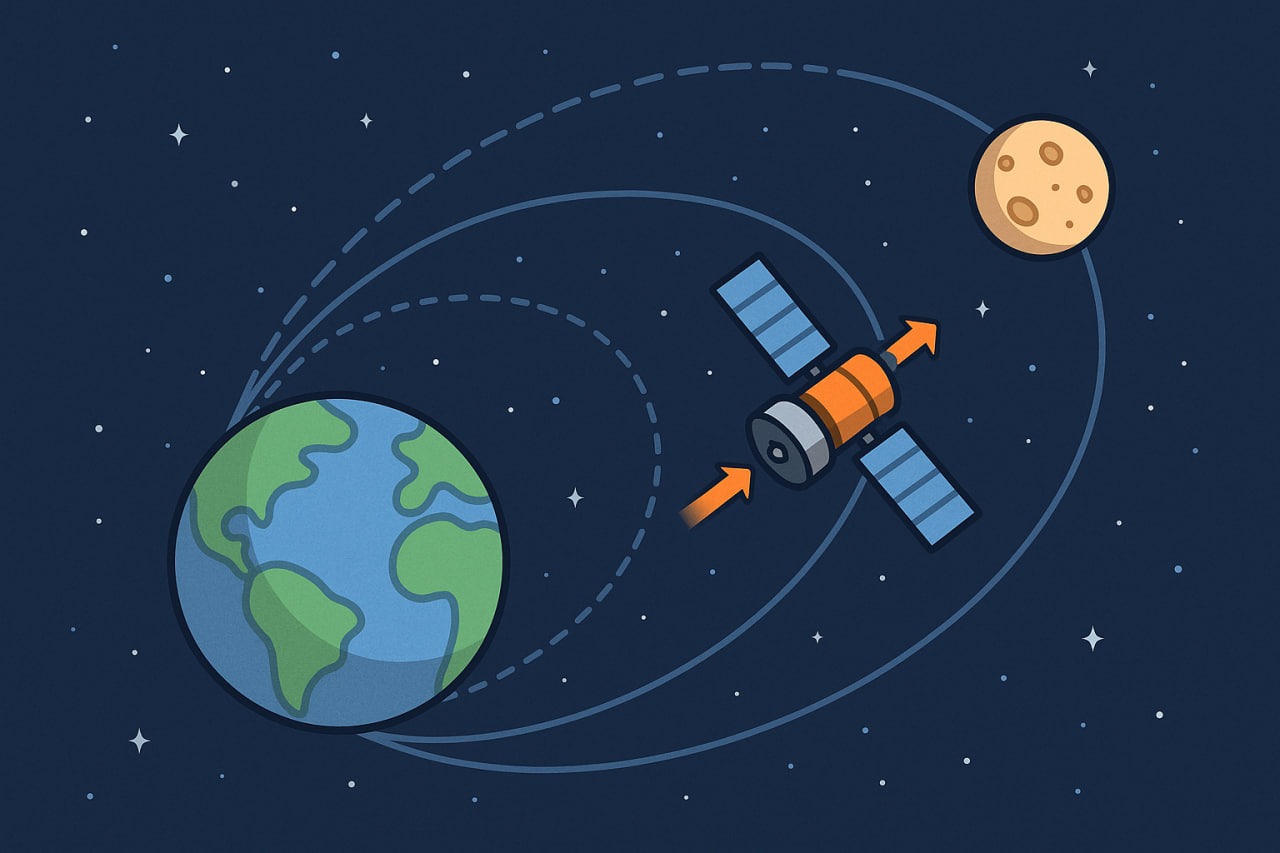
Orbital mechanics, also known as celestial mechanics, is the branch of physics that describes how objects move in space under the influence of gravity.
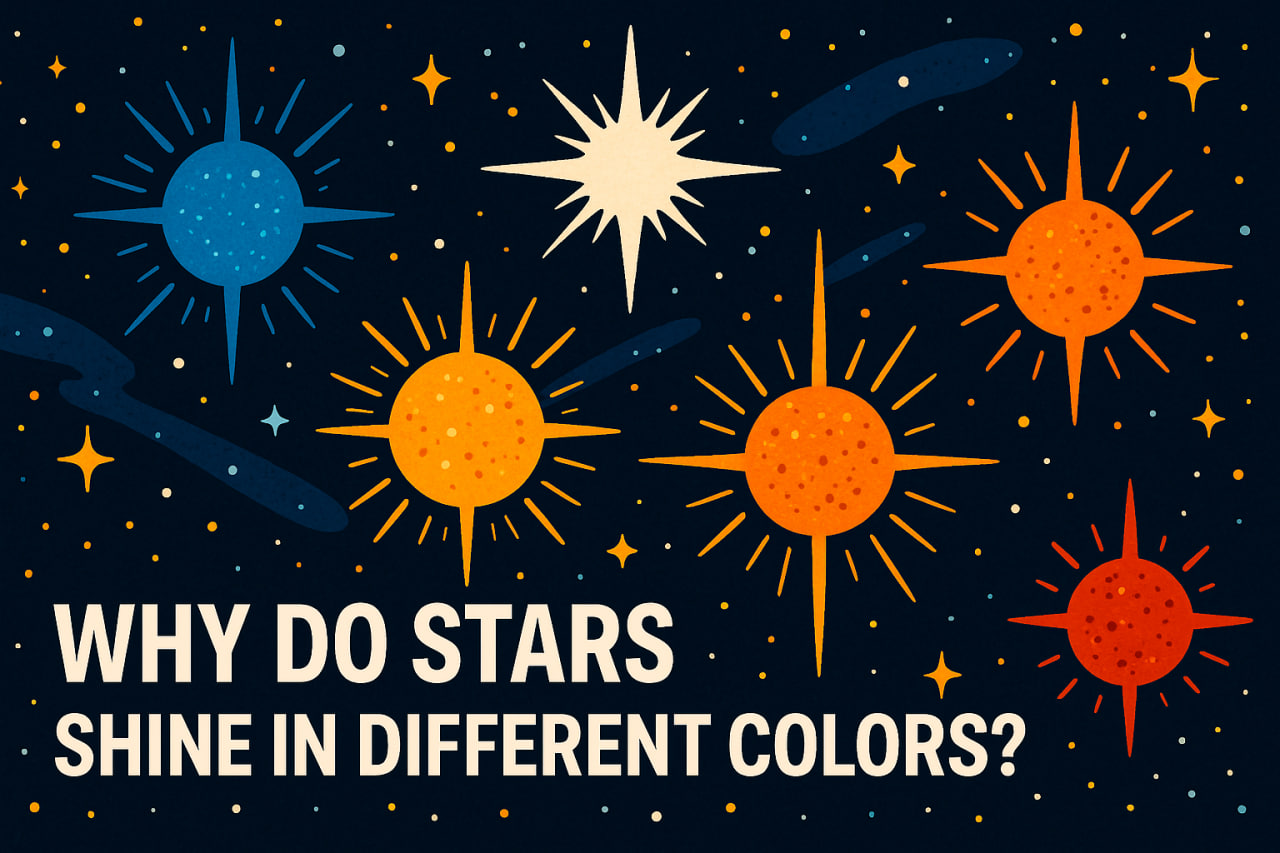
When you look at the night sky, you may notice that not all stars appear white. Some shine with a bluish tint, others with a reddish or yellow glow.
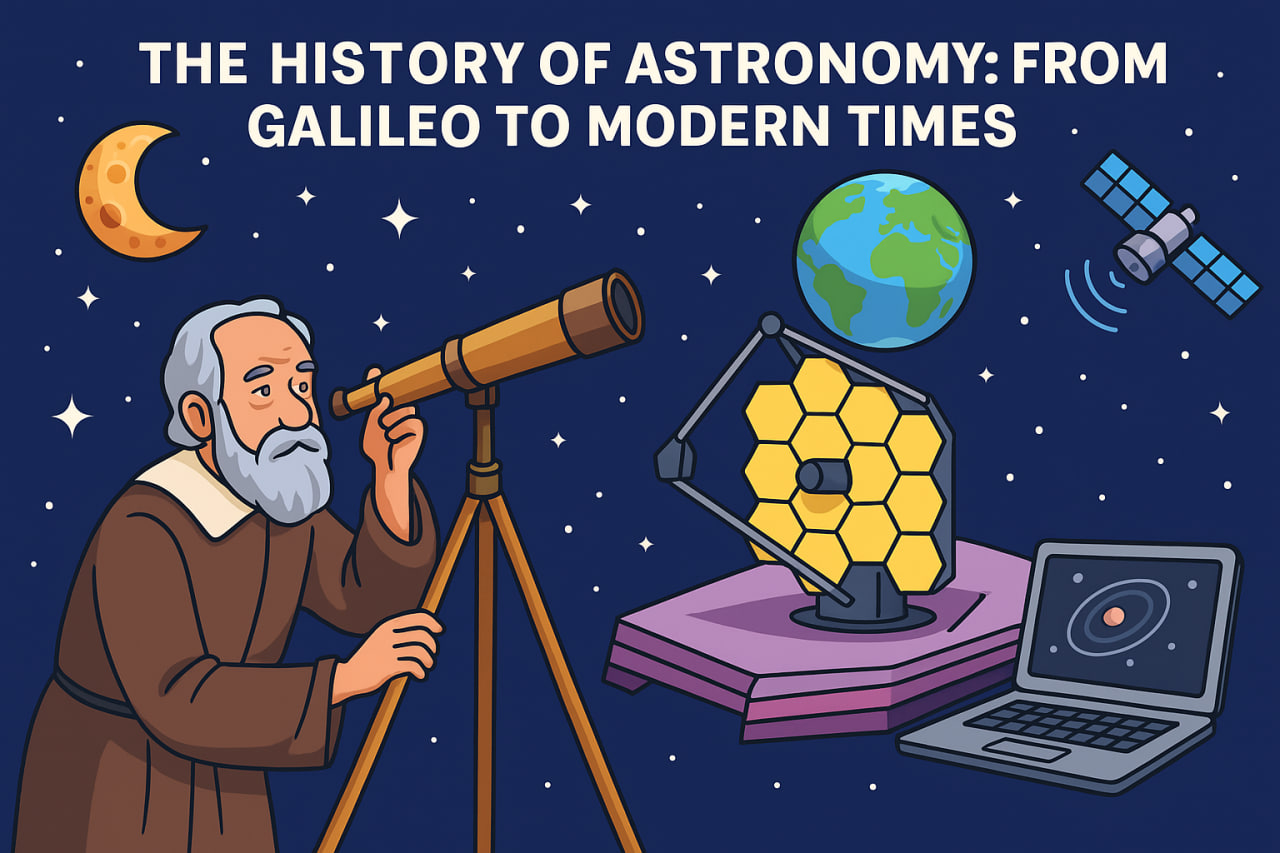
Astronomy, one of the oldest sciences, has transformed dramatically over the centuries.
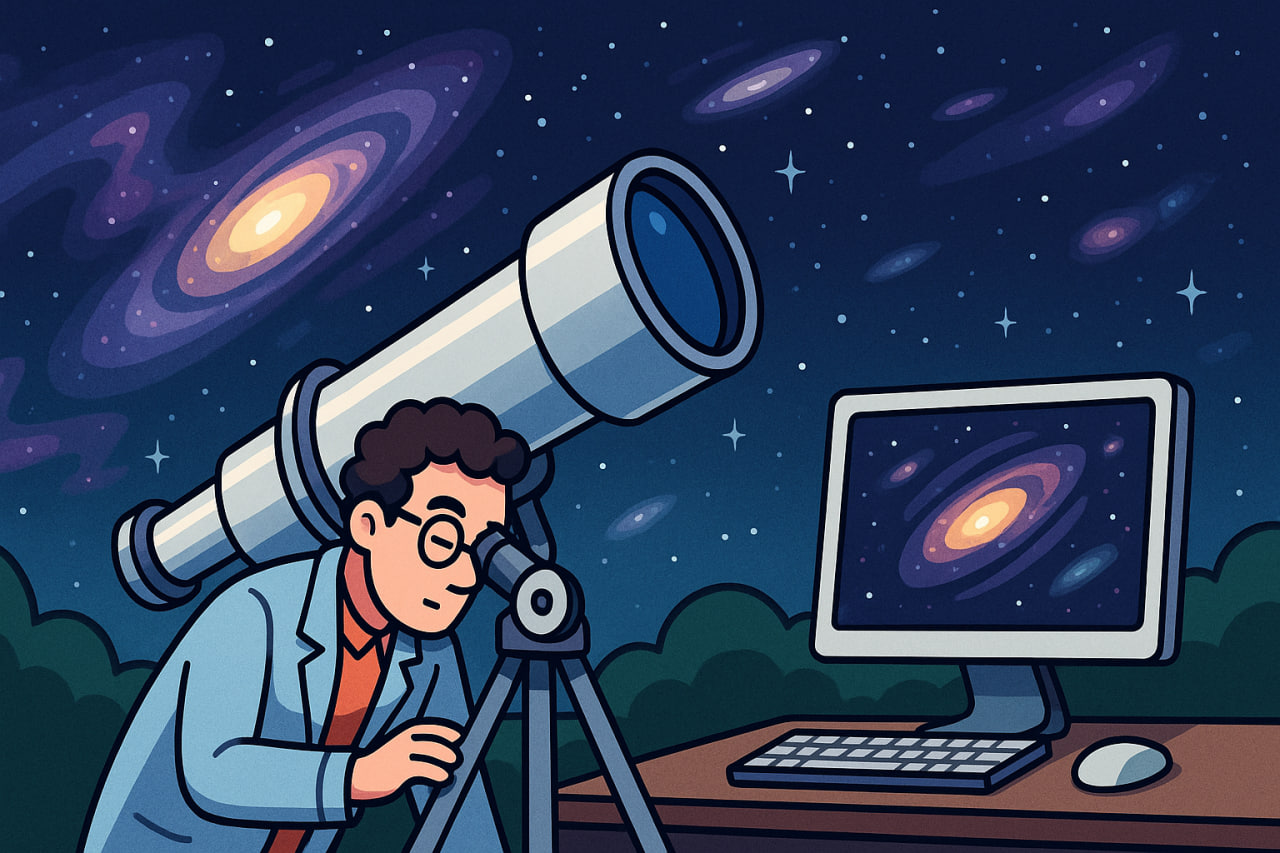
Distant galaxies are among the most mysterious and fascinating objects in the universe. Studying them allows astronomers to understand the history, structure, and evolution of the cosmos.