
Nuclear Power Plants
Nuclear power plants generate electricity by harnessing the energy released from splitting atoms in a process called nuclear fission.
Useful articles about our universe and science
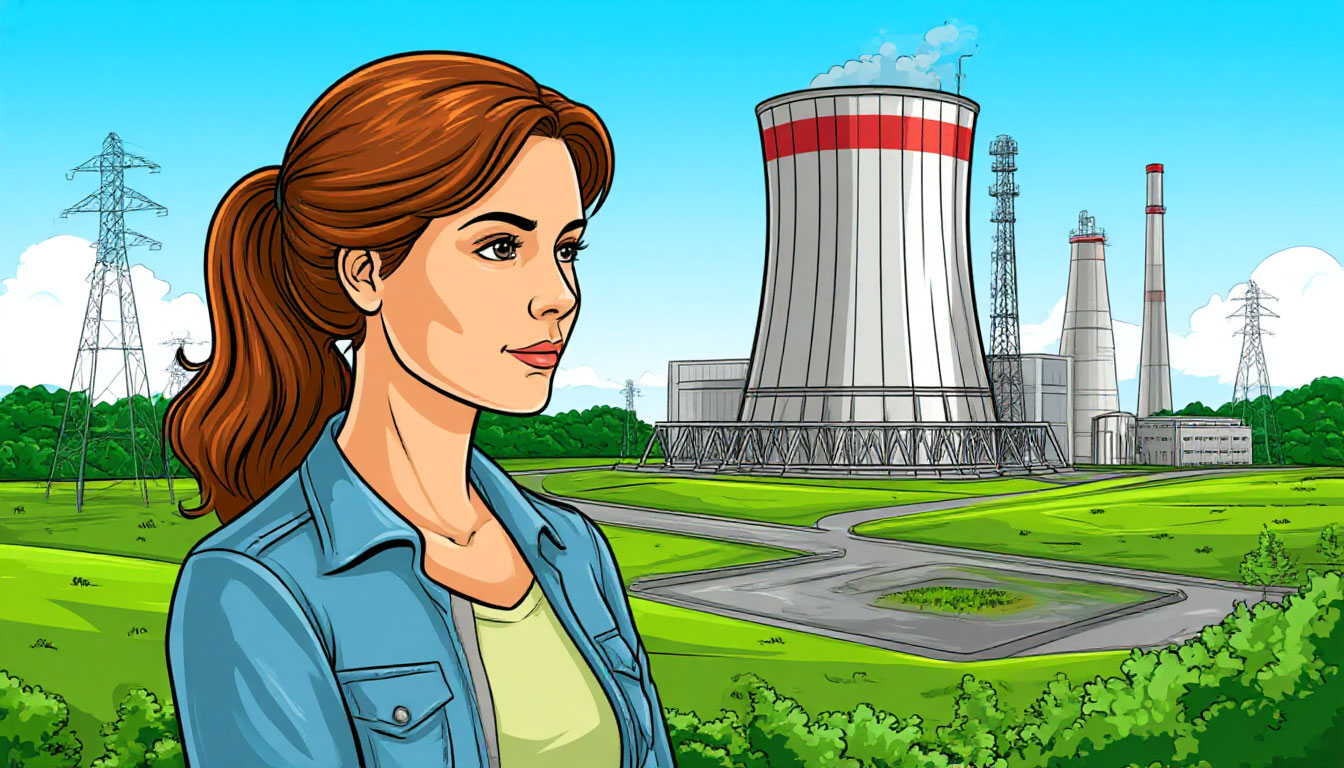
Nuclear power plants generate electricity by harnessing the energy released from splitting atoms in a process called nuclear fission.
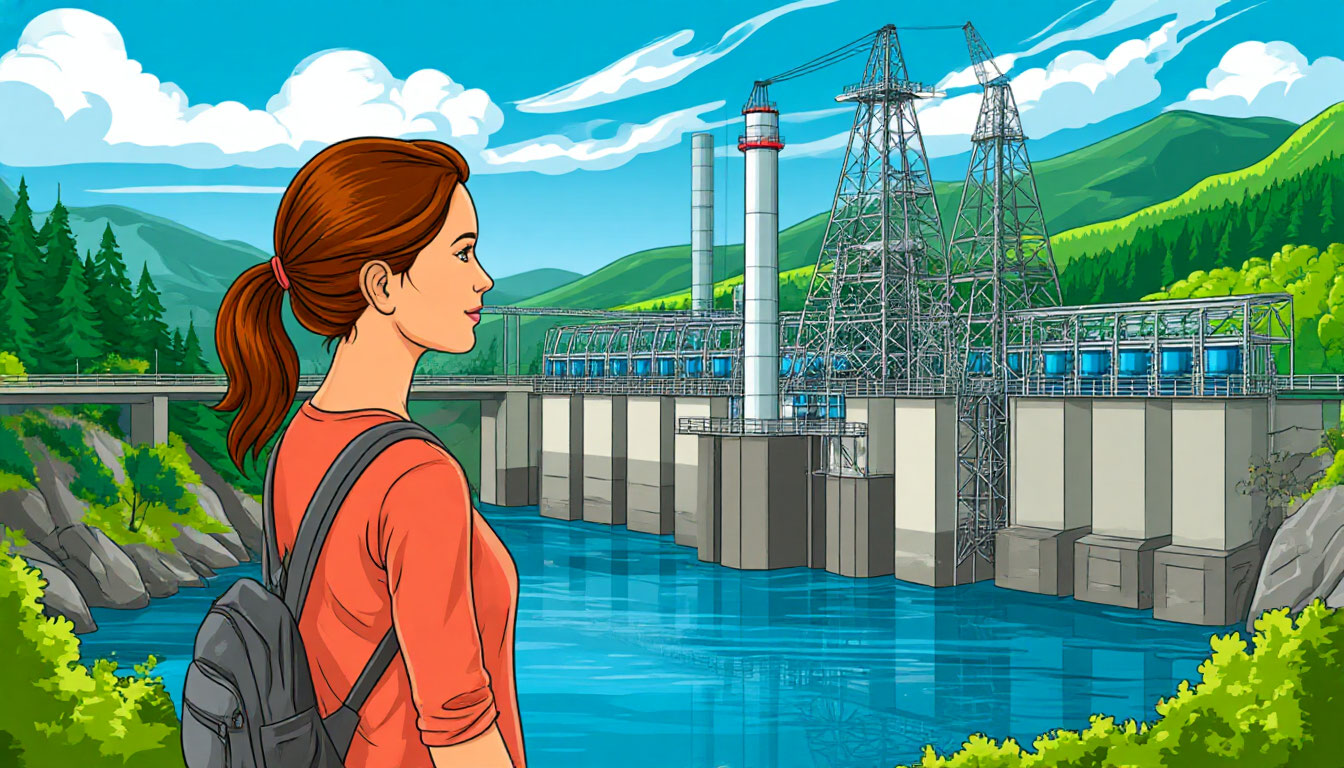
Hydroelectric power plants, or hydropower stations, are facilities that generate electricity by using the force of moving water.
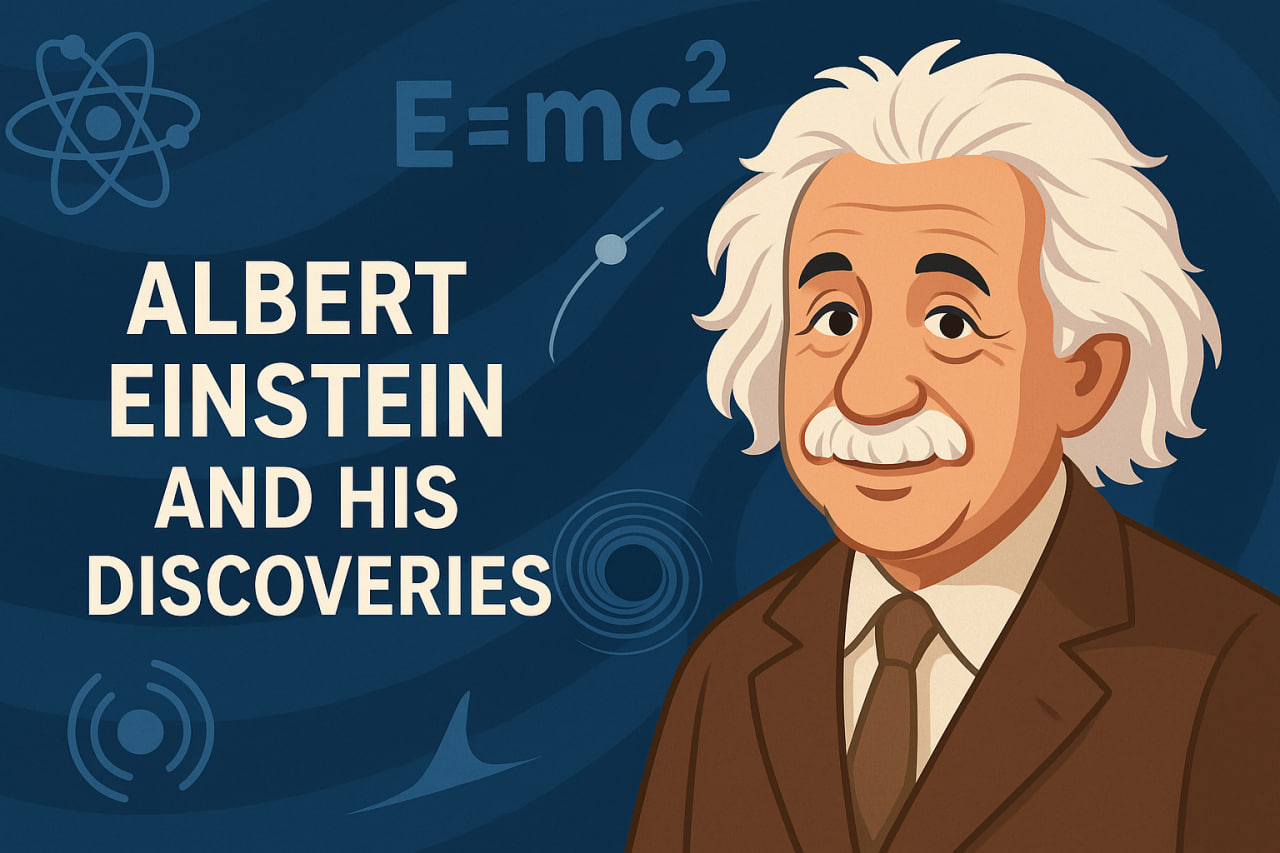
Albert Einstein was one of the most influential physicists in history. His theories transformed our understanding of space, time, and energy.
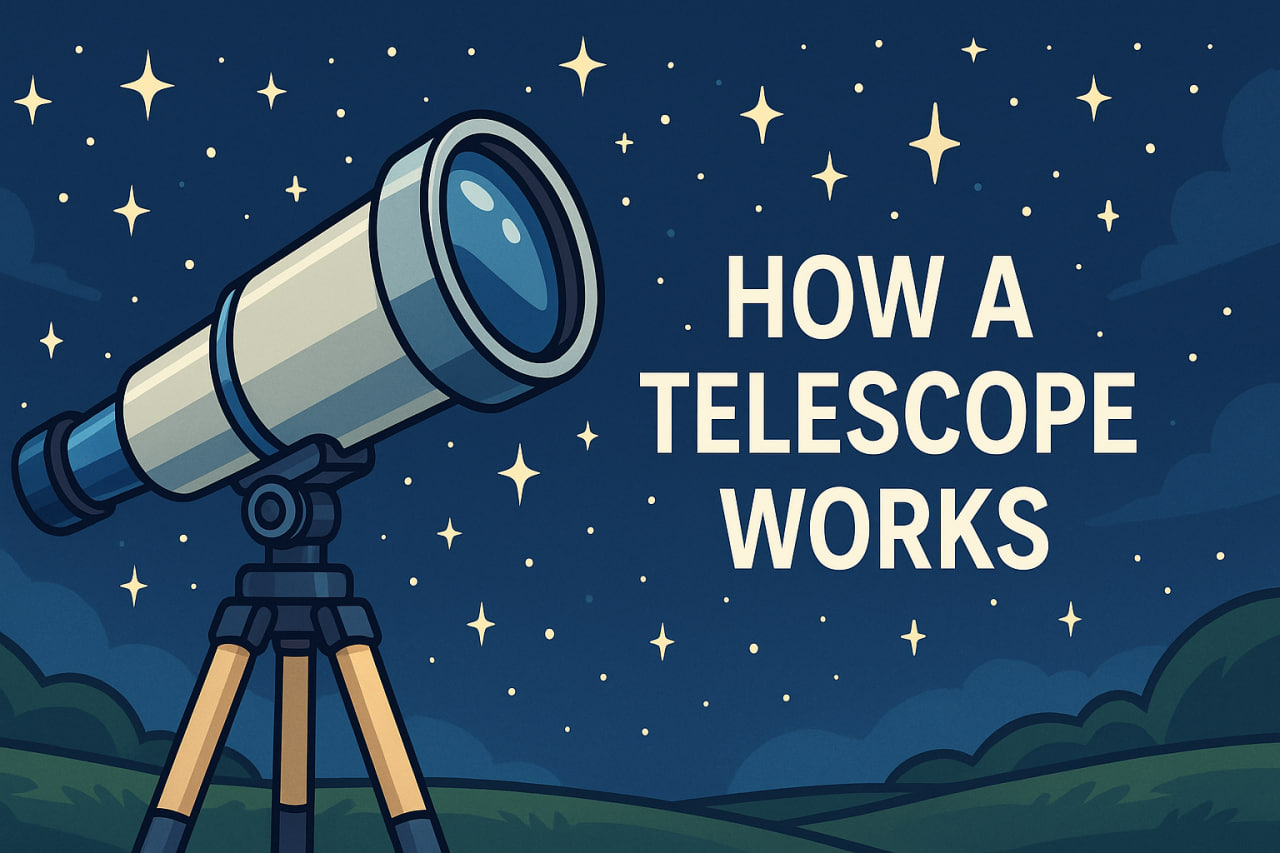
A telescope is a scientific instrument used to observe distant objects by collecting and magnifying light or other forms of electromagnetic radiation.

A rocket launch is one of the most powerful and complex technological achievements of modern science.
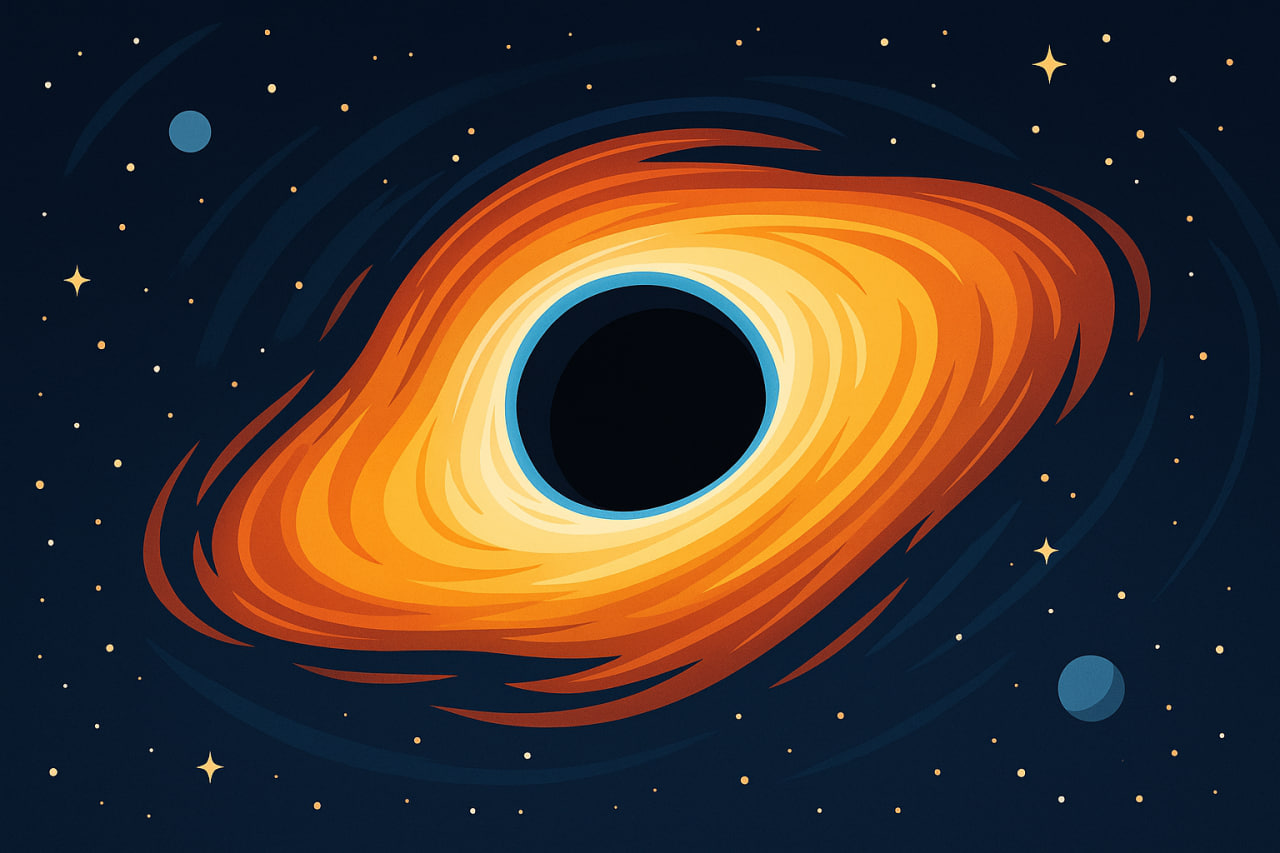
A black hole is one of the most mysterious and extreme objects in the universe. It is a region in space where gravity is so strong that nothing—not even light—can escape its pull.
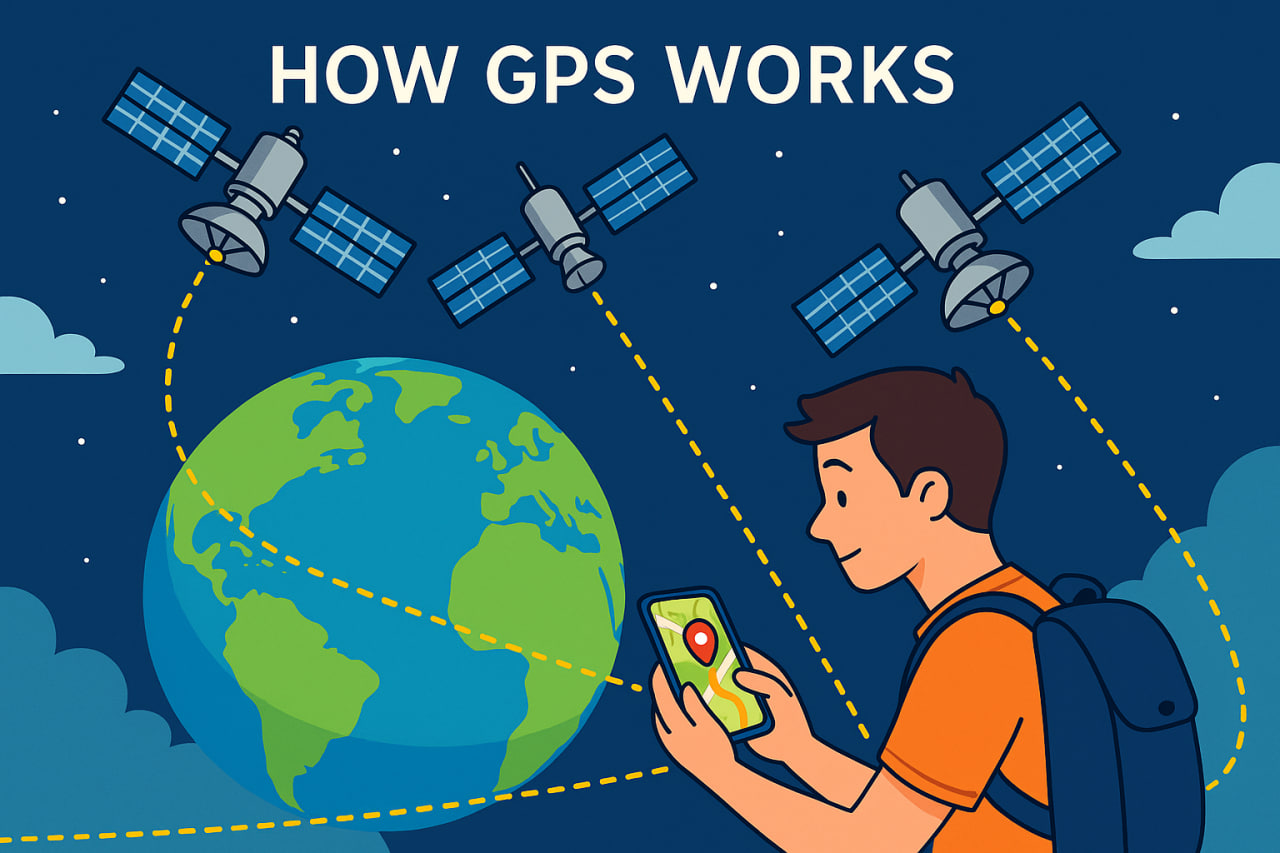
The Global Positioning System (GPS) has become an essential tool in daily life—guiding travelers, tracking deliveries, syncing time, and even supporting scientific research.
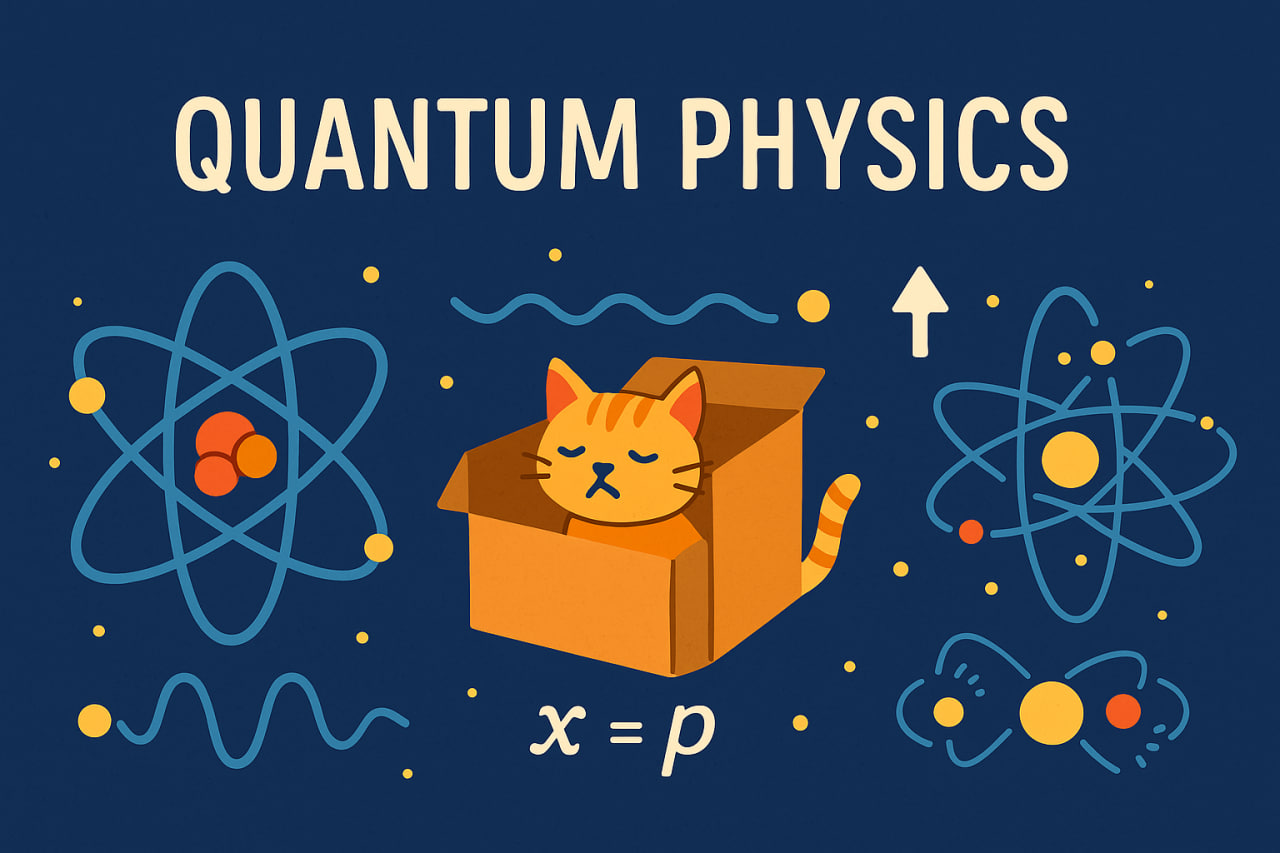
Quantum physics, also known as quantum mechanics, is a branch of physics that explores the strange and fascinating behavior of particles at the atomic and subatomic level.
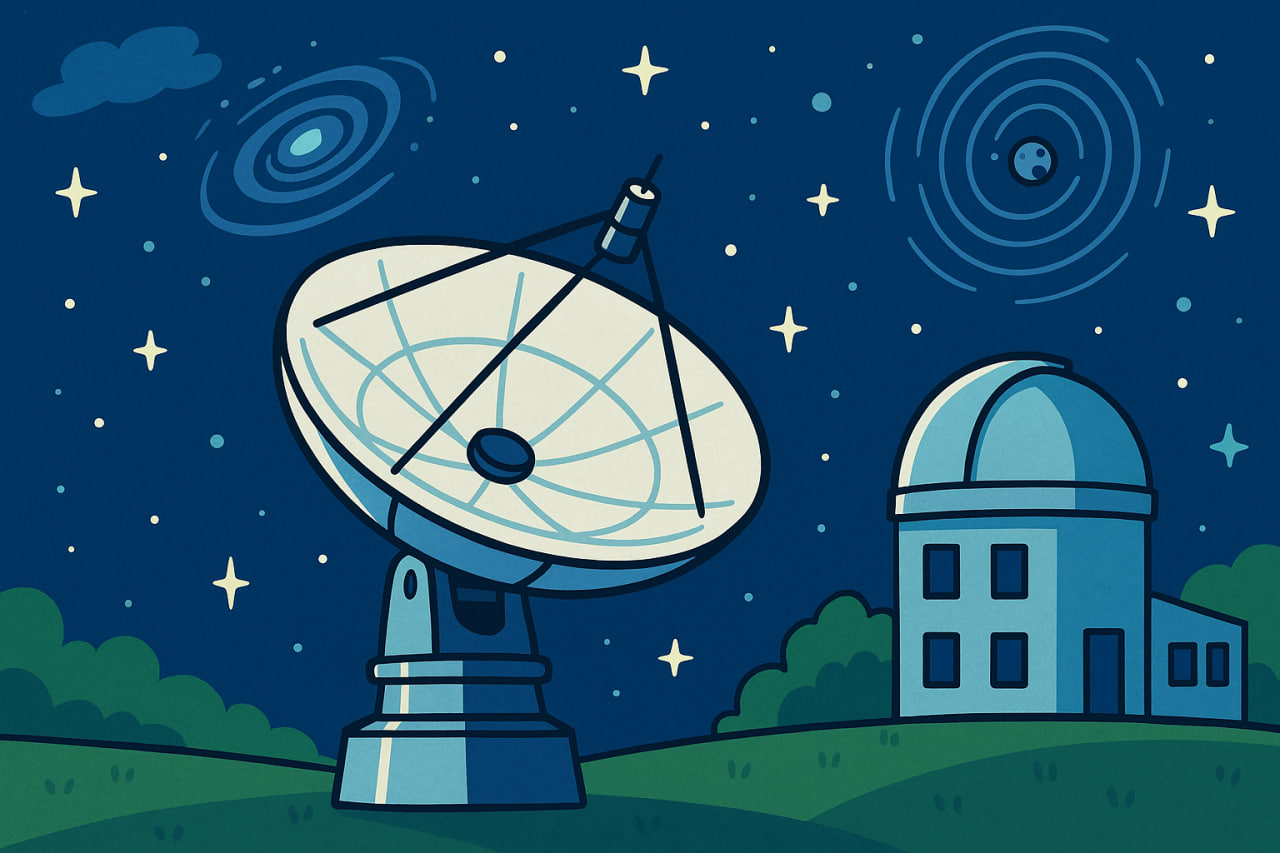
While traditional telescopes capture visible light, radio astronomy uses radio waves to observe the universe.
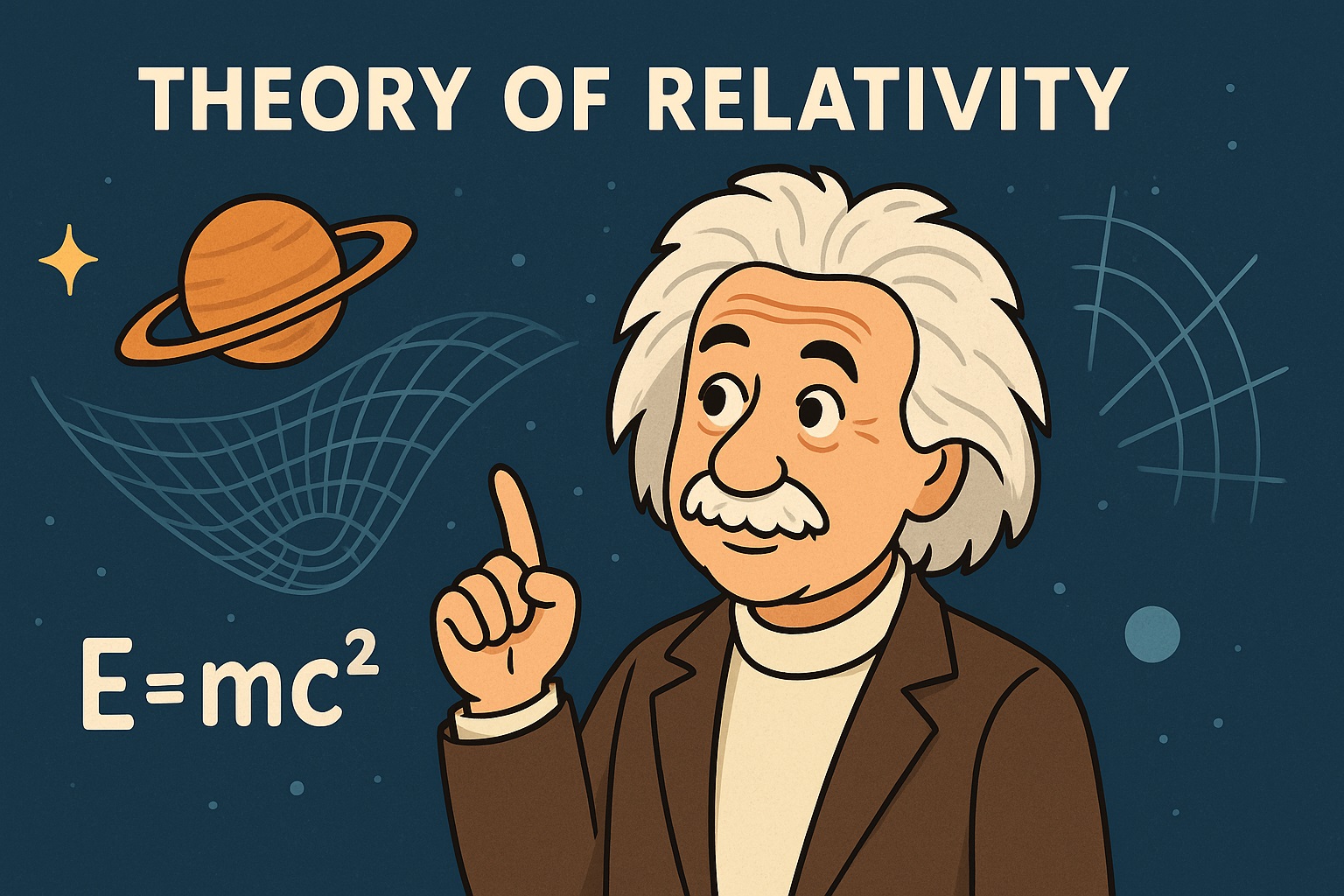
Albert Einstein’s theory of relativity revolutionized how we understand the universe.