
How Saturn’s Rings Work: A Celestial Wonder in Detail
Saturn’s rings are among the most iconic and beautiful features in our Solar System. First observed in 1610 by Galileo Galilei, these shimmering bands around the planet continue to amaze...
Useful articles about our universe and science
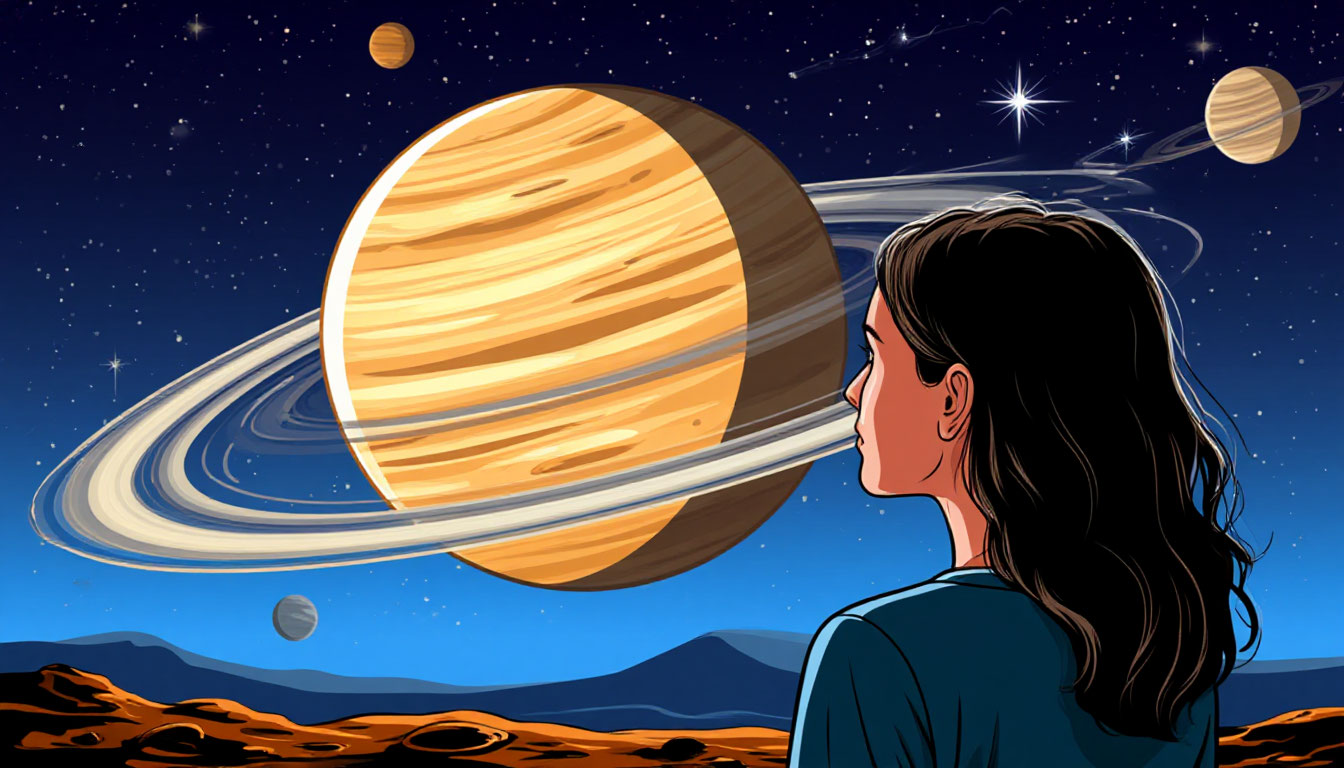
Saturn’s rings are among the most iconic and beautiful features in our Solar System. First observed in 1610 by Galileo Galilei, these shimmering bands around the planet continue to amaze...
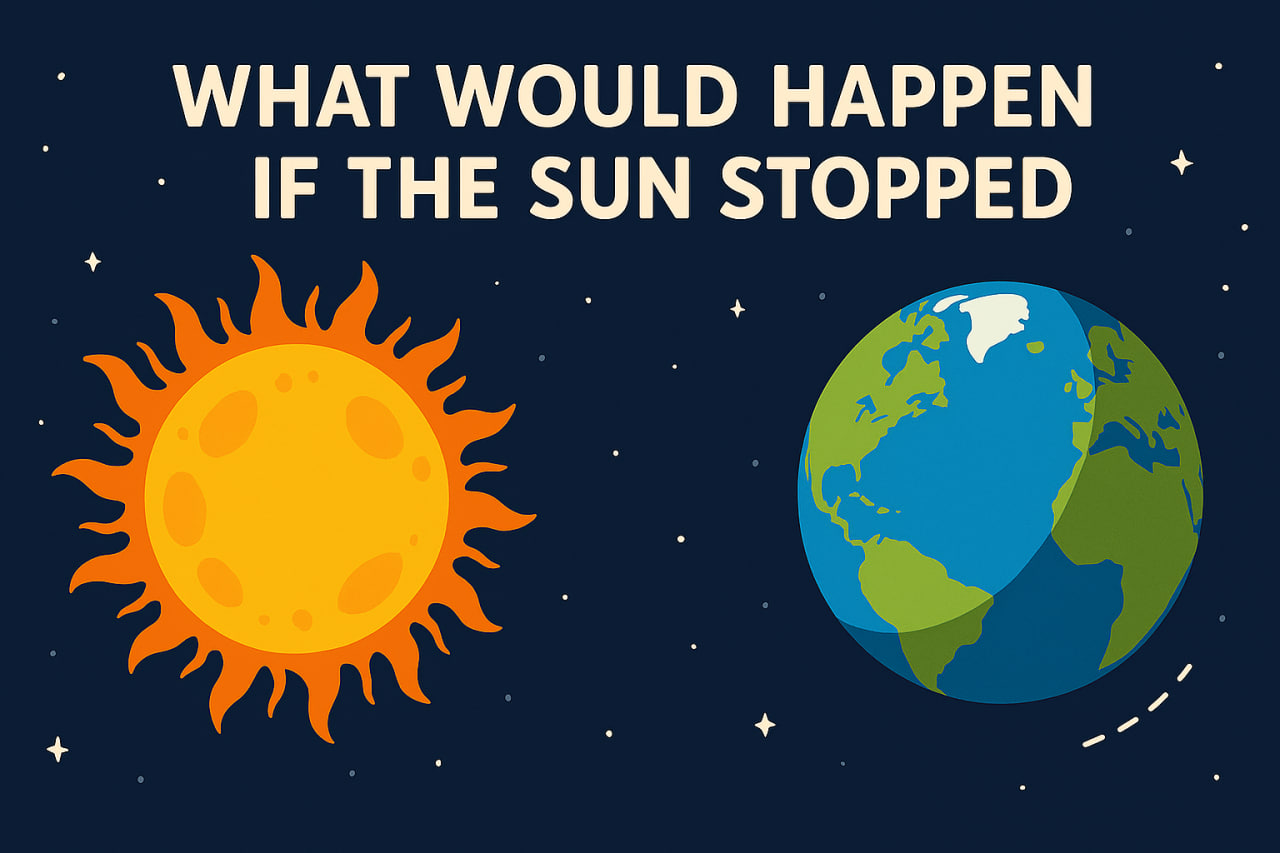
The Sun is the engine of our Solar System, providing heat, light, and gravity that hold everything together.

When you gaze up at the night sky, you’ll notice that stars appear to twinkle, while planets shine with a steadier glow.
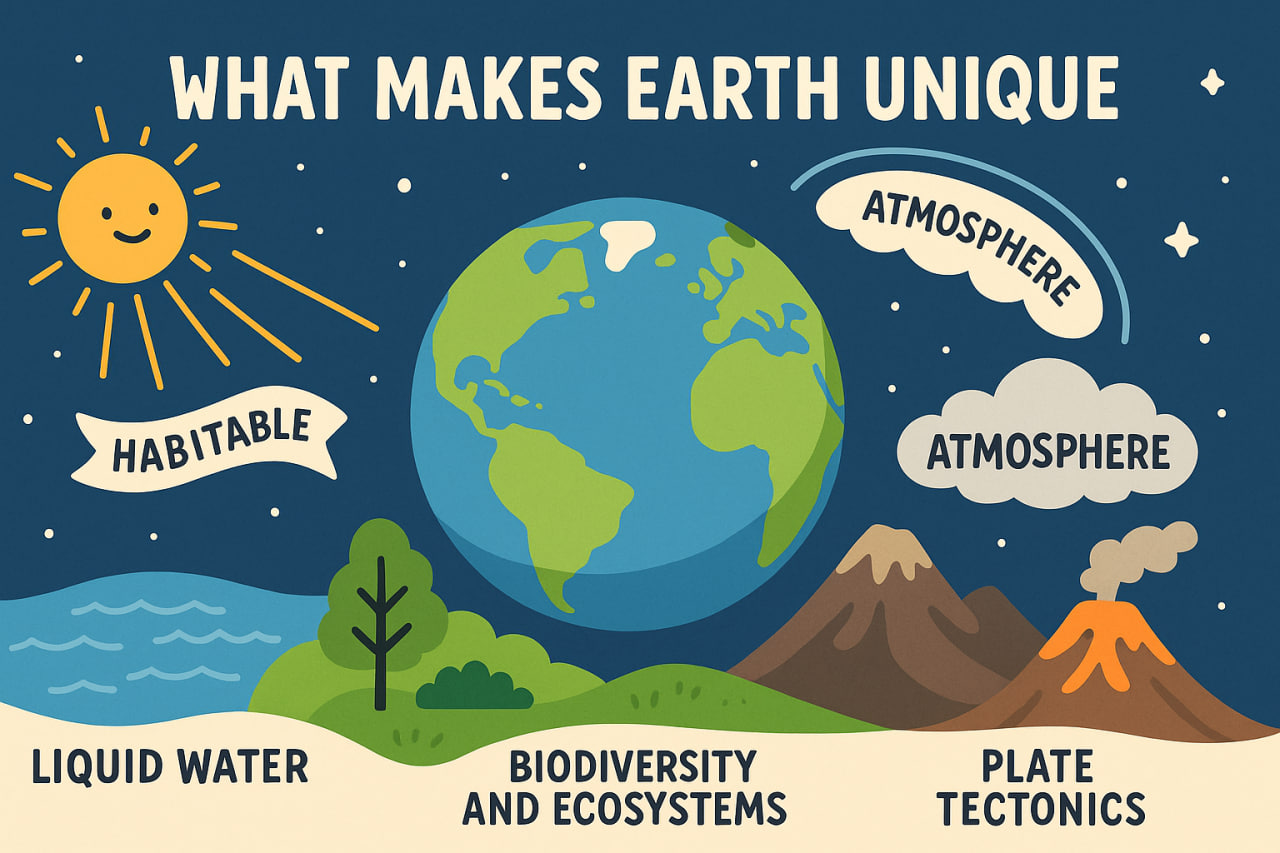
Among all the planets in our Solar System—and the billions more beyond—Earth is the only one we know that supports life.
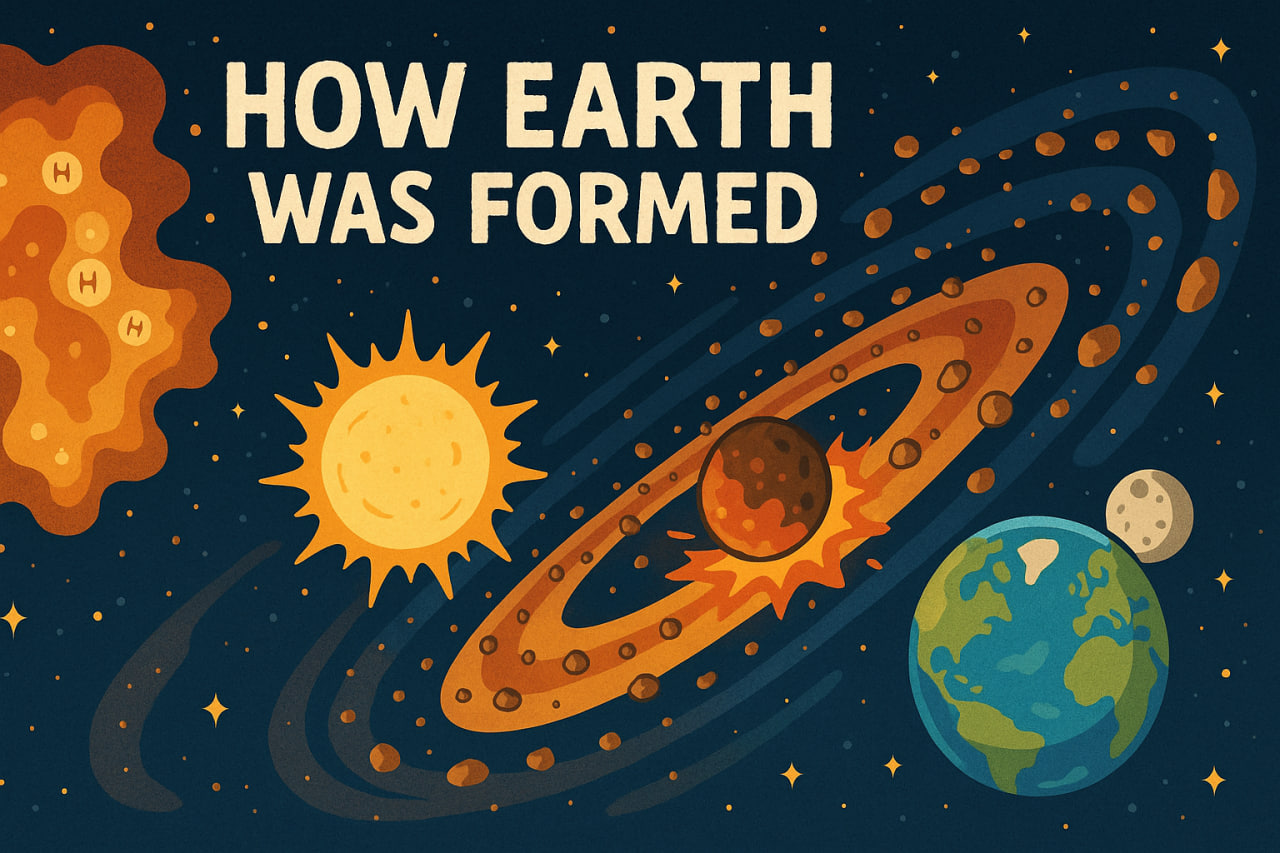
The Earth as we know it is the result of billions of years of cosmic evolution. From a cloud of dust to a vibrant planet teeming with life, Earth’s journey is a complex tale shaped by...
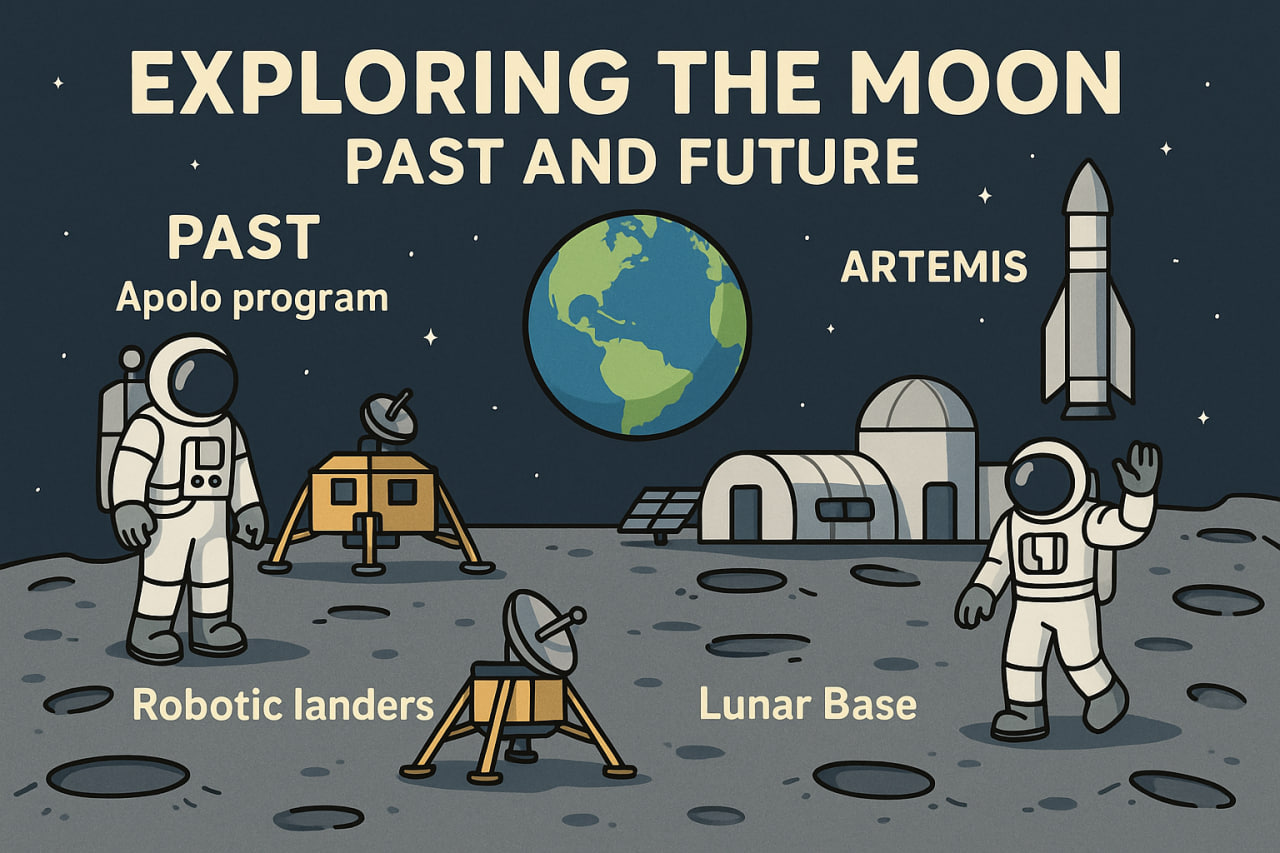
For centuries, the Moon has fascinated humanity. As Earth’s only natural satellite and the brightest object in our night sky, it has been central to ancient myths, scientific curiosity, and...
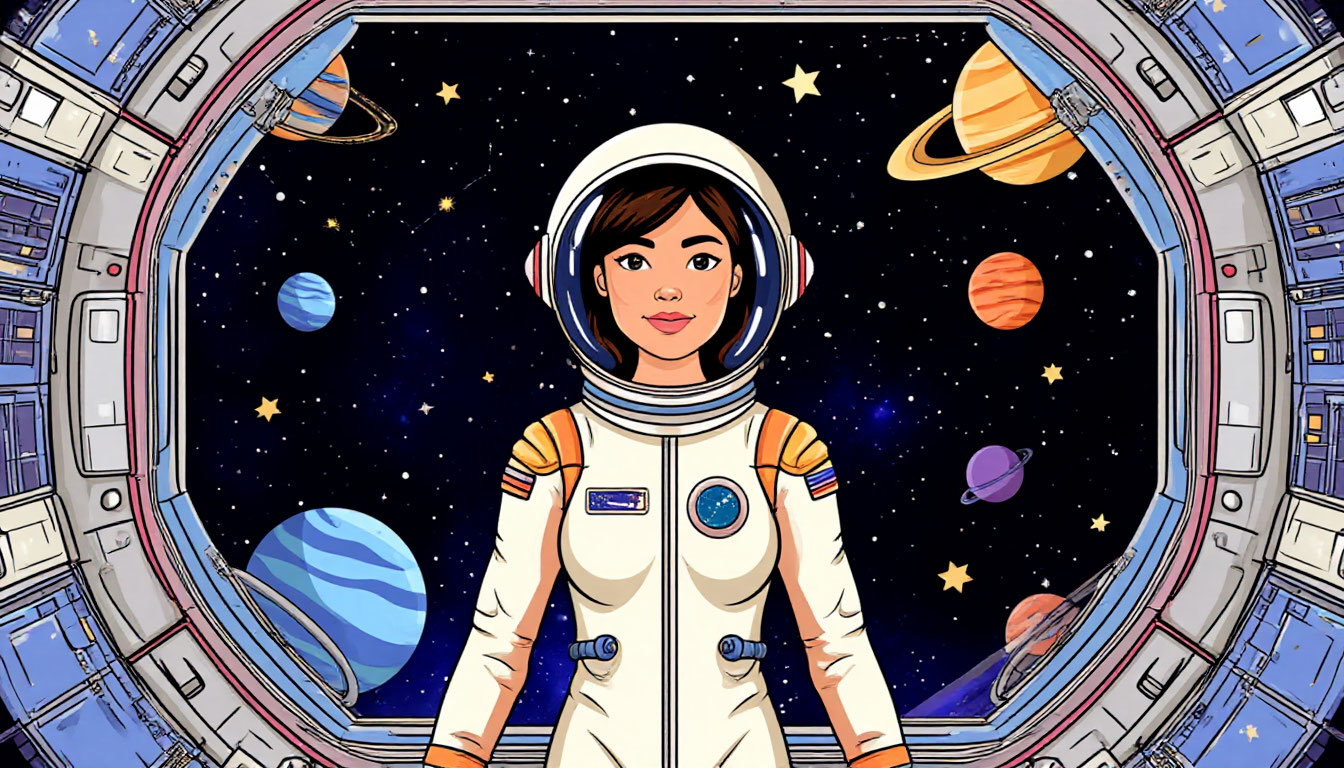
Microgravity, often described as “weightlessness,” is the condition in which people or objects appear to be weightless while in orbit.
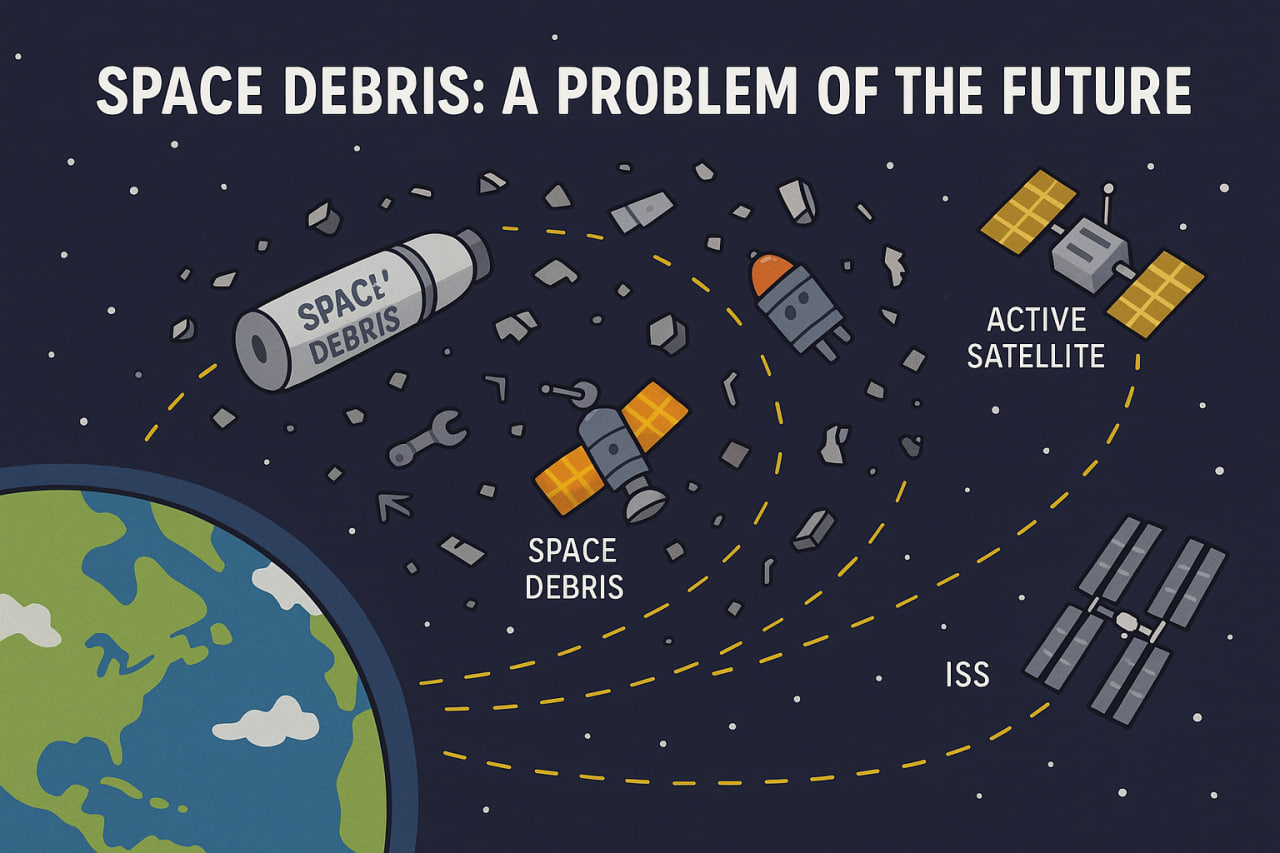
Space debris, also known as space junk, refers to non-functional human-made objects orbiting Earth.
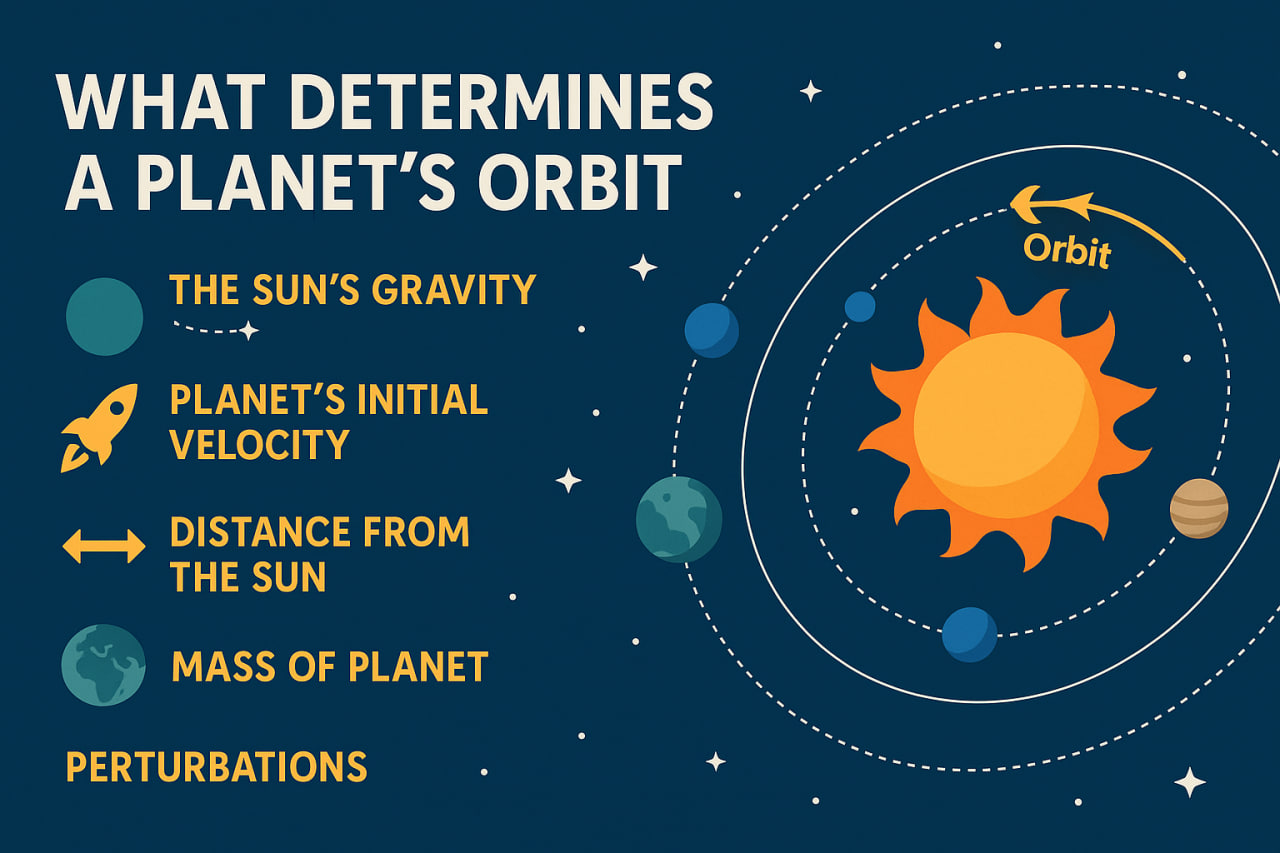
An orbit is the curved path a planet follows around a star — in our case, the Sun — due to the force of gravity.
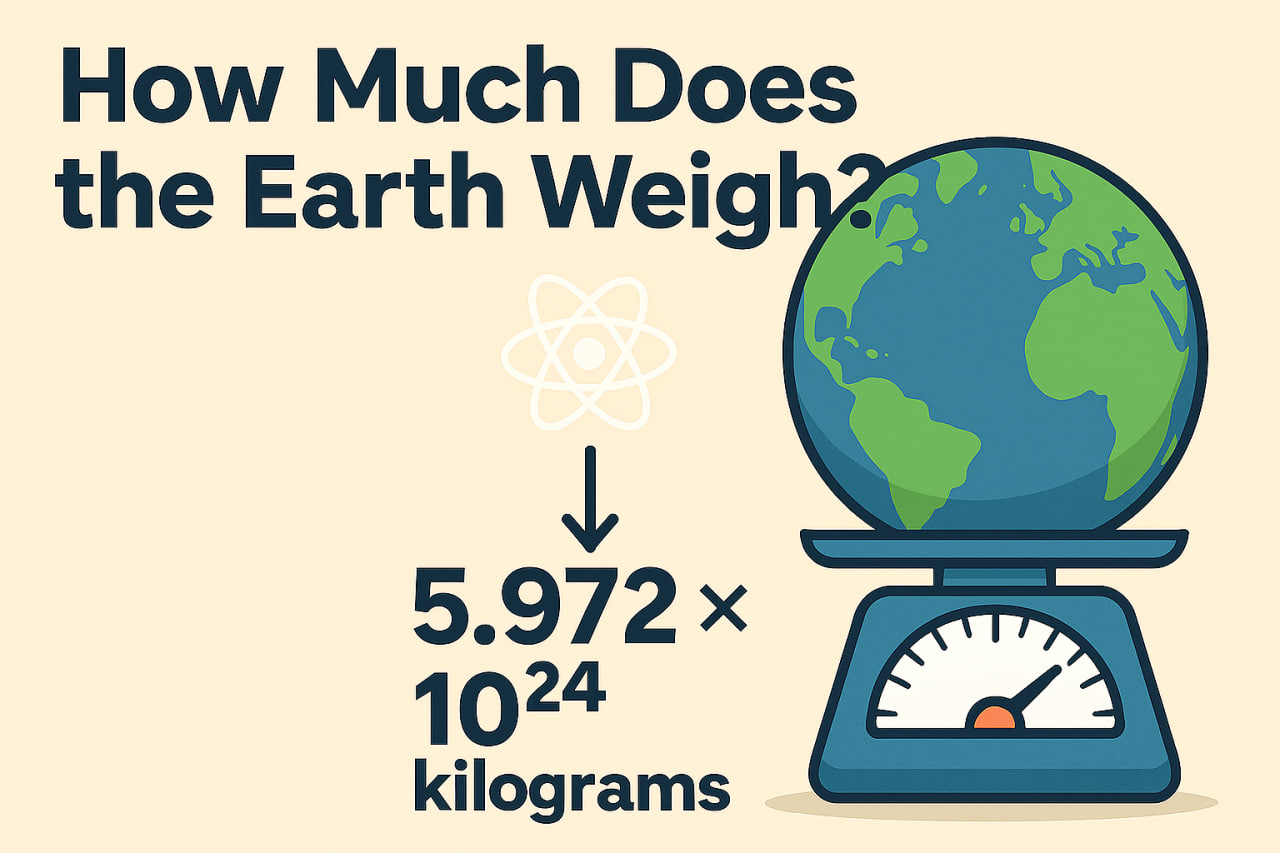
When we ask how much the Earth “weighs,” we’re really asking about its mass. Weight, in physics, depends on gravity and varies depending on where an object is located.