
Ultrasound: How It Works and Why It Matters
Ultrasound is a type of sound wave with a frequency higher than the upper limit of human hearing — typically above 20,000 hertz (Hz).
Useful articles about our universe and science
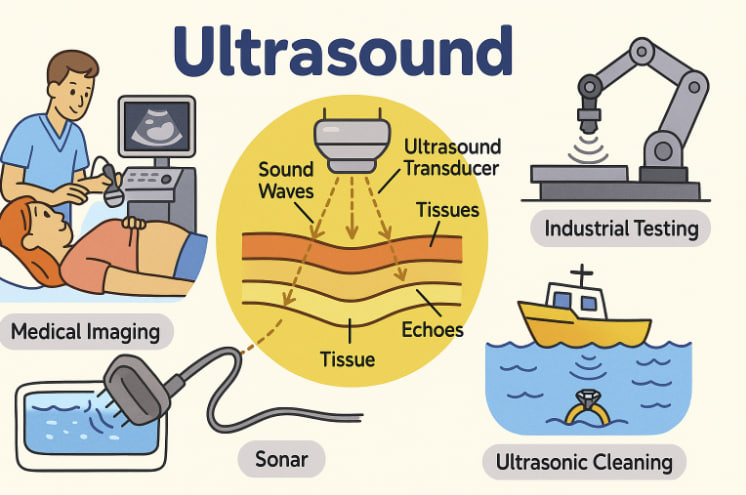
Ultrasound is a type of sound wave with a frequency higher than the upper limit of human hearing — typically above 20,000 hertz (Hz).

Ice cores are frozen time capsules that preserve the story of Earth's climate across hundreds of thousands of years.

Glaciology is the scientific study of glaciers, ice sheets, snow, and other forms of frozen water on Earth.
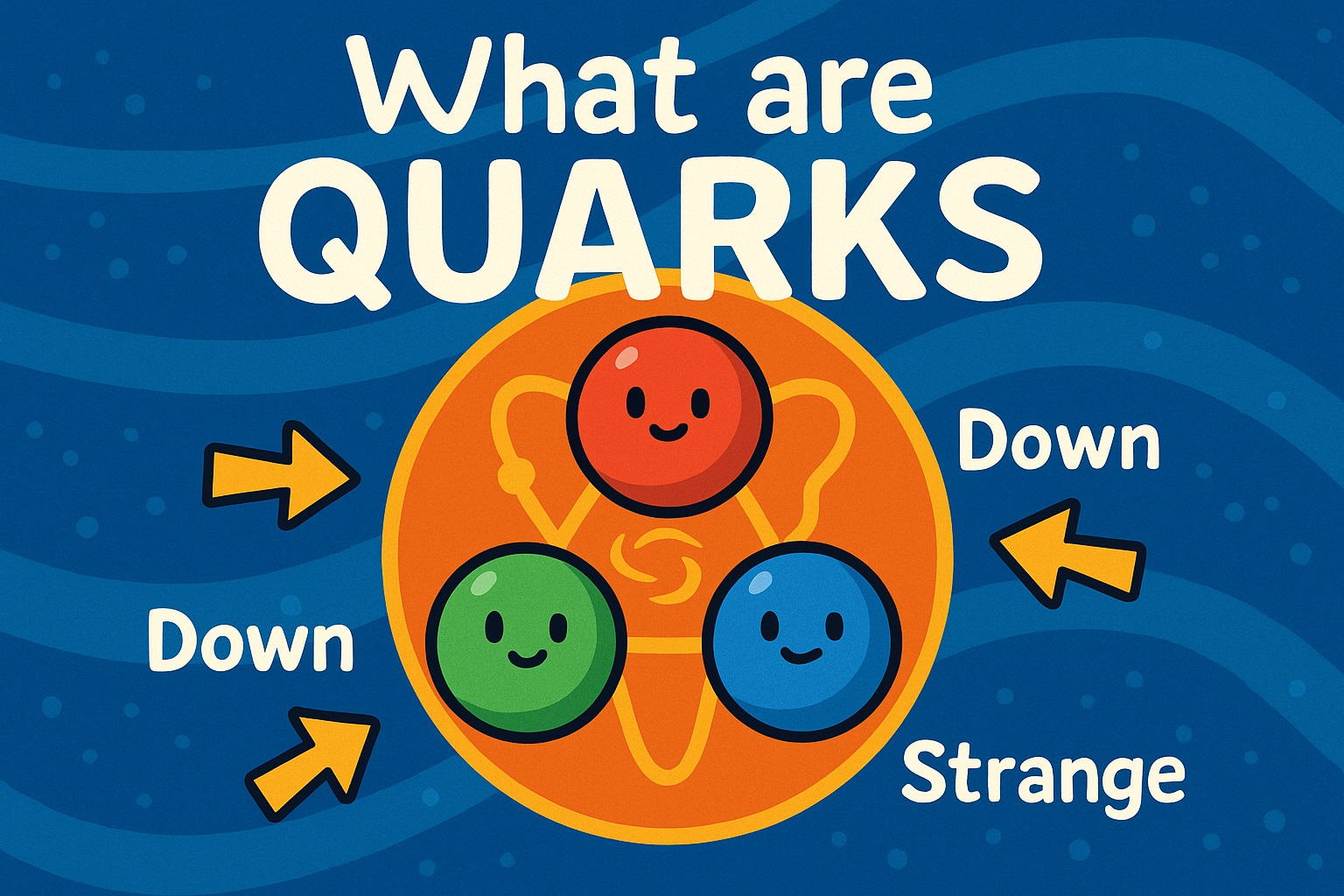
Quarks are elementary particles and one of the fundamental building blocks of matter. Alongside leptons (such as electrons), quarks form the foundation of the Standard Model of particle physics.
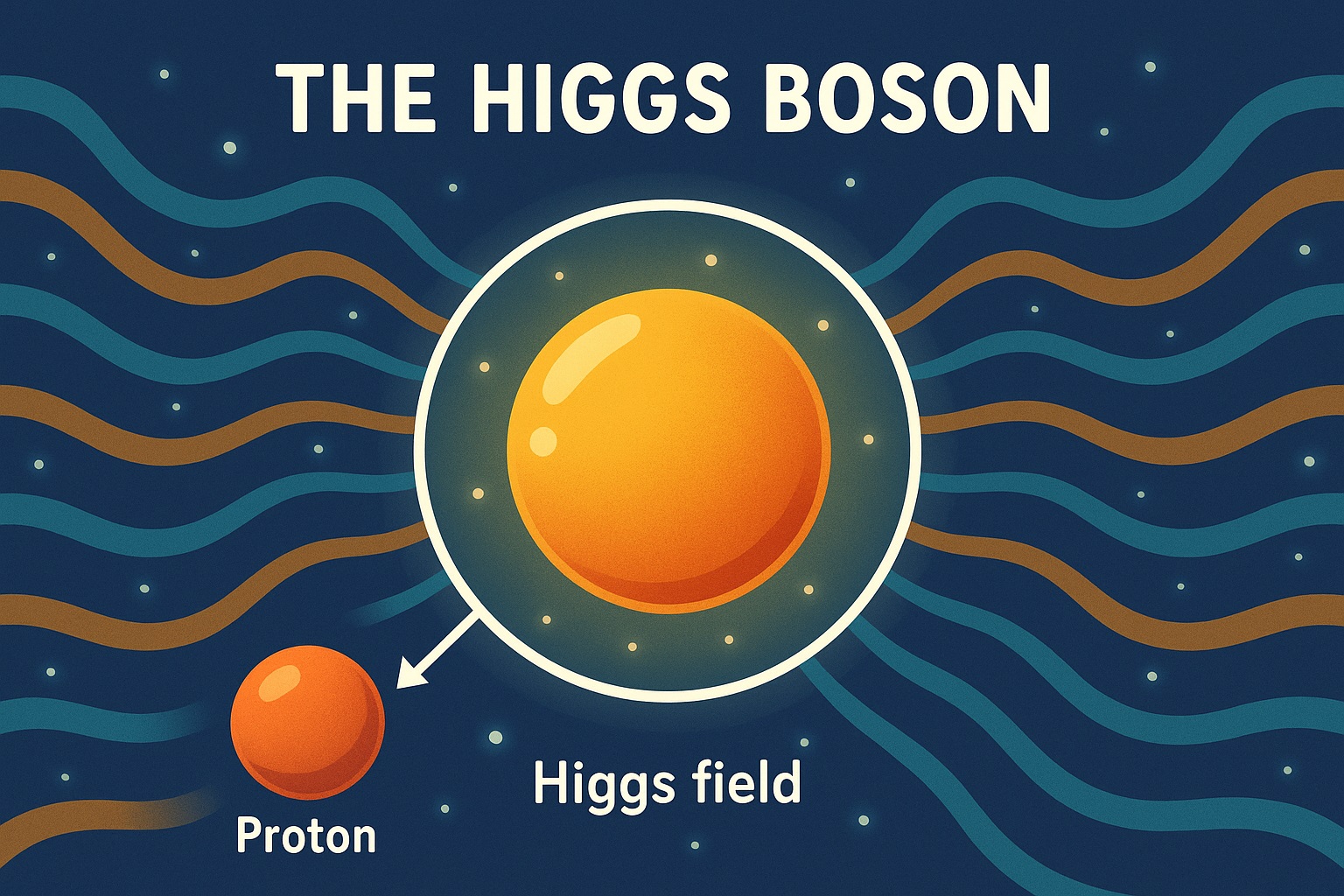
The Higgs boson is a fundamental particle that plays a crucial role in explaining why other elementary particles have mass.
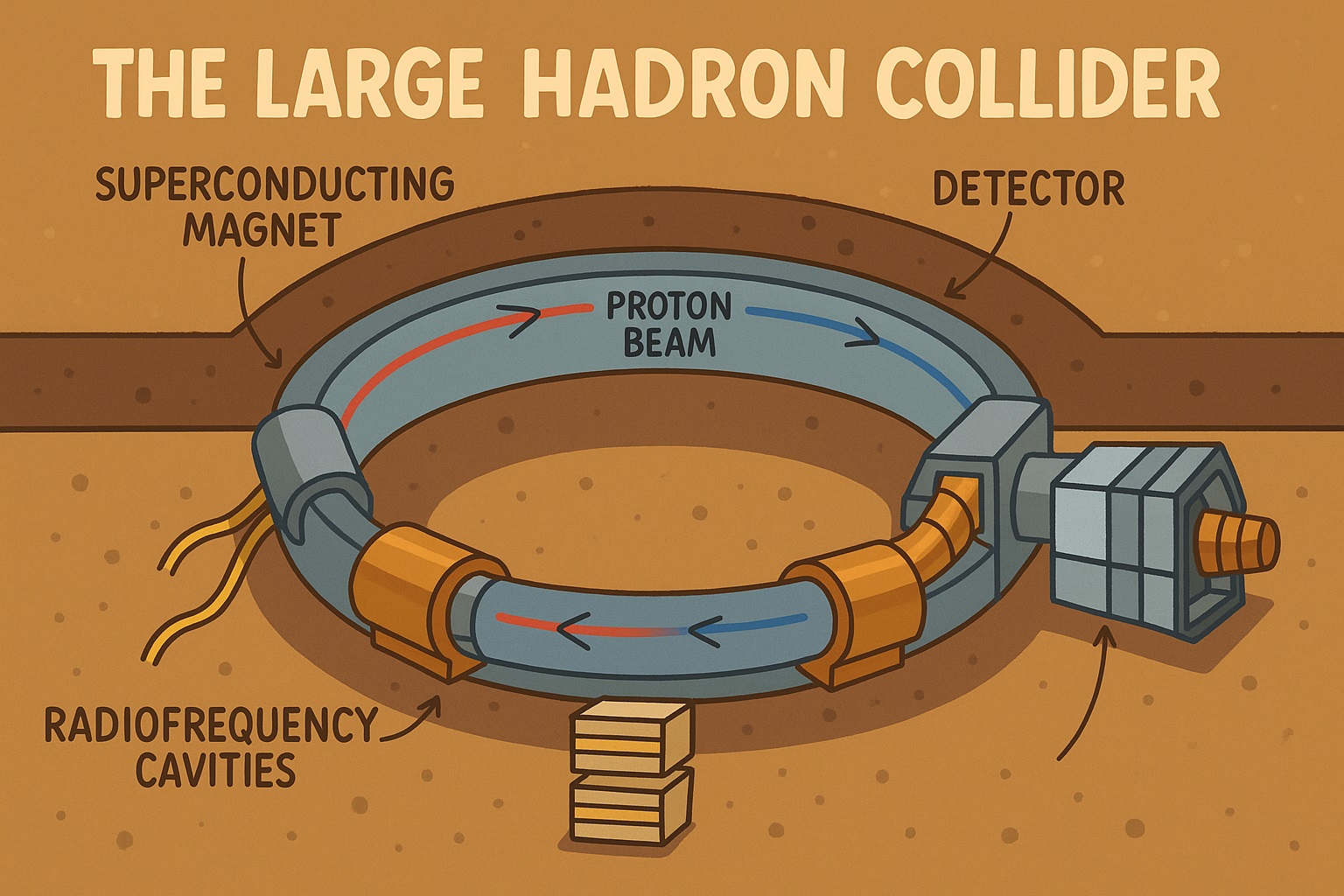
The Large Hadron Collider (LHC) is the world’s most powerful and complex particle accelerator, located at CERN (the European Organization for Nuclear Research) near Geneva, Switzerland.
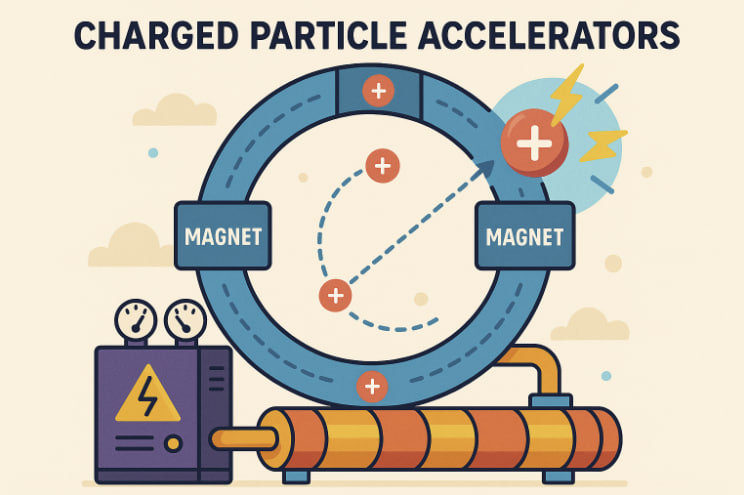
Charged particle accelerators are advanced scientific machines that propel charged particles — such as electrons, protons, or ions — to extremely high speeds using electromagnetic fields.
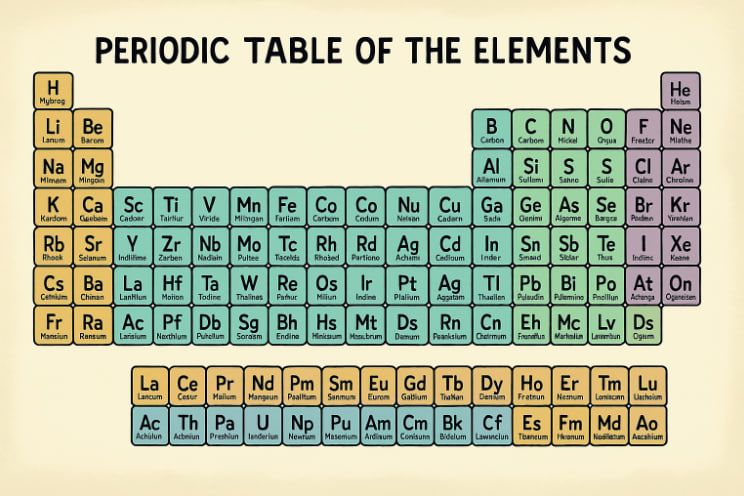
The Periodic Table of Elements, often simply called the periodic table, is a fundamental tool in chemistry and science that organizes all known chemical elements based on their atomic...
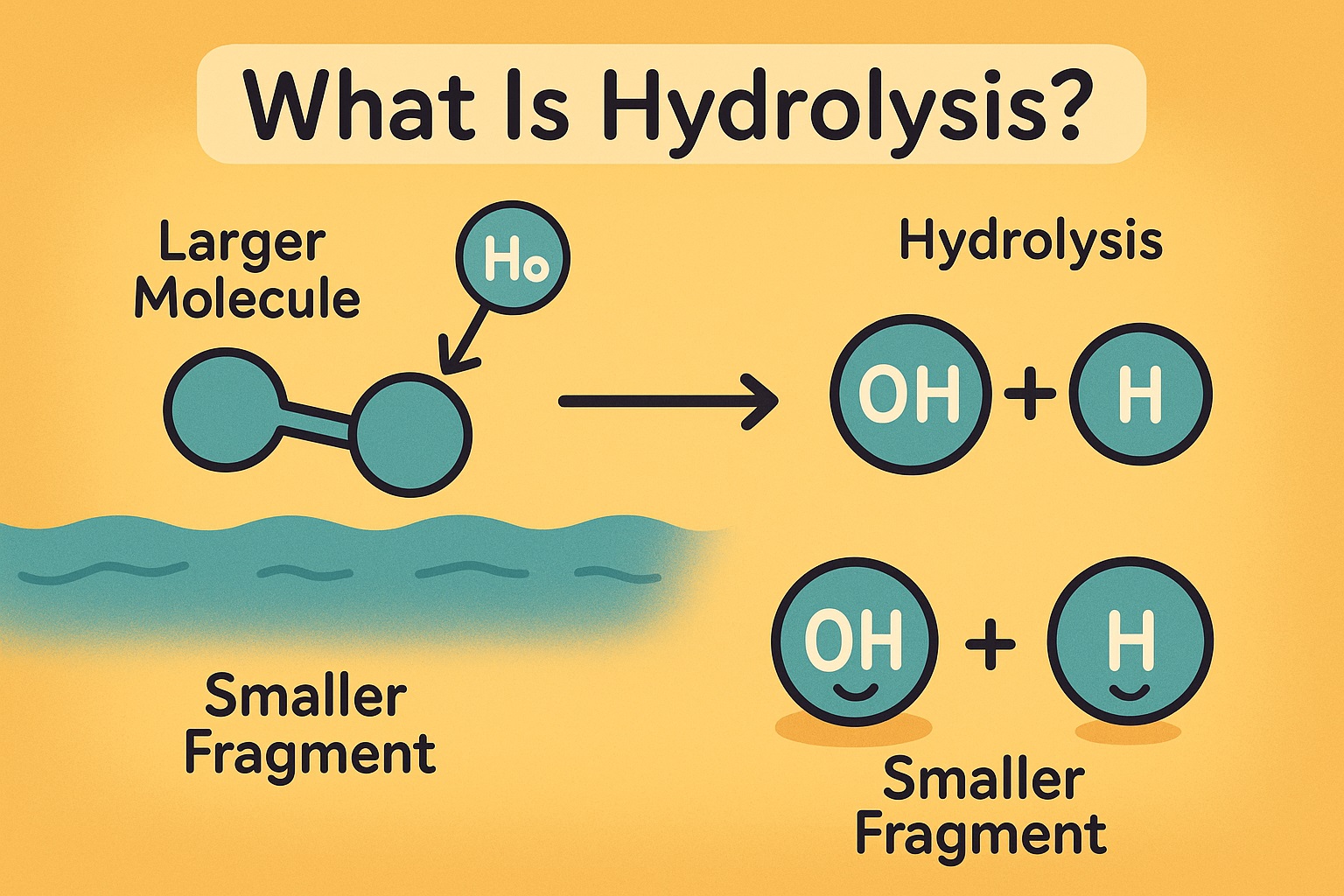
Hydrolysis is a fundamental chemical reaction in which a molecule is split into two parts by the addition of water.
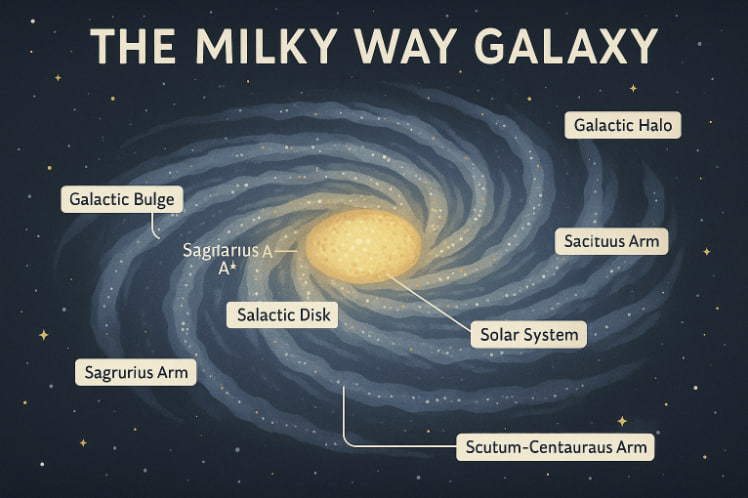
We live inside a vast, spinning collection of stars, gas, dust, and dark matter called the Milky Way Galaxy.