
The Big Bang Theory: How the Universe Began
The Big Bang Theory is the leading scientific explanation for the origin and evolution of the universe.
Useful articles about our universe and science
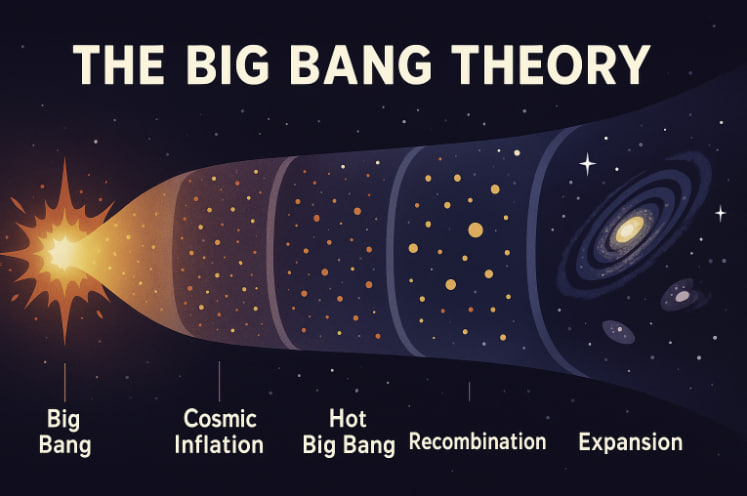
The Big Bang Theory is the leading scientific explanation for the origin and evolution of the universe.
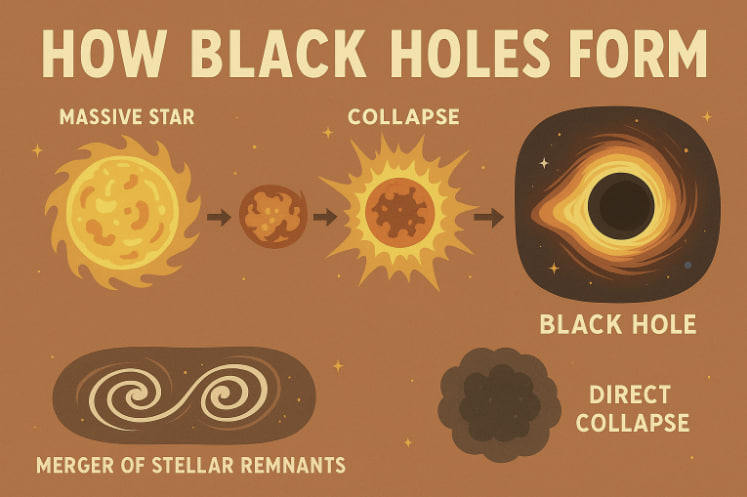
Black holes are not cosmic voids—they are the ultra-dense, incredibly powerful remnants of matter compressed to extreme limits.
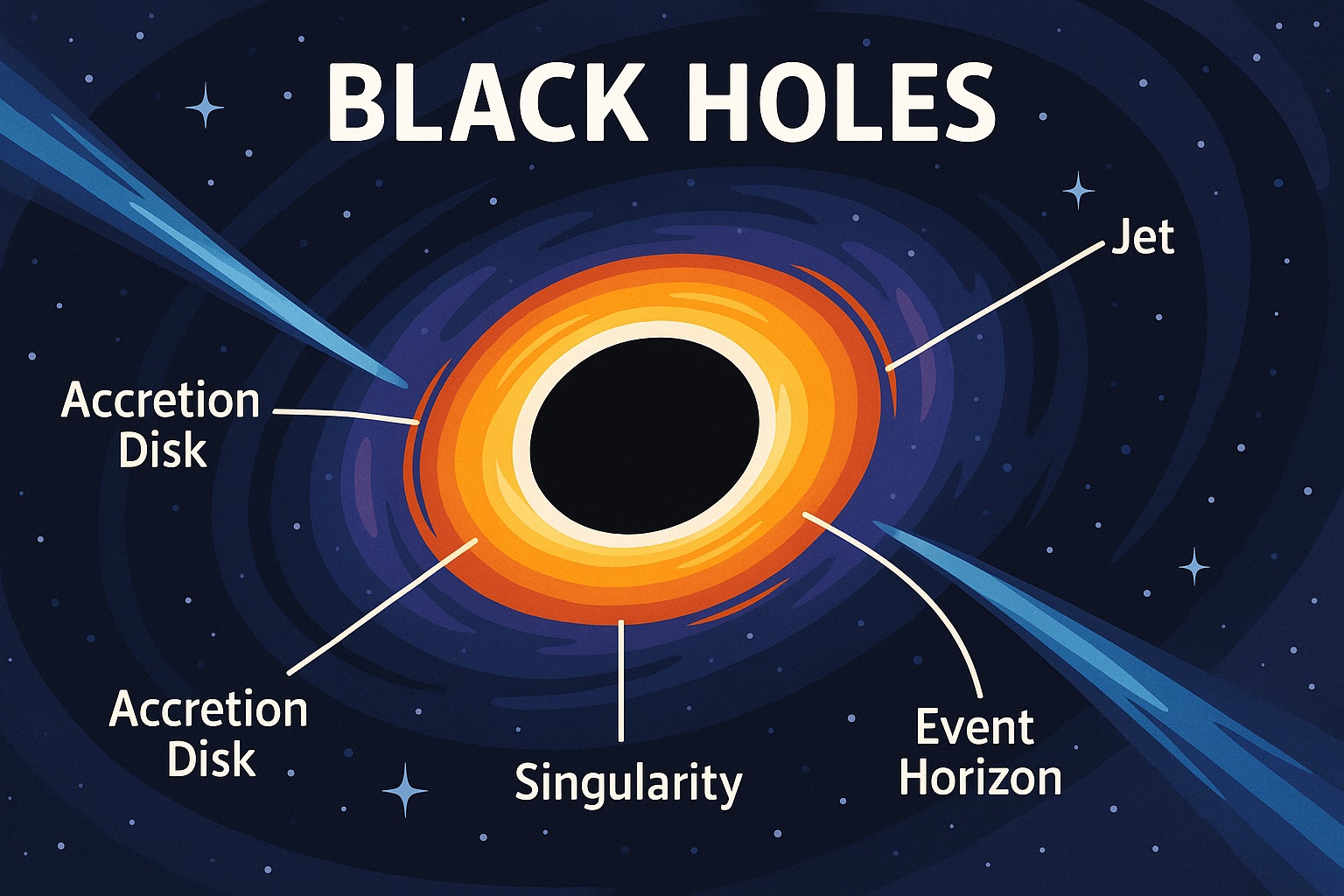
Black holes are among the most fascinating and extreme objects in the universe. They are regions of space where gravity is so intense that nothing—not even light—can escape.
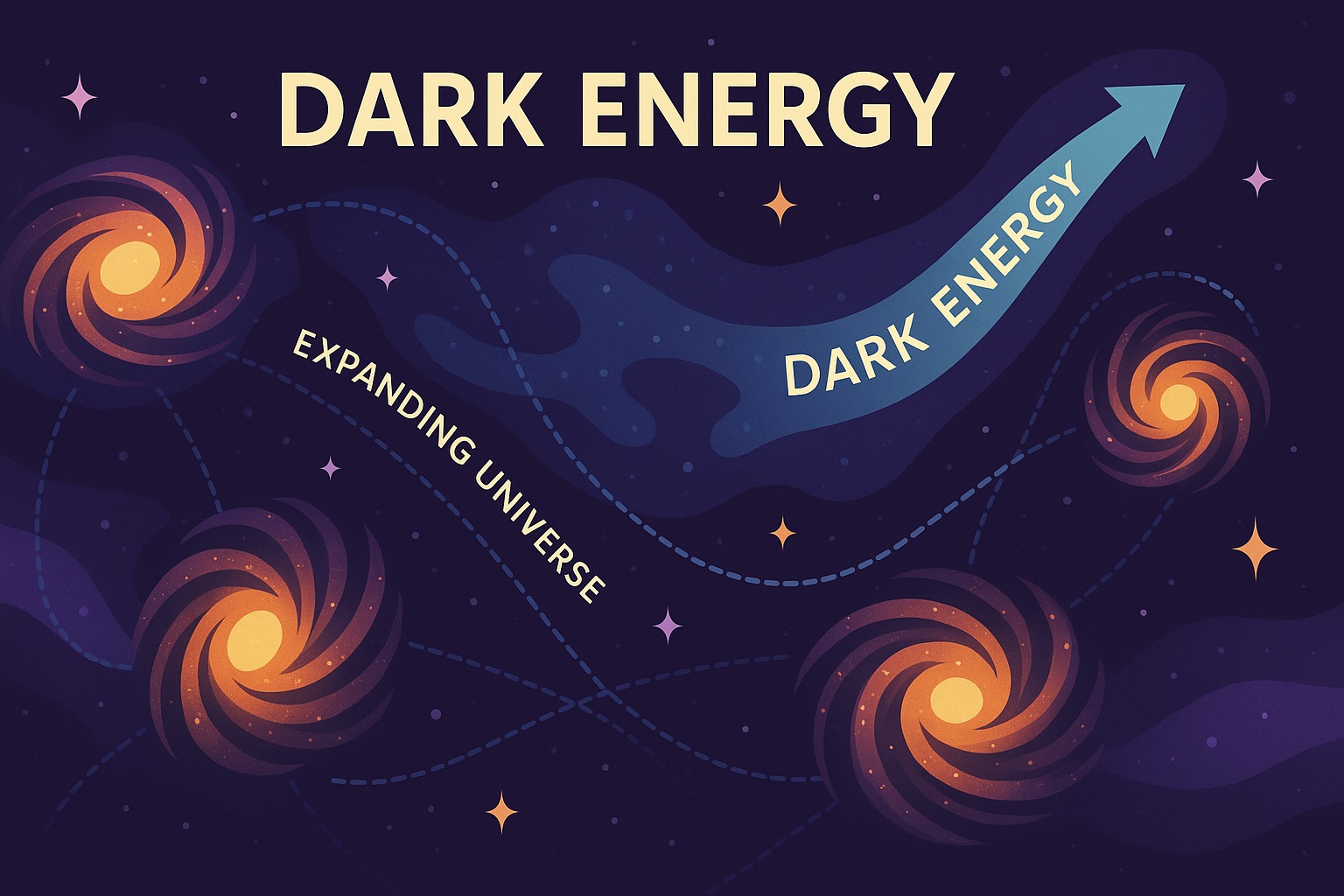
Dark energy is one of the greatest unsolved mysteries in modern cosmology. It’s an invisible force thought to make up about 68% of the universe, yet we don’t know exactly what it is.
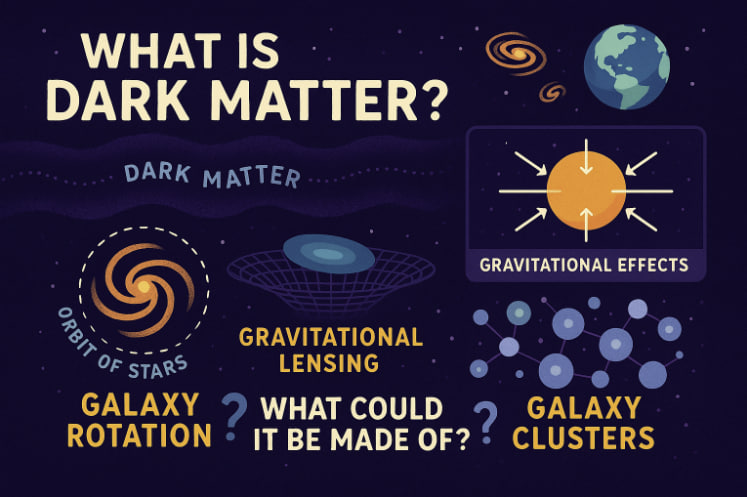
Dark matter is one of the greatest mysteries in modern astrophysics. It cannot be seen, touched, or directly detected by current instruments—yet scientists are nearly certain it exists. Why?
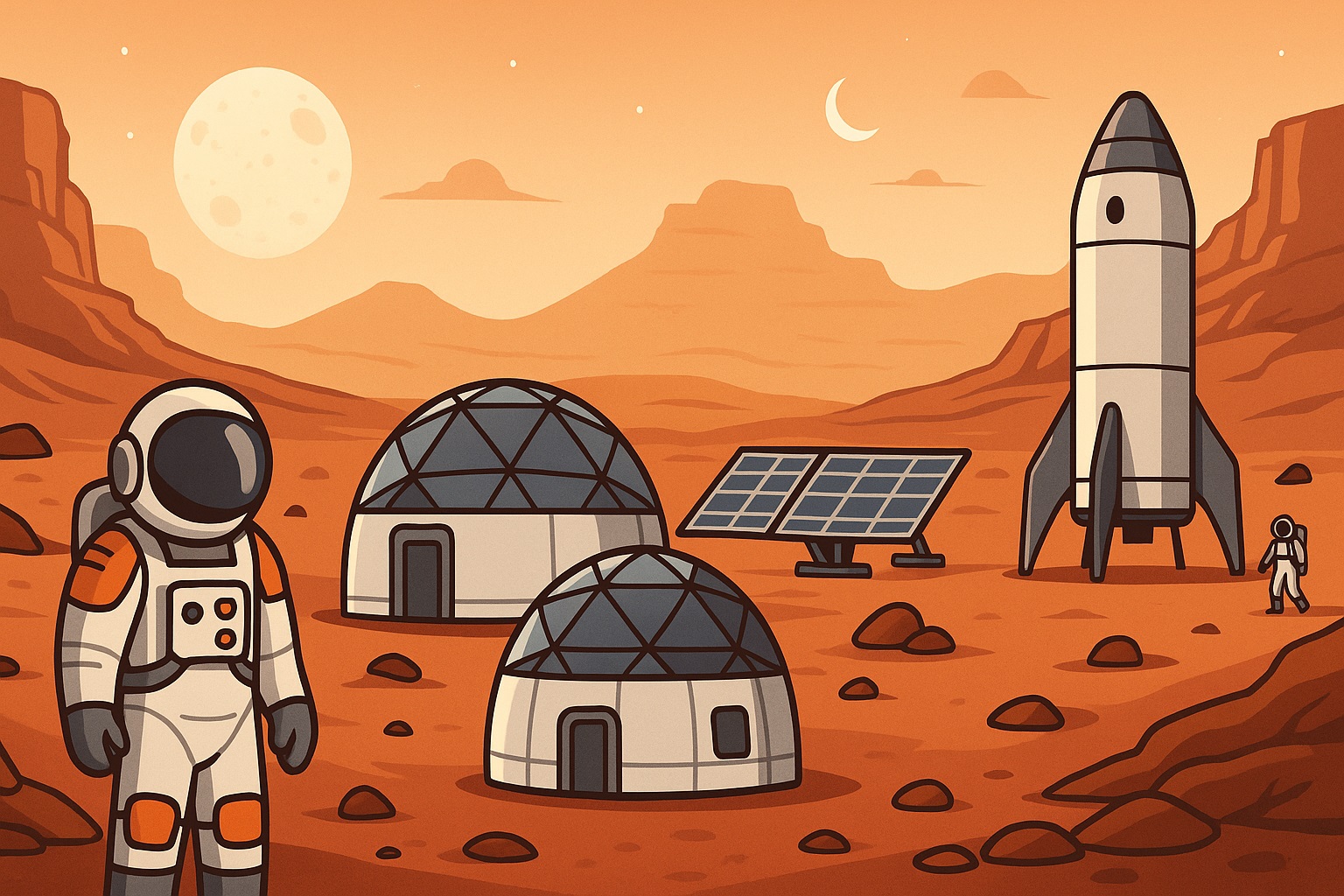
The idea of building a human colony on Mars has fascinated scientists and science fiction writers for decades.

Archimedean solids are a set of 13 unique three-dimensional polyhedra named after the ancient Greek mathematician Archimedes.
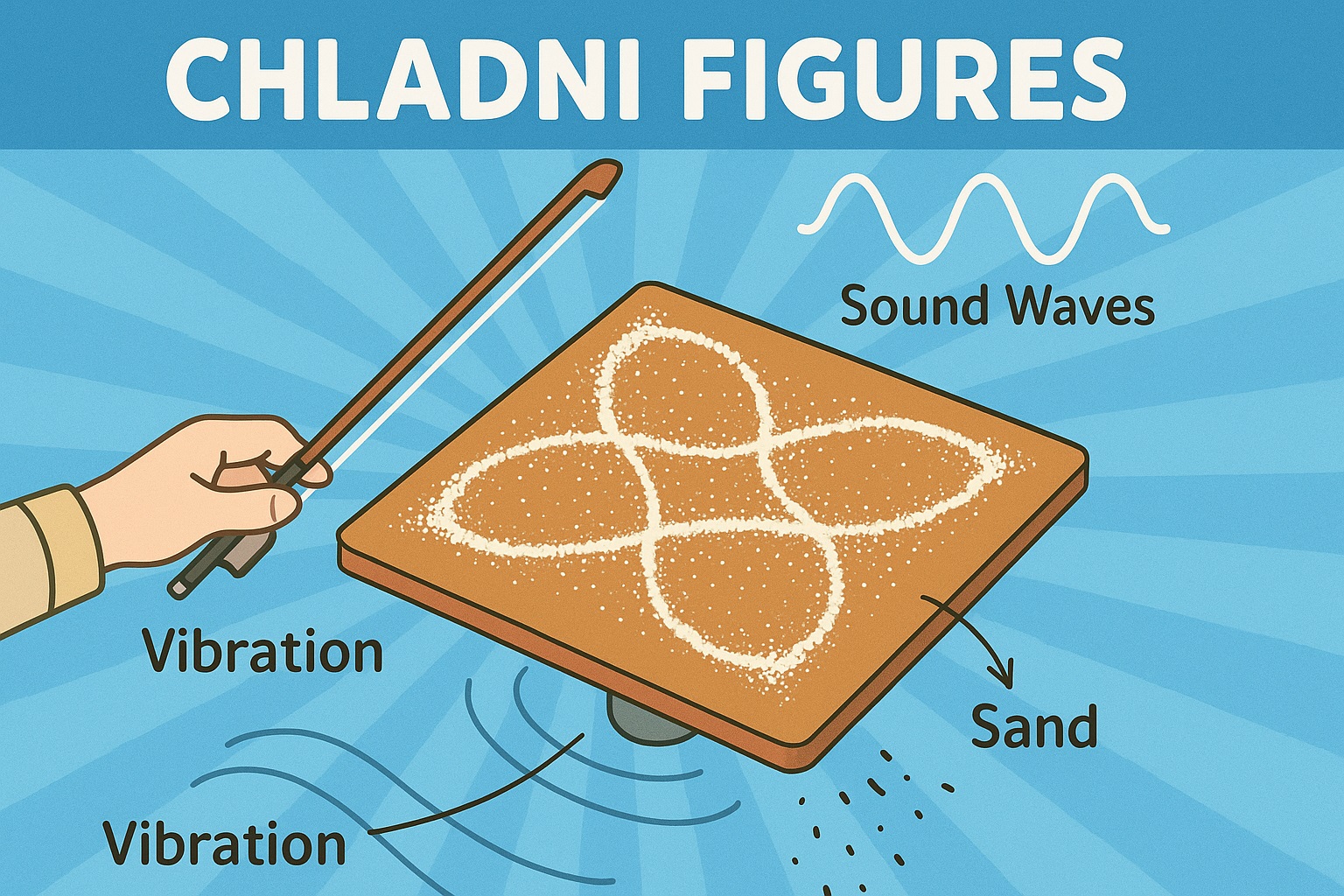
In the beginning was the word… Chladni figures are fascinating patterns formed when sound waves create visible vibrations on a surface.

Physics is built on precise laws that have stood the test of time—from Newton's gravity to Einstein's relativity and the quantum rules of the microscopic world.
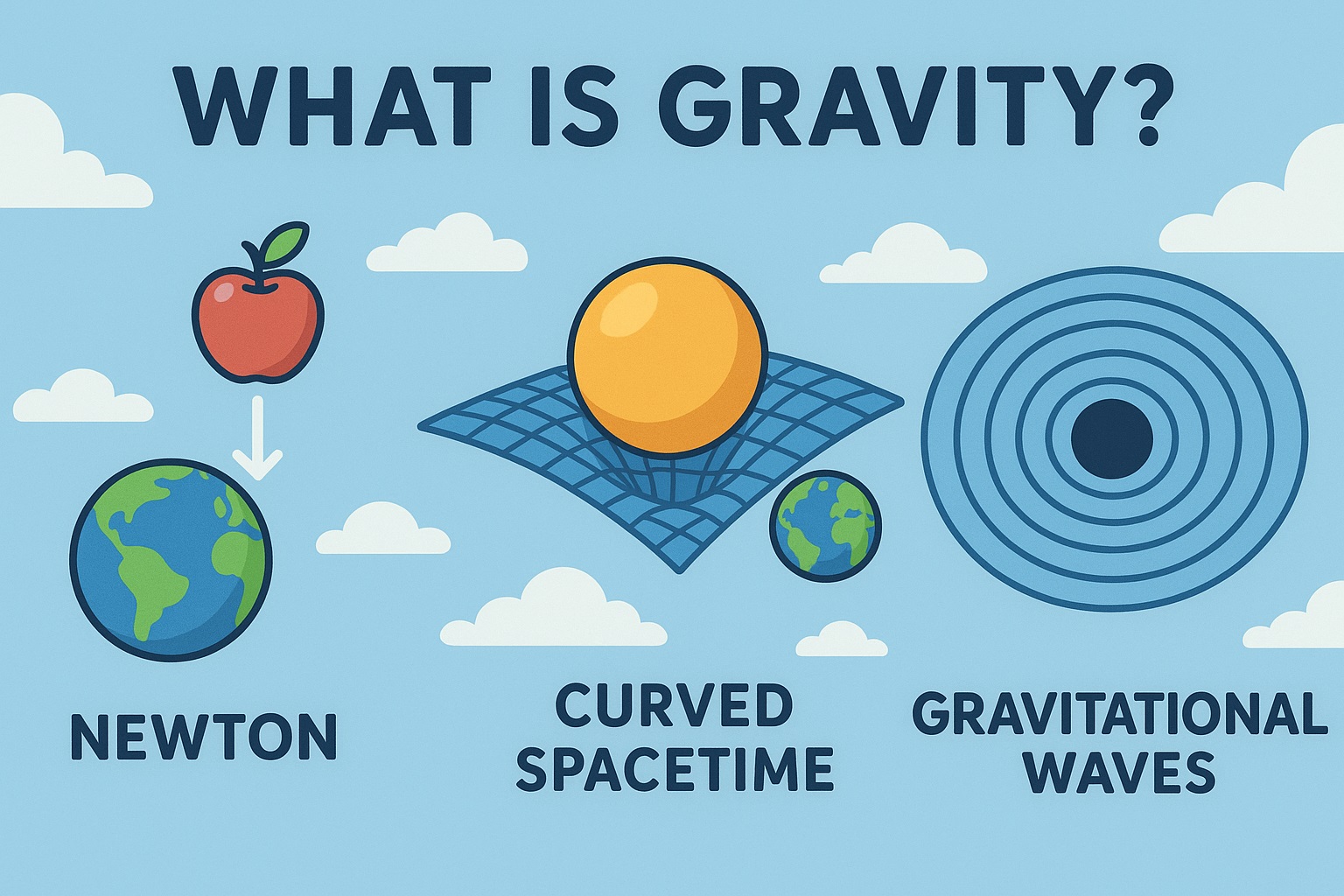
Gravity is one of the most familiar forces in our daily lives—it keeps our feet on the ground, guides the planets in their orbits, and shapes the large-scale structure of the universe.