
Gravity and Quantum Gravity: Where Classical Physics Meets Its Limits
Gravity is the most familiar of the fundamental forces, shaping everything from falling objects to the motion of galaxies.
Useful articles about our universe and science
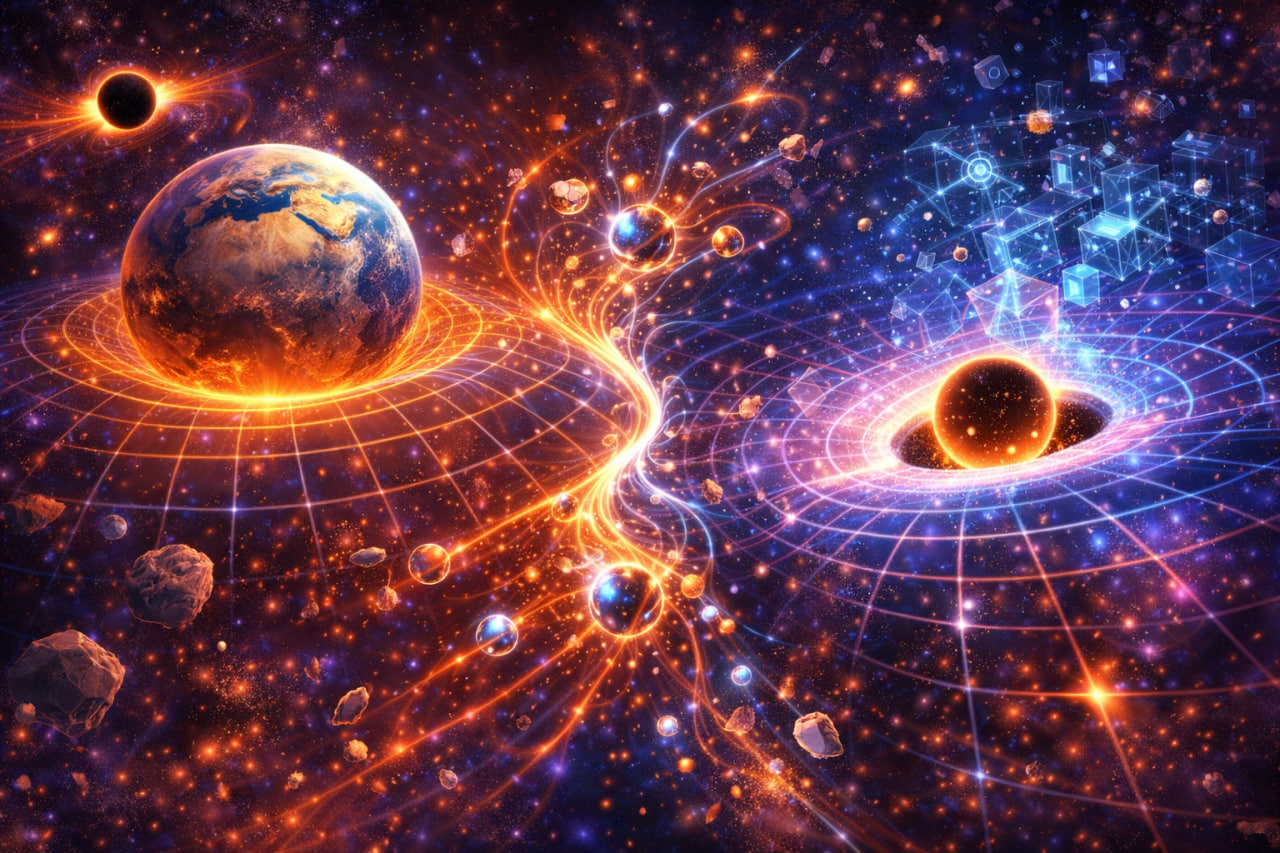
Gravity is the most familiar of the fundamental forces, shaping everything from falling objects to the motion of galaxies.

Thermodynamics is a fundamental branch of physics that describes how energy, heat, and work interact in physical systems.
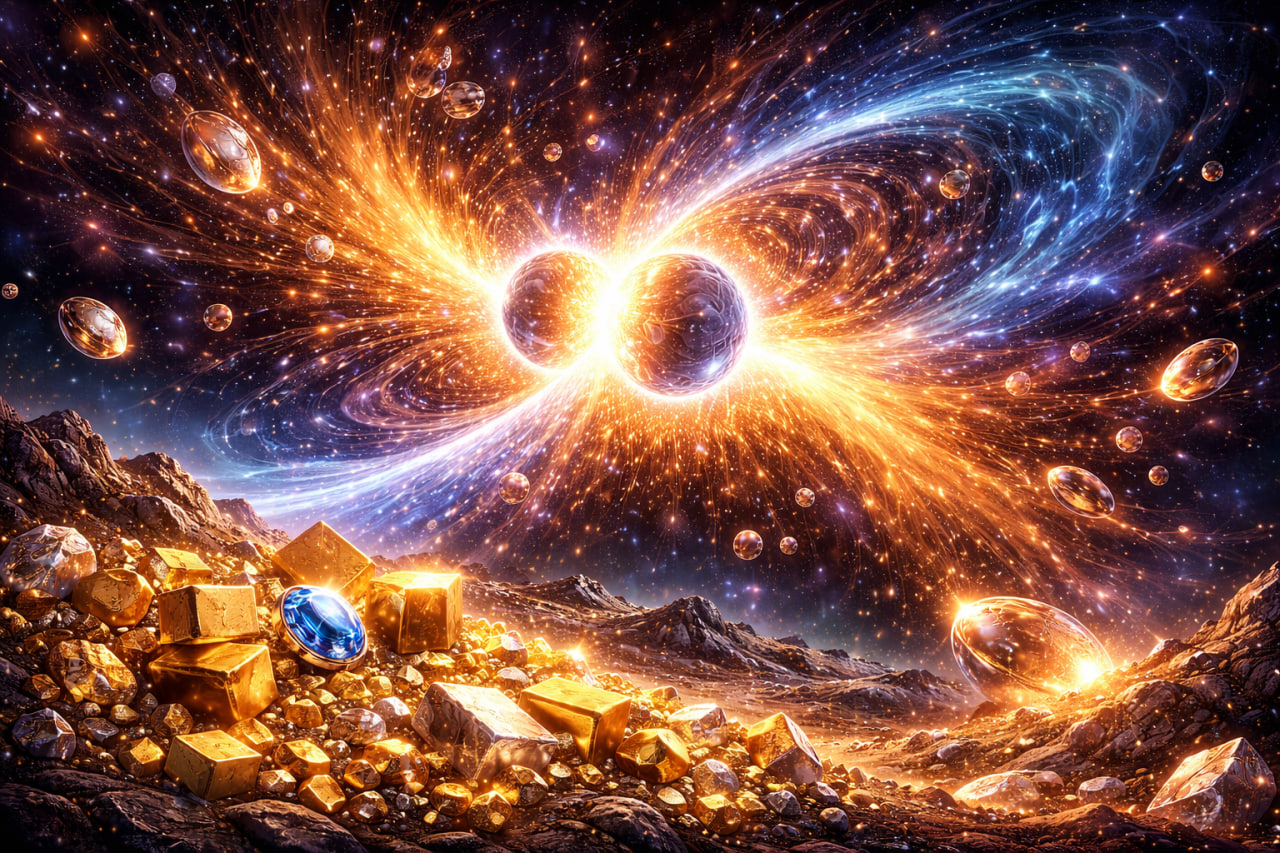
For much of the twentieth century, the origin of the heaviest elements in the universe remained an open question.
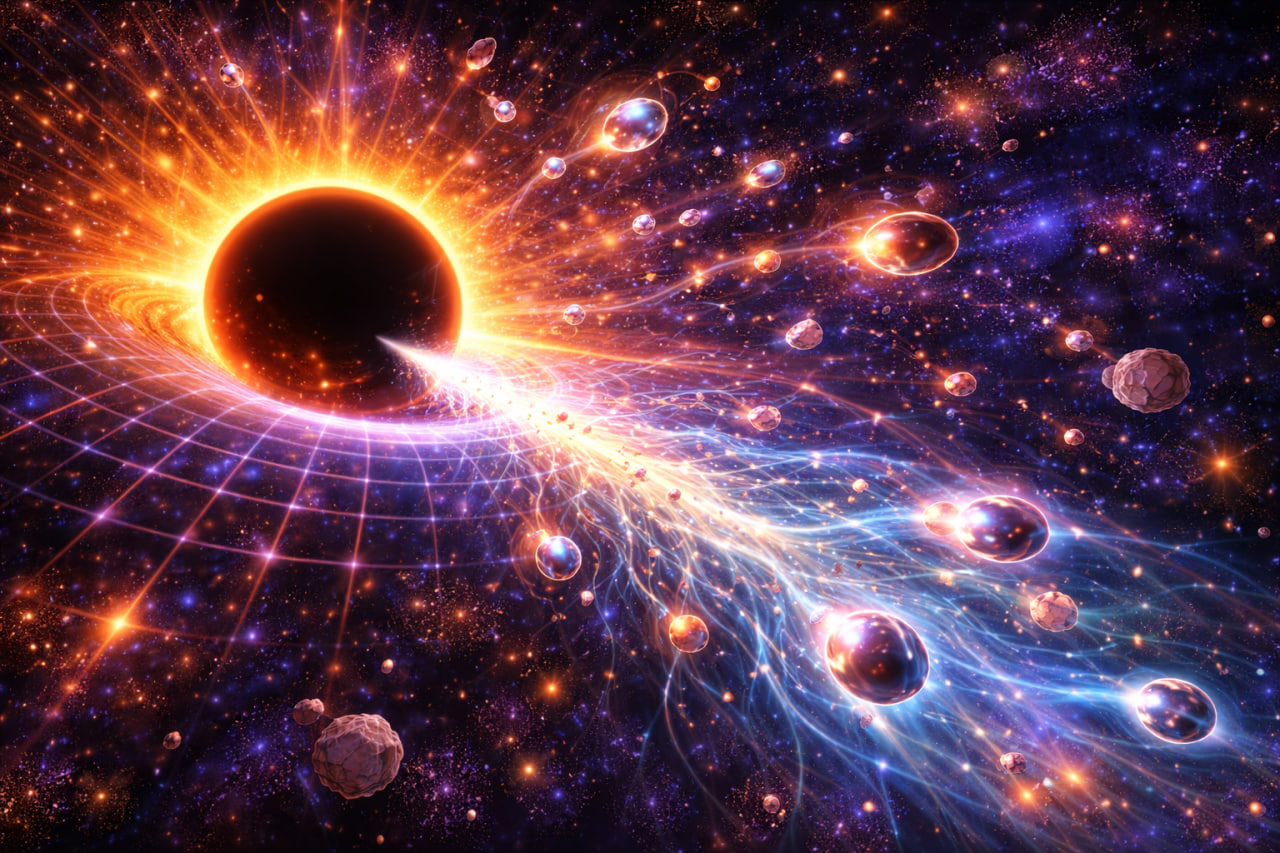
For a long time, black holes were thought to be perfect cosmic traps—objects from which nothing could ever escape.

The arrow of time is a concept used in physics to describe the apparent one-way direction of time—from past to future.
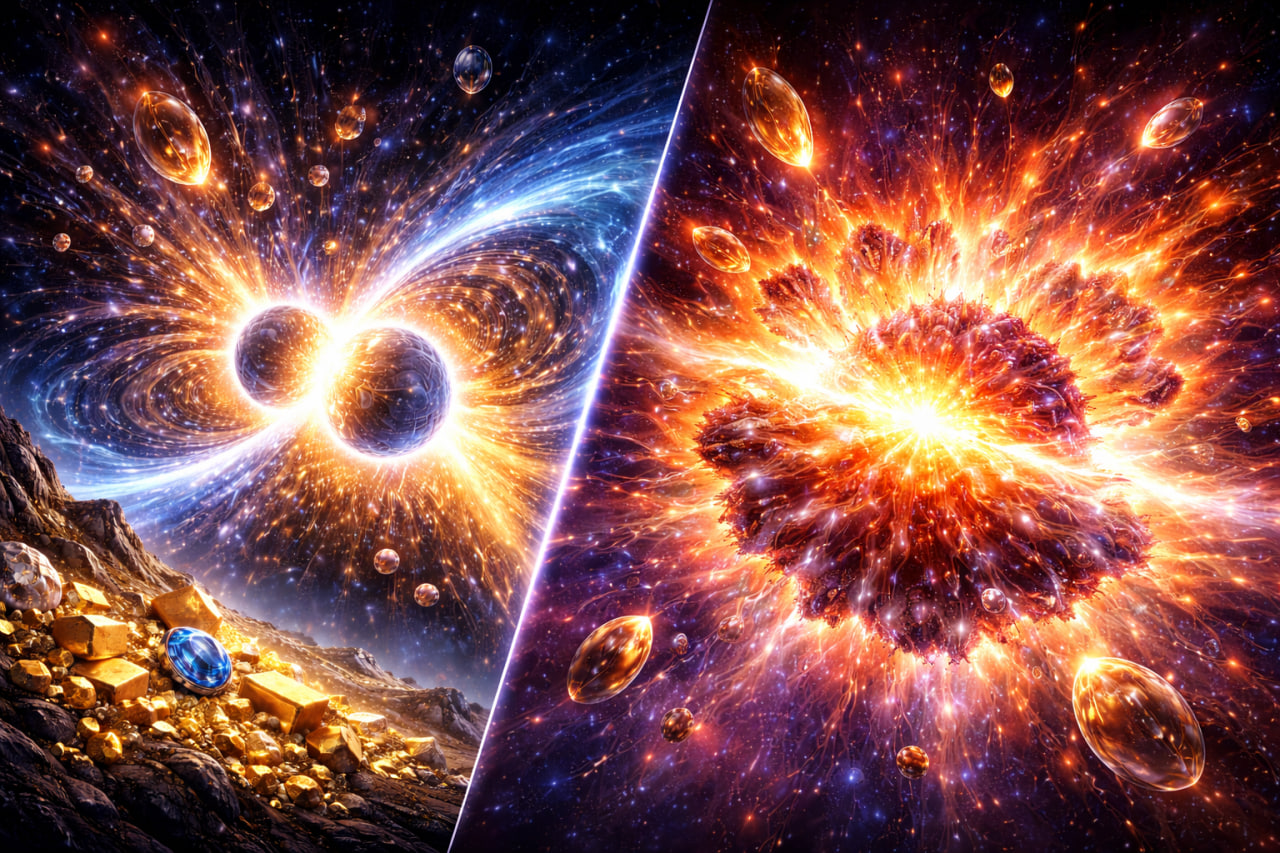
Explosive events play a central role in shaping the universe, redistributing matter and energy across galaxies.

Candy is usually associated with taste, pleasure, and nutrition-free indulgence, but its usefulness does not end with consumption.
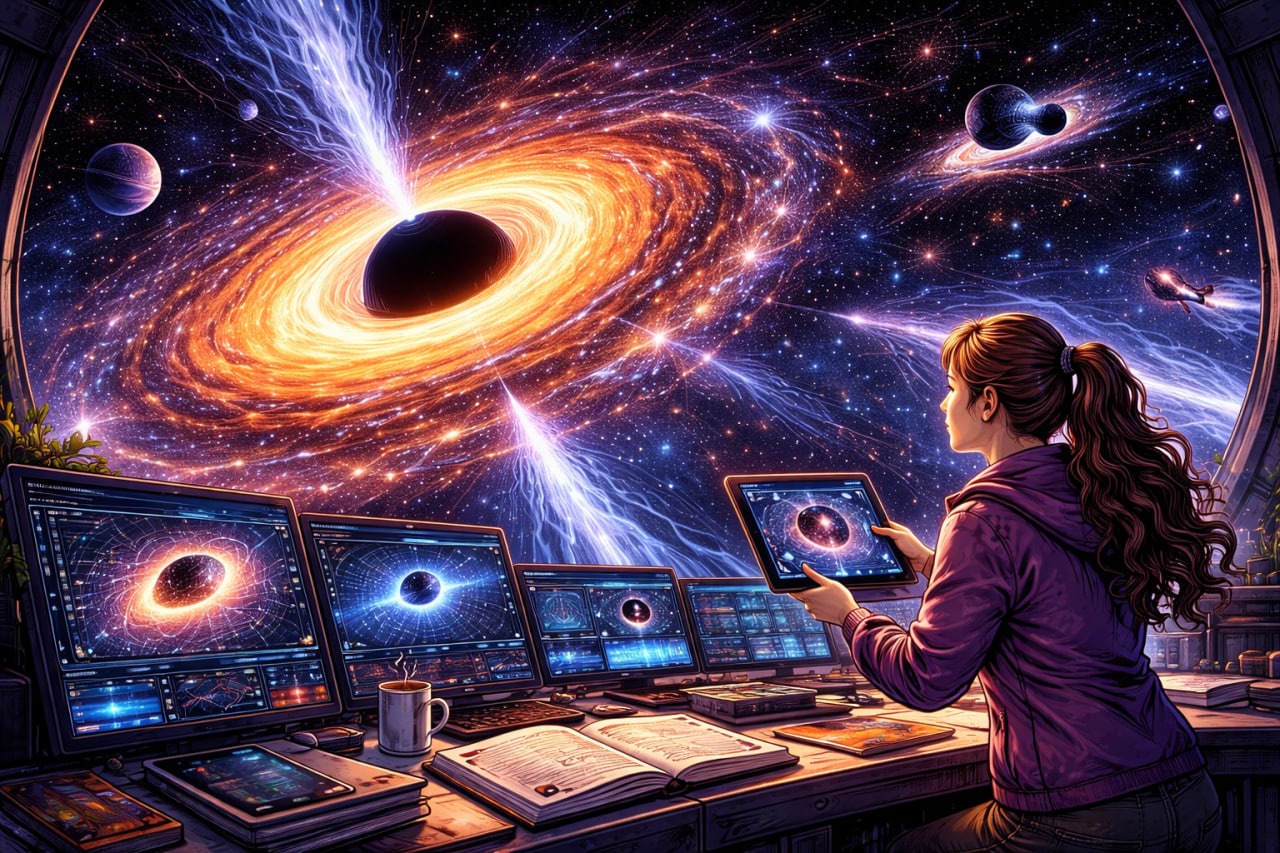
Black holes are among the most extreme and fascinating objects in the universe, once considered purely theoretical and now firmly established by observation.
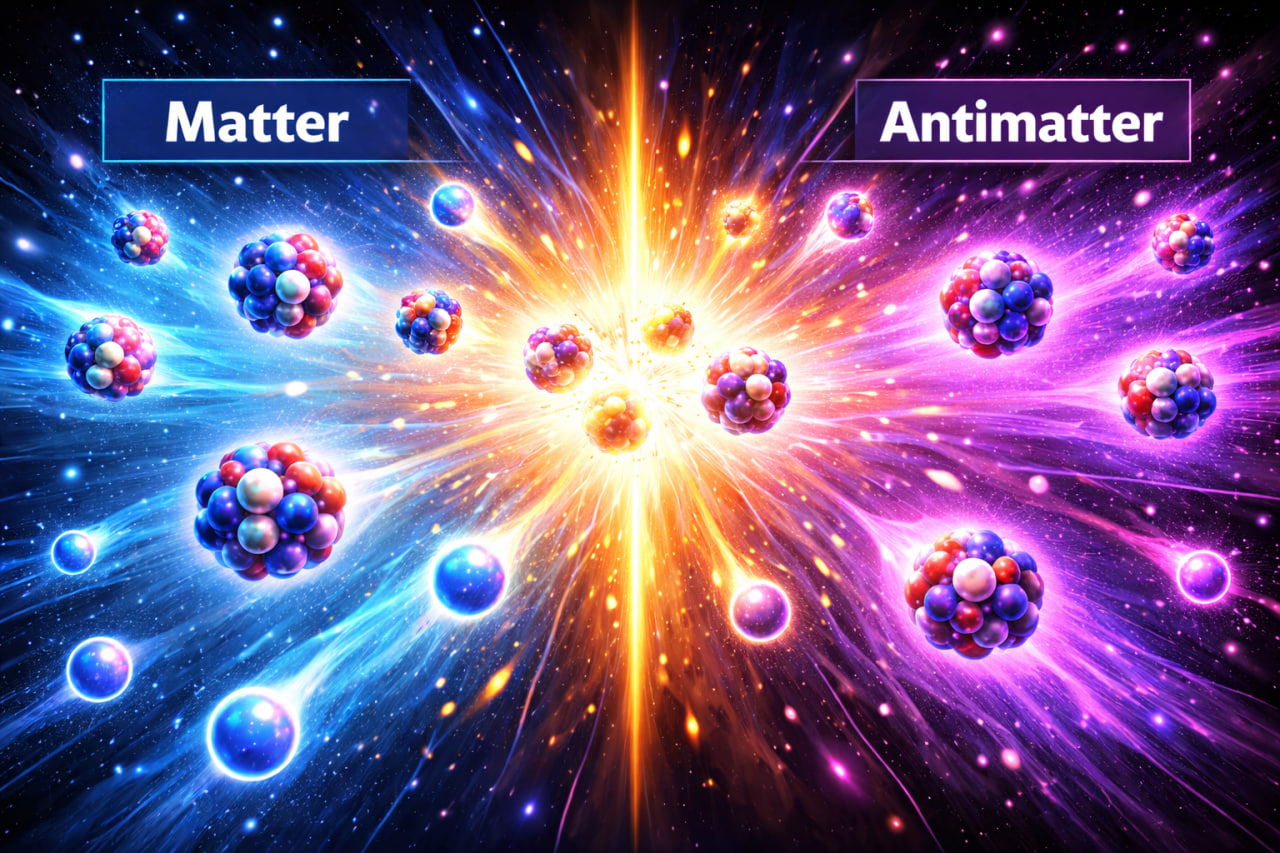
According to the known laws of physics, the Big Bang should have produced matter and antimatter in equal amounts.

The transition of a liquid into a solid is one of the most fundamental phase changes in nature, yet it is far more complex than it appears.