
Tau Ceti and Other Star Systems with Potentially Habitable Worlds
For decades, the search for habitable worlds focused mainly on planets similar to Earth and stars similar to the Sun.
Useful articles about our universe and science

For decades, the search for habitable worlds focused mainly on planets similar to Earth and stars similar to the Sun.
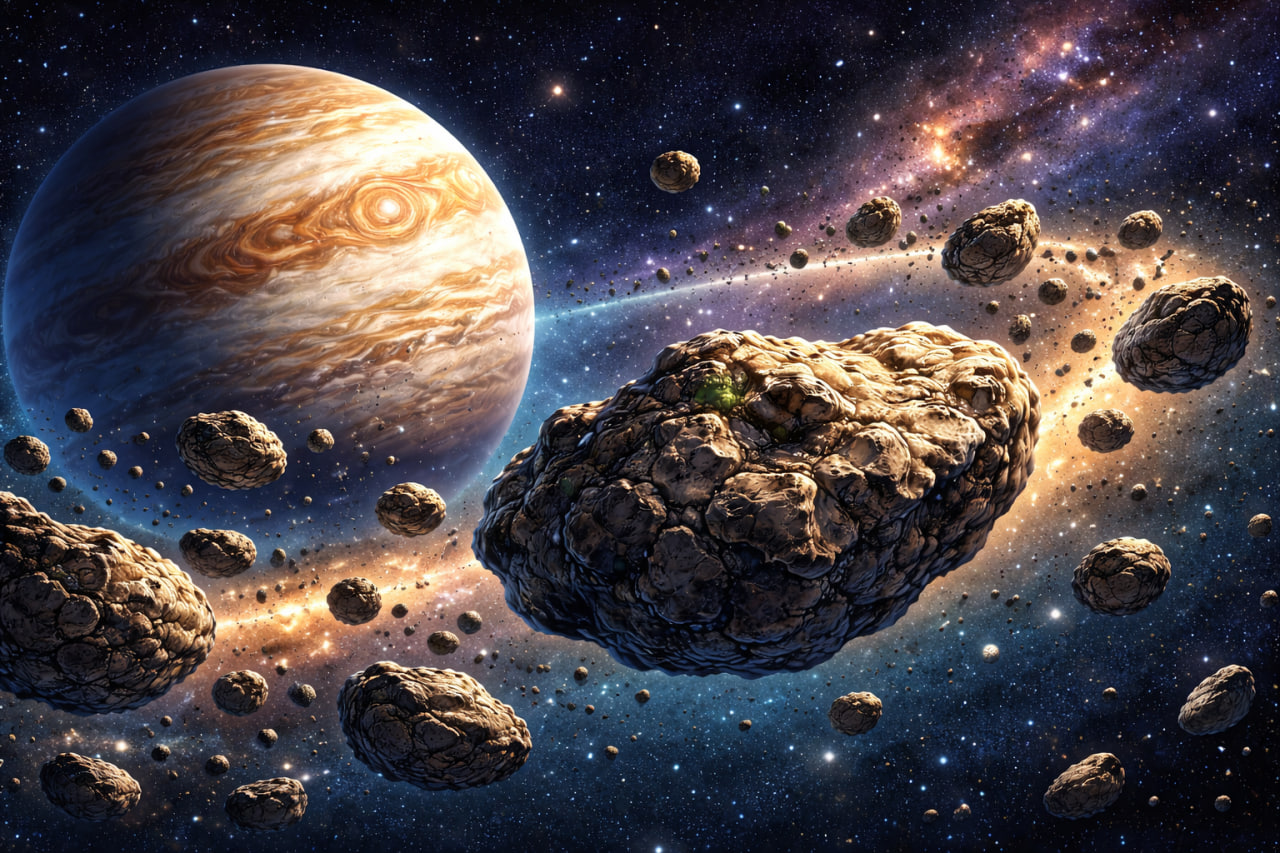
Trojan asteroids are a unique group of small celestial bodies that share an orbit with a planet while remaining locked in stable gravitational positions.
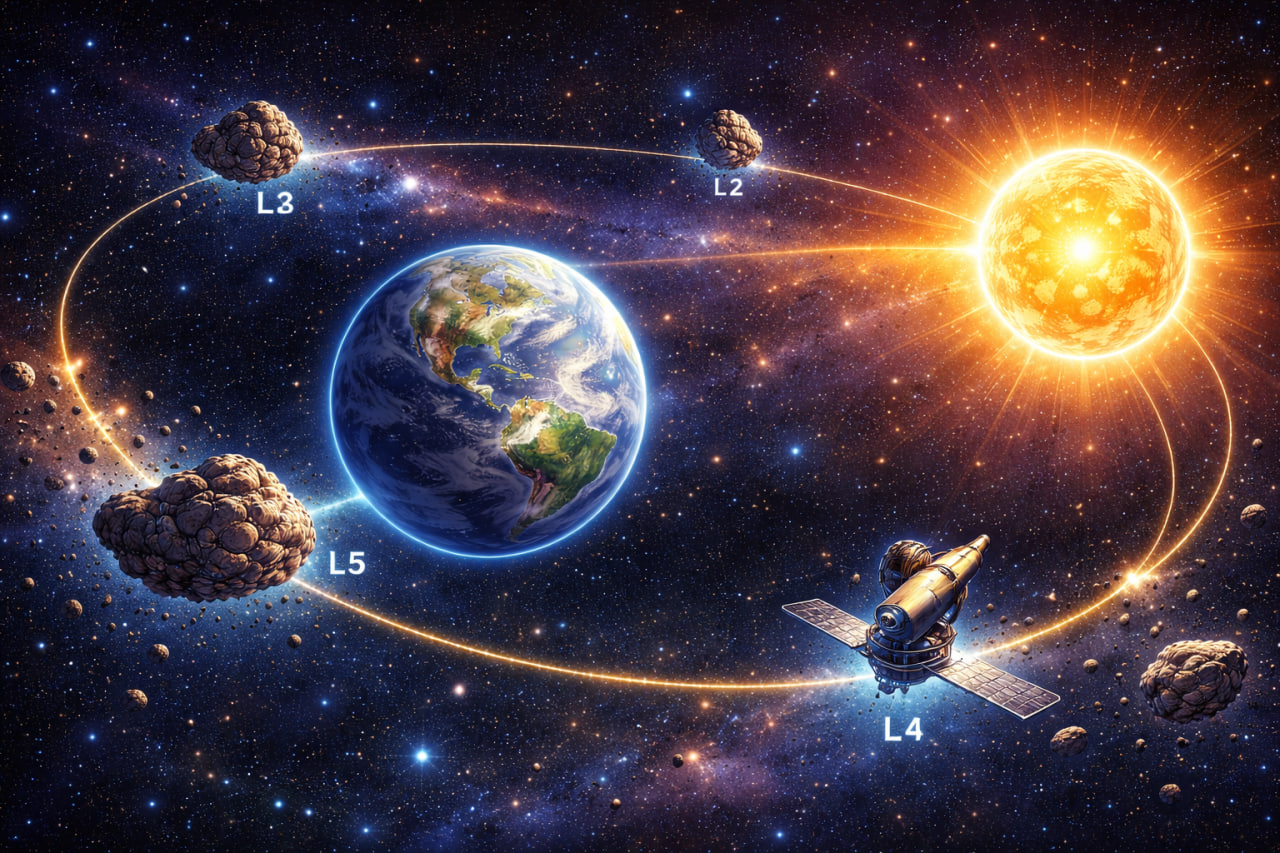
A Lagrange point is a special position in space where the gravitational forces of two large bodies, such as the Sun and a planet, balance in a way that allows a smaller object to remain stable.
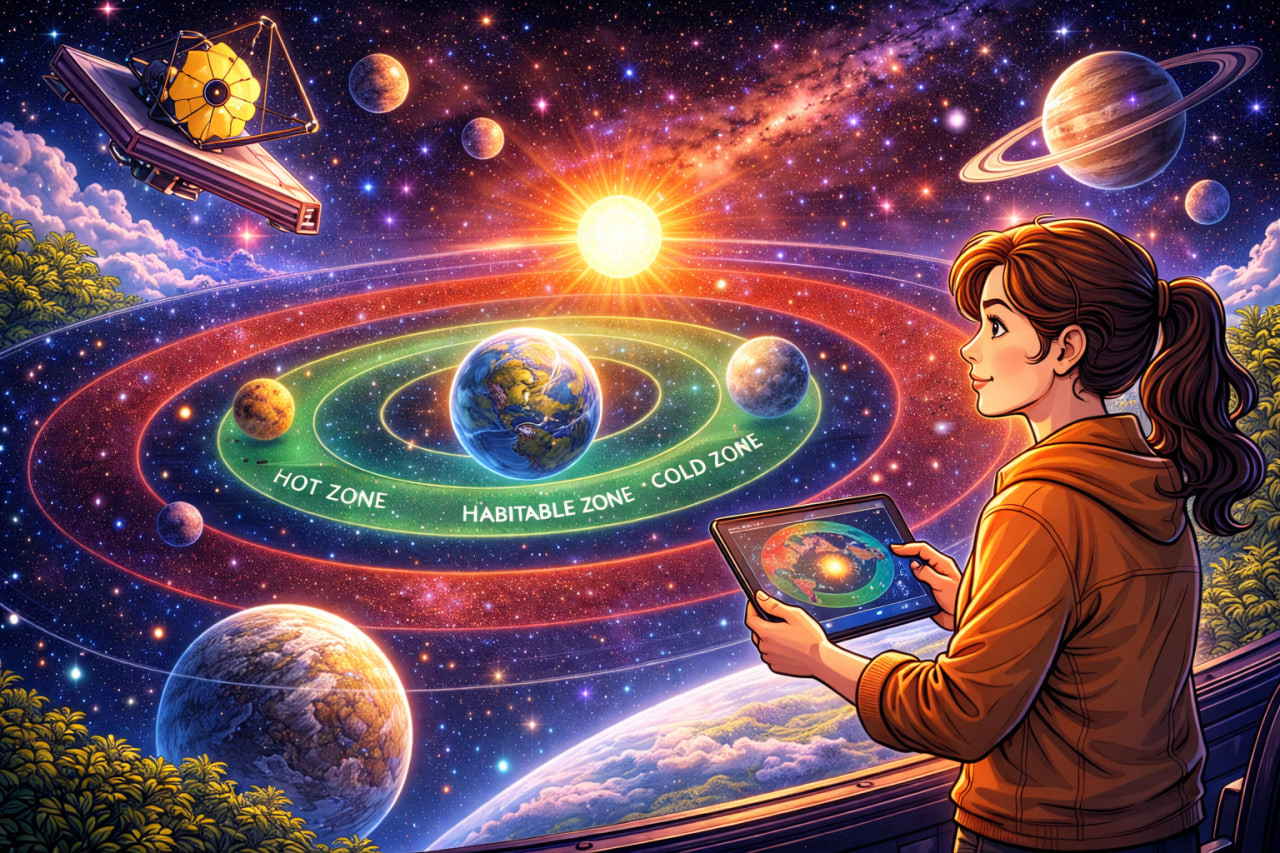
The habitable zone is one of the most important concepts in the search for life beyond Earth.
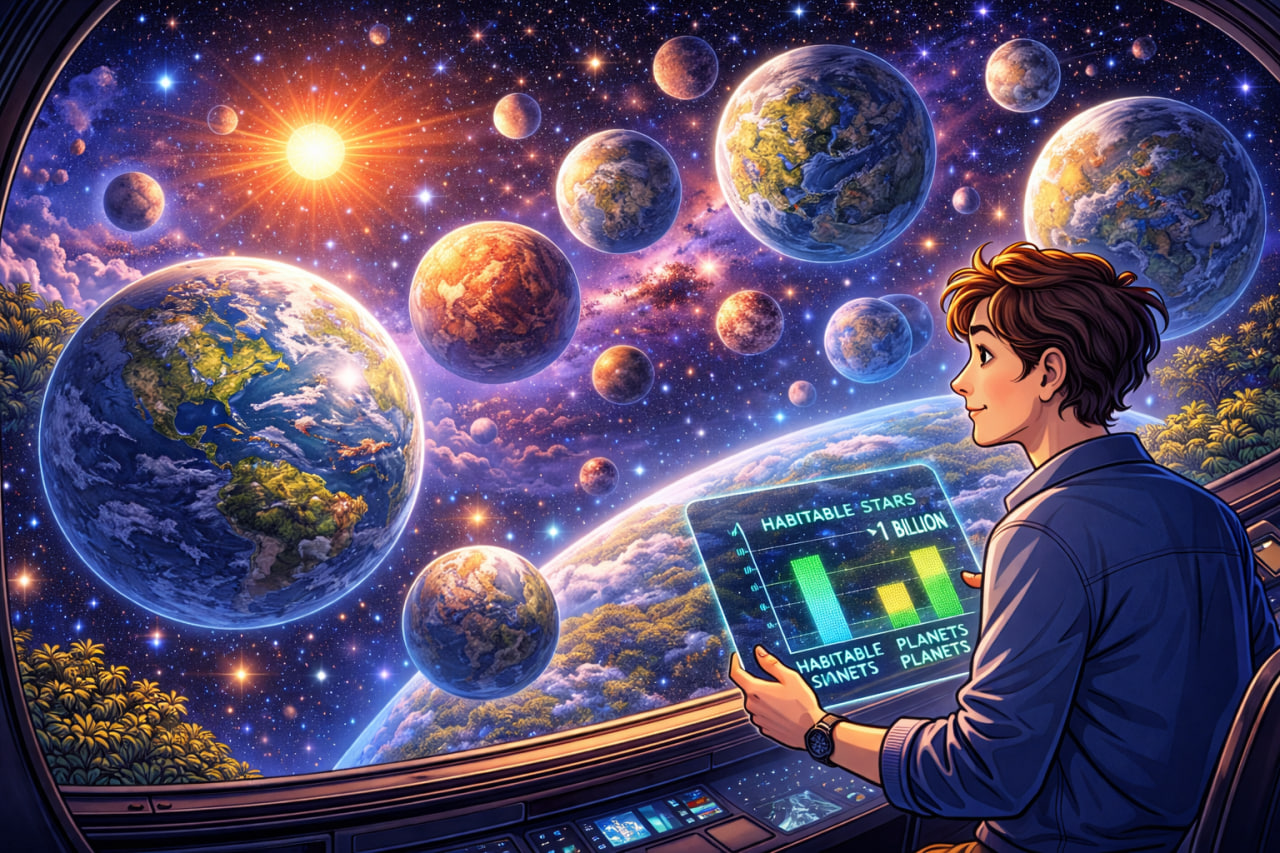
The question of how many planets in the universe might support life is one of the most profound in modern science.

The search for extraterrestrial life has traditionally focused on biology, but in recent years scientists have increasingly explored another possibility: technosignatures.

Ocean planets, sometimes called water worlds, are a class of exoplanets almost entirely covered by deep global oceans.
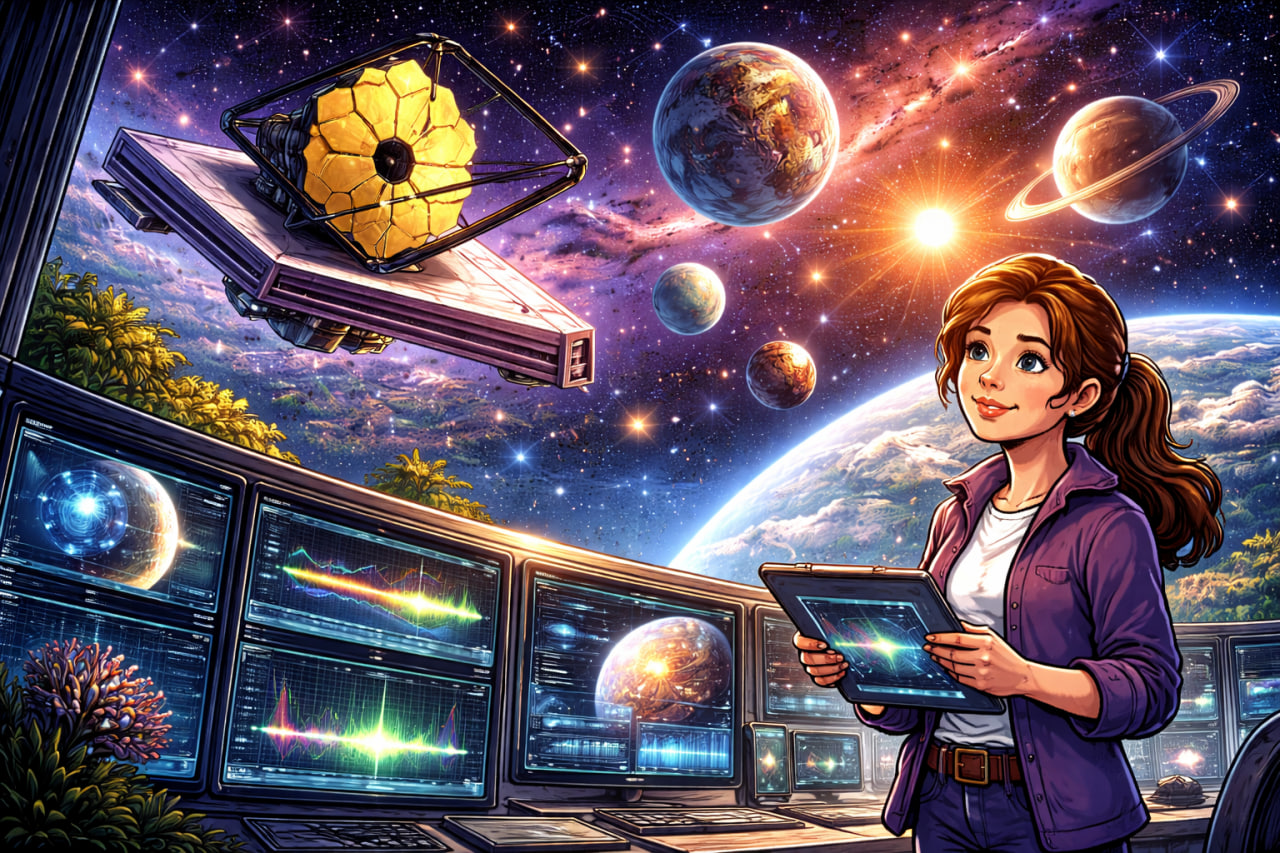
The launch of the James Webb Space Telescope marked a turning point in the study of exoplanets.

Atmospheric spectroscopy is one of the most powerful tools in modern astronomy and planetary science.
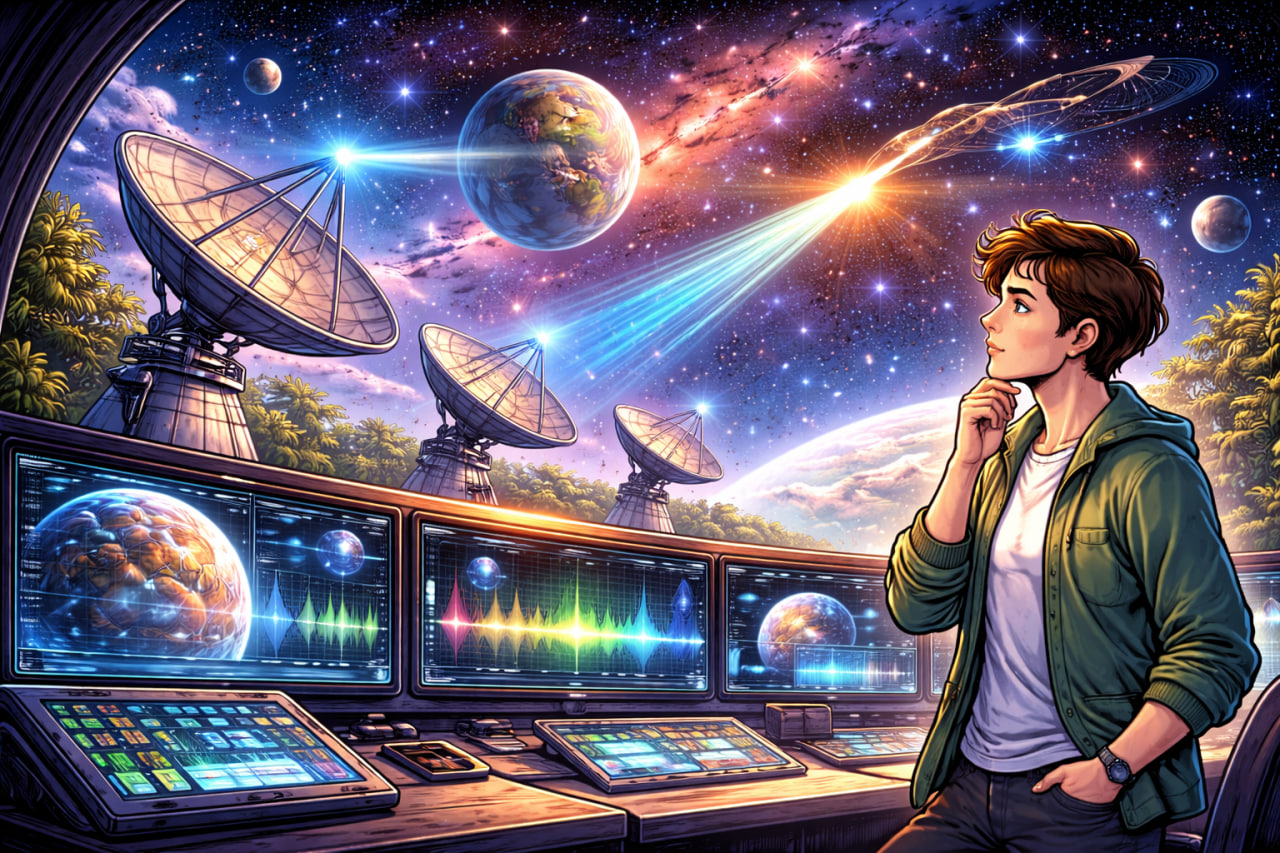
For decades, humanity has listened quietly to the universe, searching for signs that we are not alone.