
Does Magic Exist? What Does Science Say
The idea of magic has fascinated humanity for thousands of years, appearing in myths, religions, folklore, and modern popular culture.
Useful articles about our universe and science
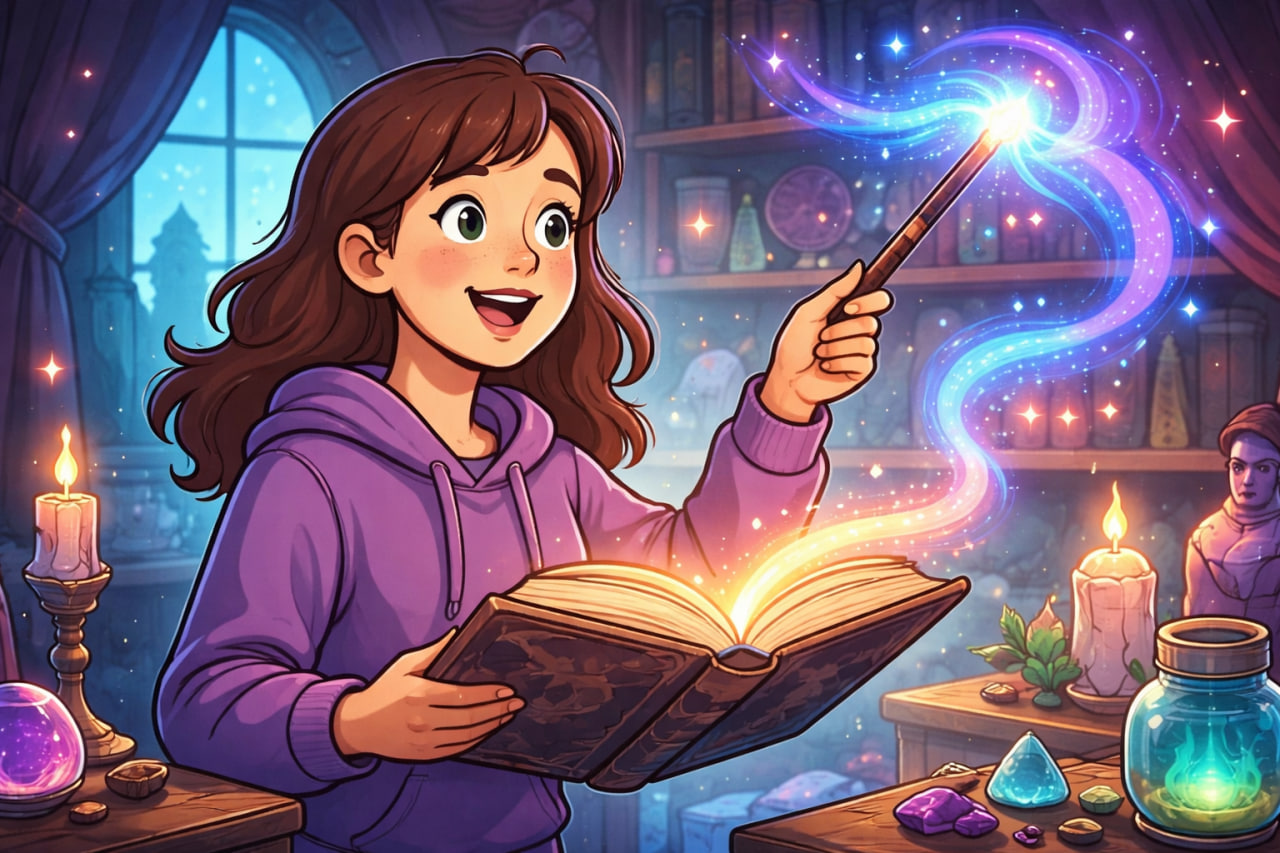
The idea of magic has fascinated humanity for thousands of years, appearing in myths, religions, folklore, and modern popular culture.
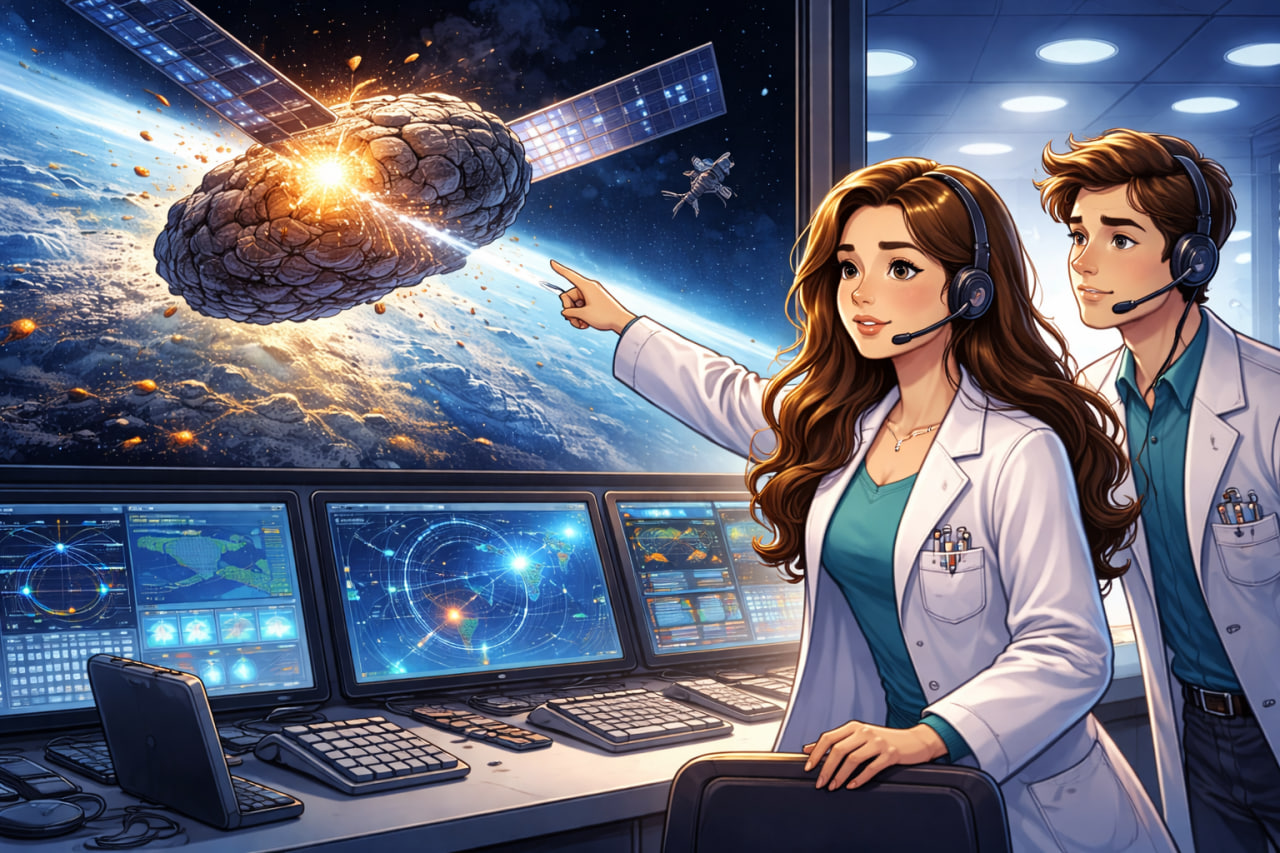
Asteroid impacts are among the few natural disasters capable of causing global consequences, which is why planetary defense has become an important scientific and strategic priority.
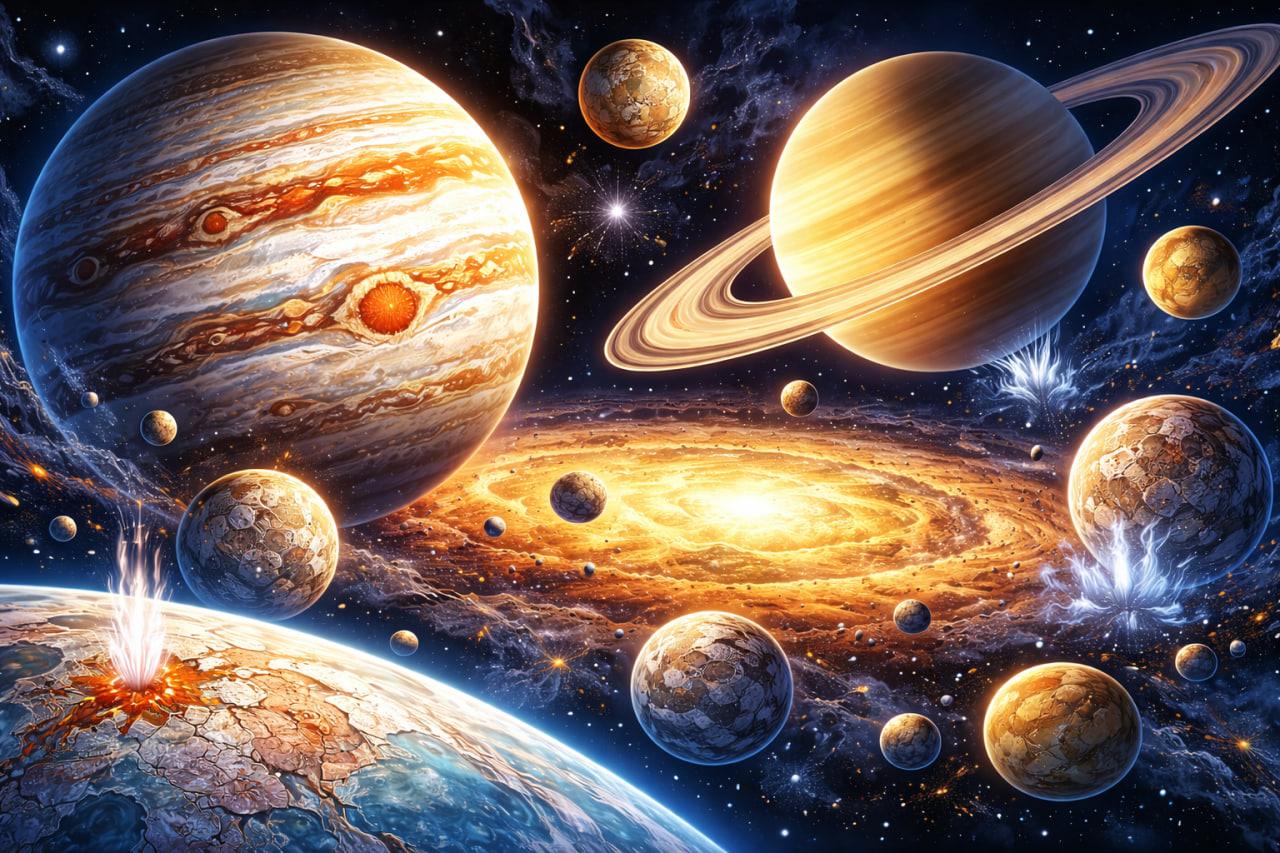
Jupiter and Saturn are not only the largest planets in the Solar System but also the centers of complex miniature planetary systems formed by their numerous moons.
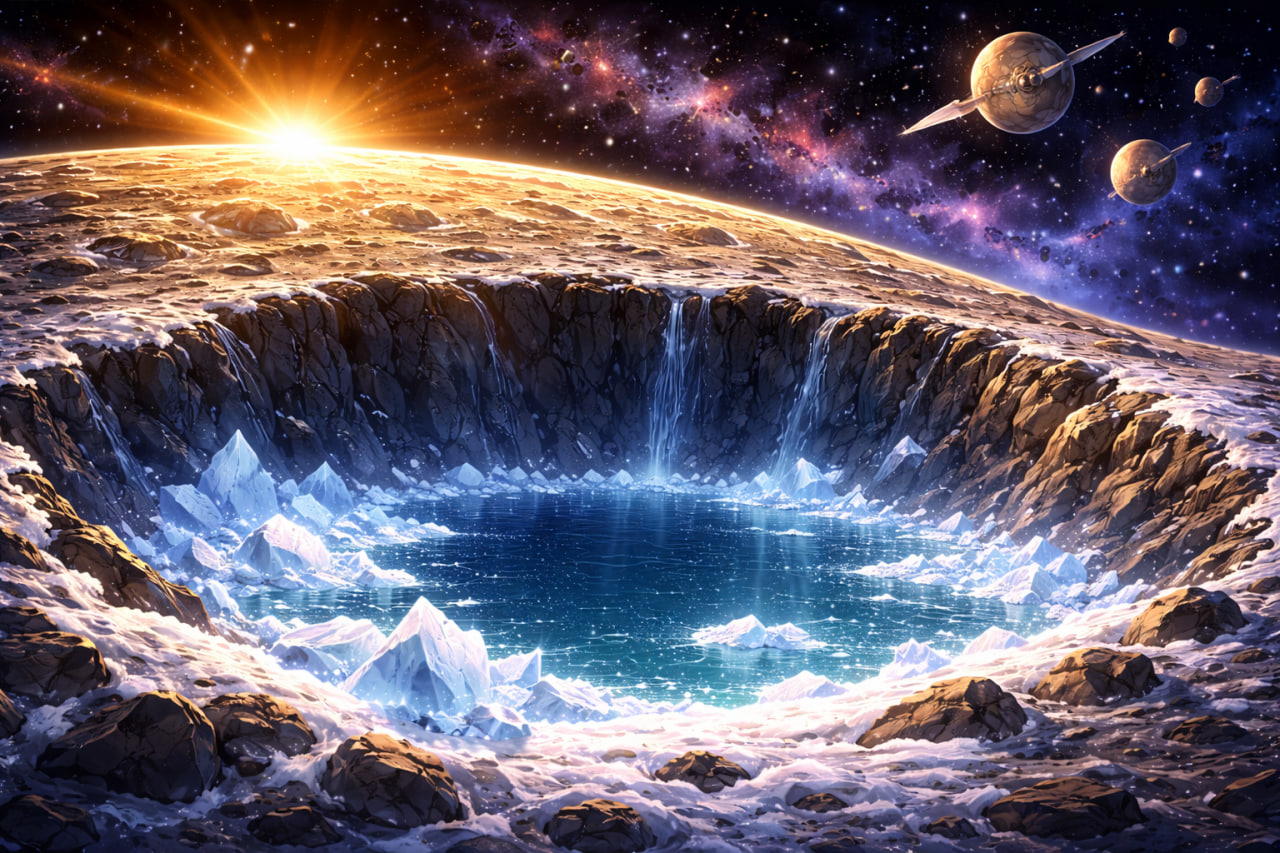
At first glance, Mercury seems like the last place in the Solar System where ice could exist. As the planet closest to the Sun, its surface can heat up to extreme temperatures during the day.
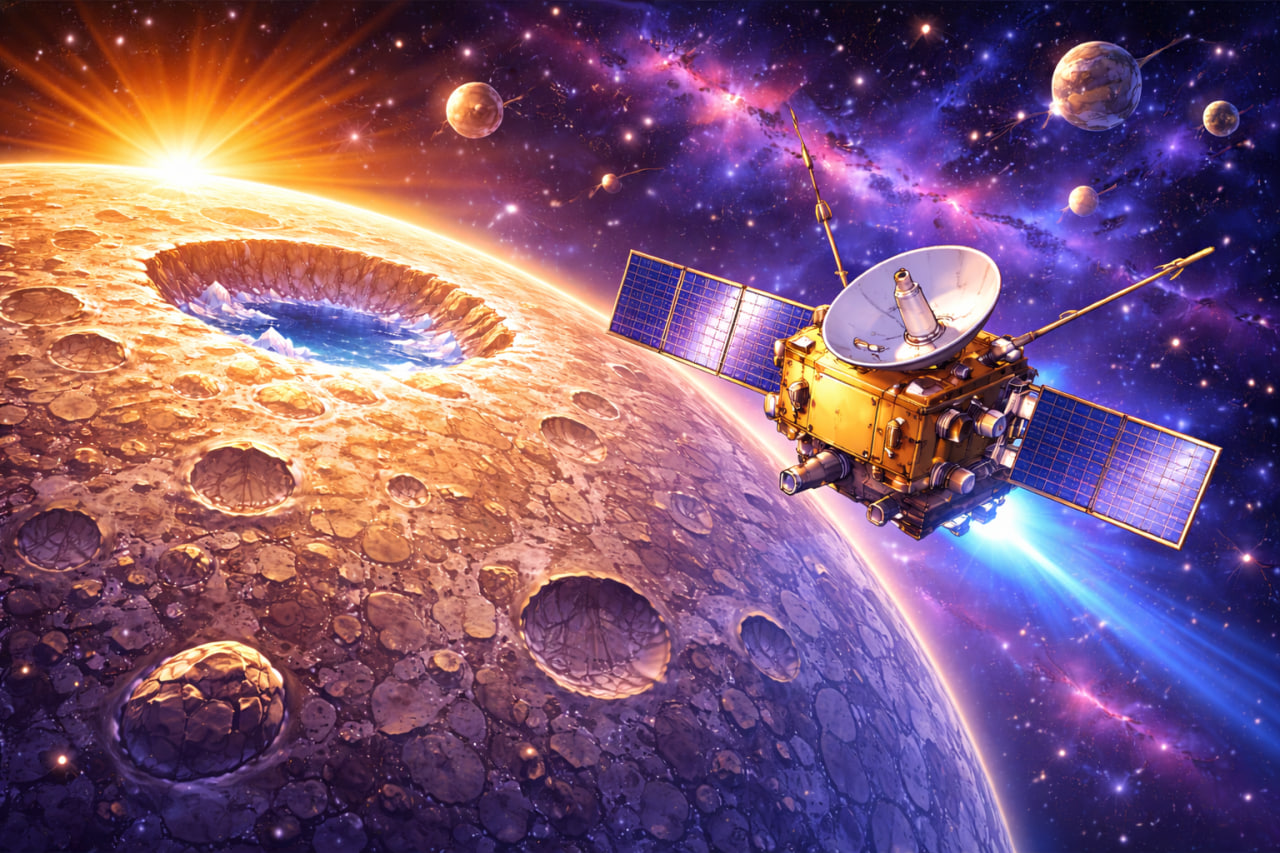
The MESSENGER mission marked a turning point in humanity’s understanding of Mercury, the smallest and innermost planet of the Solar System.
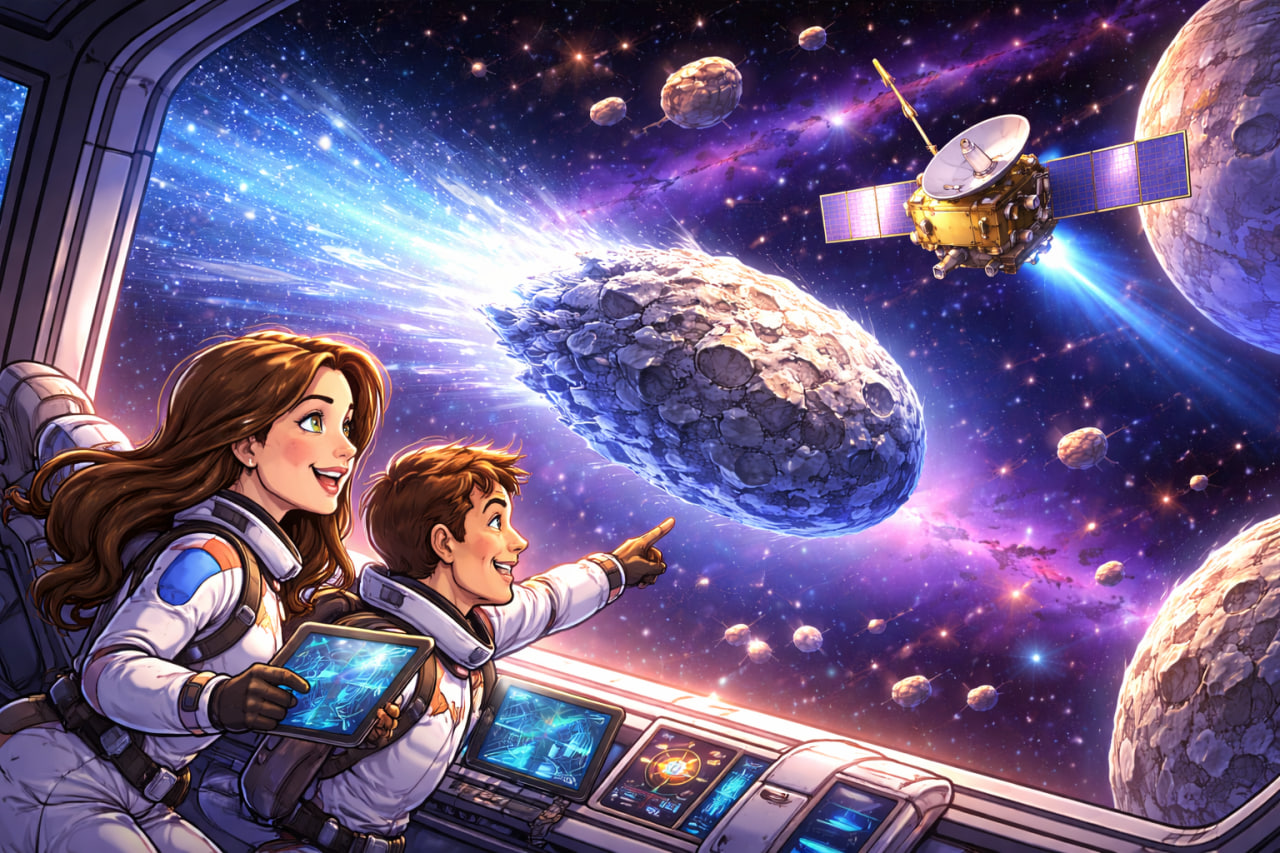
Comets are among the most intriguing objects in the Solar System, often described as frozen messengers from its earliest history.
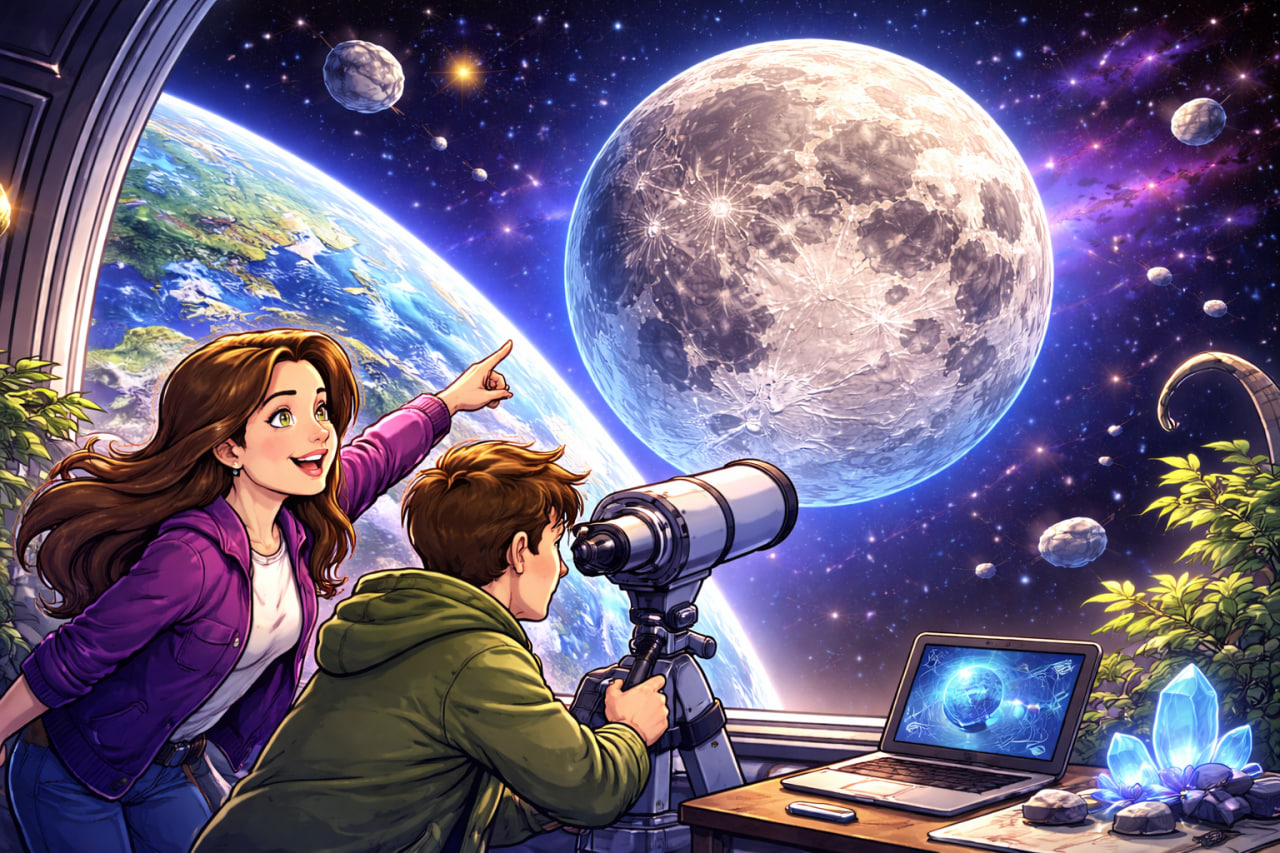
The Moon has captivated humanity since the earliest days of civilization, serving as a constant presence in the night sky and a powerful symbol in culture, science, and imagination.
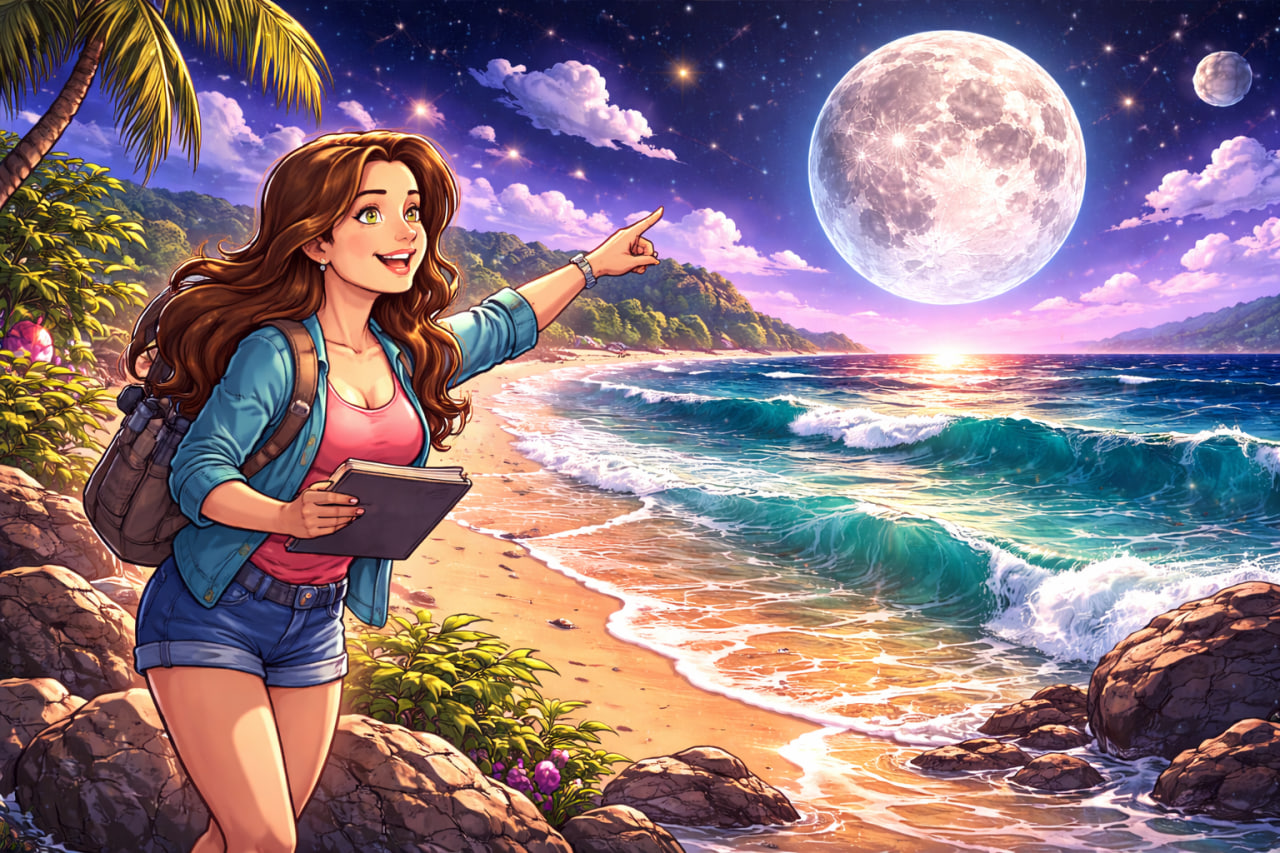
Tides and ebbs are one of the most visible and rhythmic natural phenomena on Earth, shaping coastlines and influencing life in the oceans.
For centuries, humanity believed the Solar System marked the boundary of the known universe, but modern astronomy has revealed that it is only a tiny island within a vast cosmic ocean.
Far beyond the orbit of Neptune lies a vast and mysterious region of the Solar System, populated by frozen remnants from its formation.