AI

Generative AI: How Machines Learn to Create
AI & Ethics AI Be Smart

Generative AI: How Machines Learn to Create

Generative artificial intelligence refers to a class of AI systems capable of producing new content such as text, images, audio, or even code based on patterns learned from large datasets. Unlike traditional software, which follows explicit rules, generative AI models learn statistical relationships and use them to generate outputs that can mimic human creativity. These systems rely on deep learning methods, particularly neural networks, to understand structure, style, and context in the data they process. Generative AI has become widely used in fields like art, entertainment, science, design, and business automation. Its rapid development has sparked both excitement and debate about its capabilities, limitations, and long-term societal impact. Understanding how generative AI works reveals not only its technological foundations but also the challenges of responsible deployment.
How Fast Is Artificial Intelligence Developing?
AI & Ethics AI Be Smart

How Fast Is Artificial Intelligence Developing?

Artificial intelligence is advancing at a pace that few technologies in history have matched, reshaping industries, economies, and everyday life. Over just the past decade, AI systems have evolved from performing narrow, rule-based tasks to generating human-level text, analyzing complex data, and creating lifelike images and videos. This rapid development is driven by exponential growth in computational power, massive datasets, and breakthroughs in model architectures. Researchers emphasize that the scale of AI models doubles every few months, meaning their capabilities expand far faster than traditional software systems. At the same time, organizations worldwide are heavily investing in AI research, accelerating the speed at which new innovations reach the public. Experts note that while AI is progressing extremely fast, responsible governance remains essential to ensure safe and beneficial deployment.

AI in Construction
Hi-Tech Science AI

AI in Construction

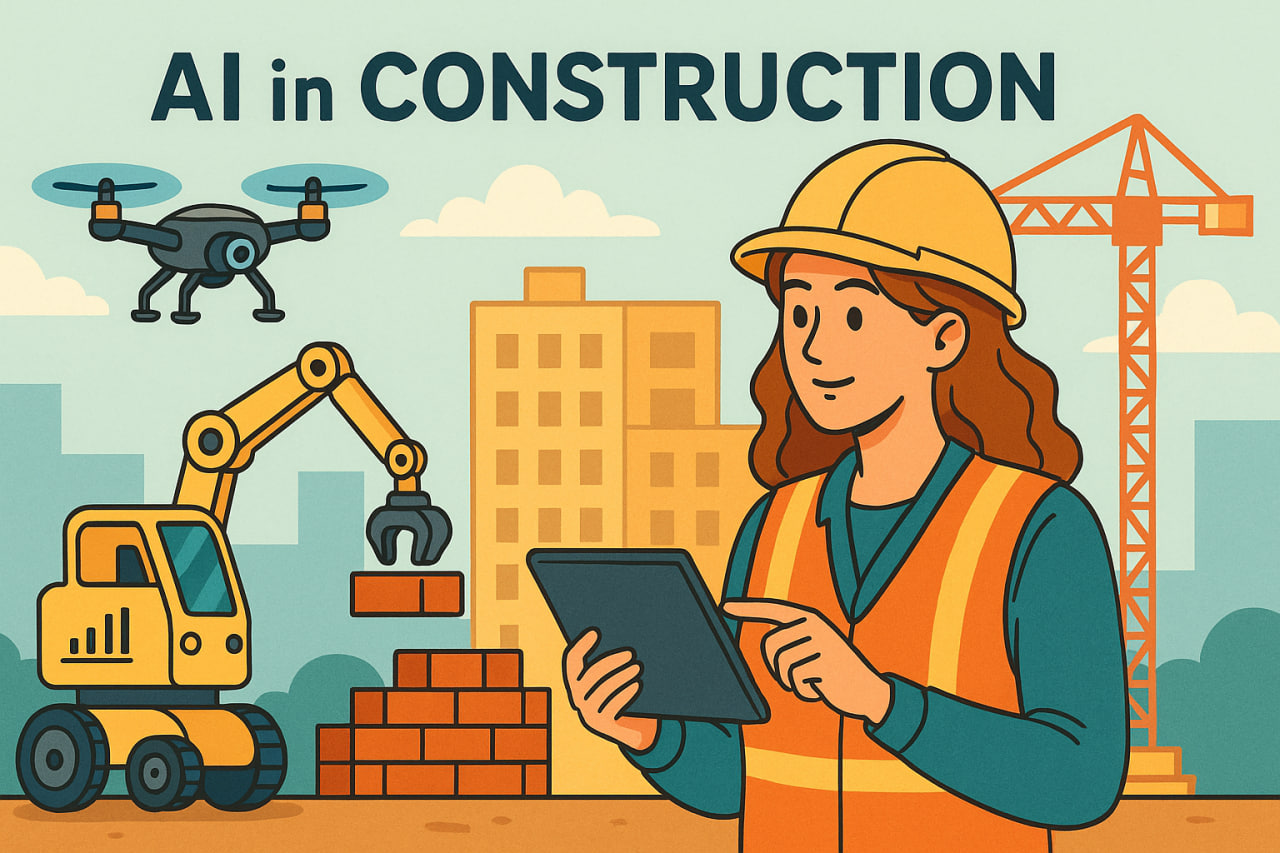
Artificial intelligence is rapidly transforming the construction industry, offering new possibilities for improving efficiency, safety, and project management. Modern construction projects generate massive amounts of data, from material estimates to structural measurements, and AI provides the tools needed to analyze this information quickly and accurately. The implementation of AI also helps reduce human error by automating repetitive tasks and providing predictive insights that guide decision-making. As a result, construction companies are increasingly adopting AI-driven systems to streamline operations and optimize resources. At the same time, experts emphasize that AI is not a replacement for skilled professionals but rather a tool that enhances their abilities. The careful integration of AI ensures that construction remains innovative, reliable, and aligned with global technological standards.

Humanoid Robots: The Future of Human-Like Machines
Hi-Tech Smart Technology AI & Ethics

Humanoid Robots: The Future of Human-Like Machines

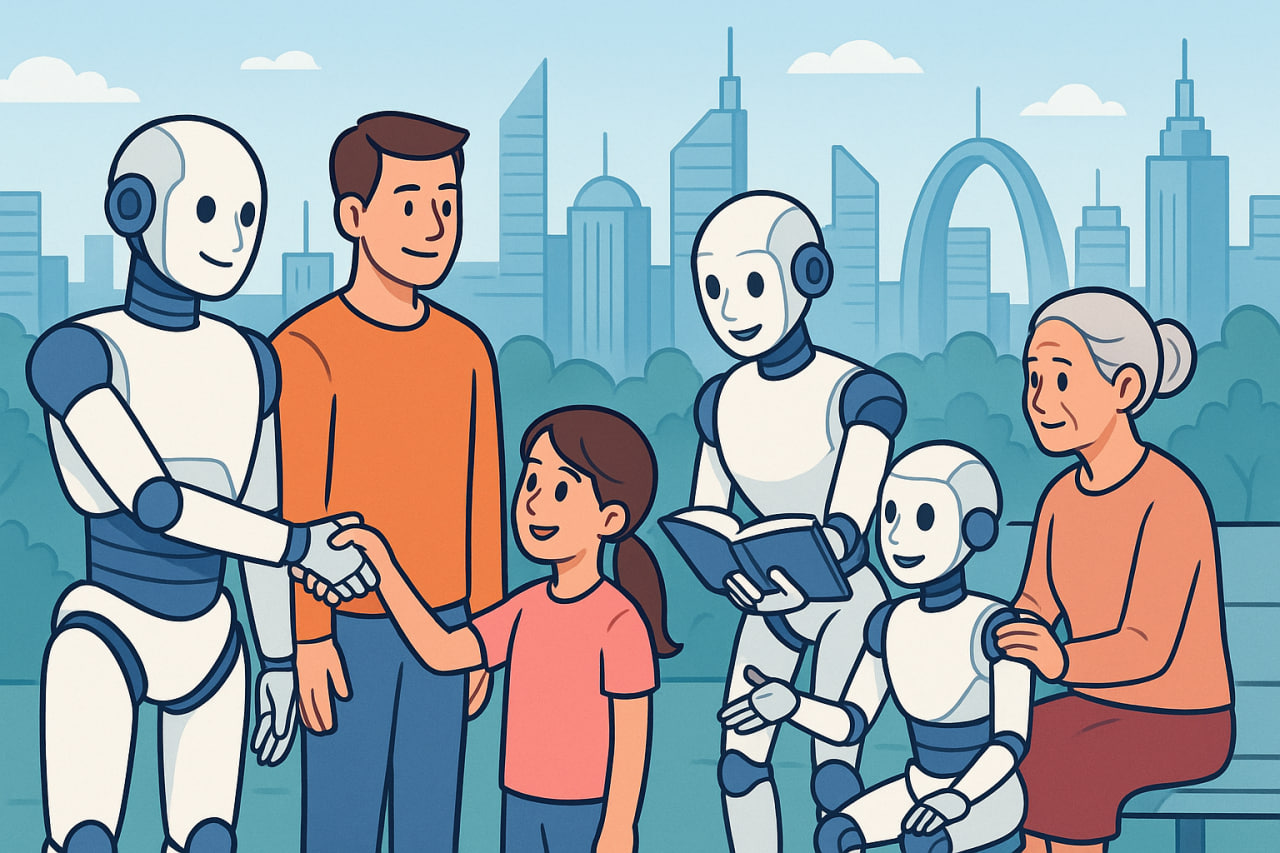
From science fiction dreams to real-world innovation, humanoid robots have evolved into some of the most advanced technologies of the modern era. Designed to look and move like humans, these robots are not only reshaping industries but also redefining how we think about work, companionship, and the boundaries between humans and machines.

Scientific Innovations: The Breakthroughs of Recent Years
Hi-Tech Smart Technology Science

Scientific Innovations: The Breakthroughs of Recent Years

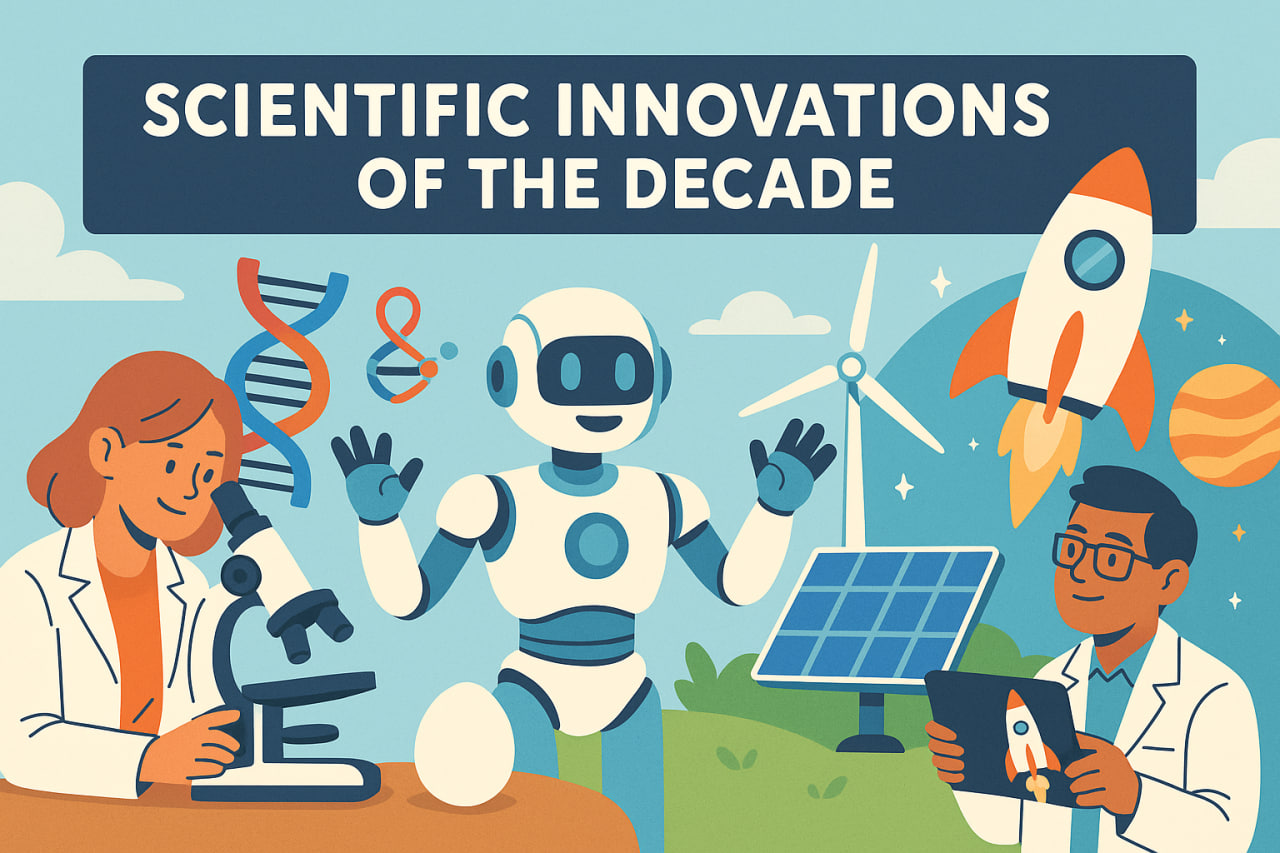
Science never stands still. Over the past decade, humanity has witnessed a wave of discoveries and technologies that are transforming medicine, energy, communication, and our understanding of the universe. These innovations are not just reshaping industries — they’re redefining what’s possible for human progress.

Strengths and Weaknesses of Neural Networks
AI & Ethics AI Be Smart

Strengths and Weaknesses of Neural Networks

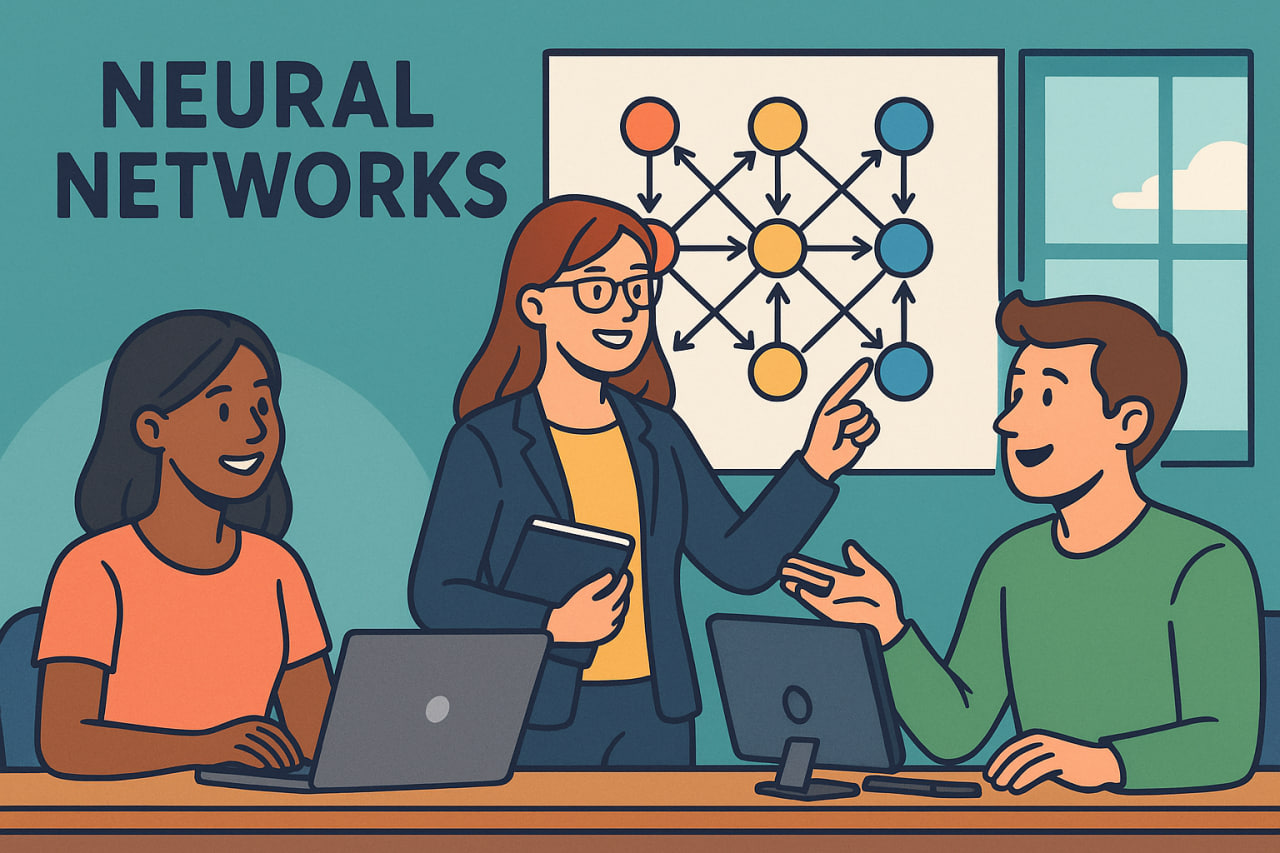
Neural networks are a powerful class of machine learning models inspired by the structure of the human brain. They are widely used in areas such as image recognition, natural language understanding, medical diagnostics, and autonomous systems. Their ability to identify complex patterns and learn from large amounts of data makes them a central technology in modern artificial intelligence. However, despite their impressive capabilities, neural networks are not perfect and come with challenges such as high computational cost and lack of transparency in decision-making. Understanding both strengths and weaknesses is essential for using these models effectively and responsibly in real-world applications.

How Neural Networks Are Created: The Brains Behind Artificial Intelligence
Science AI Be Smart

How Neural Networks Are Created: The Brains Behind Artificial Intelligence

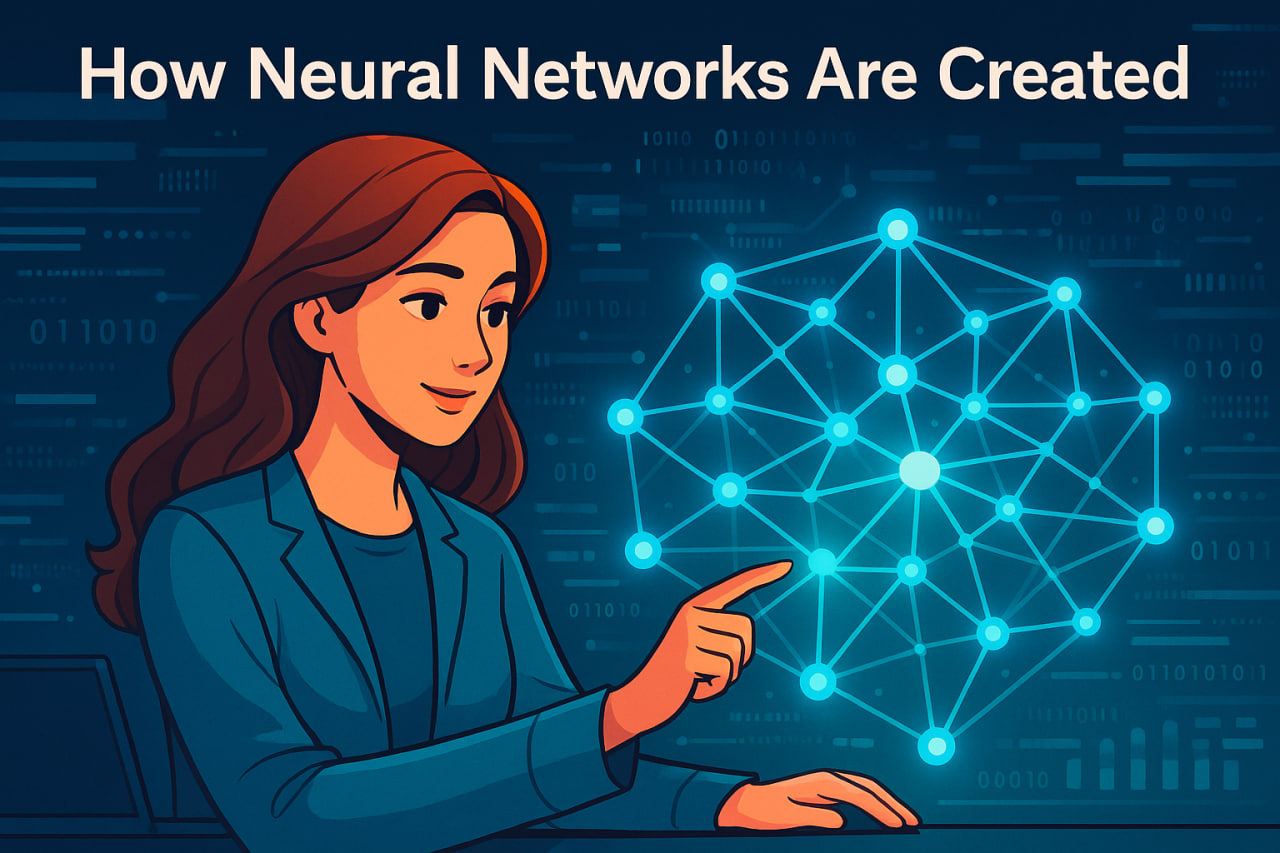
Neural networks are at the heart of modern artificial intelligence (AI), powering everything from voice assistants and facial recognition to medical diagnostics and self-driving cars. These complex systems are inspired by the human brain and designed to recognize patterns, make predictions, and learn from experience. While the concept may sound futuristic, the creation of neural networks is rooted in mathematics, data, and programming. Understanding how they are built helps us grasp how machines are learning to think, adapt, and even create—reshaping technology and human life in the process.

The Different Types of Artificial Intelligence: From Automation to Self-Awareness
AI & Ethics AI Be Smart

The Different Types of Artificial Intelligence: From Automation to Self-Awareness

Artificial Intelligence (AI) is no longer the distant dream of science fiction—it is now one of the most transformative forces of the modern world. From voice assistants to self-driving cars, AI has become deeply integrated into everyday life. Yet, many people do not realize that AI comes in many forms, each with different capabilities and levels of complexity. At its core, AI refers to the ability of machines to perform tasks that typically require human intelligence, such as learning, reasoning, and problem-solving. Scientists categorize AI into several types based on its functionality and development stage, ranging from simple task automation to systems that may one day achieve self-awareness.

The Metaverse – A New Reality Beyond the Screen
Neuro-Tech Hi-Tech Smart Technology

The Metaverse – A New Reality Beyond the Screen

The term metaverse once belonged to science fiction, but today it represents one of the most ambitious frontiers in digital innovation. The metaverse is envisioned as a vast, interconnected virtual universe where people can work, play, learn, and socialize through digital avatars. It merges virtual reality (VR), augmented reality (AR), and the internet into a continuous, immersive experience—blurring the boundaries between physical and digital life. As technology advances, this new dimension of existence promises to redefine how humans interact with technology, each other, and even their own sense of identity.

What Is the Cloud in the Internet?
Smart Technology AI New Discoveries

What Is the Cloud in the Internet?

The term “cloud” is one of the most commonly used words in modern technology, yet many people still wonder what it actually means. The cloud is not a mysterious place in the sky—it is a vast network of servers, data centers, and digital storage systems connected through the internet. In simple terms, the cloud allows users to store, access, and process data remotely instead of relying on local devices like hard drives or USBs. This invisible infrastructure powers everything from streaming services and mobile apps to artificial intelligence and online collaboration, making it one of the pillars of the digital era.