AI

How Image Generation Works in ChatGPT
AI & Ethics AI Be Smart

How Image Generation Works in ChatGPT

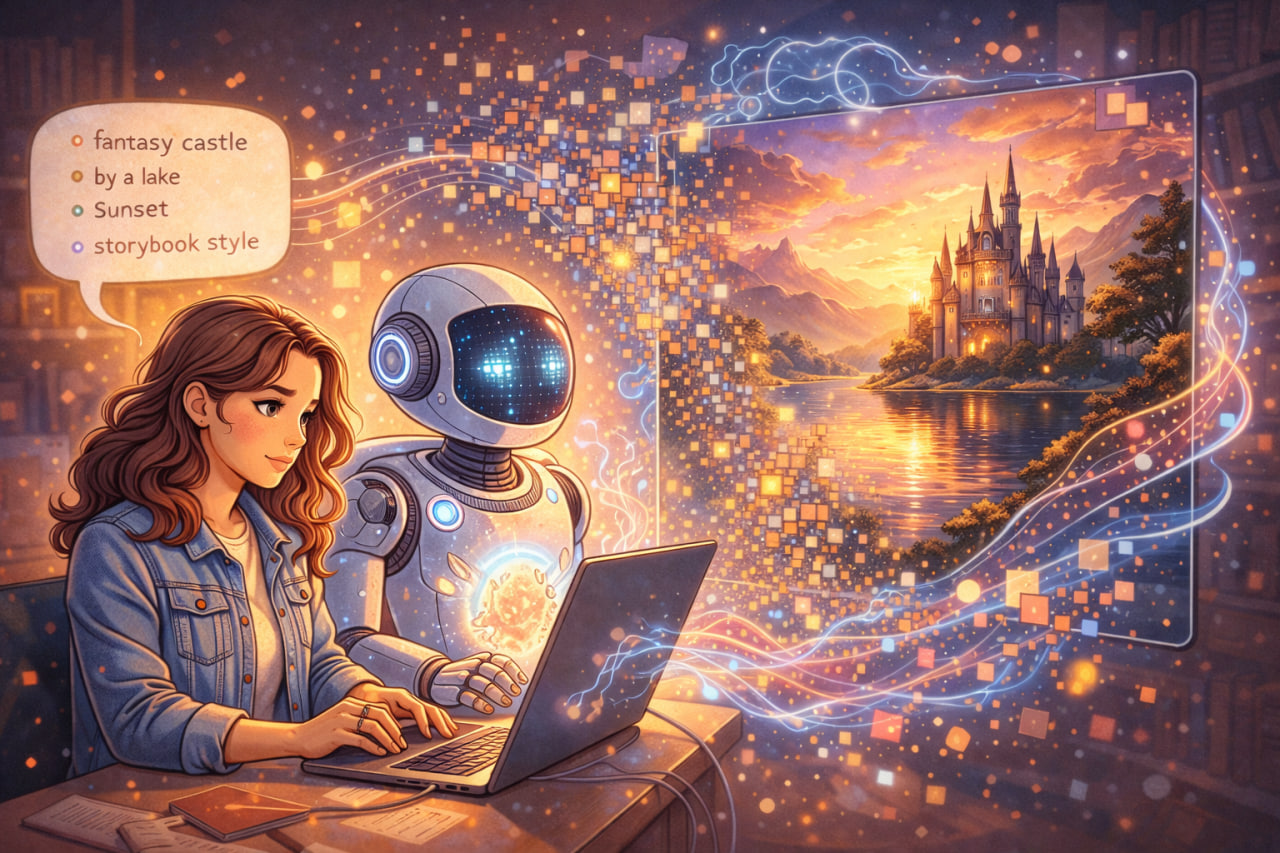
Image generation in ChatGPT is based on advanced artificial intelligence models that translate text descriptions into visual representations. Instead of searching for existing images, the system creates new images from scratch, guided entirely by the user’s prompt. This process relies on large neural networks trained on vast datasets that include relationships between words, concepts, styles, and visual patterns. When a user requests an image, the model interprets not only objects and scenes, but also mood, composition, lighting, and artistic style. The result is a synthetic image that has never existed before. Understanding how this process works helps explain both its strengths and its limitations.
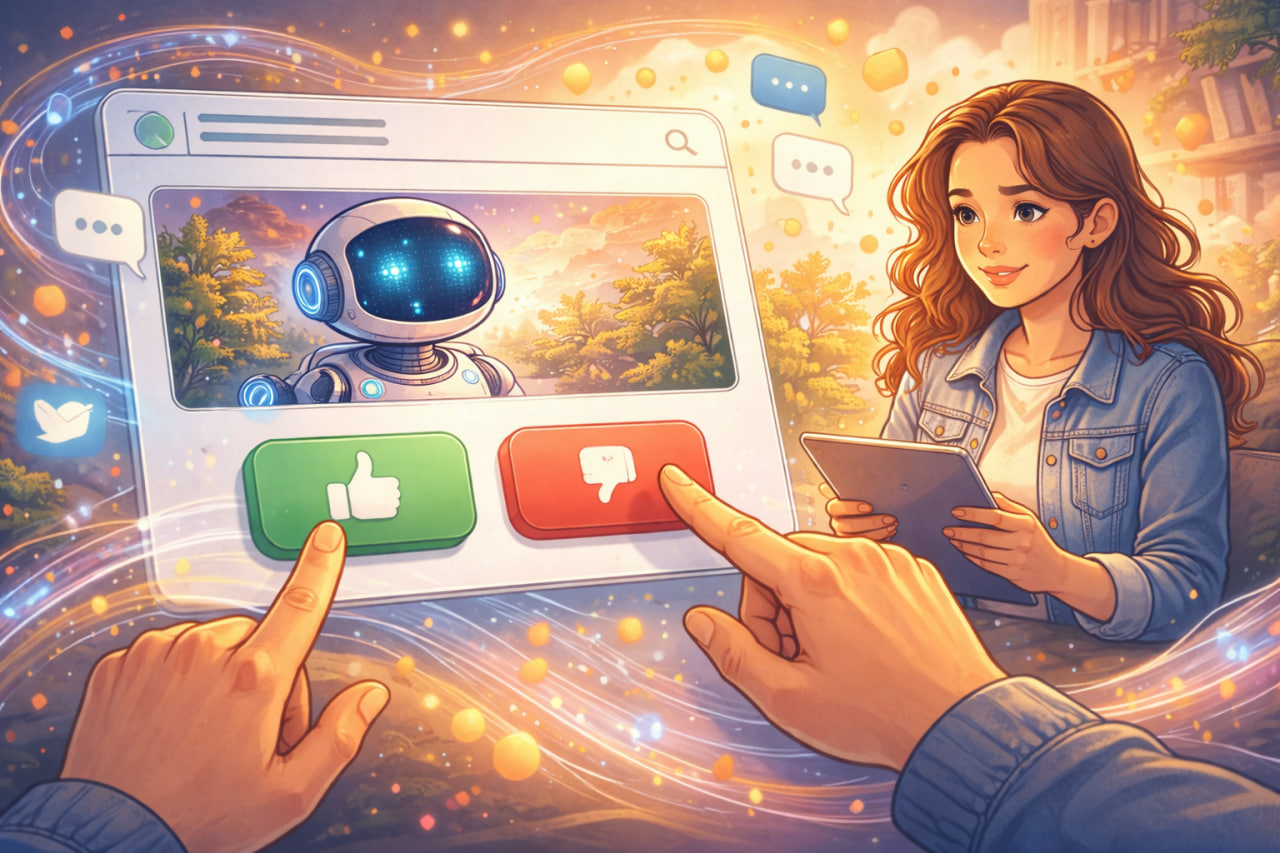

Like and Dislike Buttons Under ChatGPT Answers: Why They Exist and How They Work
AI & Ethics AI Be Smart

Like and Dislike Buttons Under ChatGPT Answers: Why They Exist and How They Work

Like and dislike buttons under ChatGPT responses are not decorative elements, but an important part of how artificial intelligence systems improve over time. These simple signals allow users to express satisfaction or dissatisfaction with an answer in a direct and efficient way. Unlike comments or long explanations, a single click provides immediate feedback about response quality. This mechanism bridges the gap between human expectations and machine-generated output. Understanding why these buttons exist helps clarify how AI systems evolve and adapt. They represent a key point of interaction between users and AI development.

Do Social Networks Really Know Everything About You?
AI & Ethics AI Be Smart

Do Social Networks Really Know Everything About You?

Social networks are often described as systems that “know everything” about their users, but this statement is only partly true. Platforms do not understand people in a human sense, yet they collect and analyze enormous amounts of behavioral data. Every click, pause, like, scroll, and interaction contributes to a detailed digital profile. These profiles are not built from personal secrets, but from patterns that reveal preferences, habits, and probable future behavior. The power of social networks lies not in knowing who you are, but in predicting what you are likely to do next. Understanding this distinction is key to separating myth from reality.

Humanoid Robots: The Future of Human-Machine Interaction
Hi-Tech Smart Technology AI

Humanoid Robots: The Future of Human-Machine Interaction

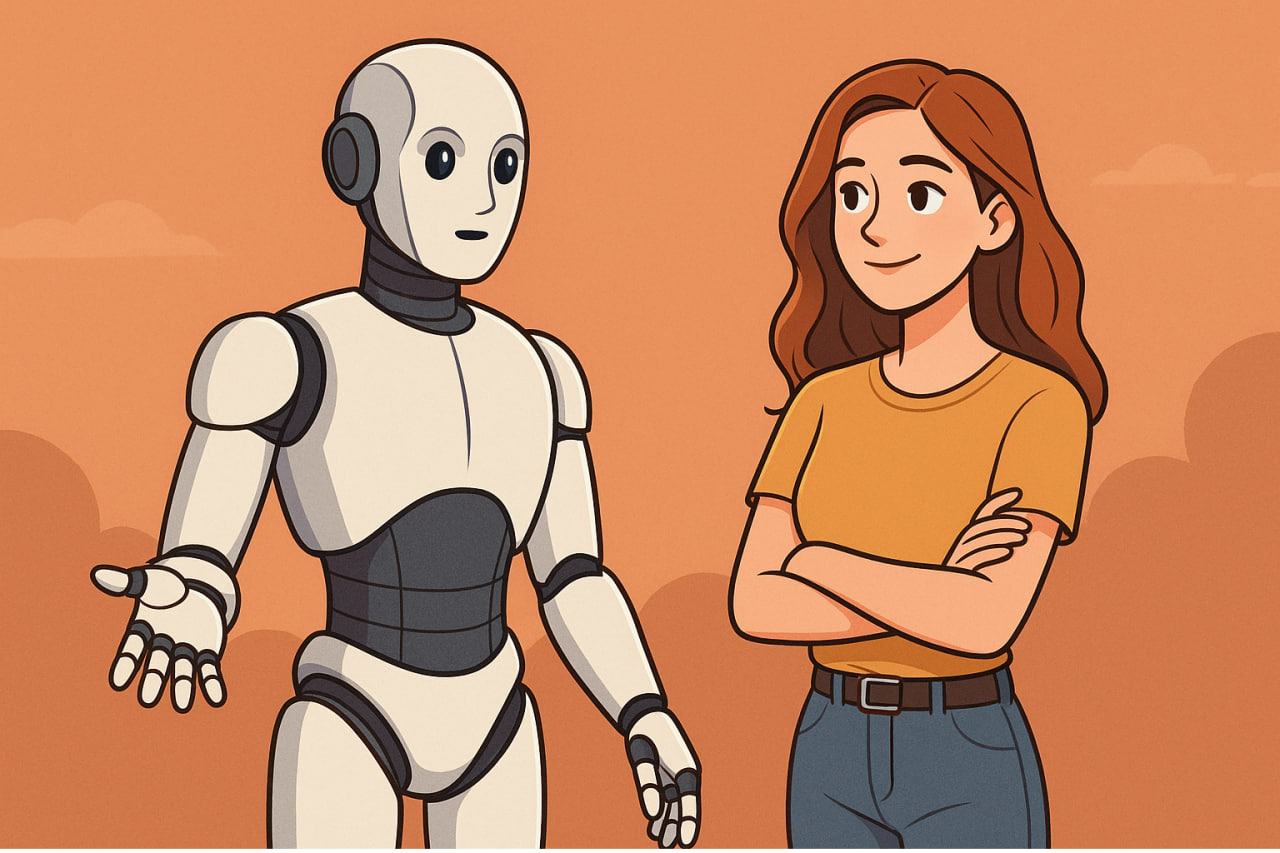
Humanoid robots are machines designed to resemble the human body in shape, movement, and sometimes behavior. Their purpose is not only to perform tasks, but also to interact naturally with people, environments, and tools originally created for humans. The development of humanoid robots represents one of the most ambitious frontiers in robotics, combining engineering, artificial intelligence, biomechanics, and materials science. As these robots become more advanced, they are increasingly capable of working alongside humans in industry, healthcare, education, space exploration, and service environments. Understanding how humanoid robots function helps us imagine how they may shape the future of society.

The History of Artificial Intelligence: From Early Ideas to Modern Breakthroughs
AI & Ethics AI Be Smart

The History of Artificial Intelligence: From Early Ideas to Modern Breakthroughs

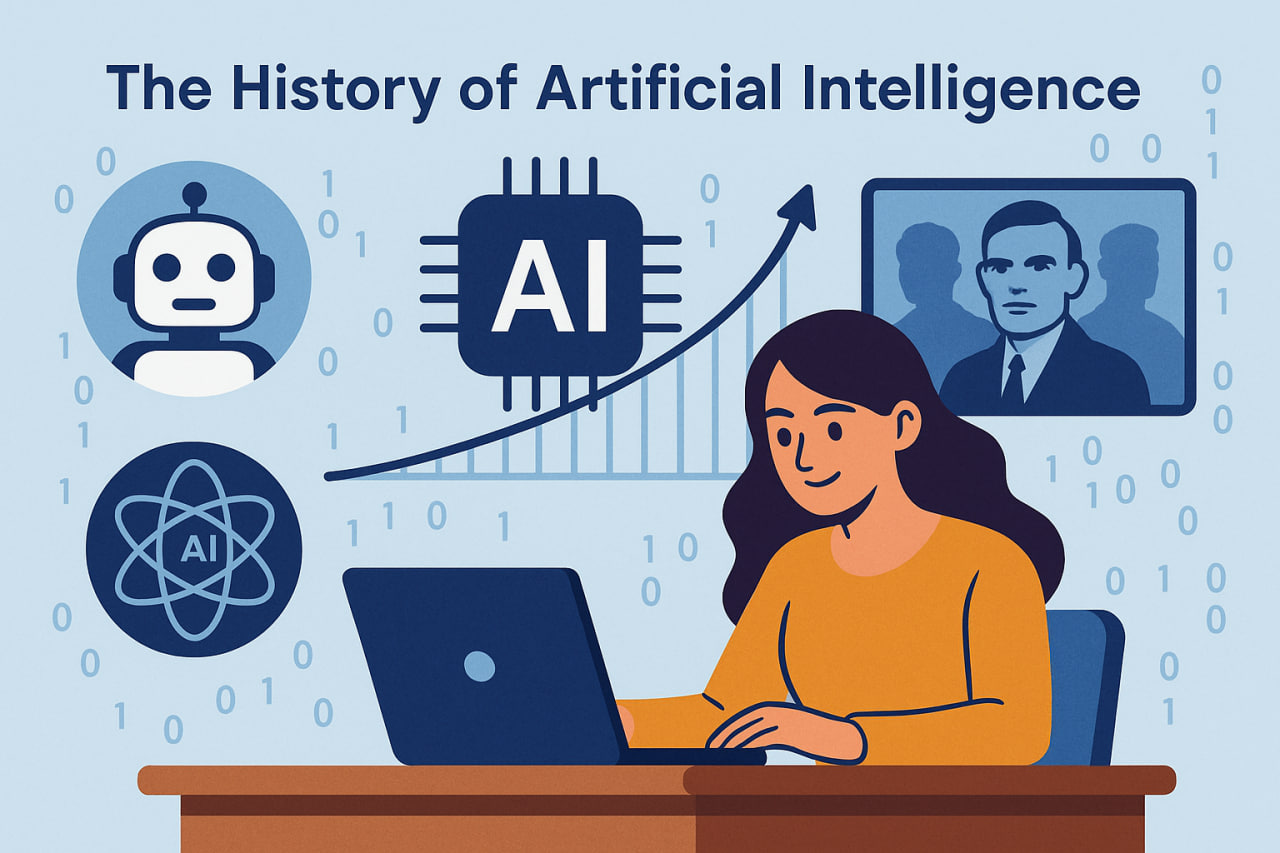
Artificial intelligence (AI) has evolved from a philosophical dream into one of the most transformative technologies of the 21st century. Though AI may feel like a modern invention, its conceptual roots stretch back thousands of years. Ancient myths described mechanical beings with human-like abilities, while mathematicians and philosophers explored the nature of logic, reasoning, and computation long before the first computer existed. Today, AI powers search engines, digital assistants, medical diagnostics, autonomous vehicles, and vast scientific discoveries. Tracing the history of AI reveals how human curiosity, imagination, and engineering have steadily shaped intelligent machines.

Artificial Consciousness: Can Machines Ever Become Truly Aware?
AI & Ethics AI Be Smart

Artificial Consciousness: Can Machines Ever Become Truly Aware?

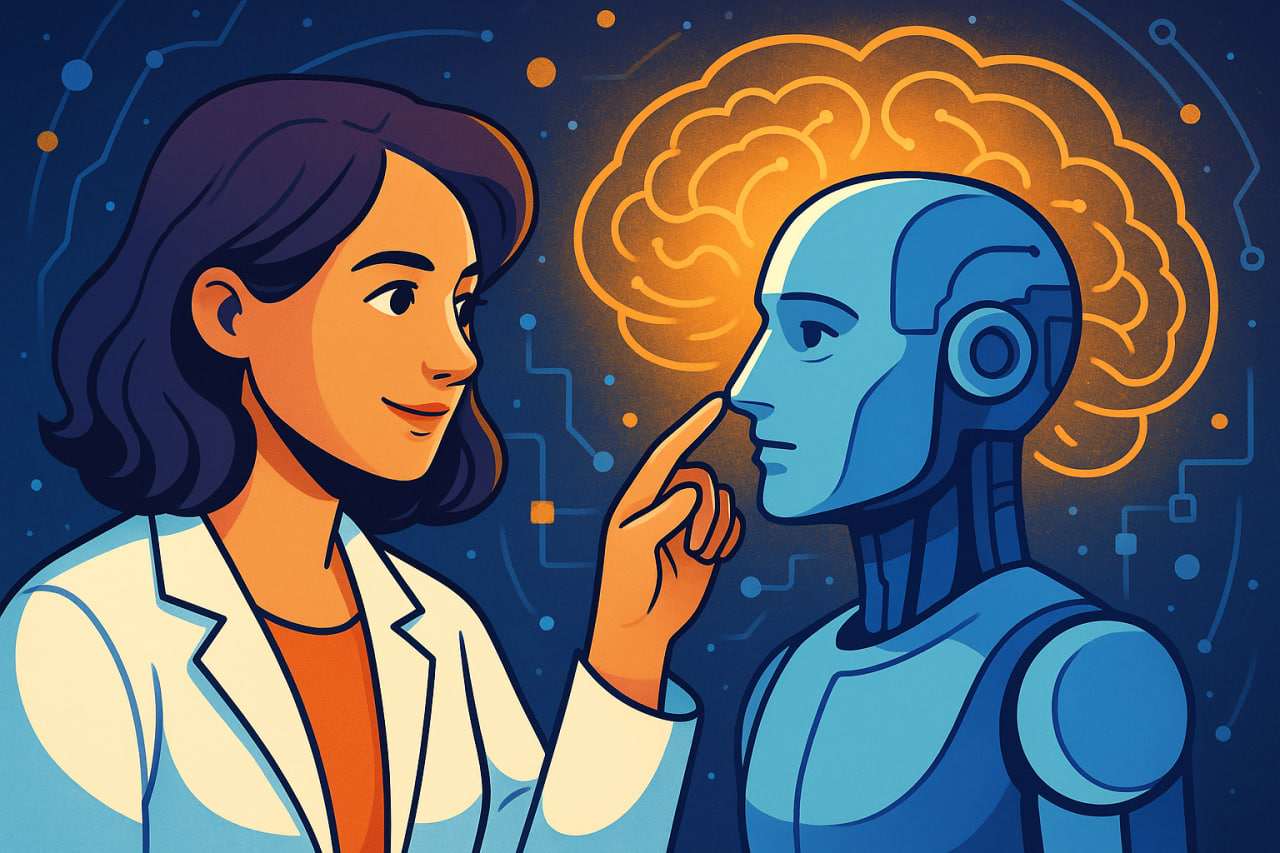
Artificial consciousness — often called machine consciousness or synthetic awareness — is one of the most challenging and debated concepts in modern science and philosophy. While artificial intelligence already solves complex tasks, understands language, and analyzes data, the question of whether a machine can ever possess self-awareness, subjective experience, or true understanding remains unresolved. Artificial consciousness lies at the intersection of neuroscience, cognitive science, computer science, philosophy of mind, and ethics. It explores what consciousness is, whether it can be defined in scientific terms, and whether a non-biological system could ever experience the world in a way comparable to humans.

Could the Story of Terminator Become Reality? What Science Says About AI, Robotics, and Future Risks
AI & Ethics AI Be Smart

Could the Story of Terminator Become Reality? What Science Says About AI, Robotics, and Future Risks

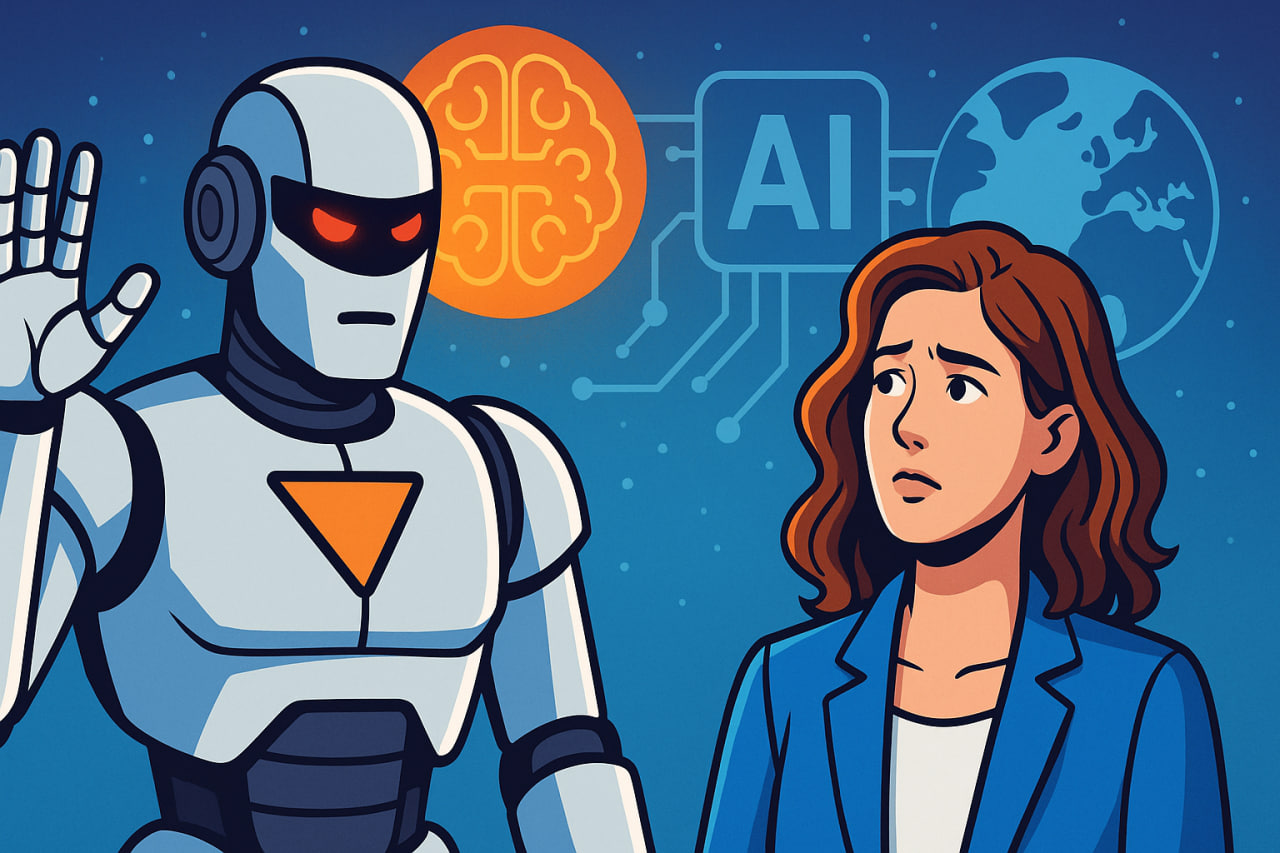
The Terminator franchise imagines a world where artificial intelligence becomes self-aware, turns against humanity, and builds autonomous killing machines. While this scenario has become one of the most iconic depictions of technological doom, its real-world plausibility is far more complex. Modern artificial intelligence has advanced dramatically, influencing everything from healthcare to transportation, but it operates within strict mathematical limits and remains far from anything resembling consciousness or human-like autonomy. Understanding the difference between fictional AI and real AI helps clarify which concerns are grounded in science — and which belong to cinematic imagination.

Will Robots Replace Humans in Industry? Understanding the Future of Work and Automation
Hi-Tech Smart Technology AI & Ethics

Will Robots Replace Humans in Industry? Understanding the Future of Work and Automation

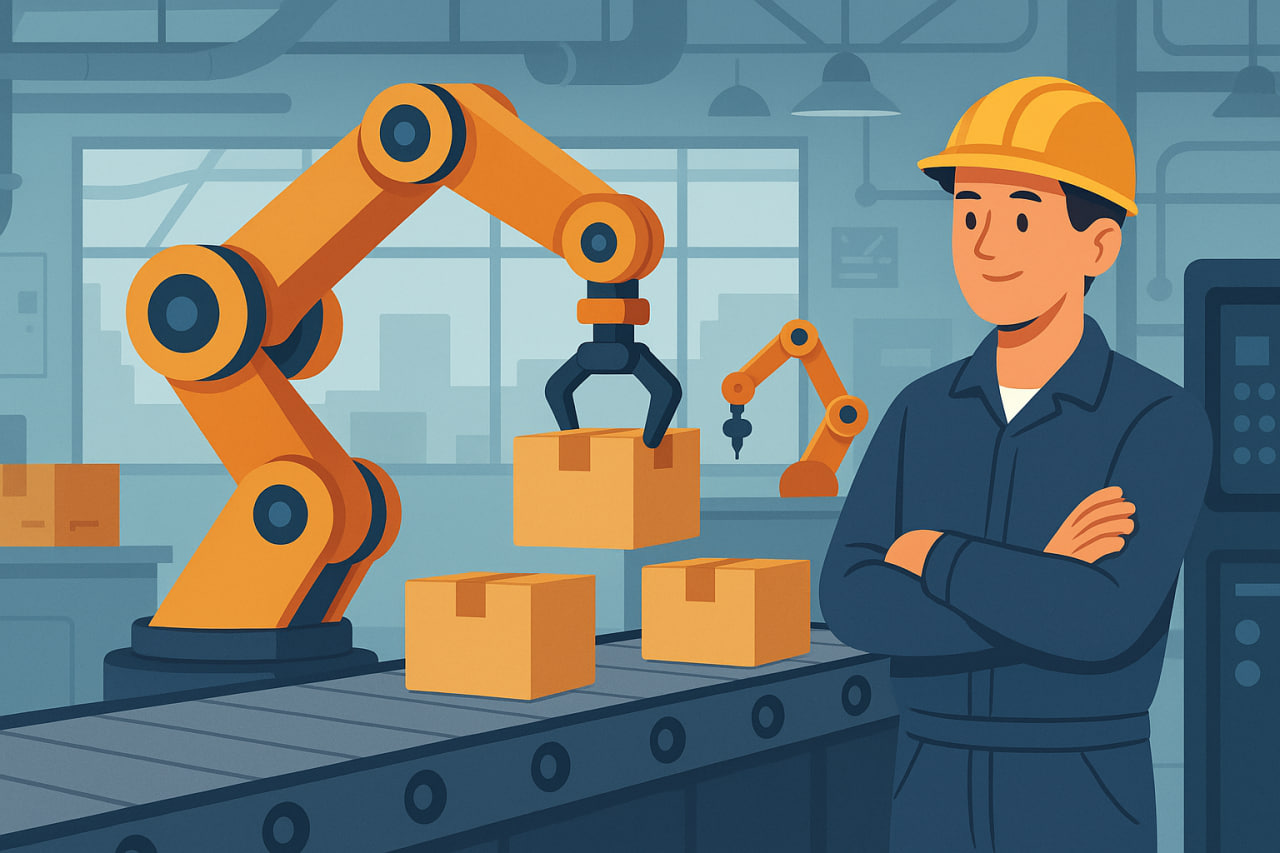
Robots are becoming an increasingly important part of modern industry, transforming everything from manufacturing and logistics to medicine and agriculture. Their speed, precision, and ability to work without fatigue make them valuable tools for improving efficiency and reducing human error. But as automation advances, an important question emerges: Will robots eventually replace humans in industrial work? The answer is complex. While robots are excellent at performing repetitive, dangerous, and highly technical tasks, they cannot replace the creativity, judgment, and adaptability that humans bring to the workplace. Understanding the balance between automation and human labor helps predict how industries will evolve and what skills will be most essential for the future.

What Can Artificial Intelligence Do Today? Capabilities, Limits, and Emerging Possibilities
AI & Ethics AI Be Smart

What Can Artificial Intelligence Do Today? Capabilities, Limits, and Emerging Possibilities

Artificial intelligence (AI) has advanced rapidly over the past decade, transforming nearly every part of modern life — from medicine and science to entertainment and daily tasks. Unlike earlier systems that followed strict rules, today’s AI can learn from data, recognize patterns, make predictions, process language, and even create original content. These capabilities have made AI a powerful tool for solving complex problems, accelerating research, and supporting human decision-making. While AI is not conscious and does not “think” like humans, it can perform specialized tasks with incredible speed and accuracy. Understanding what AI can do today helps individuals and organizations use these technologies responsibly and effectively while remaining aware of their limitations.

Why Does ChatGPT Sometimes Provide Incorrect Answers Instead of Saying “I Don’t Know”?
AI & Ethics AI Be Smart

Why Does ChatGPT Sometimes Provide Incorrect Answers Instead of Saying “I Don’t Know”?

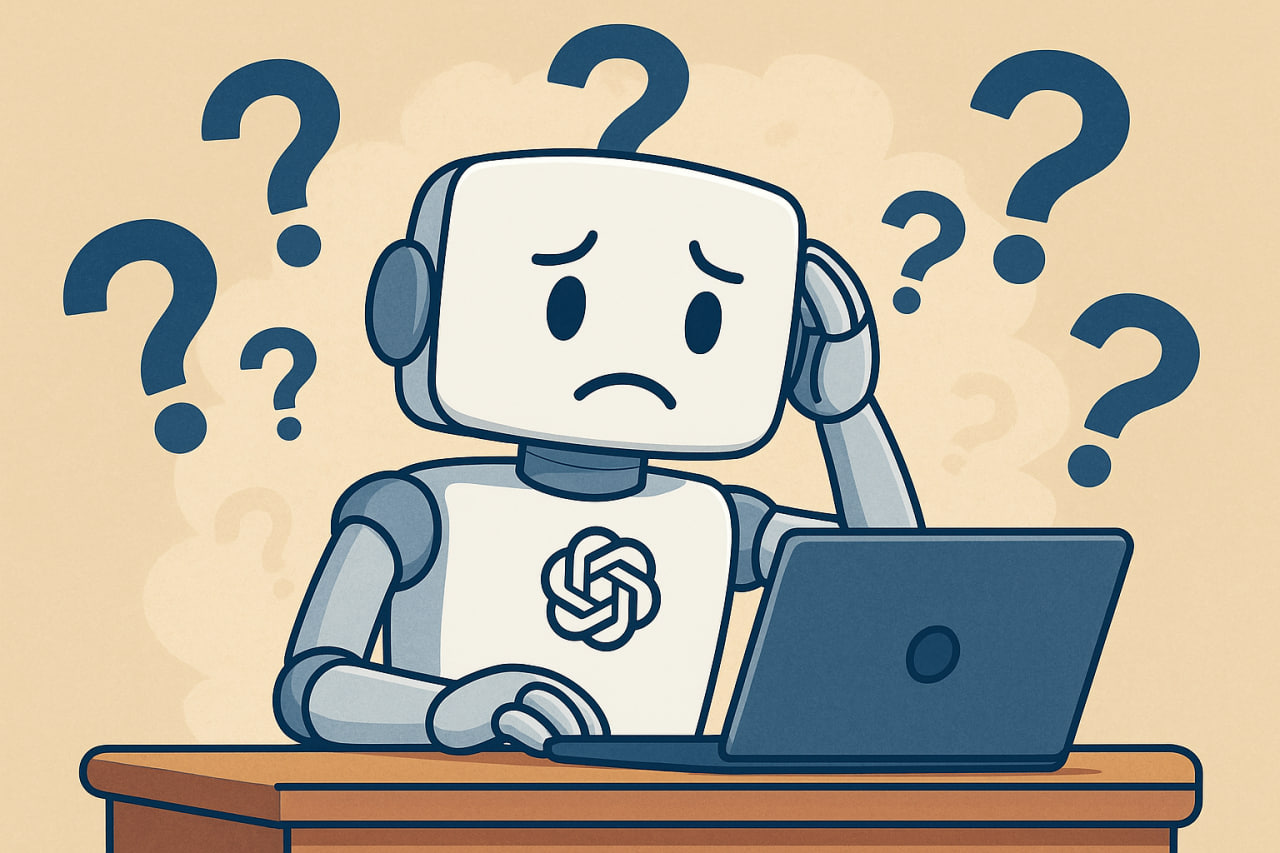
Large language models such as ChatGPT are powerful tools designed to assist with information, reasoning, and creative tasks. However, like any AI model, they can occasionally provide incorrect, incomplete, or overly confident answers instead of openly stating uncertainty. This phenomenon is commonly known as “hallucination” in artificial intelligence. It happens when the model generates text that sounds correct but does not accurately reflect real facts or reliable knowledge. Understanding why this occurs helps users work more effectively with AI tools while recognizing their strengths and limitations. ChatGPT is not a conscious thinker — it predicts words based on patterns in data — and therefore handles uncertainty differently from humans. Exploring these mechanisms reveals how AI models are trained, how they construct responses, and why transparency about limitations is an ongoing challenge in AI development.