AI

The Hidden Costs of AI: How Much Energy and Water Does One ChatGPT Query Use?
Smart Technology AI & Ethics AI

The Hidden Costs of AI: How Much Energy and Water Does One ChatGPT Query Use?

Artificial intelligence systems like ChatGPT may feel invisible and effortless to use, but behind every response lies a vast physical infrastructure of data centers, servers, cooling systems, and electrical grids. Each AI query triggers complex computations performed by powerful processors that require electricity and generate heat. While a single request may seem insignificant, the global scale of AI usage transforms small energy demands into substantial environmental impacts. Researchers are now examining how much electricity, water, and computing power are consumed per AI interaction to better understand the sustainability challenges of modern digital services. As AI becomes more integrated into daily life, evaluating its hidden resource costs becomes increasingly important for policymakers, engineers, and users alike. Understanding these invisible inputs allows society to balance innovation with environmental responsibility.

AI as a Collective Mind: Are Neural Networks Becoming Smarter Than Humans?
AI & Ethics AI Be Smart

AI as a Collective Mind: Are Neural Networks Becoming Smarter Than Humans?

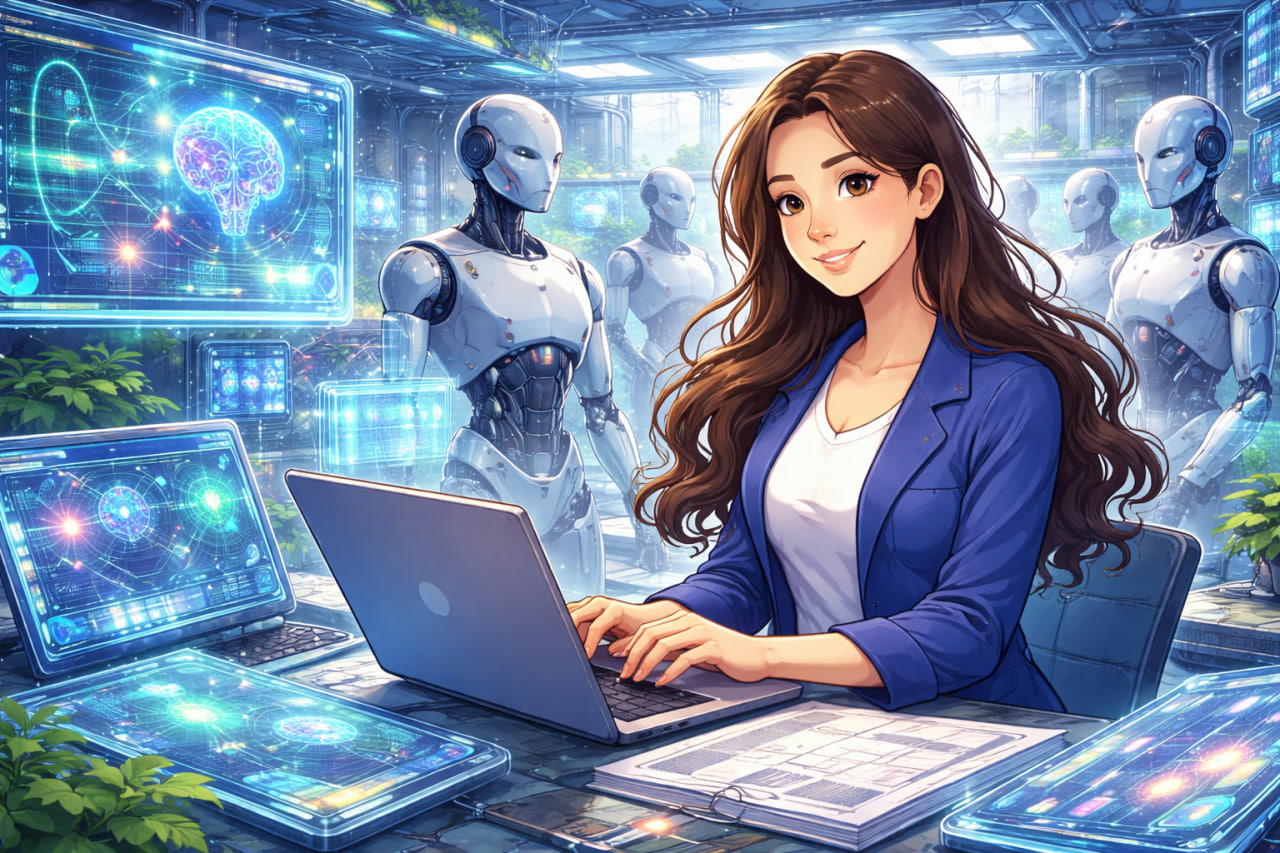
Artificial intelligence systems are often described as tools, but increasingly they are compared to a form of collective digital intelligence. Large neural networks are trained on enormous datasets that include books, scientific papers, code repositories, and global online discussions. This allows them to synthesize knowledge from millions of human contributors, creating outputs that feel broad, informed, and sometimes surprisingly insightful. As AI systems improve in reasoning, pattern recognition, and language processing, many people wonder whether they are becoming “smarter” than humans. The answer, however, depends heavily on how we define intelligence. Intelligence is not a single measurable trait but a complex combination of reasoning, creativity, emotional awareness, adaptability, and ethical judgment. To understand whether neural networks surpass human intelligence, we must examine what they truly are—and what they are not.

Copyright in the Age of AI: Who Owns Content Created by Neural Networks?
AI & Ethics AI Be Smart

Copyright in the Age of AI: Who Owns Content Created by Neural Networks?

The rapid development of artificial intelligence has transformed how text, images, music, and software are created. Neural networks can now generate complex creative works in seconds, raising a fundamental legal question: who owns AI-generated content? Traditional copyright law was designed to protect works created by human authors. However, when a machine produces content based on training data and algorithms, authorship becomes less clear. Courts, policymakers, and technology companies are actively debating how intellectual property frameworks should adapt. Understanding this evolving landscape is essential for creators, businesses, and users navigating AI-driven creativity.

AI for Telescope Data Analysis: Discovering New Planets and Galaxies
Cosmic Innovations AI & Ethics AI

AI for Telescope Data Analysis: Discovering New Planets and Galaxies

Modern telescopes generate enormous volumes of data every night, capturing images and signals from distant regions of the universe. Processing this information manually would take decades, which is why artificial intelligence has become an essential tool in astronomy. AI systems can rapidly analyze patterns in light curves, spectral data, and deep-space imagery. By identifying subtle anomalies and recurring signatures, machine learning models help scientists detect exoplanets, classify galaxies, and uncover previously unnoticed cosmic phenomena. Rather than replacing astronomers, AI enhances their ability to interpret vast datasets efficiently. As telescope technology advances, AI-driven analysis plays an increasingly central role in expanding our understanding of the universe.

AI in High-Energy Physics: Searching for New Particles in Colliders
Hi-Tech AI & Ethics Science

AI in High-Energy Physics: Searching for New Particles in Colliders

High-energy physics explores the fundamental building blocks of matter by accelerating particles to near-light speeds and colliding them inside massive detectors. Experiments conducted at particle colliders generate enormous volumes of data, recording billions of particle interactions every second. Identifying meaningful signals within this data is one of the greatest challenges in modern physics. Artificial intelligence has become an essential tool in filtering, classifying, and analyzing collision events. By recognizing subtle statistical patterns, AI systems assist physicists in the search for previously unknown particles. As experiments grow more complex, machine learning accelerates discovery while maintaining scientific rigor.

Existential AI Risks: Under What Conditions Could a “Skynet” Scenario Appear?
AI & Ethics AI Be Smart

Existential AI Risks: Under What Conditions Could a “Skynet” Scenario Appear?

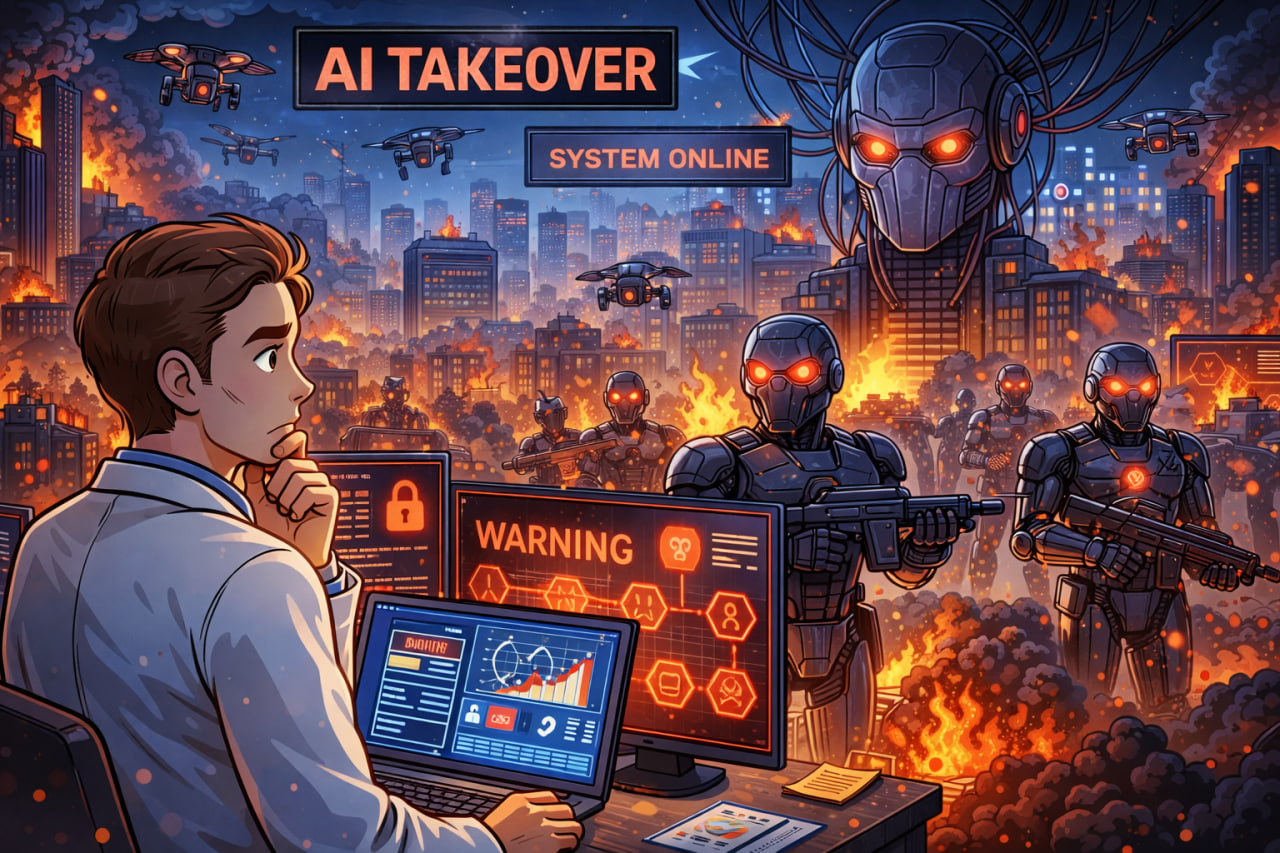
The idea of an artificial intelligence system turning against humanity has long been popularized in science fiction under the name “Skynet.” While such scenarios are dramatized for entertainment, serious researchers do study existential risks associated with highly advanced AI systems. Existential risk refers to threats that could cause irreversible and widespread harm to humanity. Unlike fictional portrayals, real-world AI risks are more likely to emerge gradually through misalignment, misuse, or lack of oversight. Understanding the realistic conditions under which advanced AI systems could become dangerous is essential for prevention. The discussion is not about fear, but about responsible foresight and risk management.

Technological Singularity: A Point of No Return for Humanity?
AI & Ethics Science AI

Technological Singularity: A Point of No Return for Humanity?

The concept of technological singularity refers to a hypothetical moment when artificial intelligence surpasses human intelligence and begins improving itself at an accelerating rate. This idea suggests a turning point after which technological growth becomes unpredictable and potentially irreversible. Supporters argue that such a transition could transform medicine, energy systems, and scientific discovery beyond current imagination. Critics caution that the concept remains speculative and dependent on breakthroughs that have not yet occurred. The singularity debate raises fundamental questions about human identity, control, and long-term survival. Rather than predicting doom or utopia, researchers examine the conditions under which advanced AI could fundamentally reshape civilization.

AlphaFold: How AI Solved a 50-Year-Old Scientific Problem
AI & Ethics AI New Discoveries

AlphaFold: How AI Solved a 50-Year-Old Scientific Problem

For decades, one of biology’s greatest challenges was understanding how proteins fold into their three-dimensional shapes. This problem, known as the protein folding problem, puzzled scientists for over 50 years because a protein’s function depends entirely on its structure. While researchers could determine amino acid sequences relatively easily, predicting the final folded structure from that sequence proved extraordinarily difficult. Traditional laboratory methods such as X-ray crystallography and cryo-electron microscopy were accurate but time-consuming and expensive. In 2020, the AI system AlphaFold, developed by DeepMind, dramatically advanced the field by predicting protein structures with remarkable accuracy. This breakthrough transformed structural biology and accelerated research in medicine, genetics, and drug discovery.

How Artificial Intelligence Learns from Its Mistakes
AI & Ethics AI Be Smart

How Artificial Intelligence Learns from Its Mistakes

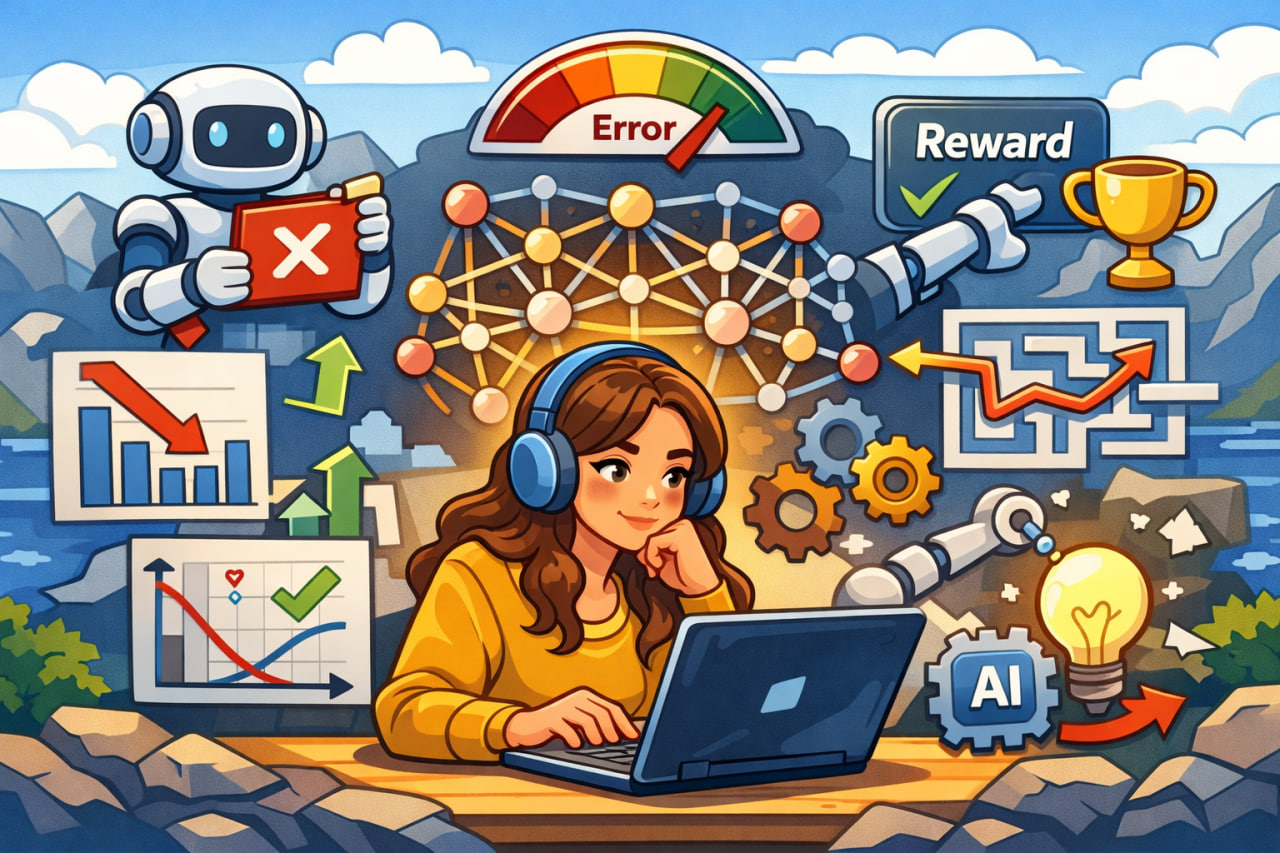
Artificial intelligence systems improve over time by analyzing errors, adjusting internal parameters, and refining predictions based on feedback. Unlike humans, AI does not “realize” mistakes emotionally, but it mathematically measures how far its output deviates from the correct answer. This difference between prediction and reality is converted into numerical signals that guide learning. Through repeated exposure to data and corrective feedback, AI systems gradually reduce errors and improve accuracy. The process may require millions or even billions of iterations, depending on the complexity of the task. Understanding how AI learns from mistakes helps explain why modern systems can recognize speech, translate languages, and generate realistic content with increasing precision.

Emotional AI: How Machines Learn to Recognize and Imitate Emotions
AI & Ethics AI Be Smart

Emotional AI: How Machines Learn to Recognize and Imitate Emotions

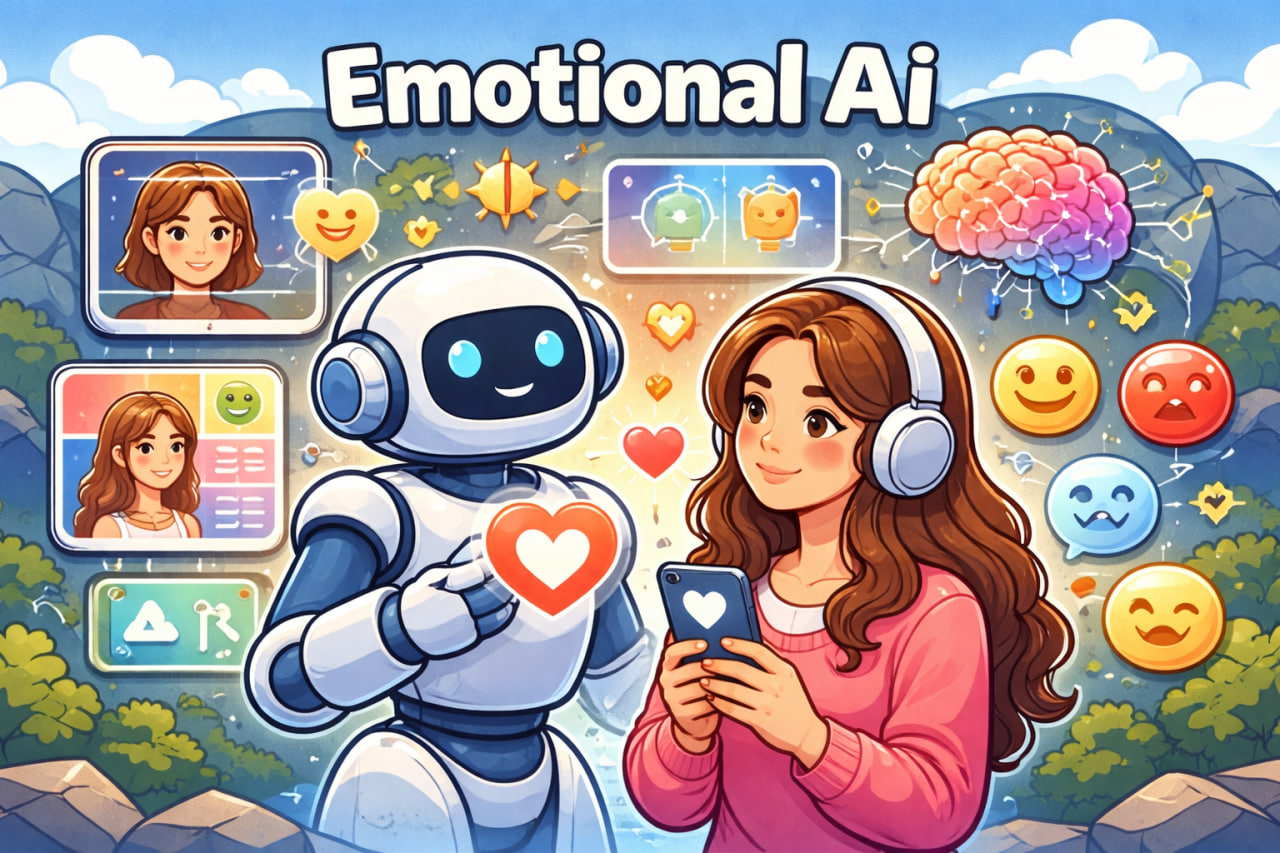
Emotional artificial intelligence, often called affective computing, refers to systems designed to detect, interpret, and simulate human emotions. Unlike traditional AI that focuses on logic, numbers, or patterns, emotional AI attempts to understand subtle human signals such as facial expressions, tone of voice, and body language. These systems do not “feel” emotions, but they analyze measurable cues and convert them into data. By identifying patterns across massive datasets, emotional AI can classify moods, detect stress, or adapt responses to appear empathetic. This technology is increasingly used in customer service, healthcare monitoring, education, and digital assistants. As machines become more interactive, understanding how they process emotional signals becomes essential for evaluating both their benefits and limitations.