AI

Messenger Max in Russia: Myths and Facts
AI & Ethics AI Be Smart

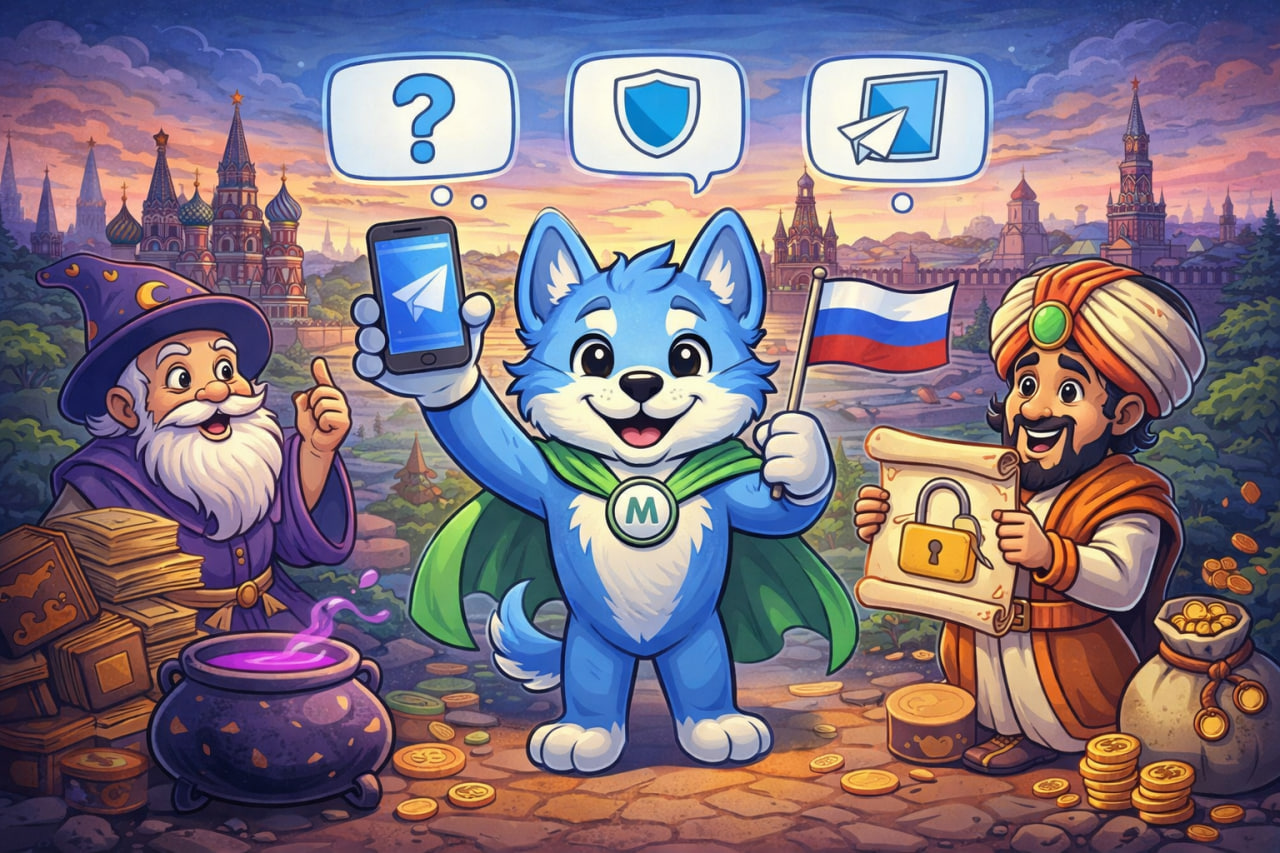
Messenger Max in Russia: Myths and Facts

In recent years, various messaging platforms have gained attention in Russia, including lesser-known or emerging services often discussed under names like “Messenger Max.” Around such platforms, there are many rumors, assumptions, and conflicting claims about their functionality, security, and purpose. Some users see them as alternatives to global messengers, while others question their reliability and transparency. Understanding what is real and what is exaggerated is important for making informed decisions. Like many digital tools, messaging apps are shaped by technology, regulation, and user behavior. Separating myths from facts helps users better evaluate their options and risks.
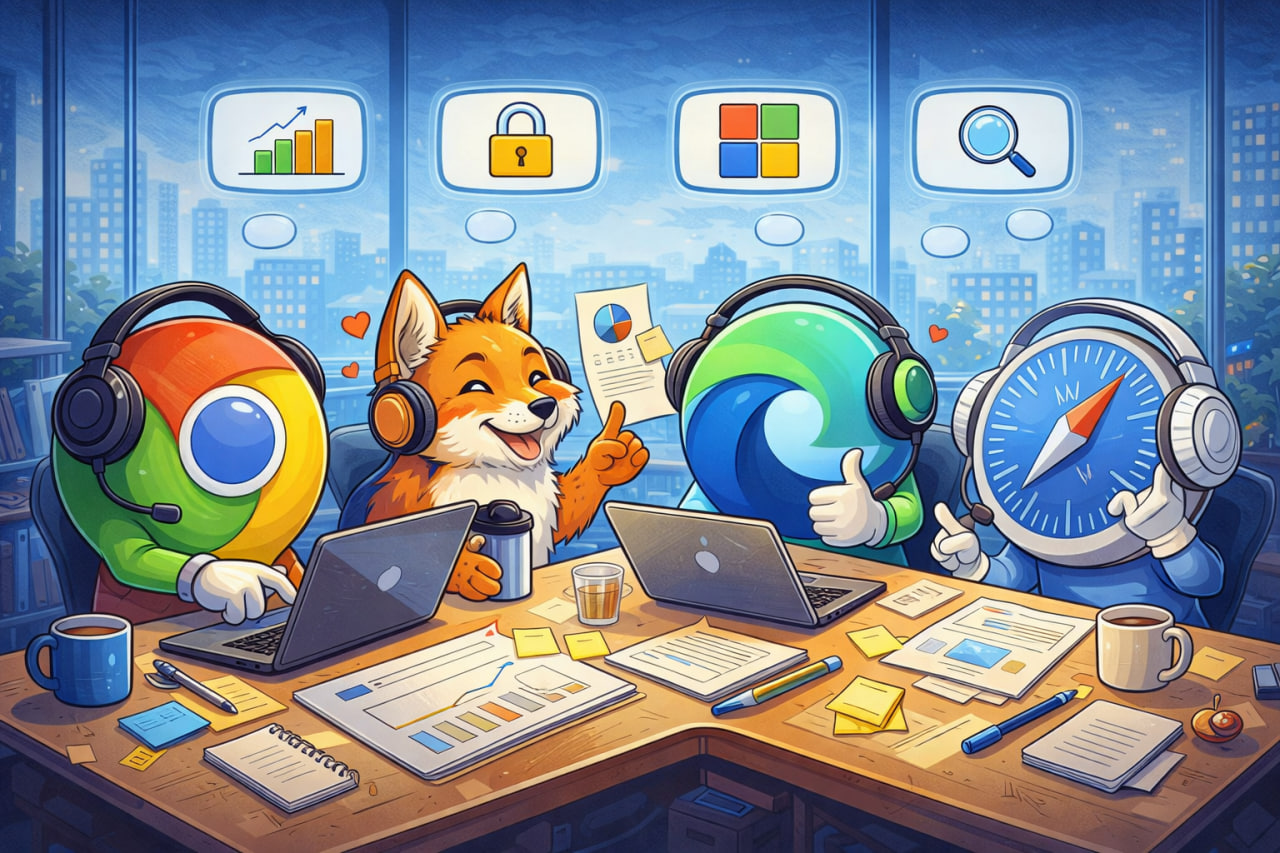

Modern Web Browsers: Which One Is Best for Work?
Smart Technology AI & Ethics AI

Modern Web Browsers: Which One Is Best for Work?

Web browsers have become essential tools for productivity, communication, and daily tasks. Whether you are working with documents, managing projects, or using cloud services, the choice of browser can significantly affect speed, security, and efficiency. Modern browsers offer different strengths, from performance and customization to privacy and integration with ecosystems. Understanding these differences helps users select the best option for their specific workflow. There is no single perfect browser, but there are clear leaders depending on your needs. Choosing wisely can improve both comfort and productivity.

Chatbots for Work: Which One Should You Choose?
Smart Technology AI & Ethics AI

Chatbots for Work: Which One Should You Choose?

Chatbots have become powerful tools for improving productivity, automating tasks, and assisting with decision-making. From writing emails to analyzing data and generating ideas, modern AI chatbots can significantly enhance efficiency, speed, and workflow organization. Different platforms offer unique strengths, including integration with tools, customization, and advanced reasoning capabilities. Choosing the right chatbot depends on your specific needs, whether it is content creation, coding, research, or communication. As AI technology continues to evolve, chatbots are becoming essential assistants in many professional environments. Understanding their differences helps you make a smarter and more effective choice.

Artificial Intelligence in Court: Can We Trust AI to Deliver Verdicts?
AI & Ethics AI Be Smart

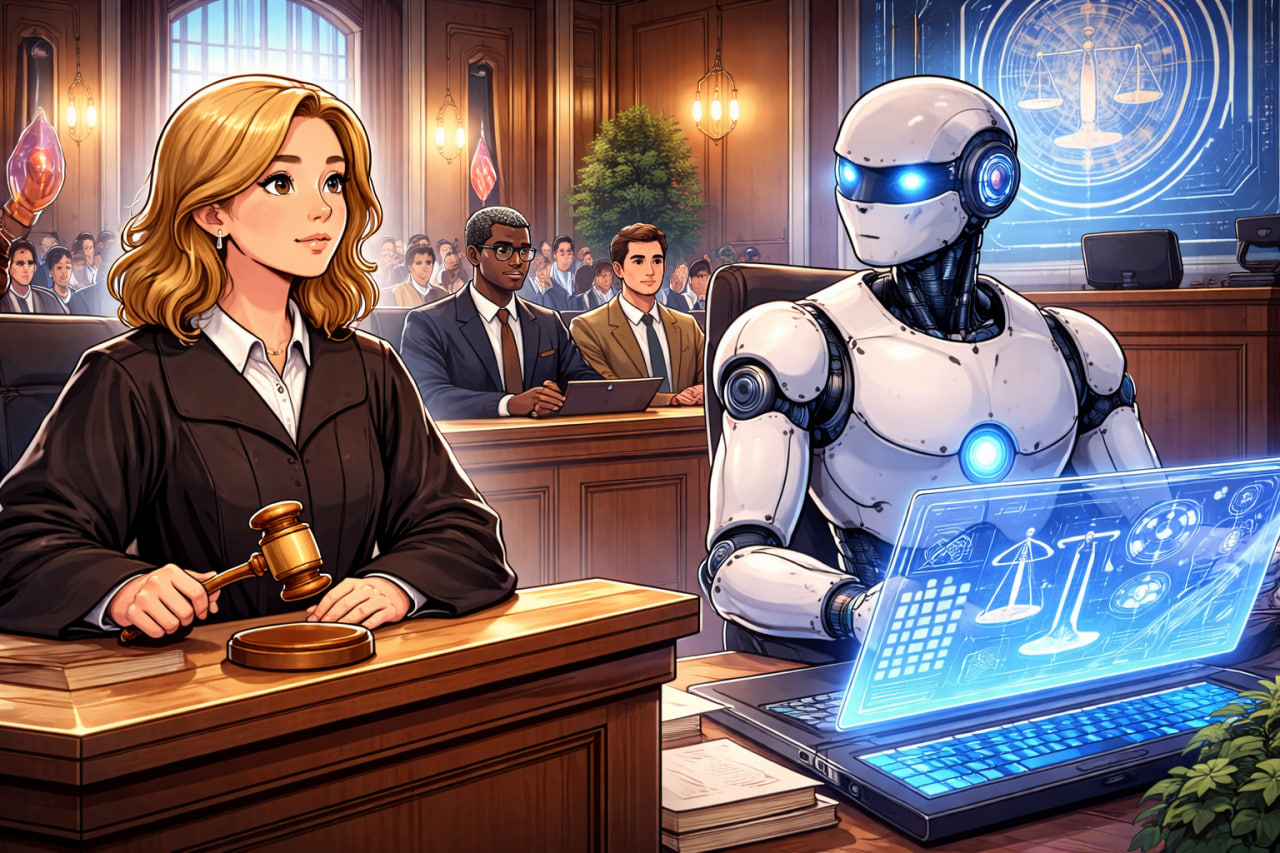
Artificial Intelligence in Court: Can We Trust AI to Deliver Verdicts?

Artificial intelligence is rapidly transforming many sectors of modern society, including healthcare, transportation, finance, and education. Recently, discussions have expanded into another sensitive and complex field: the judicial system. Some researchers and policymakers have begun exploring whether artificial intelligence could assist courts in analyzing cases, predicting legal outcomes, or even helping determine sentences. While AI technologies already support certain legal processes, the idea of allowing machines to influence or deliver court decisions raises important ethical, legal, and technological questions. Understanding the potential benefits and limitations of AI in the courtroom is essential before such systems can play a larger role in justice systems around the world.

Data Mirages: Why AI Does Not Truly Understand What It Writes
AI & Ethics AI Be Smart

Data Mirages: Why AI Does Not Truly Understand What It Writes

Artificial intelligence systems often produce responses that appear thoughtful, structured, and coherent. This fluency can create the impression that the system “understands” the topic it discusses. However, modern language models operate fundamentally differently from human cognition. They generate text by predicting patterns based on vast datasets, not by forming conscious comprehension. The phenomenon where AI output appears meaningful without genuine understanding can be described as a “data mirage.” Recognizing this distinction is essential for responsible use of AI systems. The illusion of understanding emerges from statistical pattern recognition rather than awareness or intention.

Ethical Hackers vs AI: How Neural Networks Are Tested and “Hacked”
Smart Technology AI & Ethics AI

Ethical Hackers vs AI: How Neural Networks Are Tested and “Hacked”

As artificial intelligence systems become more powerful, ensuring their security and reliability has become a global priority. Neural networks now influence finance, healthcare, cybersecurity, and public infrastructure. However, like any digital system, AI models are vulnerable to manipulation. This is where ethical hackers — also known as security researchers or “white-hat” hackers — play a critical role. Instead of exploiting weaknesses for harm, they intentionally probe AI systems to uncover vulnerabilities before malicious actors can. Understanding how neural networks can be “hacked” helps improve their resilience and trustworthiness.

Will Neural Networks Replace Search Engines?
AI & Ethics AI Be Smart

Will Neural Networks Replace Search Engines?

The rapid development of large language models and conversational AI has sparked debate about the future of traditional search engines. Instead of presenting a list of links, AI systems can generate direct answers, summaries, and contextual explanations. This shift raises an important question: will neural networks fully replace search engines, or will both technologies evolve together? While AI-powered tools are transforming how people access information, search infrastructure remains deeply embedded in the digital ecosystem. The relationship between neural networks and search engines is more likely to be complementary than purely competitive. Understanding their differences clarifies what the future may hold.

Can Users Teach ChatGPT and Similar AI Systems Something New?
AI & Ethics AI Be Smart

Can Users Teach ChatGPT and Similar AI Systems Something New?

As conversational AI becomes more widespread, many users wonder whether their questions, corrections, or conversations can “teach” the system directly. When interacting with tools like ChatGPT, it may feel as though the model is learning in real time. However, the reality is more structured and technical. While AI systems improve over time, they do not typically learn from individual conversations in the way humans do. Understanding how training works helps clarify what influence users actually have. The relationship between users and AI is interactive — but not educational in a traditional sense.

Digital Twins: Virtual Replicas of Cities, Planets, and Patients
Hi-Tech Smart Technology AI & Ethics

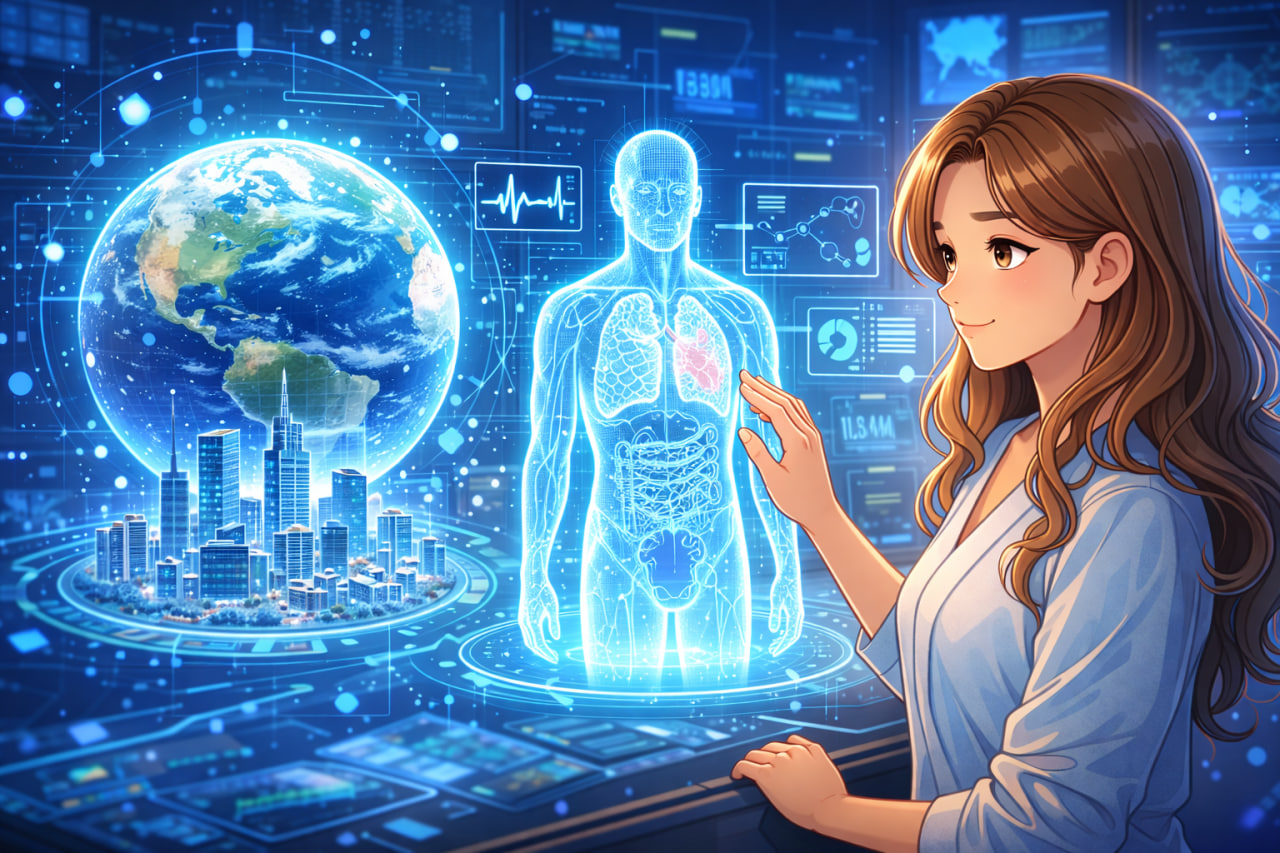
Digital Twins: Virtual Replicas of Cities, Planets, and Patients

The concept of a digital twin refers to a highly detailed virtual model that mirrors a real-world object, system, or living organism. Originally developed for industrial engineering, digital twin technology is now expanding into urban planning, healthcare, environmental science, and even planetary research. By combining real-time data, sensors, simulations, and advanced analytics, digital twins allow researchers and professionals to test scenarios without physically altering the original system. This capability improves decision-making, reduces risk, and increases efficiency across many sectors. Whether modeling an entire smart city, a patient’s cardiovascular system, or global climate patterns, digital twins represent a powerful bridge between physical reality and computational insight. As technology evolves, these virtual replicas are becoming increasingly precise and dynamic.

AI for Deciphering Ancient Languages and Scrolls
History AI & Ethics AI

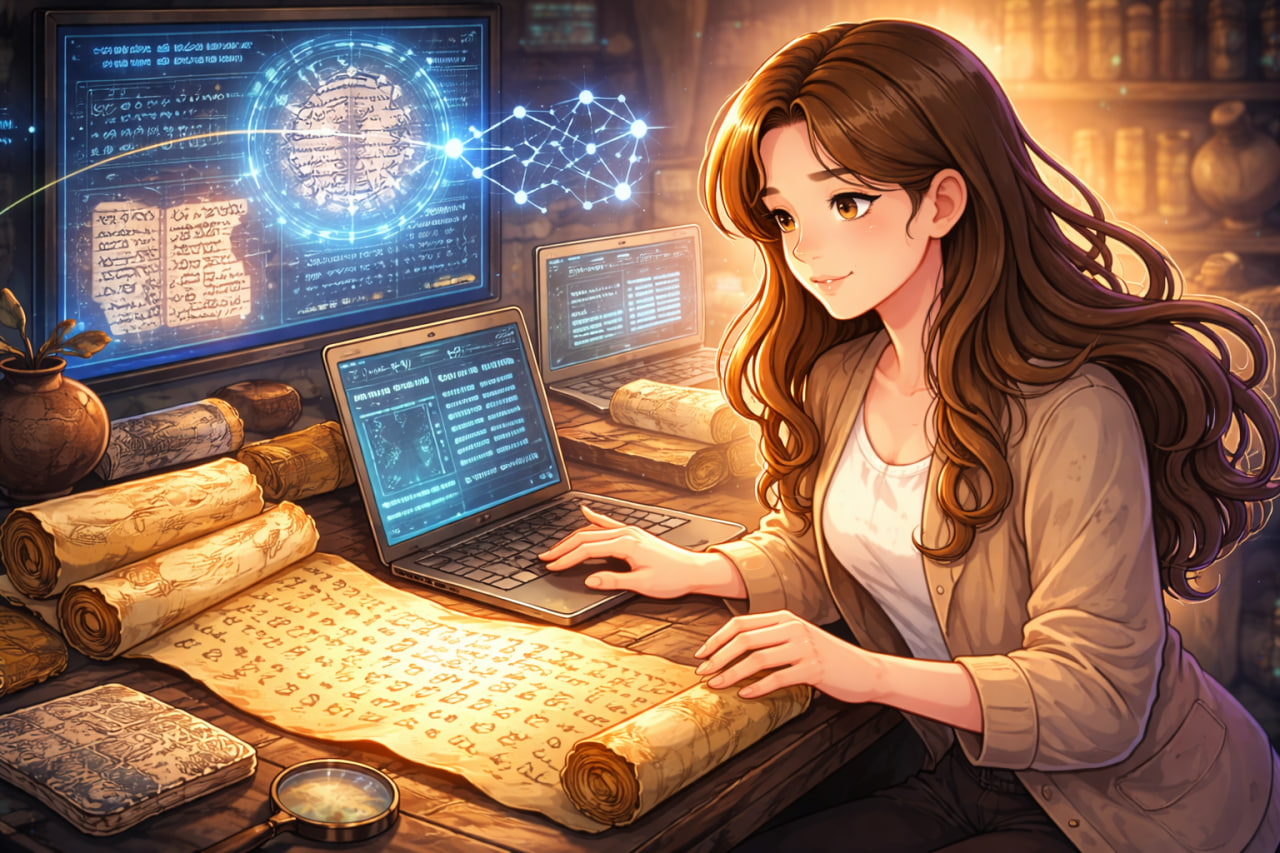
AI for Deciphering Ancient Languages and Scrolls

For centuries, historians and linguists have struggled to decode ancient manuscripts, damaged scrolls, and forgotten languages. Many texts have survived only in fragments, faded ink, or carbonized layers, making traditional analysis slow and uncertain. Today, artificial intelligence is transforming the field of historical linguistics and archaeology by offering powerful tools for pattern recognition, reconstruction, and translation. By training neural networks on known linguistic structures, researchers can analyze incomplete texts and predict missing characters with remarkable accuracy. AI does not replace historians, but it accelerates discoveries and opens new possibilities for understanding humanity’s cultural heritage. As computational methods improve, previously unreadable documents are gradually revealing their secrets.