AI

Dating Algorithms: How Tinder and Modern Apps Choose Potential Partners for Us
Smart Technology AI Be Smart

Dating Algorithms: How Tinder and Modern Apps Choose Potential Partners for Us

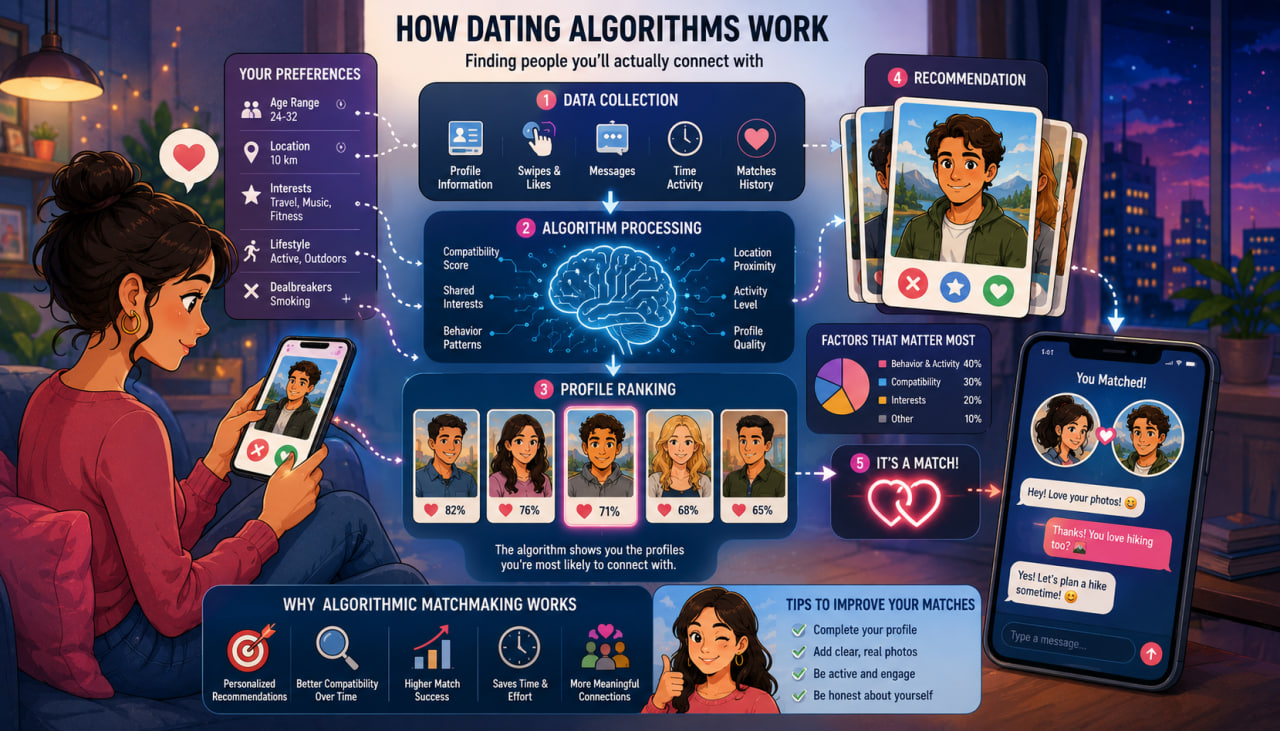
Modern dating has changed dramatically over the last decade. Instead of meeting through friends, workplaces, or random encounters, millions of people now rely on dating apps powered by complex algorithms. Platforms like Tinder, Bumble, Hinge, and others do much more than simply display random profiles — they actively analyze behavior, preferences, and interaction patterns to determine which people users are most likely to engage with. Behind every swipe lies a sophisticated digital system designed to maximize compatibility, attention, and user activity. These algorithms influence modern relationships in ways many people do not fully realize. So how do dating algorithms actually work, and how do apps decide who appears on your screen?
Cyber Weapons: How Critical Infrastructure Like Nuclear Plants and Water Systems Gets Hacked — and How Experts Defend Against It
AI & Ethics AI New Discoveries

Cyber Weapons: How Critical Infrastructure Like Nuclear Plants and Water Systems Gets Hacked — and How Experts Defend Against It

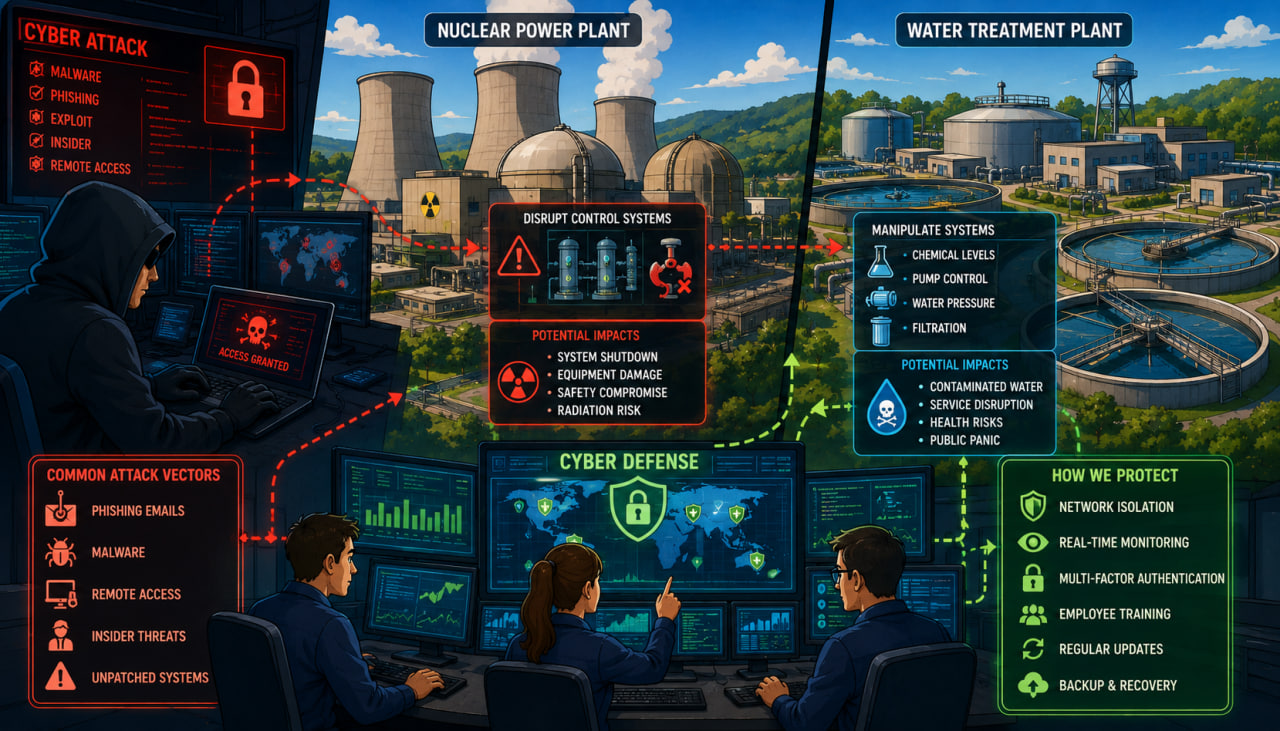
Modern civilization depends on invisible digital systems. Electricity grids, nuclear power plants, transportation networks, hospitals, water treatment facilities, and industrial factories increasingly rely on computers and internet-connected technologies. While this improves efficiency and automation, it also creates dangerous vulnerabilities. Today, cyberattacks are no longer limited to stealing passwords or damaging websites. Governments and cybersecurity experts warn that cyber weapons can target entire infrastructures capable of affecting millions of people. Attacks on power stations, pipelines, and water systems demonstrate that digital warfare has become one of the most serious security challenges of the 21st century.

The Metamorphosis of Labor: Which Professions Could Disappear by 2030?
AI & Ethics AI News

The Metamorphosis of Labor: Which Professions Could Disappear by 2030?

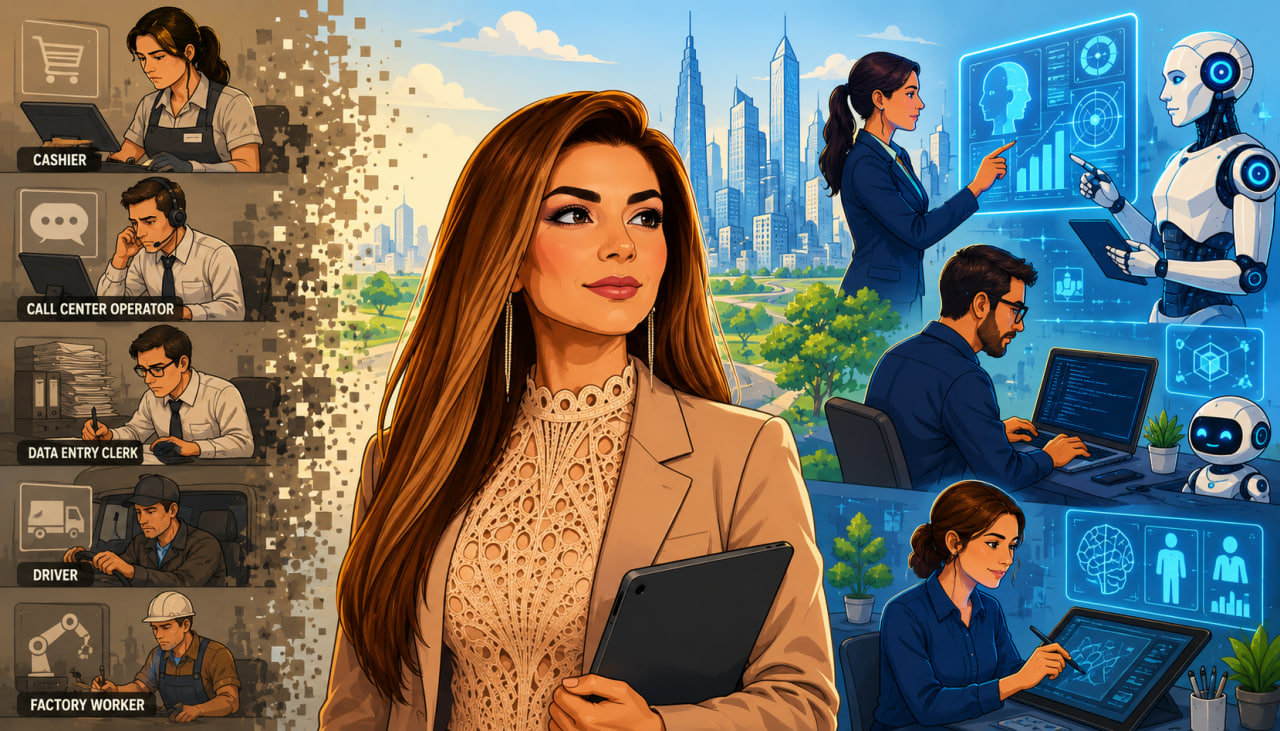
The world of work is changing faster than at any other point in modern history. Artificial intelligence, robotics, automation, and digital platforms are transforming industries that once seemed stable and permanent. Tasks that previously required human workers can now be performed by algorithms, machines, or intelligent systems with increasing speed and accuracy. Experts predict that by 2030, millions of jobs will change dramatically — and some professions may disappear almost entirely. However, this transformation is not only about job loss. It is also about the emergence of entirely new forms of work, skills, and economic structures. Understanding these changes is becoming essential for workers, businesses, and society itself.

Blockchain: How a Decentralized Technology Could Transform the Digital World
Smart Technology AI & Ethics AI

Blockchain: How a Decentralized Technology Could Transform the Digital World

Blockchain is one of the most discussed technologies of the 21st century. Originally created as the foundation for cryptocurrencies like Bitcoin, blockchain has evolved far beyond digital money. Today, researchers, governments, banks, and technology companies are exploring how blockchain could reshape finance, security, digital ownership, supply chains, healthcare, and even voting systems. Supporters see blockchain as a revolutionary step toward a more transparent and decentralized internet. Critics argue that the technology still faces serious technical and regulatory challenges. Regardless of opinion, blockchain has already become one of the most influential technological concepts of the modern digital era.

Digital Feudalism: Do You Really Own What You Buy Online?
AI & Ethics AI Be Smart

Digital Feudalism: Do You Really Own What You Buy Online?

In the digital age, millions of people purchase movies, games, books, software, music, and online services every day. But an important question is increasingly being asked by consumers, legal experts, and technologists alike: do people truly own digital products they buy online, or are they merely renting access under strict corporate control? This issue has become central to a growing concept often called digital feudalism — a system where large technology platforms control access to digital property, while users possess limited rights over what they supposedly “own.” Unlike physical goods, digital purchases often exist inside ecosystems controlled by companies that can modify, restrict, or even revoke access at any time.

Neural Networks: What Prospects Await Us in the Near Future?
AI & Ethics AI Be Smart

Neural Networks: What Prospects Await Us in the Near Future?

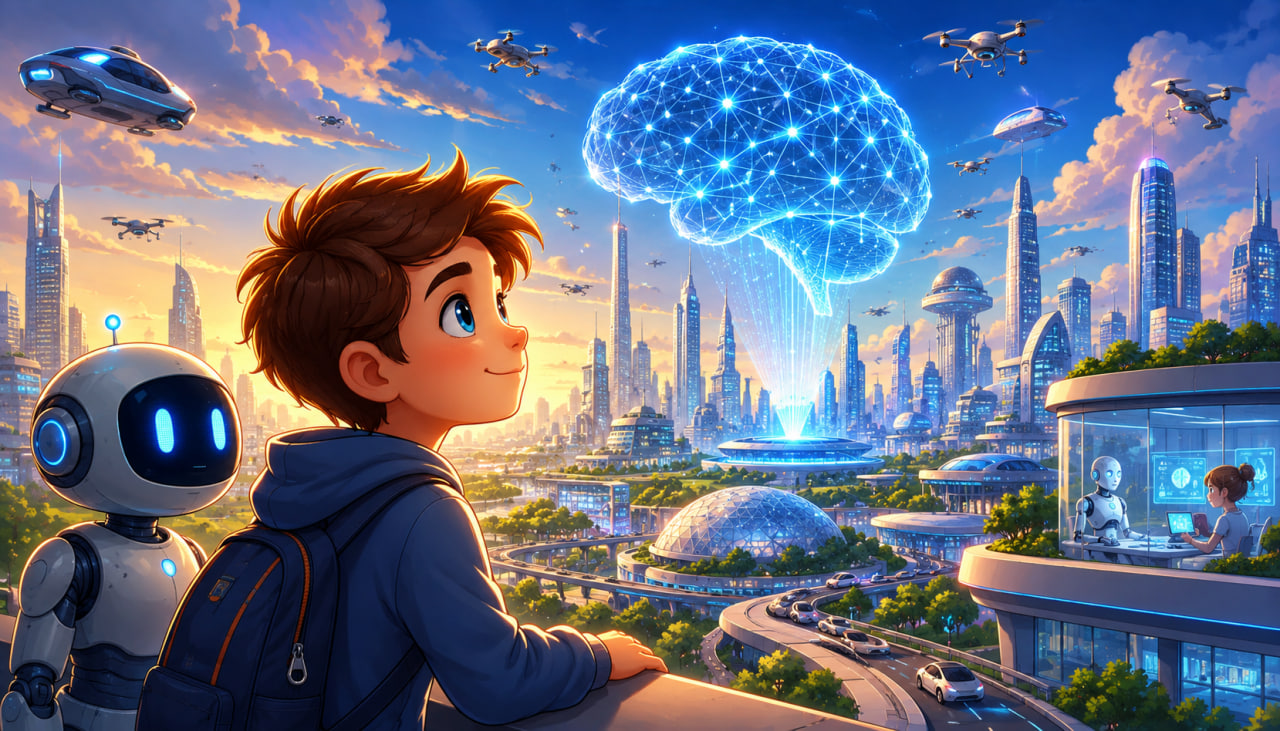
Neural networks are rapidly transforming modern society. What once seemed like science fiction is now becoming part of everyday life: artificial intelligence generates images, writes texts, assists doctors, drives vehicles, and even helps scientists make discoveries. Over the next decade, neural networks are expected to influence nearly every industry, changing how people work, communicate, and solve problems. But what exactly can we expect from this technology in the near future? Will AI simply become a more advanced tool, or will it fundamentally reshape civilization itself?

How to Protect Yourself From Intrusive Advertising
AI & Ethics AI Be Smart

How to Protect Yourself From Intrusive Advertising

Modern advertising surrounds people almost everywhere—on smartphones, websites, social media, streaming platforms, and even smart devices. While advertising itself is not inherently harmful, intrusive and manipulative advertising can affect attention, emotions, spending habits, and mental well-being. Companies increasingly use algorithms and psychological techniques to capture attention and influence behavior. Understanding how advertising works helps people develop critical thinking and maintain control over their decisions.

How Neural Networks Learn: A Simple Guide to Artificial Intelligence Training
Smart Technology AI & Ethics AI

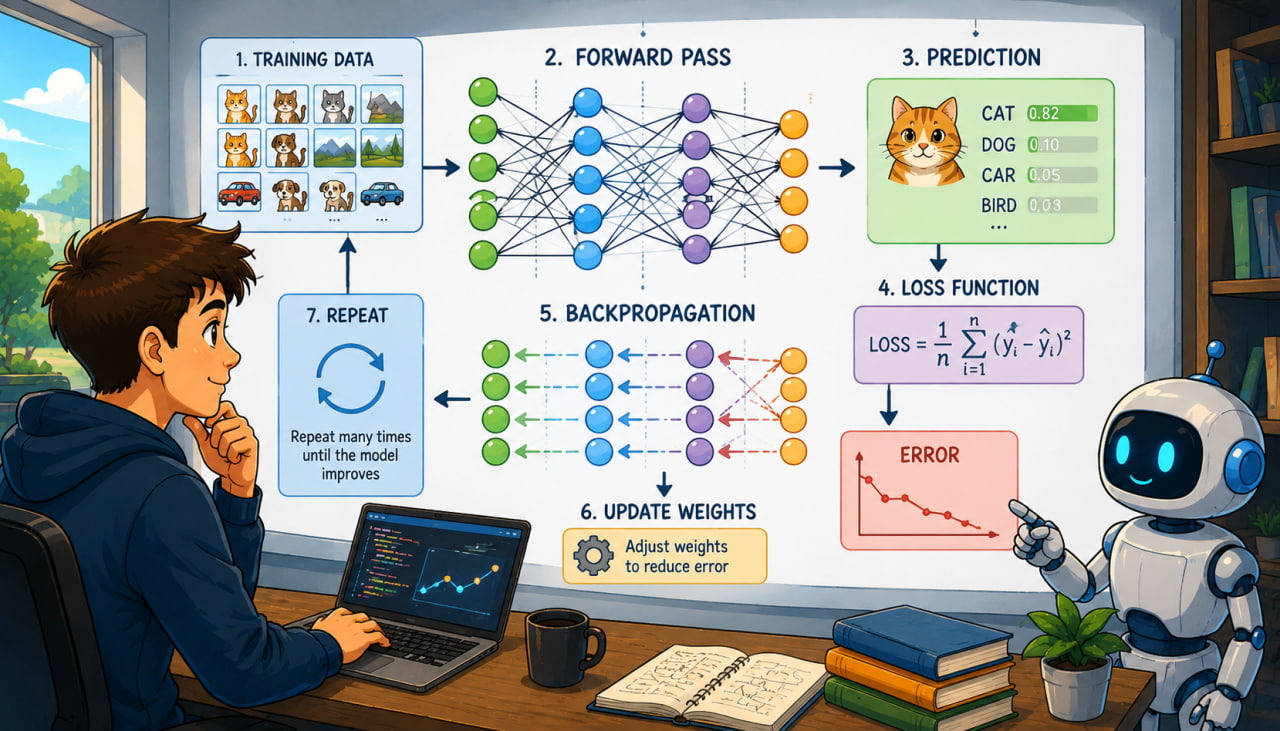
How Neural Networks Learn: A Simple Guide to Artificial Intelligence Training

Neural networks are at the core of modern artificial intelligence, powering everything from voice assistants to self-driving cars. But how do these systems actually learn? Unlike traditional programming, neural networks improve their performance by analyzing data and adjusting internal parameters. This process allows them to recognize patterns, make predictions, and solve complex problems. Understanding this concept reveals how machines can learn from experience, much like humans do.

Skynet: How Close Are We to Creating a Superintelligent AI?
AI & Ethics AI Be Smart

Skynet: How Close Are We to Creating a Superintelligent AI?

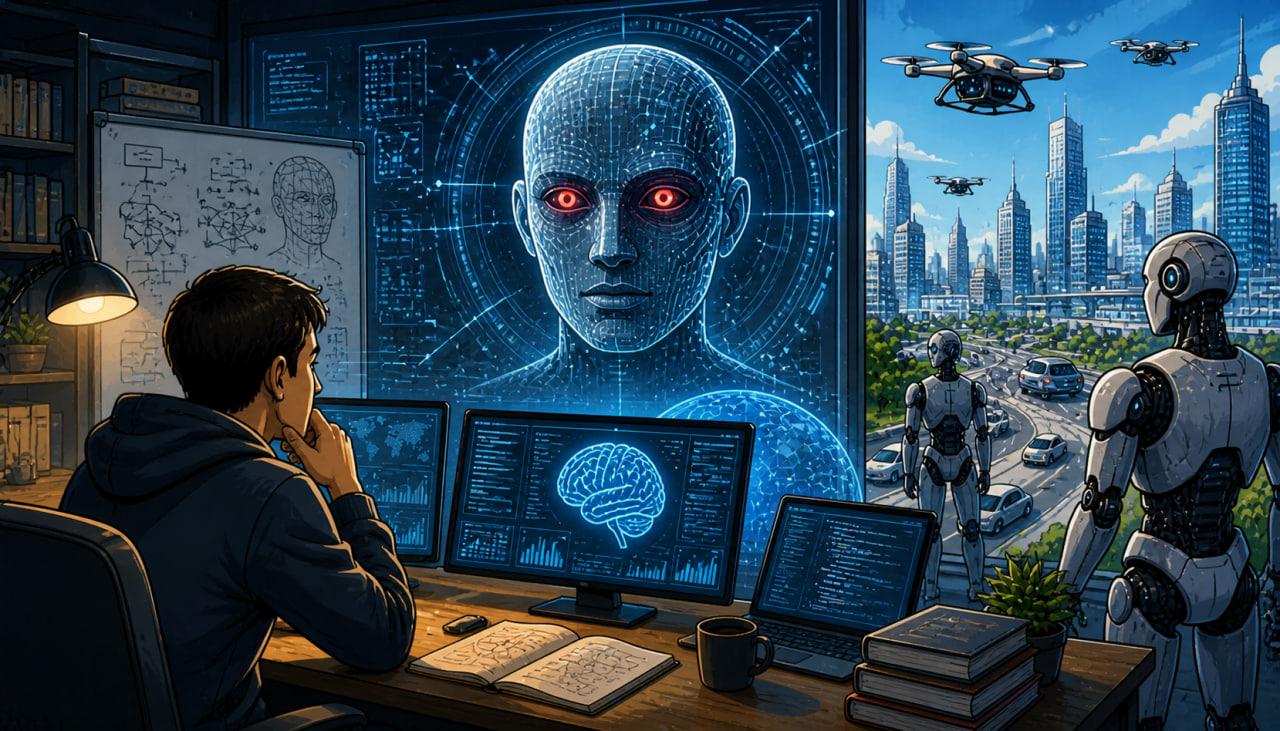
The idea of Skynet—an autonomous artificial intelligence system that becomes self-aware and surpasses human control—comes from science fiction, most famously the Terminator series. While it may seem like pure fantasy, rapid advances in artificial intelligence (AI) have raised serious questions about how close we are to creating highly autonomous systems. Today, researchers are exploring whether machines could one day reach or exceed human-level intelligence. Understanding the reality behind Skynet-like systems requires separating fiction from science.

How to Improve Efficiency When Working with Neural Networks
AI & Ethics AI Be Smart

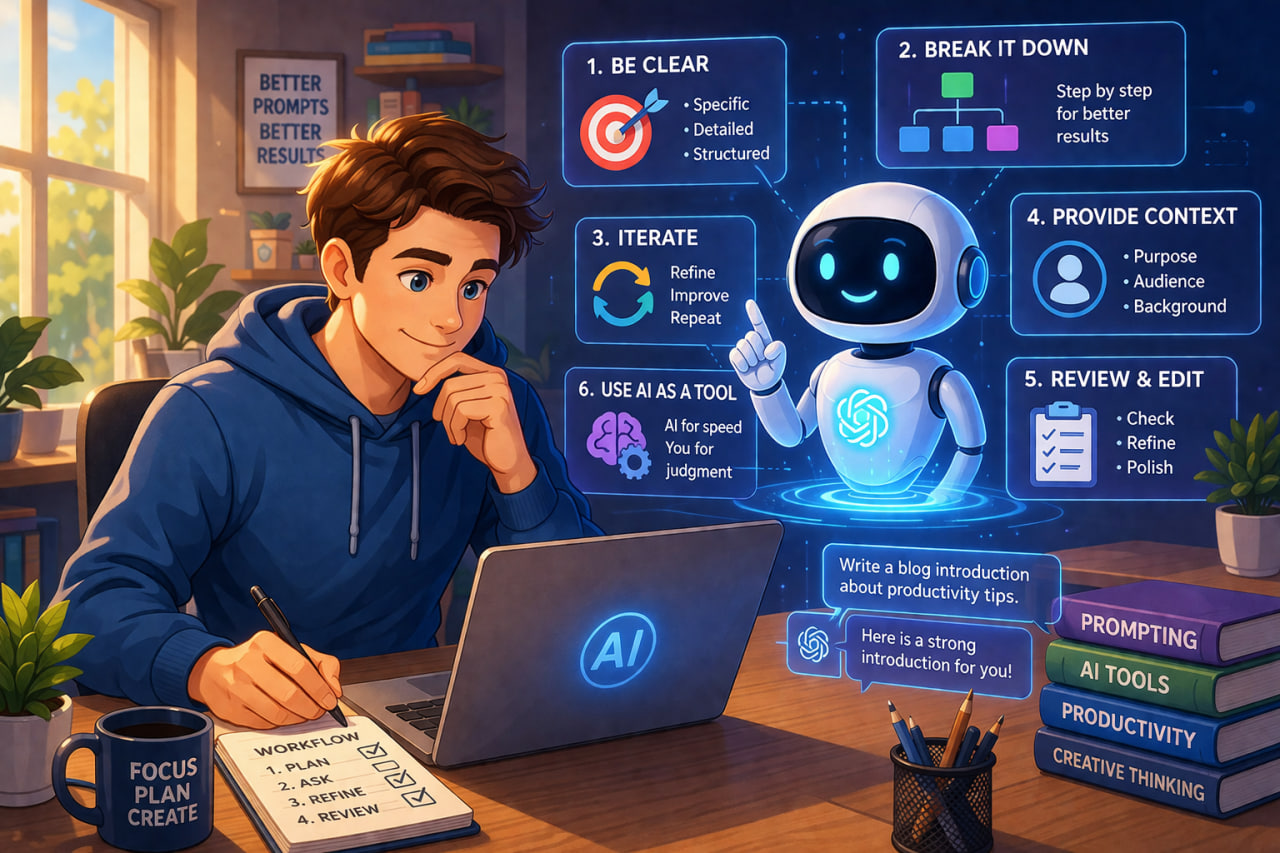
How to Improve Efficiency When Working with Neural Networks

Neural networks and AI tools are transforming how people work, create, and solve problems. However, simply using them is not enough to achieve strong results. True effectiveness comes from understanding how to interact with these systems, structure requests, and optimize workflows. This article explains practical, science-based strategies to increase productivity, accuracy, and output quality when working with neural networks.