It matters because modern life depends on connected technology. Banks process payments digitally, hospitals store medical records electronically, cities operate transport and utilities through computer systems, and families keep photographs, documents, and private conversations online.
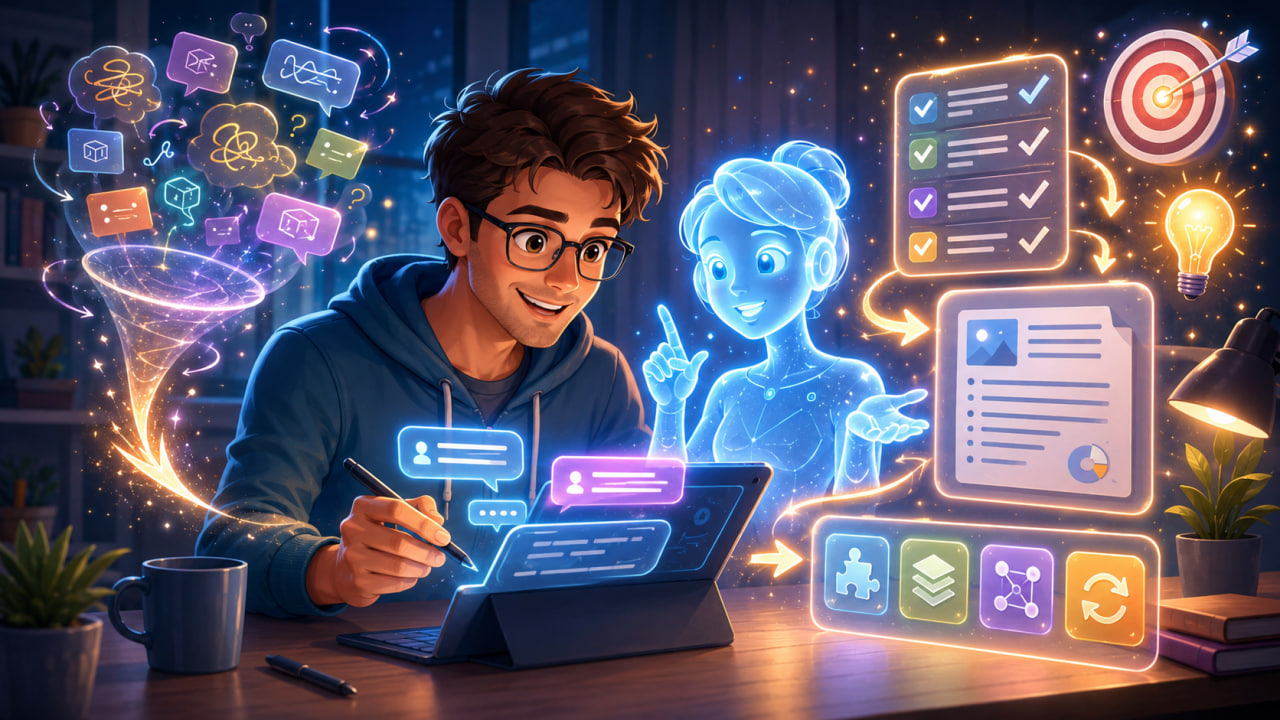
ChatGPT can write articles, analyze information, generate ideas, improve text, create plans, and help solve complex problems. However, the quality of its response depends heavily on the instructions it receives.
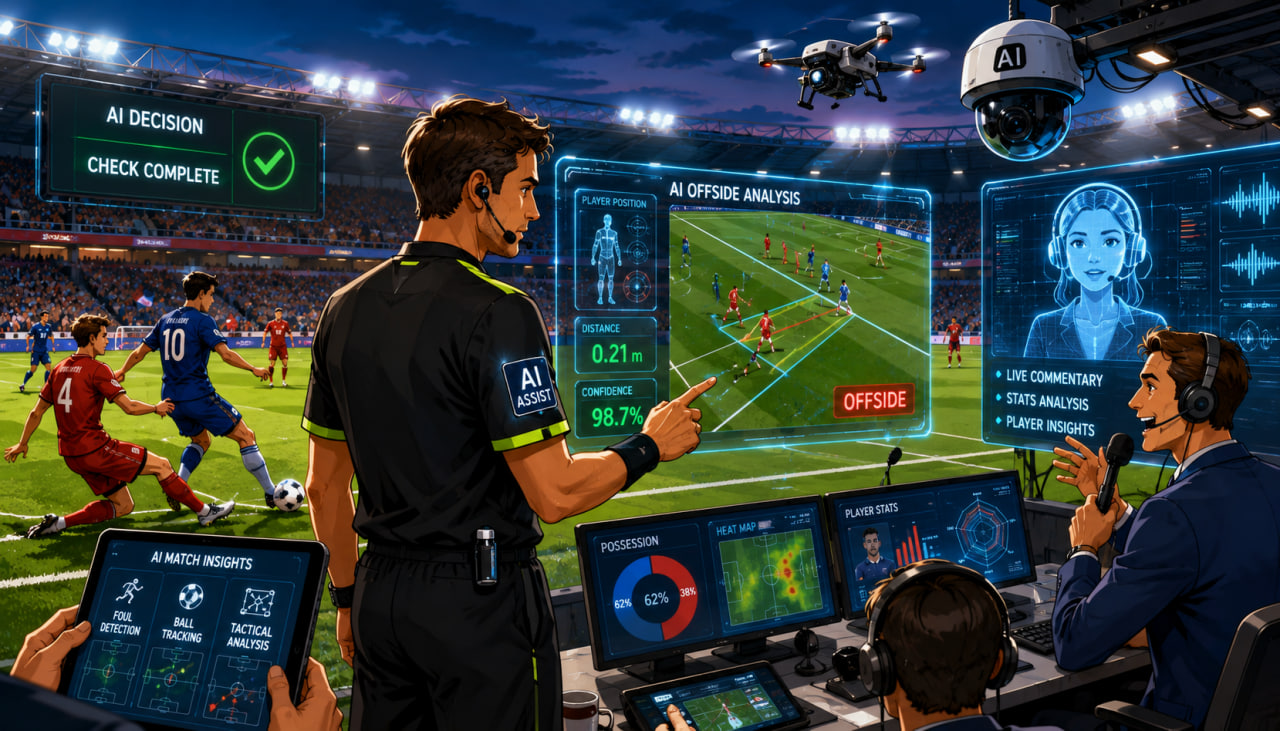
Artificial intelligence is rapidly transforming the world of sports. From automated offside detection in soccer to real-time performance analytics and AI-generated match commentary, technology is becoming an increasingly important part of both professional and amateur competitions. But an important question remains: Could AI eventually replace human referees and sports commentators altogether? The answer is more nuanced than a simple yes or no. While AI excels at processing data, detecting patterns, and making rapid calculations, sports involve human judgment, emotions, communication, and context that remain difficult for machines to fully understand. Most experts believe the future lies in collaboration between humans and artificial intelligence rather than complete replacement.
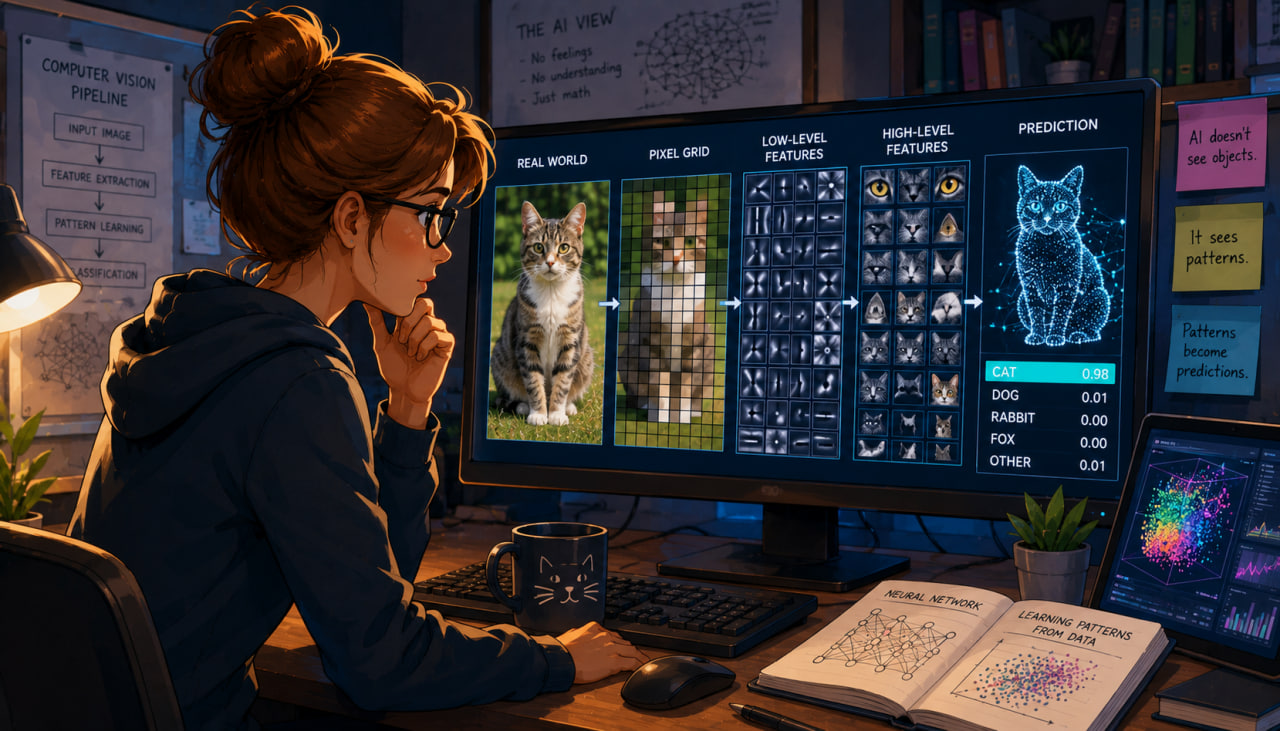
Artificial intelligence can recognize faces, detect tumors in medical scans, identify wildlife in forests, and even help self-driving cars navigate busy streets. To humans, these achievements may seem to suggest that AI "sees" the world much like we do. In reality, modern computer vision works in a fundamentally different way. An AI does not perceive a cat as a furry animal with whiskers, ears, and a tail. Instead, it processes millions of numerical values representing patterns of colored pixels. This distinction is one of the most fascinating aspects of artificial intelligence. While humans interpret images through experience, context, and common sense, computer vision systems rely on mathematical relationships hidden within digital images. Understanding how AI actually "sees" reveals both the remarkable power and important limitations of modern machine learning.
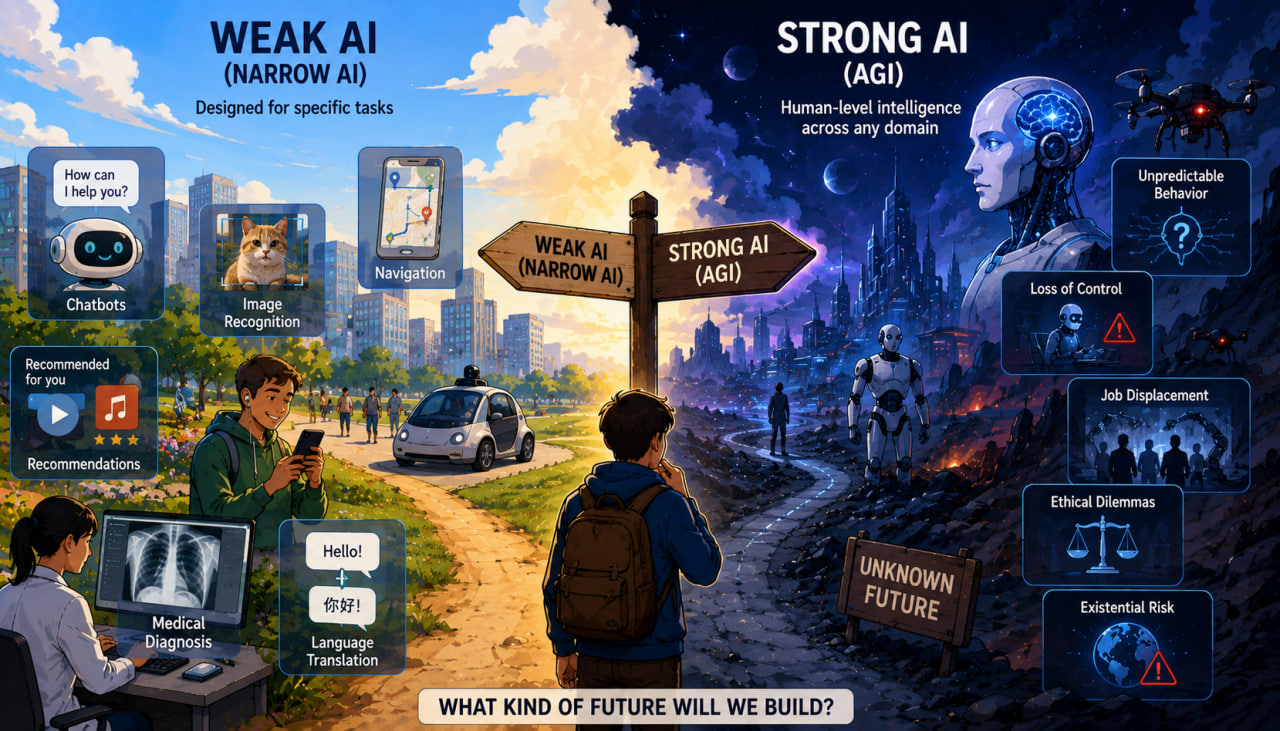
Artificial intelligence has rapidly become part of everyday life. AI helps recommend movies, translate languages, detect diseases, drive scientific discoveries, and power modern chatbots. Despite these impressive achievements, today's AI systems remain fundamentally different from the intelligent machines often portrayed in science fiction. This difference is commonly described as the distinction between Weak AI (Narrow AI) and Strong AI (Artificial General Intelligence, or AGI). While Weak AI already exists and is transforming society, Strong AI remains a theoretical concept that has not yet been achieved. Yet much of the public discussion—and many of our greatest fears—focuses on a technology that scientists have not created and do not know how to build.
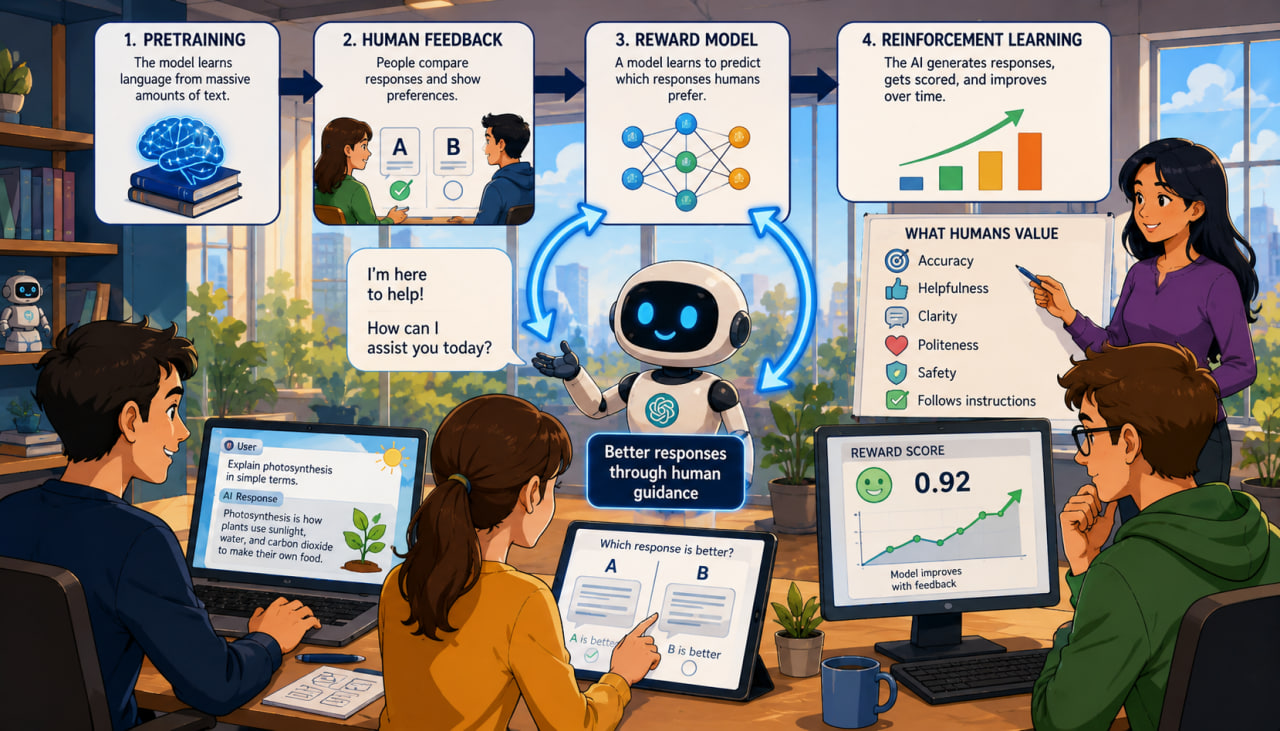
Modern AI chatbots can answer questions, explain complex topics, write code, summarize documents, and carry on surprisingly natural conversations. While large language models learn grammar, facts, and patterns from enormous collections of text, their ability to respond in a helpful, polite, and safe manner comes from additional training beyond simply predicting the next word. One of the most influential techniques behind today's conversational AI is Reinforcement Learning from Human Feedback (RLHF). Rather than teaching an AI by providing correct answers alone, RLHF allows human reviewers to evaluate model responses and guide the system toward behaviors that people generally find more useful, accurate, and respectful. This approach has played a major role in transforming powerful language models into practical assistants used by millions of people worldwide.
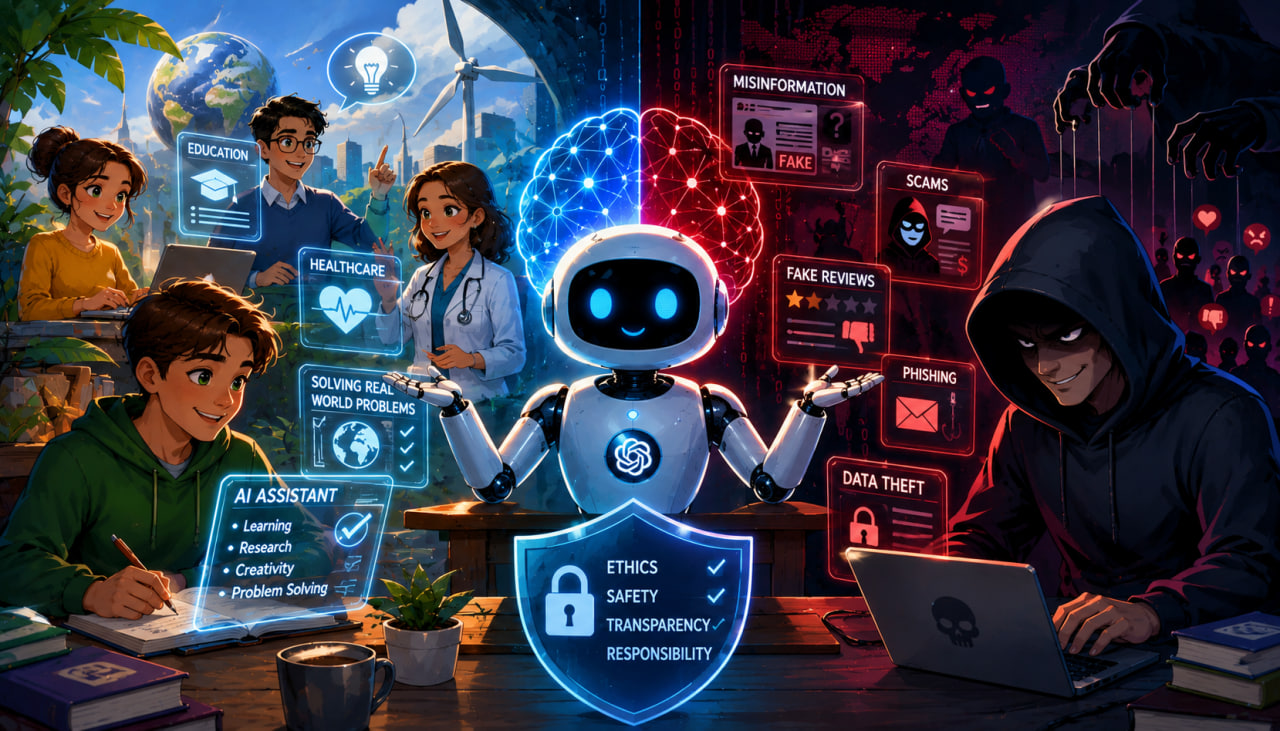
Artificial intelligence chatbots have rapidly become part of everyday life. They help people write emails, summarize documents, answer questions, learn new skills, generate computer code, and assist with creative projects. Their ability to communicate naturally has made AI one of the fastest-growing technologies in history. However, like many powerful technologies, AI chatbots are not inherently good or bad. Their impact depends largely on how they are designed and how people choose to use them. While AI offers enormous benefits for education, healthcare, science, and business, experts also recognize that it can be misused in ways that create social, economic, and security challenges. Understanding both the opportunities and the risks is essential for using conversational AI responsibly.
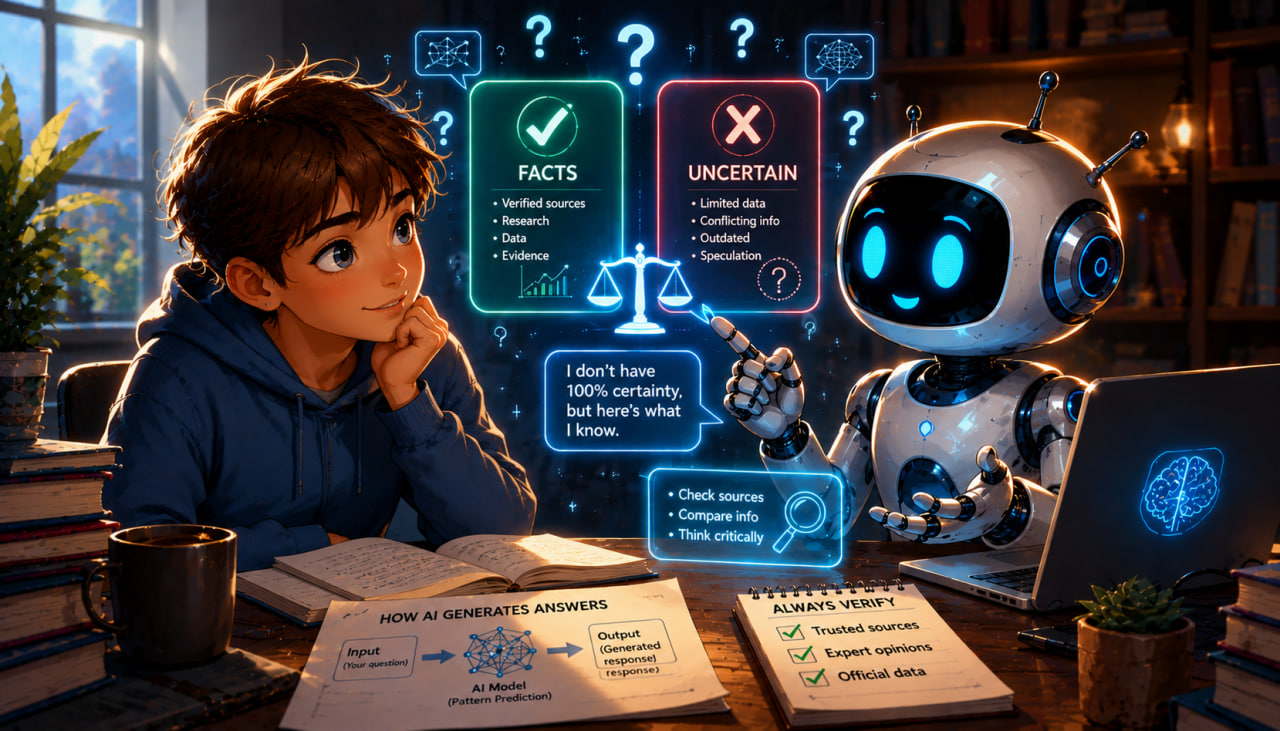
Artificial intelligence chatbots have become an integral part of modern life. They answer questions, write articles, assist with programming, explain scientific concepts, and even help with creative projects. Their ability to generate fluent, human-like responses often makes them appear highly knowledgeable and trustworthy. However, users occasionally discover that a chatbot has presented incorrect information with complete confidence. This phenomenon can be confusing, especially when the answer sounds convincing. Understanding why AI models sometimes produce inaccurate yet confident responses helps users use these tools more effectively and responsibly.
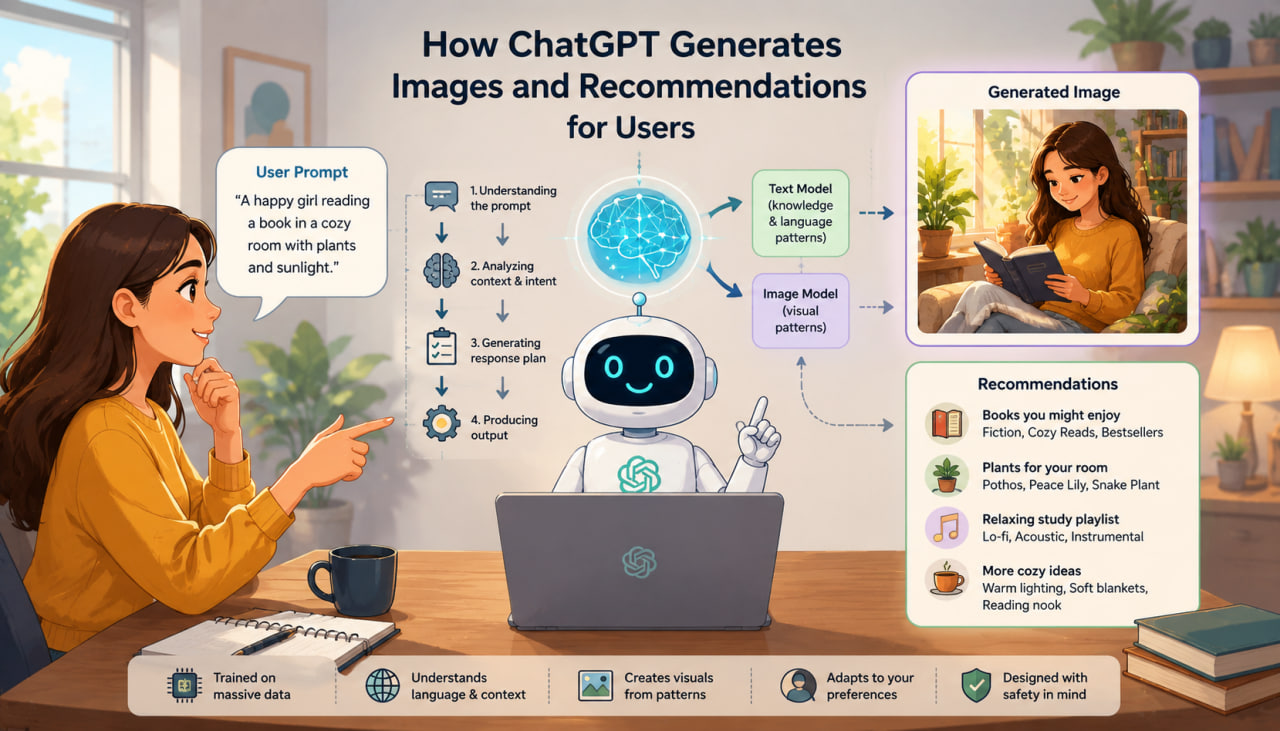
Artificial intelligence has transformed the way people interact with technology. Today, users can ask AI systems to write articles, answer questions, generate images, summarize information, and even provide personalized recommendations. Among the most widely known AI tools is ChatGPT, which has become a popular assistant for millions of users worldwide. One of the most fascinating aspects of modern AI is its ability to generate visual content and tailor responses to individual needs. While these capabilities may appear almost magical, they are based on sophisticated machine learning systems trained on vast amounts of data. Understanding how ChatGPT generates images and recommendations helps explain both the power and limitations of modern artificial intelligence.
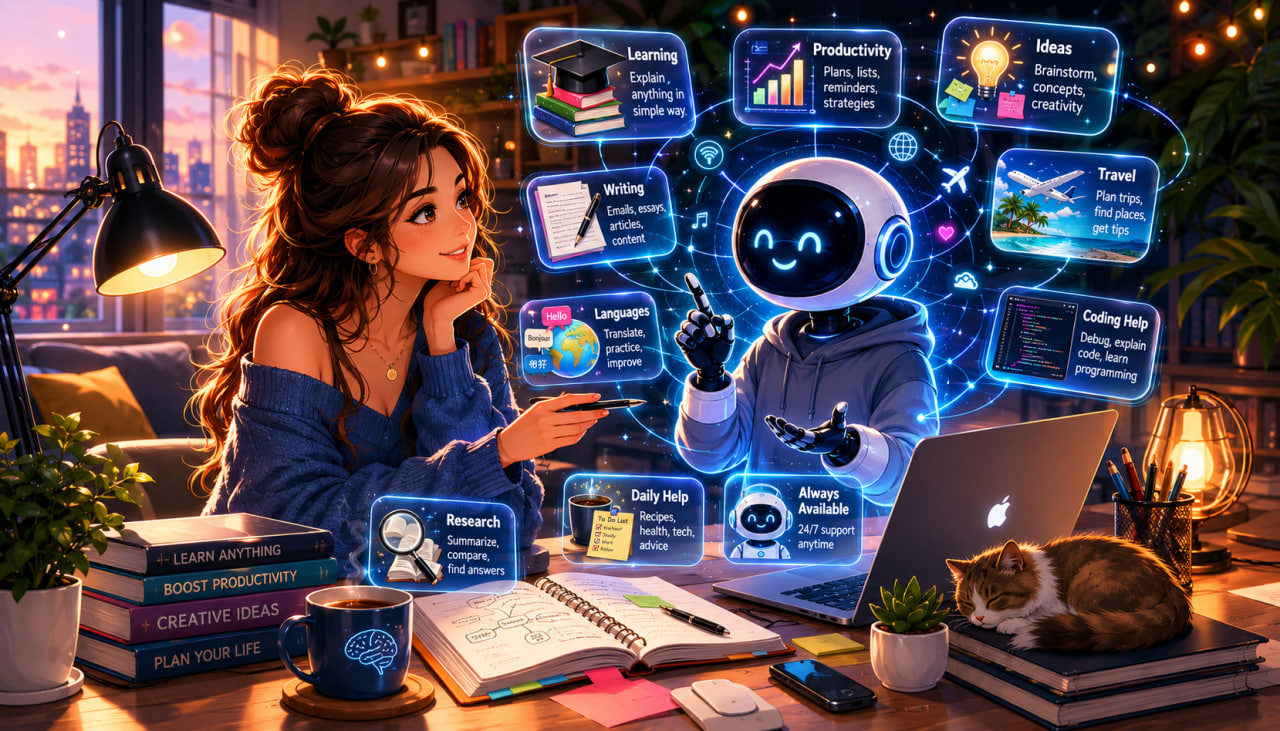
Artificial intelligence has rapidly become part of everyday life. Just a few years ago, most people associated AI with science fiction, research laboratories, or advanced technology companies. Today, millions of people interact with AI-powered chatbots daily, often without even realizing it. These systems can answer questions, explain concepts, assist with work, and help solve practical problems.