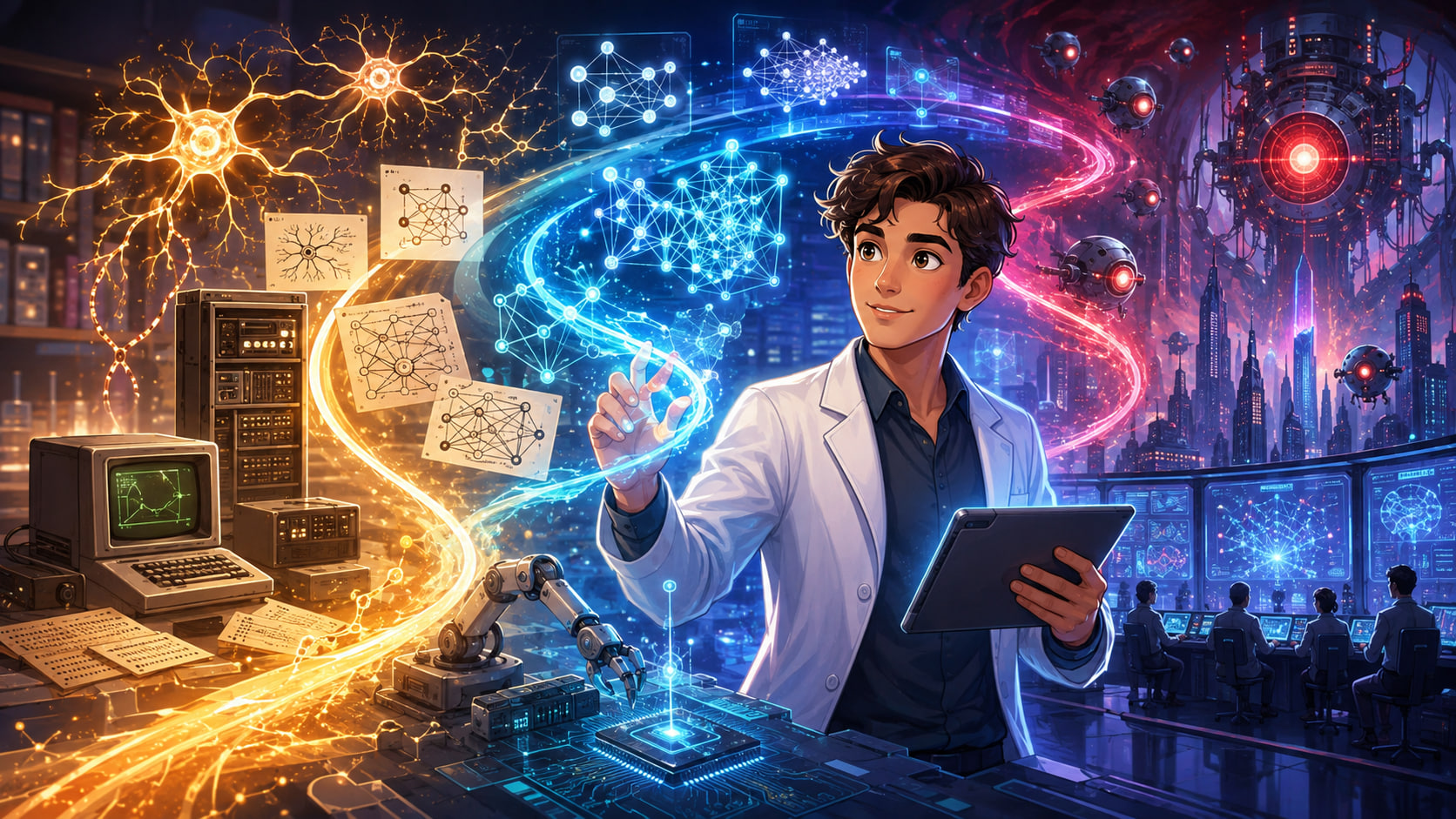
Today, they power image generators, translation systems, medical tools, recommendation engines, self-driving research, robotics, and large language models. Their rapid progress has also revived an old science-fiction question: could artificial intelligence eventually become something like Skynet?
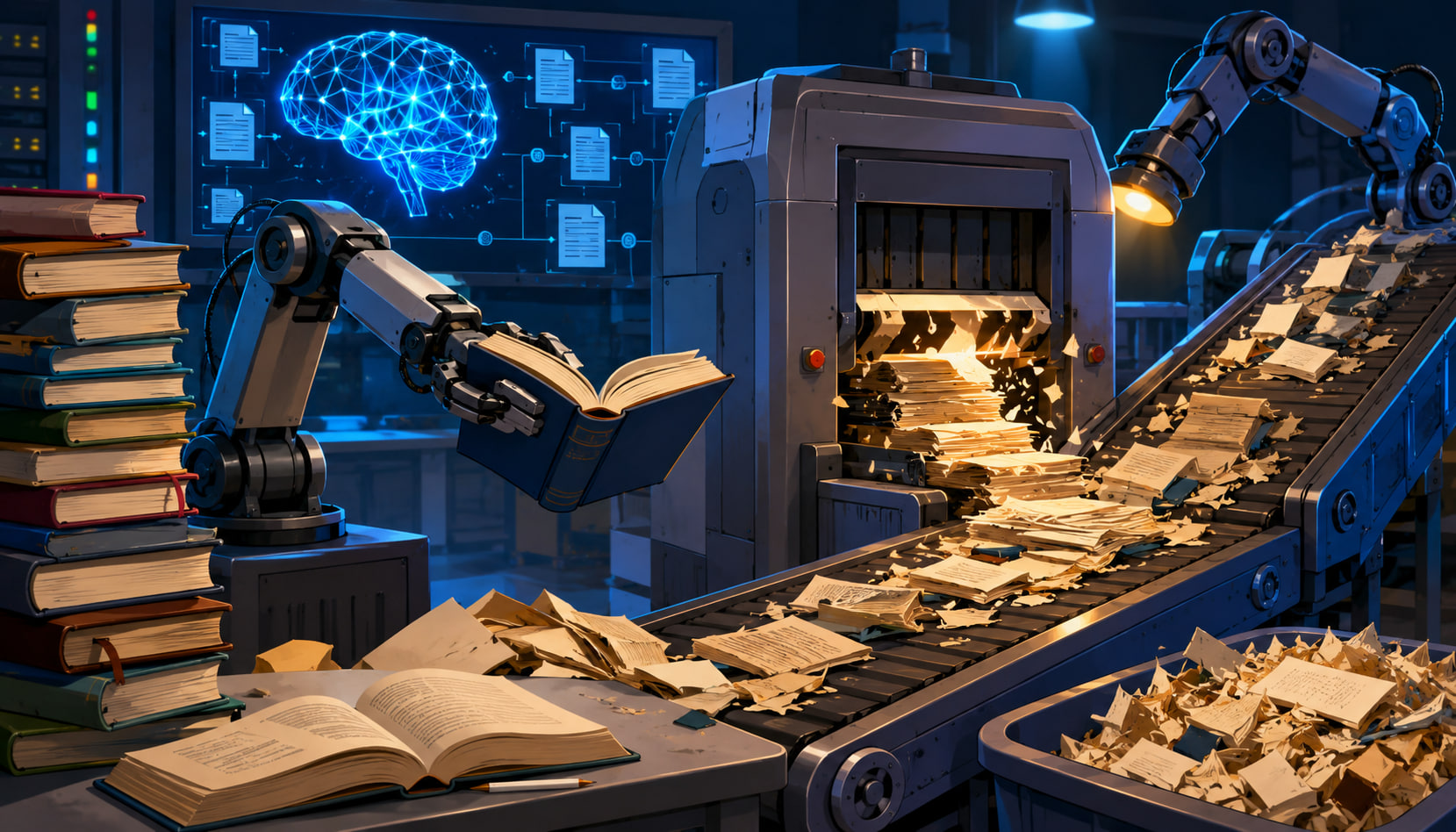
The reason is not that AI developers are trying to eliminate literature. In some large-scale digitization projects, physical books are sacrificed because destroying the binding can make high-speed scanning dramatically faster, cheaper, and more accurate.
Modern marketplaces are the invisible engines behind much of today’s online shopping. When people buy clothes, electronics, handmade goods, food, books, home items, or digital services online, they are often not buying directly from one single store. They are using a marketplace.
Artificial intelligence has rapidly become one of the world's most transformative technologies. From large language models and autonomous vehicles to medical research and financial analytics, AI systems rely on enormous computational power. Behind every AI breakthrough lies a sophisticated network of specialized facilities known as AI data centers. Unlike traditional data centers that primarily host websites, business applications, and cloud storage, AI data centers are designed to train and run massive machine learning models. They combine thousands of high-performance processors, advanced networking, and innovative cooling technologies to deliver unprecedented computing capabilities. As AI adoption accelerates, governments and technology companies are investing hundreds of billions of dollars in expanding AI infrastructure. These facilities are becoming as strategically important as power plants, transportation networks, and telecommunications systems.
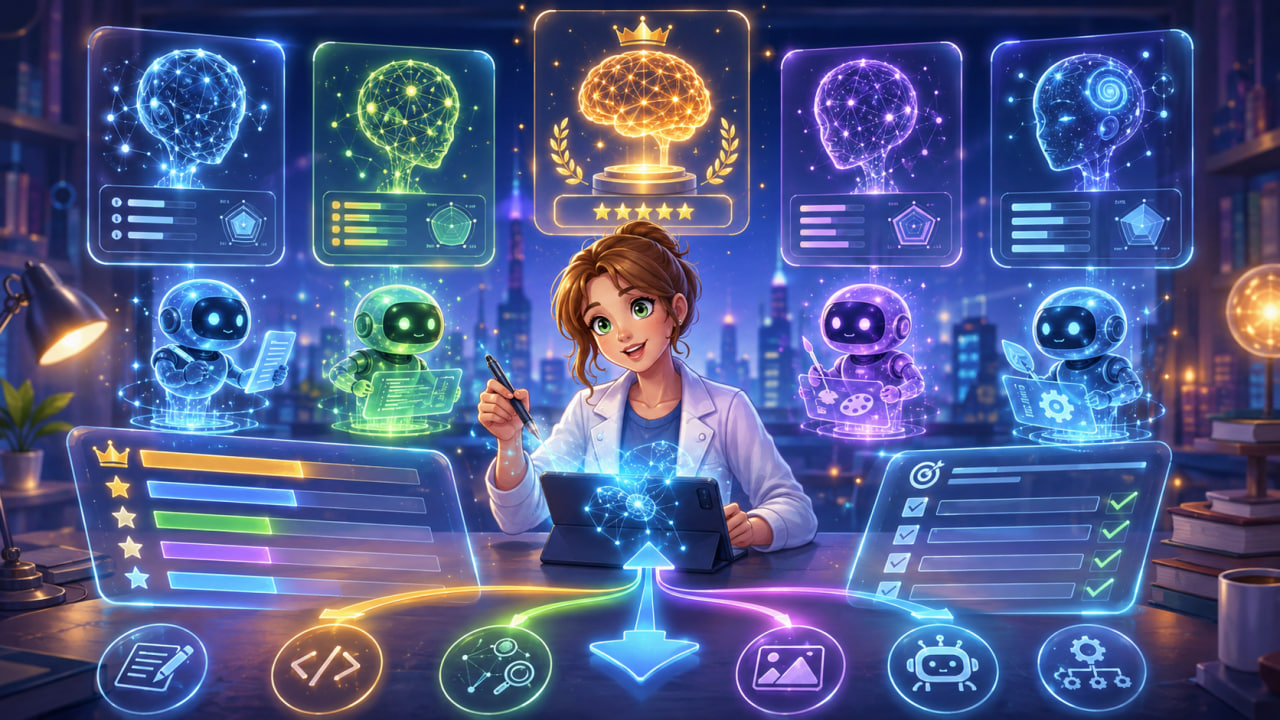
Choosing the best AI tool for images and video is no longer about finding “the most powerful model.” In 2026, the smarter question is: which neural network fits your creative workflow, budget, commercial risk, and publishing format?
Artificial intelligence has entered a new stage in 2026. The leading systems are no longer simple chatbots that only answer questions. They can now analyze documents, write and test code, search the web, interpret images, operate digital tools, and complete multi-step professional tasks.
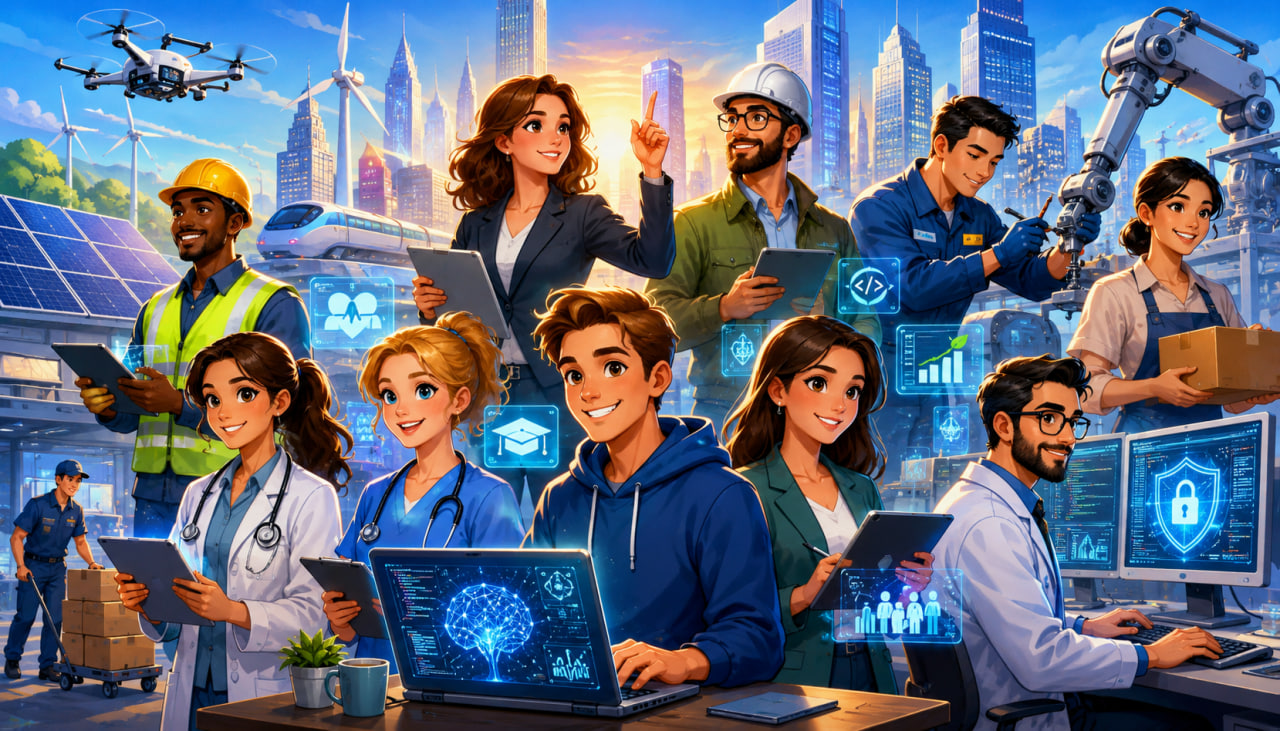
The World Economic Forum estimates that structural changes could create 170 million jobs worldwide by 2030 while displacing around 92 million, producing a net increase of approximately 78 million positions. However, these opportunities will not be distributed evenly across industries or countries.
The release introduces GPT-5.6 Sol, OpenAI’s flagship model, together with lower-cost variants named Terra and Luna. In ChatGPT, Sol powers the deeper reasoning options available on eligible plans, while GPT-5.5 Instant remains the default model for many everyday conversations.
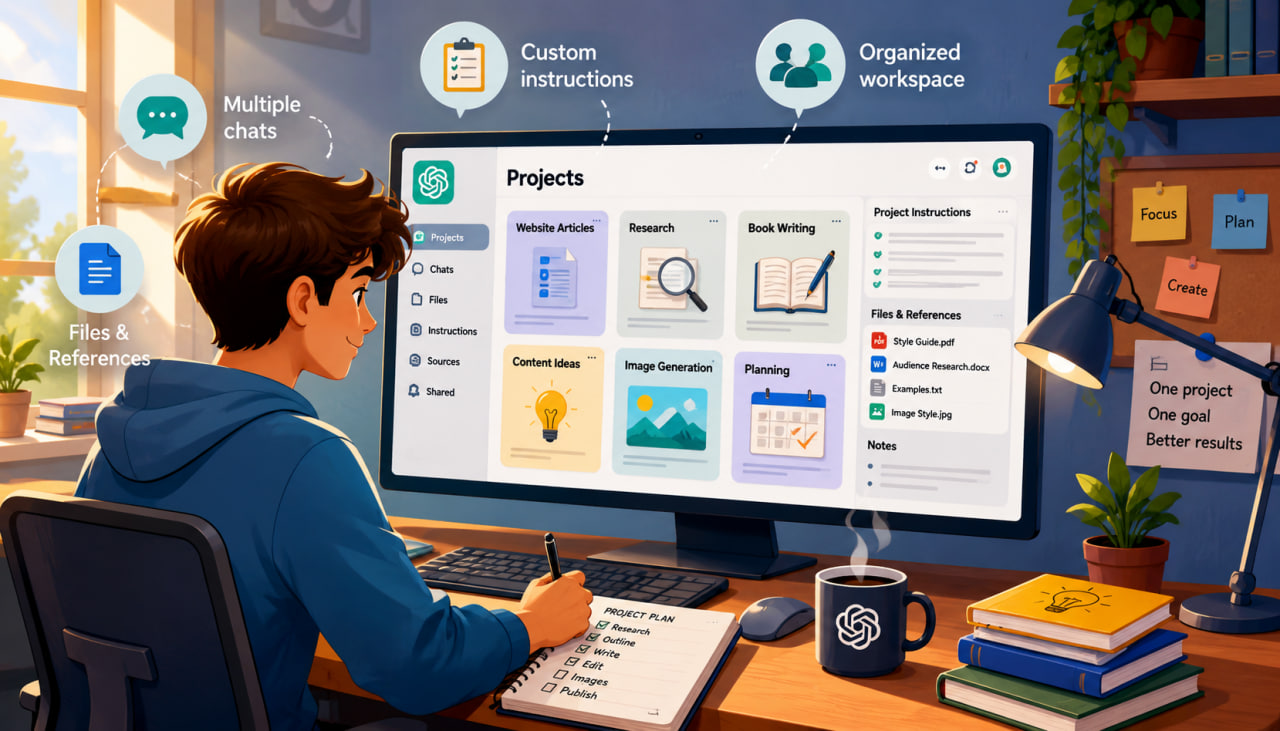
Instead of keeping every discussion in one long chat or repeatedly explaining the same background, you can create a project for a specific goal. All related materials stay together, making it easier to continue work over days, weeks, or months.
Antivirus software is one of the most familiar cybersecurity tools, yet many users are unsure what it actually does. Modern antivirus programs do much more than search for traditional computer viruses. They monitor files, applications, downloads, memory, and system activity for many forms of malicious software.