
Why Can't You Divide by Zero? The Mathematical Rule That Protects Arithmetic
Division is one of the most familiar operations in mathematics. We use it to share objects, calculate prices, measure distances, and solve equations.
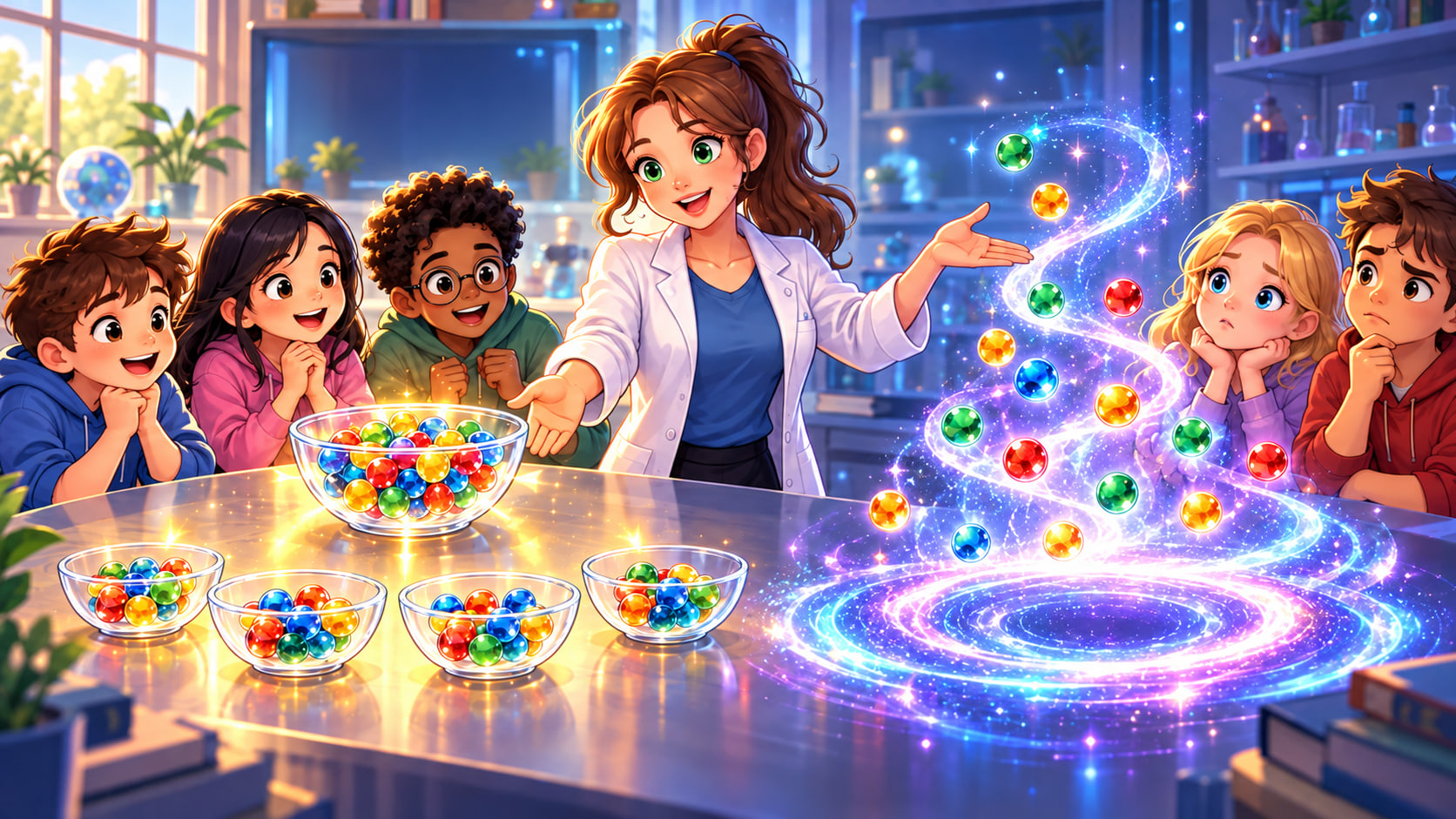
Division is one of the most familiar operations in mathematics. We use it to share objects, calculate prices, measure distances, and solve equations.
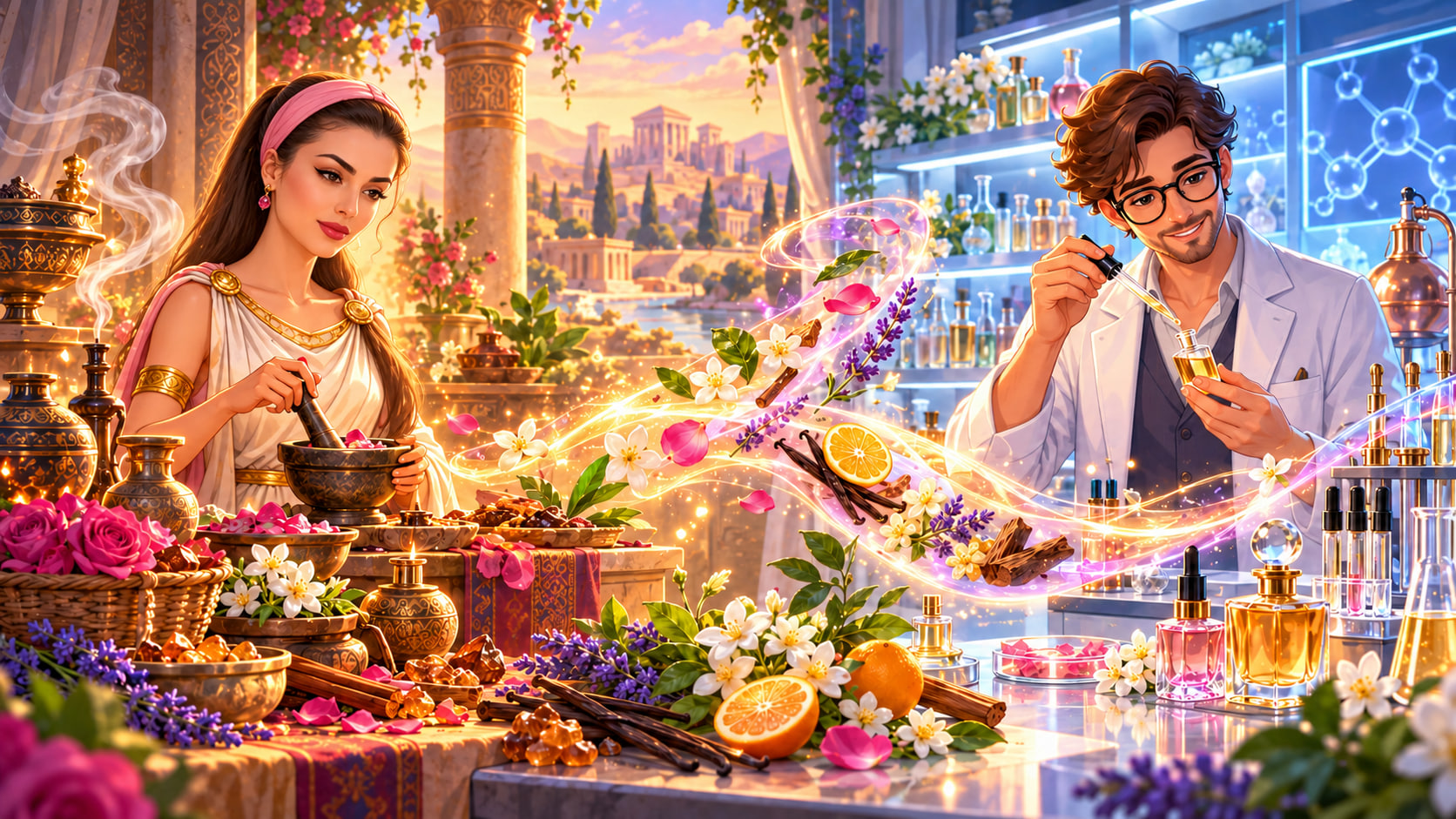
Perfume is one of humanity’s oldest forms of personal expression. Long before modern fragrance bottles appeared on dressing tables, aromatic resins, woods, flowers, oils, and spices were burned in temples, applied to the body, and used in ceremonies.
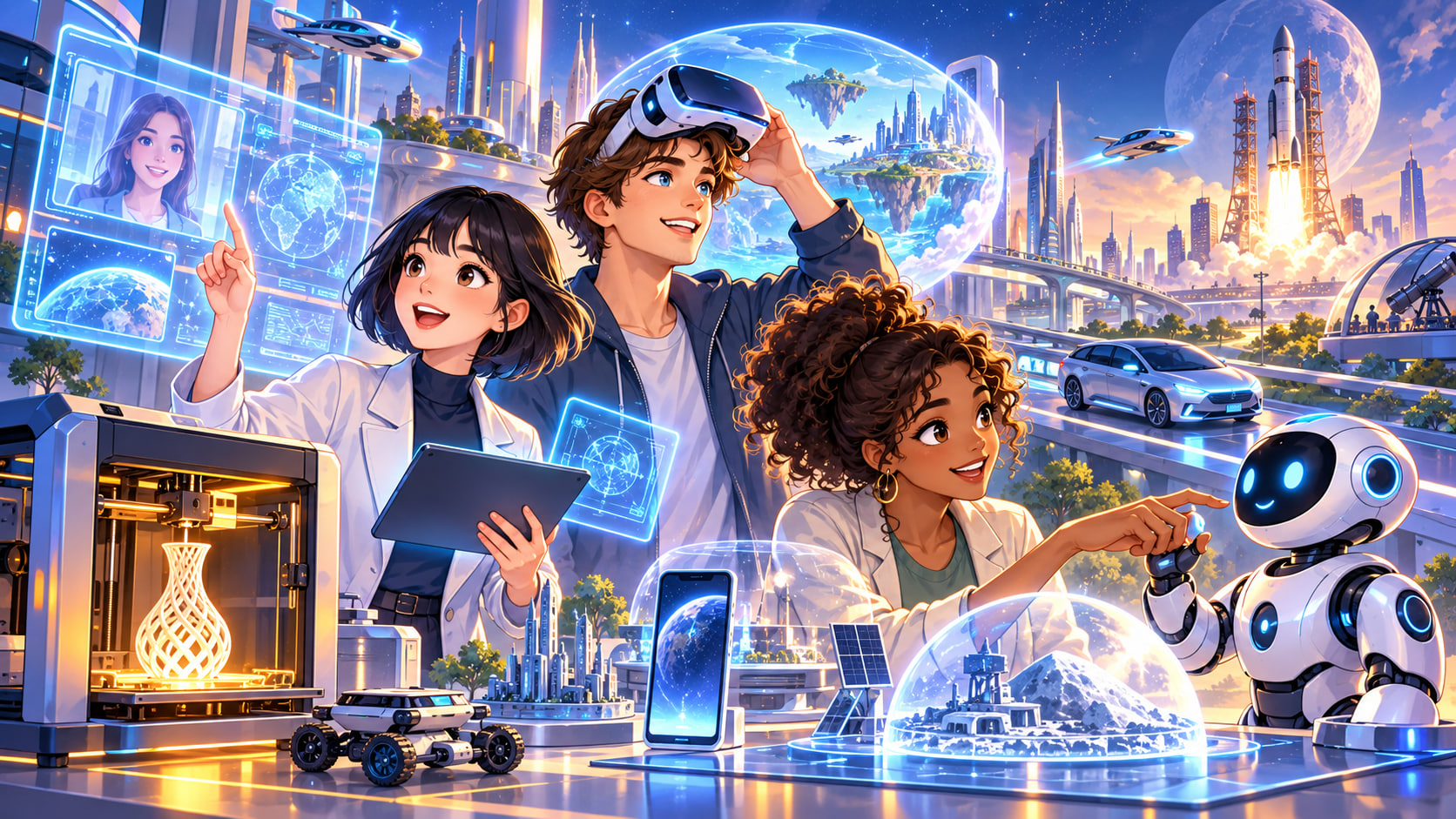
Science fiction has imagined artificial intelligence, video calls, space travel, intelligent robots, virtual worlds, wearable computers, and machines capable of creating objects on demand. Many ideas that once seemed impossible are now ordinary parts of modern life.
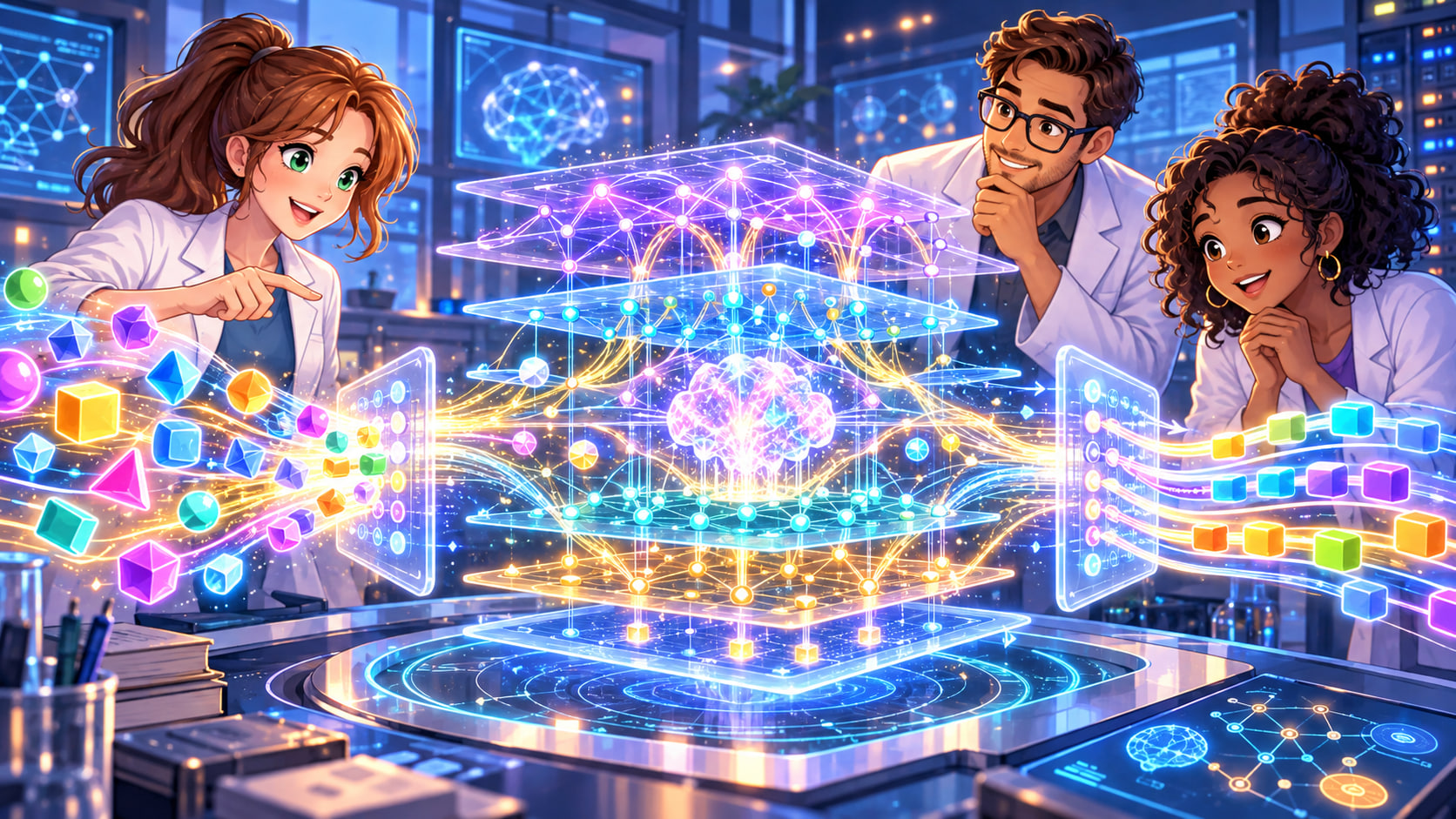
Large language models can write essays, summarize documents, translate languages, generate code, answer questions, and imitate many styles of human writing. From the outside, the experience can feel surprisingly conversational.
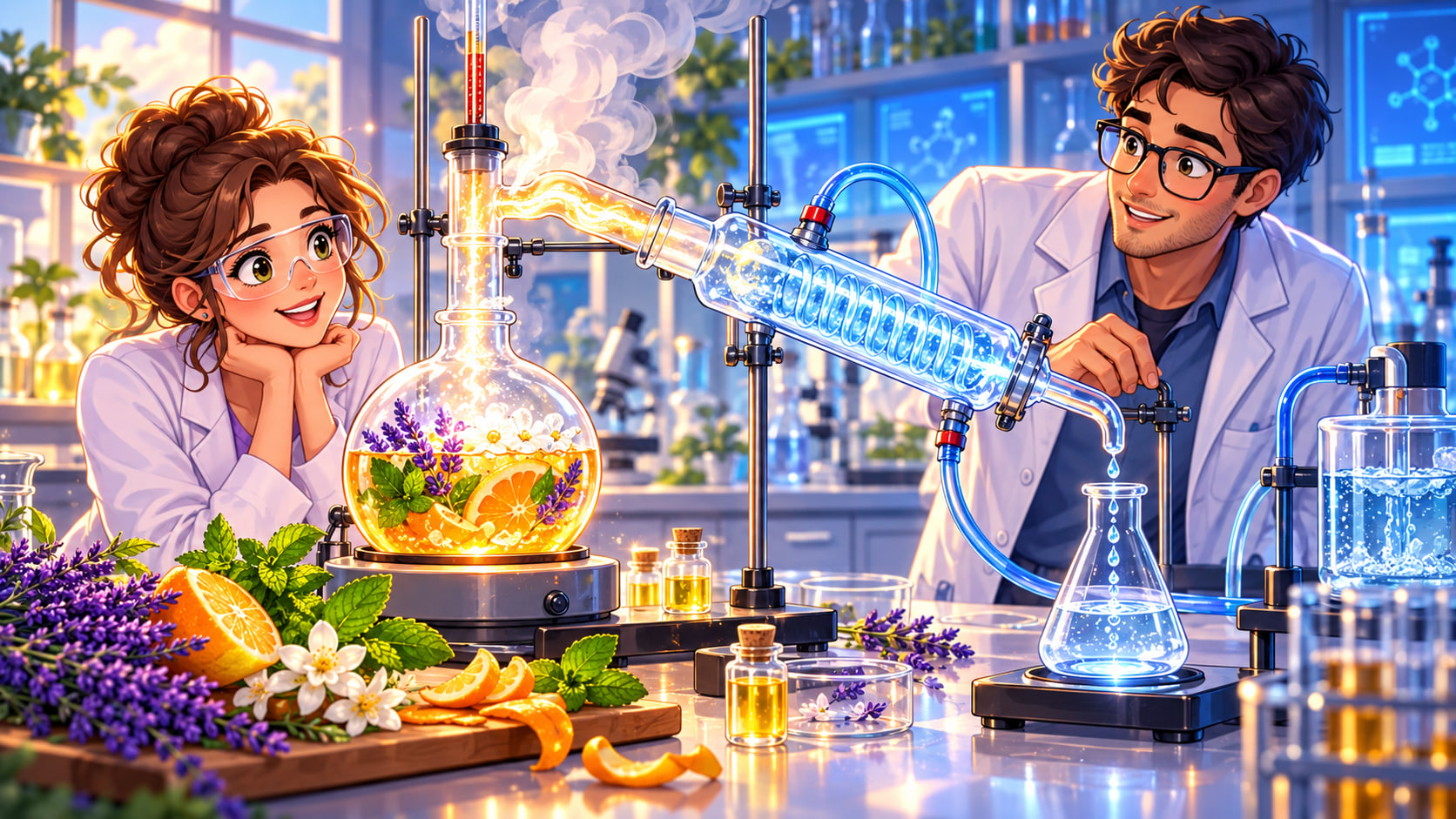
Distillation is one of the oldest and most useful separation technologies ever developed. It is used to purify water, manufacture chemicals, refine petroleum, produce fragrances, concentrate essential oils, prepare laboratory solvents, and create many alcoholic beverages.

Modern parental control apps can reduce these risks through content filtering, app restrictions, search controls, activity reports, and screen time management. No software can identify every dangerous situation, but the right combination of technology, device settings, and family rules can make online activity considerably safer.

From the dimensions of a doorway to the spacing of columns and the proportions of an entire façade, buildings depend on numerical relationships. Among the most famous of these relationships is the golden ratio, a mathematical proportion often associated with harmony, balance, and visual beauty.
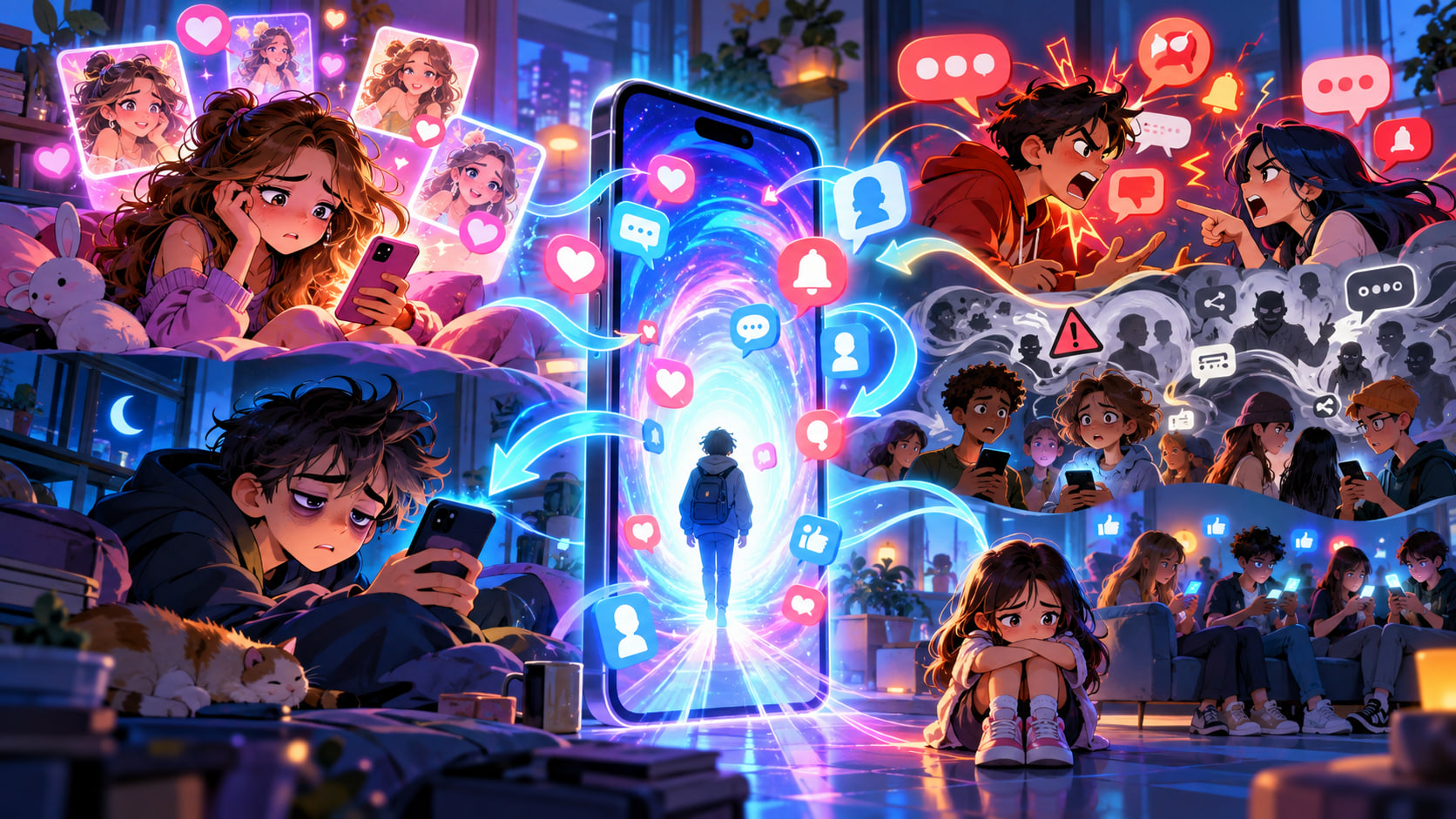
Social media has transformed the way people communicate, consume news, build relationships, and participate in public life. Billions of people can now share information instantly, connect across continents, and discover communities that would once have been impossible to reach.
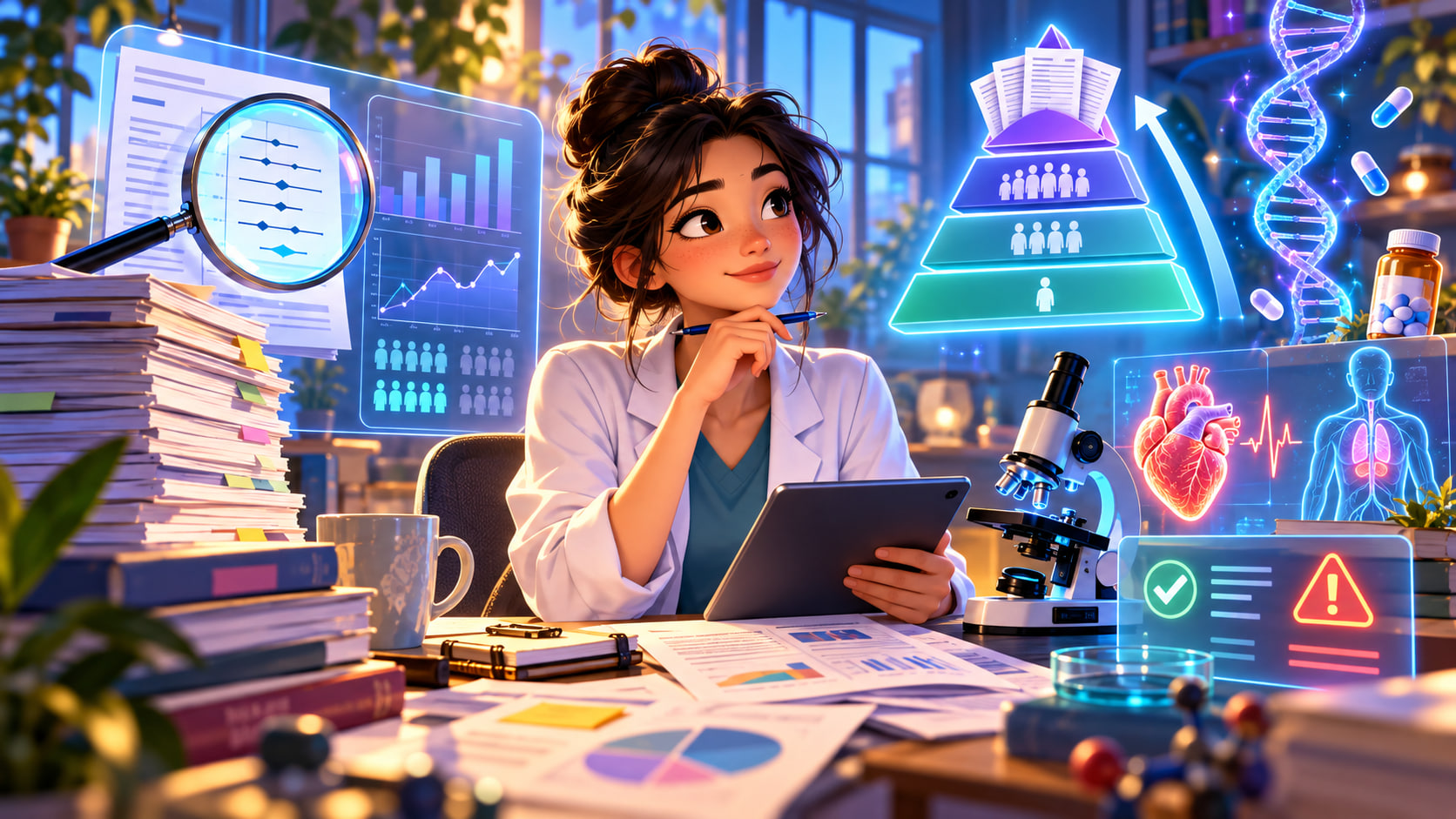
Every day, new headlines announce revolutionary treatments, miracle diets, and scientific discoveries that promise to transform human health. One study claims coffee prevents disease, while another suggests the opposite. A supplement appears promising in laboratory experiments, only to disappoint in clinical trials.
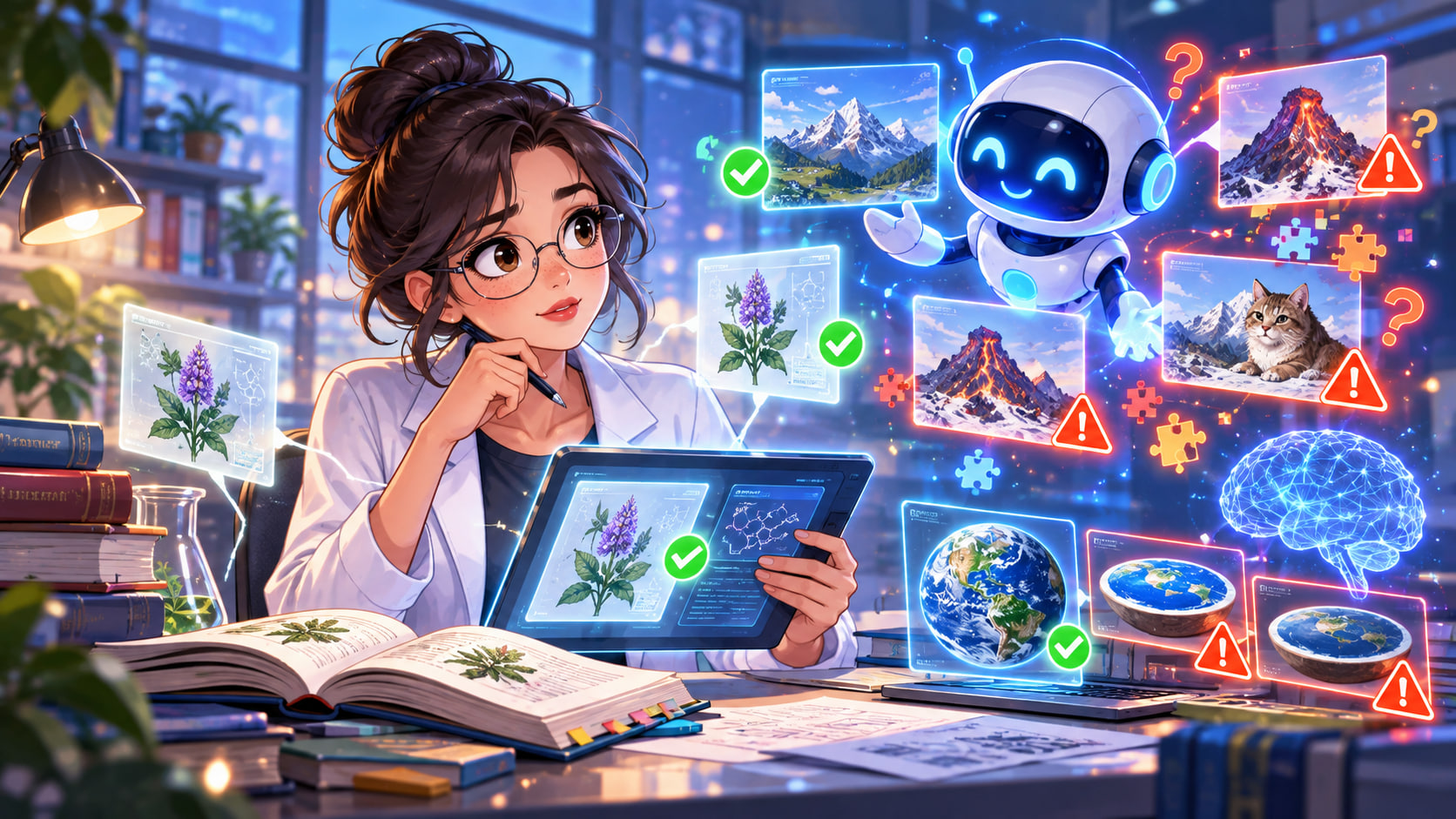
Artificial intelligence is rapidly becoming part of everyday life. Millions of people use AI chatbots to answer questions, write emails, analyze documents, generate images, and solve complicated problems.