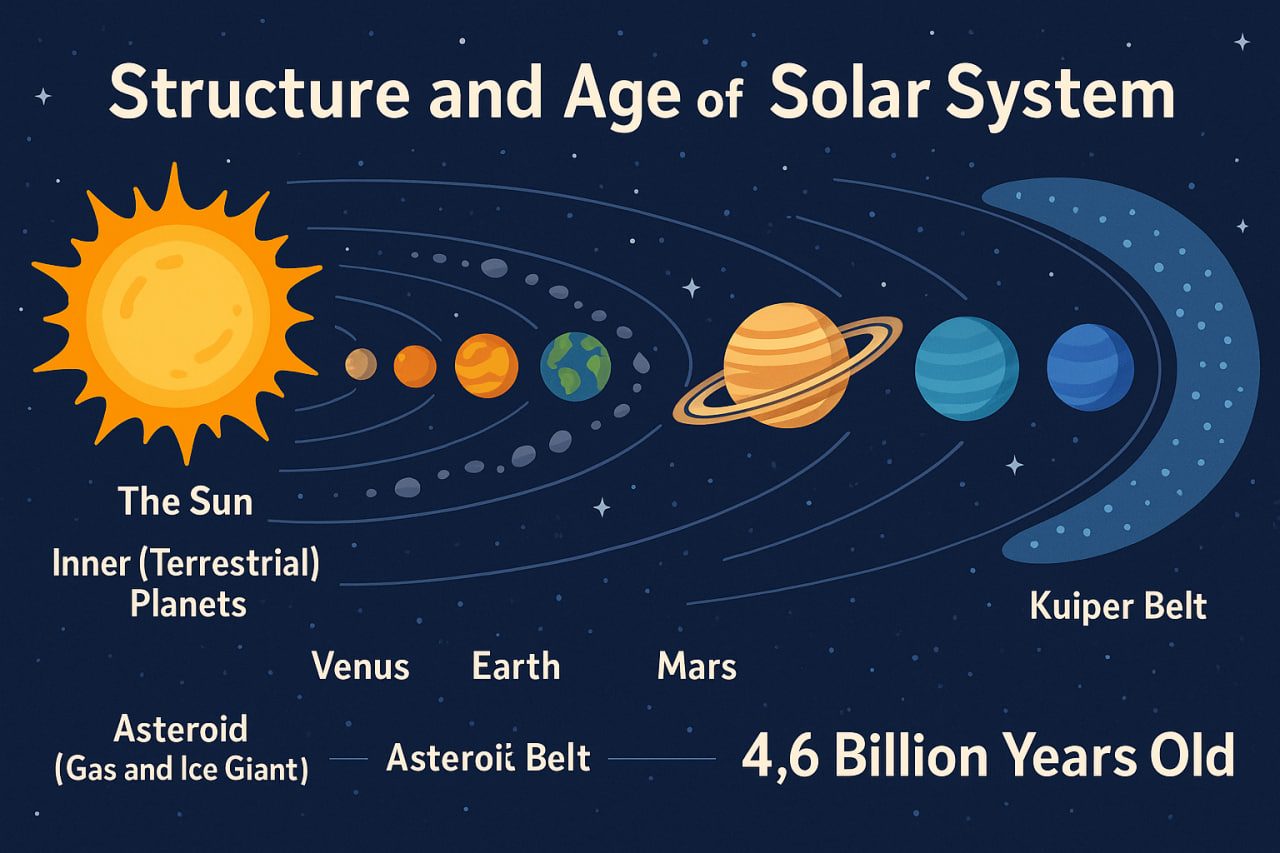
The Solar System is a complex and dynamic system of planets, moons, asteroids, comets, and other celestial bodies orbiting our central star—the Sun. It’s our cosmic neighborhood, and its structure and age provide key clues about the origin of Earth and the broader workings of the universe.
Metal-plastic is a composite material that combines the strength of metal with the flexibility and corrosion resistance of plastic. This hybrid material has revolutionized many industries, from construction and plumbing to automotive manufacturing and consumer goods.
Gold is a soft, yellow metal known for its shine, rarity, and resistance to corrosion. Chemically, it’s an element with the symbol Au (from the Latin word aurum) and atomic number 79. Gold is one of the few metals that occurs naturally in a pure, metallic state—often found in nuggets, grains, or veins in rocks. Due to its beauty and durability, gold has been prized by civilizations for thousands of years—for jewelry, money, and art.
A mirror is a smooth surface—typically made of glass with a metallic coating—that reflects light in a way that preserves the shape and detail of objects in front of it. Mirrors are a part of our daily lives: we use them when grooming, driving, decorating homes, and in high-tech applications like telescopes, lasers, and scientific instruments. The most common mirrors are plane mirrors, which produce images that appear to be behind the surface at the same distance as the object in front of them.
The origins of social media trace back to the 1970s and 1980s, long before Facebook and Instagram. Early online communities formed through bulletin board systems (BBS) and Usenet, where users could post messages, share files, and discuss topics via dial-up connections. These platforms were text-based and often limited to local users, but they laid the groundwork for online interaction. By the 1990s, services like AOL, CompuServe, and IRC (Internet Relay Chat) expanded digital communication, introducing chat rooms, personal profiles, and instant messaging — all core components of modern social networks.
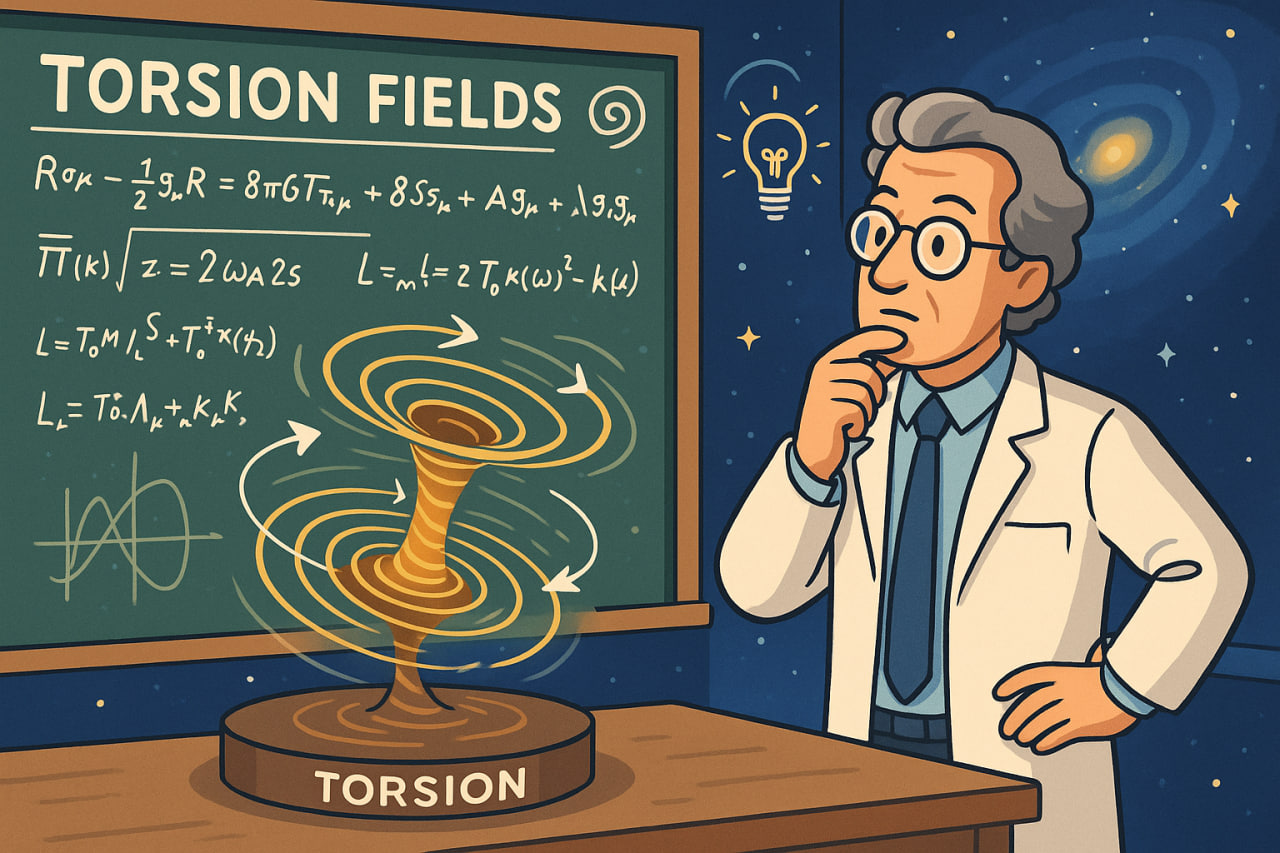
In advanced physics, torsion fields are explored as a possible extension to general relativity — Albert Einstein's theory of gravity. Unlike traditional models where gravity is described as curvature of spacetime by mass, theories involving torsion suggest spacetime may also twist, especially in the presence of spinning matter. This idea is formalized in models such as the Einstein–Cartan theory, which adds torsion (geometric twisting) to the fabric of spacetime. In this context, torsion interacts not with mass, but with intrinsic spin of particles — a fundamental property of elementary matter.
Dust may seem harmless, but for computers and laptops, it can be a silent enemy. Over time, dust accumulates inside your device — especially around cooling fans, air vents, and heat sinks — and creates several serious issues: Overheating: Dust blocks airflow, which reduces the efficiency of cooling systems. Overheating leads to throttling, system slowdowns, or even component damage. Fan noise: As dust builds up, fans must spin faster to keep temperatures down, creating louder noise and using more power. Reduced performance and lifespan: High internal temperatures reduce the performance of CPUs and GPUs and accelerate wear on components. Risk of short-circuiting: In extreme cases, dust mixed with humidity can cause electrical short circuits. Keeping your device clean means keeping it cool, quiet, and efficient.
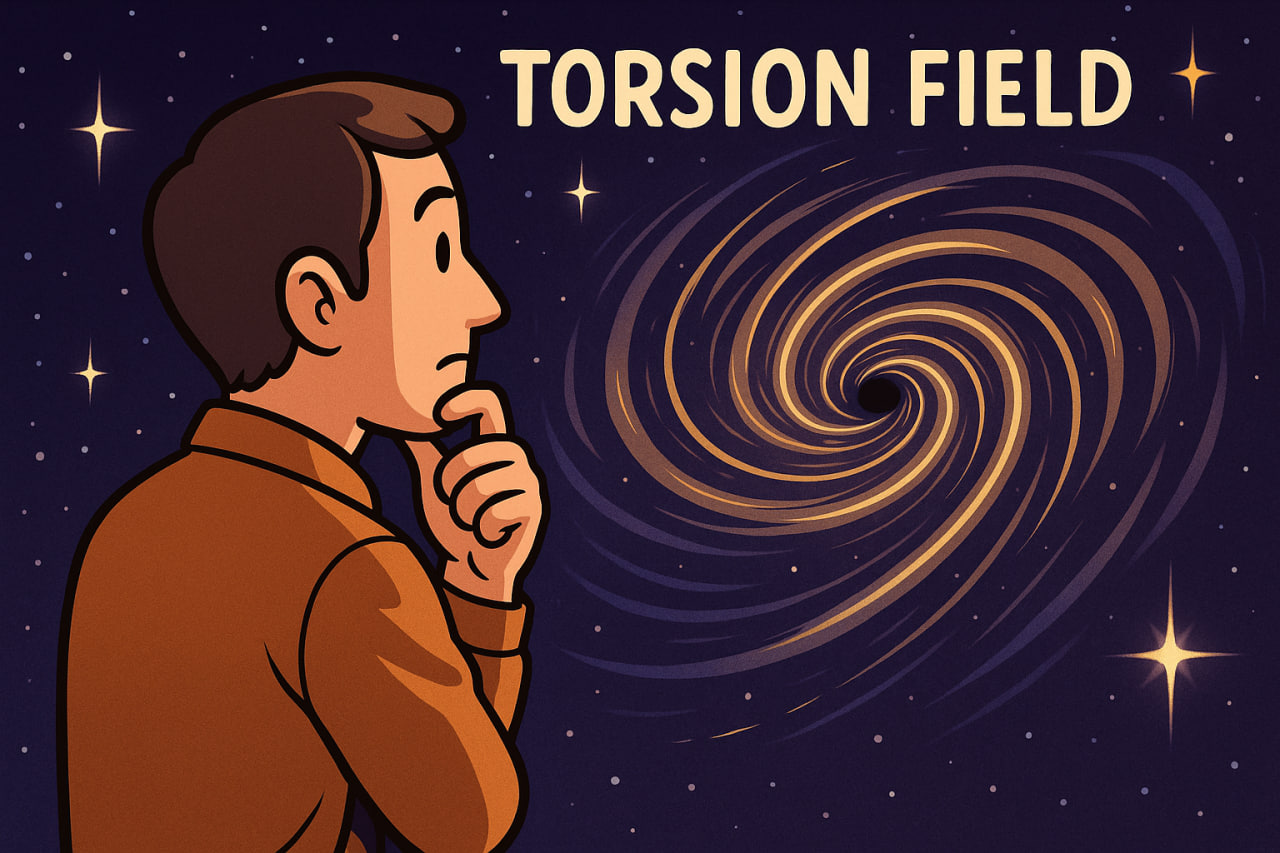
Torsion fields are a controversial and largely theoretical concept in physics, referring to hypothetical fields that arise from the twisting or spinning of spacetime. Unlike electric or magnetic fields, which are well-studied and experimentally confirmed, torsion fields are not currently recognized as part of mainstream physics. They are typically discussed in the context of extensions of general relativity and quantum gravity theories. In theory, torsion fields are thought to be generated by spin angular momentum — that is, the intrinsic "twisting" of particles — and might interact with matter in ways not yet fully understood.
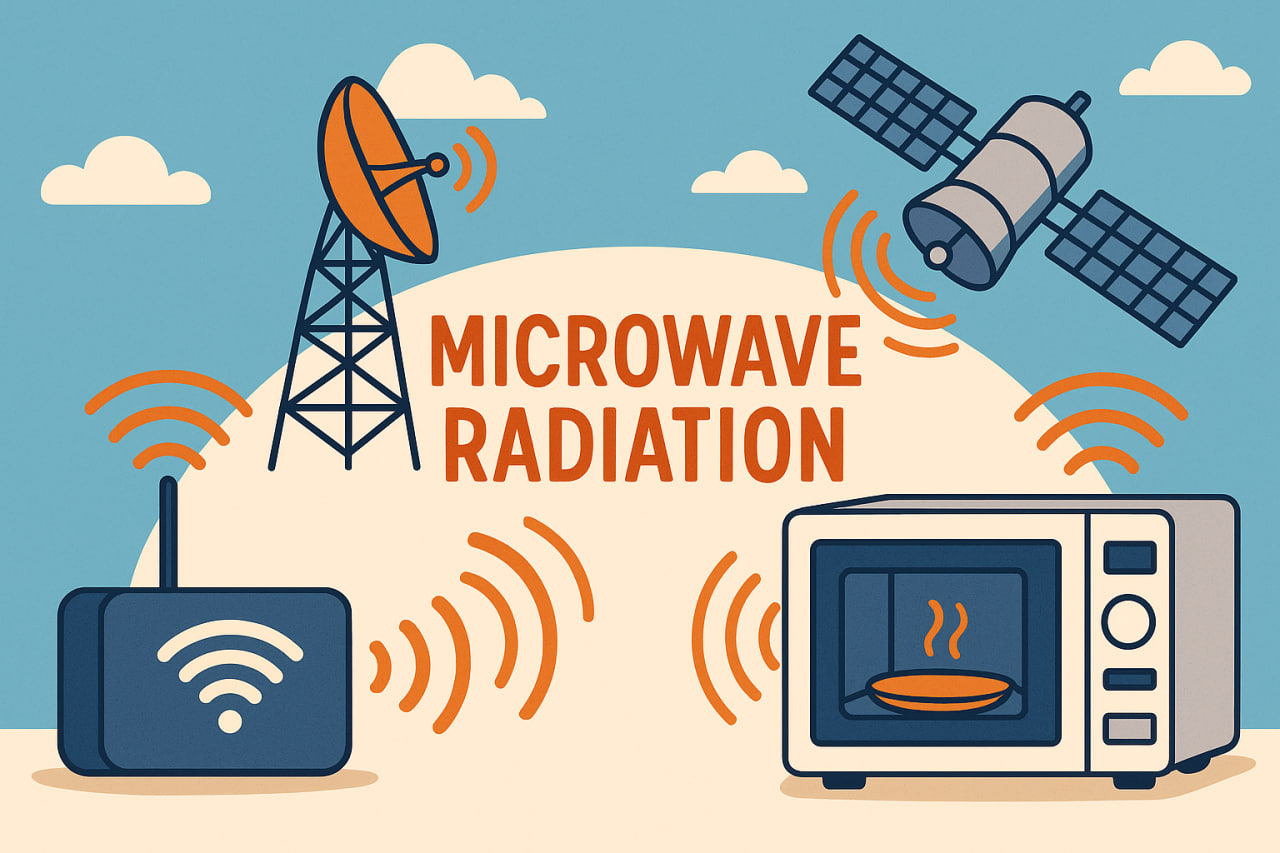
Microwave radiation is a type of electromagnetic wave, located on the spectrum between radio waves and infrared radiation. With wavelengths ranging from about 1 millimeter to 30 centimeters, microwaves are used in many everyday technologies — from mobile communication to satellite transmission and, of course, microwave ovens. Despite the word “radiation,” microwaves are non-ionizing, meaning they don’t have enough energy to damage DNA or cause ionization in atoms. They work primarily by exciting water molecules and other polar substances.