Be Smart

The Earth's Mantle
Be Smart Earth & Moon

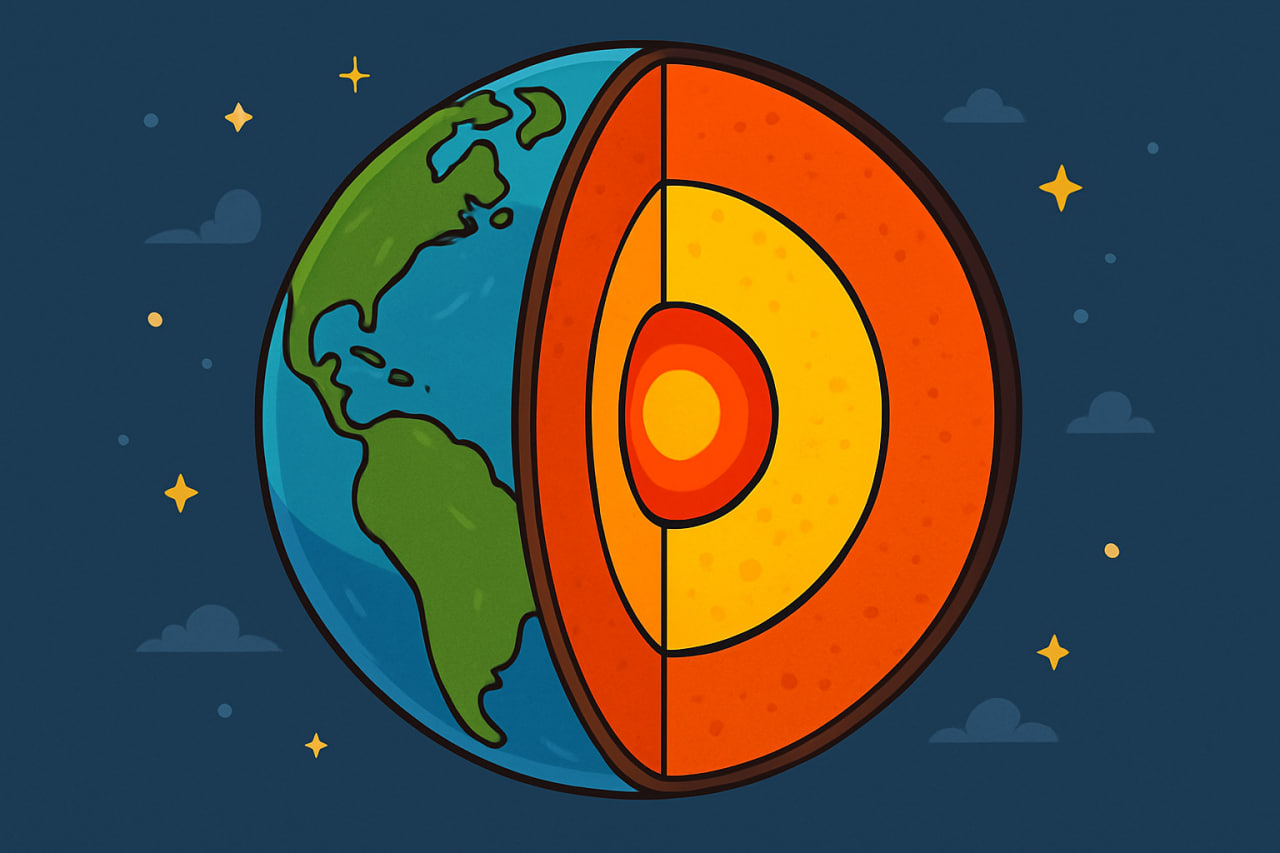
The Earth's Mantle

The mantle is a massive layer of rock located between the Earth's crust and core. It makes up about 84% of the Earth's total volume and plays a key role in the planet's geological activity. This region extends from roughly 35 kilometers below the surface (under continents) or 7–10 kilometers (under oceans) to a depth of around 2,900 kilometers.

What Are Light Years?
Space Stories Universe Be Smart

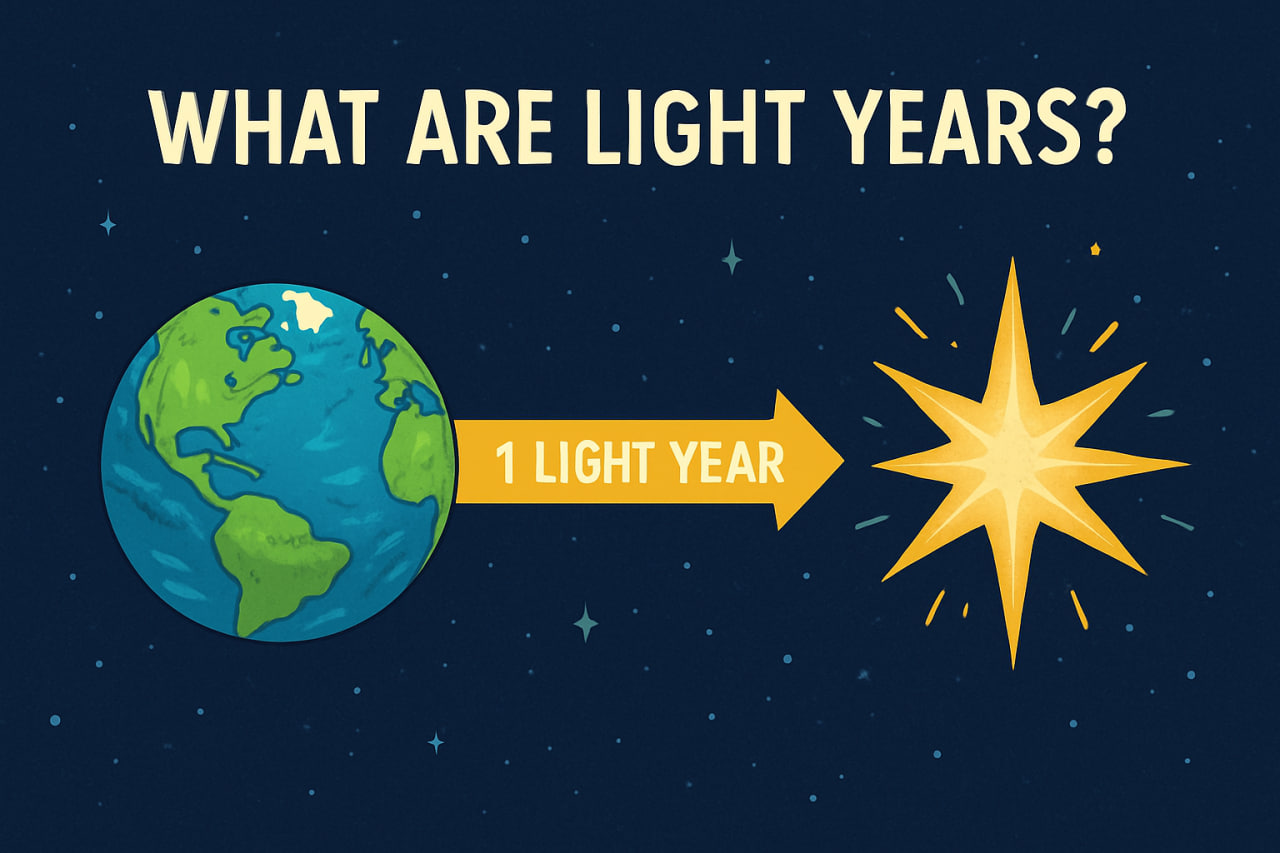
What Are Light Years?

When astronomers talk about stars, galaxies, or other celestial objects, they often use the term "light year" — but it’s not a measure of time. Despite the word “year”, a light year is actually a unit of distance, representing how far light travels in one year. Given the vastness of the universe, ordinary kilometers or miles become impractical, so light years allow scientists to talk about enormous cosmic scales more clearly.

What Is a Photon?
Universe Science Be Smart

What Is a Photon?

When we think of light, we usually imagine beams or waves. But in modern physics, light also behaves like a particle — and that particle is called a photon. A photon is the fundamental unit, or quantum, of electromagnetic radiation, including visible light, X-rays, microwaves, and radio waves. Unlike many particles in nature, photons have no mass and always travel at the speed of light. Understanding photons is essential to grasping the nature of light, energy, and the very foundations of quantum mechanics.

What Happens to the Human Body in Microgravity?
Science Be Smart

What Happens to the Human Body in Microgravity?

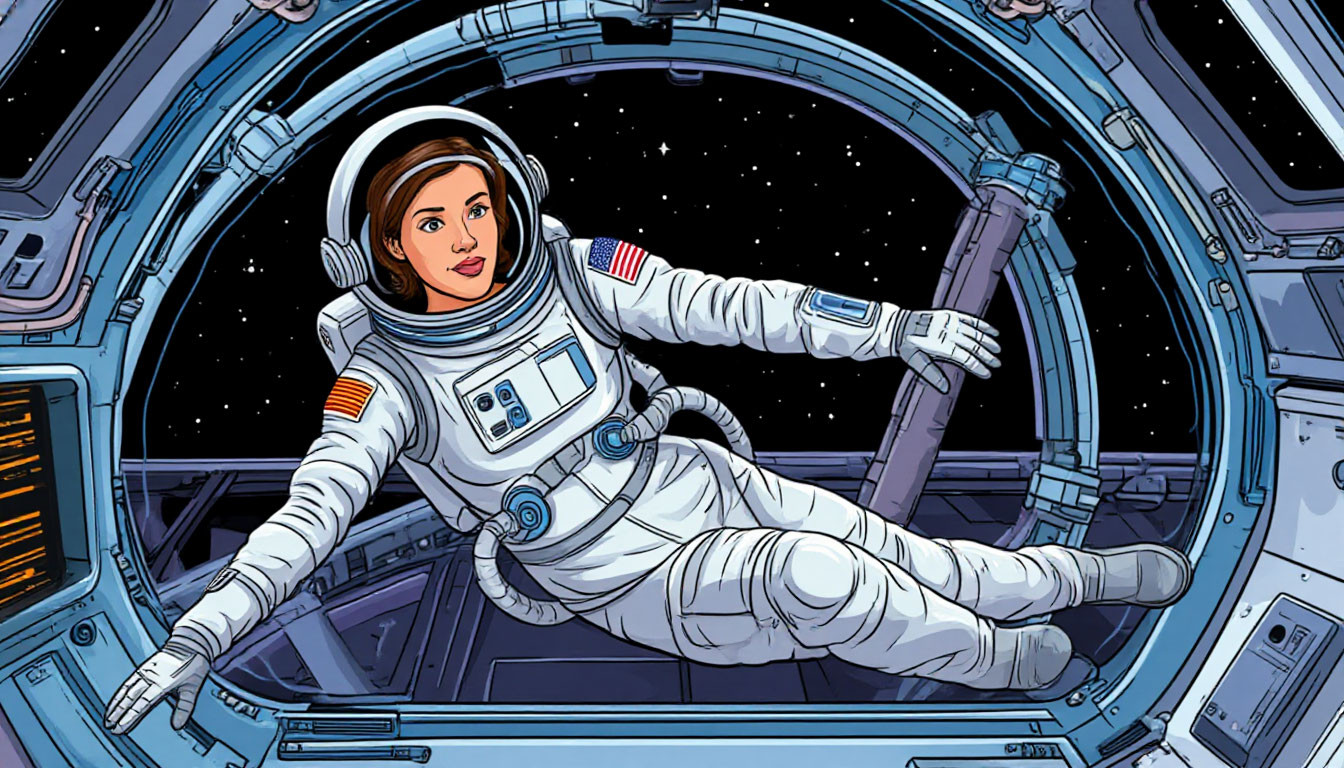
Life on Earth has evolved under the constant pull of gravity. But when astronauts travel into space, they experience microgravity, a condition in which gravity is so weak that objects appear to float. Though exciting for exploration, microgravity causes profound changes in the human body—some temporary, others with potential long-term health consequences.

The Sun’s Impact on Earth
Space Stories Be Smart Solar System

The Sun’s Impact on Earth

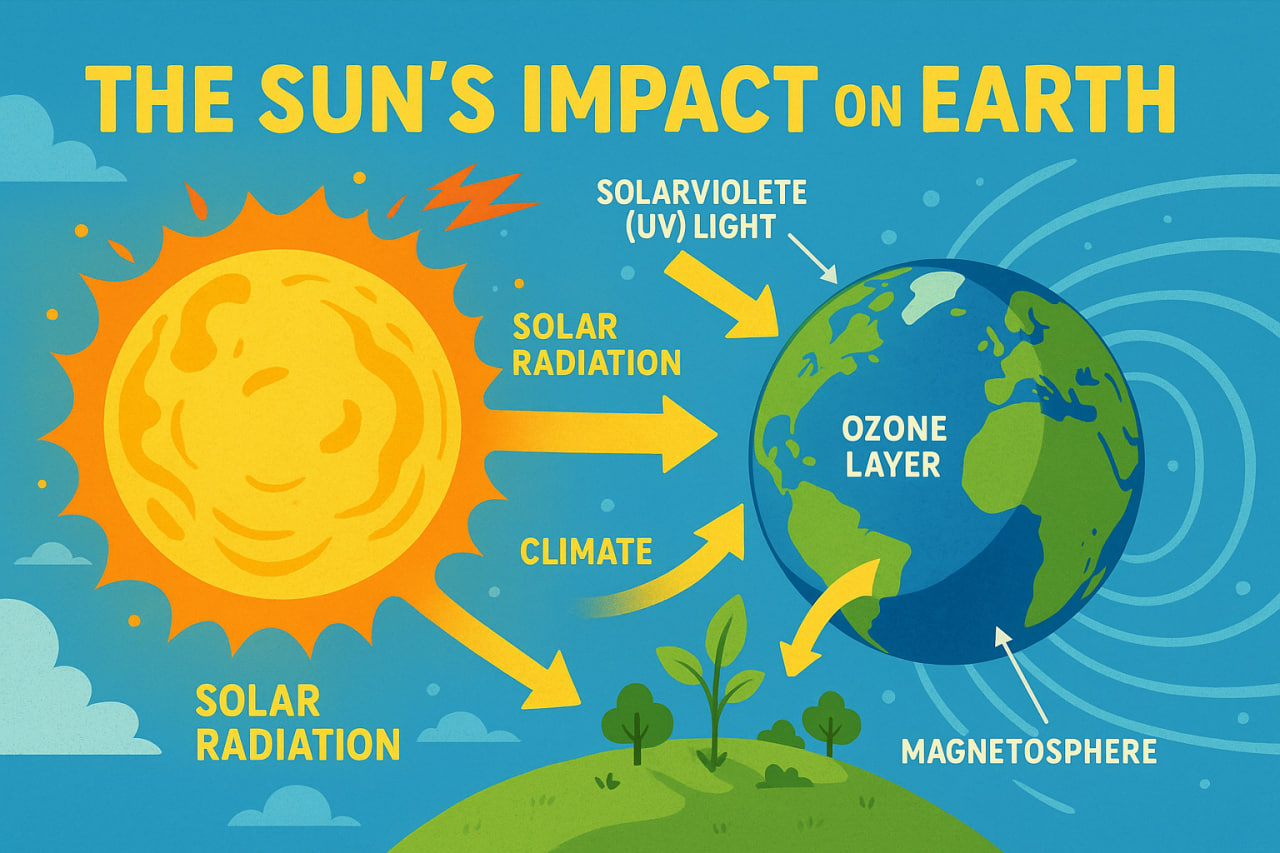
The Sun is the central driver of nearly all natural processes on Earth. As the closest star to our planet, it provides the energy necessary for life, powers the weather and climate systems, and influences Earth's magnetic field and atmosphere. However, the Sun is not just a steady source of light—its dynamic behavior can also pose risks to satellites, communication systems, and even human health.

Nuclear Power Plants
Hi-Tech Science Be Smart

Nuclear Power Plants

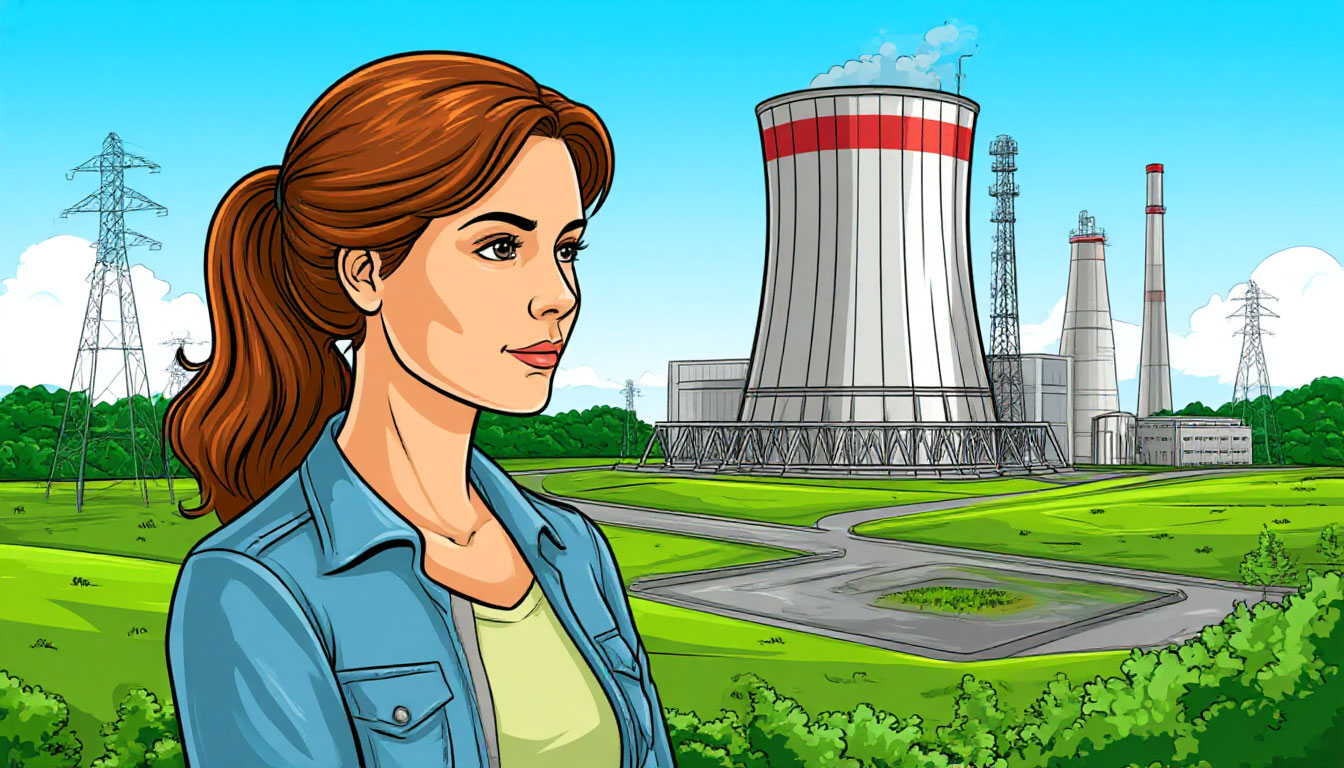
Nuclear power plants generate electricity by harnessing the energy released from splitting atoms in a process called nuclear fission. Unlike fossil fuel plants, they do not burn anything, which means they produce electricity with low carbon emissions. Today, nuclear energy supplies about 10% of the world’s electricity and plays an important role in the transition to cleaner energy sources.

Albert Einstein and His Discoveries
Science Be Smart

Albert Einstein and His Discoveries

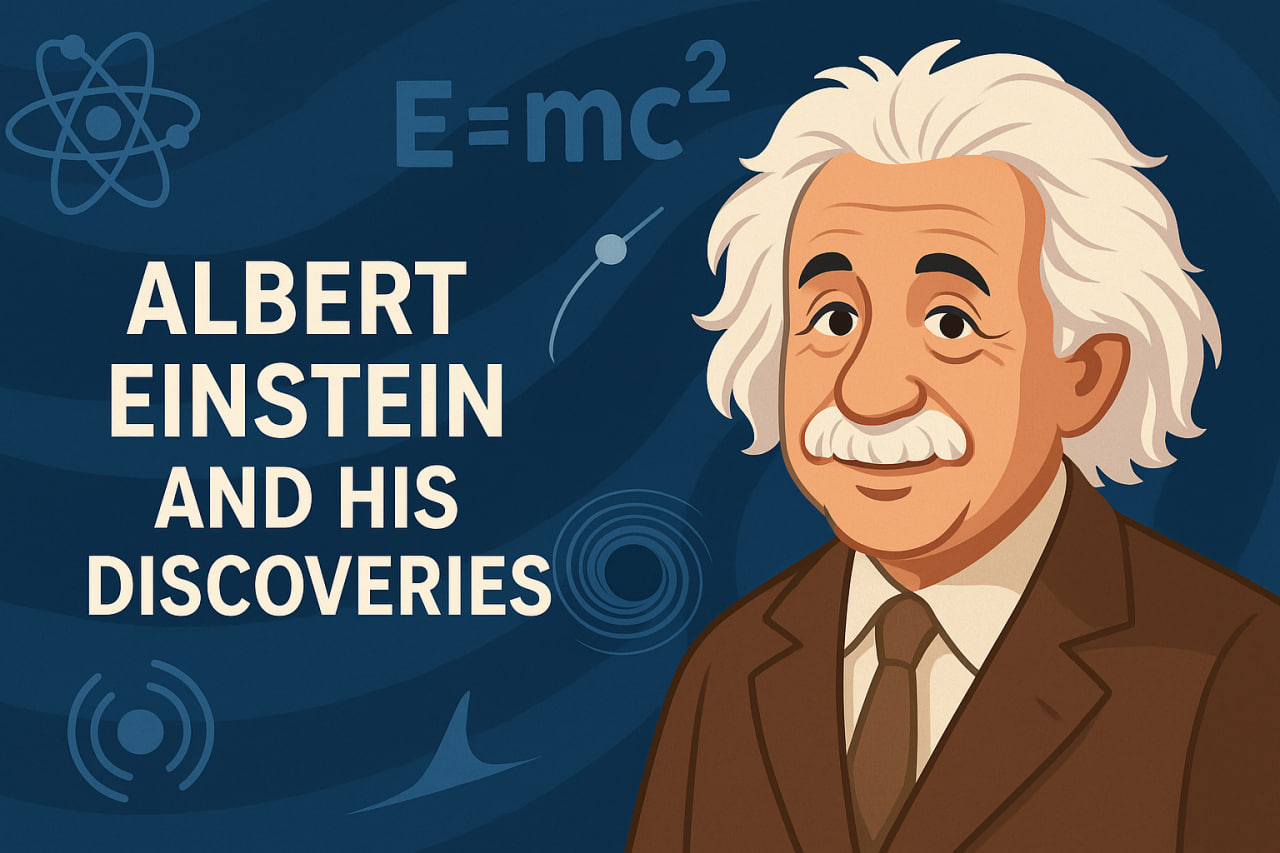
Albert Einstein was one of the most influential physicists in history. His theories transformed our understanding of space, time, and energy. Beyond his iconic status, Einstein made profound contributions to theoretical physics, many of which continue to shape science today. His work laid the foundation for much of modern physics, including the study of the universe, quantum mechanics, and cosmology.

How Rockets Are Launched
Cosmic Innovations Hi-Tech Be Smart

How Rockets Are Launched

A rocket launch is one of the most powerful and complex technological achievements of modern science. Rockets are designed to overcome Earth’s gravity and carry payloads—such as satellites, telescopes, or astronauts—into space. The launch process involves precision engineering, advanced fuel systems, and careful timing.

Lunar Eclipses: How and Why They Happen
Space Stories Universe Be Smart

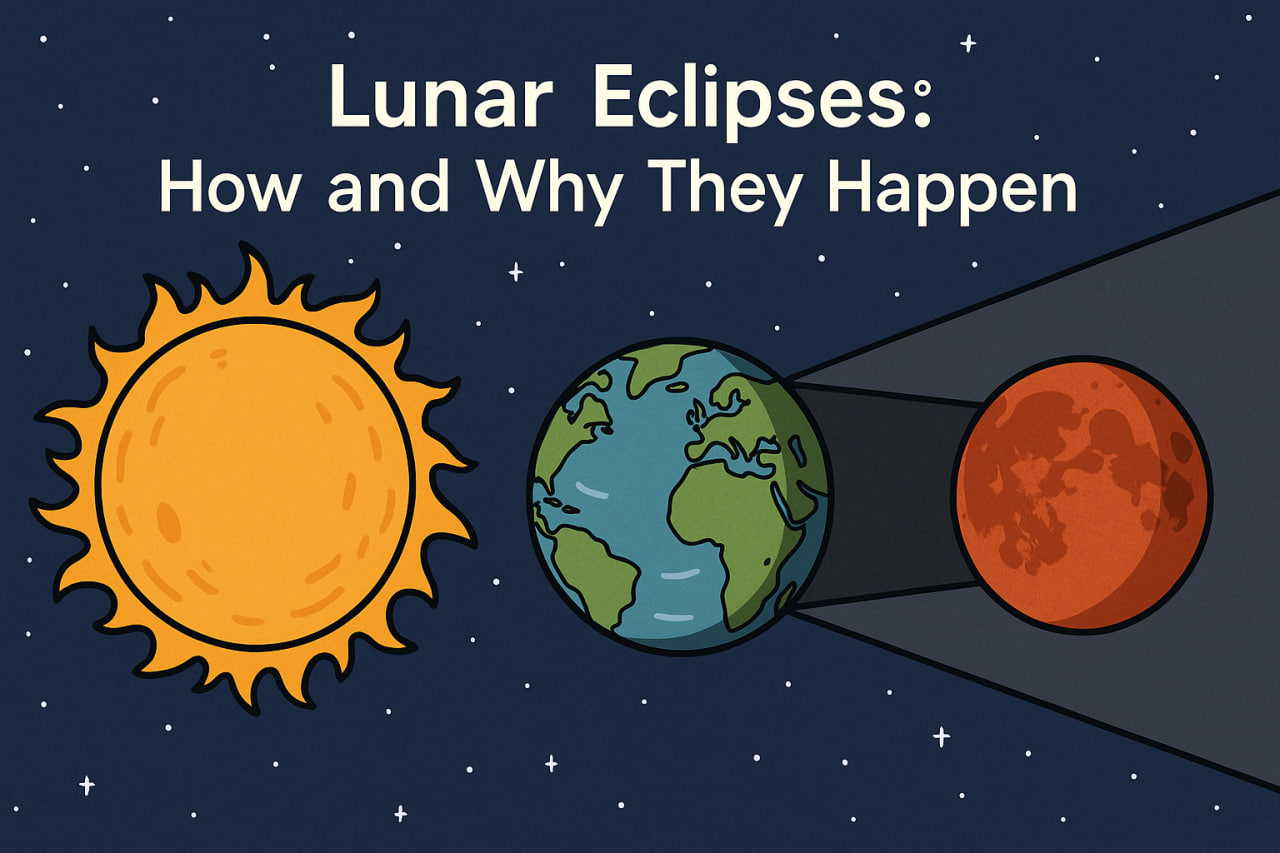
Lunar Eclipses: How and Why They Happen

A lunar eclipse is one of the most awe-inspiring celestial events visible from Earth. Unlike solar eclipses, which can only be seen from limited areas, lunar eclipses can be viewed by anyone on the night side of Earth when they occur. But what exactly causes a lunar eclipse, and why does the Moon sometimes appear red?

Genetics: The Blueprint of Life
Science Be Smart

Genetics: The Blueprint of Life

Genetics is the science that studies genes, DNA, and heredity—how traits are passed from one generation to the next. It is one of the most important fields in modern biology, helping us understand everything from eye color and inherited diseases to the origins of species and even potential cures for genetic disorders.