Be Smart

Astrophysics: The Science of the Universe
Space Stories Science Be Smart

Astrophysics: The Science of the Universe

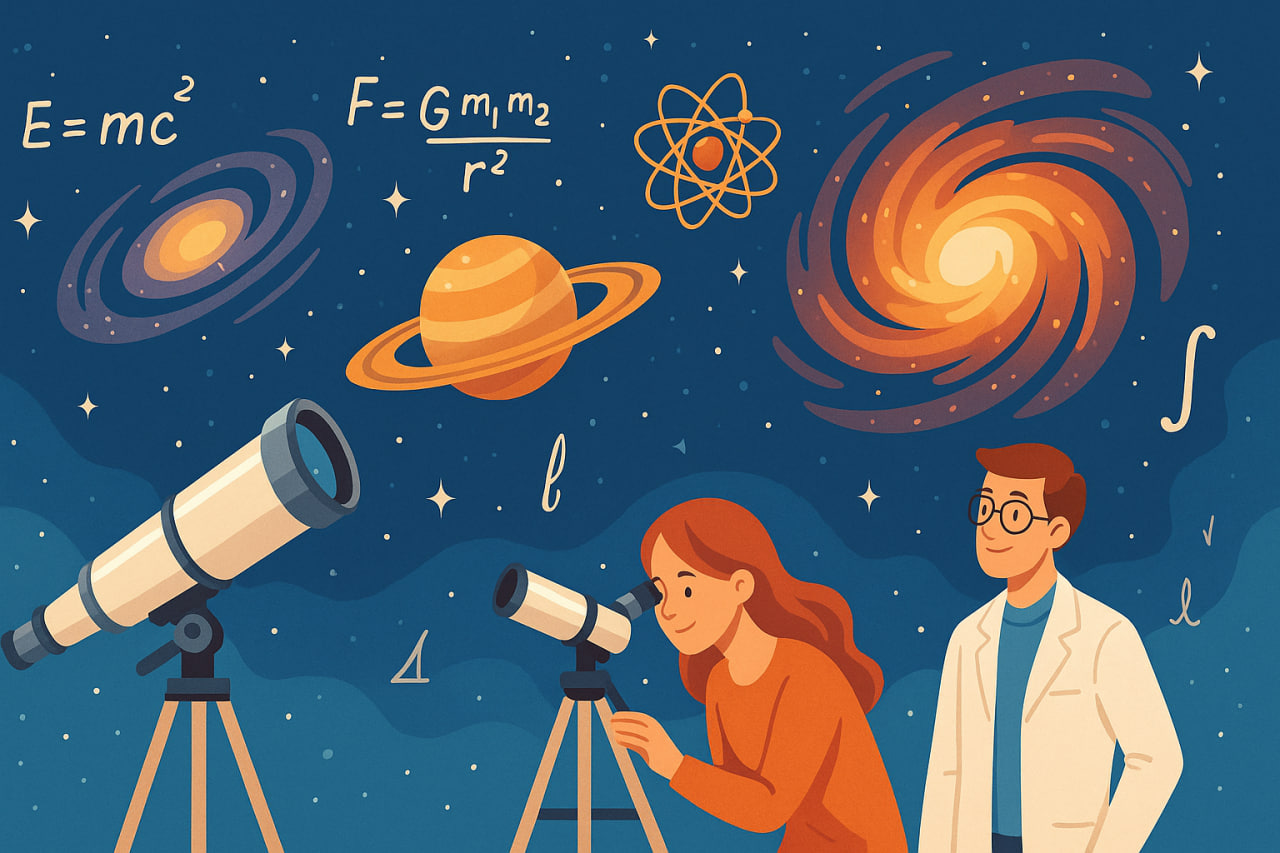
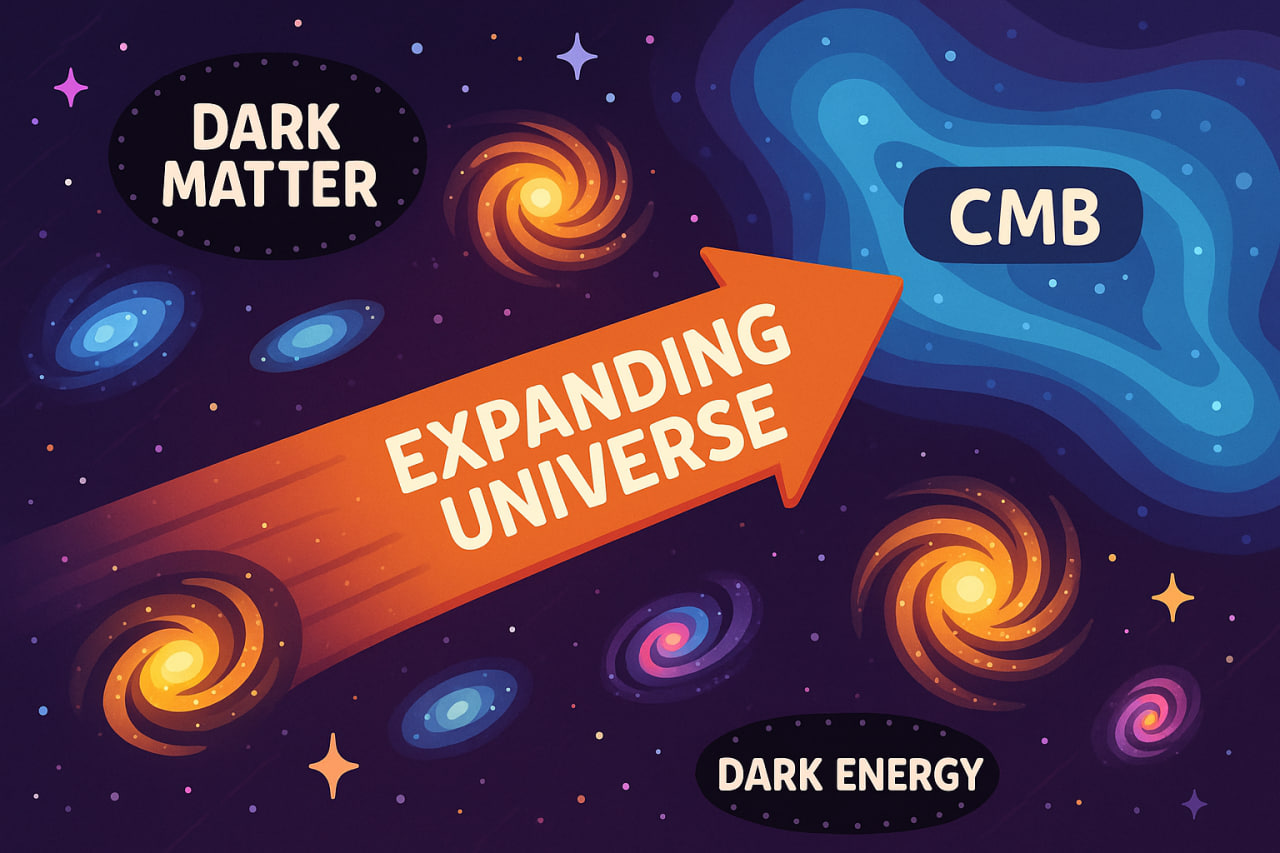
Astrophysics is the branch of astronomy that studies the physical nature of celestial objects and the processes that govern the universe. It combines principles of physics, mathematics, and astronomy to explain how stars shine, how galaxies form, what black holes are, and how the universe itself evolves. By looking deep into space, astrophysics helps us understand not only the cosmos but also the fundamental laws of nature.
Why Earth Is Magnetic
Universe Be Smart Earth & Moon

Why Earth Is Magnetic

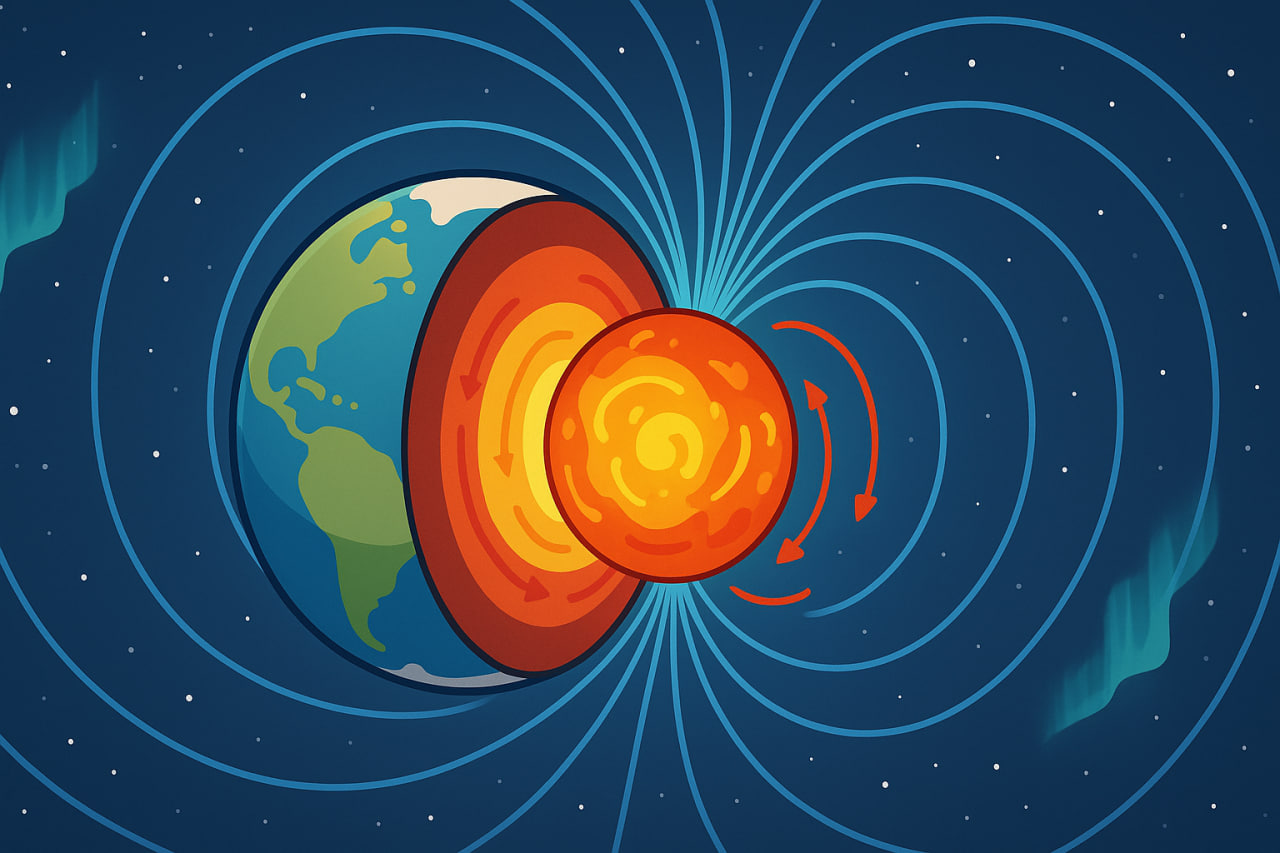
Earth behaves like a giant magnet, creating a magnetic field that extends far into space. This invisible shield, known as the magnetosphere, protects life from harmful cosmic and solar radiation. The origin of this magnetic field lies deep inside our planet, in the movement of molten metals within Earth’s core.

What Is the Ionosphere?
Science Be Smart Earth & Moon

What Is the Ionosphere?

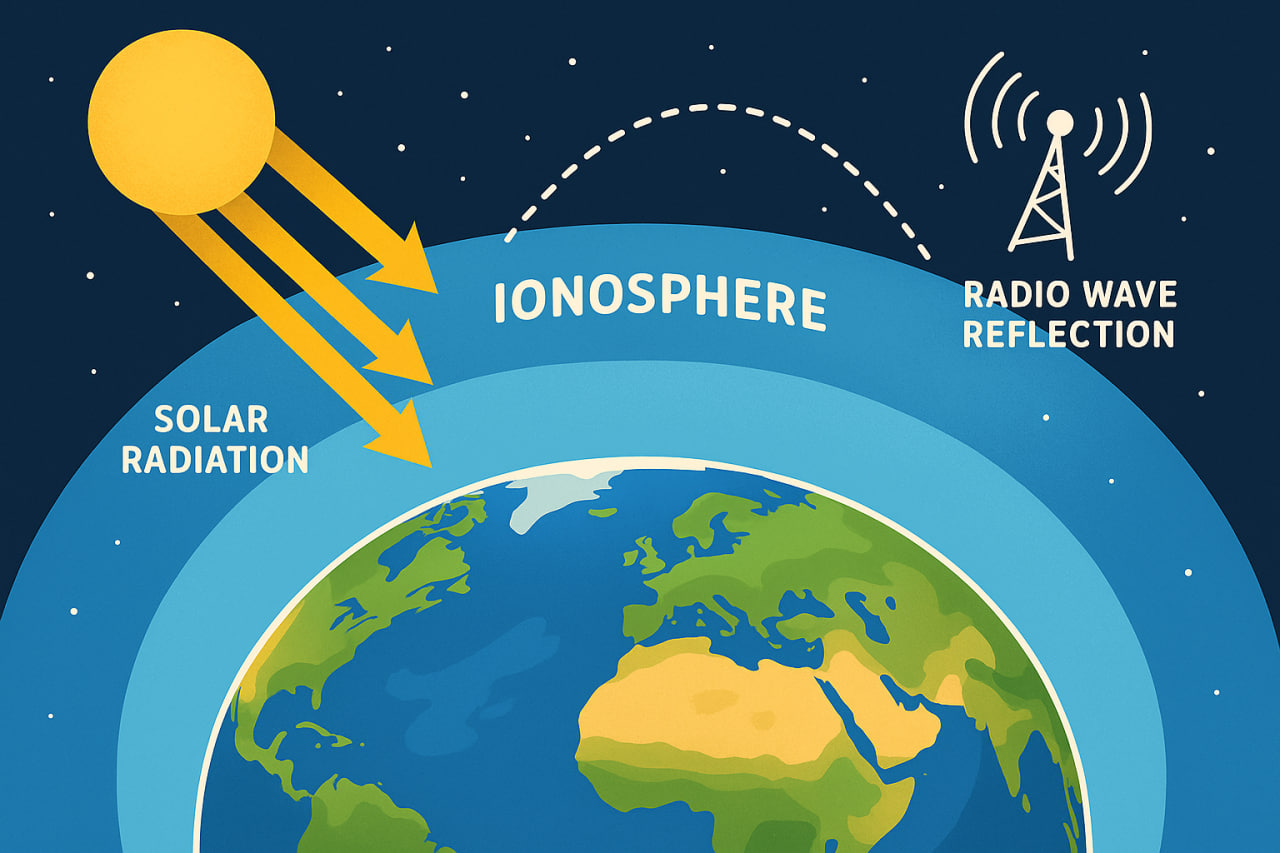
The ionosphere is a special region of Earth’s upper atmosphere, located roughly between 60 and 1,000 kilometers above the surface. It is filled with charged particles (ions and electrons), created when solar radiation strips electrons from atoms and molecules in the air. This layer plays a crucial role in radio communication, satellite systems, and space weather, making it one of the most important parts of the atmosphere for both science and technology.

Astrobiology
Science New Discoveries Be Smart

Astrobiology

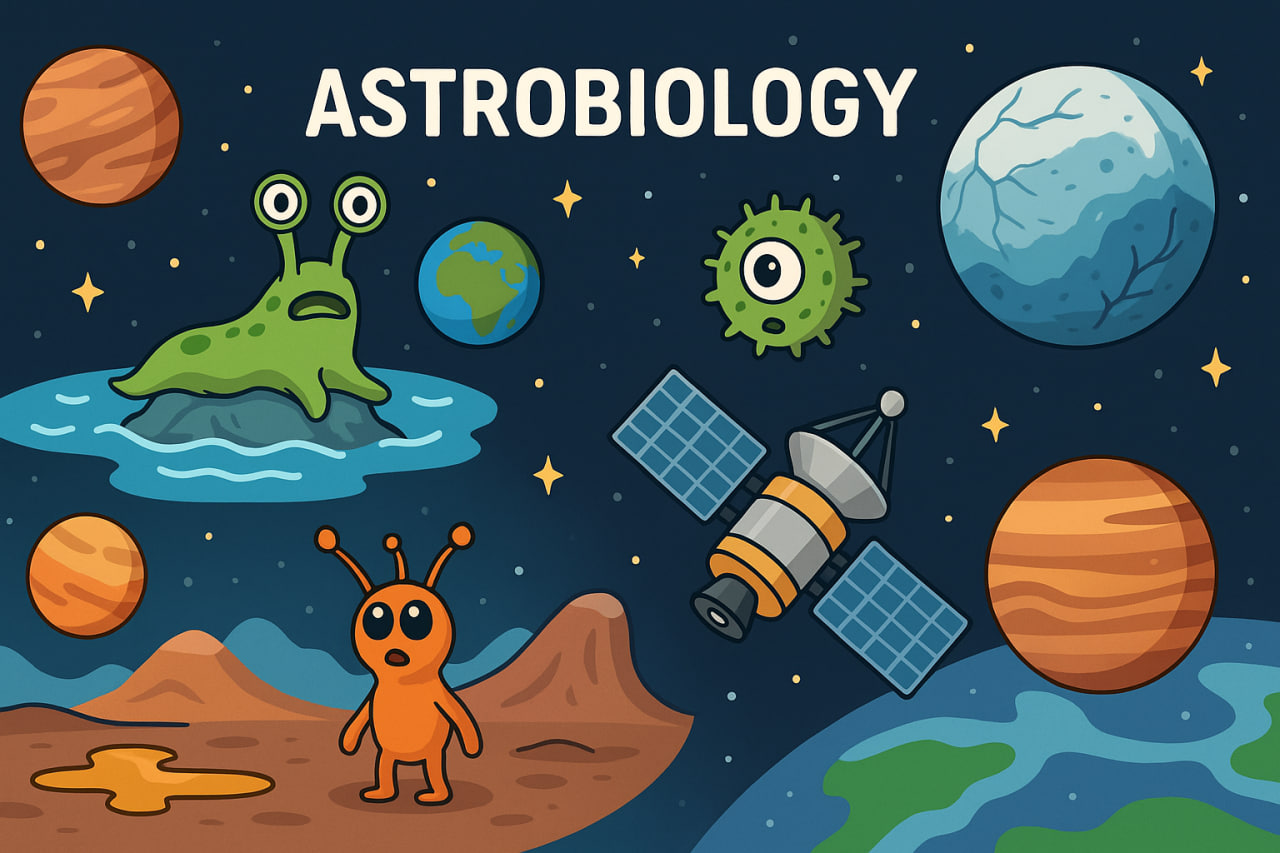
Astrobiology is the scientific field that studies the origin, evolution, distribution, and future of life in the universe. It combines knowledge from astronomy, biology, chemistry, geology, and physics to answer one of humanity’s oldest questions: Are we alone in the universe? This science not only looks for extraterrestrial life but also helps us better understand the conditions that allow life to thrive on Earth.

Albedo
Science Be Smart

Albedo

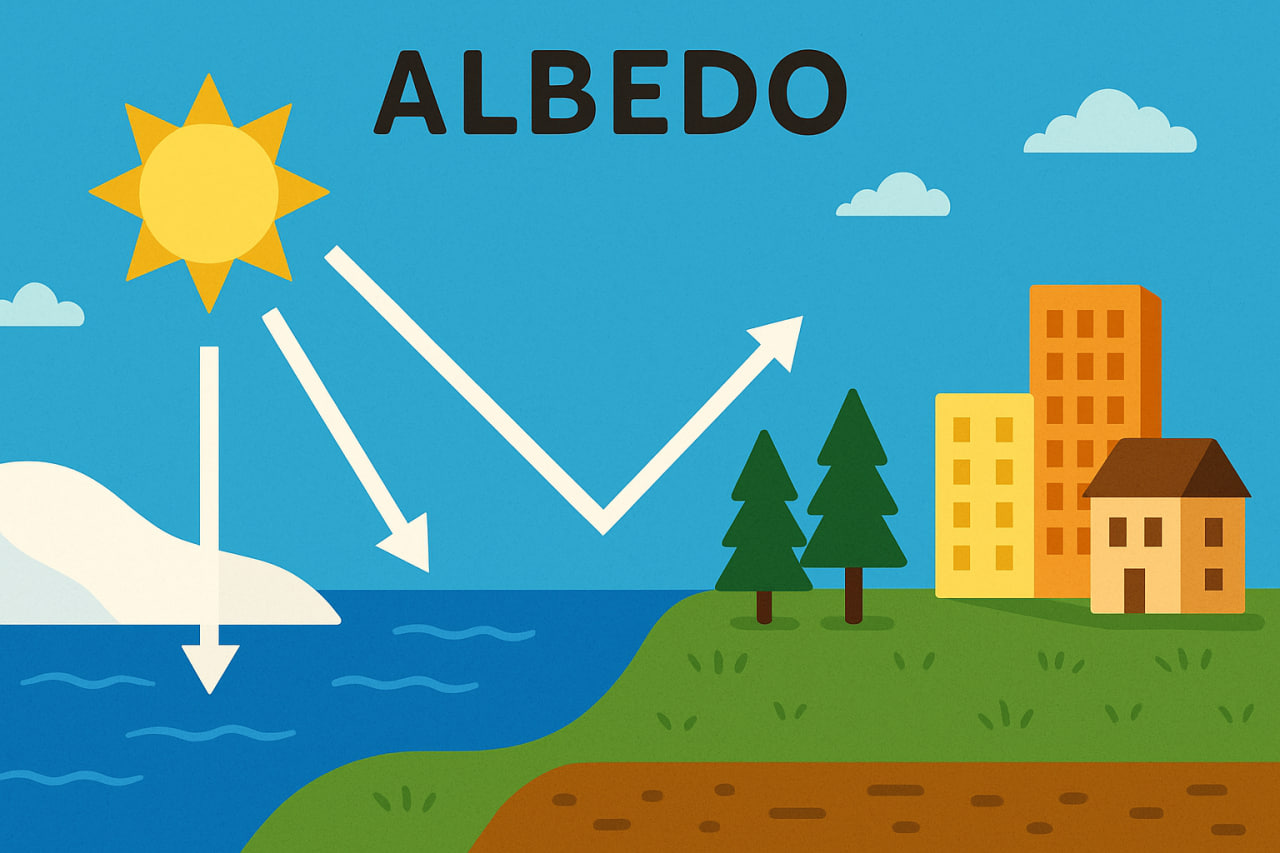
Albedo is a scientific term that describes how much sunlight a surface reflects compared to how much it absorbs. It plays a key role in Earth’s climate system, as different surfaces—ice, forests, oceans, or cities—reflect sunlight differently, affecting global temperatures.

Blood Moon
Science Be Smart Earth & Moon

Blood Moon

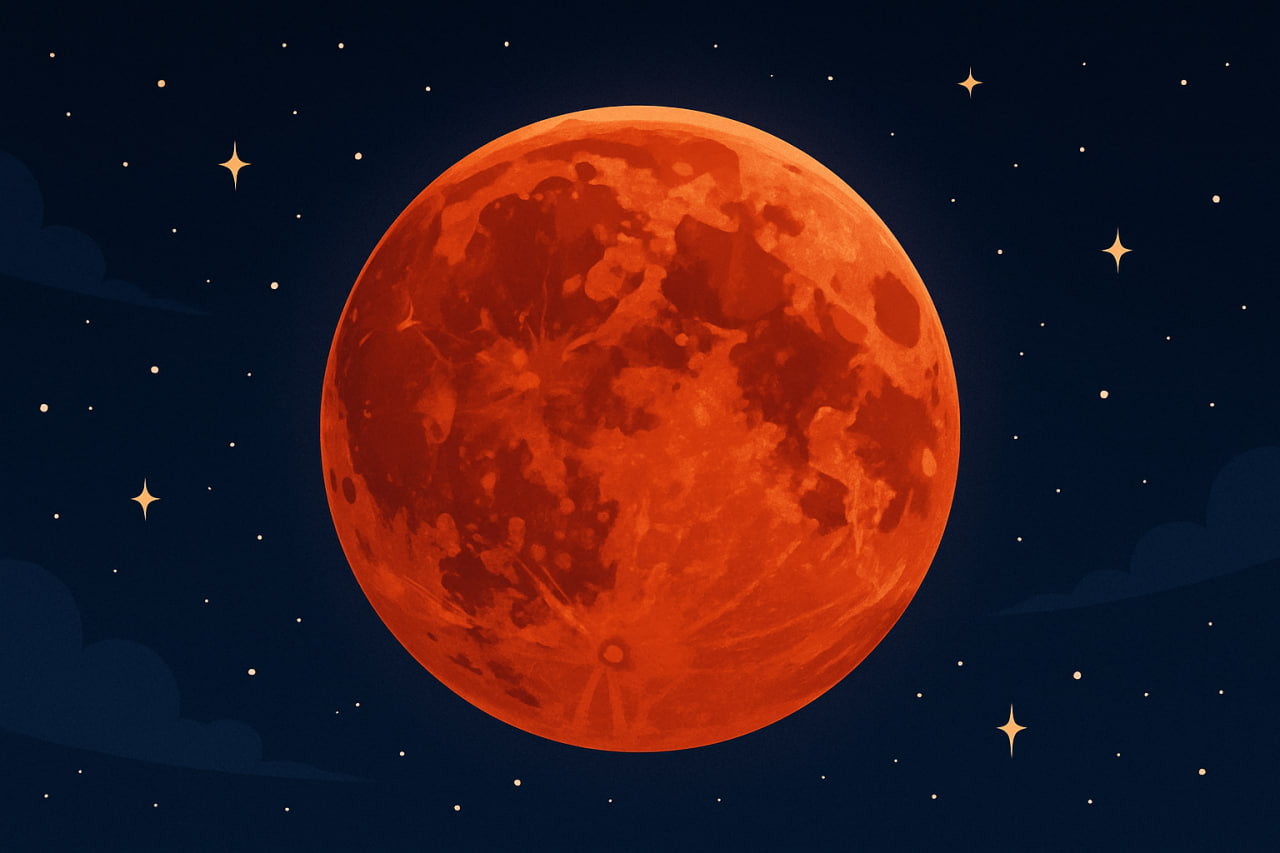
A blood moon is a striking astronomical event that occurs during a total lunar eclipse, when Earth comes directly between the Sun and the Moon. Instead of disappearing completely, the Moon takes on a reddish or coppery color, creating a dramatic sight in the night sky. This natural phenomenon has fascinated people for centuries and is often surrounded by myths and cultural symbolism.

Plastic – Where Did It Come From?
History Science Be Smart

Plastic – Where Did It Come From?

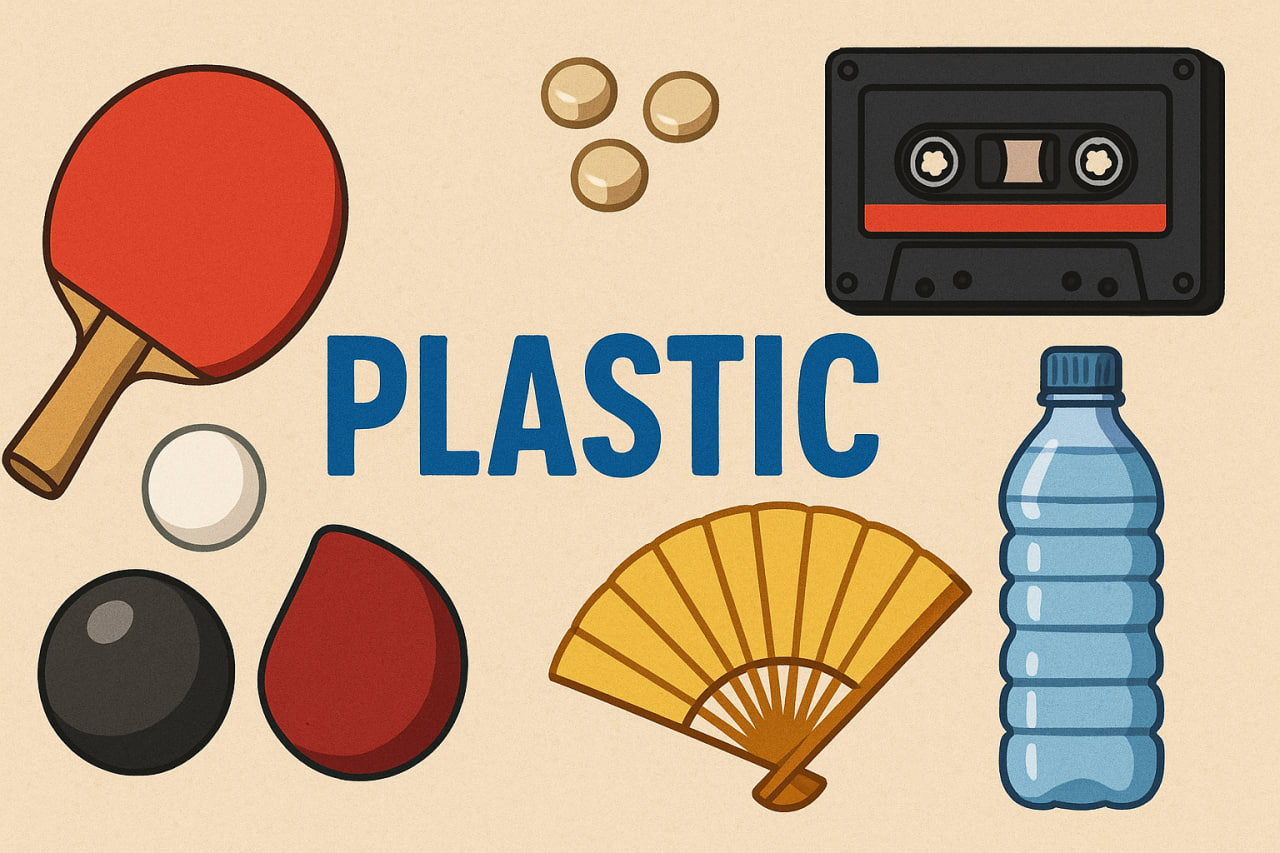
Plastic is one of the most widely used materials in the modern world, present in everything from packaging to medicine, electronics, and construction. Its convenience and versatility have transformed human life—but also created one of the biggest environmental challenges of our time. To understand plastic’s role, we need to look at its origins and history.

What Would Happen If the Moon Fell to Earth?
Space Stories Be Smart Earth & Moon

What Would Happen If the Moon Fell to Earth?

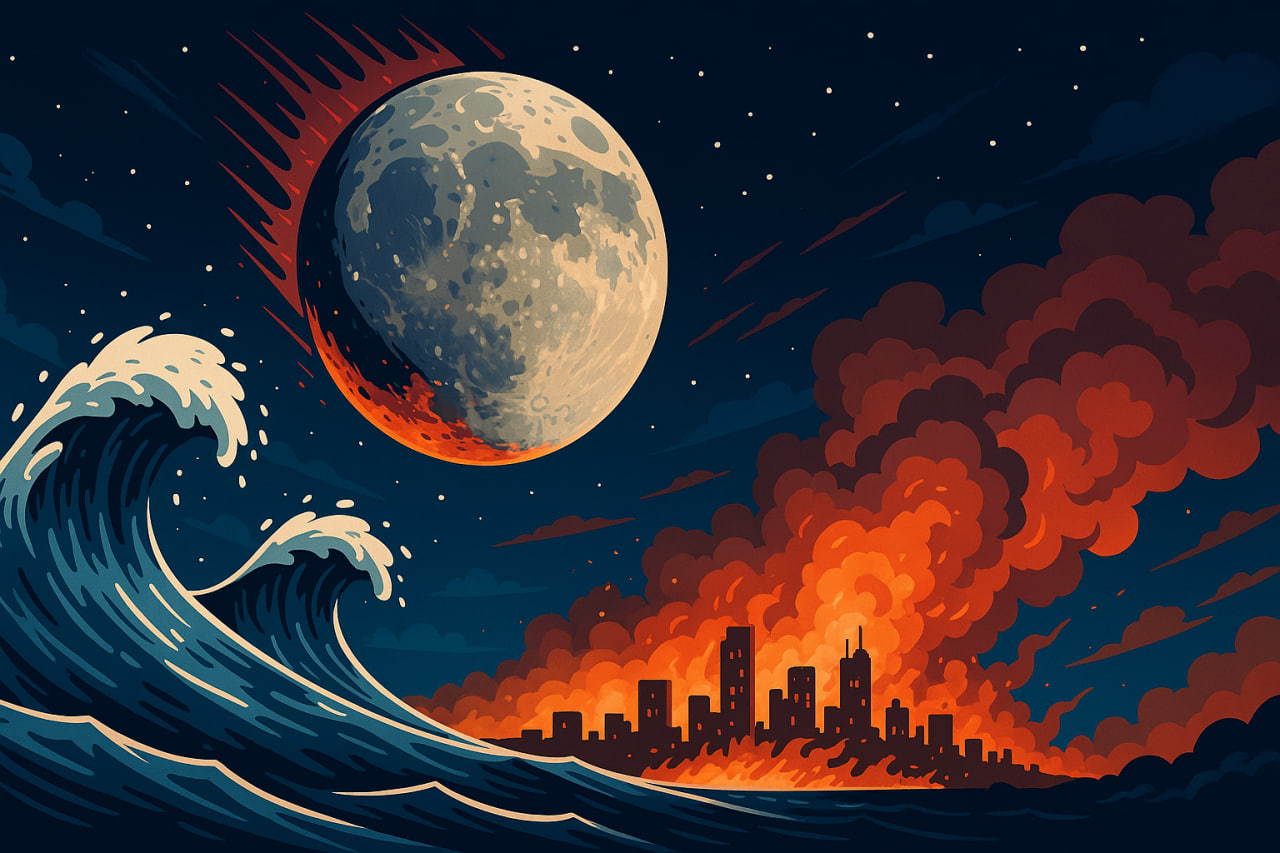
The Moon is Earth’s only natural satellite, orbiting at an average distance of 384,000 kilometers. It influences tides, stabilizes Earth’s axis, and has shaped the planet’s history. But what if, in an extreme hypothetical scenario, the Moon were to fall onto Earth? While this is physically impossible under normal conditions, imagining the event helps us understand the importance of the Moon in our planetary system.

Can a Solar Flare Destroy Life on Earth or Technology?
Space Stories Be Smart Earth & Moon

Can a Solar Flare Destroy Life on Earth or Technology?

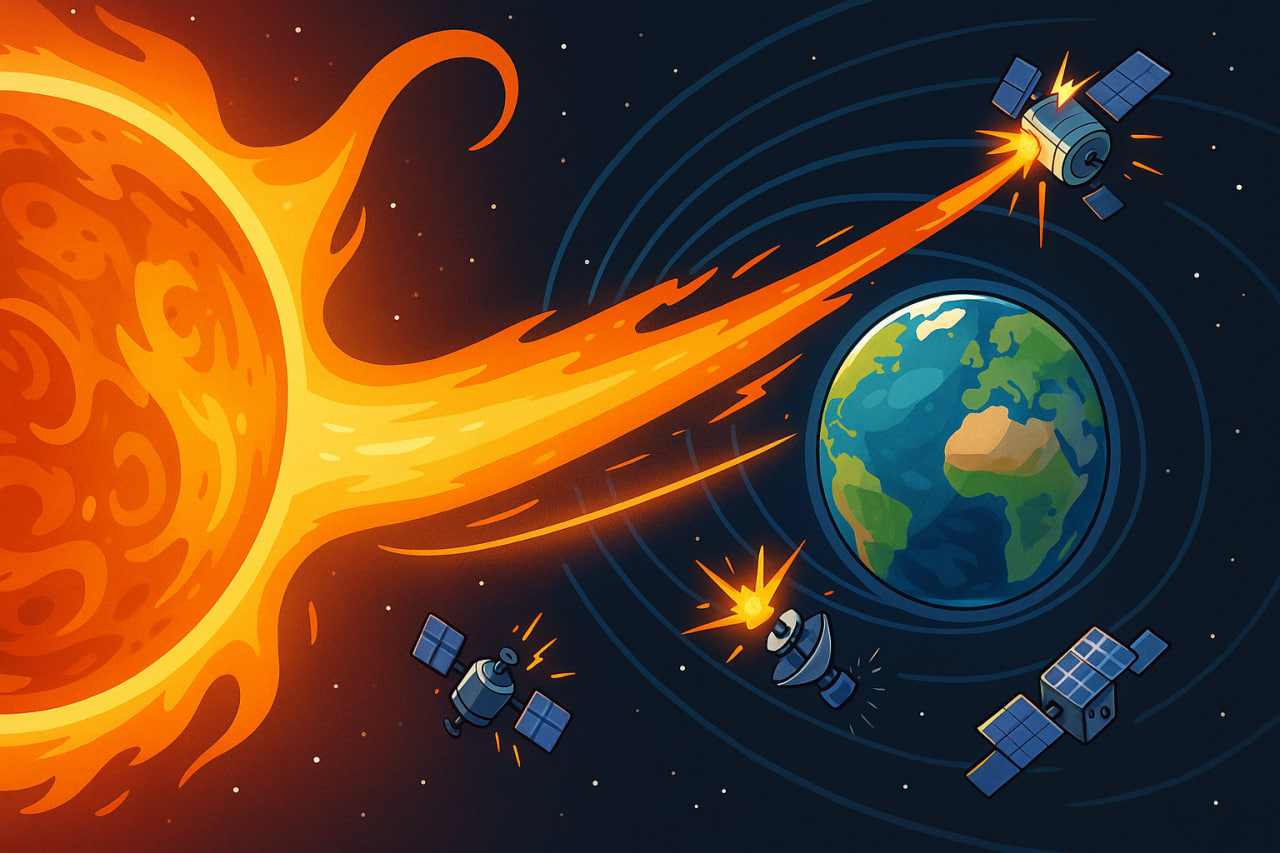
The Sun, like all stars, is a dynamic and active celestial body. One of its most powerful phenomena is the solar flare—a sudden release of energy and radiation caused by magnetic disturbances on the Sun’s surface. These flares can be accompanied by coronal mass ejections (CMEs), which hurl billions of tons of charged particles into space. While solar flares cannot directly destroy all life on Earth, they can significantly affect the planet’s atmosphere, magnetic field, and modern technology.