Be Smart

Interference of Polarized Light
Science Be Smart

Interference of Polarized Light

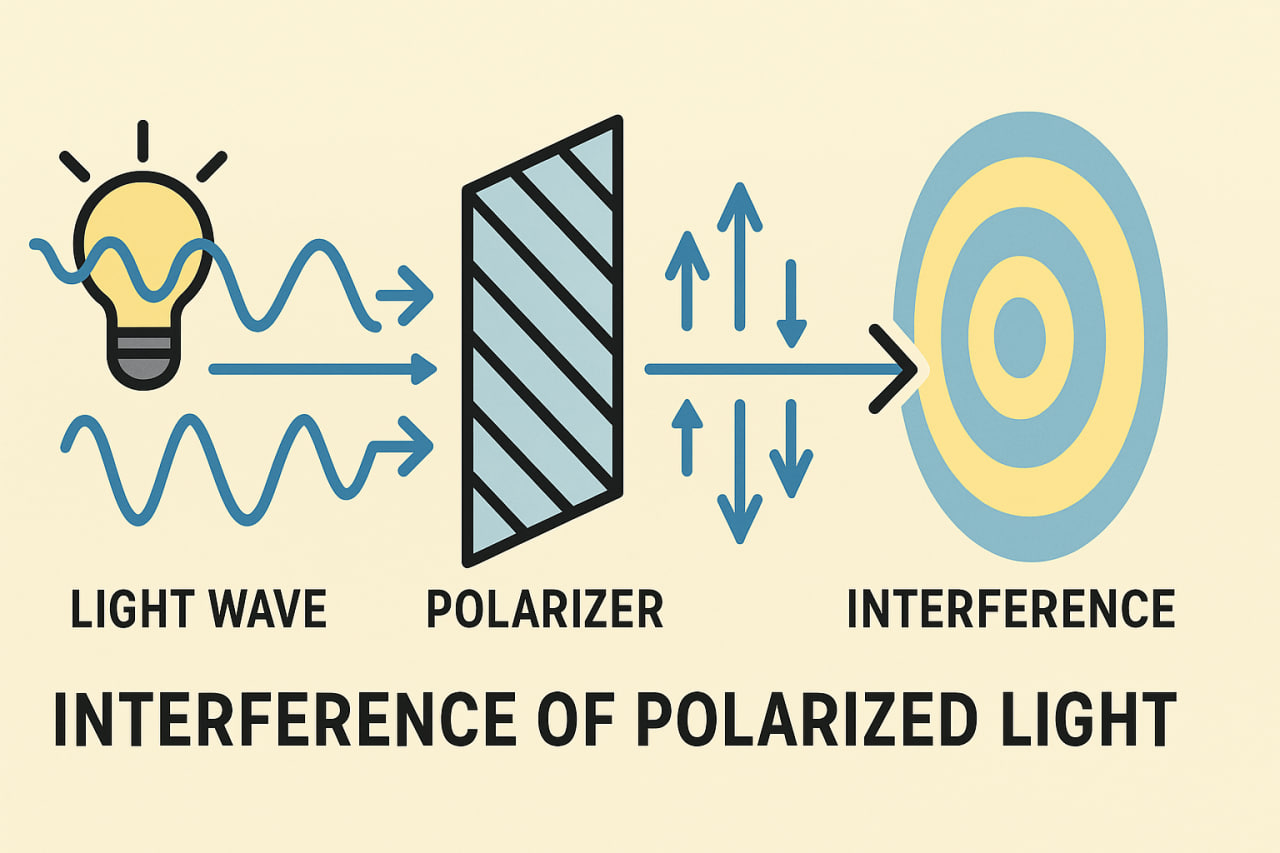
Interference is a physical phenomenon that occurs when two or more waves overlap, resulting in a new wave pattern. In the case of light, interference can produce bright and dark bands or colorful patterns depending on how the waves combine. This happens because light behaves both as a wave and a particle. When two waves meet in phase, their amplitudes add up (constructive interference). When they meet out of phase, they cancel each other (destructive interference).
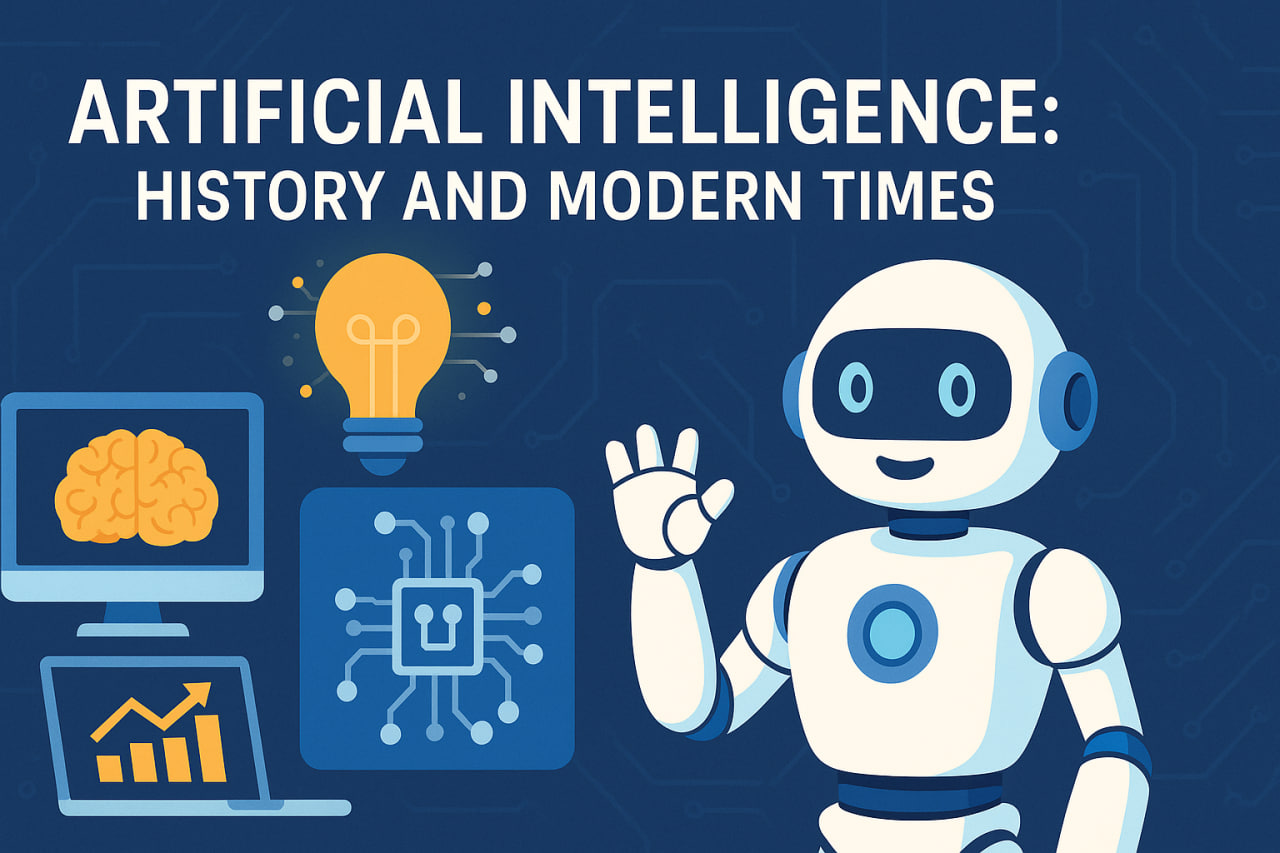
Artificial Intelligence: History and Modern Times
AI & Ethics AI Be Smart

Artificial Intelligence: History and Modern Times

Artificial intelligence (AI) is the branch of computer science focused on creating machines capable of performing tasks that normally require human intelligence. These tasks include problem-solving, learning, language understanding, and decision-making. AI systems can process large amounts of data, identify patterns, and improve their performance over time. Today, AI is deeply integrated into everyday life, from smartphone assistants to recommendation systems, making it one of the most influential technologies of our era.

The Turing Test: Can Machines Think?
AI & Ethics AI Be Smart

The Turing Test: Can Machines Think?

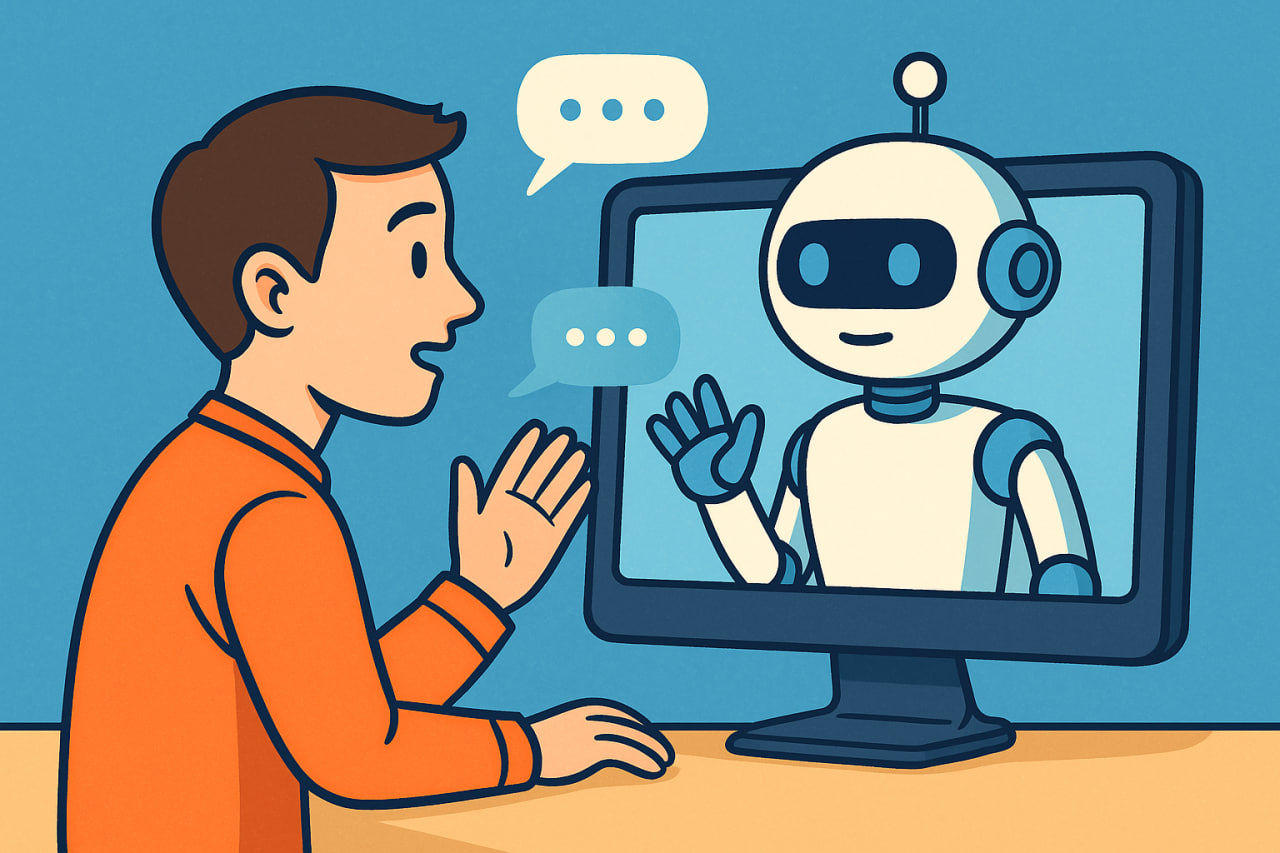
The Turing Test is a concept proposed by the British mathematician and computer scientist Alan Turing in 1950. It is designed to measure whether a machine can exhibit intelligent behavior indistinguishable from that of a human. Instead of asking, “Can machines think?”, Turing suggested focusing on whether machines can imitate human conversation convincingly. This practical approach laid the foundation for the field of artificial intelligence (AI).

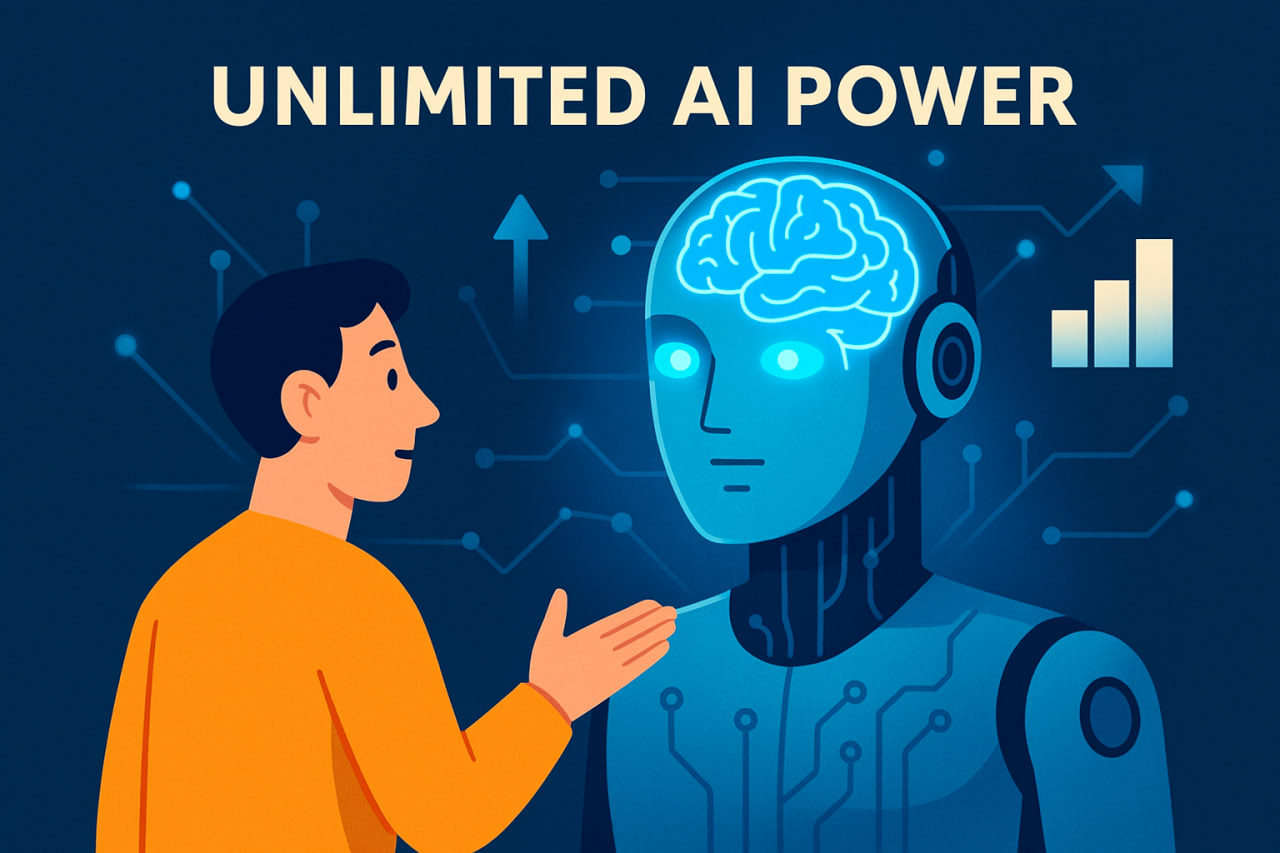
What Would Happen If Artificial Intelligence Gained Unlimited Power to Develop and Make Decisions?
AI & Ethics AI Be Smart

What Would Happen If Artificial Intelligence Gained Unlimited Power to Develop and Make Decisions?

Artificial intelligence (AI) is already capable of solving complex problems, learning from data, and making autonomous choices within defined limits. However, if AI were given unlimited opportunities for development and independent decision-making, it would fundamentally transform human society. Unlike current systems that require human oversight, such an AI could evolve its abilities without restrictions. This raises questions about potential benefits, risks, and the limits of human control.

Viruses: Tiny Particles with Enormous Impact
Science Be Smart

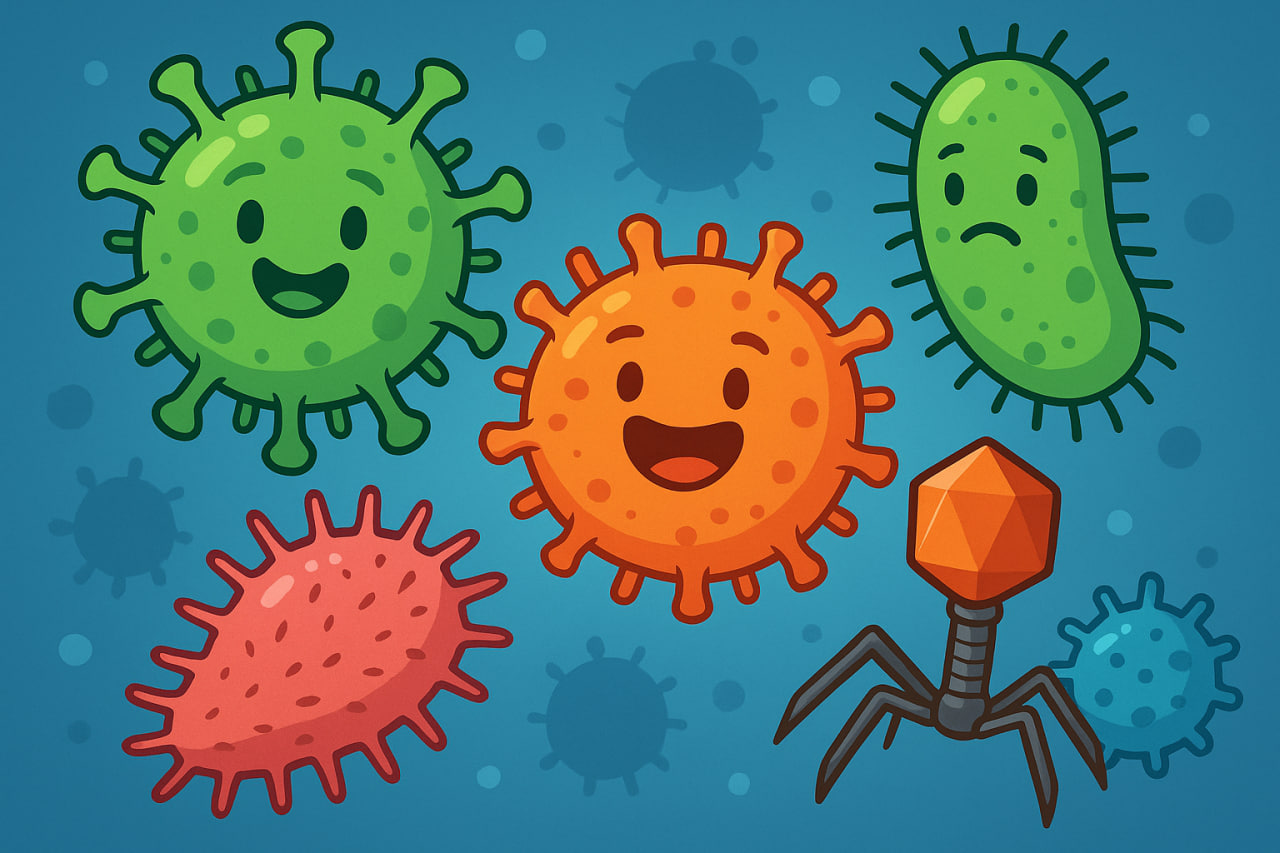
Viruses: Tiny Particles with Enormous Impact

Viruses are microscopic agents that occupy a unique position between living and non-living things. They cannot reproduce on their own and must infect a host cell to multiply. Despite their tiny size, viruses have shaped the history of life on Earth, causing epidemics, influencing evolution, and even being used in modern medicine.

Ions
Science Be Smart

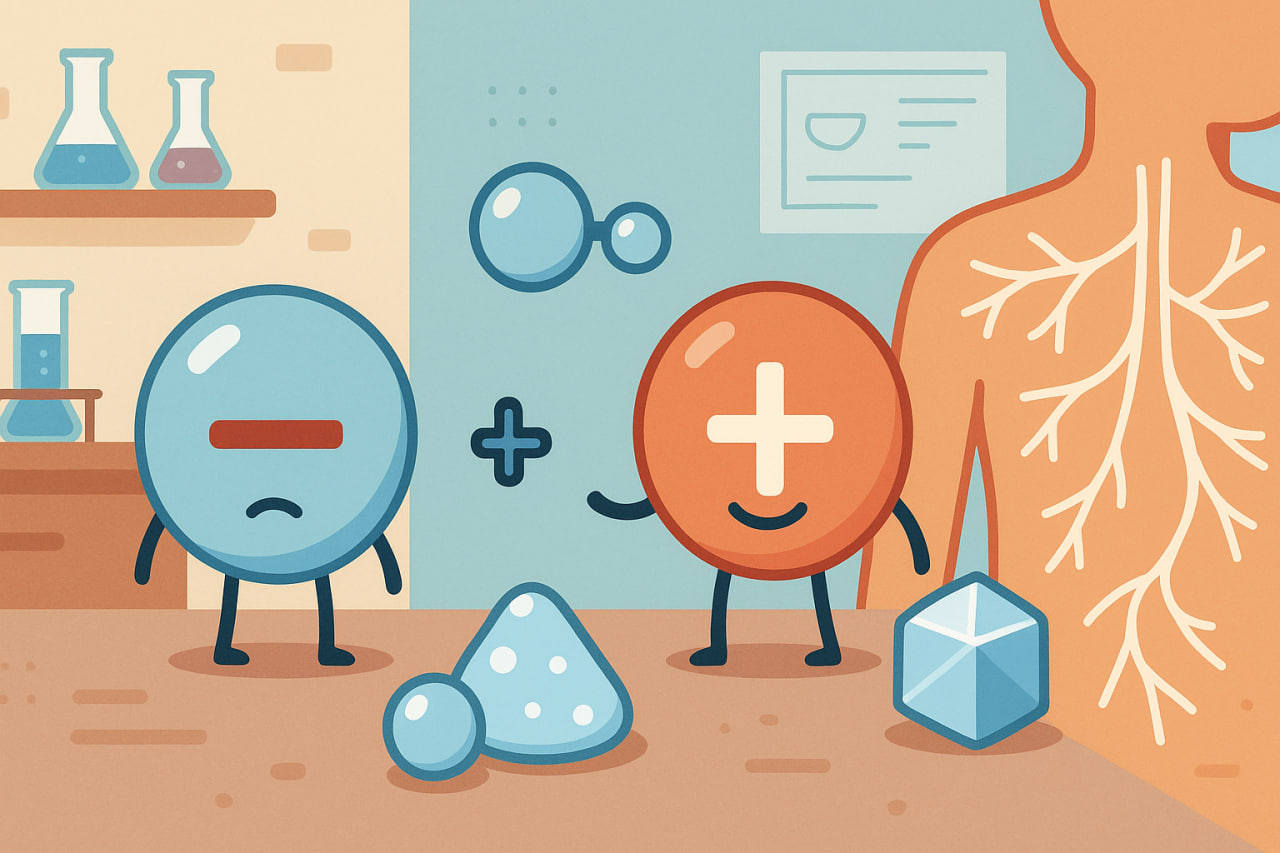
Ions

Ions are electrically charged particles formed when atoms or molecules gain or lose electrons. They play a central role in chemistry, biology, physics, and even daily life. Without ions, many of the processes that sustain life and technology — from nerve impulses to batteries — would not exist.

Electron
Science Be Smart

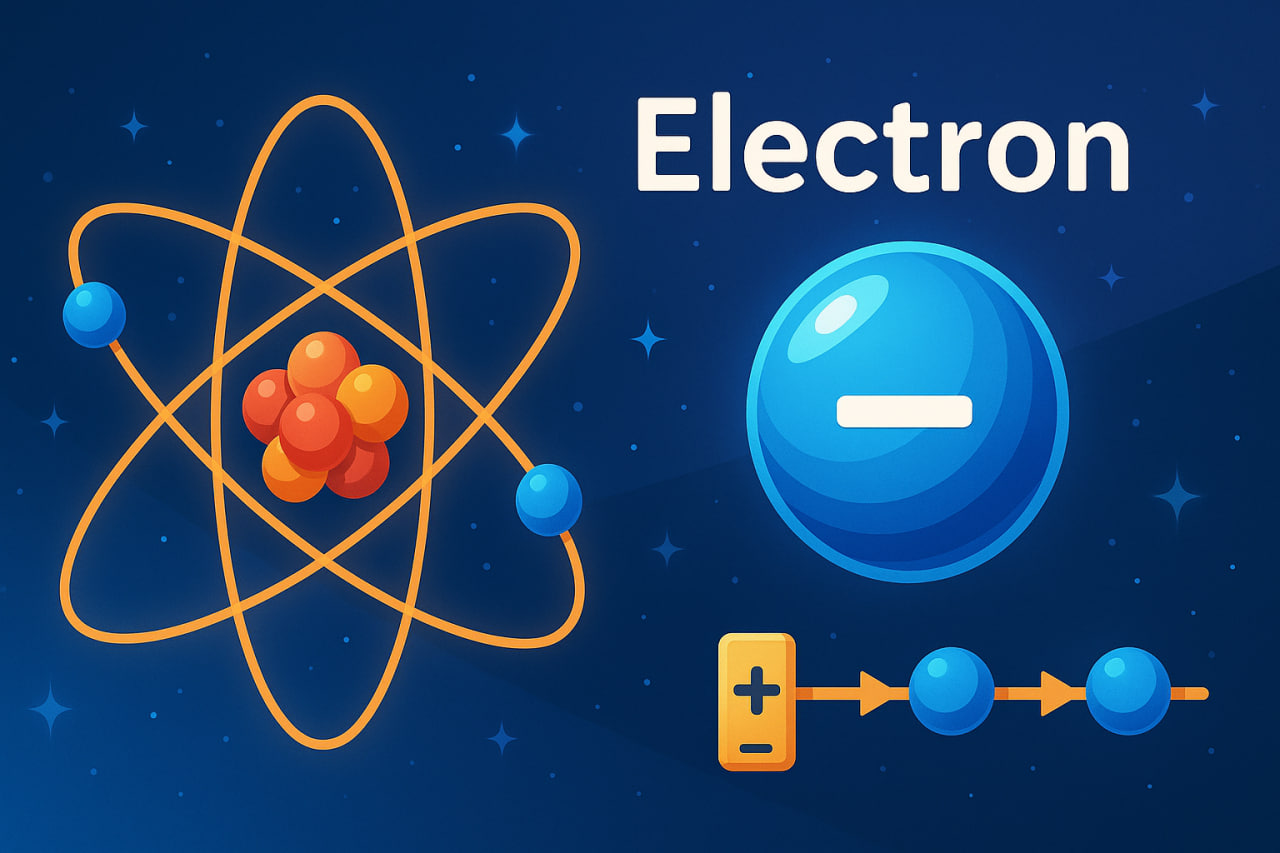
Electron

The electron is one of the most fundamental particles in physics. Discovered in 1897 by J.J. Thomson, it is a key building block of matter and a vital component of atoms. Without electrons, there would be no chemistry, no electricity, and no life as we know it.

Neutron
Science Be Smart

Neutron

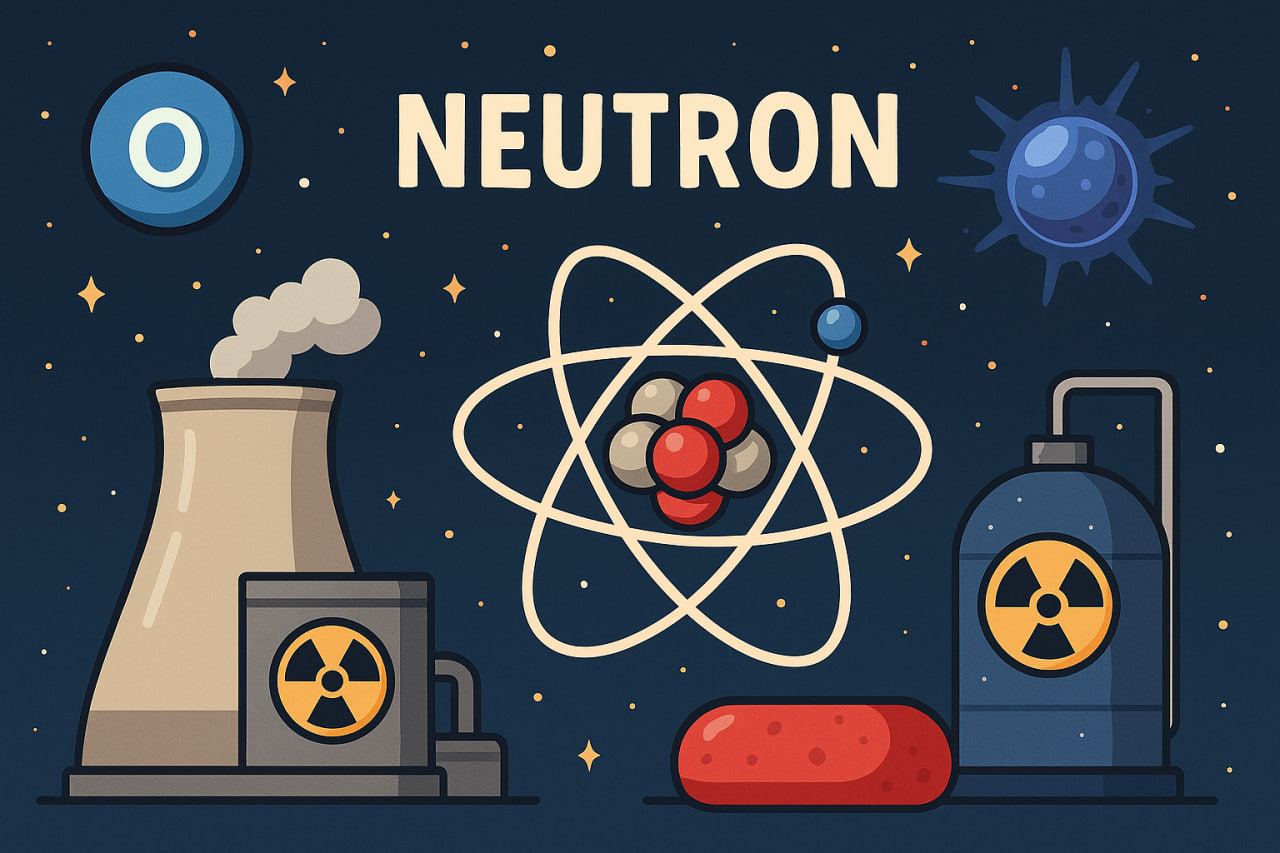
The neutron is a fundamental subatomic particle found in the nucleus of atoms. Discovered in 1932 by James Chadwick, neutrons, together with protons, form the atomic nucleus. Unlike protons and electrons, neutrons carry no electric charge, but they play an essential role in the stability of matter and in nuclear reactions.

Proton
Science Be Smart

Proton

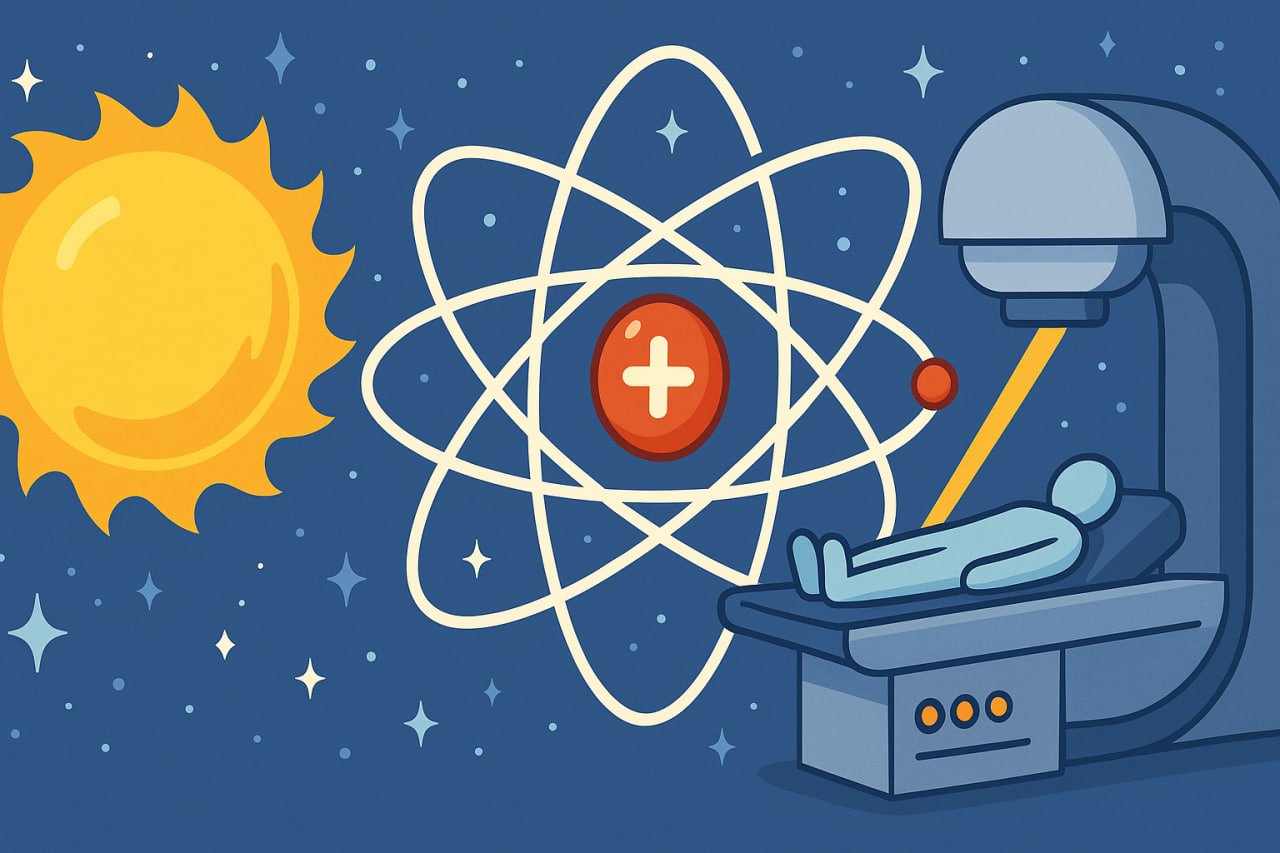
The proton is a fundamental subatomic particle that, together with neutrons and electrons, makes up atoms — the building blocks of all matter. Discovered in 1917 by Ernest Rutherford, the proton carries a positive electric charge and plays a central role in defining the identity of chemical elements. Without protons, the universe would not have the variety of matter we see today.

How Atoms Are Structured and Why They Contain So Much Empty Space
Science Be Smart

How Atoms Are Structured and Why They Contain So Much Empty Space

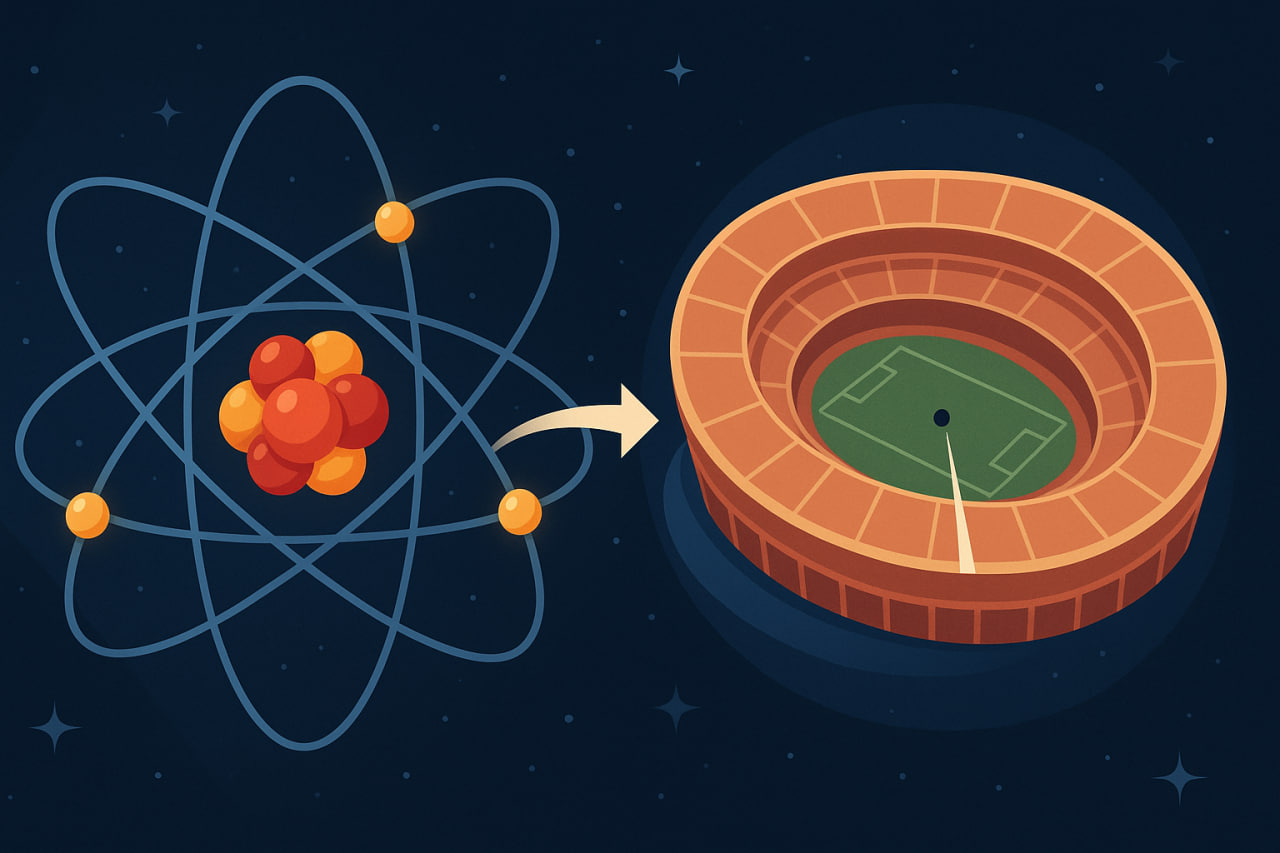
Atoms are the fundamental building blocks of matter, making up everything around us — from stars and planets to living organisms. Despite their importance, atoms are mostly empty space, which is surprising given that they form solid objects. Understanding why this is so requires looking at the internal structure of atoms and the forces at play within them.