Be Smart

Echolocation: Navigating with Sound
Science Be Smart

Echolocation: Navigating with Sound

Echolocation is a biological sonar system used by some animals to navigate and hunt. By producing sounds and listening to the returning echoes, animals can detect objects, measure distances, and identify shapes in their environment. This adaptation is especially useful in darkness or murky waters where vision is limited.
How to Turn Wind into Electricity
Hi-Tech Science Be Smart

How to Turn Wind into Electricity

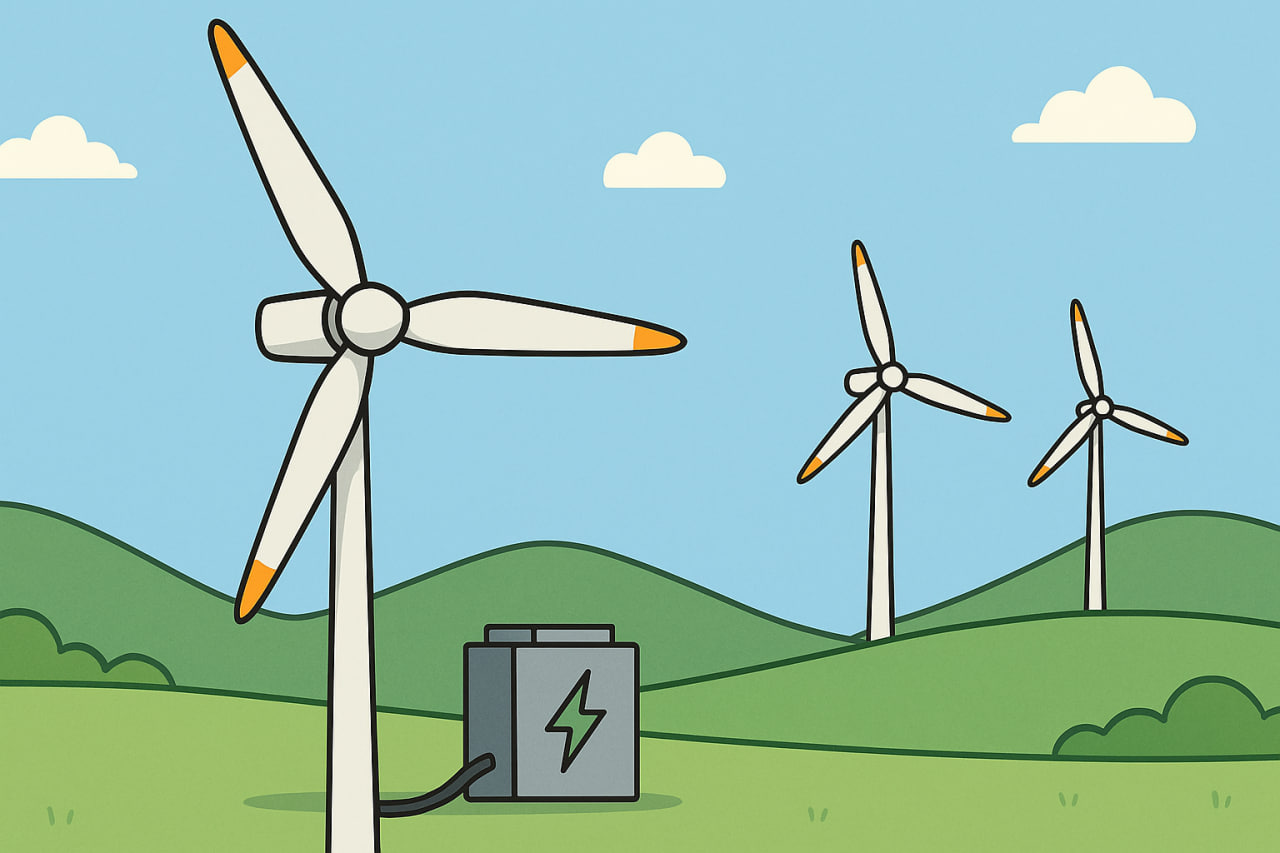
Wind energy is a form of renewable energy that converts the kinetic energy of moving air into usable electricity. It is one of the fastest-growing energy sources in the world, helping reduce reliance on fossil fuels and lowering greenhouse gas emissions. Wind power is clean, sustainable, and available in many regions across the globe.

Geothermal Energy: Power from Earth’s Heat
Hi-Tech New Discoveries Be Smart

Geothermal Energy: Power from Earth’s Heat

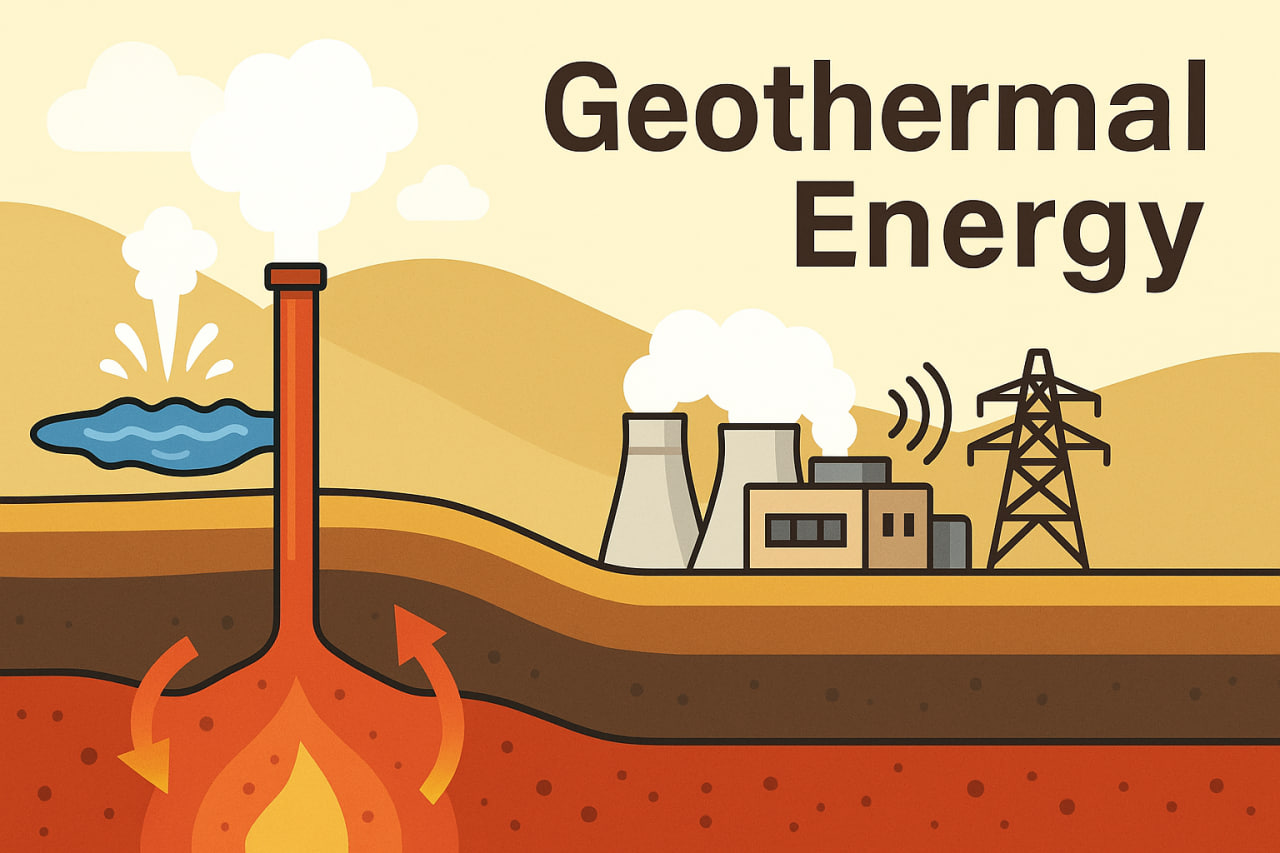
Geothermal energy is a form of renewable energy that harnesses heat stored beneath Earth’s surface. This heat originates from the planet’s formation and the natural radioactive decay of minerals in the mantle and crust. Geothermal energy can be used directly for heating buildings and water or converted into electricity through specialized power plants.

Electric Current: The Flow of Charge
Science Be Smart

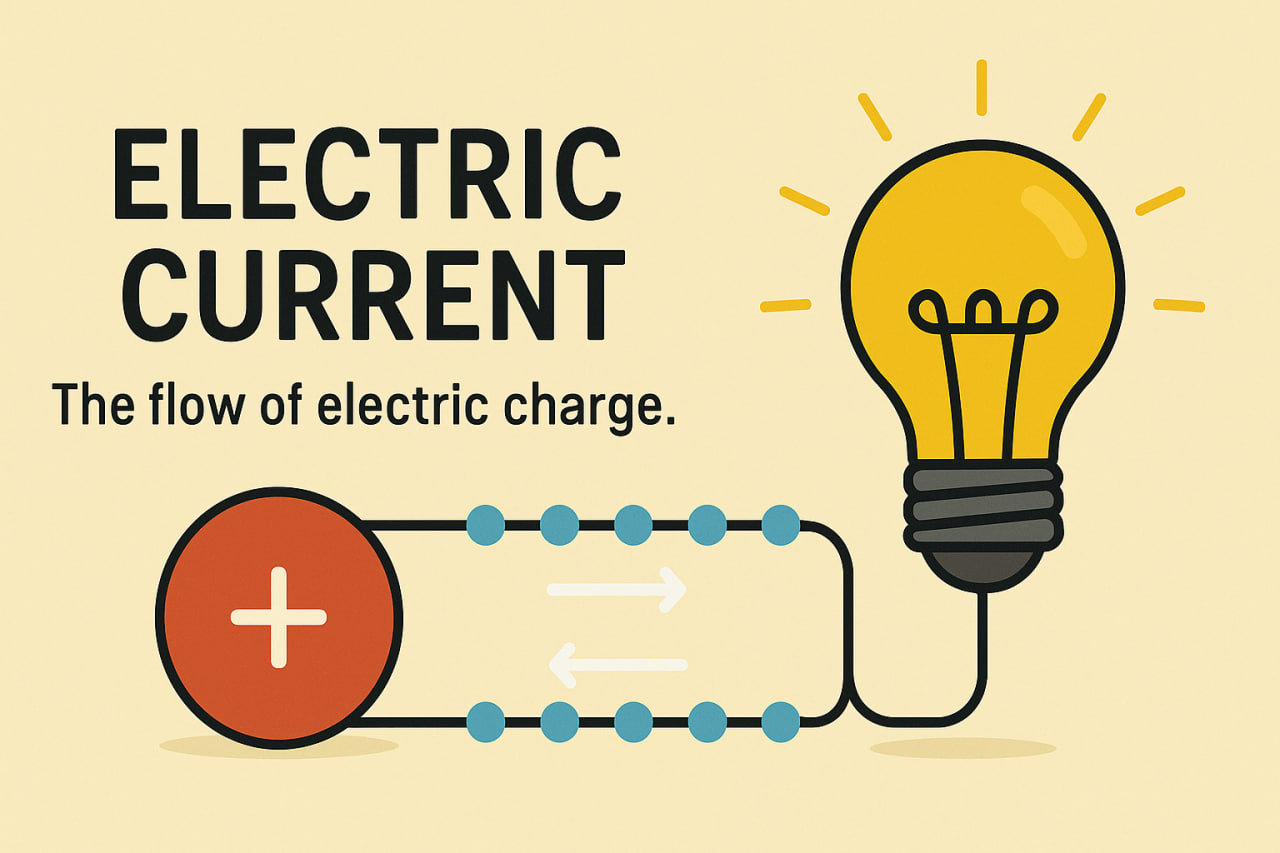
Electric Current: The Flow of Charge

Electric current is the flow of electric charge, usually carried by electrons in a conductor such as a metal wire. It is one of the most fundamental concepts in physics and the basis for nearly all modern technology. Current is measured in amperes (A), representing the amount of charge passing through a point in a circuit per second.

Geometry: From Ancient Shapes to Modern Applications
Science Be Smart

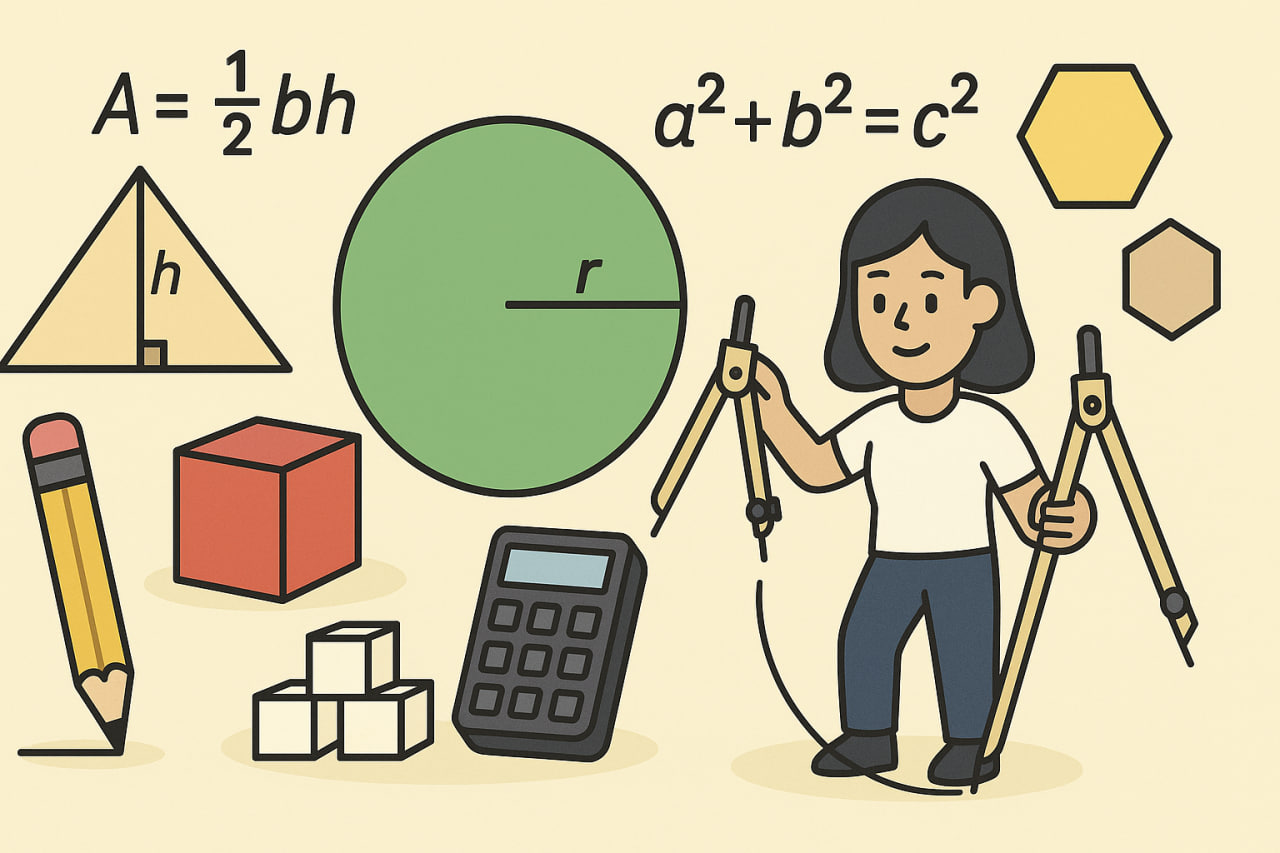
Geometry: From Ancient Shapes to Modern Applications

Geometry is a branch of mathematics that studies shapes, sizes, positions, and the properties of space. Its name comes from the Greek words geo (earth) and metron (measure). Unlike arithmetic, which deals with numbers, geometry focuses on the relationships between points, lines, surfaces, and solids. It is one of the oldest areas of mathematics, with applications ranging from architecture to modern physics.

Chemistry: The Central Science of Matter
Science Be Smart

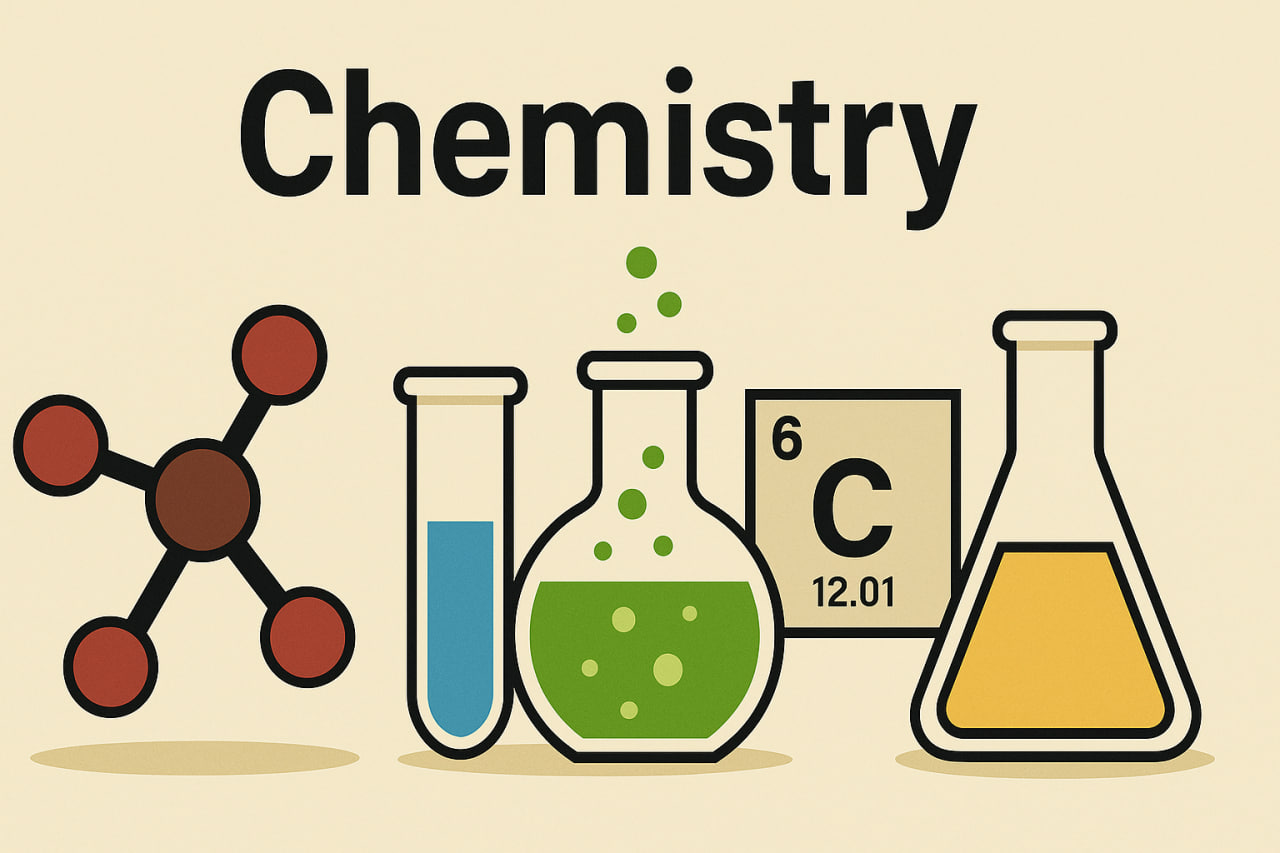
Chemistry: The Central Science of Matter

Chemistry is the branch of science that studies matter—its composition, structure, properties, and the changes it undergoes. Often called the central science, chemistry connects physics, biology, geology, and environmental science. By understanding how atoms and molecules interact, chemistry explains phenomena from the simplest reactions to the most complex biological processes.

The Periodic Table of Mendeleev: Structure of the Chemical World
History Science Be Smart

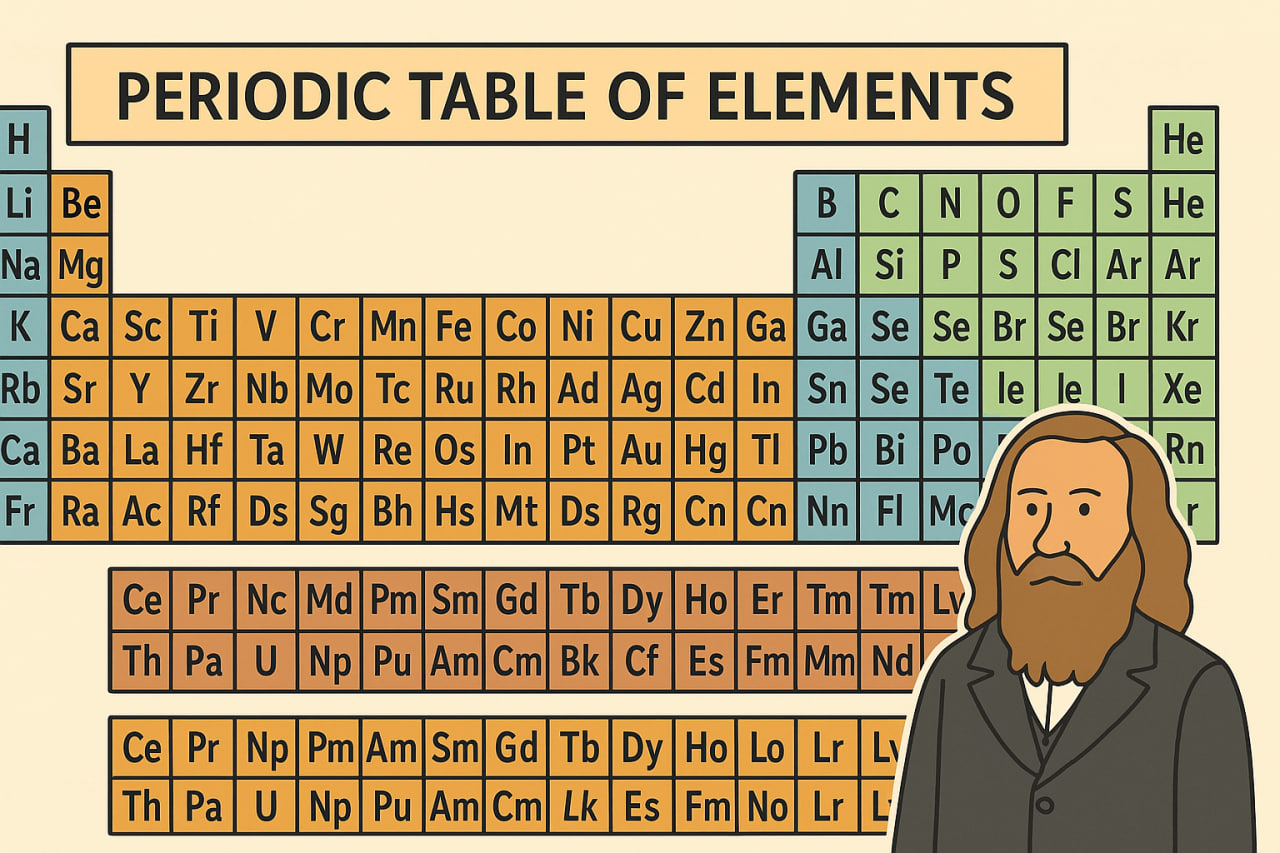
The Periodic Table of Mendeleev: Structure of the Chemical World

The Periodic Table of Elements was first created by Russian chemist Dmitri Mendeleev in 1869. He organized the known chemical elements according to their properties and atomic weights. Remarkably, Mendeleev left gaps in his table, predicting the existence of elements that had not yet been discovered. His predictions were later confirmed with the discoveries of gallium, germanium, and scandium, cementing the importance of his work.

Genetics: The Science of Heredity and Variation
History Science Be Smart

Genetics: The Science of Heredity and Variation

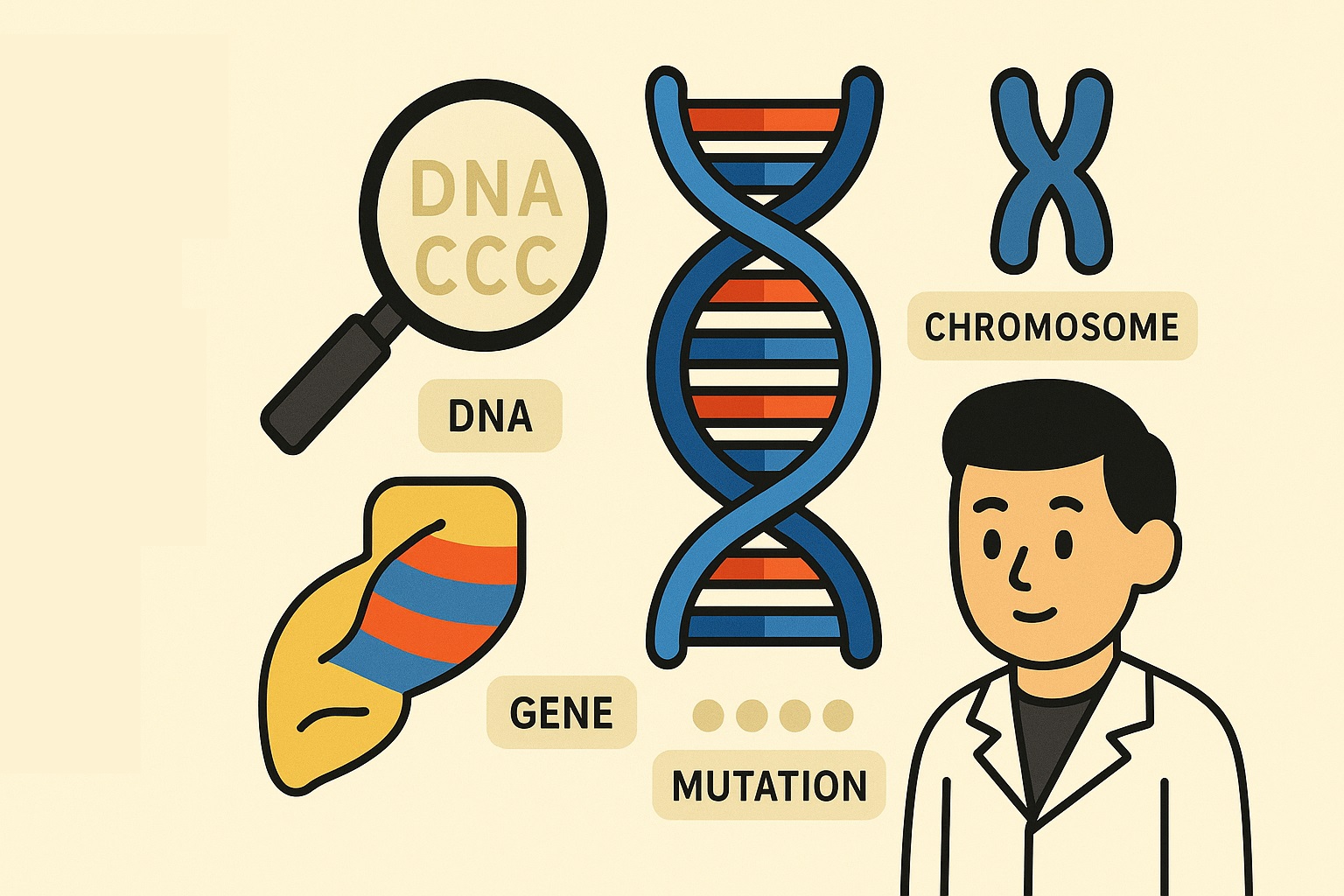
Genetics is the branch of biology that studies genes, heredity, and variation in living organisms. It explains how traits are passed from one generation to another through DNA. From eye color to disease resistance, genetics shapes nearly every aspect of life. It is a central science in biology, connecting molecular processes with evolution and health.

Physics: From Antiquity to Modern Times
History Science Be Smart

Physics: From Antiquity to Modern Times

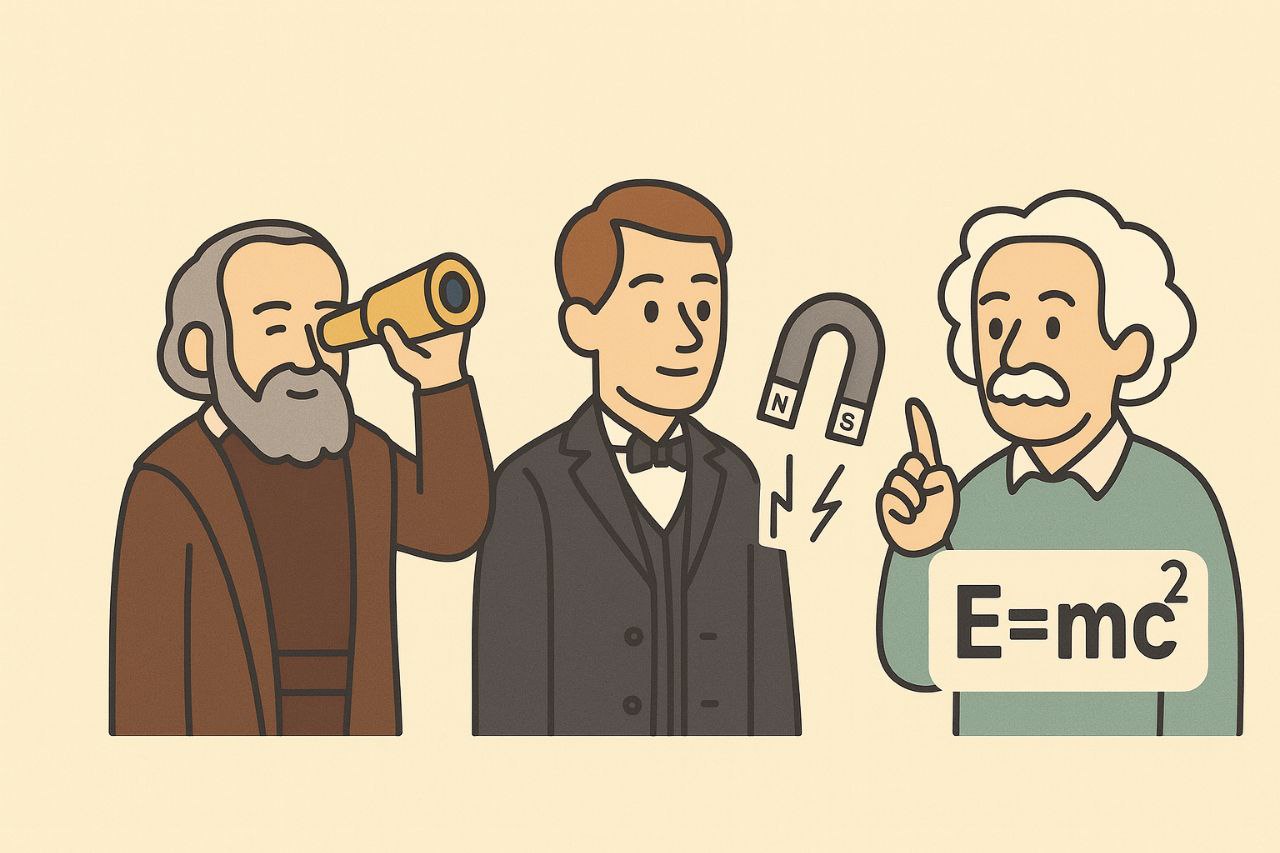
The origins of physics trace back to ancient civilizations, where people sought to explain natural phenomena through observation and reasoning. In Mesopotamia and Egypt, early records describe the motion of celestial bodies and the use of simple machines like levers and pulleys. Ancient Greek philosophers, including Aristotle, speculated about motion, elements, and the nature of the universe. Although their explanations were often more philosophical than scientific, they laid the groundwork for systematic study.

Algebra: From Basics to Modern Applications
History Science Be Smart

Algebra: From Basics to Modern Applications

Algebra is a fundamental branch of mathematics that deals with symbols and the rules for manipulating them. Unlike arithmetic, which works with specific numbers, algebra uses variables to represent unknown or changing values. This allows mathematicians and scientists to model relationships, solve problems, and explore patterns. Algebra provides the foundation for higher mathematics, physics, engineering, computer science, and many everyday problem-solving situations.