Be Smart

How Photosynthesis Works
Science Be Smart

How Photosynthesis Works

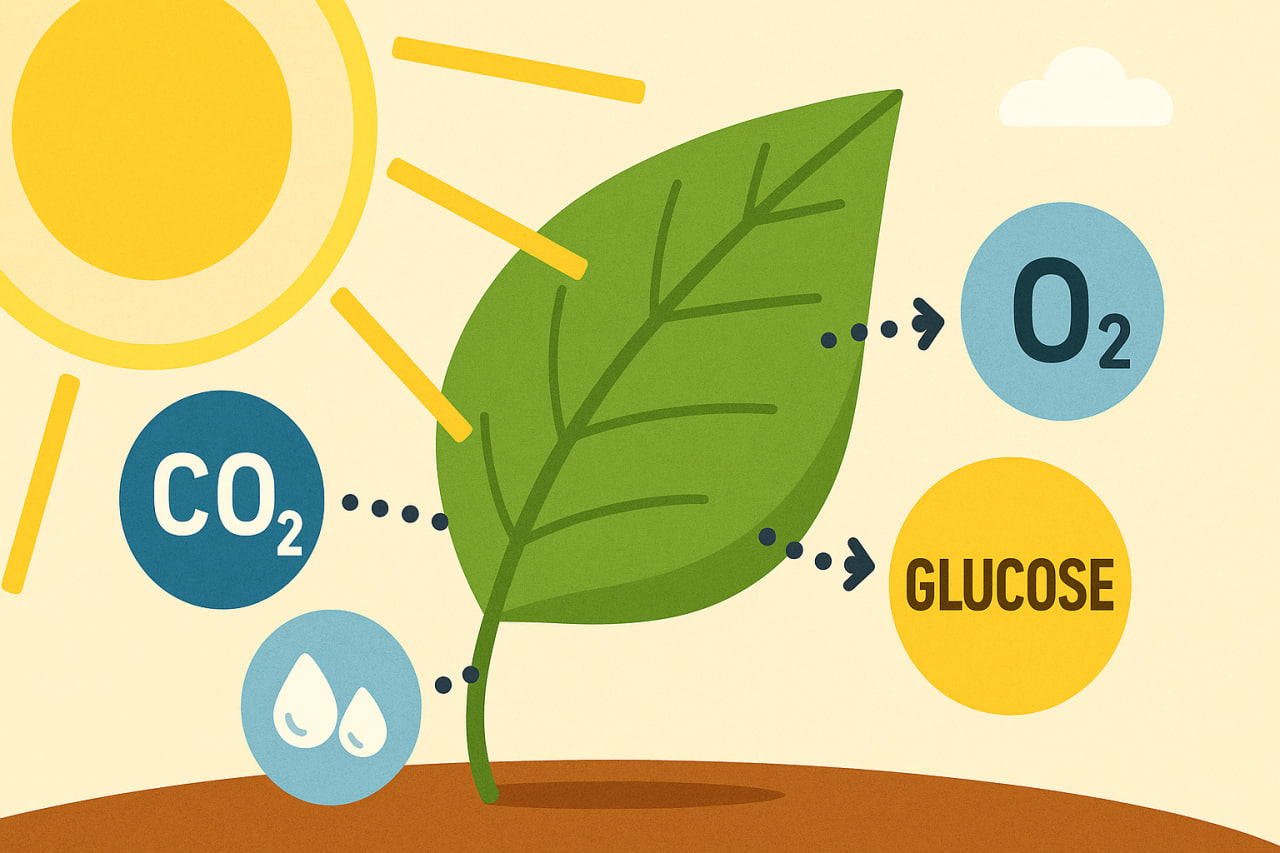
Photosynthesis is a biological process by which plants, algae, and some bacteria convert light energy from the Sun into chemical energy stored in sugars. It is the foundation of nearly all life on Earth, providing both food and oxygen.

Seismology: The Science of Earthquakes
Science Be Smart

Seismology: The Science of Earthquakes

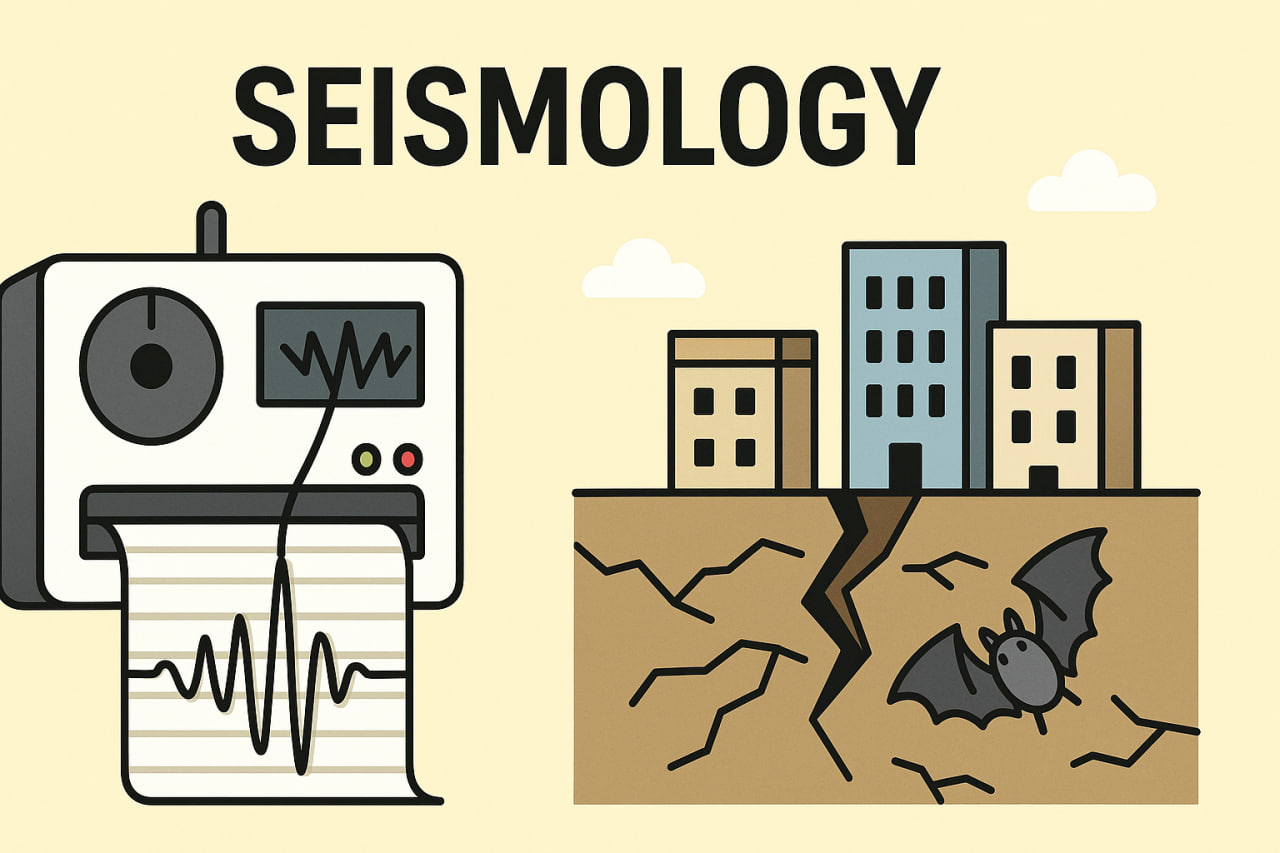
Seismology is the scientific study of earthquakes and the propagation of seismic waves through Earth. It investigates how tectonic movements, volcanic activity, and other natural processes generate vibrations that travel through rocks and soil. Seismology also helps identify hidden structures deep inside the Earth.

How Neutrinos Are Formed
Science New Discoveries Be Smart

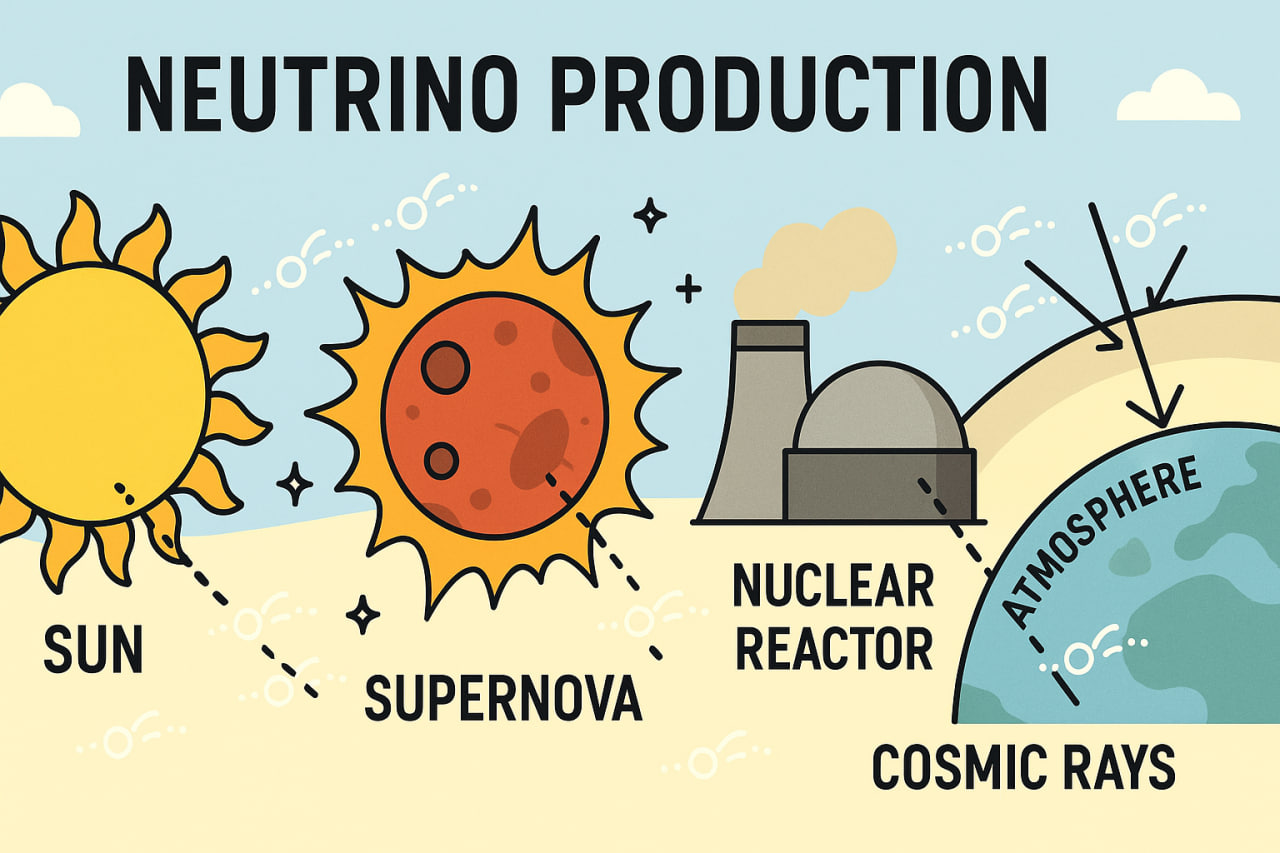
How Neutrinos Are Formed

Neutrinos are elementary particles with no electric charge and an extremely small mass. They are among the most abundant particles in the universe, yet they interact so weakly with matter that trillions of them pass through your body every second without leaving a trace.

Earth’s Core: Structure and How It Was Discovered
History Be Smart Earth & Moon

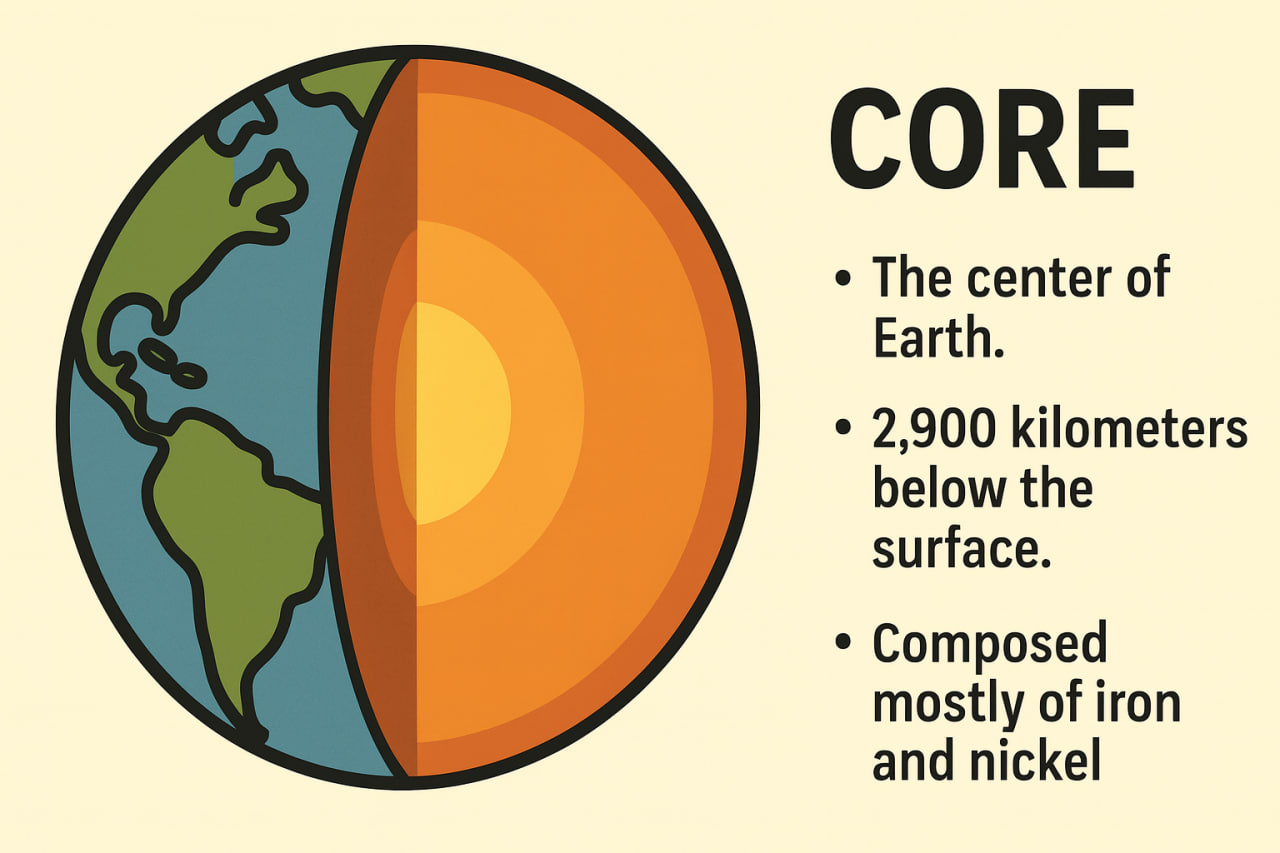
Earth’s Core: Structure and How It Was Discovered

The core of Earth is the central part of our planet, lying beneath the mantle and making up about one-third of Earth’s total mass. It is divided into two distinct parts: the outer core, which is liquid, and the inner core, which is solid. The core is composed mainly of iron and nickel, with traces of lighter elements.

Silver: Properties, Uses, and Importance
Science Be Smart

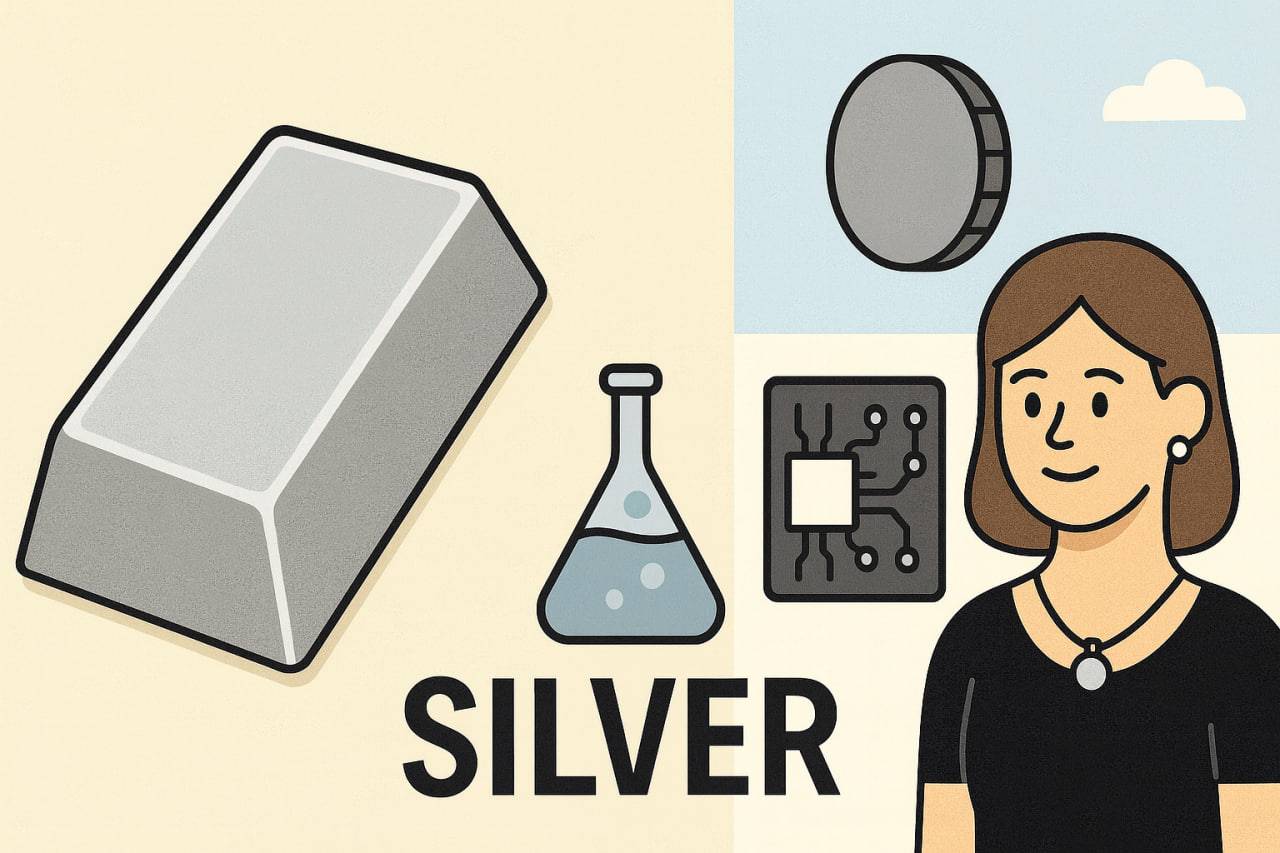
Silver: Properties, Uses, and Importance

Silver is a chemical element with the symbol Ag and atomic number 47. It is a precious metal known for its bright luster, high conductivity, and antimicrobial properties. Silver has been valued throughout history for its beauty and practical uses, from ancient coins to modern electronics.

Robert Bartini: The Visionary Aircraft Designer
History Be Smart

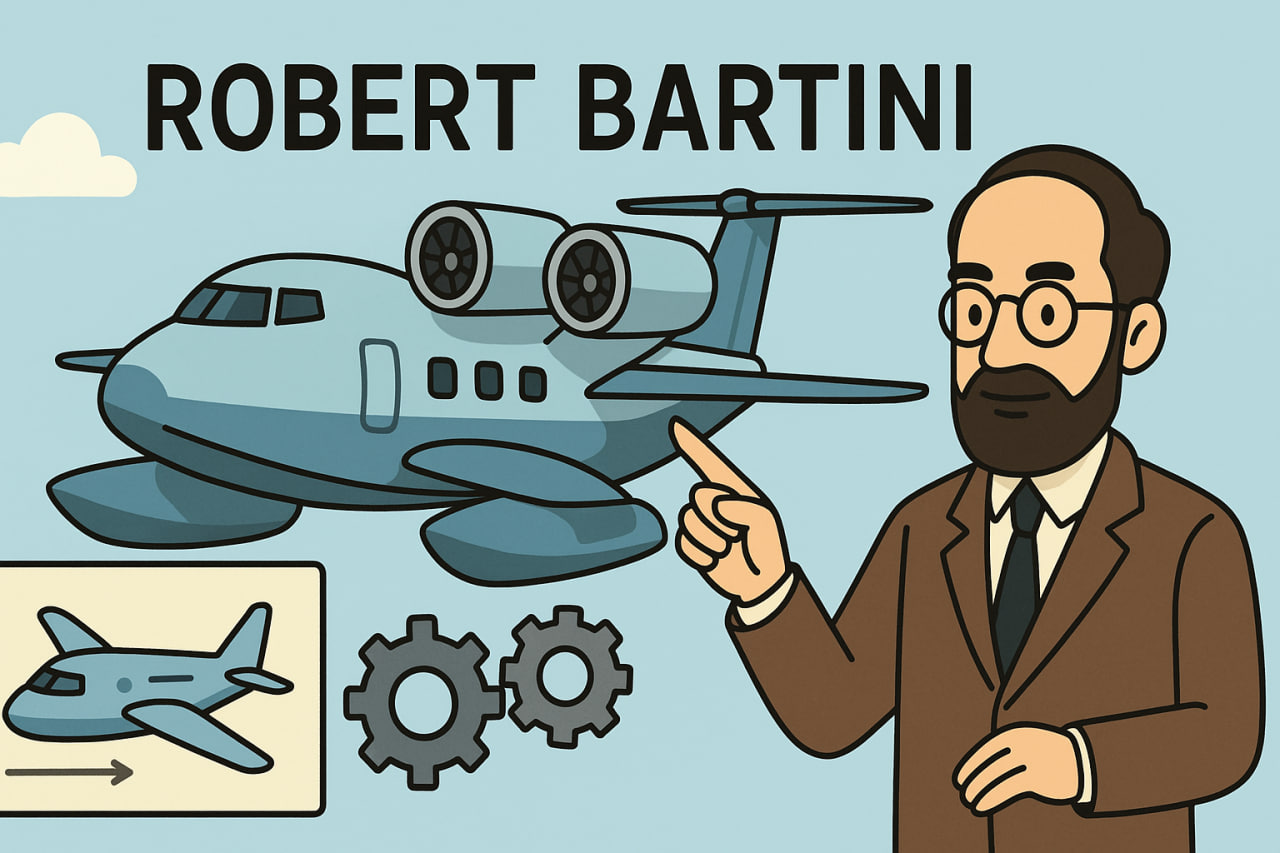
Robert Bartini: The Visionary Aircraft Designer

Robert Ludvigovich Bartini was born in 1897 in Fiume, then part of the Austro-Hungarian Empire (today Rijeka, Croatia). Coming from a noble Italian family, he showed early interest in engineering and aviation. After World War I, political changes and his personal convictions led him to move to the Soviet Union in 1923, where he became a naturalized citizen and devoted his career to aviation design.

Nikola Tesla: Biography and Inventions
History Tesla&Co Be Smart

Nikola Tesla: Biography and Inventions

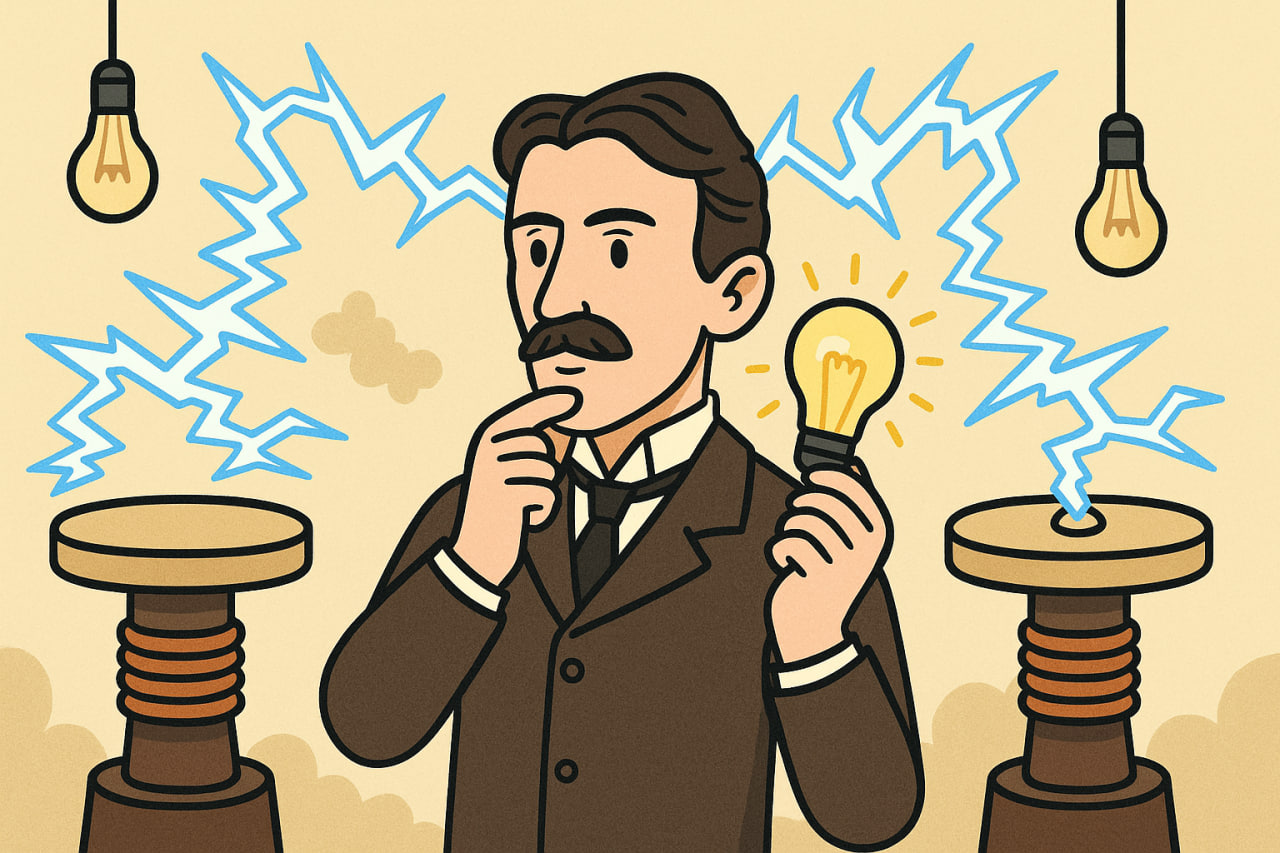
Nikola Tesla was born on July 10, 1856, in Smiljan, a village in the Austrian Empire (modern-day Croatia). From a young age, Tesla showed remarkable memory and imagination, often visualizing complex machines in his mind before building them. He studied engineering at the Technical University in Graz and later attended lectures at the University of Prague, though he never completed a formal degree.

Sounds: Vibrations That Shape Our World
Science Be Smart

Sounds: Vibrations That Shape Our World

Sound is a type of energy created by vibrations that travel through a medium, usually air, water, or solid materials. These vibrations create waves that our ears and brain interpret as sound. Without a medium, such as in the vacuum of space, sound cannot travel. Sound is essential for communication, music, and awareness of our environment.

Chladni Figures: Visualizing Sound Waves
Science Be Smart

Chladni Figures: Visualizing Sound Waves

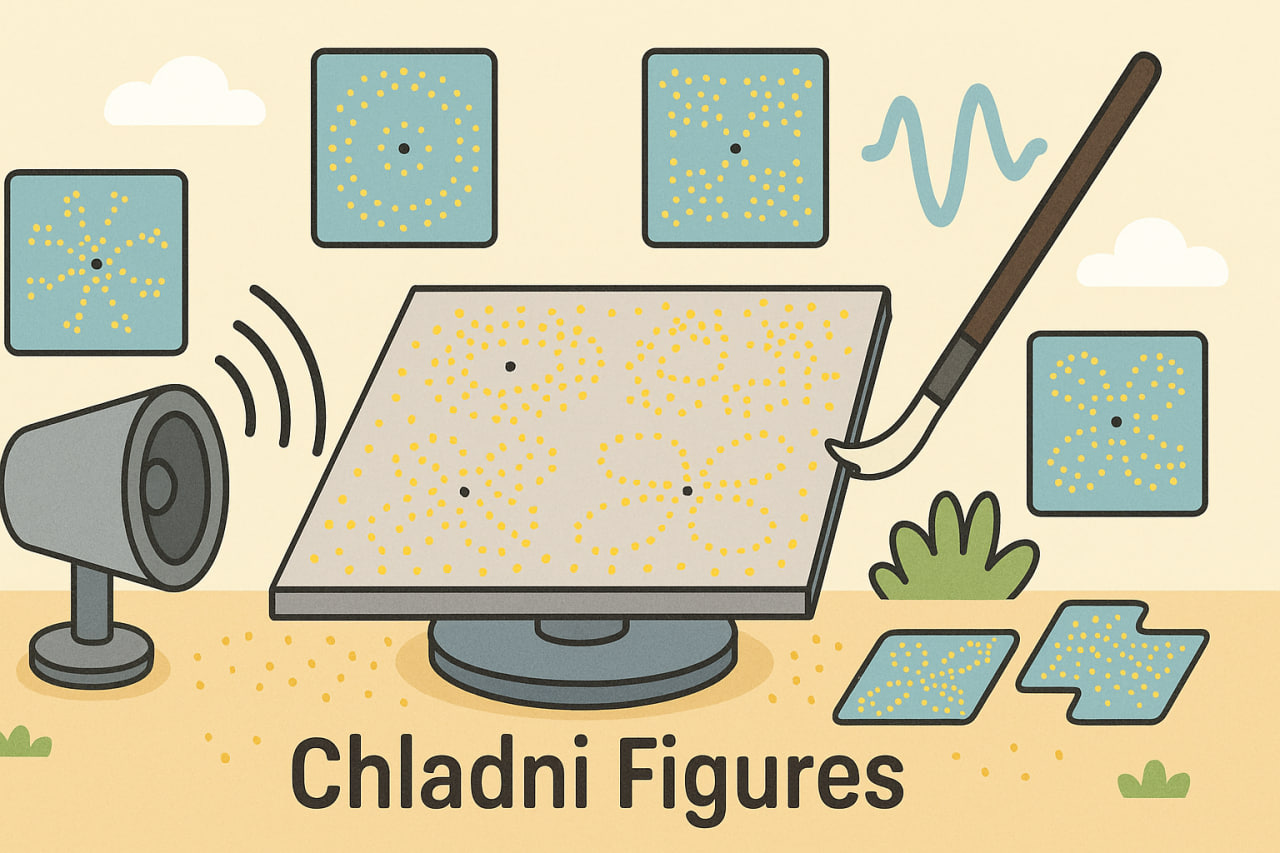
Chladni figures are patterns formed by particles, such as sand or salt, on a vibrating surface like a metal plate. As the plate vibrates at specific frequencies, the particles move and settle along areas of no vibration, called nodes, creating beautiful symmetrical shapes. These patterns provide a visual representation of sound waves and resonance.