Be Smart

What Would Happen if an Asteroid or Comet Were Found on a Collision Course with Earth?
Space Stories Cosmic Innovations Be Smart

What Would Happen if an Asteroid or Comet Were Found on a Collision Course with Earth?

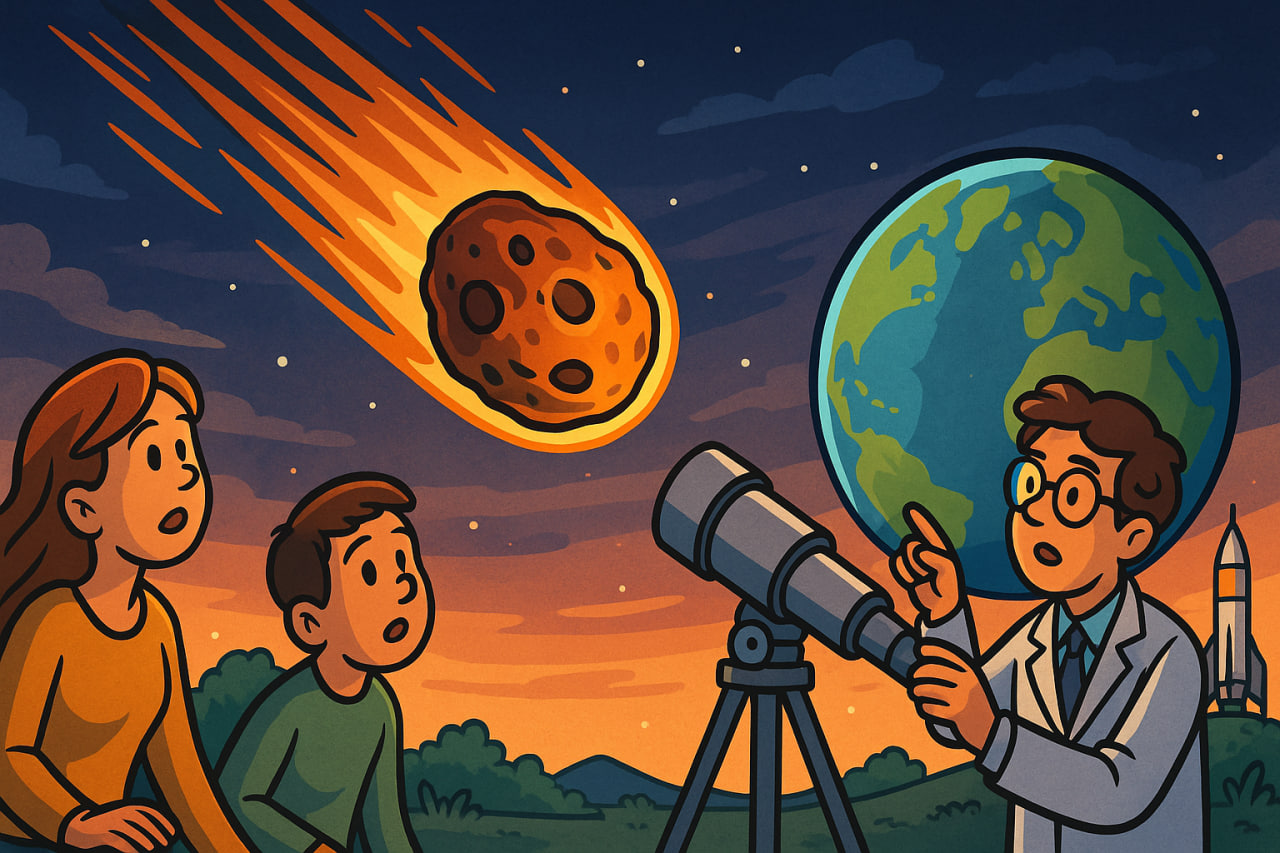
The possibility of an asteroid or comet colliding with Earth has long been a subject of both scientific research and public concern. While such events are rare, history shows that they can have devastating consequences. Scientists and space agencies monitor the skies to detect these objects early, but what if one were discovered heading directly toward Earth with no way to avoid impact?
Is It Possible to Freeze Light?
Hi-Tech New Discoveries Be Smart

Is It Possible to Freeze Light?

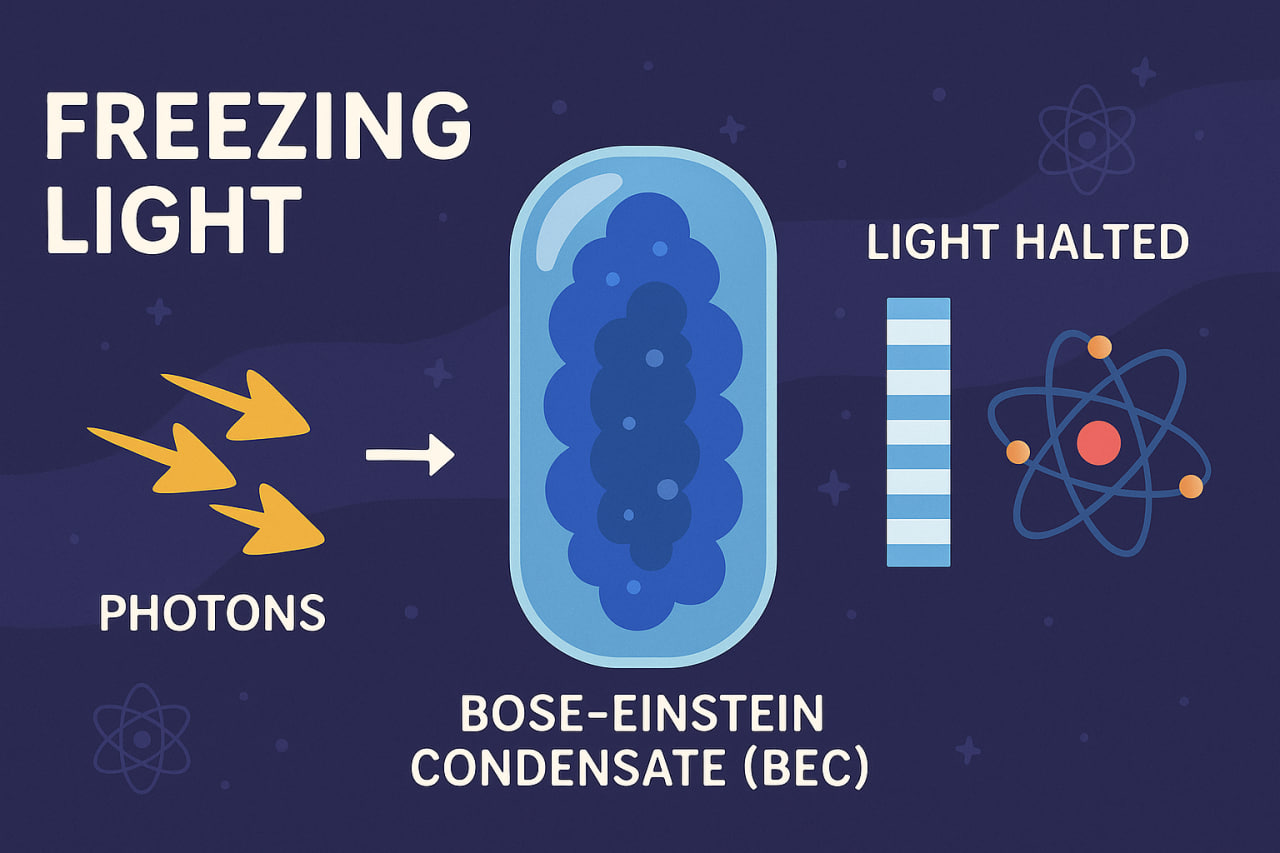
The idea of freezing light may sound like science fiction, but modern physics has shown that it is possible to slow down or even stop light under special conditions. Since light normally travels at about 300,000 kilometers per second in a vacuum, the concept of stopping it entirely is both fascinating and revolutionary.

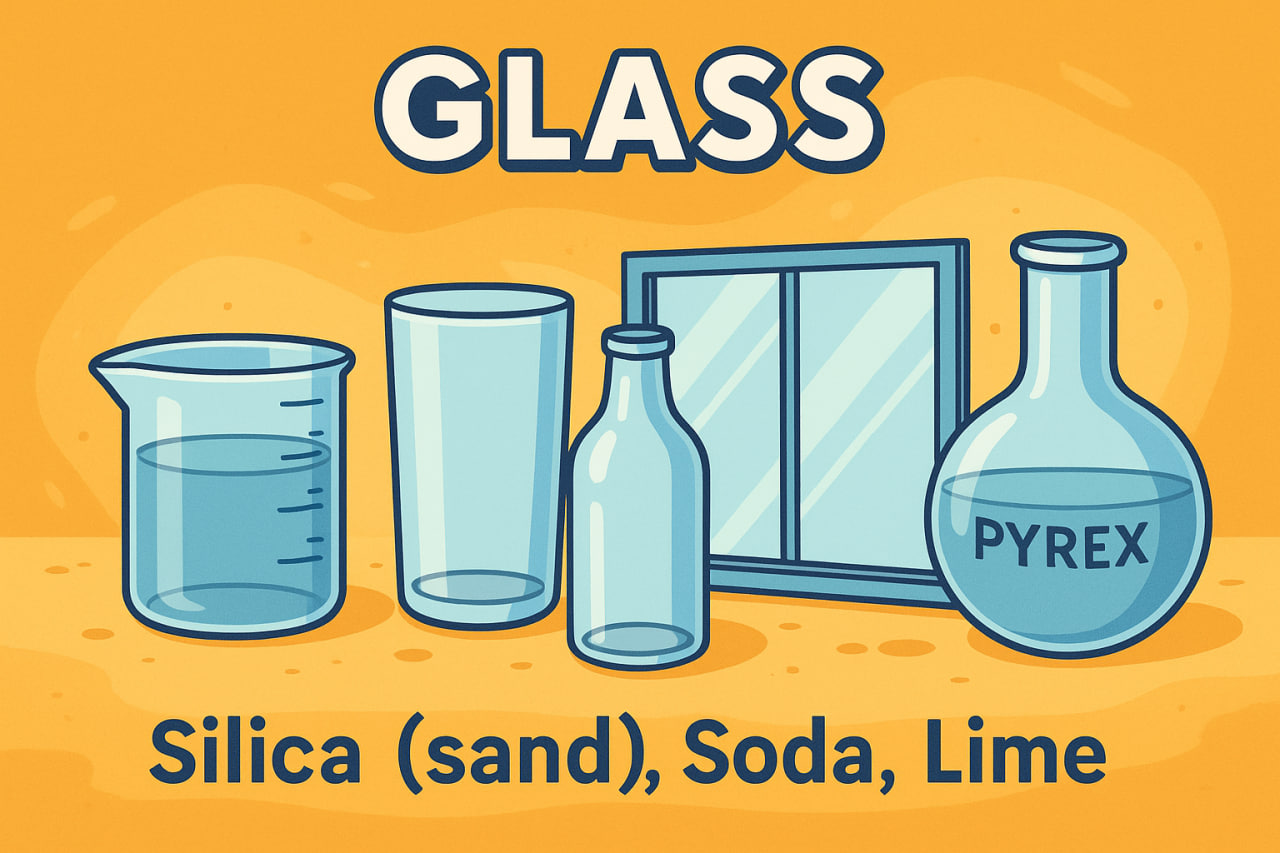
What Is Glass?
Science Be Smart

What Is Glass?

Glass is one of the most versatile and widely used materials in human history. From windows and bottles to fiber optics and laboratory equipment, glass plays an essential role in everyday life and modern technology. Its unique properties, such as transparency and durability, make it indispensable across many industries.

Silver: The Versatile Precious Metal
Science Be Smart

Silver: The Versatile Precious Metal

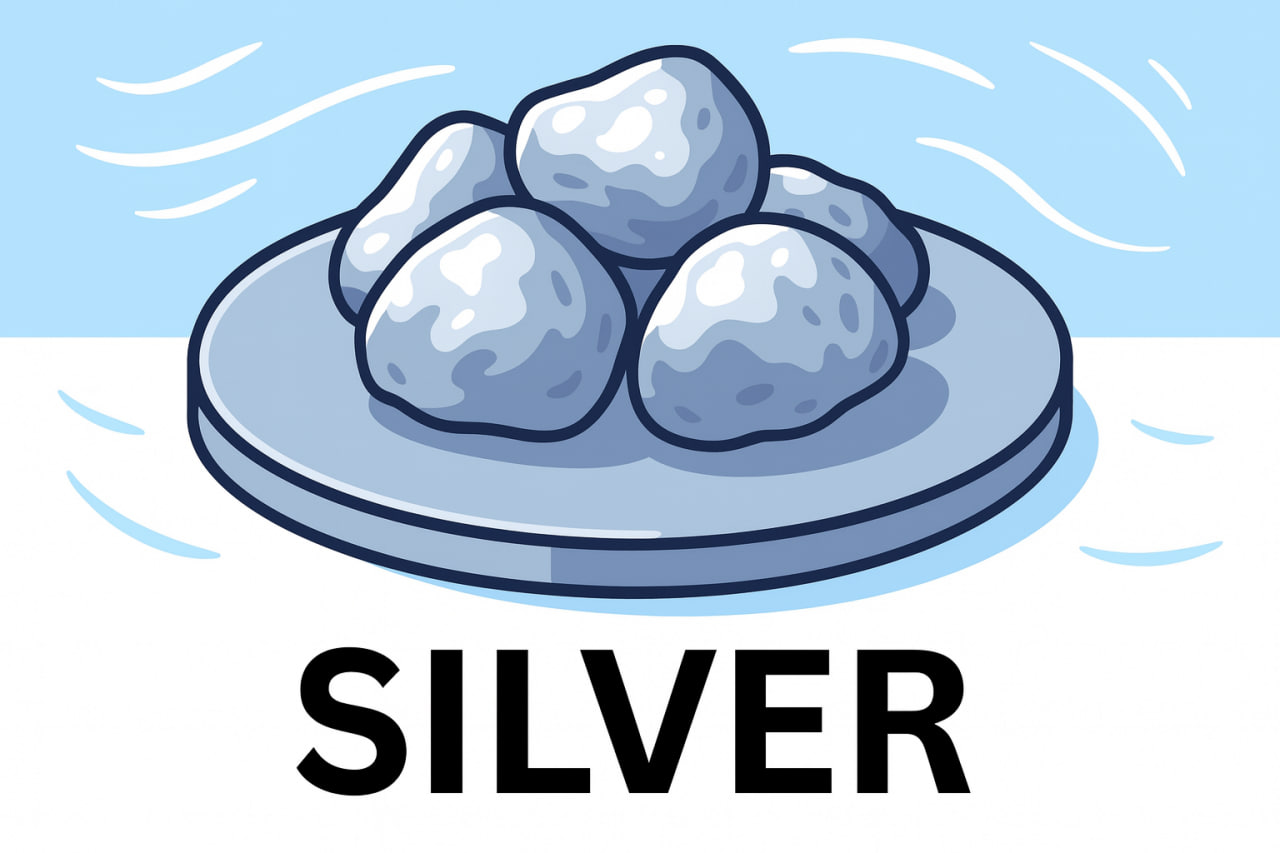
Silver is one of the most important precious metals in human history, valued for its beauty, rarity, and wide range of uses. Unlike some other metals, silver combines cultural significance with extraordinary practical applications in science, technology, and medicine.

What Is Plasma?
Science New Discoveries Be Smart

What Is Plasma?

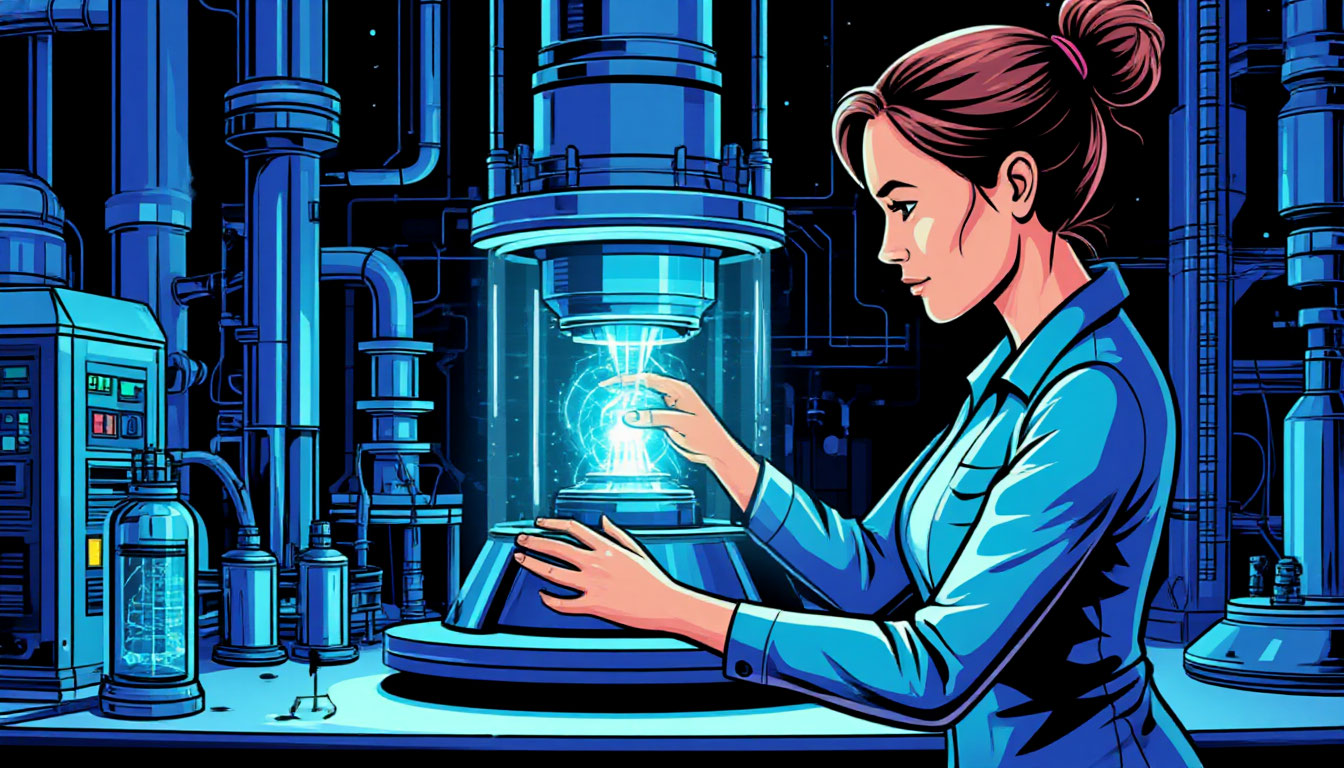
Plasma is often called the fourth state of matter, alongside solid, liquid, and gas. It is a highly energetic state in which atoms are stripped of some or all of their electrons, creating a mixture of positively charged ions and free electrons. Because of this, plasma behaves differently from ordinary gases, conducting electricity and responding strongly to magnetic and electric fields.

What Is Radiation?
Science Be Smart

What Is Radiation?

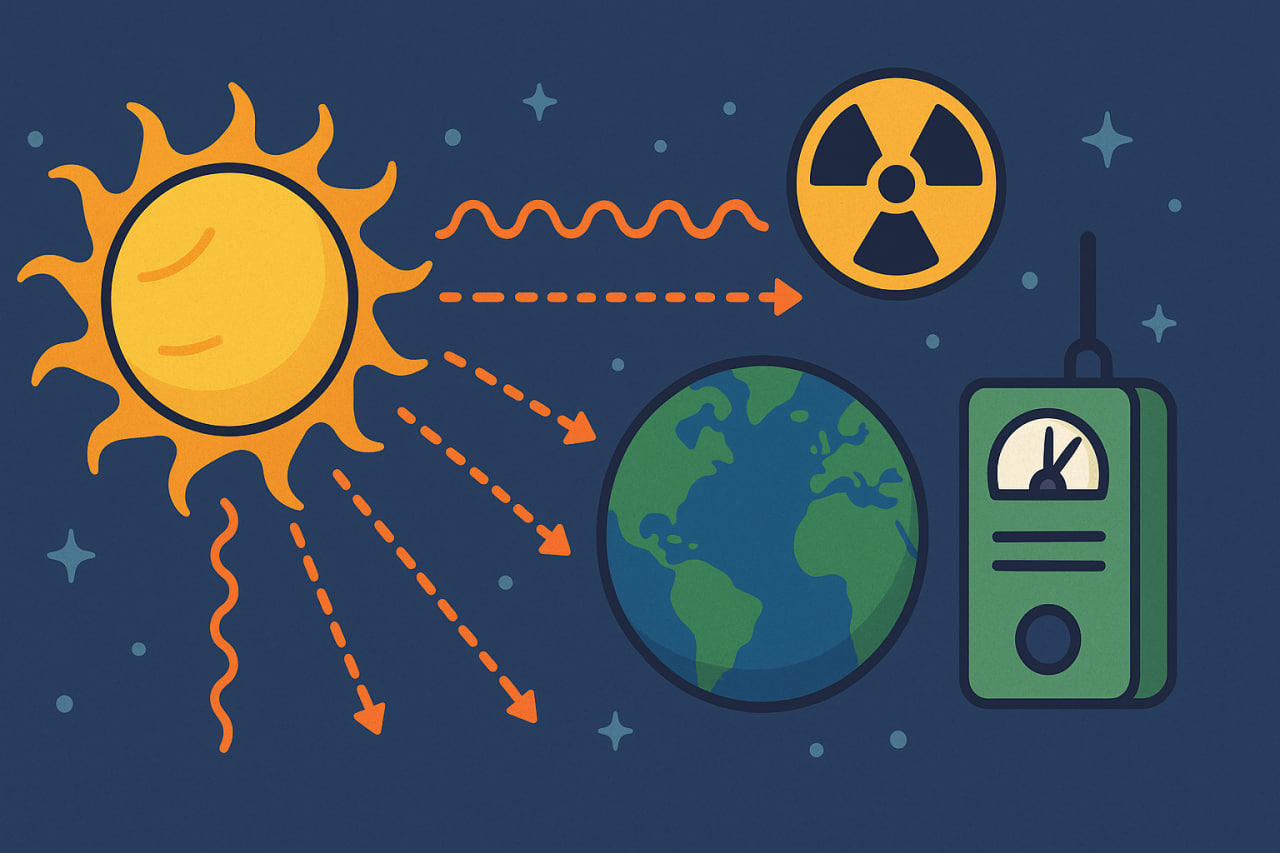
Radiation is the process by which energy travels through space or a medium in the form of waves or particles. It is a fundamental part of nature, present everywhere—from sunlight warming the Earth to the medical tools used in hospitals. Radiation can be both beneficial and harmful, depending on its type, strength, and exposure levels.

How Earth’s Axis Changes
Be Smart Earth & Moon

How Earth’s Axis Changes

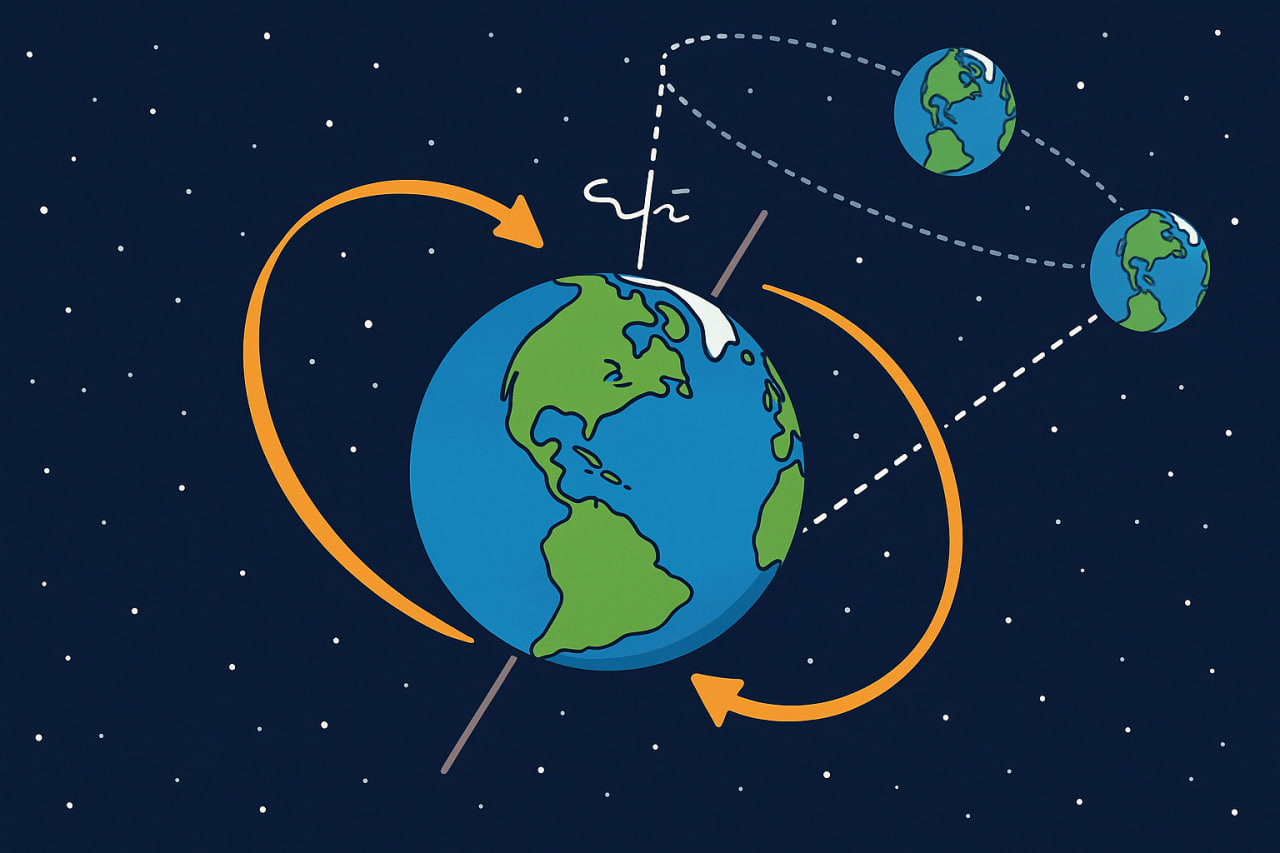
The Earth does not stand perfectly still as it spins; its axis of rotation—the imaginary line running through the North and South Poles—slowly shifts over time. This change in Earth’s axis affects climate patterns, astronomical observations, and the planet’s long-term stability. The shifting of Earth’s axis occurs due to several natural processes, including precession, nutation, and axial tilt variations.

Can Time Be Stopped?
Science Be Smart

Can Time Be Stopped?

The idea of stopping time has fascinated humanity for centuries. From myths and literature to science fiction, many stories explore what it would mean if time could come to a halt. But in physics, time is not simply a ticking clock—it is a fundamental dimension of the universe, woven together with space into what scientists call space-time. Asking whether time can be stopped means questioning the very nature of reality itself.

The Earth's Lithosphere: Structure, Function, and Importance
Be Smart Earth & Moon

The Earth's Lithosphere: Structure, Function, and Importance

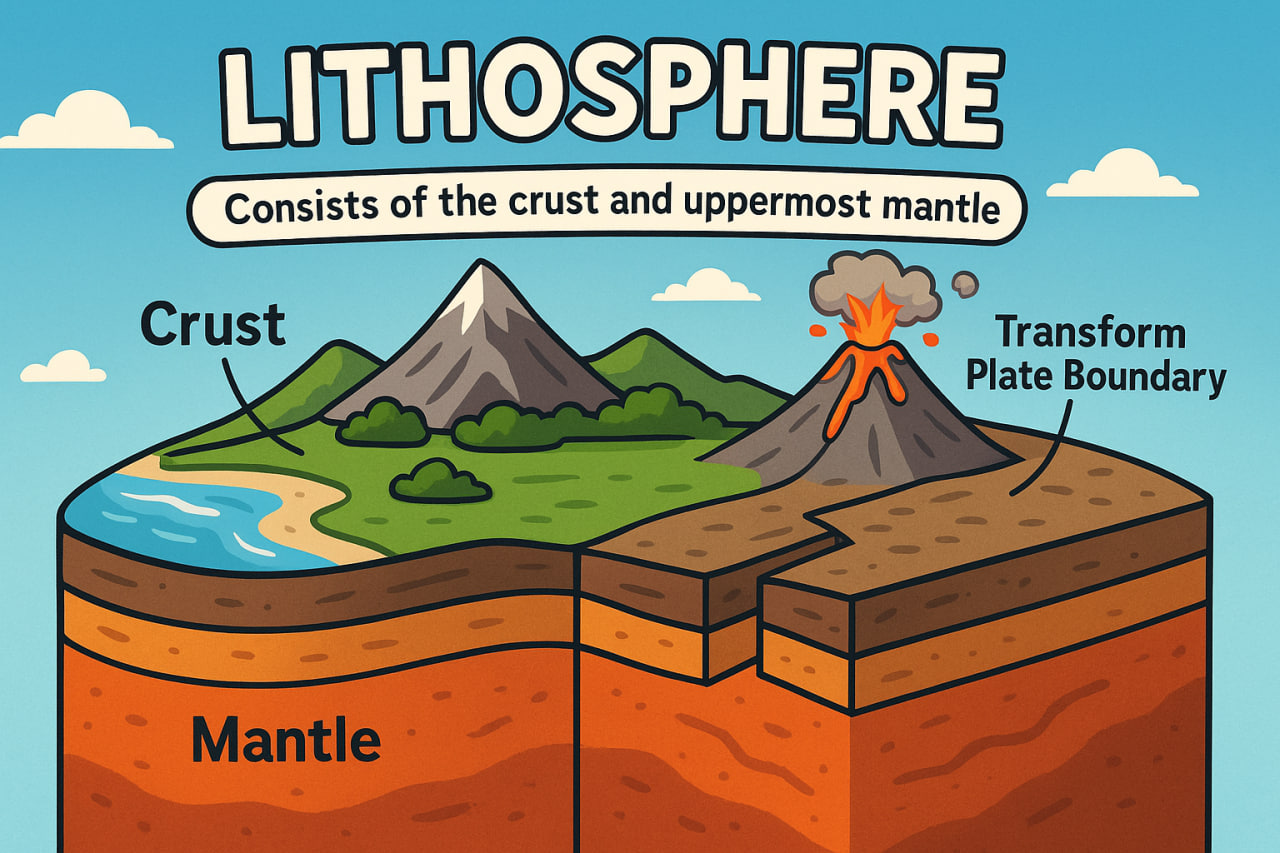
The lithosphere is the rigid outer shell of the Earth, encompassing the crust and the uppermost part of the mantle. It plays a critical role in shaping the planet’s surface, influencing geological activity, and supporting life. The lithosphere is divided into large tectonic plates, which move slowly over the softer asthenosphere beneath them, driving processes such as earthquakes, volcanism, and mountain building.

The Earth's Core: Structure, Composition, and Importance
Be Smart Earth & Moon

The Earth's Core: Structure, Composition, and Importance

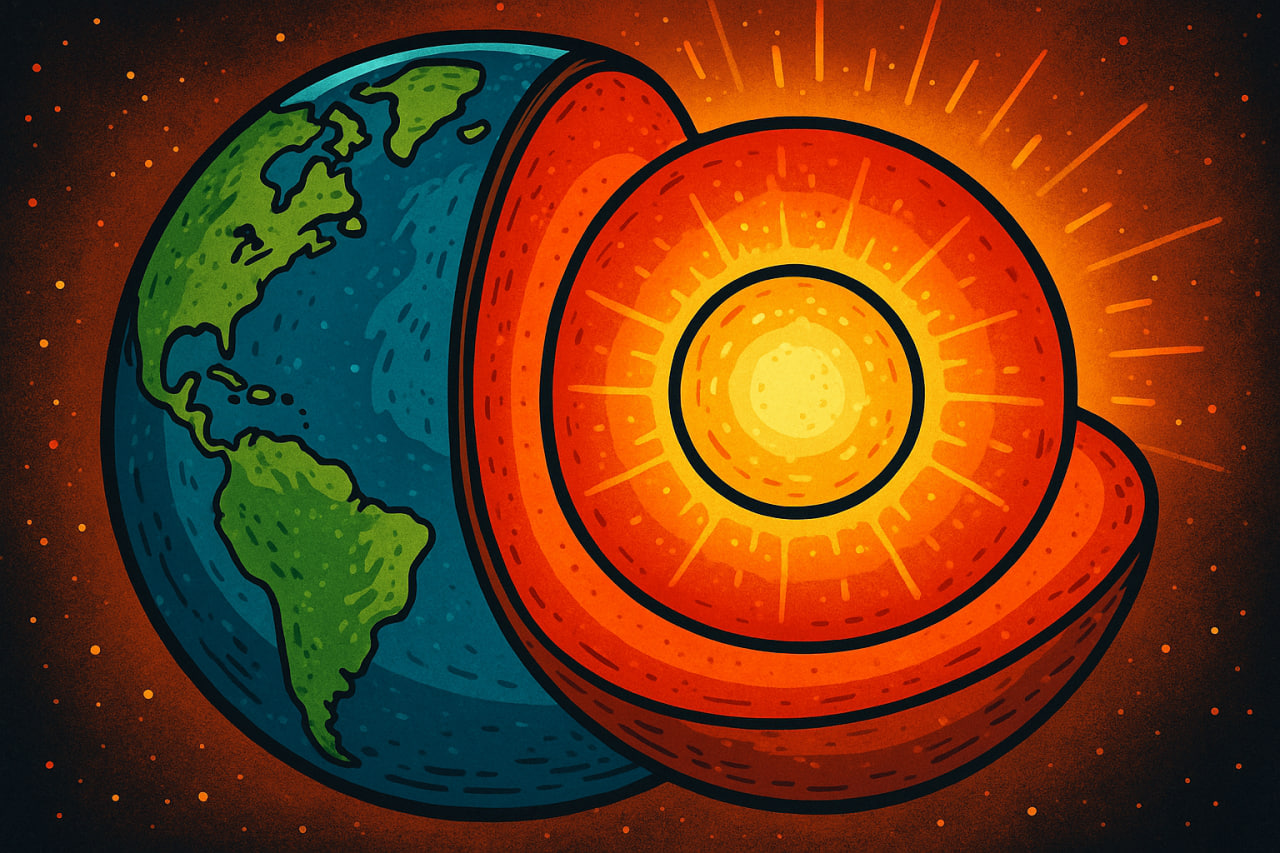
The Earth's core is one of the most fascinating and mysterious parts of our planet. Hidden deep beneath the surface, it plays a crucial role in maintaining Earth's magnetic field, regulating its geological activity, and sustaining conditions for life. Despite being inaccessible for direct observation, scientists have studied it through seismic data, experiments, and theoretical models, revealing a complex and dynamic structure.