Be Smart

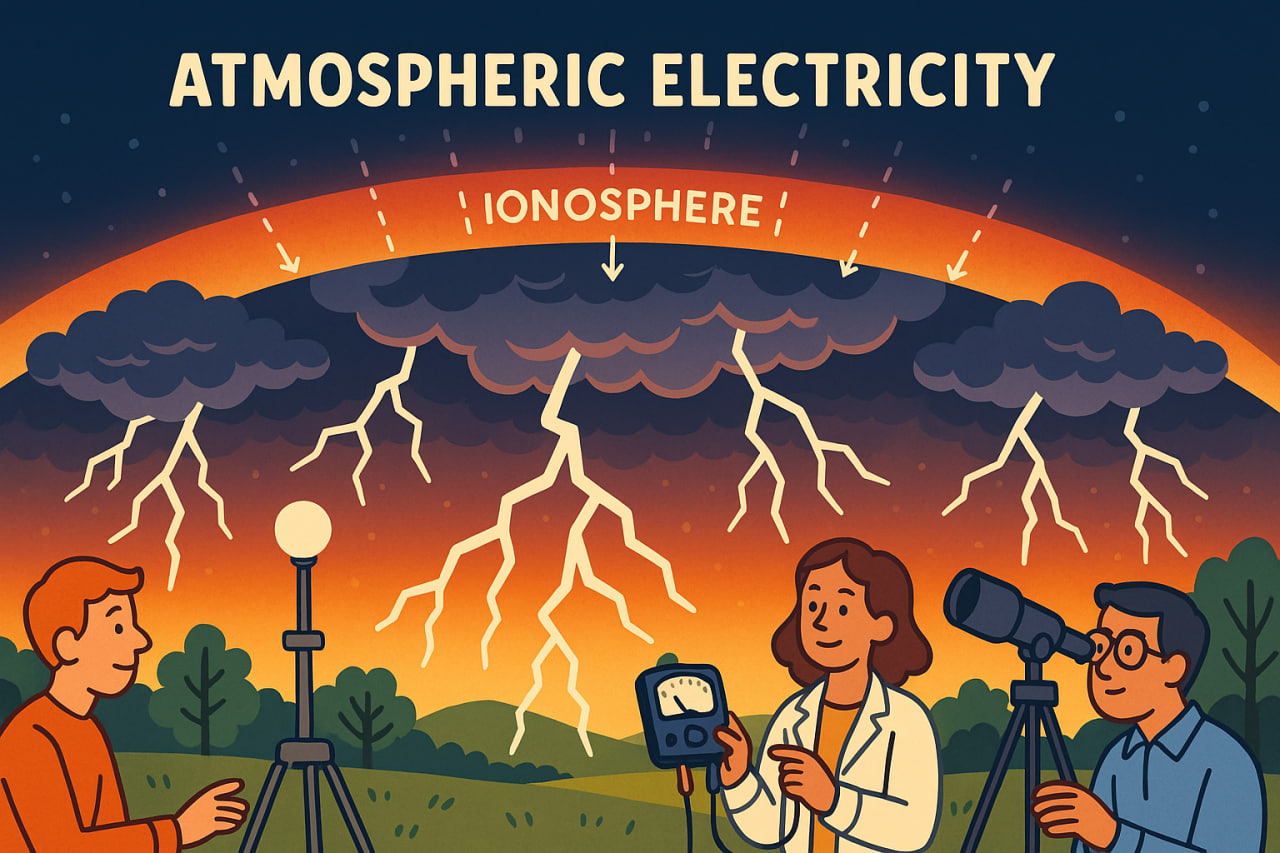
Atmospheric Electricity: The Invisible Energy of the Sky
Science New Discoveries Be Smart

Atmospheric Electricity: The Invisible Energy of the Sky

The atmosphere of our planet is not just a layer of air — it is also a vast electrical system filled with charges, currents, and fields that continuously interact between Earth and space. This phenomenon is known as atmospheric electricity. Although invisible to the human eye, it plays a key role in weather, lightning formation, and even the global climate. Understanding this energy helps scientists predict storms, study climate processes, and explore new ways to generate clean power.
Can We Harness Thunderstorms to Generate Electricity?
Hi-Tech Science Be Smart

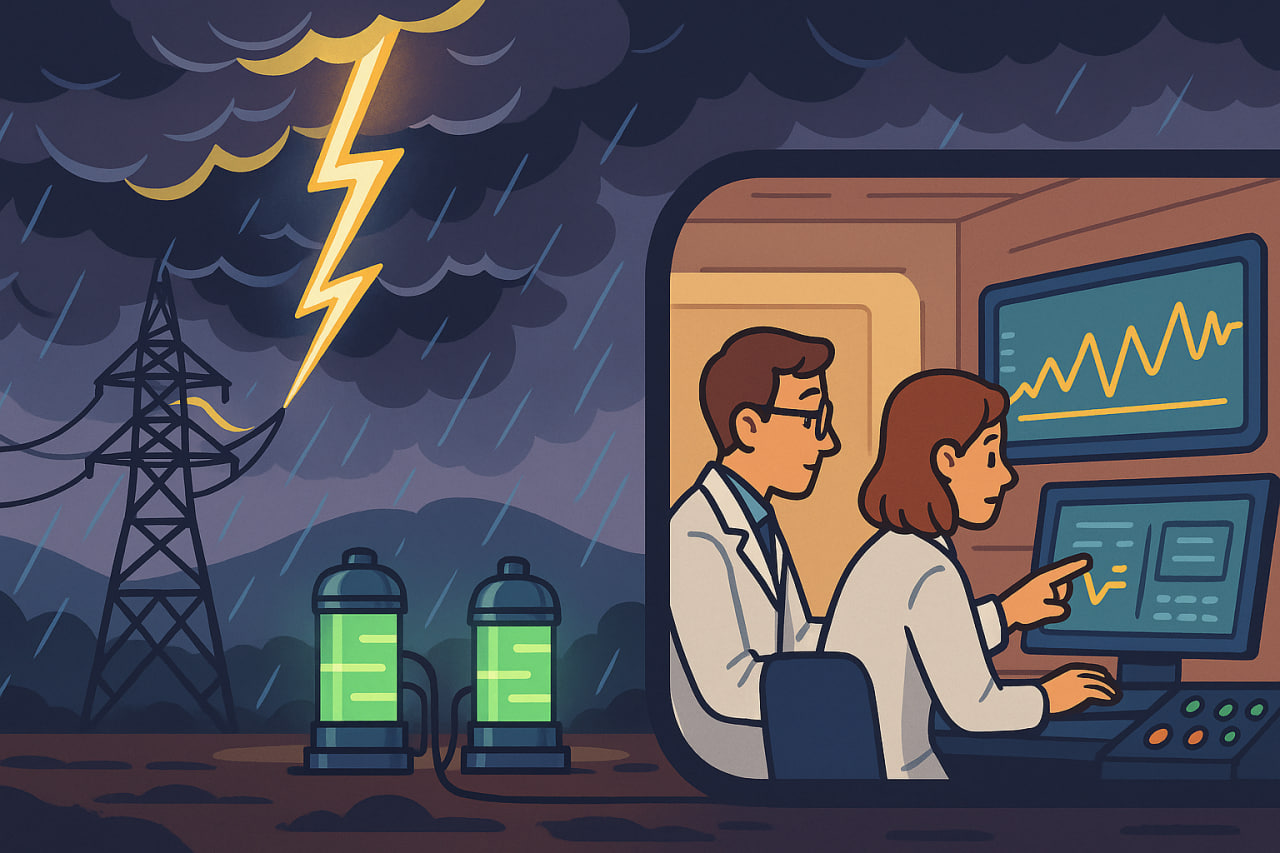
Can We Harness Thunderstorms to Generate Electricity?

Thunderstorms are among nature’s most powerful displays of energy. A single lightning bolt can heat the air to temperatures five times hotter than the surface of the Sun and release enough energy to power a city block — if only for an instant. For decades, scientists and engineers have dreamed of capturing this energy and converting it into electricity. But is it truly possible to use thunderstorms as a reliable energy source, or does the idea remain a fascinating yet unattainable dream?

Physics: The Science That Explains the Universe
Science Be Smart

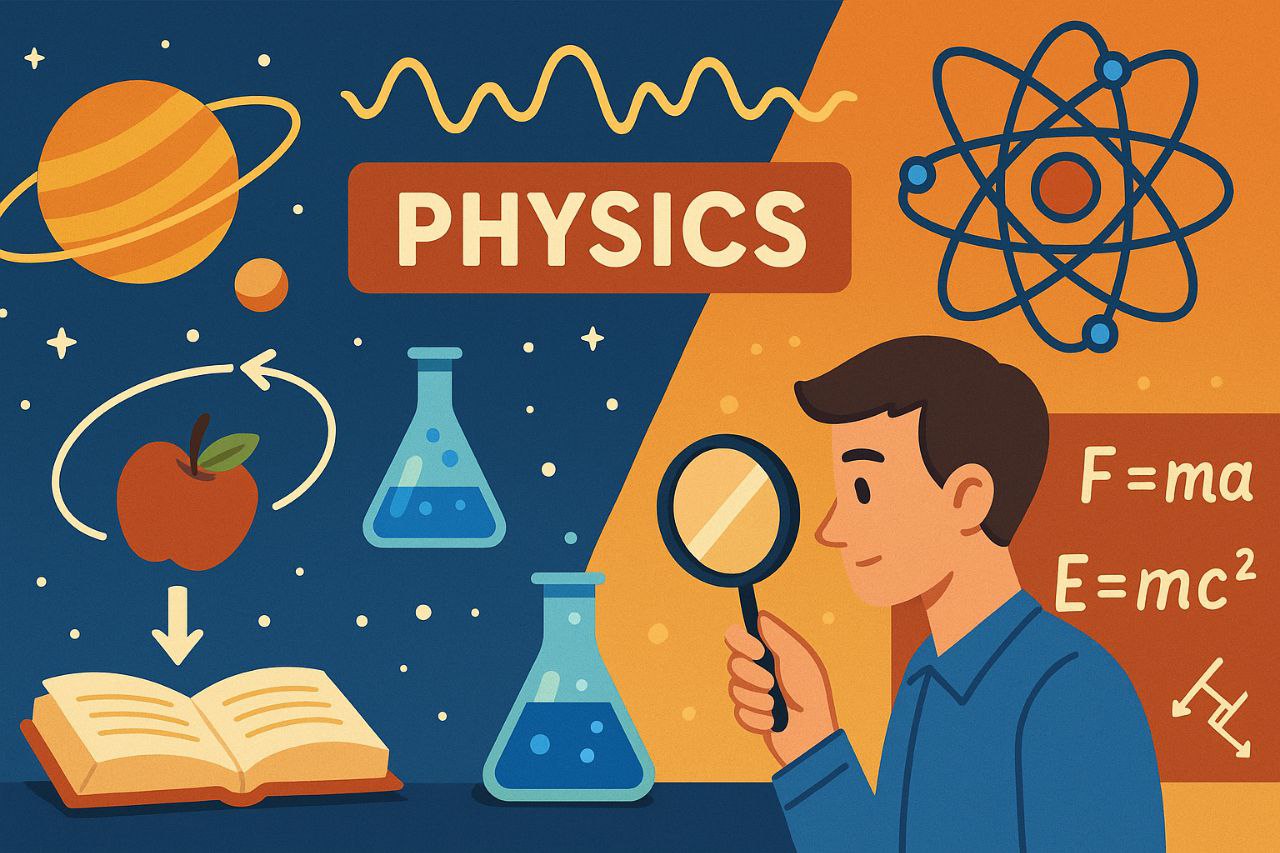
Physics: The Science That Explains the Universe

Physics is one of the most fundamental sciences — it seeks to understand how the universe works, from the motion of planets to the vibrations of atoms. Everything around us, including light, sound, heat, electricity, and gravity, follows physical laws. By studying these laws, humans have learned not only to describe nature but also to harness its power — to create electricity, computers, satellites, and even spacecraft exploring other worlds.

Chemistry: The Science of Matter and Transformation
Science Be Smart

Chemistry: The Science of Matter and Transformation

Chemistry is the central science that connects physics, biology, and Earth sciences. It explores how matter is structured, how substances interact, and how new materials are formed. Every breath we take, every meal we eat, and every technological innovation we create involves chemistry. From the formation of stars to the composition of living cells, chemistry explains the invisible processes that shape our universe and everyday life.

Acids and Bases: The Chemistry of Balance
Science Be Smart

Acids and Bases: The Chemistry of Balance

Acids and bases — or alkalis — are fundamental substances that shape the world around us and play a vital role in both nature and human life. From the sour taste of lemons to the slippery feel of soap, their presence can be found in food, cleaning agents, our own bodies, and even the oceans. Understanding how acids and bases interact helps explain a wide range of natural and industrial processes, as well as how to maintain balance in biological and environmental systems.

The States of Matter: How the Universe’s Building Blocks Transform
Science Be Smart

The States of Matter: How the Universe’s Building Blocks Transform

Everything around us — the air we breathe, the water we drink, the ground we walk on — is made of matter. Matter is anything that has mass and takes up space. But this matter does not always look or behave the same way. Depending on temperature, pressure, and energy, it can exist in different states — solid, liquid, gas, plasma, and even more exotic forms discovered in modern physics. Understanding these states helps explain how nature and technology work at every level, from ice cubes to stars.

Geoengineering: The Science of Controlling Earth’s Climate
Science Be Smart

Geoengineering: The Science of Controlling Earth’s Climate

As the world faces accelerating climate change, scientists are exploring extraordinary technologies that might one day allow humanity to actively regulate the planet’s climate. This emerging field, known as geoengineering, seeks to counter global warming through deliberate, large-scale interventions in Earth’s natural systems. While the idea sounds futuristic, geoengineering raises both great hope and serious ethical questions about humanity’s power — and responsibility — to alter nature.

Sandbox: From Childhood Playgrounds to Digital Innovation
Smart Technology Science Be Smart

Sandbox: From Childhood Playgrounds to Digital Innovation

The term “sandbox” carries a simple yet profound meaning — a space for creativity, exploration, and experimentation. Originally referring to a box filled with sand where children build castles and dig tunnels, it has evolved into a concept used in technology, cybersecurity, gaming, and even artificial intelligence. Today, a sandbox represents any safe environment designed for testing new ideas without causing harm to the real world.

Ethical Frameworks: Guiding Human and Technological Decision-Making
AI & Ethics AI Be Smart

Ethical Frameworks: Guiding Human and Technological Decision-Making

In a world increasingly shaped by technology, artificial intelligence, and global challenges, the question of ethics — what is right or wrong — has become more important than ever. Ethical frameworks provide structured ways to analyze decisions, resolve conflicts, and ensure that progress benefits humanity as a whole. Whether in medicine, business, or AI development, ethics helps align innovation with moral responsibility.

Bias: How Hidden Prejudices Shape Human and Machine Decisions
AI & Ethics AI Be Smart

Bias: How Hidden Prejudices Shape Human and Machine Decisions

Bias is one of the most complex and influential forces in both human behavior and artificial intelligence. It affects how people think, act, and make decisions — often without realizing it. In today’s digital world, where algorithms make choices about what we see, buy, or believe, understanding bias has become essential. Whether in hiring, education, or technology, bias can create unfair outcomes — but it can also be recognized, studied, and corrected.