Hi-Tech

VR and AR in Science: The Learning of the Future
Hi-Tech Smart Technology Science

VR and AR in Science: The Learning of the Future

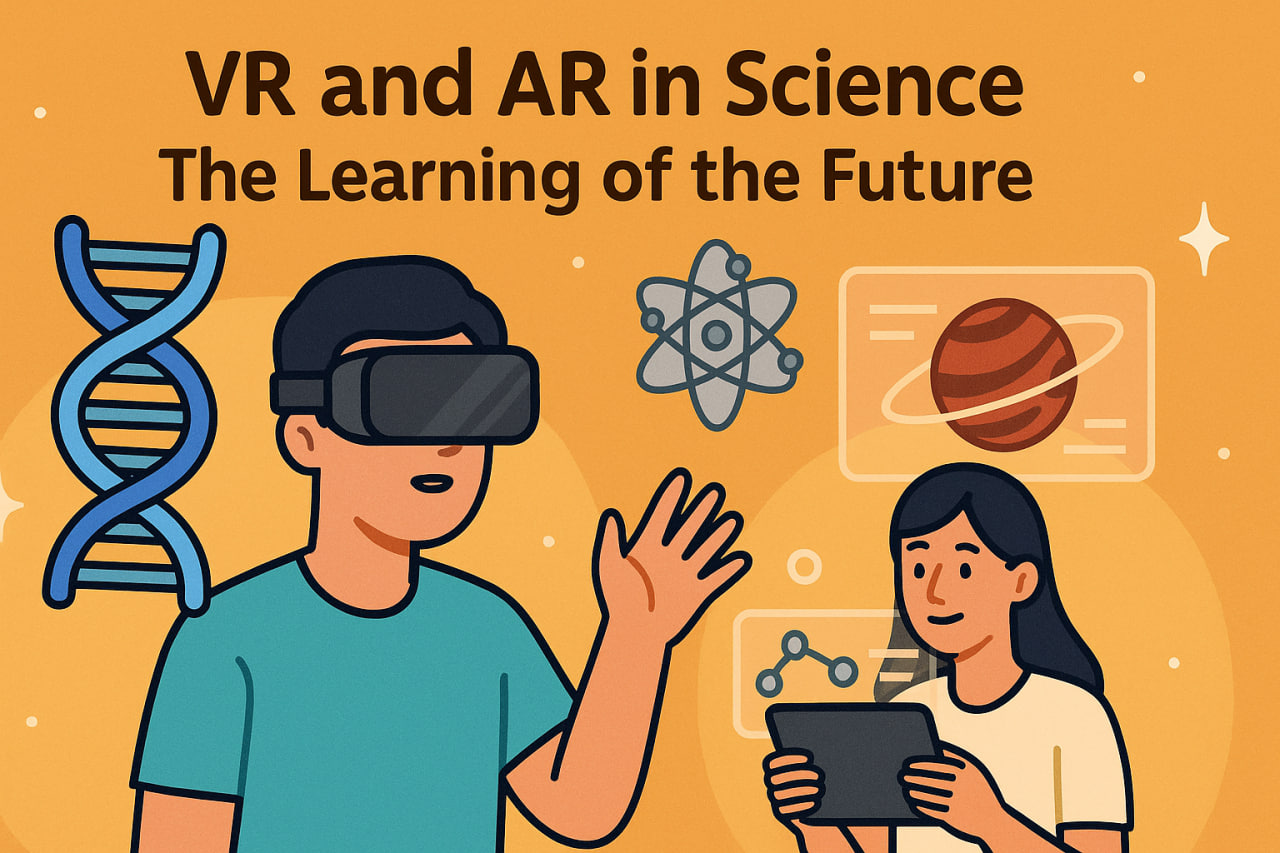
Virtual Reality (VR) and Augmented Reality (AR) are transforming the way science is taught, researched, and applied. These immersive technologies allow students, scientists, and professionals to interact with complex concepts in ways that were previously impossible. By blending digital simulations with real-world contexts, VR and AR open new dimensions for education, experimentation, and collaboration.
Latest Developments in Life-Saving Technologies
Hi-Tech Smart Technology New Discoveries

Latest Developments in Life-Saving Technologies

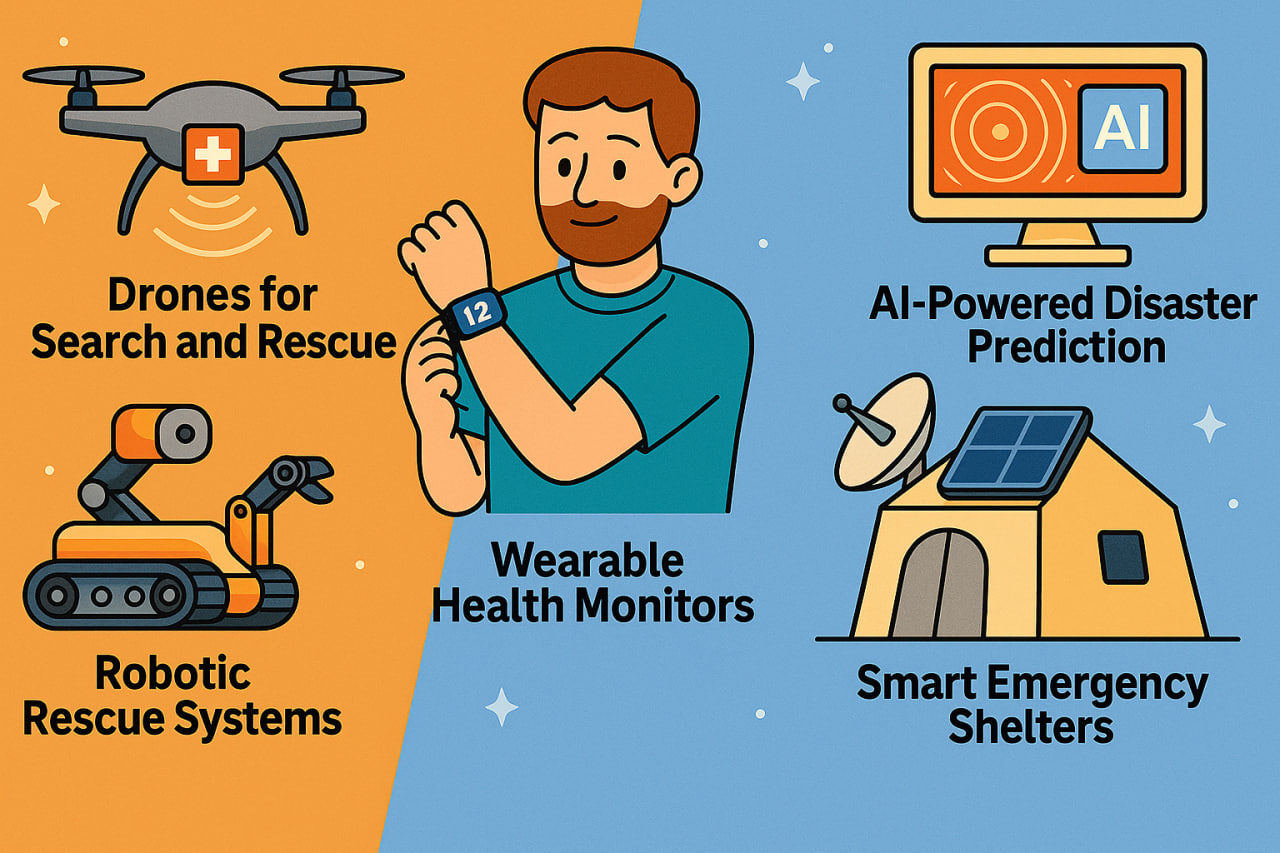
Technological progress has brought a new generation of life-saving tools that help rescue teams act faster, more accurately, and more safely. From natural disasters to medical emergencies, these innovations combine engineering, artificial intelligence, and advanced materials to protect and save lives in extreme situations.

Graphene and Its Applications
Hi-Tech New Discoveries

Graphene and Its Applications

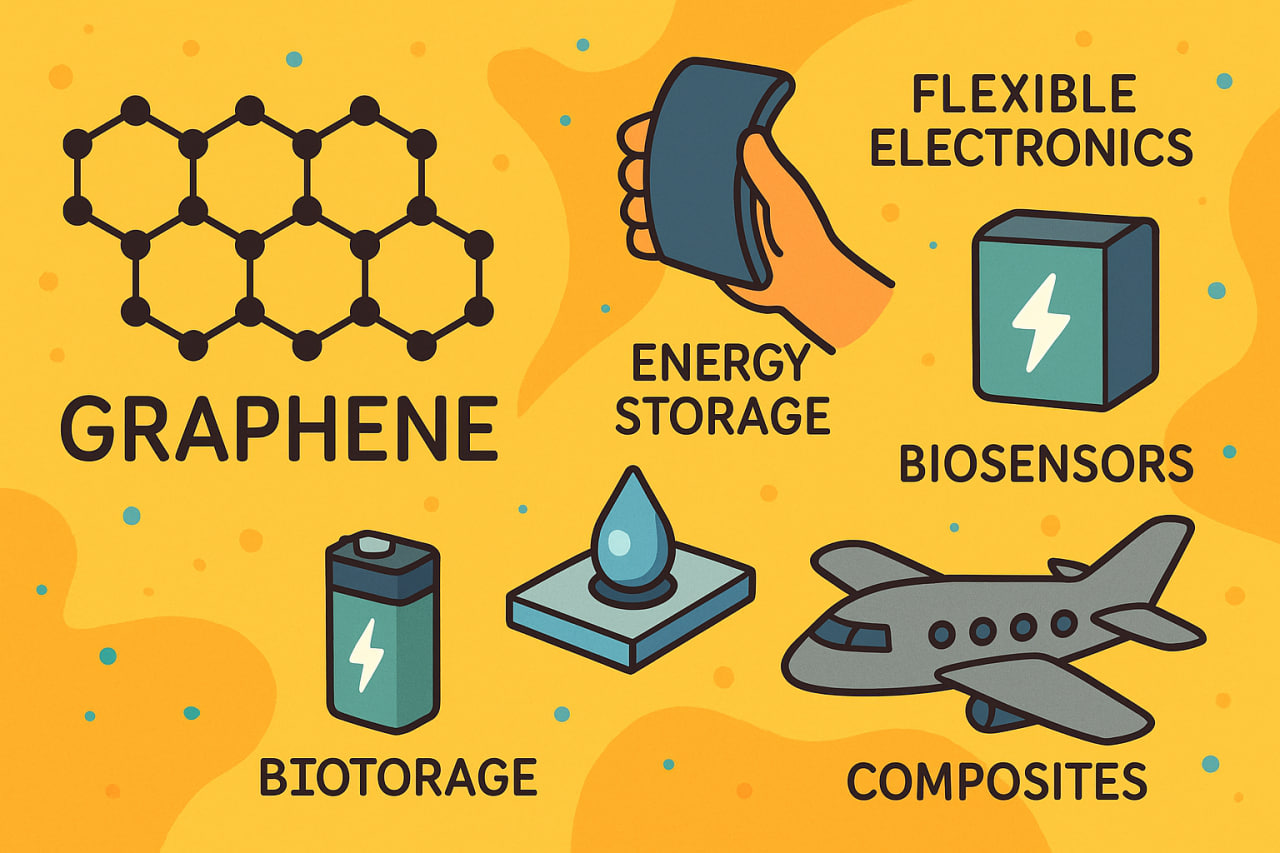
Graphene is a groundbreaking material that has captured the attention of scientists, engineers, and industries around the world. Composed of a single layer of carbon atoms arranged in a hexagonal lattice, it is the thinnest material known, yet remarkably strong, flexible, and conductive. Since its discovery in 2004, graphene has been hailed as a “wonder material” with potential to revolutionize numerous fields, from electronics to medicine.

Technologies in Extreme Conditions: Deserts, the Arctic, and Mars
Hi-Tech New Discoveries

Technologies in Extreme Conditions: Deserts, the Arctic, and Mars

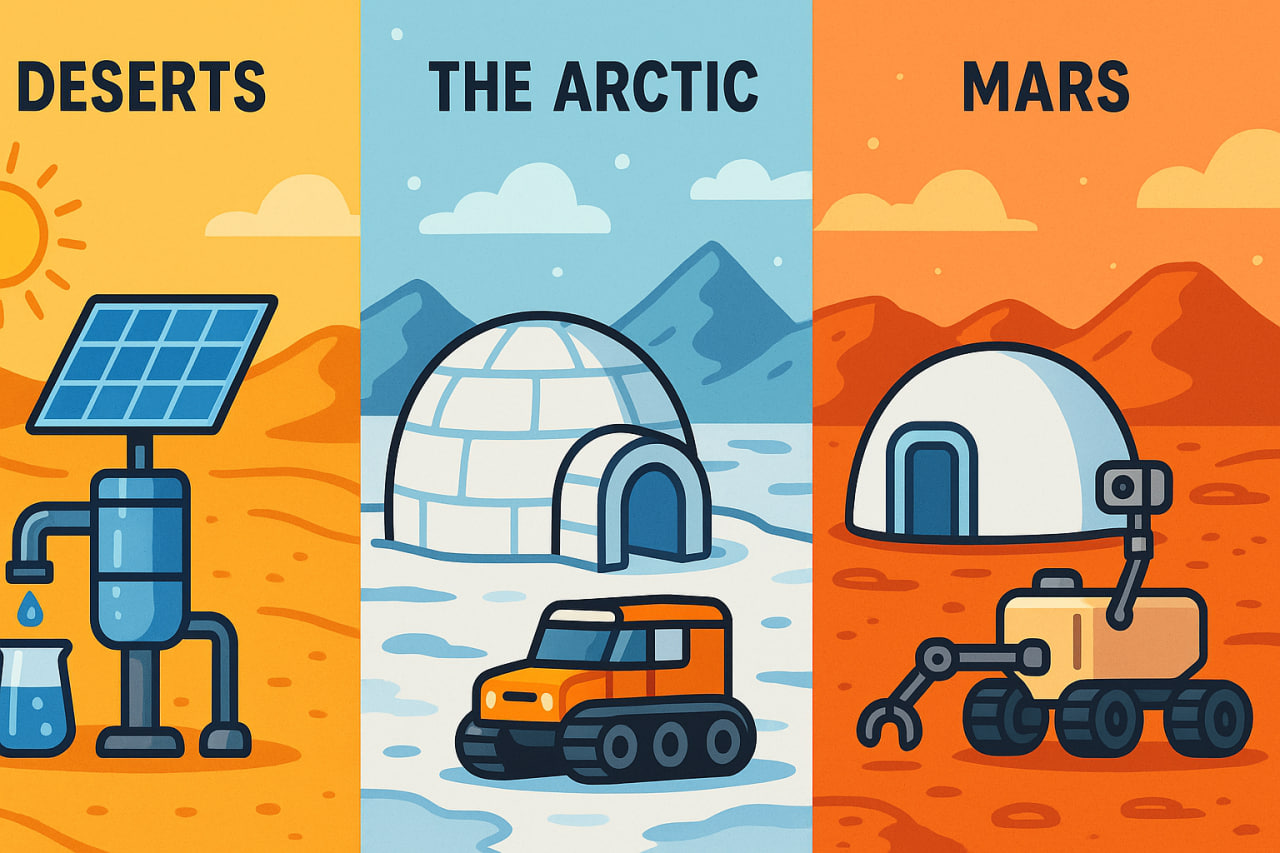
Human innovation has always thrived in challenging environments. From scorching deserts to the freezing Arctic and even the barren landscapes of Mars, technology plays a crucial role in enabling survival, exploration, and development. These environments demand equipment, materials, and systems that can withstand extreme temperatures, limited resources, and harsh terrain.

How Space Suits Are Made
Cosmic Innovations Hi-Tech New Discoveries

How Space Suits Are Made

A space suit — or extravehicular mobility unit (EMU) — is more than just clothing. It’s a self-contained life support system, acting as a miniature spacecraft that protects astronauts from the harsh conditions of space. A properly designed suit maintains pressure, supplies oxygen, removes CO₂, shields from radiation and micrometeoroids, and allows mobility in zero gravity. Creating a space suit involves advanced materials science, engineering, biology, and astronaut feedback, and is one of the most complex aspects of human spaceflight.

How Satellites Transmit Signals
Hi-Tech Science

How Satellites Transmit Signals

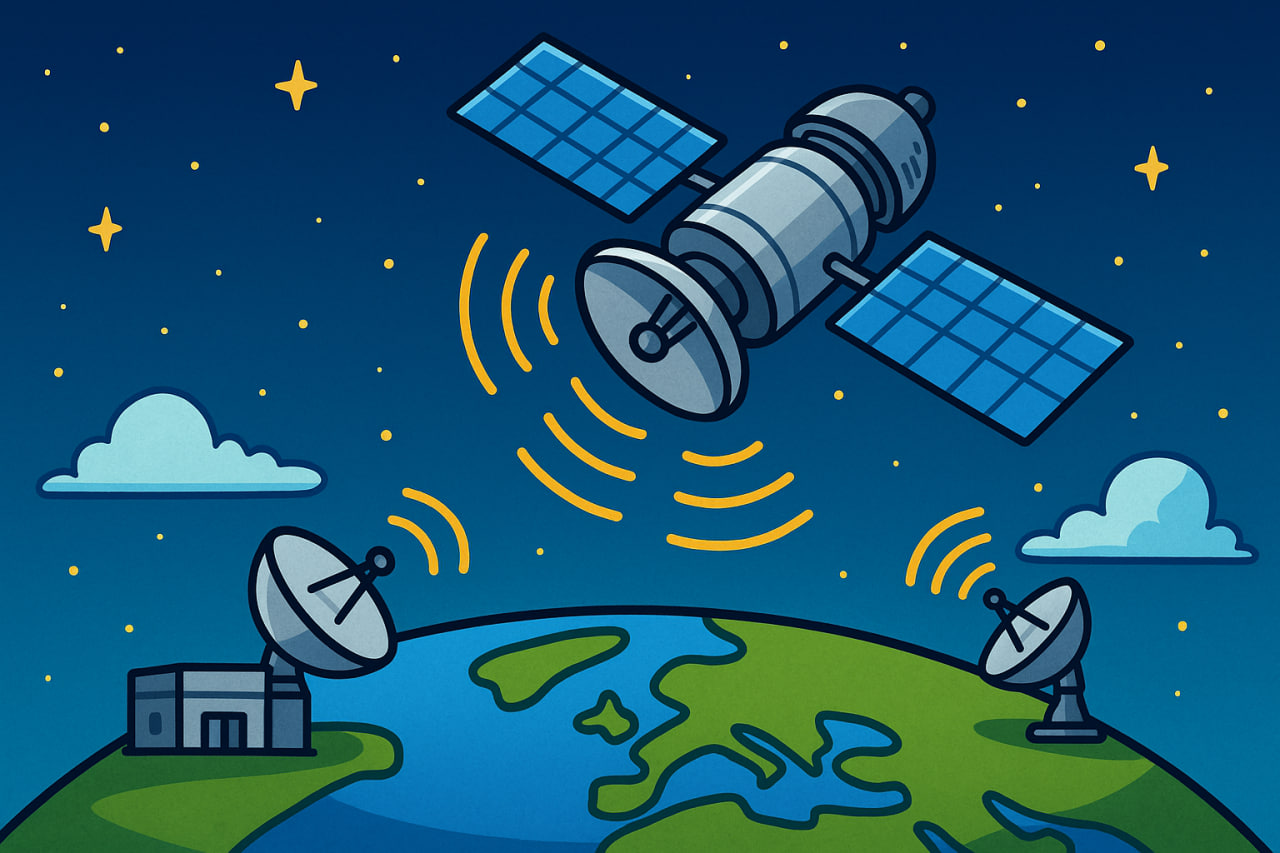
Every time you watch satellite TV, check the weather forecast, or use GPS, you're interacting with signals sent from space. Artificial satellites orbiting Earth play a key role in global communication by receiving, amplifying, and re-transmitting signals. Whether for internet, television, navigation, or defense, satellite communication is an essential part of our modern world. But how exactly do satellites send signals across such great distances?

Latest Space Technologies
Cosmic Innovations Hi-Tech Smart Technology

Latest Space Technologies

We are living in a revolutionary era of space technology. Once dominated by government agencies and Cold War politics, modern space activity now includes private companies, global collaboration, robotics, and AI. From reusable rockets to lunar habitats, cutting-edge innovations are redefining what is possible in space exploration. These new technologies aim not only to return us to the Moon and reach Mars but to build a sustainable human presence beyond Earth.

What Is Nuclear Fusion?
Hi-Tech Science New Discoveries

What Is Nuclear Fusion?

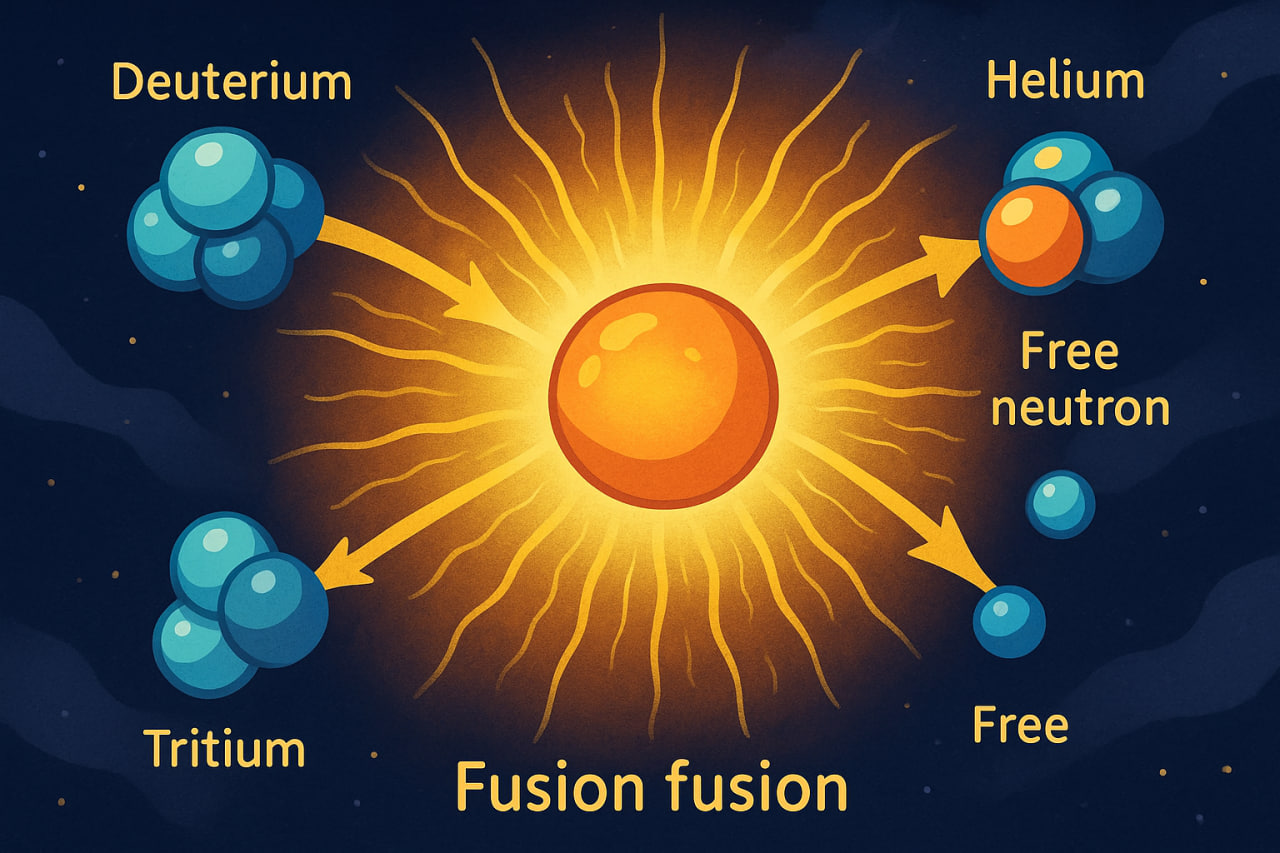
Nuclear fusion is the process by which two light atomic nuclei combine to form a heavier nucleus, releasing an enormous amount of energy in the process. It is the same reaction that powers the Sun and other stars. Unlike nuclear fission, which splits atoms and is used in current nuclear power plants, fusion combines atoms — and produces less radioactive waste, no greenhouse gases, and offers a virtually limitless source of clean energy. For decades, scientists have pursued controlled nuclear fusion on Earth as a potential energy revolution.

How Lasers Work and the Latest Advances
Hi-Tech Smart Technology Science

How Lasers Work and the Latest Advances

A laser (Light Amplification by Stimulated Emission of Radiation) is a device that emits a beam of coherent, monochromatic light — meaning all light waves have the same wavelength and move in unison. Unlike ordinary light from a bulb, laser light is extremely focused and powerful. Lasers are used in everything from barcode scanners and fiber-optic communication to medical surgeries and space exploration. The basic principle of a laser relies on quantum physics, specifically the controlled behavior of photons in a medium that can be excited to emit light in a synchronized way.

How a Radio Telescope Works
Cosmic Innovations Hi-Tech

How a Radio Telescope Works

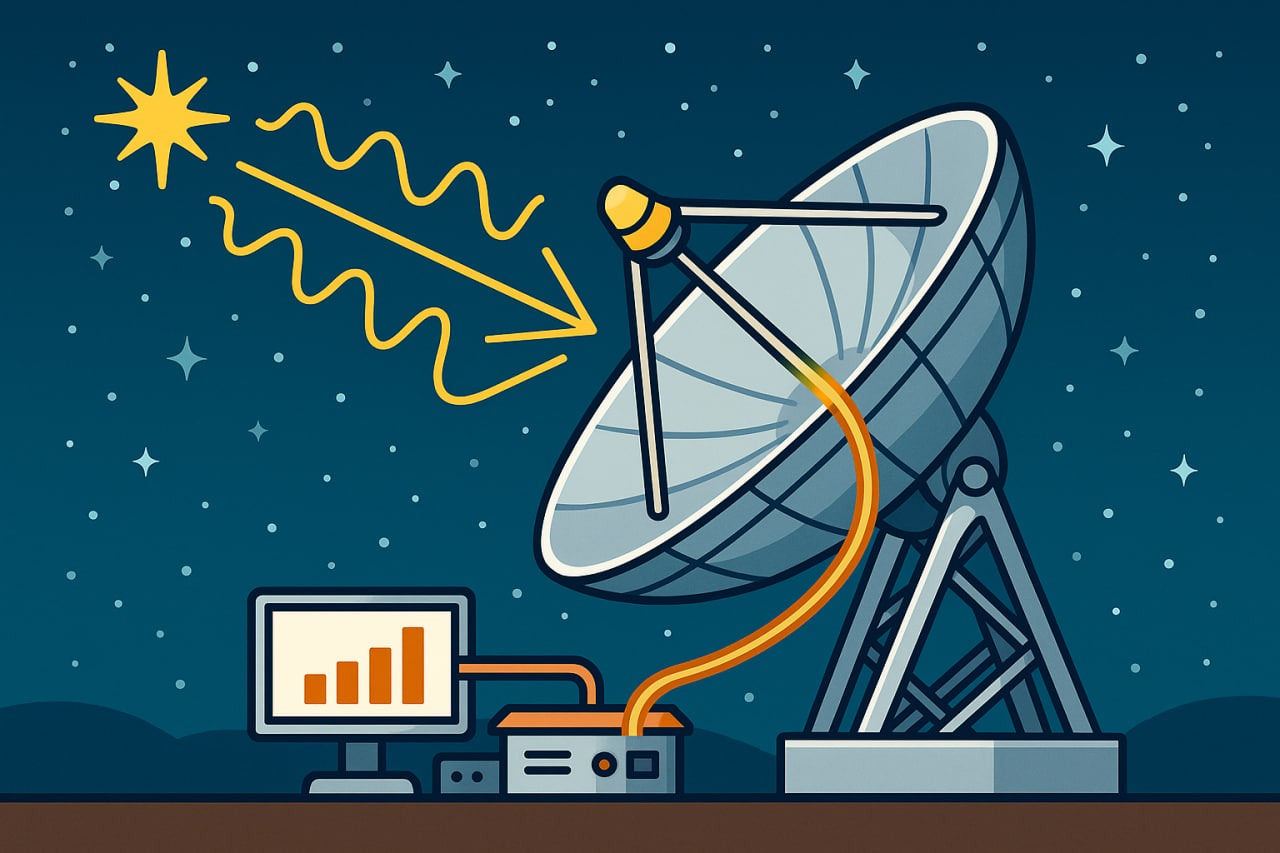
Unlike traditional optical telescopes that capture visible light, a radio telescope detects radio waves emitted by celestial objects. These waves are part of the electromagnetic spectrum, but they have much longer wavelengths than visible light — sometimes stretching for meters. Because radio waves can travel through clouds, dust, and even the Earth's atmosphere, radio telescopes open a unique window into the cosmos. They allow astronomers to study phenomena that are invisible to optical telescopes, such as pulsars, quasars, cosmic background radiation, and interstellar gas clouds.