Hi-Tech

Why We Need Large Hadron Colliders
Hi-Tech Smart Technology New Discoveries

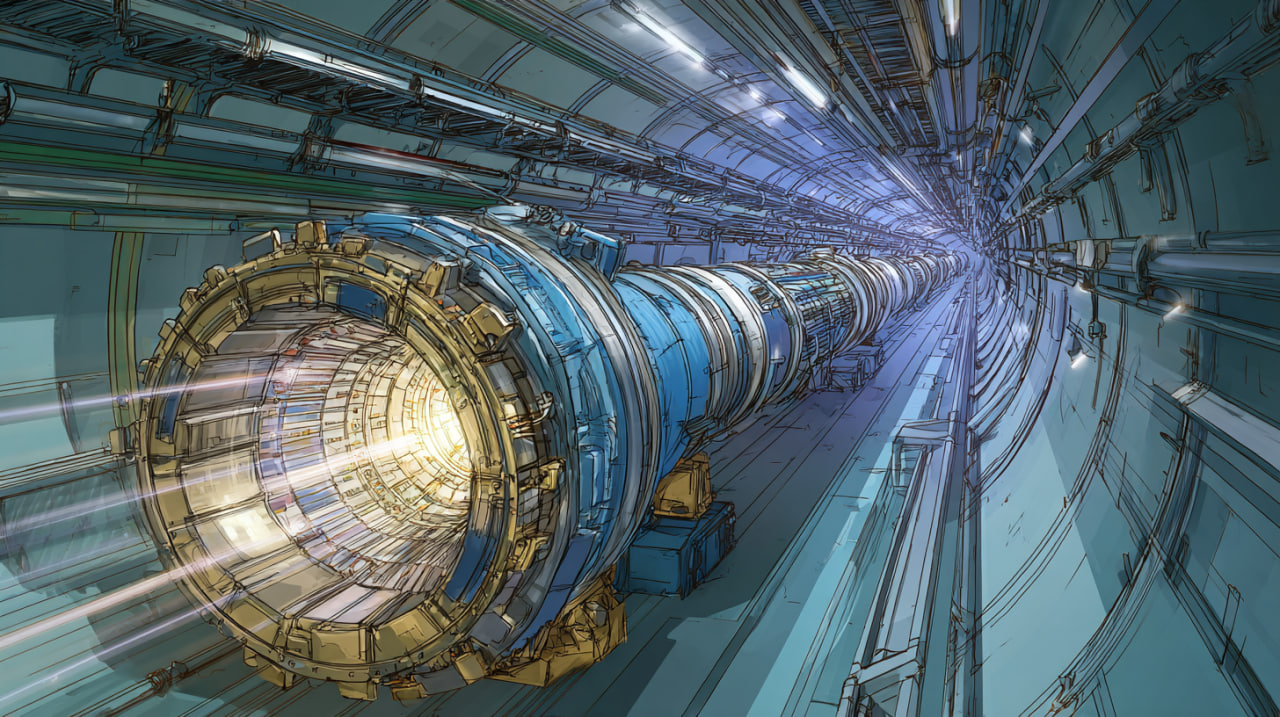
Why We Need Large Hadron Colliders

Large Hadron Colliders (LHCs) are among the most complex and ambitious scientific instruments ever built. Their main purpose is to study the fundamental particles that constitute matter and the forces that govern their interactions. These giant underground machines use superconducting magnets to accelerate particles—usually protons—to near-light speeds and smash them together under controlled conditions. The resulting collisions allow physicists to observe phenomena that existed only moments after the Big Bang. The most famous of these machines is the CERN Large Hadron Collider, located on the border of France and Switzerland.


Resistance of Materials at −270°C
Hi-Tech New Discoveries

Resistance of Materials at −270°C

−270°C is a temperature close to absolute zero (0 K), where atomic motion nearly ceases. Studying how materials behave in these extreme cryogenic conditions is crucial for space exploration, quantum computing, and superconductivity research. Most conventional materials become brittle, unstable, or lose their structural integrity at such low temperatures. However, specialized materials such as certain metal alloys, ceramics, and composites can retain strength, flexibility, or even gain remarkable properties like superconductivity. Understanding the response of materials under these conditions requires deep knowledge of thermodynamics, quantum effects, and crystal structure behavior.

Quantum vs Classical Computers: When Will the Revolution Happen?
Hi-Tech Smart Technology New Discoveries

Quantum vs Classical Computers: When Will the Revolution Happen?

Quantum computers represent a fundamentally new paradigm in information processing. Unlike classical computers, which process bits as 0s and 1s, quantum computers operate on qubits, which can exist in multiple states simultaneously. This allows them to perform certain calculations exponentially faster, with wide-reaching implications for cryptography, chemistry, finance, artificial intelligence, and more. However, the technology is still in its early stages, and practical, widespread use remains a matter of ongoing research and engineering breakthroughs.

Breakthroughs in Quantum Cryptography: The Future of Secure Communication
Hi-Tech New Discoveries

Breakthroughs in Quantum Cryptography: The Future of Secure Communication

Quantum cryptography is revolutionizing how sensitive information is secured. Based on the principles of quantum mechanics, this technology offers unbreakable encryption by exploiting the behavior of particles at the smallest scale. In recent years, major breakthroughs have brought quantum cryptographic methods closer to widespread practical use. As classical encryption systems become vulnerable to powerful quantum computers, quantum-based security may soon become essential for national security, finance, healthcare, and communications.

What Is a Gyrotron and How It Works
Hi-Tech Science New Discoveries

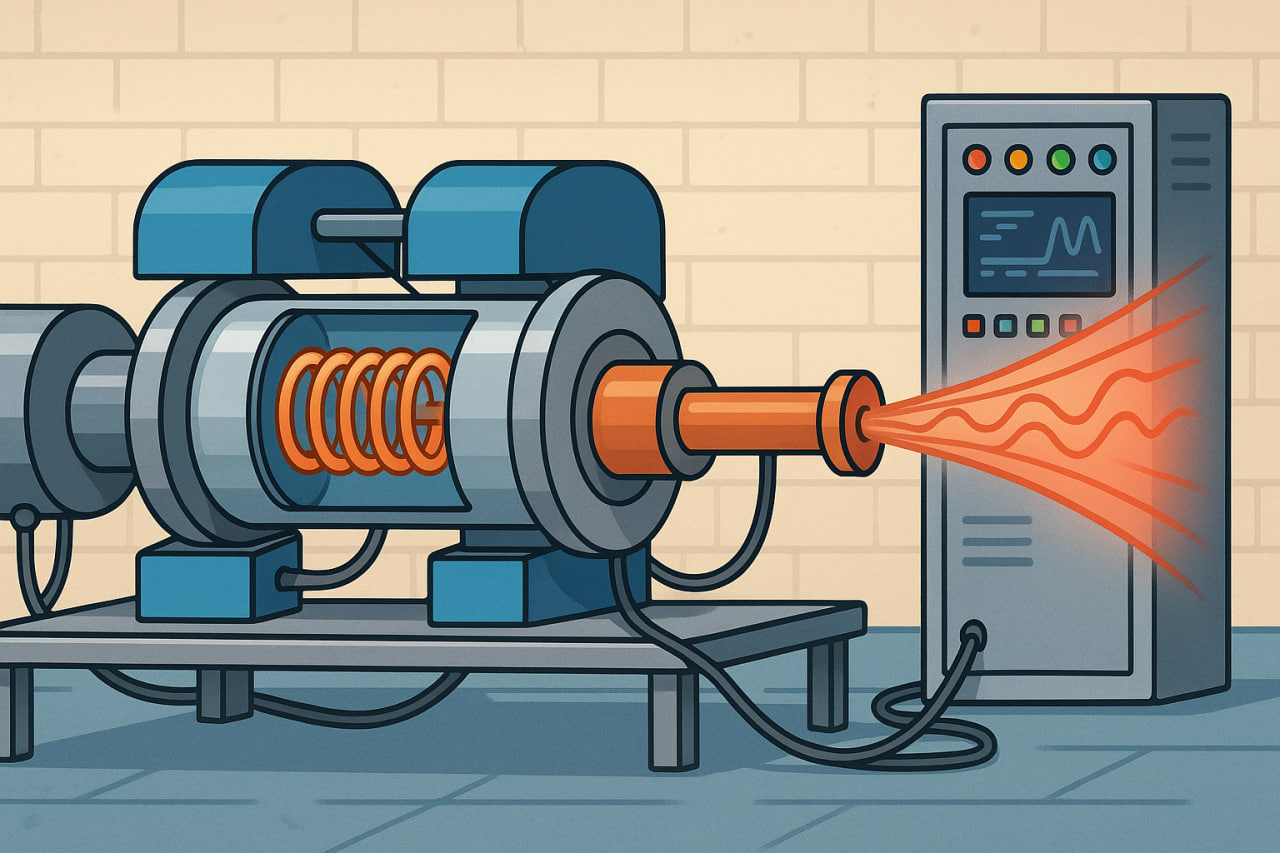
What Is a Gyrotron and How It Works

A gyrotron is a high-power vacuum tube that generates electromagnetic radiation in the millimeter-wave and sub-terahertz frequency ranges. It belongs to the class of cyclotron resonance masers, meaning it amplifies radiation by interacting with fast-moving electrons spiraling in a magnetic field. Gyrotrons are primarily used in advanced scientific and industrial applications that require intense, focused beams of energy, especially in the field of nuclear fusion research.

How GPS Uses Satellites to Pinpoint Your Location
Hi-Tech Smart Technology

How GPS Uses Satellites to Pinpoint Your Location

The Global Positioning System (GPS) is a technology used daily in navigation, smartphones, shipping, and aviation. But few people realize how GPS works and how satellites high above Earth make real-time location tracking possible. The system combines physics, engineering, and space infrastructure to determine a receiver’s precise position on the planet.

How Space Stations Are Built
Space Stories Cosmic Innovations Hi-Tech

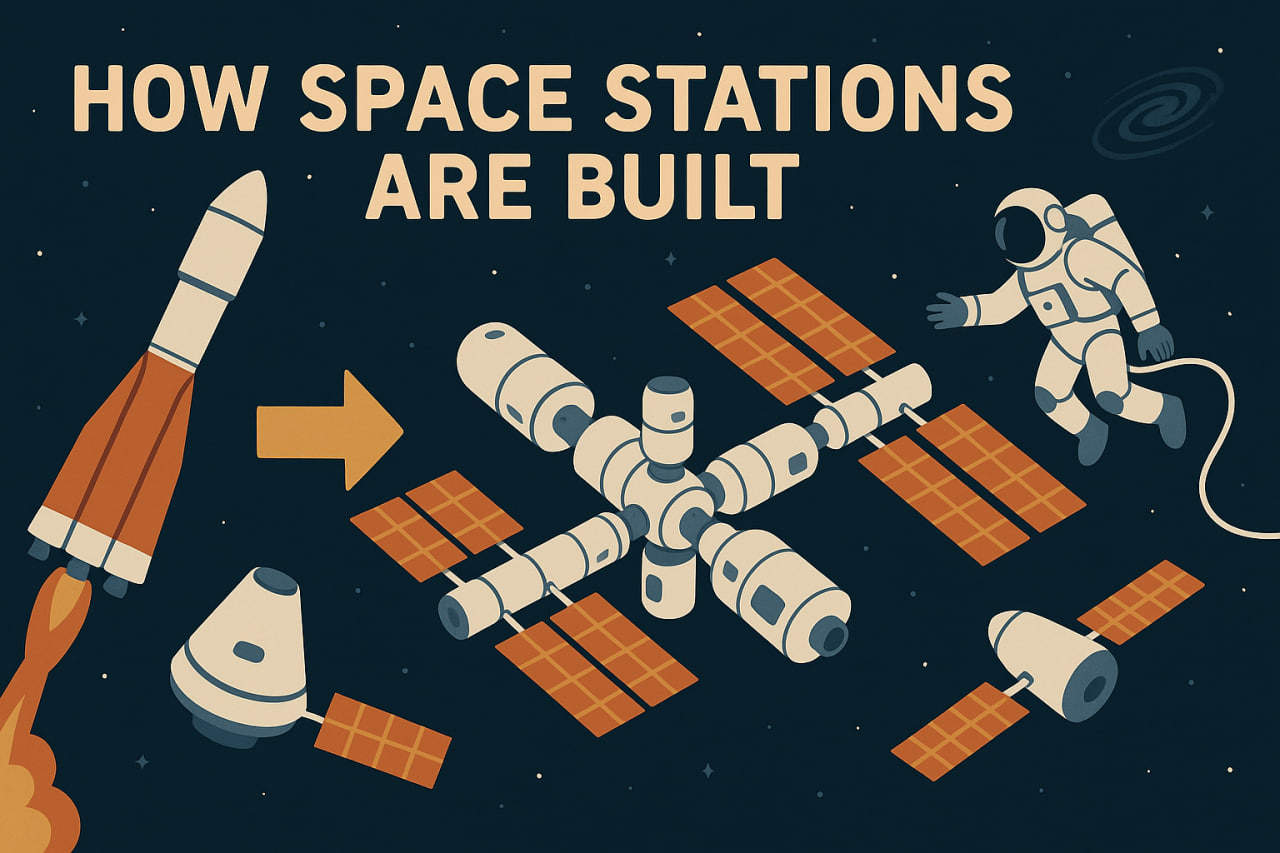
How Space Stations Are Built

A space station is a large, habitable artificial satellite that orbits Earth, serving as a platform for scientific research, space exploration, and international cooperation. Building a space station is one of the most complex engineering tasks ever undertaken by humanity. Unlike ground-based structures, space stations must be assembled in orbit, piece by piece, using specially designed modules, spacecraft, and astronaut labor.

What Are Antiparticles?
Hi-Tech Science New Discoveries

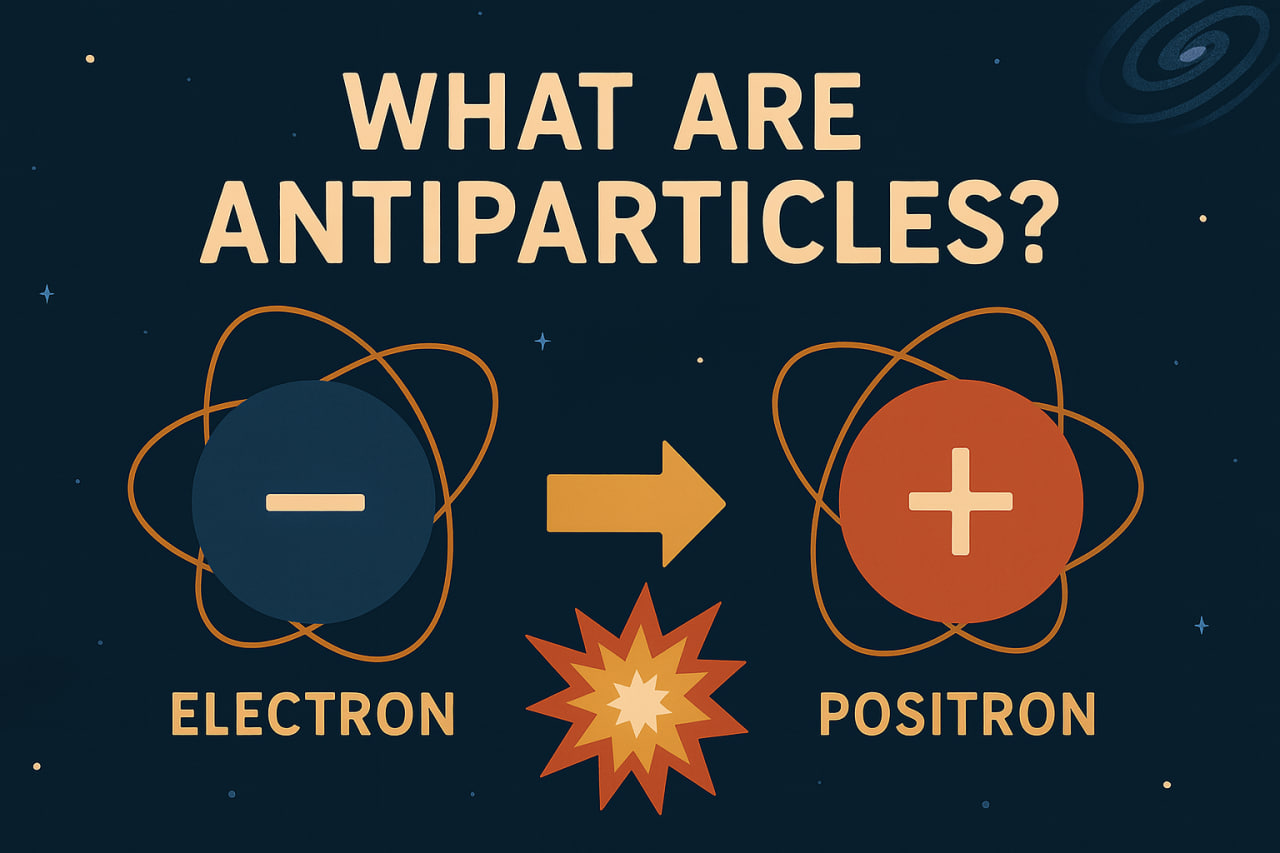
What Are Antiparticles?

Antiparticles are a fundamental concept in modern physics, especially in the field of quantum mechanics and particle physics. Every known particle of matter—like the electron, proton, or neutron—has a corresponding antiparticle with the same mass but opposite electric charge and quantum properties. These mysterious particles are not science fiction—they are real, detectable, and play a key role in the structure of the universe.

How the James Webb Space Telescope Works
Cosmic Innovations Hi-Tech Smart Technology

How the James Webb Space Telescope Works

The James Webb Space Telescope (JWST) is the most advanced and powerful space observatory ever launched. Developed by NASA in collaboration with ESA (European Space Agency) and CSA (Canadian Space Agency), it was designed to observe the universe in infrared light, allowing scientists to see deeper into space and further back in time than ever before. Unlike its predecessor, the Hubble Space Telescope, which mainly uses visible and ultraviolet light, JWST operates primarily in the infrared spectrum.

Nuclear Power Plants
Hi-Tech Science Be Smart

Nuclear Power Plants

Nuclear power plants generate electricity by harnessing the energy released from splitting atoms in a process called nuclear fission. Unlike fossil fuel plants, they do not burn anything, which means they produce electricity with low carbon emissions. Today, nuclear energy supplies about 10% of the world’s electricity and plays an important role in the transition to cleaner energy sources.