Hi-Tech

Lasers: What They Are and How They Work
Hi-Tech Science

Lasers: What They Are and How They Work

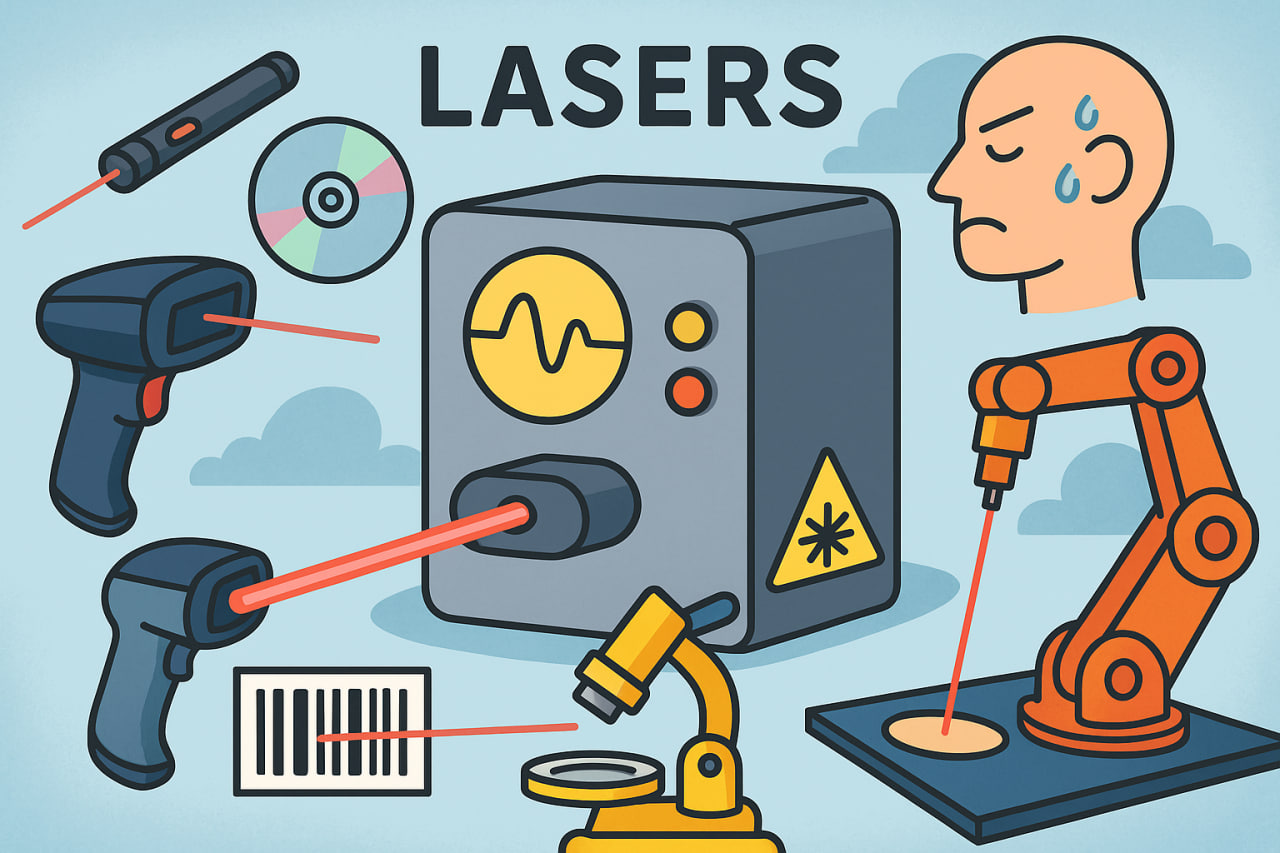
A laser (short for Light Amplification by Stimulated Emission of Radiation) is a device that produces a narrow, powerful beam of light. Unlike regular light, which scatters in all directions, a laser emits coherent light—waves that travel in the same direction and phase. This makes lasers extremely precise and focused. Lasers are used in a wide range of applications, from medicine and manufacturing to communications, entertainment, and science.

Life-Saving Technology: Innovations That Protect and Rescue
Neuro-Tech Hi-Tech

Life-Saving Technology: Innovations That Protect and Rescue

In critical moments, technology can mean the difference between life and death. Modern rescue equipment helps first responders act faster, safer, and more effectively. Thermal imaging cameras allow firefighters to locate people in burning buildings or search teams to find lost hikers at night. Hydraulic rescue tools, often called the "Jaws of Life," are used to cut through metal and free people trapped in vehicles after accidents. These tools have become standard in many emergency vehicles and drastically reduce response time.

The History of Helicopters: From Leonardo’s Sketches to Modern Aviation
History Hi-Tech

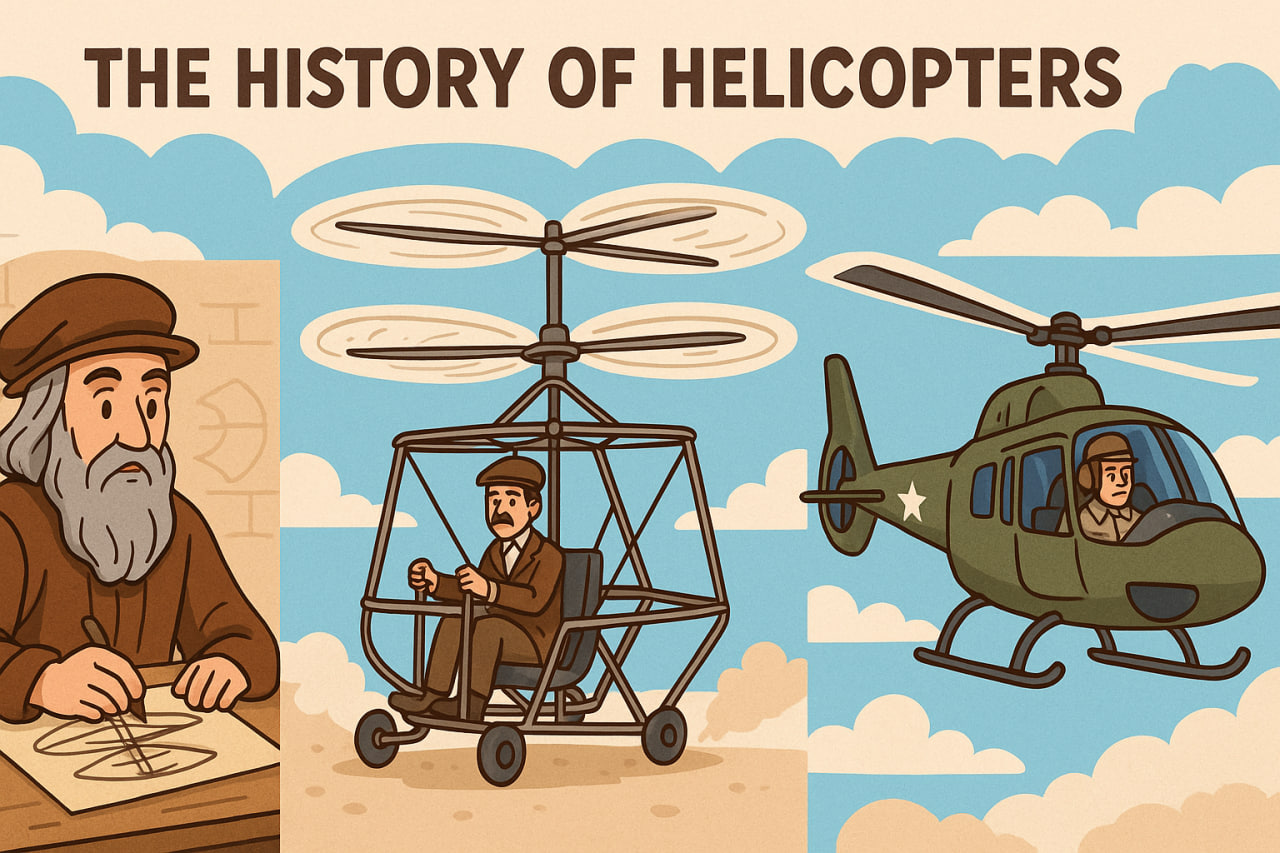
The History of Helicopters: From Leonardo’s Sketches to Modern Aviation

The idea of vertical flight predates actual aviation by centuries. In the 15th century, Leonardo da Vinci drew a design of a helical air screw—a device resembling a modern rotor. Although it was never built, this early concept inspired future inventors to imagine flying machines that could rise straight into the air. By the 19th century, inventors developed rudimentary helicopter models, but these lacked the power to lift off. Still, the dream of controlled vertical flight was becoming more tangible.

Why Dust Is a Real Threat to Your Computer
Hi-Tech Be Smart

Why Dust Is a Real Threat to Your Computer

Dust may seem harmless, but for computers and laptops, it can be a silent enemy. Over time, dust accumulates inside your device — especially around cooling fans, air vents, and heat sinks — and creates several serious issues: Overheating: Dust blocks airflow, which reduces the efficiency of cooling systems. Overheating leads to throttling, system slowdowns, or even component damage. Fan noise: As dust builds up, fans must spin faster to keep temperatures down, creating louder noise and using more power. Reduced performance and lifespan: High internal temperatures reduce the performance of CPUs and GPUs and accelerate wear on components. Risk of short-circuiting: In extreme cases, dust mixed with humidity can cause electrical short circuits. Keeping your device clean means keeping it cool, quiet, and efficient.

The Basics of Microwave Cooking
Hi-Tech Science

The Basics of Microwave Cooking

A microwave oven is a common kitchen appliance that heats and cooks food using a form of electromagnetic radiation called microwaves. These are waves of energy that lie between radio waves and infrared light in the electromagnetic spectrum. Unlike conventional ovens, which heat food from the outside in, microwave ovens heat food from the inside out — quickly and efficiently.

What Is Artificial Consciousness?
Hi-Tech Smart Technology AI

What Is Artificial Consciousness?

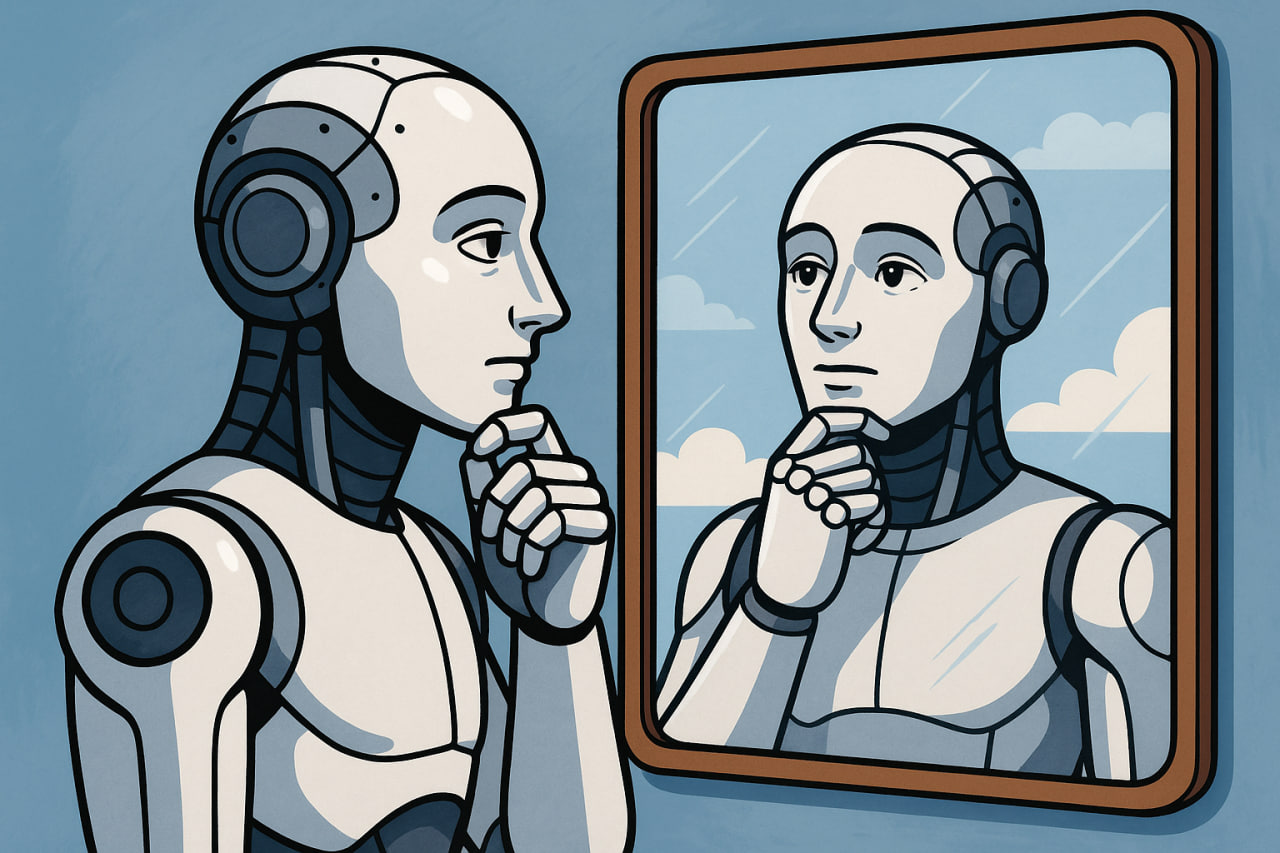
Artificial consciousness, also known as machine consciousness or synthetic consciousness, is a theoretical field within artificial intelligence (AI) and cognitive science. It explores the possibility of creating machines or computer systems that possess a form of consciousness similar to — or fundamentally different from — human self-awareness. Unlike traditional AI, which processes information and performs tasks based on programmed logic, artificial consciousness aims to give machines the capacity for subjective experience, self-awareness, and possibly even emotions.

3D Printing: The Technology That Builds the Future
Hi-Tech Smart Technology Science

3D Printing: The Technology That Builds the Future

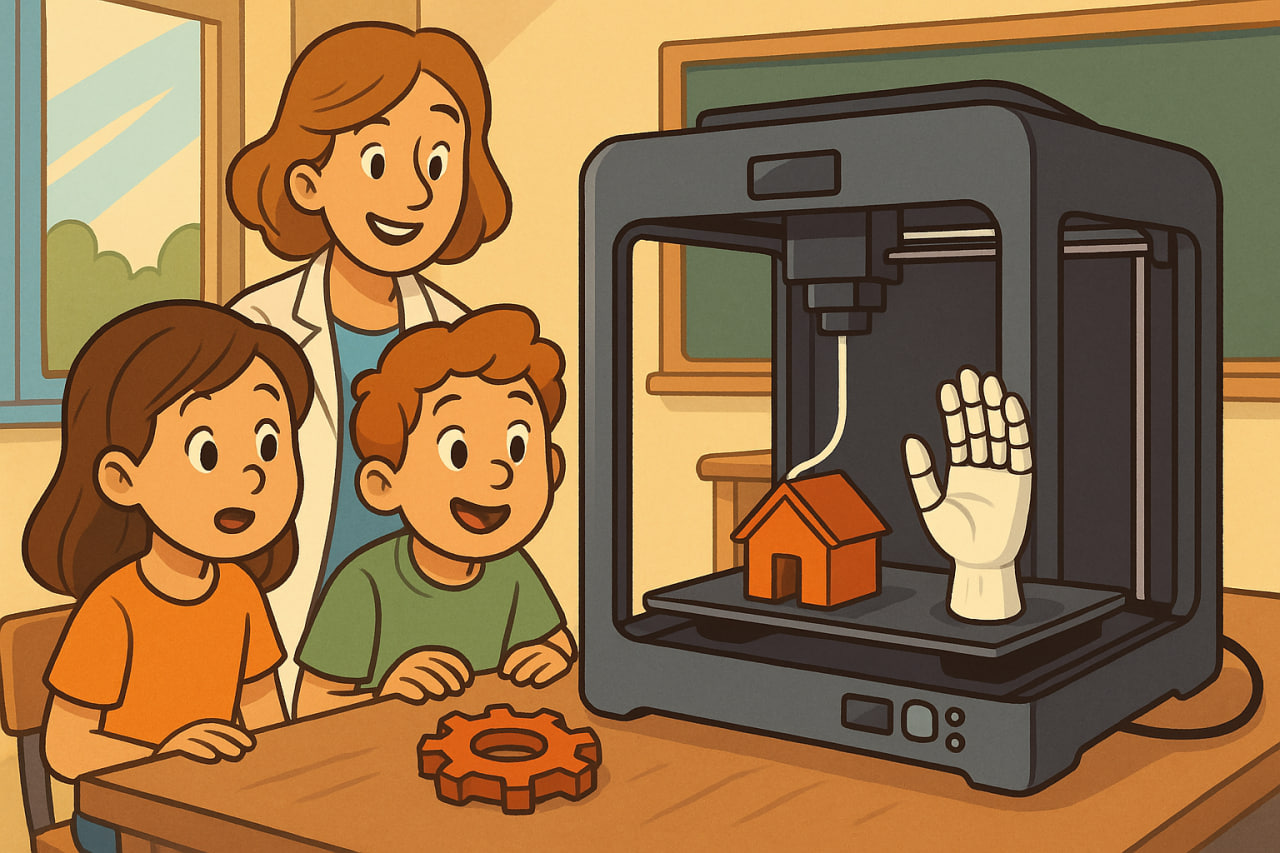
3D printing, also known as additive manufacturing, is a revolutionary process that creates three-dimensional objects by adding material layer by layer based on a digital model. Unlike traditional subtractive methods, where material is cut away, 3D printing builds objects from the ground up — increasing efficiency and reducing waste.

A New Era in Astronomy
Hi-Tech Universe

A New Era in Astronomy

The Vera C. Rubin Observatory, located on Cerro Pachón in Chile, is a groundbreaking astronomical facility set to revolutionize our understanding of the dynamic sky. Named in honor of pioneering astronomer Vera Cooper Rubin, who provided key evidence for the existence of dark matter, this observatory embodies the spirit of exploration and innovation. Scheduled to begin full operations in 2025, the Rubin Observatory is designed to conduct the Legacy Survey of Space and Time (LSST) — a decade-long survey that will map the entire visible sky every few nights in unprecedented detail.

Changing the Face of Medical Imaging
Hi-Tech Smart Technology AI & Ethics

Changing the Face of Medical Imaging

Radiology, the field of medicine focused on imaging technologies such as X-rays, CT scans, and MRIs, is experiencing a major shift thanks to artificial intelligence (AI). AI tools, especially those using deep learning, can now analyze medical images with remarkable speed and accuracy. This has sparked debate among professionals and the public alike: will AI replace radiologists, or simply help them do their job better? Modern AI algorithms can detect subtle patterns in images that might be missed by the human eye, such as early signs of cancer, microfractures, or abnormal tissue growth. These systems can process thousands of images rapidly, offering a significant boost in diagnostic efficiency and consistency, especially in settings where radiologists are overwhelmed or unavailable.

Engineering Beneath the Waves
Hi-Tech Smart Technology

Engineering Beneath the Waves

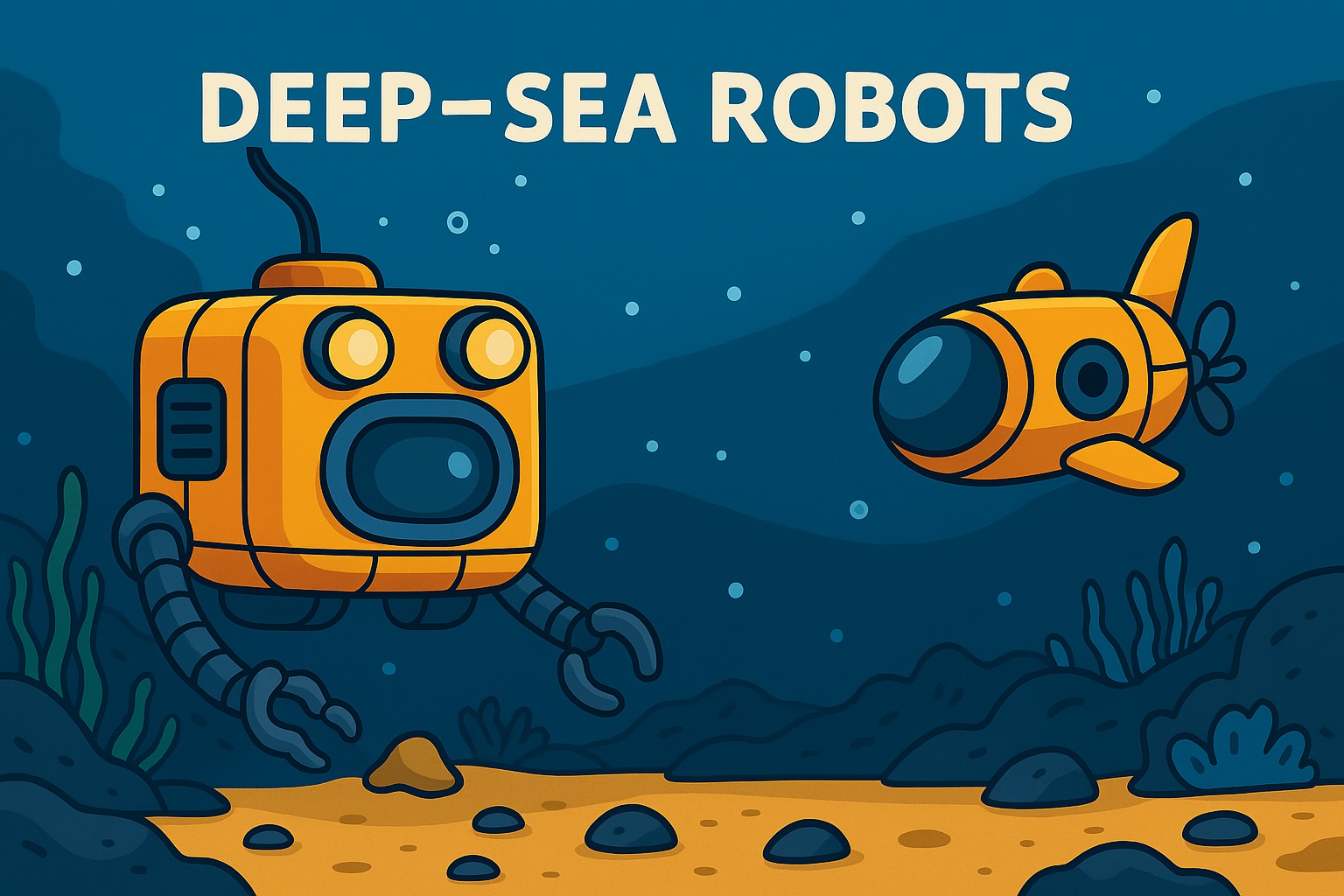
The ocean covers over 70% of Earth's surface, yet more than 80% of its depths remain unexplored. Extreme conditions such as crushing pressure, near-freezing temperatures, and complete darkness make human exploration nearly impossible. That’s where deep-sea robots come in. These sophisticated machines are designed to withstand the harshest underwater environments, enabling scientists to study areas of the seafloor that were previously inaccessible. Deep-sea robots are either tethered (ROVs — remotely operated vehicles) or autonomous (AUVs — autonomous underwater vehicles). Both types are equipped with sensors, cameras, robotic arms, and scientific instruments to collect samples, map the ocean floor, and even document deep-sea ecosystems. These machines are vital to modern marine research and discovery.