Hi-Tech

Explaining the Principles of Quantum Computing in Simple Terms
Hi-Tech New Discoveries

Explaining the Principles of Quantum Computing in Simple Terms

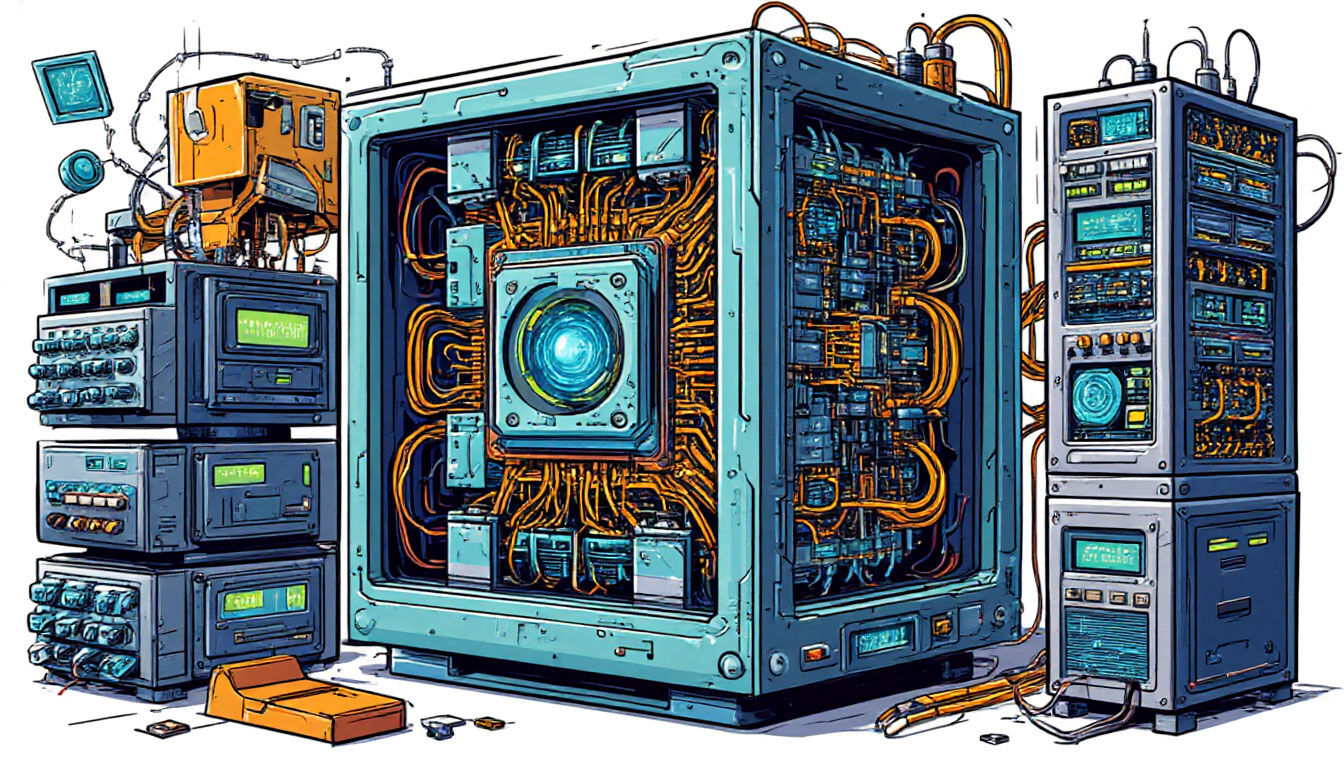
Quantum computing is a groundbreaking field that could revolutionize how we solve complex problems — from simulating molecules to optimizing global logistics. But how does it actually work? Unlike classical computers that rely on binary bits, quantum computers use quantum bits, or qubits, which operate under the rules of quantum mechanics — the physics of the very small. Let’s explore the basic principles that power quantum computers and how they differ from traditional machines.

What Is a Smart Speaker and How Can It Be Useful?
Hi-Tech Smart Technology Smart Home

What Is a Smart Speaker and How Can It Be Useful?

A smart speaker is a voice-activated device that combines a wireless speaker with a virtual assistant powered by artificial intelligence (AI). It allows users to interact using simple voice commands to play music, control smart home devices, get information, and more. Over the last decade, smart speakers have become increasingly popular in homes, offices, and even classrooms due to their convenience, accessibility, and versatility.

Ultrasound: How It Works and Why It Matters
Hi-Tech Science

Ultrasound: How It Works and Why It Matters

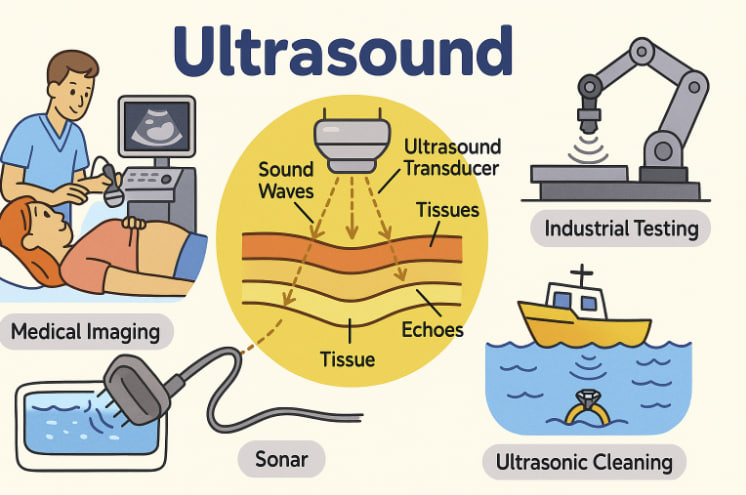
Ultrasound is a type of sound wave with a frequency higher than the upper limit of human hearing — typically above 20,000 hertz (Hz). Unlike ordinary sound, ultrasound waves are used in many scientific, industrial, and medical applications due to their ability to travel through different materials and reflect back detailed information about internal structures.

The Large Hadron Collider: Humanity’s Greatest Particle Physics Experiment
Hi-Tech Science

The Large Hadron Collider: Humanity’s Greatest Particle Physics Experiment

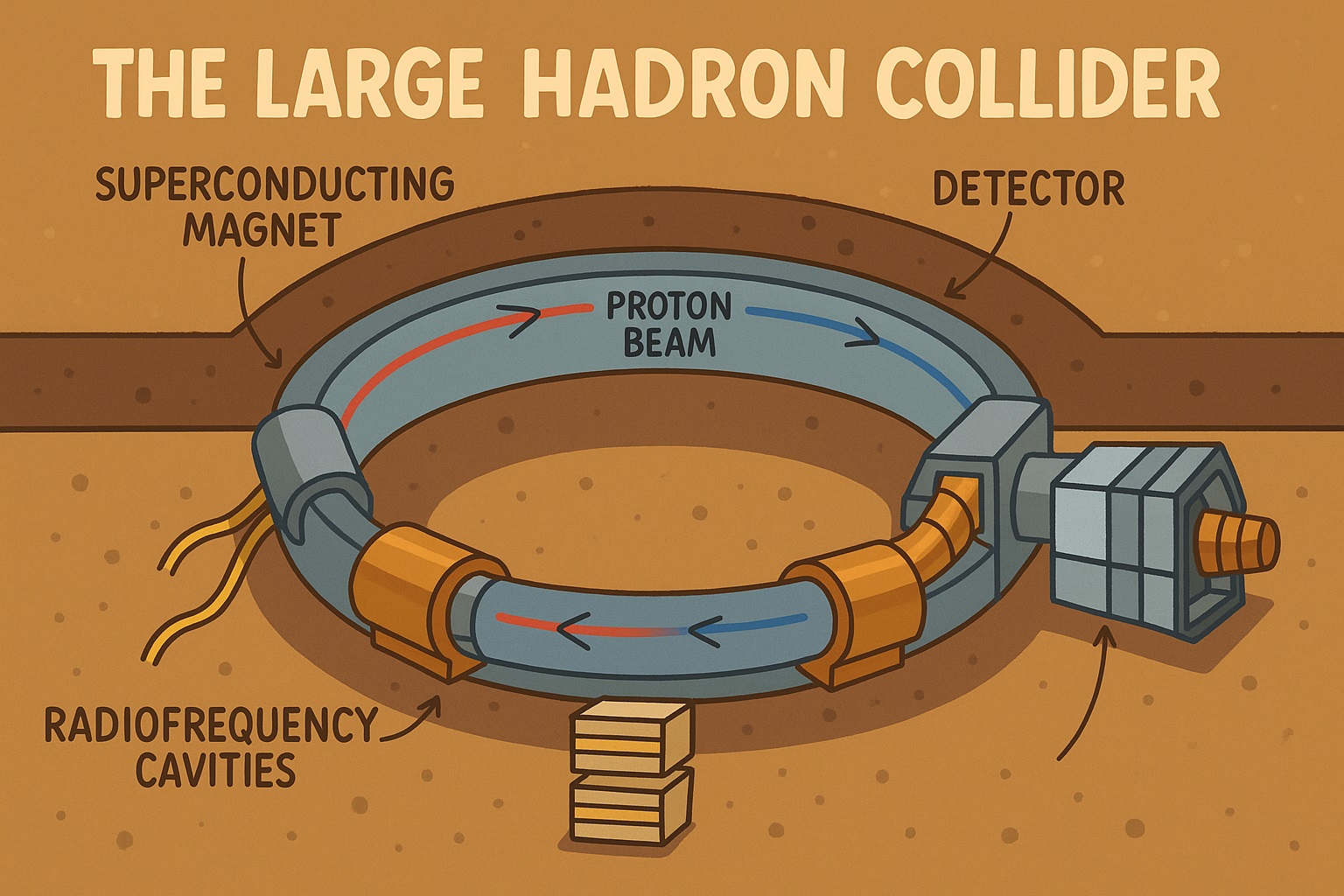
The Large Hadron Collider (LHC) is the world’s most powerful and complex particle accelerator, located at CERN (the European Organization for Nuclear Research) near Geneva, Switzerland. Built to probe the deepest structures of matter, the LHC allows scientists to recreate conditions similar to those just after the Big Bang by smashing protons and other particles together at nearly the speed of light. It has led to major discoveries in physics, most notably the Higgs boson, and continues to push the boundaries of our understanding of the universe.

Charged Particle Accelerators: Powering the Frontier of Modern Physics
Hi-Tech Smart Technology Science

Charged Particle Accelerators: Powering the Frontier of Modern Physics

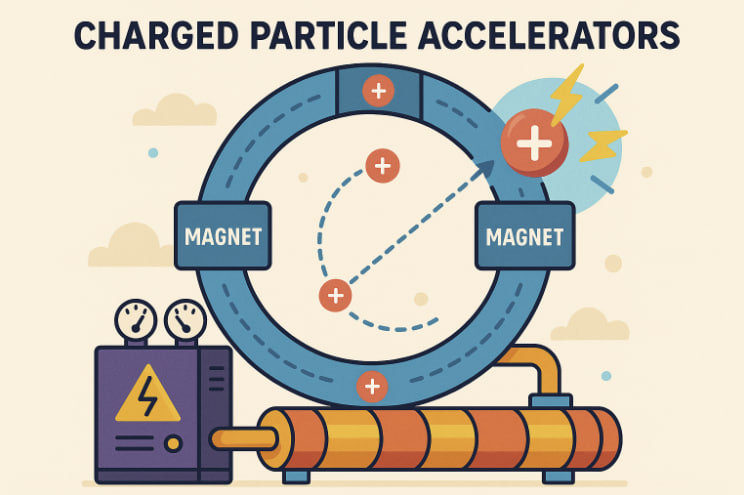
Charged particle accelerators are advanced scientific machines that propel charged particles — such as electrons, protons, or ions — to extremely high speeds using electromagnetic fields. These devices are vital in exploring the structure of matter, testing the foundations of physics, advancing medical treatments, and developing cutting-edge technologies. From massive underground colliders to compact cancer treatment units, accelerators are among the most powerful tools in modern science.

Quantum Field Theory: The Modern Language of the Universe
Hi-Tech Science

Quantum Field Theory: The Modern Language of the Universe

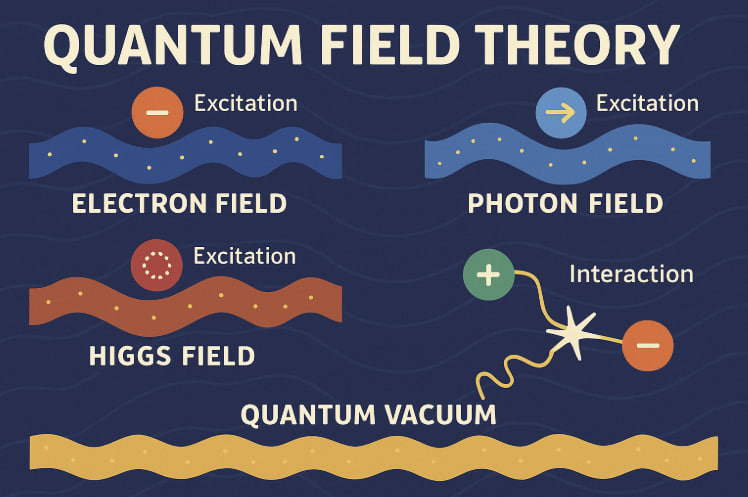
Quantum Field Theory (QFT) is the foundational framework of modern physics, uniting quantum mechanics, special relativity, and field theory. It is the most successful and experimentally verified scientific theory to date, underlying our understanding of particles, forces, and the structure of spacetime itself. While its mathematical depth can be daunting, the basic concepts of QFT offer profound insight into the nature of reality.

The Evolution of Robotics: From Mechanical Arms to Intelligent Machines
Hi-Tech Smart Technology Science

The Evolution of Robotics: From Mechanical Arms to Intelligent Machines

The journey of robotics began long before the digital age, rooted in humanity’s fascination with automating labor. Early concepts date back to ancient Greece and China, where inventors imagined mechanical servants. However, practical development began in the 20th century, transforming from simple automation to highly intelligent machines. Understanding this evolution offers insight into how far we’ve come—and where robotics is headed.

The History of Light Bulbs: From Invention to Modern Illumination
History Hi-Tech

The History of Light Bulbs: From Invention to Modern Illumination

The evolution of the light bulb is a fascinating journey through science, innovation, and engineering. From the earliest experiments with glowing wires to the modern LEDs in our smartphones and homes, lighting technology has transformed how we live, work, and see the world. Let’s explore the history of artificial lighting and how it evolved from simple filaments to smart lighting systems.

Wireless Power Transmission: How Energy Travels Without Wires
Hi-Tech Science

Wireless Power Transmission: How Energy Travels Without Wires

Wireless power transmission (WPT) is the process of transferring electrical energy from a power source to a device without using physical connectors or wires. Although it may sound futuristic, the idea dates back to the early 1900s, when Nikola Tesla first experimented with this concept. Today, it is a growing field with real-world applications—from charging smartphones to powering electric vehicles and satellites.

How IoT Devices Work: Principles Behind the Internet of Things
Hi-Tech

How IoT Devices Work: Principles Behind the Internet of Things

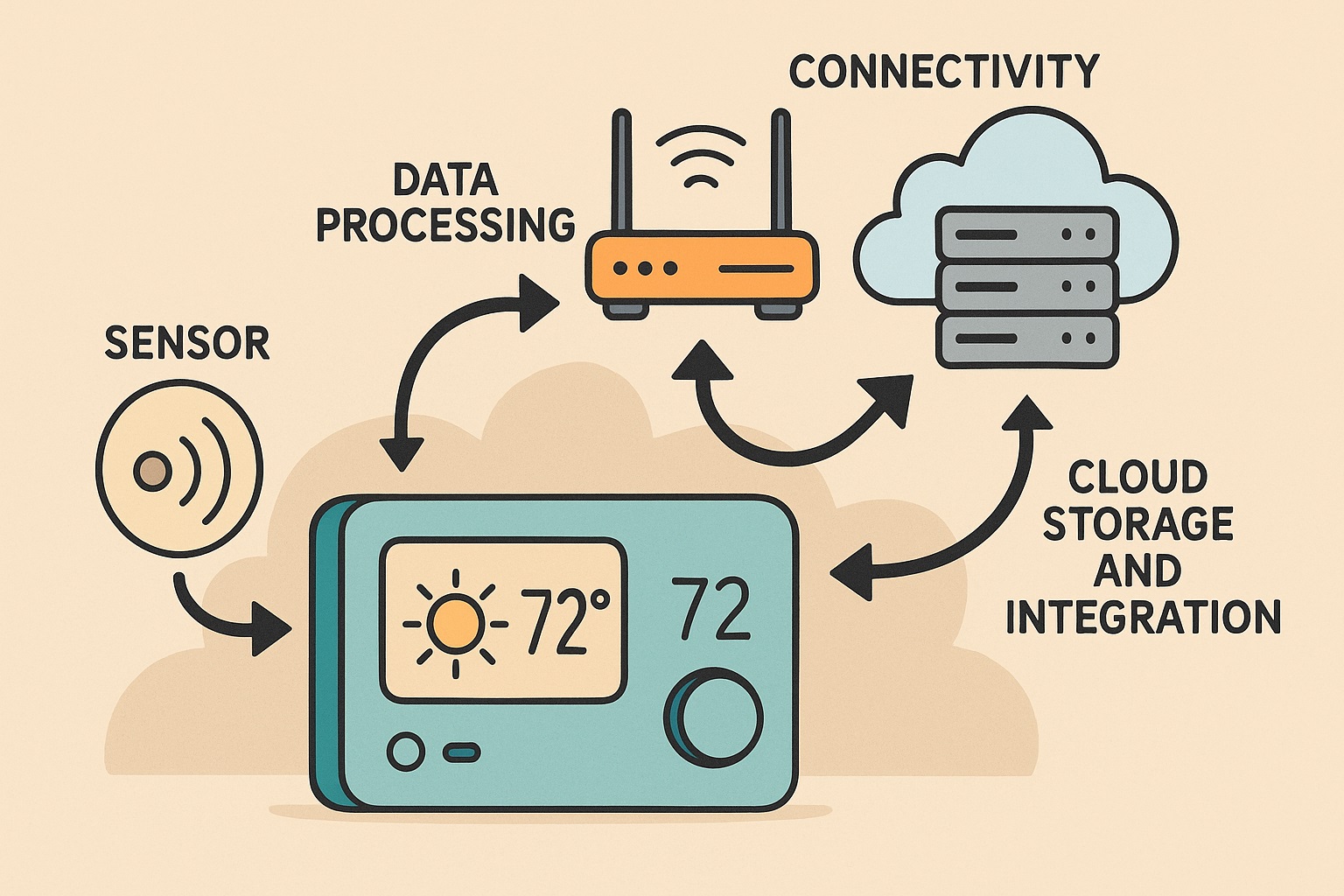
The Internet of Things (IoT) is transforming the modern world by connecting physical objects to the internet, allowing them to collect, send, and receive data. From smart thermostats and wearable fitness trackers to connected cars and industrial sensors, IoT devices are enabling smarter environments, enhanced efficiency, and real-time decision-making. But how do these devices actually work?