History

The Umbrella: A Simple Invention That Changed Human Comfort
History New Discoveries Be Smart

The Umbrella: A Simple Invention That Changed Human Comfort

The umbrella is one of the oldest and most practical inventions in human history. Designed to shield people from rain and sunlight, it combines simplicity, elegance, and function. Over the centuries, the umbrella has evolved from a symbol of royalty and prestige to an everyday item found in nearly every household around the world.

Earth’s Core: Structure and How It Was Discovered
History Be Smart Earth & Moon

Earth’s Core: Structure and How It Was Discovered

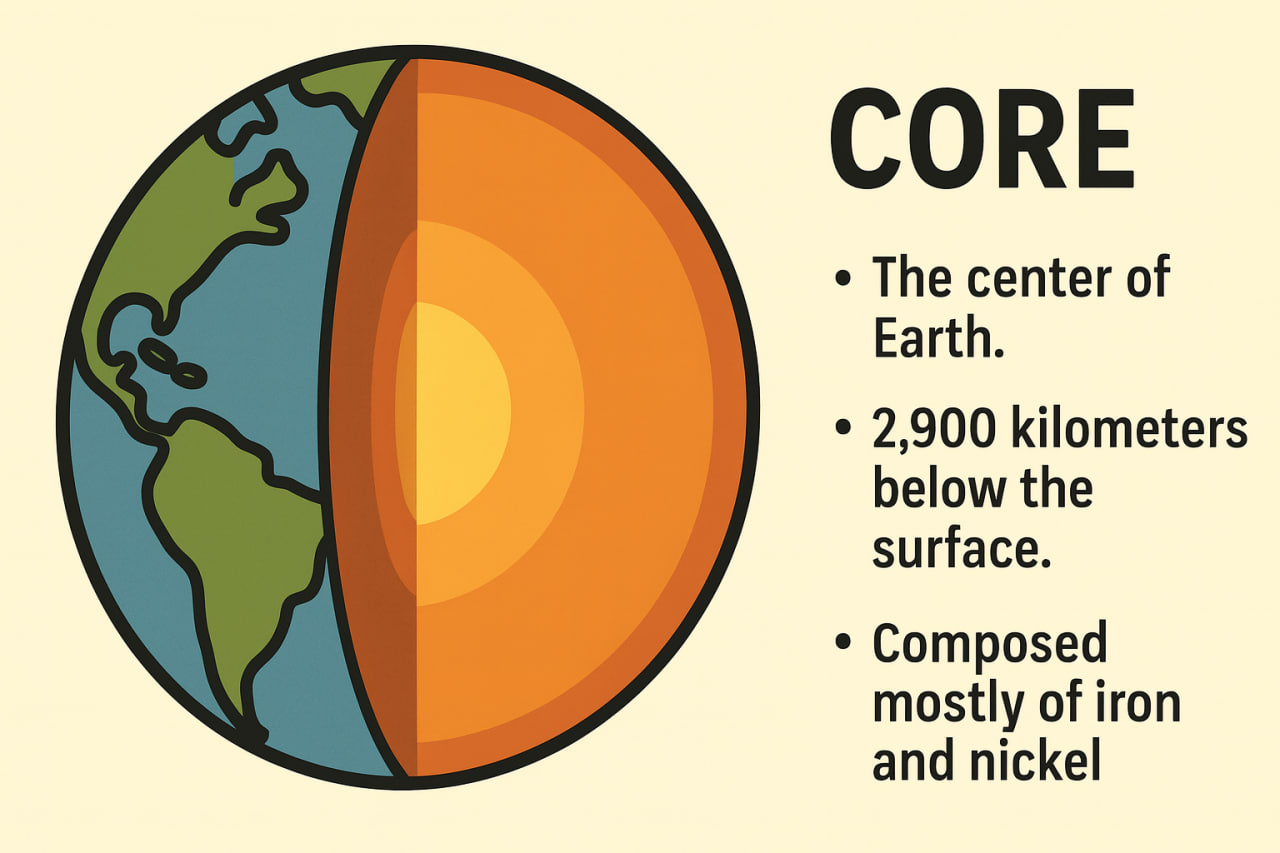
The core of Earth is the central part of our planet, lying beneath the mantle and making up about one-third of Earth’s total mass. It is divided into two distinct parts: the outer core, which is liquid, and the inner core, which is solid. The core is composed mainly of iron and nickel, with traces of lighter elements.

Robert Bartini: The Visionary Aircraft Designer
History Be Smart

Robert Bartini: The Visionary Aircraft Designer

Robert Ludvigovich Bartini was born in 1897 in Fiume, then part of the Austro-Hungarian Empire (today Rijeka, Croatia). Coming from a noble Italian family, he showed early interest in engineering and aviation. After World War I, political changes and his personal convictions led him to move to the Soviet Union in 1923, where he became a naturalized citizen and devoted his career to aviation design.

Nikola Tesla: Biography and Inventions
History Tesla&Co Be Smart

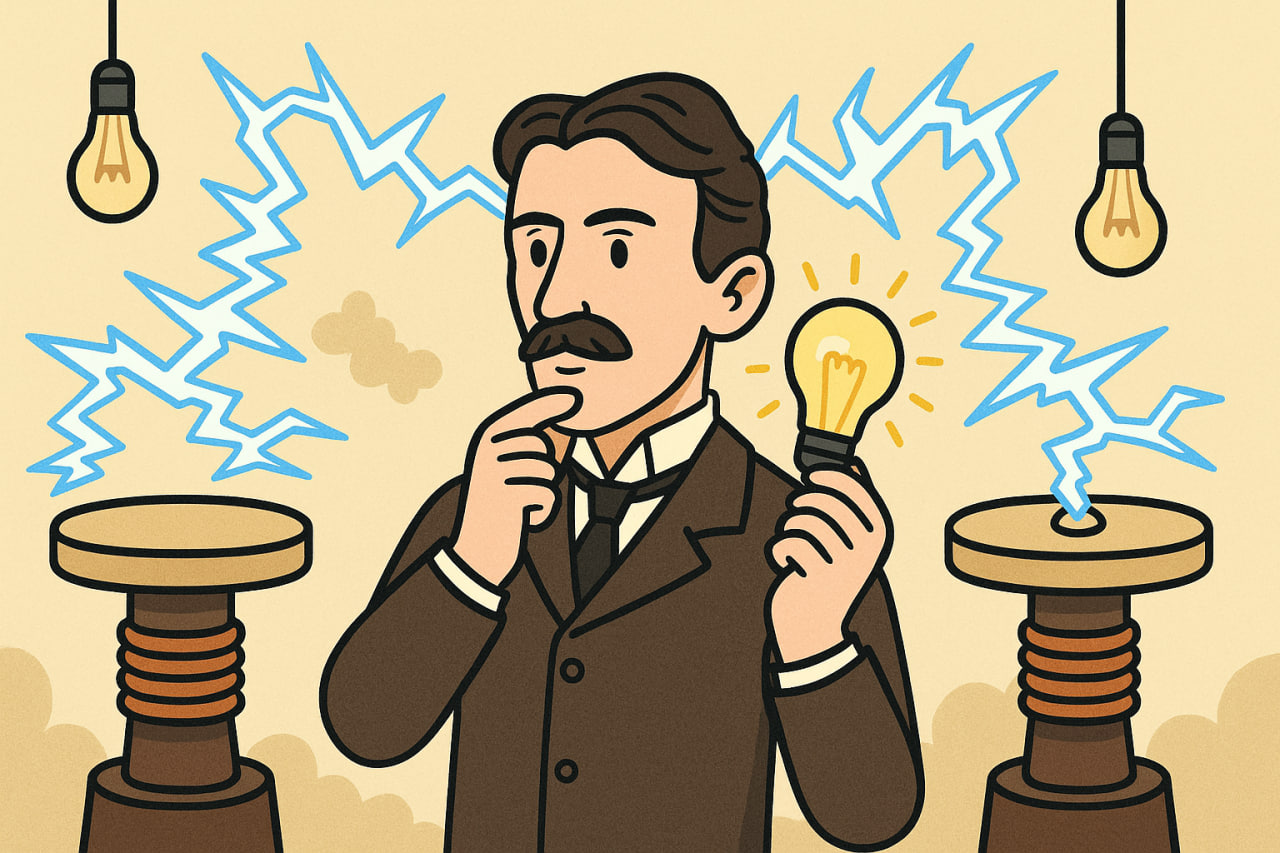
Nikola Tesla: Biography and Inventions

Nikola Tesla was born on July 10, 1856, in Smiljan, a village in the Austrian Empire (modern-day Croatia). From a young age, Tesla showed remarkable memory and imagination, often visualizing complex machines in his mind before building them. He studied engineering at the Technical University in Graz and later attended lectures at the University of Prague, though he never completed a formal degree.

Electrical Engineering: History and Modern Developments
History Science

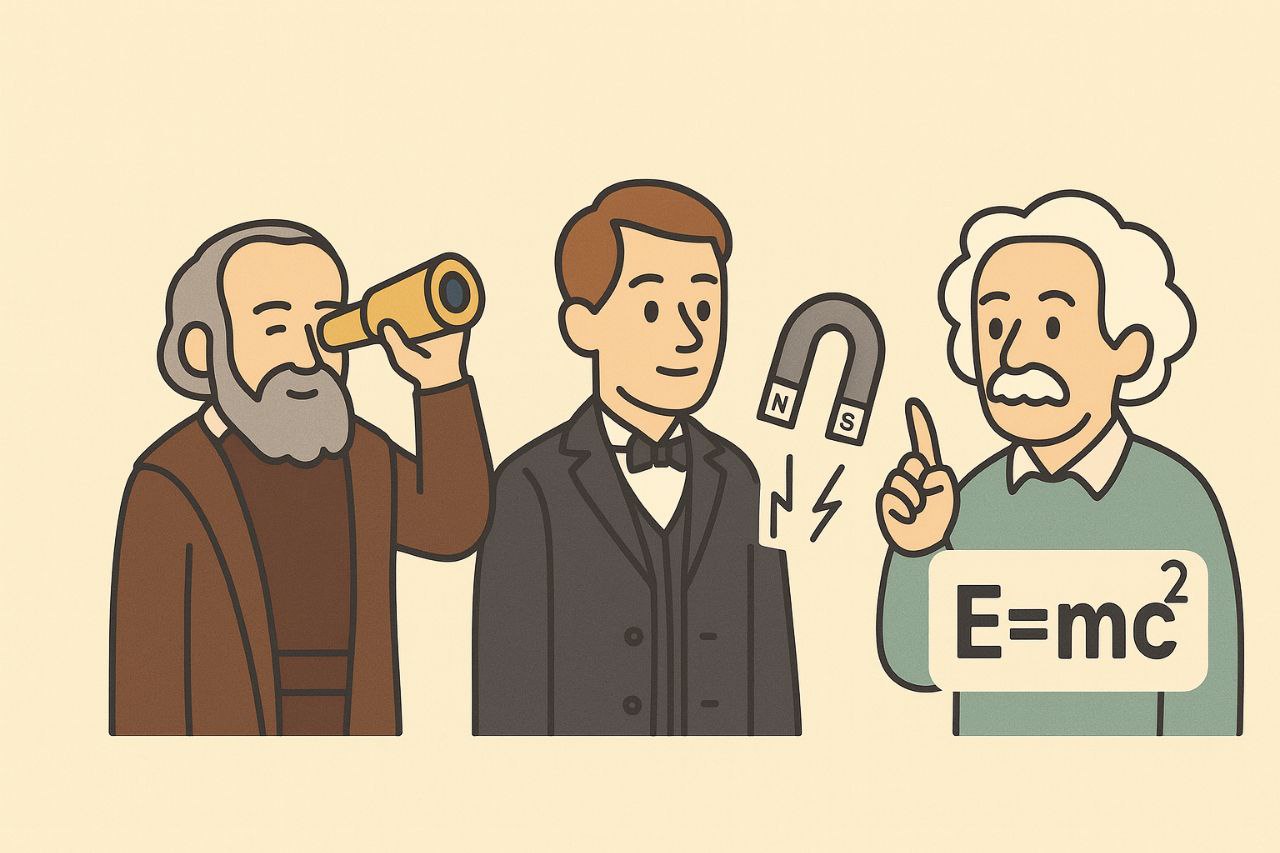
Electrical Engineering: History and Modern Developments

Electrical engineering emerged in the 19th century with the discovery of fundamental laws of electricity and magnetism. The work of Michael Faraday, James Clerk Maxwell, and Georg Ohm laid the scientific foundations. The invention of the telegraph, electric light bulb, and electric motors marked the beginning of practical applications. By the late 1800s, pioneers like Thomas Edison and Nikola Tesla transformed electricity into a powerful tool for industry and society.

The Periodic Table of Mendeleev: Structure of the Chemical World
History Science Be Smart

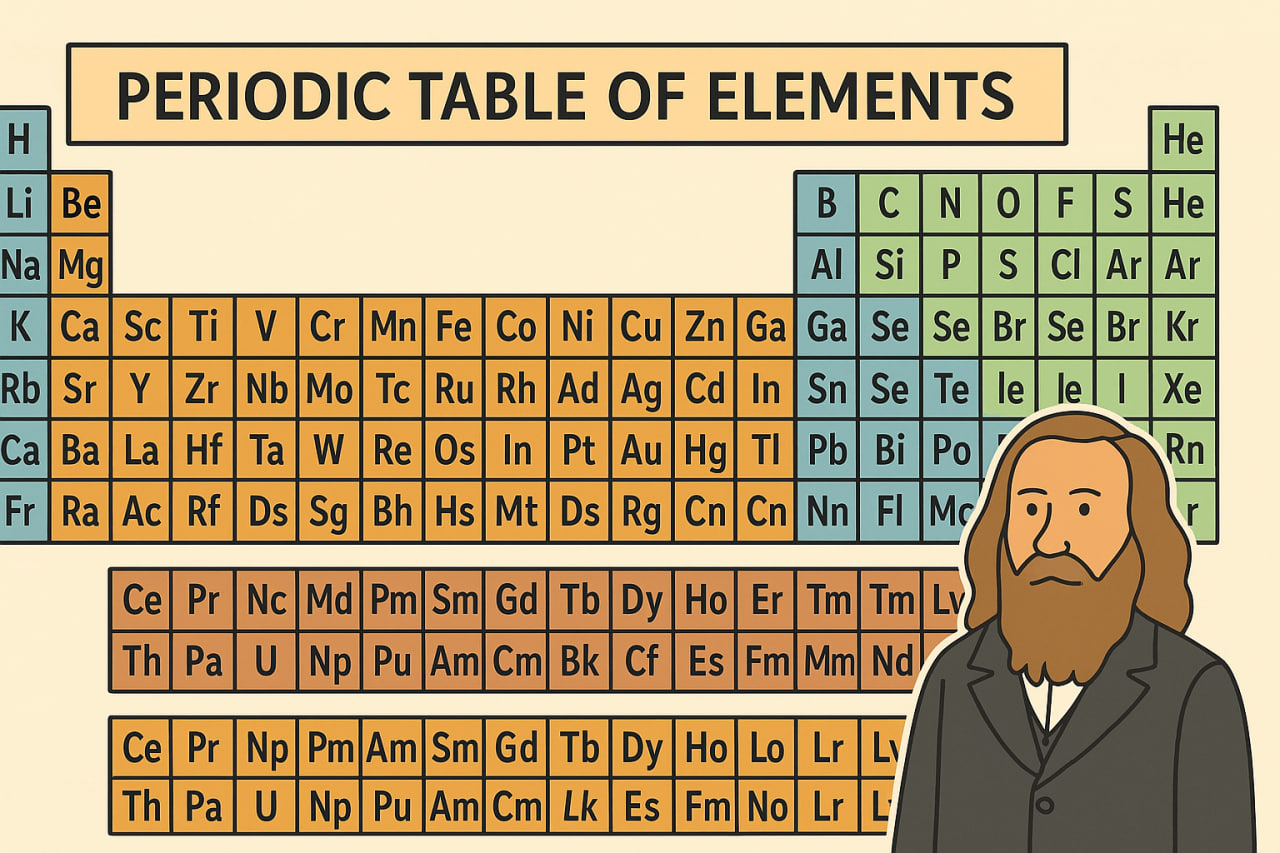
The Periodic Table of Mendeleev: Structure of the Chemical World

The Periodic Table of Elements was first created by Russian chemist Dmitri Mendeleev in 1869. He organized the known chemical elements according to their properties and atomic weights. Remarkably, Mendeleev left gaps in his table, predicting the existence of elements that had not yet been discovered. His predictions were later confirmed with the discoveries of gallium, germanium, and scandium, cementing the importance of his work.

Genetics: The Science of Heredity and Variation
History Science Be Smart

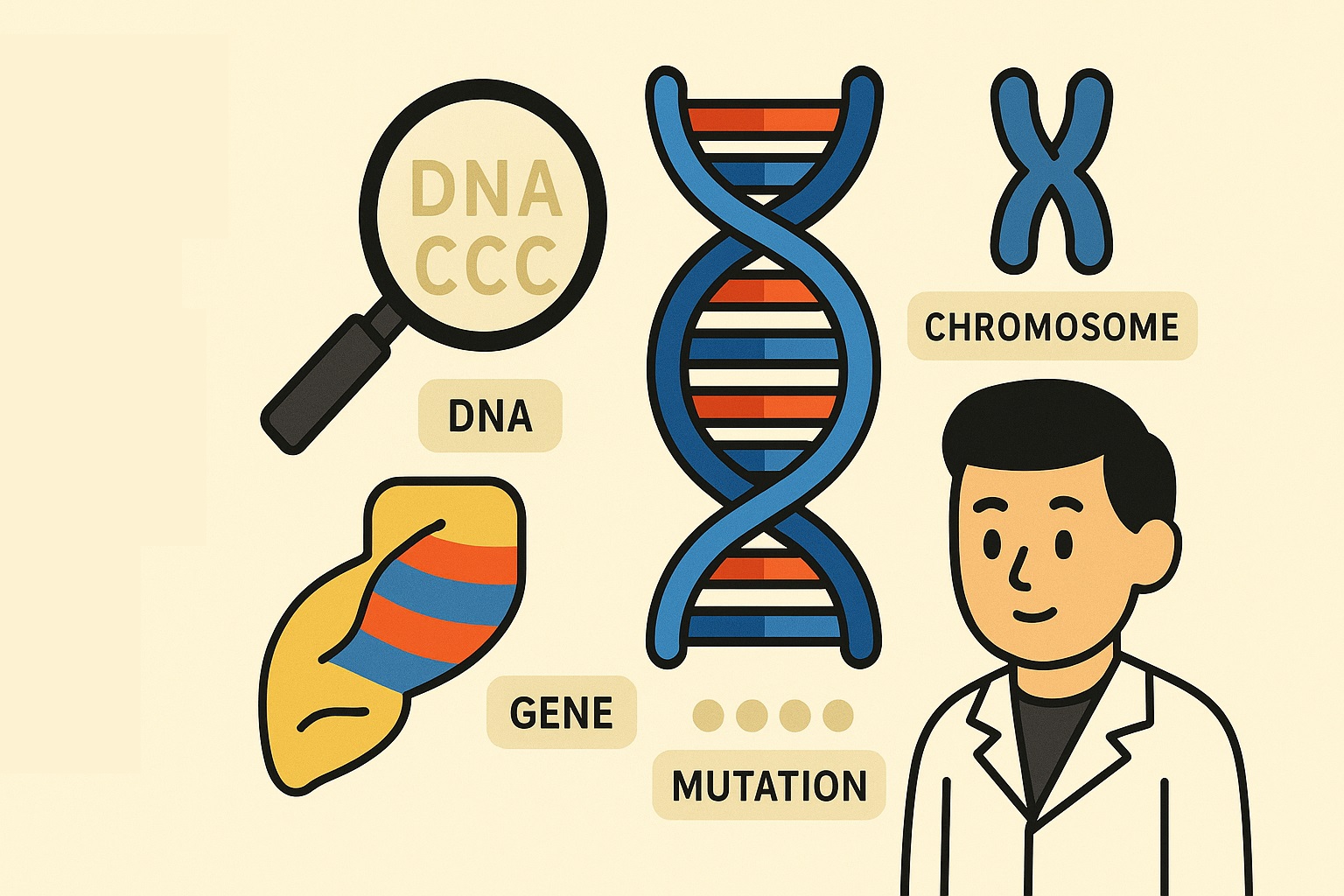
Genetics: The Science of Heredity and Variation

Genetics is the branch of biology that studies genes, heredity, and variation in living organisms. It explains how traits are passed from one generation to another through DNA. From eye color to disease resistance, genetics shapes nearly every aspect of life. It is a central science in biology, connecting molecular processes with evolution and health.

Physics: From Antiquity to Modern Times
History Science Be Smart

Physics: From Antiquity to Modern Times

The origins of physics trace back to ancient civilizations, where people sought to explain natural phenomena through observation and reasoning. In Mesopotamia and Egypt, early records describe the motion of celestial bodies and the use of simple machines like levers and pulleys. Ancient Greek philosophers, including Aristotle, speculated about motion, elements, and the nature of the universe. Although their explanations were often more philosophical than scientific, they laid the groundwork for systematic study.

Exact Sciences: Foundations of Precision and Logic
History Science

Exact Sciences: Foundations of Precision and Logic

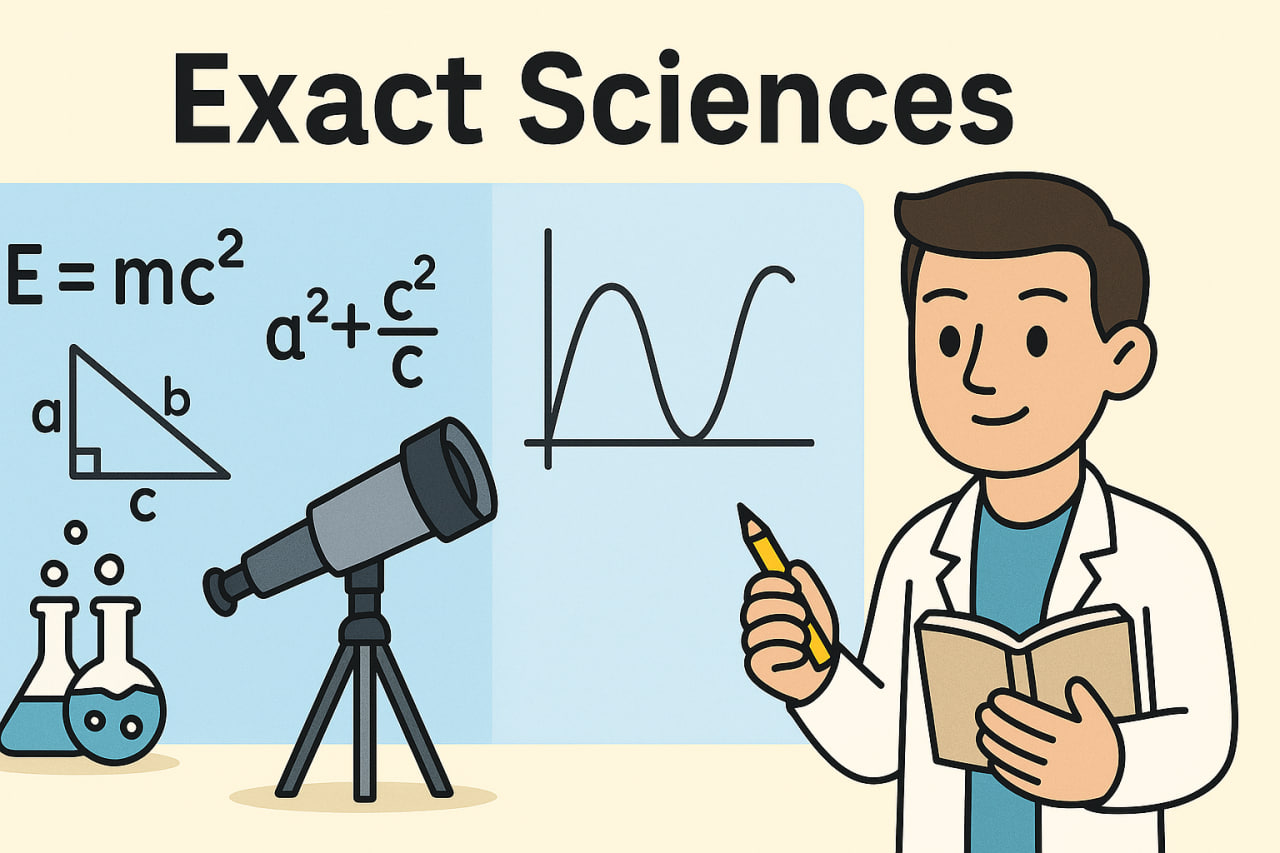
Exact sciences are branches of knowledge that rely on precise measurements, logical reasoning, and mathematical models to describe and predict natural phenomena. They include disciplines such as mathematics, physics, chemistry, and astronomy. Unlike social sciences, which often deal with probabilities and human behavior, exact sciences aim for universal laws and objective truths that remain consistent regardless of context.

Algebra: From Basics to Modern Applications
History Science Be Smart

Algebra: From Basics to Modern Applications

Algebra is a fundamental branch of mathematics that deals with symbols and the rules for manipulating them. Unlike arithmetic, which works with specific numbers, algebra uses variables to represent unknown or changing values. This allows mathematicians and scientists to model relationships, solve problems, and explore patterns. Algebra provides the foundation for higher mathematics, physics, engineering, computer science, and many everyday problem-solving situations.