History

Archimedean Solids: Geometry, Symmetry, and Mathematical Beauty
History Science Be Smart

Archimedean Solids: Geometry, Symmetry, and Mathematical Beauty

Archimedean solids are a unique family of polyhedra distinguished by their elegant balance of symmetry, uniformity, and combinatorial regularity. Unlike Platonic solids, which consist of identical faces and identical vertices, Archimedean solids feature two or more types of regular polygons arranged in repeating vertex patterns. This combination of order and variation creates shapes that are both mathematically rich and visually fascinating. These solids have inspired centuries of study in geometry, architecture, crystallography, and art, serving as examples of how mathematical principles manifest in natural and human-made structures. Researchers continue to explore how their symmetries relate to group theory, spatial tiling, and even molecular formation. Studying Archimedean solids reveals the depth and beauty of geometric structures that arise from simple rules yet produce intricate and diverse forms.
Tesla’s Induction Motor: A Revolutionary Breakthrough in Electrical Engineering
History Tesla&Co Inventions

Tesla’s Induction Motor: A Revolutionary Breakthrough in Electrical Engineering

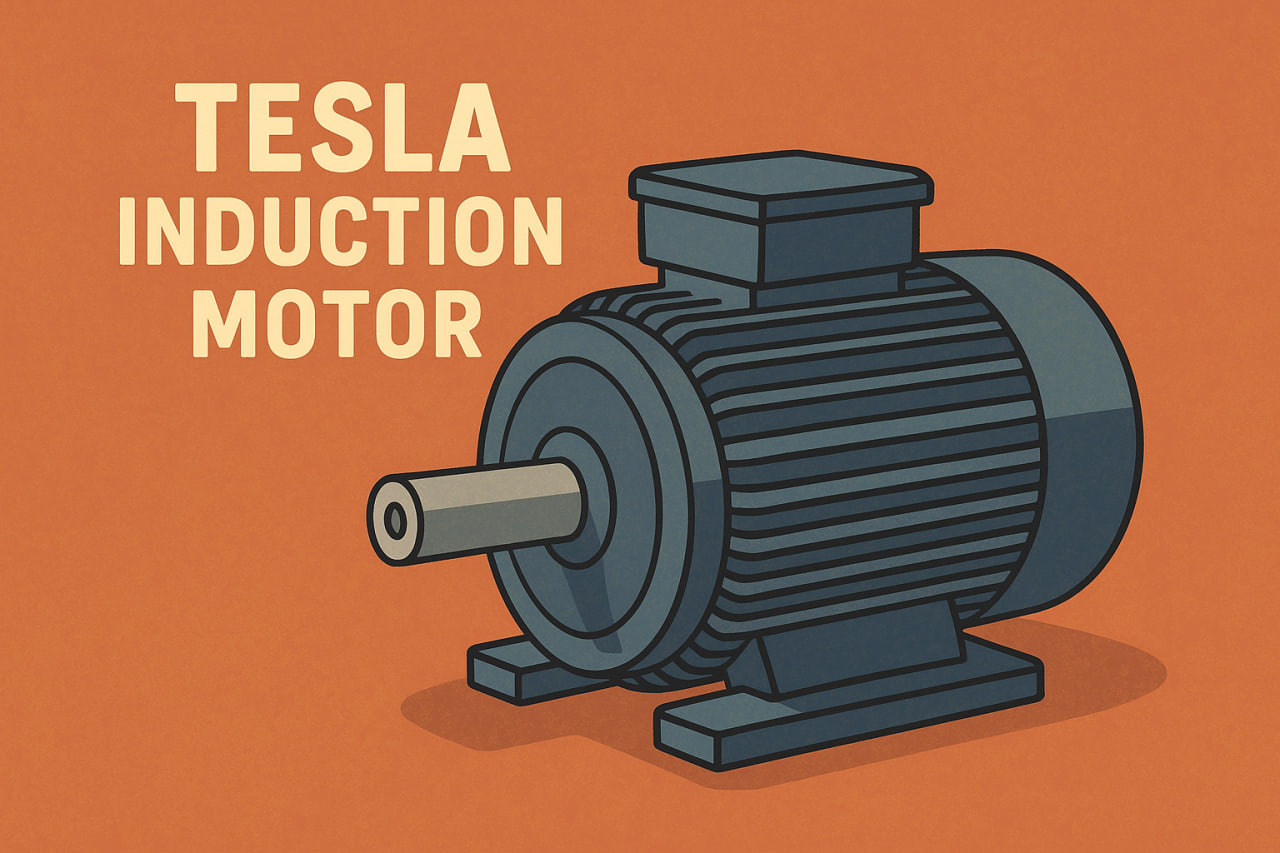
The induction motor invented by Nikola Tesla in 1887 is considered one of the most transformative technologies in the history of engineering. This motor changed the way industries operate by introducing a highly efficient, self-starting machine that runs on alternating current. Before Tesla’s work, electric motors were unreliable, required constant maintenance, and operated poorly under load. Tesla’s induction motor solved these problems by using a rotating magnetic field, a concept that became a cornerstone of modern electromechanical systems. Today, induction motors power everything from household appliances to large industrial machines, showcasing their durability, efficiency, and stability. Engineers often describe Tesla’s invention as the foundation upon which the modern electrical age was built, demonstrating his extraordinary vision and deep understanding of electromagnetic principles.

The Tesla Coil: History, Principles, and Modern Applications
History Tesla&Co Be Smart

The Tesla Coil: History, Principles, and Modern Applications

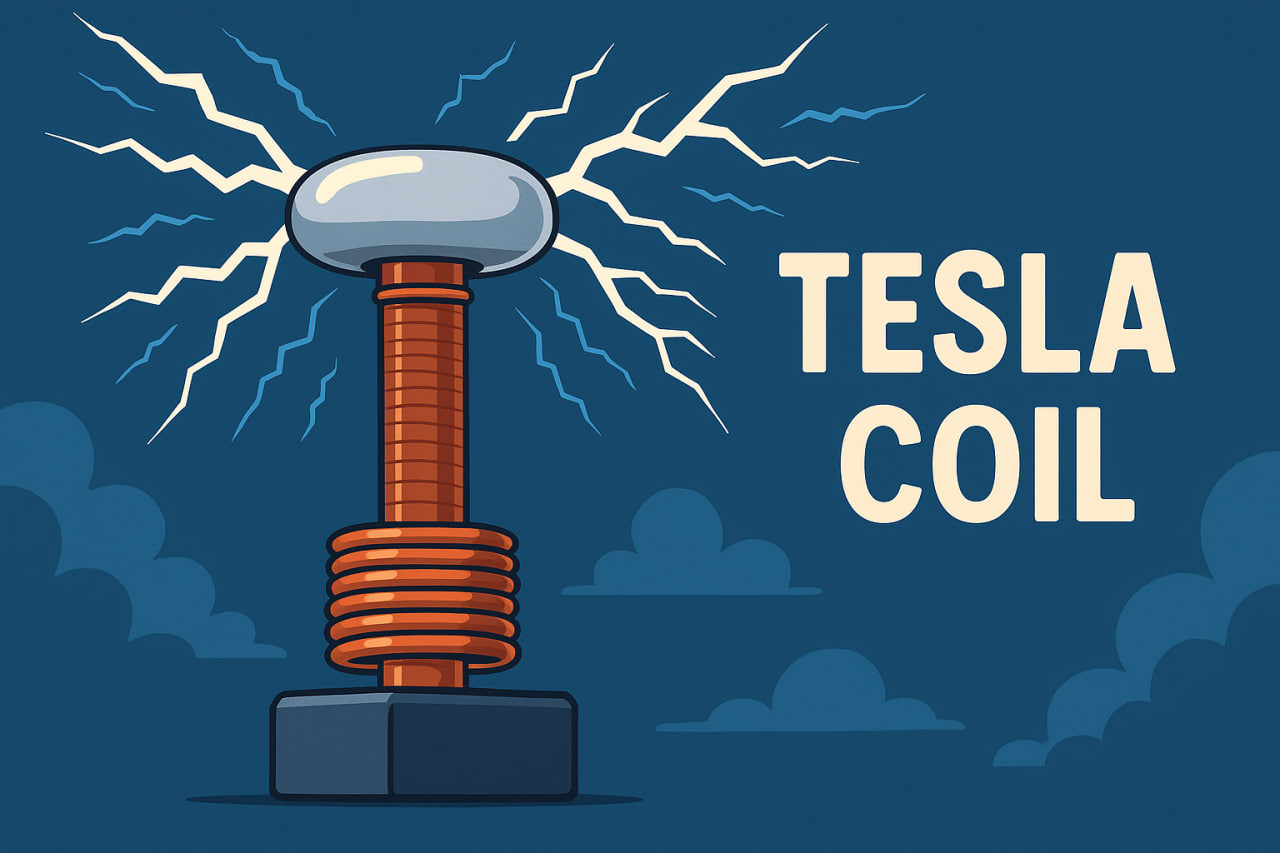
The Tesla Coil is one of the most iconic inventions in the history of electrical engineering, developed by Nikola Tesla in the 1890s as part of his pioneering research into high-frequency and wireless power transmission. This remarkable device produces extremely high voltages, creates spectacular electrical discharges, and demonstrates principles of resonance that were revolutionary for its time. Tesla originally designed the coil as a tool for transmitting electricity wirelessly across long distances, a concept he hoped would one day power homes and industries without traditional wires. Although this grand vision was never fully realized, the Tesla Coil became an essential experimental instrument that advanced the understanding of electromagnetism, radio-frequency engineering, and resonant circuits. Experts emphasize that despite being more than a century old, the Tesla Coil remains an extraordinary example of engineering creativity and scientific intuition.

Nikola Tesla’s Most Famous Inventions and Innovations
History Smart Technology Science

Nikola Tesla’s Most Famous Inventions and Innovations

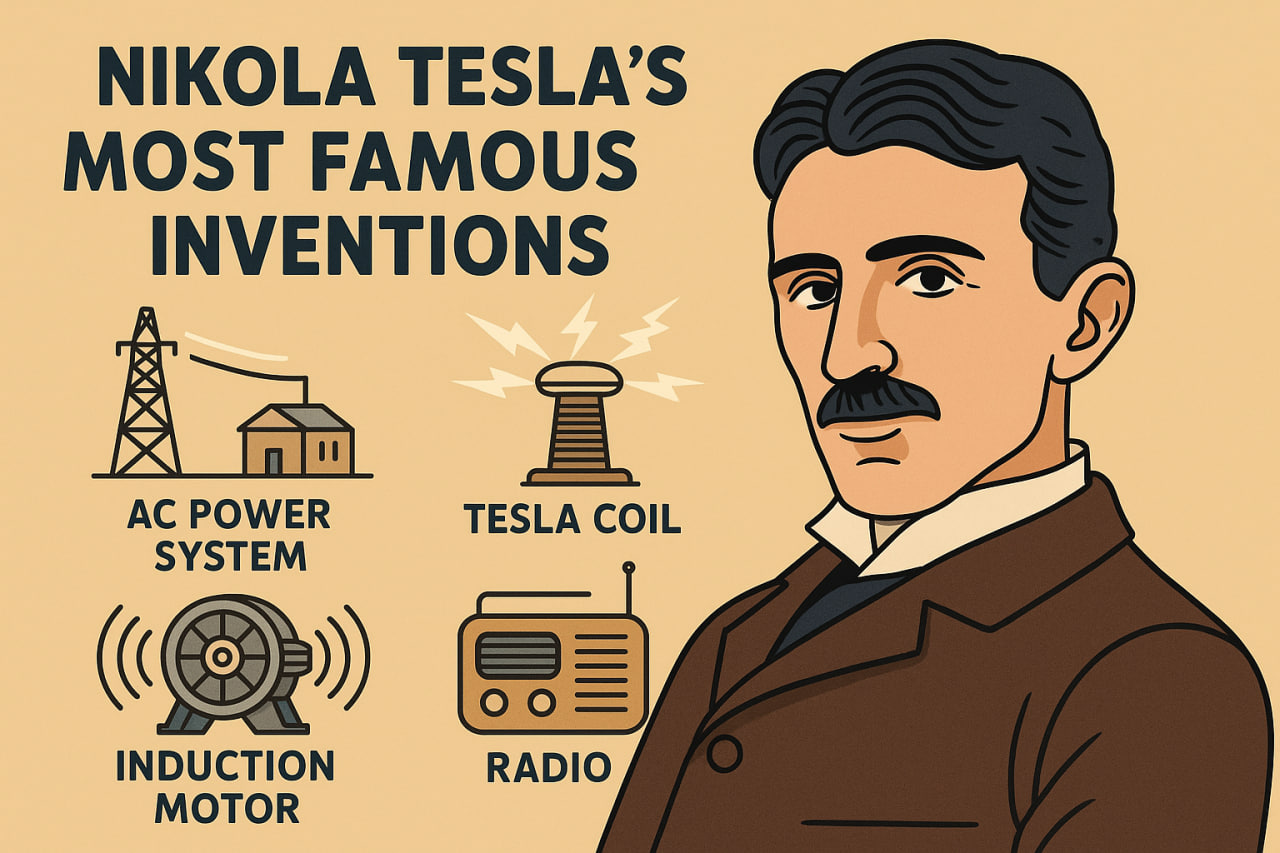
Nikola Tesla is regarded as one of the most influential inventors in history, whose ideas continue to shape modern technology more than a century later. His work laid the foundations for alternating current power distribution, wireless communication, radio systems, high-frequency electronics, and numerous visionary concepts far ahead of their time. Tesla approached science with exceptional imagination, combining deep theoretical knowledge with bold experimentation. Many of his innovations solved fundamental engineering problems that were limiting progress in the late 19th and early 20th centuries. Today, Tesla’s technologies are integrated into global power grids, communication networks, and scientific research facilities. Historians emphasize that Tesla’s legacy represents the bridge between early electrical engineering and the technological world we now inhabit.

Nikola Tesla and Atmospheric Electricity Collectors
History Smart Technology Science

Nikola Tesla and Atmospheric Electricity Collectors

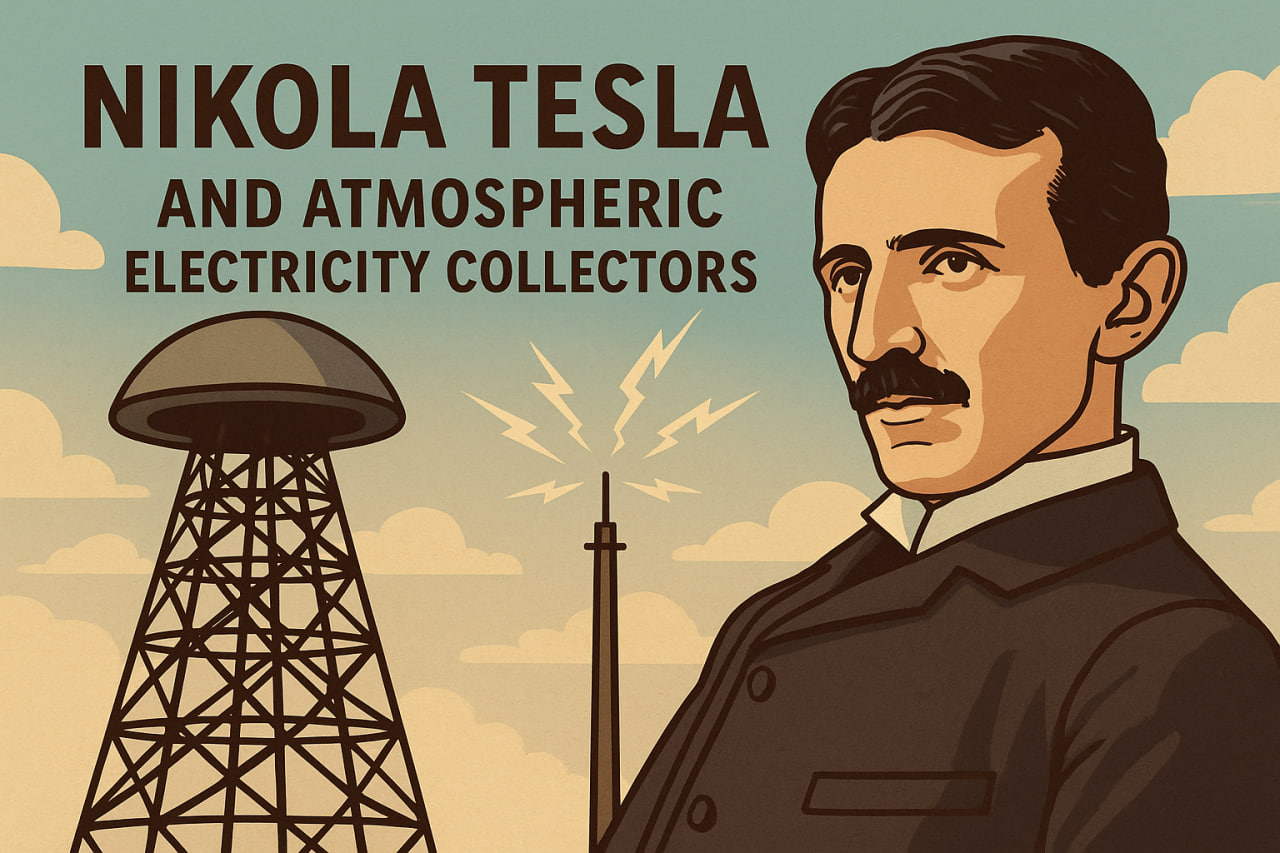
Nikola Tesla’s experiments with atmospheric electricity collectors remain one of the most intriguing chapters in the history of electrical engineering. Tesla believed that Earth’s atmosphere contained vast stores of electrical energy that could be captured and transmitted without traditional fuel sources. Throughout the late 19th and early 20th centuries, he conducted numerous experiments involving high-frequency currents, elevated conductive plates, and resonant transformers designed to tap into natural electrical potentials. Although many of Tesla’s patents and laboratory notes describe his concepts in detail, the full technical feasibility of his atmospheric collectors remains a subject of debate among historians and engineers. Even so, his pioneering research laid foundational ideas for modern wireless energy transfer and environmental energy harvesting. Tesla’s atmospheric electricity concepts continue to inspire scientists, inventors, and enthusiasts exploring alternative methods of clean power generation today.

Mirrors: From Ancient Times to the Modern World
History Science Be Smart

Mirrors: From Ancient Times to the Modern World

Mirrors have played a fascinating role in human civilization, evolving from polished stones and metals into the precision-crafted glass surfaces we use today. In ancient cultures, mirrors were not only practical tools but also symbolic objects associated with beauty, truth, and even the supernatural. Over centuries, as technologies advanced, societies learned to create clearer and more durable reflective surfaces, transforming mirrors into essential items found in homes, architecture, science, and art. Today, mirrors are manufactured using highly refined techniques that ensure perfect reflection and optical accuracy. Experts note that mirrors reflect not only technological progress but also cultural changes in how humanity perceives identity, appearance, and self-awareness. Understanding their history reveals how a simple reflective surface can influence entire eras of human thought and design.

History of Seafaring
History Be Smart

History of Seafaring

Seafaring has shaped the development of civilizations, trade networks, cultural exchange, and scientific discovery. From the earliest rafts used to cross rivers to the sophisticated ocean-going vessels that circumnavigated the globe, the story of navigation is a story of human curiosity and ingenuity. Understanding how maritime technologies, navigation methods, and ship designs evolved helps us trace how societies connected across continents and oceans.

History of Aircraft Development
History Hi-Tech Inventions

History of Aircraft Development

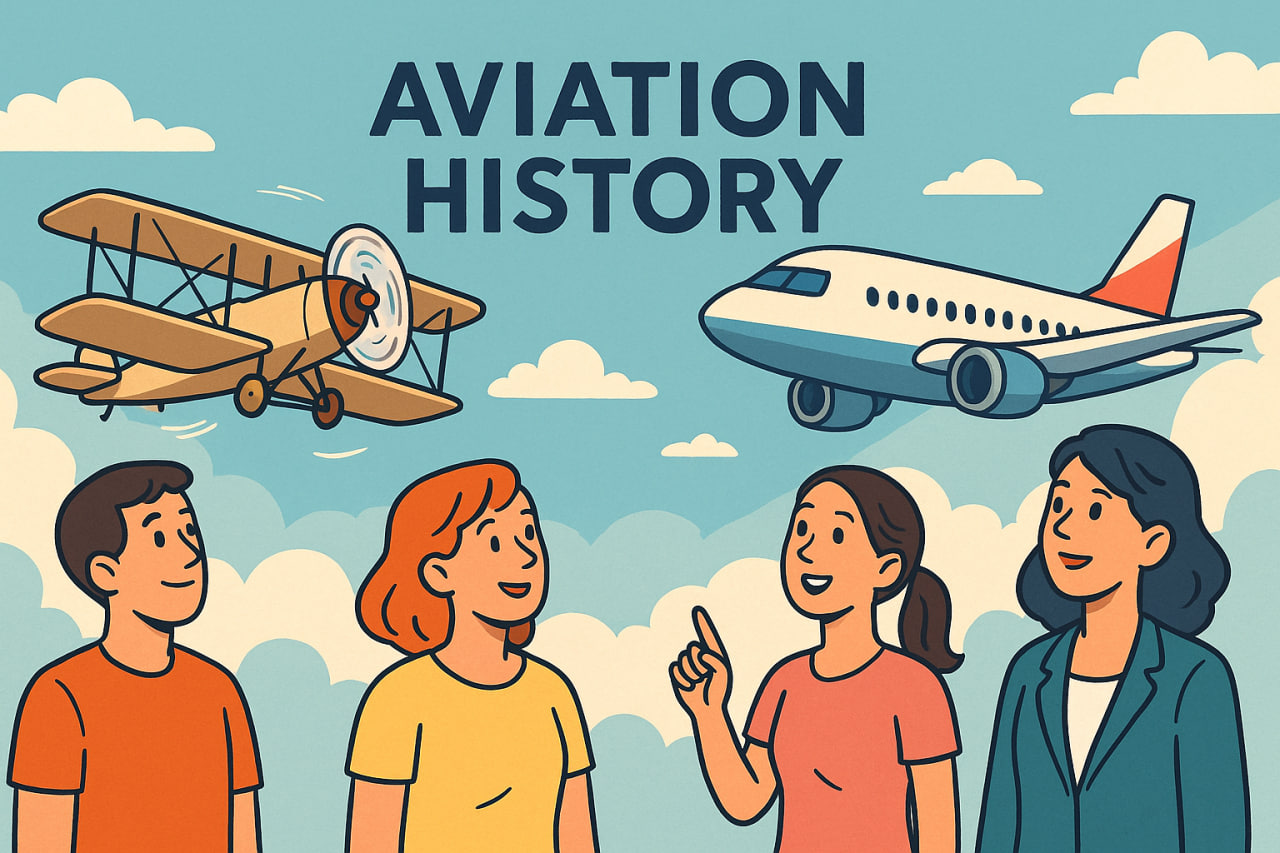
The history of aircraft development is a story of human curiosity, engineering creativity, and the desire to conquer the skies. From early myths of flight to modern jetliners and spacecraft, aviation has transformed the way people travel, communicate, and understand the world. The journey began with theoretical studies, continued through trial-and-error experiments, and grew into one of the most advanced fields of technology. Each stage of development built upon previous discoveries, creating a chain of innovation that continues today. Understanding the history of aircraft not only highlights scientific progress but also shows how deeply flight has influenced culture, global connection, and human imagination.

History of Helicopter Development
History Hi-Tech Inventions

History of Helicopter Development

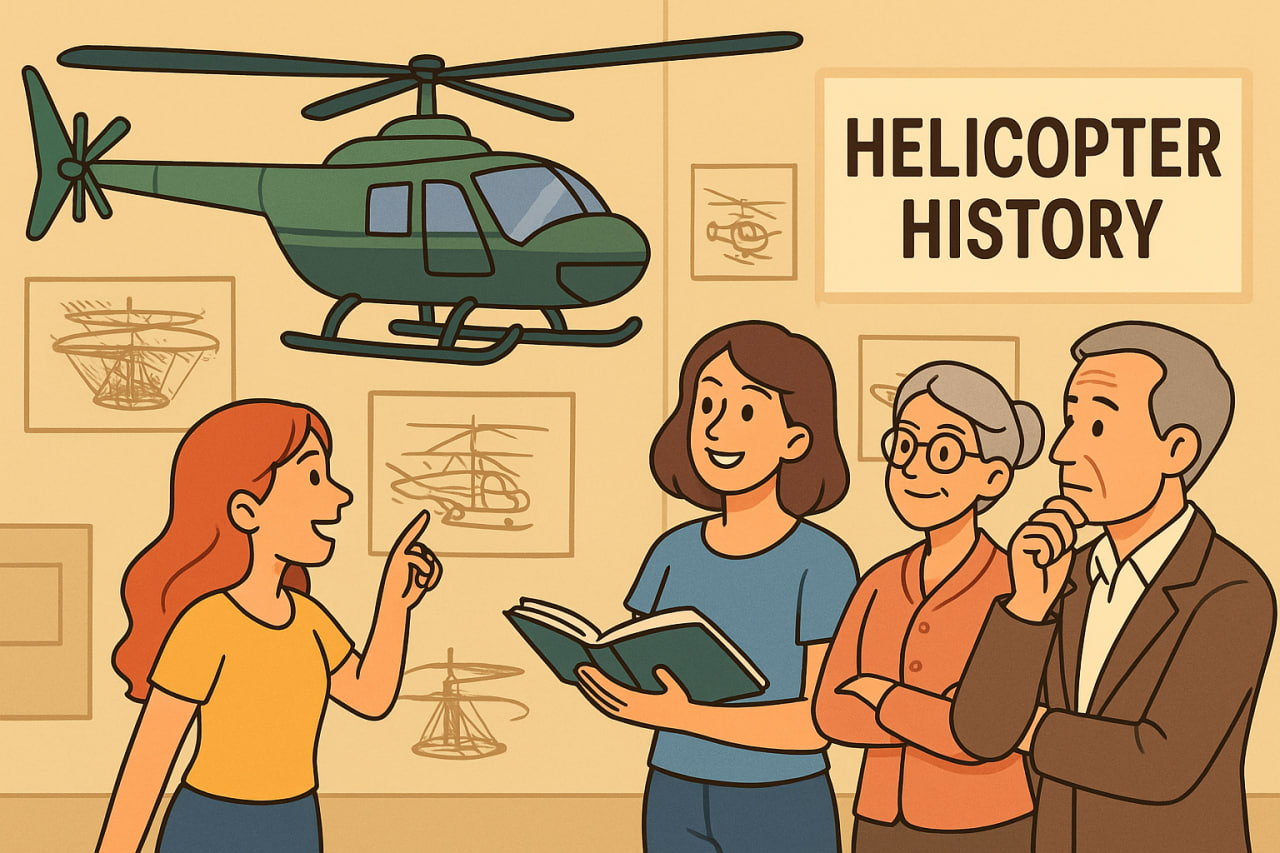
The history of helicopter development is a journey of innovation driven by the desire to achieve vertical flight. Unlike airplanes, which require runways, helicopters can take off and land vertically, hover in place, and move in any direction. This capability opened possibilities in rescue operations, military missions, medicine, and transportation. The dream of vertical flight appeared long before technology made it possible; early inventors studied birds, wind, and rotational forces. Over time, improvements in engine power, rotor design, and control systems allowed helicopters to evolve from experimental prototypes into highly versatile aircraft. Today, helicopters are used worldwide in environments where no other aircraft can operate effectively.

Motorcycles: Freedom, Engineering, and Human Connection to the Road
History Be Smart Inventions

Motorcycles: Freedom, Engineering, and Human Connection to the Road

Motorcycles are more than just vehicles—they are symbols of freedom, adventure, and personal expression. Throughout history, motorcycles have captured the imagination of people who value independence and the thrill of the open road. Unlike cars, motorcycles provide a direct physical connection between the rider and the environment, allowing the rider to feel the wind, temperature, movement, and rhythm of the journey. At the same time, motorcycles require skill, awareness, and responsibility, as they demand more precise control and focus. Understanding what makes motorcycles unique helps explain their lasting popularity around the world.