History

The History of Astronomy: From Ancient Skywatchers to Modern Space Science
History Science Be Smart

The History of Astronomy: From Ancient Skywatchers to Modern Space Science

Astronomy is one of the oldest sciences in human history, born from humanity’s natural curiosity about the night sky. For thousands of years, people observed the movements of stars, planets, and the Moon, seeking to understand patterns that governed time, seasons, and navigation. Early civilizations built monuments aligned with celestial events and developed calendars based on astronomical observations. Over centuries, these observations evolved into scientific theories that transformed our understanding of the universe. Today, astronomy combines advanced telescopes, satellites, and space probes to study objects billions of light-years away. The long journey from simple skywatching to modern astrophysics reflects humanity’s enduring desire to explore the cosmos and understand our place within it.


René Descartes: The Philosopher Who Redefined Reason and Reality
History Science Be Smart

René Descartes: The Philosopher Who Redefined Reason and Reality

René Descartes was one of the most influential thinkers of the 17th century and is often called the “father of modern philosophy.” Living during a period of profound scientific transformation, he sought to establish knowledge on a foundation of absolute certainty. His work reshaped philosophy, mathematics, and science, laying the groundwork for rationalism and analytic geometry. Descartes believed that reason, rather than tradition or authority, should guide the search for truth. His ideas influenced generations of philosophers, scientists, and mathematicians. Even today, his method of systematic doubt remains central to discussions about knowledge and consciousness.

AI for Deciphering Ancient Languages and Scrolls
History AI & Ethics AI

AI for Deciphering Ancient Languages and Scrolls

For centuries, historians and linguists have struggled to decode ancient manuscripts, damaged scrolls, and forgotten languages. Many texts have survived only in fragments, faded ink, or carbonized layers, making traditional analysis slow and uncertain. Today, artificial intelligence is transforming the field of historical linguistics and archaeology by offering powerful tools for pattern recognition, reconstruction, and translation. By training neural networks on known linguistic structures, researchers can analyze incomplete texts and predict missing characters with remarkable accuracy. AI does not replace historians, but it accelerates discoveries and opens new possibilities for understanding humanity’s cultural heritage. As computational methods improve, previously unreadable documents are gradually revealing their secrets.

Leonardo da Vinci: The Mind That Shaped the Renaissance
History Science Be Smart

Leonardo da Vinci: The Mind That Shaped the Renaissance

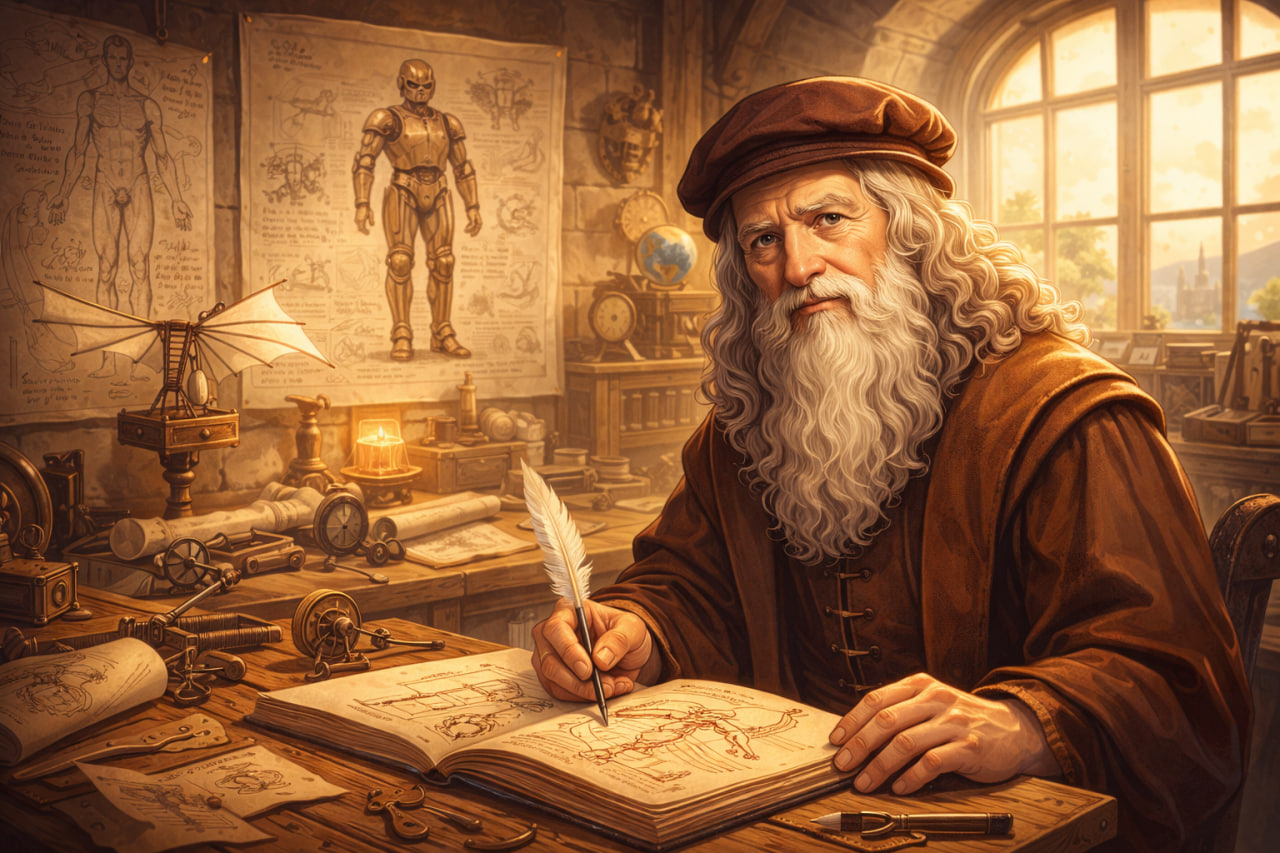
Leonardo da Vinci is widely regarded as one of the most extraordinary minds in human history, a figure whose influence extends far beyond art alone. Living during the Renaissance, he embodied the ideal of the universal genius, mastering painting, anatomy, engineering, architecture, and natural science. Leonardo approached the world with relentless curiosity, believing that direct observation and experimentation were the keys to understanding reality. His notebooks reveal a mind constantly questioning how nature works, how the human body moves, and how machines could imitate life. Even centuries after his death, Leonardo remains a symbol of the limitless potential of human creativity and intellect.

The History of Robotics: From Mechanical Dreams to Intelligent Machines
History Science Be Smart

The History of Robotics: From Mechanical Dreams to Intelligent Machines

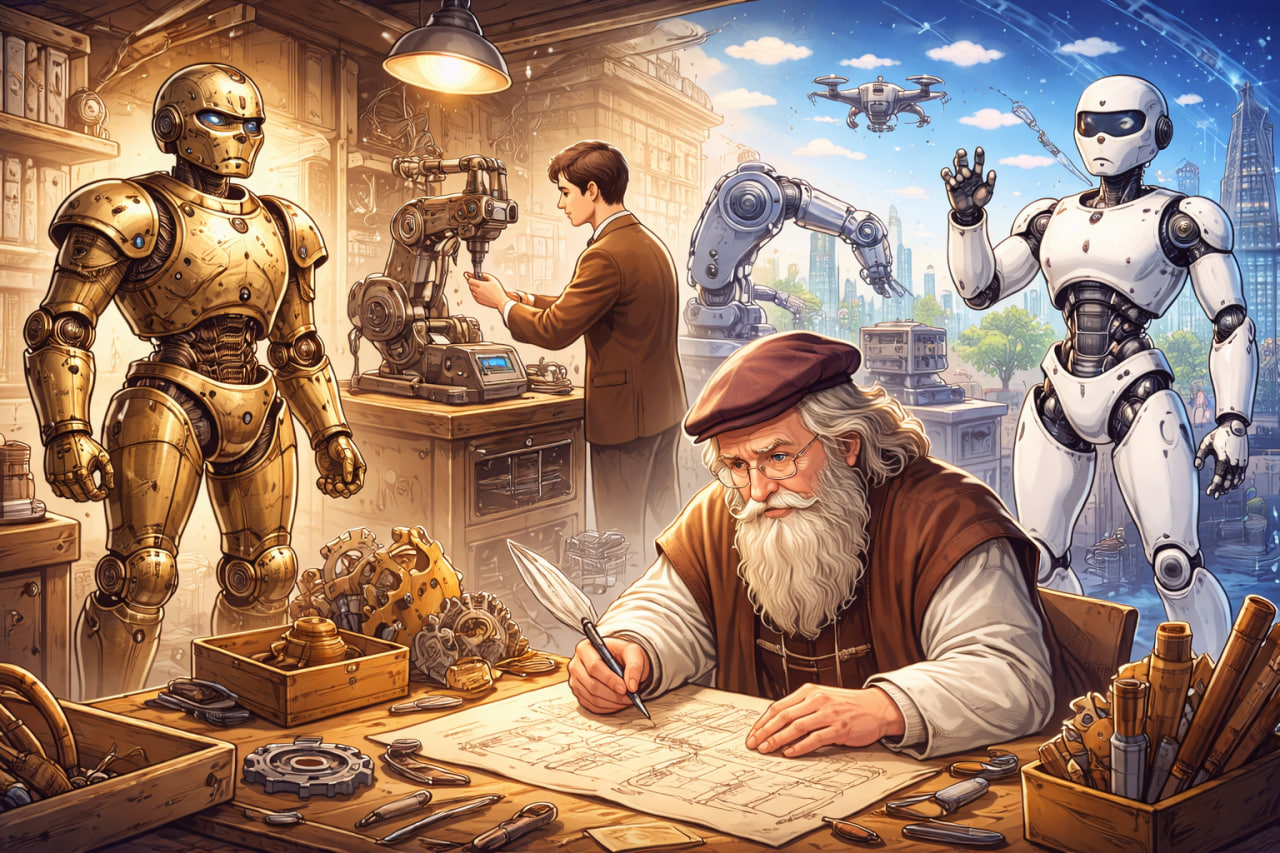
Robotics is often associated with futuristic technology, but its roots stretch deep into human history. Long before computers and artificial intelligence existed, people imagined and built mechanical devices that could imitate living beings or perform tasks automatically. Over centuries, these ideas evolved from simple mechanical toys into complex machines capable of perception, movement, and decision-making. The history of robotics reflects humanity’s desire to extend physical abilities, reduce labor, and explore the boundary between machines and life. Understanding this history helps explain how modern robots emerged and where the field may be heading next.

Leonardo da Vinci’s Mechanical Knight
History Science Be Smart

Leonardo da Vinci’s Mechanical Knight

Leonardo da Vinci’s Mechanical Knight is considered one of the earliest known concepts of a humanoid robot in human history. Designed around the year 1495, this remarkable invention demonstrates how far ahead of his time Leonardo was in combining anatomy, mechanics, and imagination. Although the knight was never built during Leonardo’s lifetime, detailed sketches discovered centuries later reveal a surprisingly sophisticated mechanical system. The Mechanical Knight was not merely a fantasy; it was a functional engineering concept based on precise observation of the human body. Today, it stands as a powerful symbol of the origins of robotics and human–machine design.

The History of Geometry
History Science Be Smart

The History of Geometry

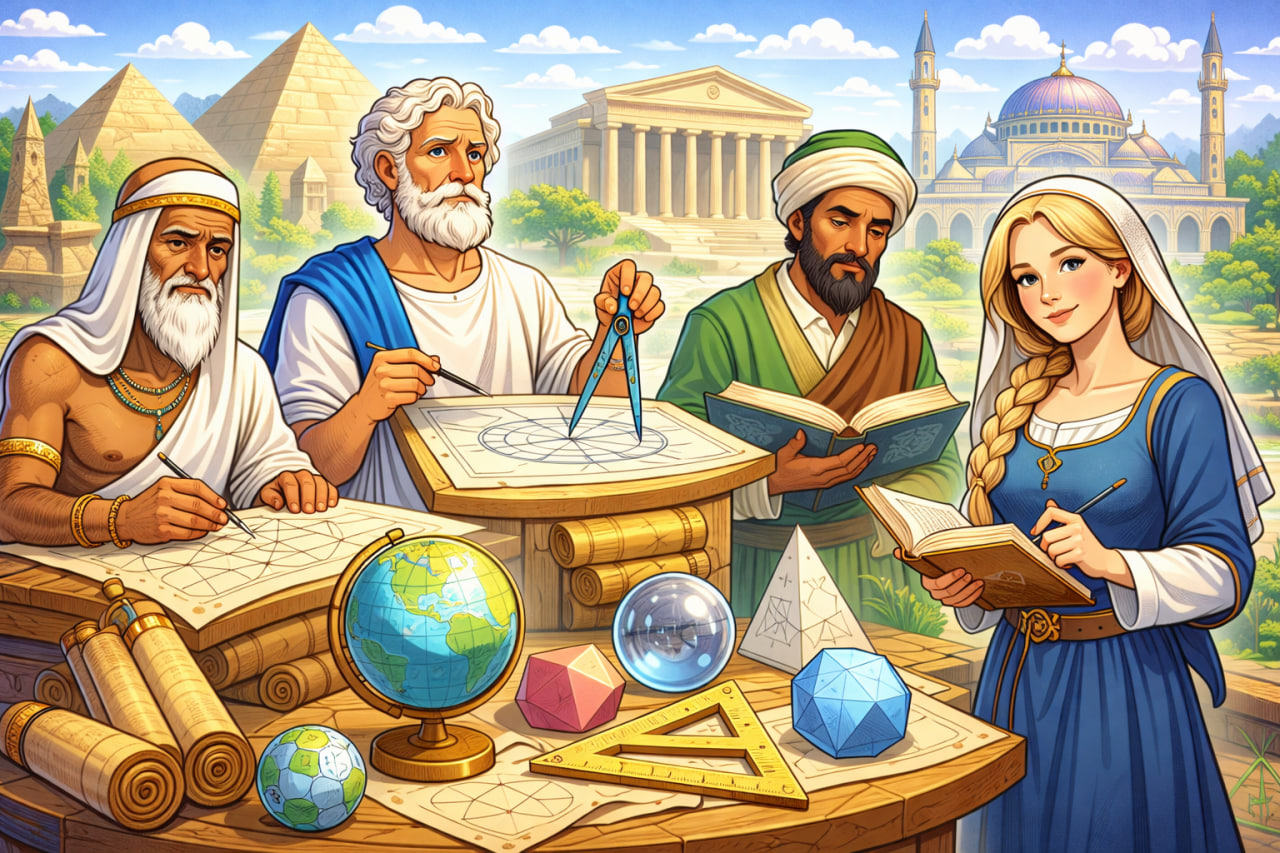
The history of geometry reflects humanity’s long effort to understand space, shape, and order in the world around us. From the earliest markings on stone and sand to abstract mathematical systems, geometry has evolved alongside civilization itself. Initially driven by practical needs such as land measurement, construction, and astronomy, geometry gradually became a theoretical science concerned with logic and proof. Over thousands of years, different cultures contributed ideas that expanded geometric thinking far beyond simple shapes. Geometry not only shaped mathematics but also influenced art, architecture, engineering, and philosophy. Tracing its history reveals how humans learned to move from visual intuition to abstract reasoning.

Omar Khayyam and Science
History Science Be Smart

Omar Khayyam and Science

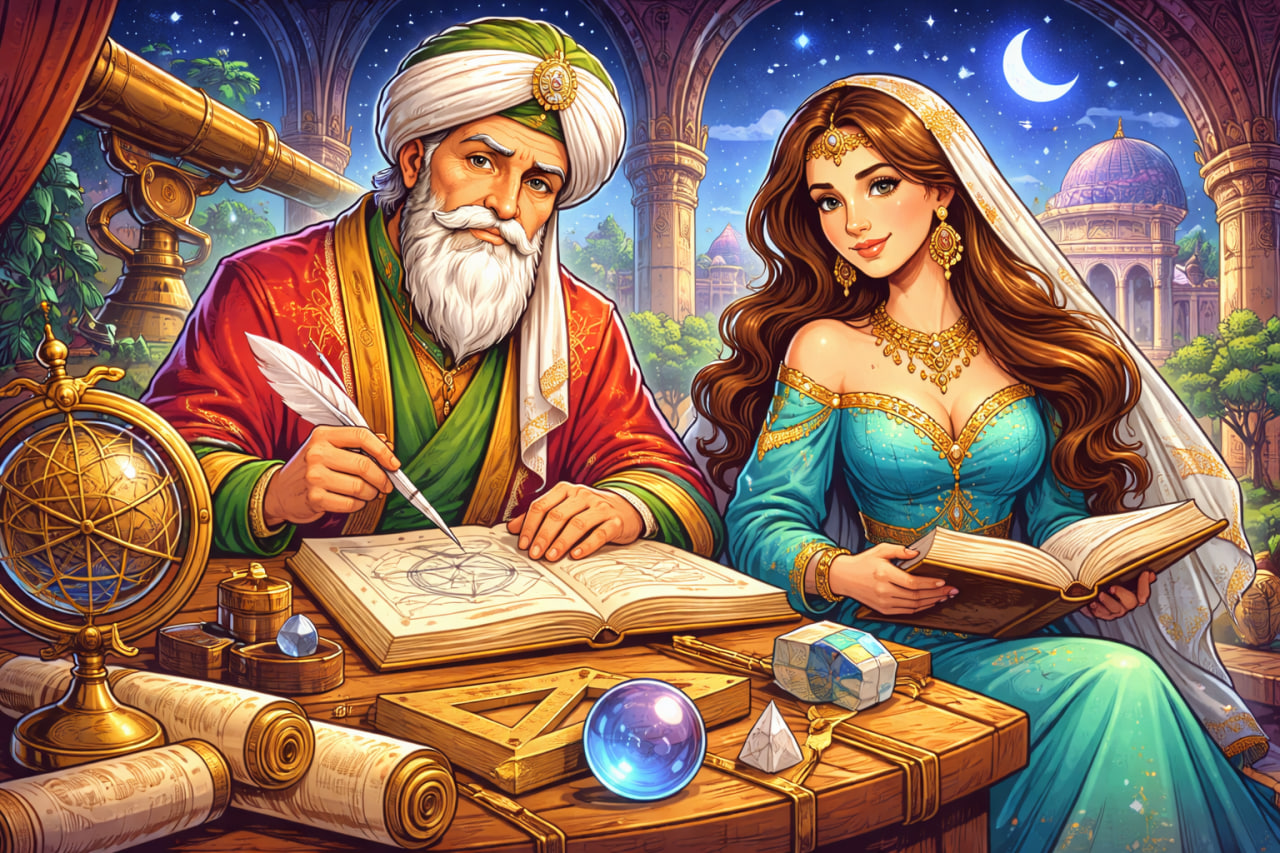
Omar Khayyam is widely known to the modern world as a poet, yet his scientific legacy is just as remarkable as his literary one. Living during the Islamic Golden Age, Khayyam worked at the intersection of mathematics, astronomy, philosophy, and logic. His scientific contributions were rooted in rigorous reasoning, careful observation, and a deep respect for knowledge inherited from earlier civilizations. At a time when poetry and science were not seen as separate domains, Khayyam embodied the ideal of the universal scholar. Understanding his role in science reveals a thinker whose influence extended far beyond verse and metaphor.

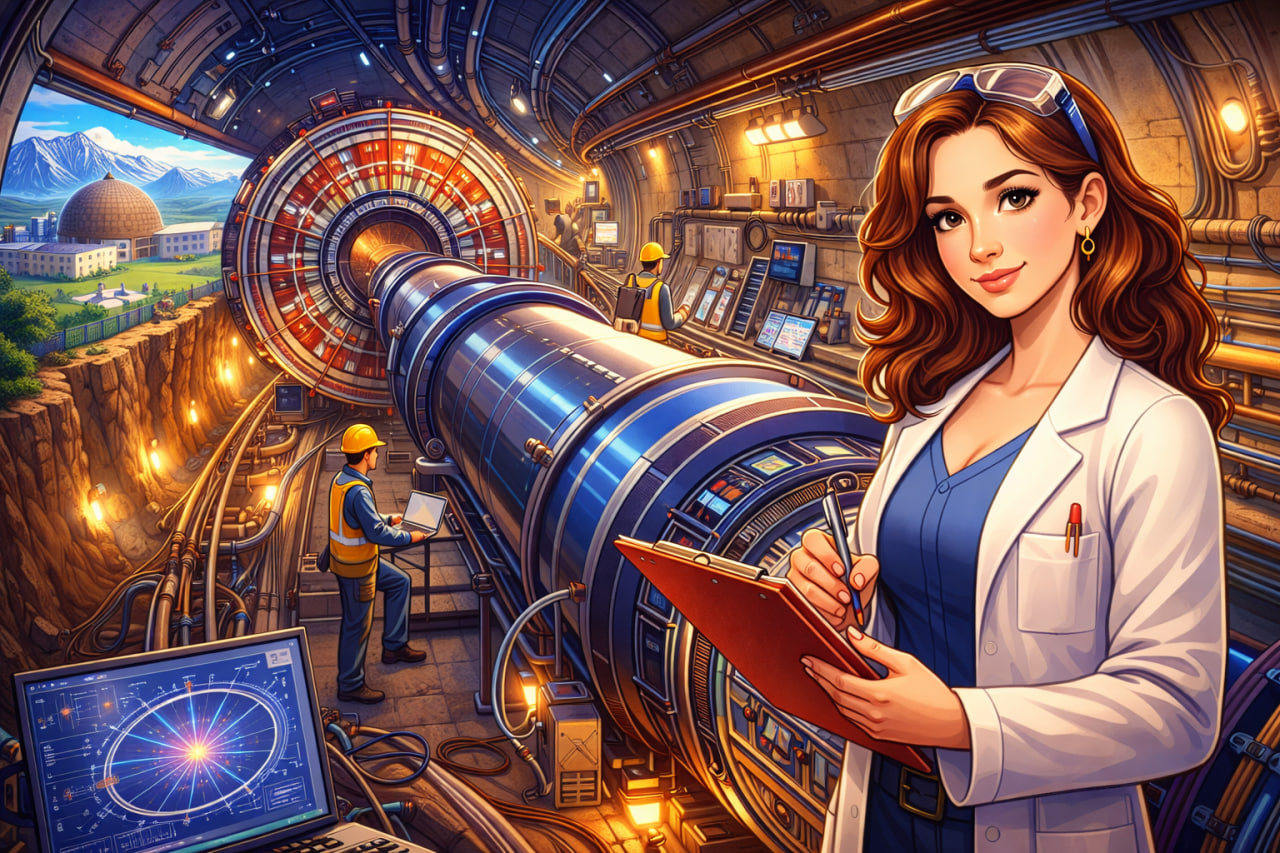
How the Large Hadron Collider Was Created
History Hi-Tech Smart Technology

How the Large Hadron Collider Was Created

The Large Hadron Collider (LHC) is the most powerful particle accelerator ever built and one of the most complex scientific instruments in human history. Its creation was not a single engineering project, but a multi-decade international effort combining physics, engineering, computing, and diplomacy. Designed to explore the fundamental structure of matter, the LHC ensures collisions at energies never before achieved in a laboratory. The path from early ideas to a functioning collider involved theoretical debates, technological breakthroughs, and unprecedented global collaboration. Understanding how the LHC was created reveals how modern “big science” operates at the limits of human capability. It is a story of patience, precision, and collective ambition.

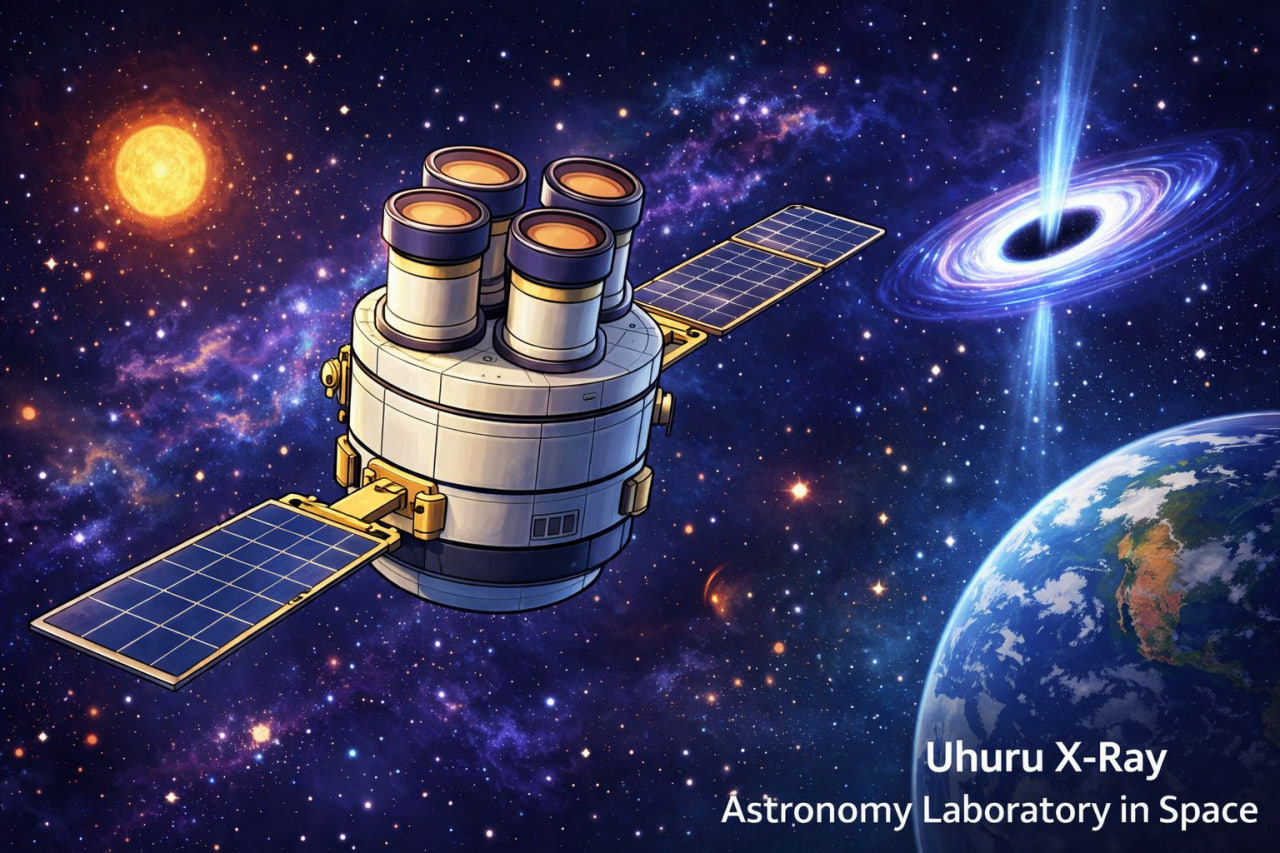
Uhuru: The First X-Ray Astronomy Laboratory in Space
Cosmic Innovations History Hi-Tech

Uhuru: The First X-Ray Astronomy Laboratory in Space

The Uhuru X-ray laboratory marked a turning point in humanity’s exploration of the universe by opening an entirely new window on the cosmos. Launched in 1970, Uhuru became the first satellite dedicated exclusively to X-ray astronomy, allowing scientists to observe high-energy phenomena invisible to optical telescopes. Before Uhuru, astronomers could only guess at the intensity and distribution of cosmic X-ray sources. This pioneering mission transformed those guesses into precise measurements, revealing a universe filled with extreme objects such as black holes, neutron stars, and supernova remnants. Uhuru did not merely collect data; it fundamentally changed how scientists understood the energetic processes shaping galaxies. Its legacy continues to influence modern space observatories and high-energy astrophysics research.