History

Radio Communication: How Walkie-Talkies Work and Where They Are Used
History Smart Technology Inventions

Radio Communication: How Walkie-Talkies Work and Where They Are Used

Radio communication devices, commonly known as walkie-talkies, are portable tools that allow people to communicate over distance without the need for cellular networks or the internet. These devices use radio waves to transmit voice signals instantly between users. Despite the development of smartphones and modern communication systems, radios remain essential in many fields due to their reliability, simplicity, and independence from infrastructure. From emergency services to outdoor activities, radios provide a fast and effective way to stay connected. Understanding how they work and where they are used helps explain why they are still widely relevant today.

The Amazing Geometry of Pyramids
History Science Be Smart

The Amazing Geometry of Pyramids

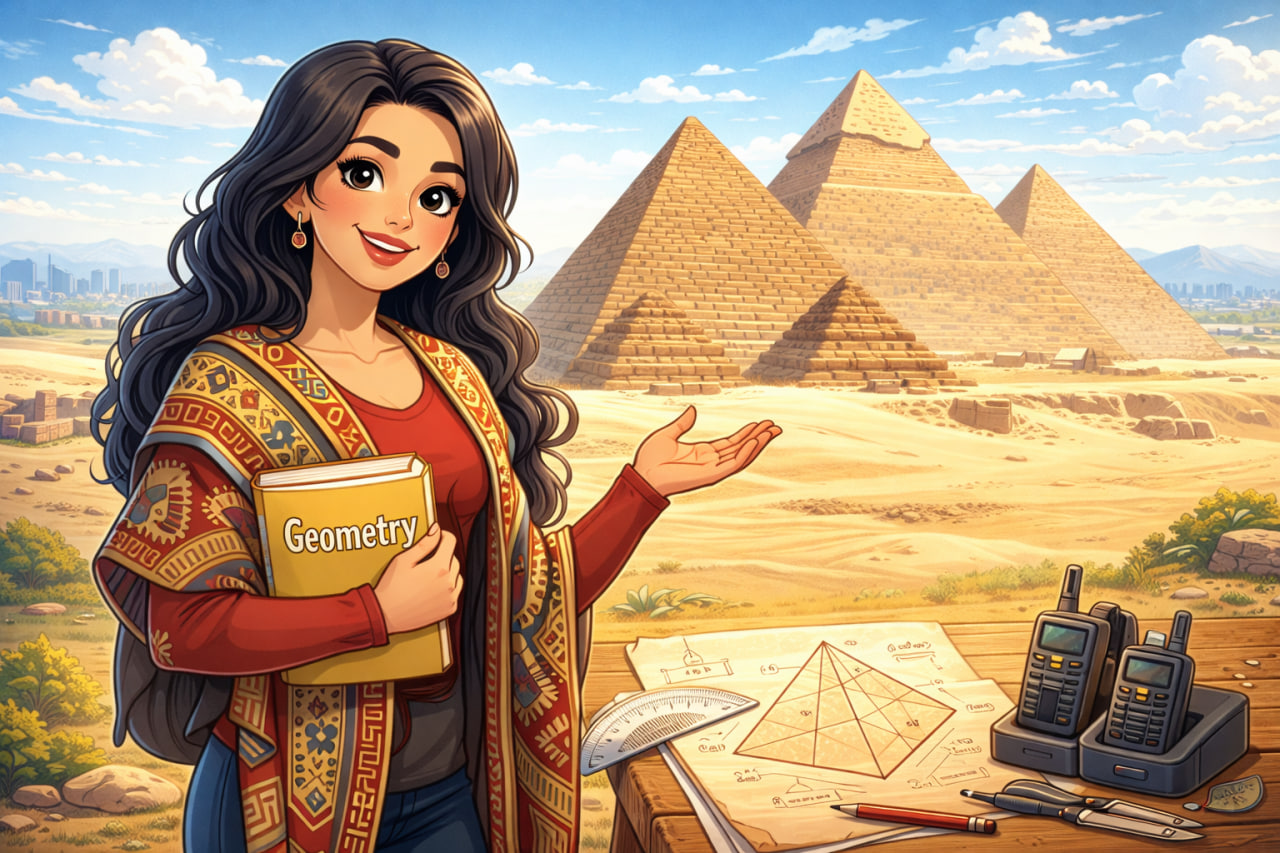
Pyramids are among the most mathematically precise and visually striking structures ever created by ancient civilizations. Beyond their monumental scale, what makes pyramids truly remarkable is their geometric accuracy, symmetry, and alignment. These structures are not random piles of stone; they are carefully designed forms that reflect a deep understanding of mathematics, proportions, and spatial organization. Across different cultures, pyramids demonstrate consistent geometric principles, suggesting that ancient builders possessed advanced knowledge of measurement and design. The study of pyramid geometry reveals not only engineering skill but also a possible connection between architecture, astronomy, and symbolic meaning. Understanding these geometric features allows us to better appreciate how such structures were conceived and constructed thousands of years ago.

How Many Books and Documents Are Not on the Internet — and Where to Find Them
History Science Be Smart

How Many Books and Documents Are Not on the Internet — and Where to Find Them

The internet gives the impression that nearly all human knowledge is accessible with a simple search, but in reality, a vast portion of books and documents still remains offline. Estimates suggest that only a fraction of all published materials has been digitized, especially when considering historical archives, rare manuscripts, and local publications. Millions of works exist only in physical form, stored in libraries, private collections, or institutional archives. The reasons for this gap include technical limitations, legal restrictions, and the sheer scale of global knowledge production. Understanding why so much information is not online helps researchers, students, and curious readers expand their search beyond digital sources. In many cases, the most valuable or unique materials require traditional methods of discovery.

Through Hardships to the Stars
Space Stories History Be Smart

Through Hardships to the Stars

The phrase “Through hardships to the stars” symbolizes the idea that great achievements require perseverance, effort, and the ability to overcome obstacles. It reflects a universal truth: progress—whether personal, scientific, or societal—rarely comes easily. From ancient explorers to modern astronauts, humanity has always faced challenges on the path toward discovery. Yet it is precisely these difficulties that shape growth, strengthen determination, and make success meaningful. This concept applies not only to space exploration but also to everyday life, where persistence often determines the difference between failure and achievement.

The First Human Spaceflight: How It Happened
History Science Be Smart

The First Human Spaceflight: How It Happened

The first human spaceflight marked one of the most significant milestones in the history of science and exploration. It was a moment when humanity crossed a boundary that had existed for all of history—the boundary between Earth and space. This achievement was not only a technological breakthrough but also a powerful symbol of human curiosity, courage, and ambition. During the early 1960s, the world was deeply engaged in the space race, a competition between global superpowers striving to demonstrate scientific and technological superiority. The success of sending a human into orbit required years of research, testing, and risk-taking, as engineers worked to solve problems that had never been encountered before. Understanding how this historic mission unfolded reveals both the complexity of early space travel and the determination behind one of humanity’s greatest achievements.

The History of Astronautics: From Dreams to Deep Space
Cosmic Innovations History Science

The History of Astronautics: From Dreams to Deep Space

Today was the International Day of Human Space Flight—a reminder of one of humanity’s greatest achievements: breaking free from Earth and exploring the cosmos. What began as dreams and theories has evolved into a global effort involving science, engineering, and international cooperation. The history of astronautics is a story of innovation, risk, and the relentless desire to explore the unknown.

The First Stars of the Universe: Cosmic Dawn
Space Stories History Universe

The First Stars of the Universe: Cosmic Dawn

The first stars in the universe marked a turning point known as the cosmic dawn, when darkness gave way to light for the very first time. After the Big Bang, the universe spent hundreds of millions of years in a period often called the cosmic dark ages, where no stars or galaxies yet existed. During this time, matter slowly gathered under gravity, forming dense regions of gas that would eventually ignite the first stars. These early stars were fundamentally different from those we see today, as they were composed almost entirely of hydrogen and helium. Their formation not only illuminated the universe but also began the process of creating heavier elements necessary for planets and life. Understanding these first stars helps scientists uncover how structure, light, and complexity emerged in the early universe.

What Einstein and Bohr Argued About: The Great Debate on Quantum Reality
History Science Be Smart

What Einstein and Bohr Argued About: The Great Debate on Quantum Reality

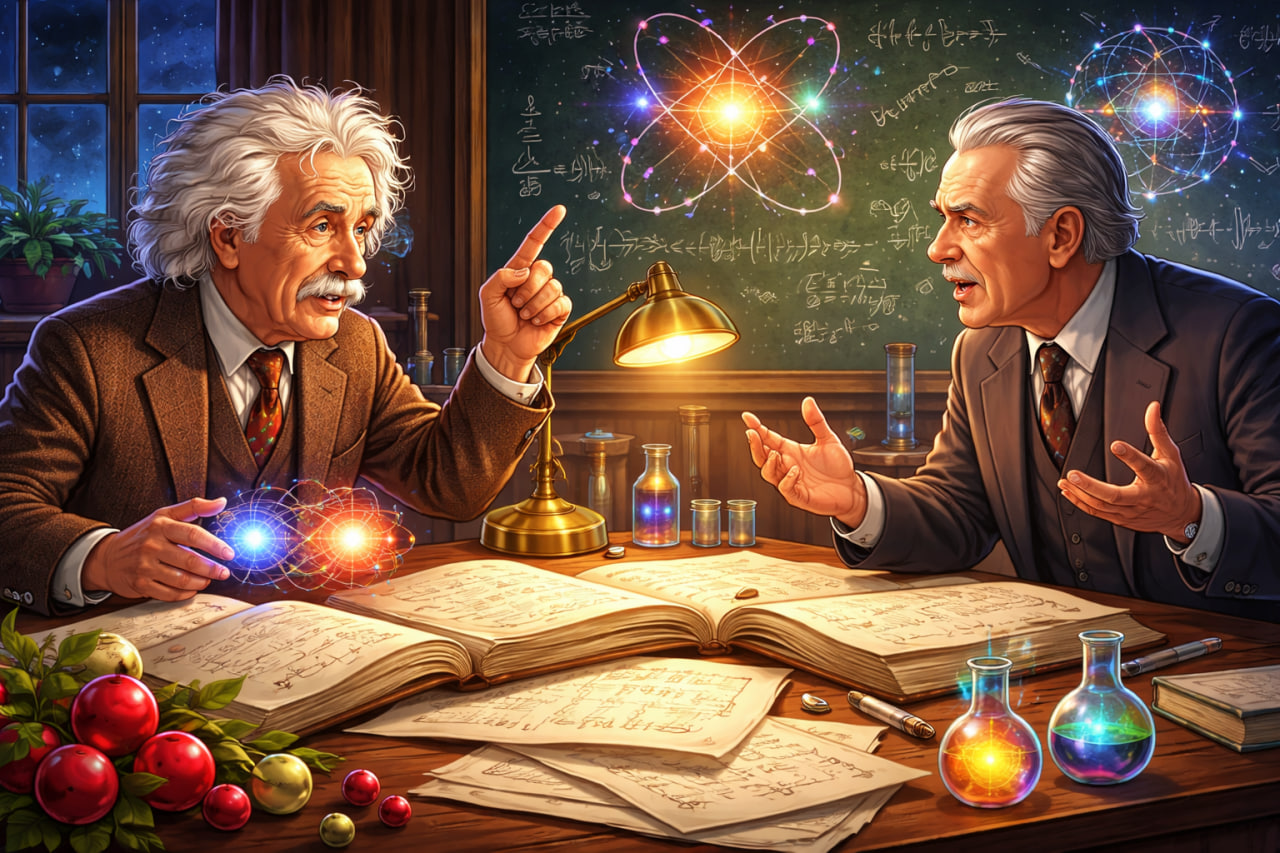
One of the most famous scientific debates in history took place between Albert Einstein and Niels Bohr. Their discussions were not about small details, but about the fundamental nature of reality itself. At the center of their disagreement was quantum mechanics, a theory describing how particles behave at the smallest scales. While both scientists contributed greatly to physics, they had very different views on what quantum theory actually meant.

Science and the Egyptian Pyramids
History Science Be Smart

Science and the Egyptian Pyramids

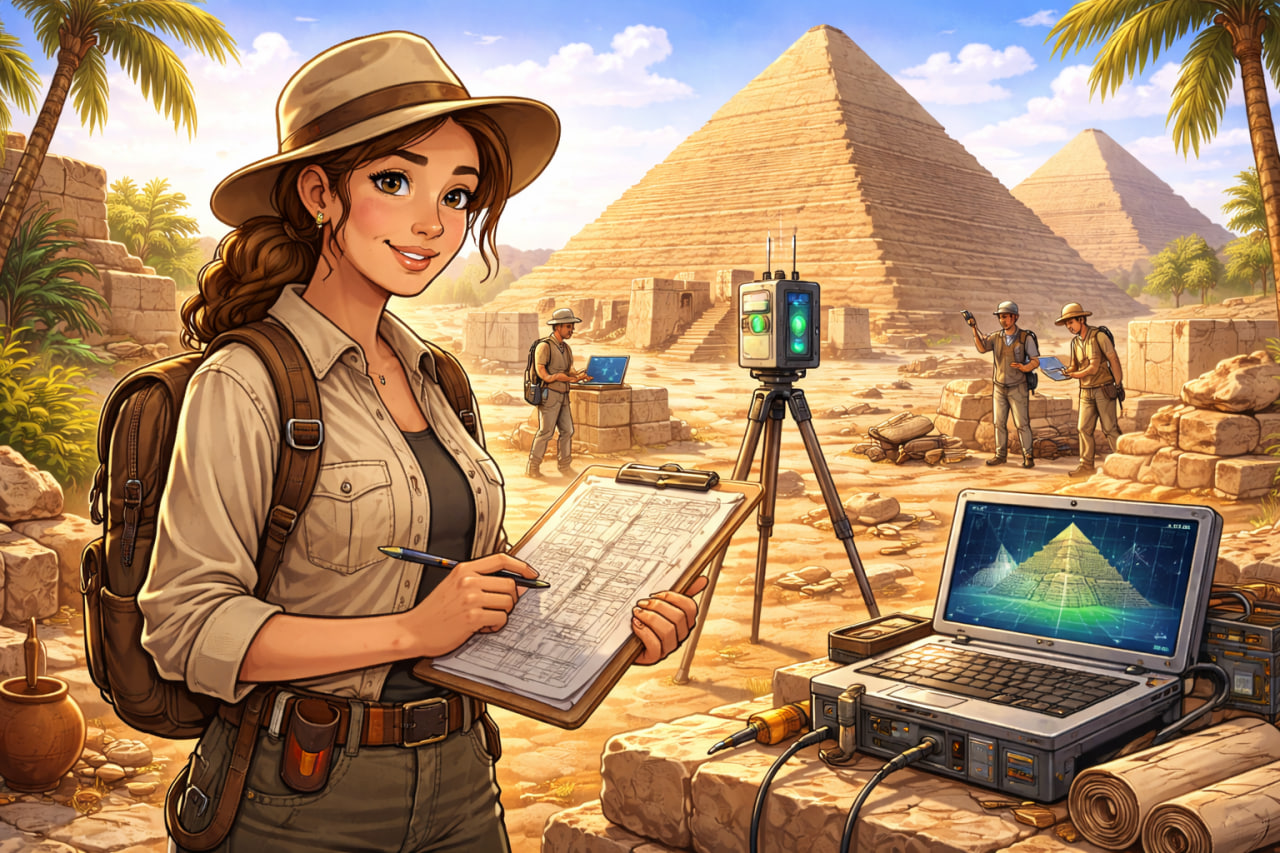
The pyramids of ancient Egypt remain among the most remarkable architectural achievements in human history. Built more than four thousand years ago, these massive stone monuments continue to fascinate scientists, historians, engineers, and archaeologists. While pyramids are often associated with mystery and legends, modern scientific research has revealed much about how they were constructed, why they were built, and what they tell us about the advanced knowledge of ancient Egyptian civilization. By combining archaeology, physics, geology, engineering, and modern scanning technologies, scientists continue to uncover new insights into the design and purpose of these extraordinary structures.

Imhotep: The Legendary Genius of Ancient Egypt
History Science Be Smart

Imhotep: The Legendary Genius of Ancient Egypt

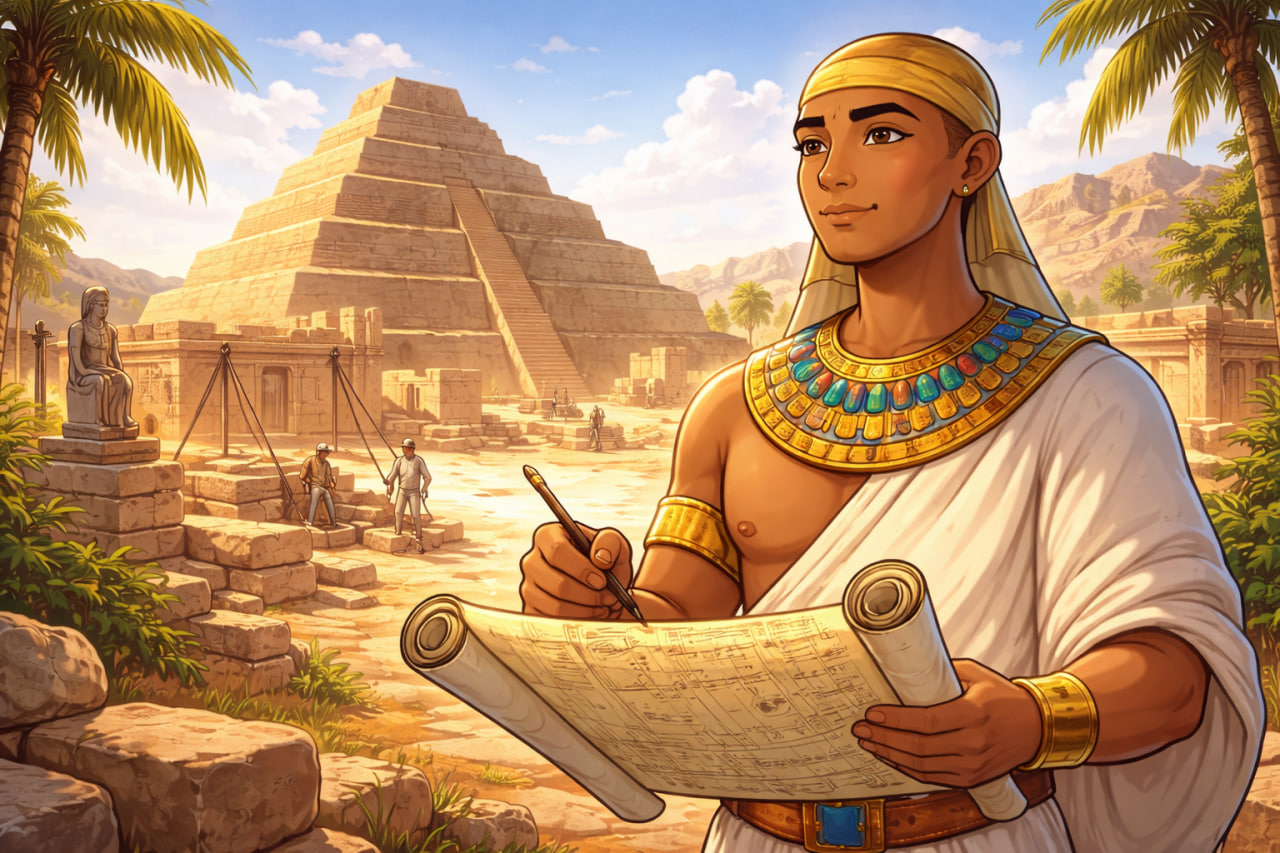
Imhotep is one of the most remarkable figures in the history of ancient Egypt. Living around the 27th century BCE, he served as a high-ranking official during the reign of Pharaoh Djoser of the Third Dynasty. Unlike many ancient historical figures who are remembered only through legends, Imhotep was a real person whose achievements were recorded in inscriptions and historical texts. He is widely regarded as a polymath—a scholar skilled in many fields—including architecture, medicine, engineering, and administration. Over time, his reputation grew so greatly that later generations of Egyptians even began to revere him as a deity of wisdom and healing. Today, Imhotep is remembered as one of the earliest known scientists and architects in human history.