History

The History of Artificial Intelligence: From Ancient Dreams to Modern Machines
History AI & Ethics AI

The History of Artificial Intelligence: From Ancient Dreams to Modern Machines

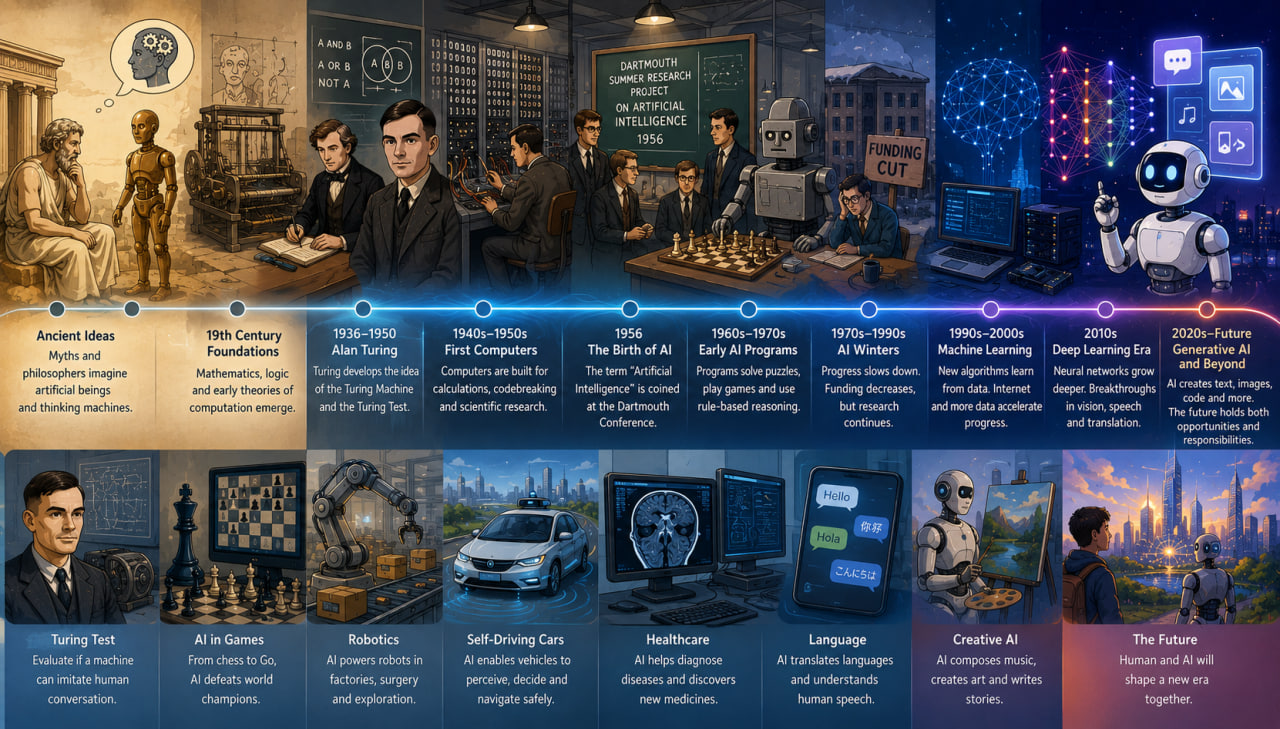
Artificial intelligence, often called: AI is one of the most transformative technologies in human history. Today AI can: Generate text Recognize images Translate languages Analyze data Drive vehicles Assist scientific research Yet the dream of creating intelligent machines is far older than modern computers. For centuries, humans imagined: Mechanical minds Thinking machines Artificial beings capable of reasoning The history of artificial intelligence combines: Mathematics Philosophy Neuroscience Computer science Engineering and reflects humanity’s attempt to understand: Intelligence itself. Modern AI emerged through decades of: Scientific breakthroughs Failures Technological revolutions Powerful new algorithms What once belonged mainly to science fiction gradually became one of the most important fields in modern civilization. Understanding the history of AI helps explain: How machines became increasingly intelligent Why AI developed so rapidly What challenges humanity may face in the future.
The Most Revolutionary Scientific Discoveries of the Last Century
History Science Tesla&Co

The Most Revolutionary Scientific Discoveries of the Last Century

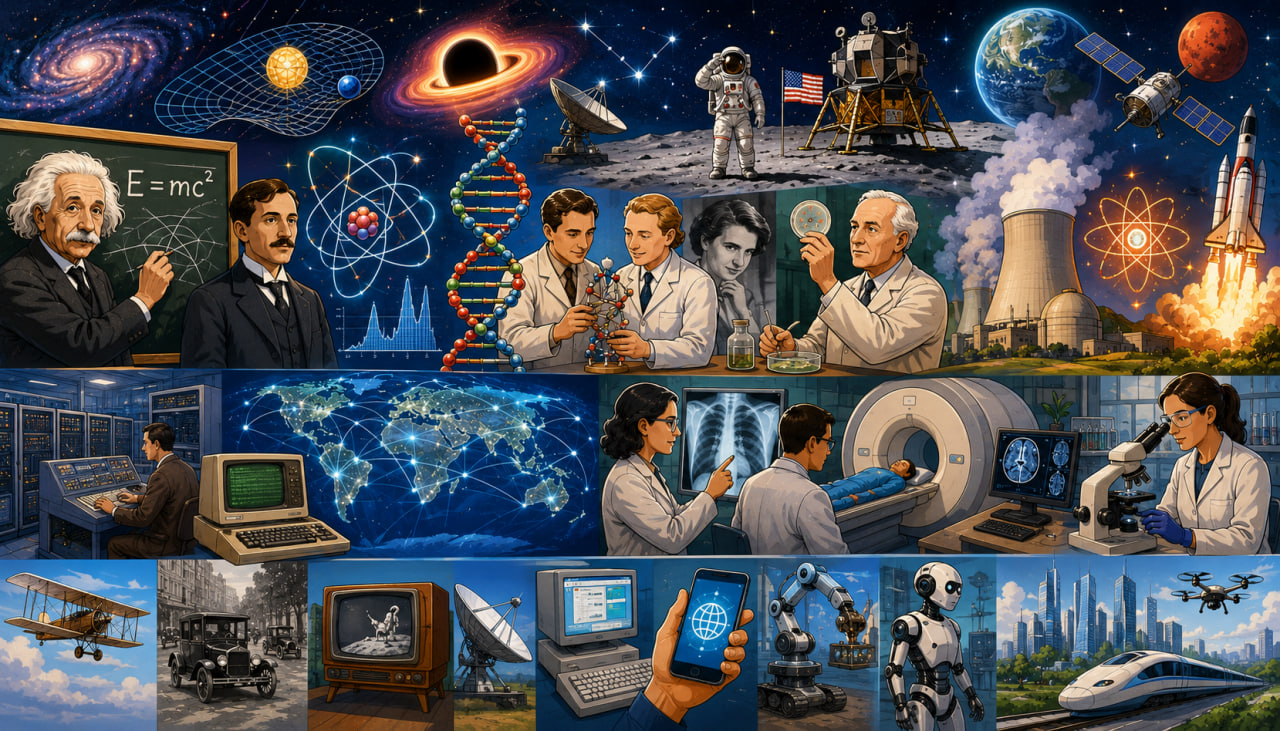
The 20th century completely transformed humanity’s understanding of: The universe Matter Life Space Technology The human body In just one hundred years, science advanced faster than during many previous centuries combined. Humanity moved from: Early airplanes to: Space travel Quantum physics Nuclear energy Computers Genetic engineering Artificial intelligence foundations Many discoveries from the last century changed not only: Science itself but also: Civilization Medicine Industry Communication Everyday life Some breakthroughs revealed astonishing truths about: Reality Time Space Human biology while others created technologies that permanently changed modern society. Understanding the greatest scientific discoveries of the previous century helps explain why modern civilization looks radically different from the world of the 1800s.

How Did Our Solar System Form?
Space Stories History Solar System

How Did Our Solar System Form?

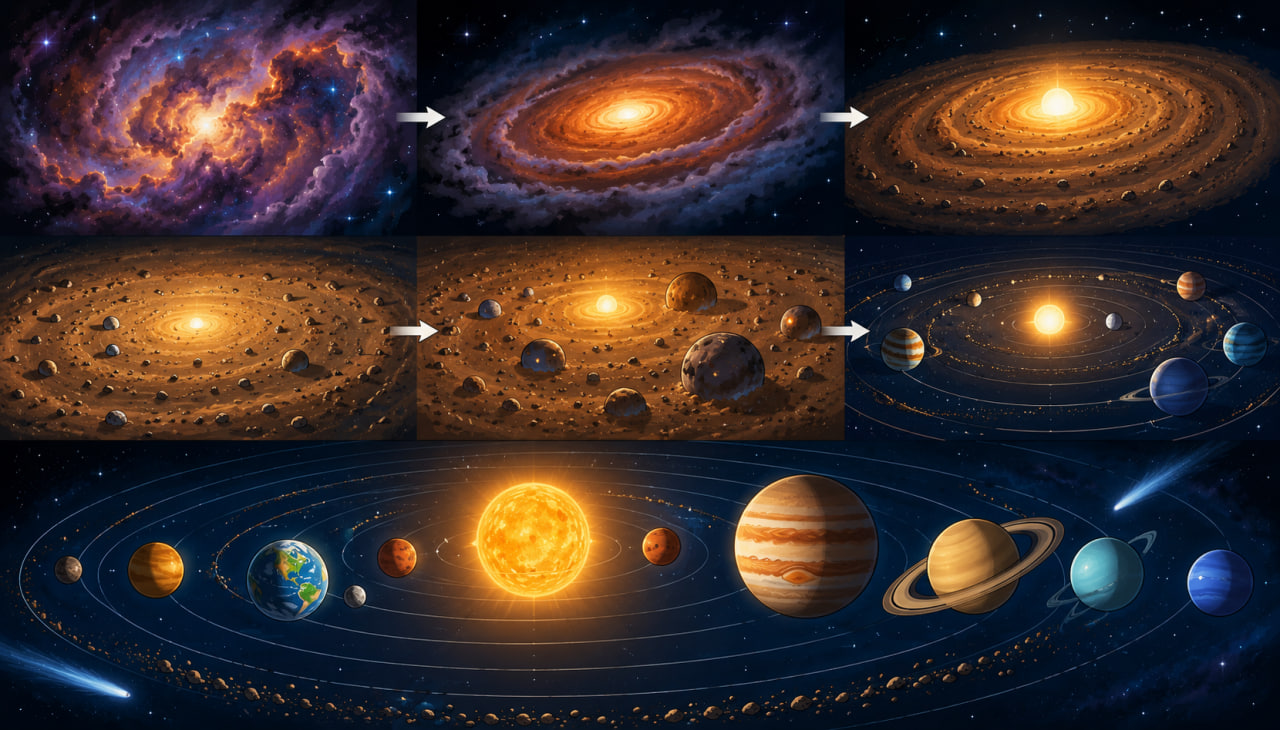
The Solar System may look stable and peaceful today, but its origin was violent, chaotic, and filled with cosmic collisions. Billions of years ago, before Earth, the Sun, or the planets existed, our region of space contained only: Gas Dust Heavy elements from ancient stars Over time, gravity transformed this enormous cloud into: The Sun Eight planets Moons Asteroids Comets Entire planetary systems Understanding how the Solar System formed helps scientists answer major questions about: Earth’s origin Planet formation The possibility of alien worlds The history of life itself Modern astronomy, physics, and space exploration continue uncovering clues about the incredible events that shaped our cosmic neighborhood roughly: 4.6 billion years ago. The story of the Solar System is ultimately the story of how chaos in deep space became an organized planetary system capable of supporting life.

The Internet: How It Appeared and What Awaits Us in the Near Future
History Hi-Tech Smart Technology

The Internet: How It Appeared and What Awaits Us in the Near Future

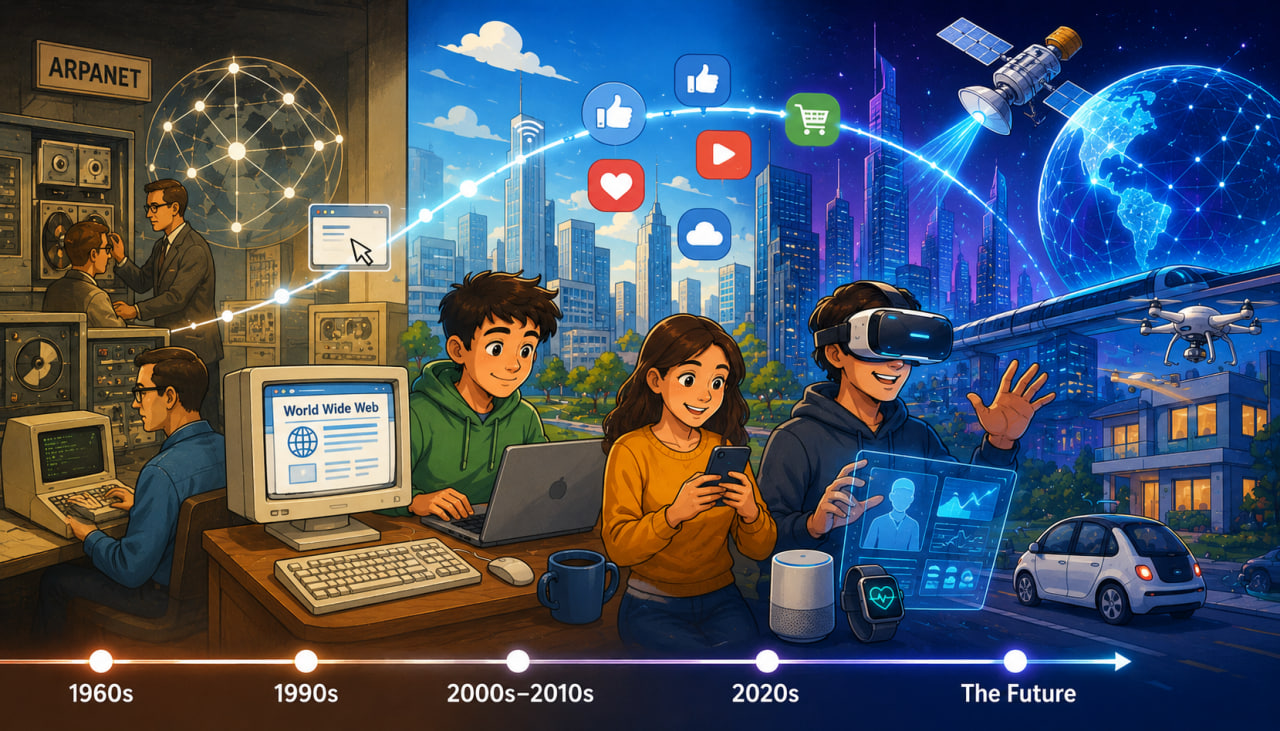
The internet is one of the most important inventions in human history. In just a few decades, it transformed communication, business, science, entertainment, education, and everyday life. Billions of people now rely on the internet daily for work, social interaction, shopping, banking, and access to information. Yet the internet did not begin as a global social network or entertainment platform. It started as a scientific and military research project designed to solve communication problems during the Cold War era. Over time, it evolved into a massive interconnected digital system linking nearly every part of modern civilization. Today, the internet continues changing rapidly due to: Artificial intelligence Cloud computing Smart devices Virtual reality Satellite networks Quantum technologies Many experts believe the next decades may transform the internet even more dramatically than its first years did.

Digital Money: How It Appeared and Why It Is Changing the Global Economy
History Smart Technology New Discoveries

Digital Money: How It Appeared and Why It Is Changing the Global Economy

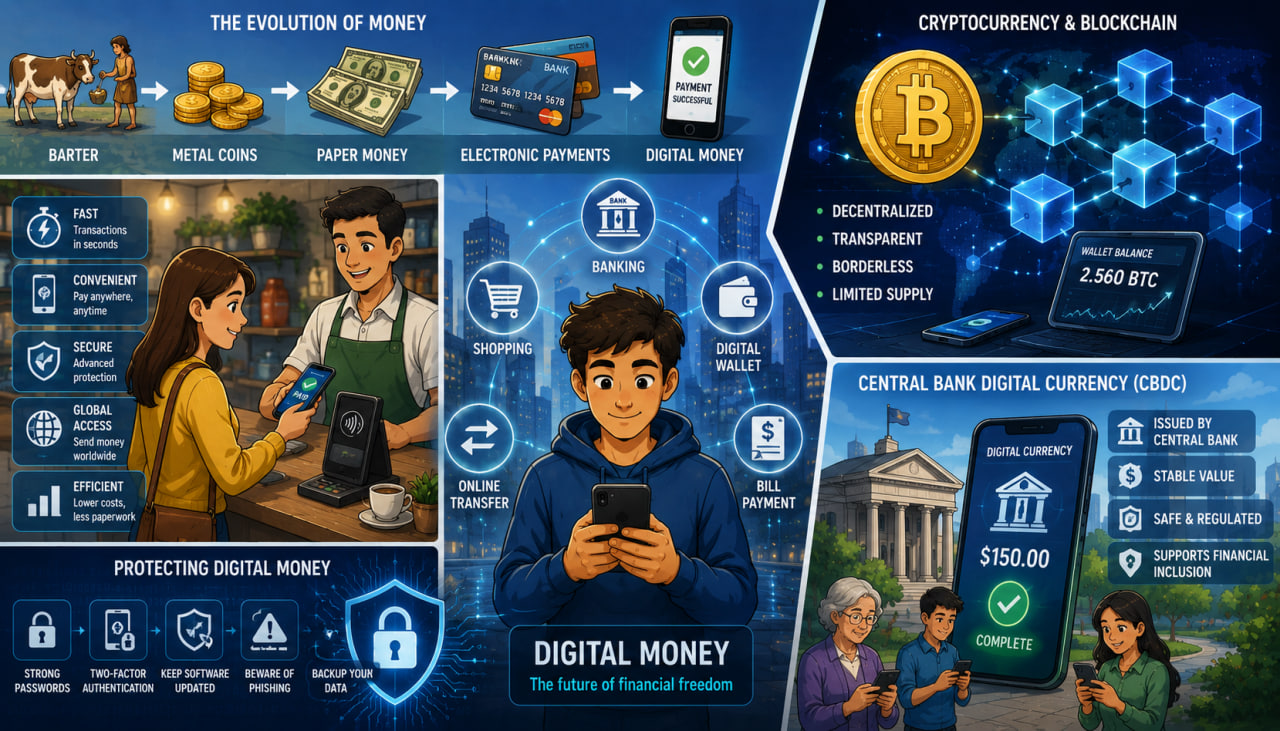
Money has evolved dramatically throughout human history. Ancient civilizations once relied on barter systems, then moved to metal coins, paper banknotes, and eventually electronic banking. Today, humanity is entering another major financial transformation — the era of digital money. Digital money is rapidly becoming a central part of modern economies. People increasingly pay using smartphones, bank apps, online transfers, cryptocurrencies, and contactless systems rather than physical cash. Governments, banks, and technology companies are investing billions into digital financial infrastructure, while economists debate how these technologies may reshape society. But what exactly is digital money, how did it emerge, and why do many experts believe it may become dominant in the future?

Modern Ships: What Has Changed Over the Last 100 Years?
History Hi-Tech Smart Technology

Modern Ships: What Has Changed Over the Last 100 Years?

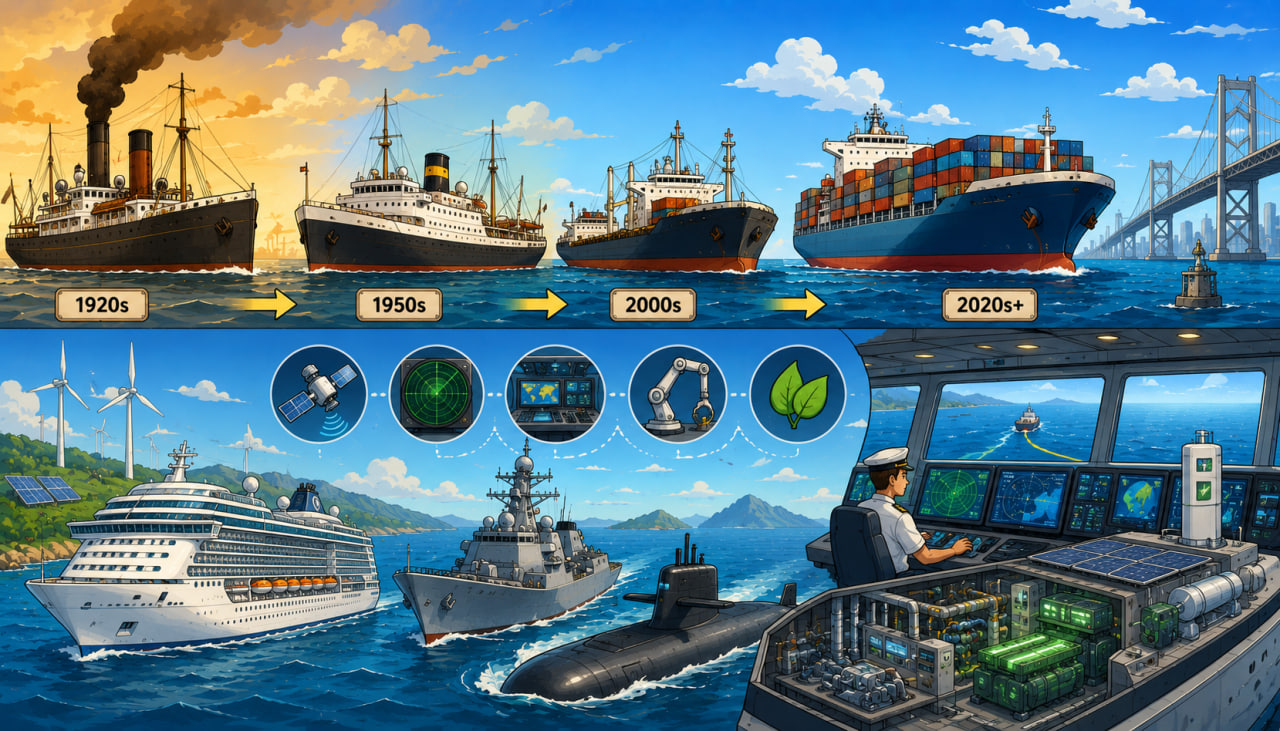
Ships have played a crucial role in human civilization for thousands of years, connecting continents, transporting goods, enabling exploration, and supporting global trade. Over the past century, ship technology has evolved dramatically. Modern vessels are faster, safer, larger, more efficient, and far more technologically advanced than ships from the early 20th century. Understanding these changes reveals how engineering, automation, and globalization transformed maritime transportation.

What Is Oil and Where Did It Come From? A Complete Guide to Petroleum Formation
History Science Be Smart

What Is Oil and Where Did It Come From? A Complete Guide to Petroleum Formation

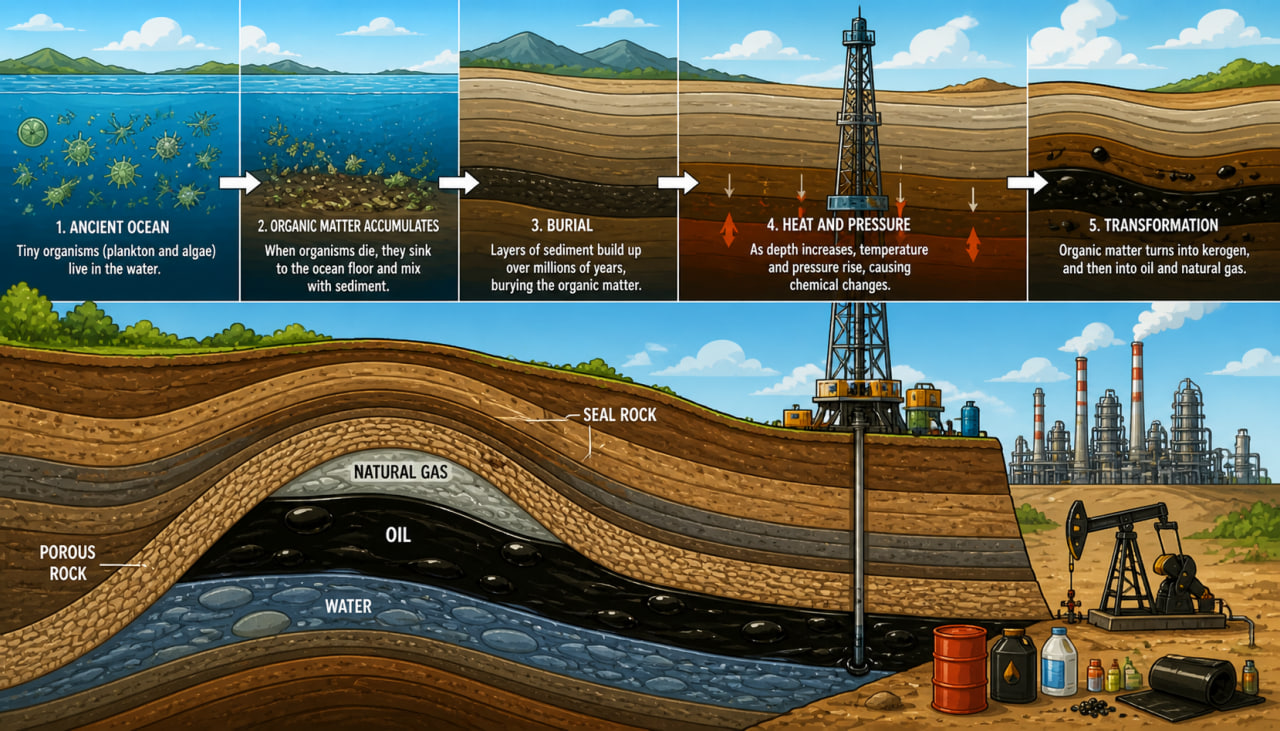
Oil, also known as petroleum, is one of the most important natural resources in modern civilization. It fuels transportation, powers industries, and serves as the foundation for countless everyday products. But where does oil actually come from? The answer lies deep in Earth’s history. Scientists have discovered that oil is formed from ancient organic matter that transformed over millions of years under extreme conditions. Understanding oil helps explain both its value and its environmental impact.

The History of Robotics: From Ancient Ideas to Intelligent Machines
History Hi-Tech Science

The History of Robotics: From Ancient Ideas to Intelligent Machines

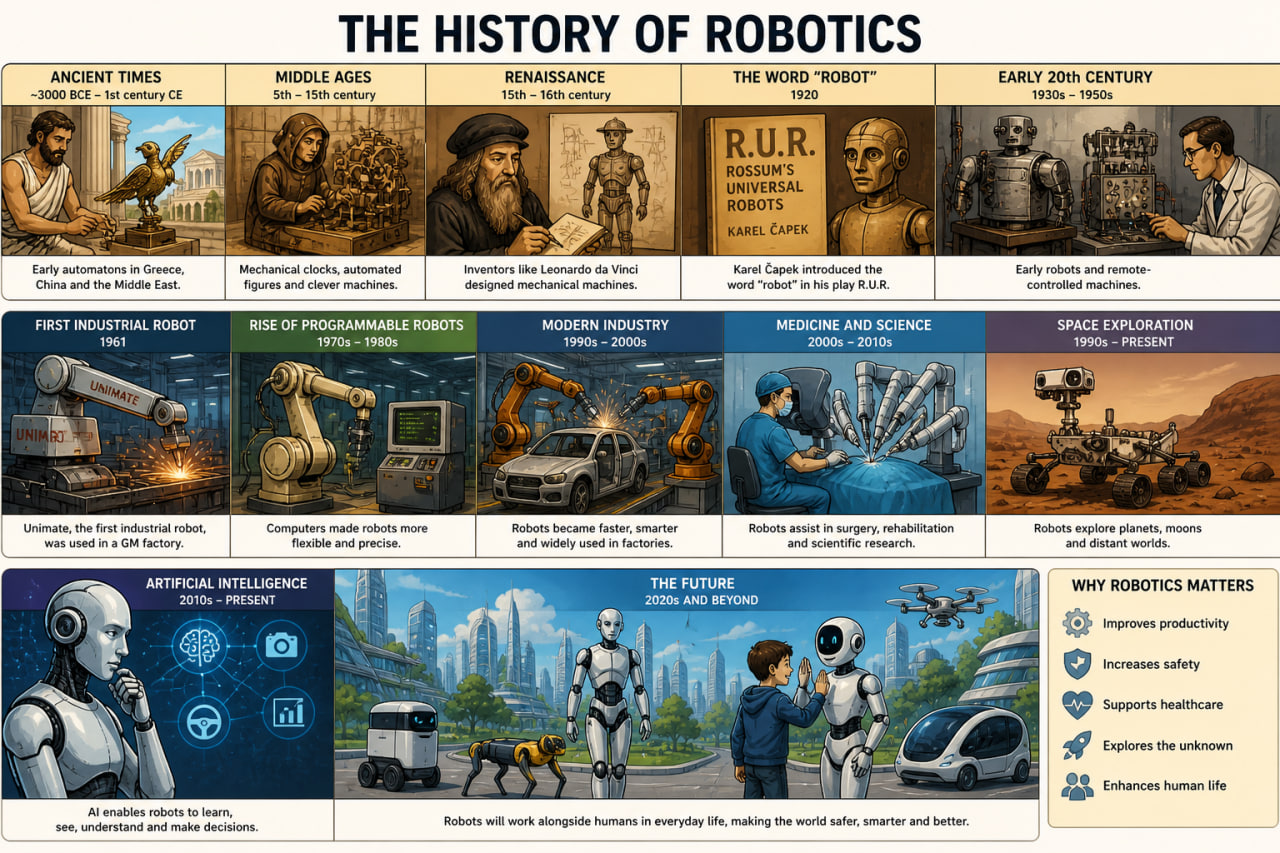
Robotics is one of the most exciting fields of modern technology, but its roots go back thousands of years. The idea of creating machines that can move and act like humans has fascinated people across different cultures and eras. Today, robots are used in industry, medicine, space exploration, and everyday life. Understanding the history of robotics helps us see how human imagination and engineering have evolved together over time.

Eiffel Tower: Engineering Marvel and Symbol of Paris
History Be Smart Inventions

Eiffel Tower: Engineering Marvel and Symbol of Paris

The Eiffel Tower is one of the most recognizable landmarks in the world and a symbol of both Paris and modern engineering. Built in the late 19th century, it demonstrated that iron structures could reach unprecedented heights. Today, it remains a masterpiece of design, attracting millions of visitors every year. Understanding how the Eiffel Tower was built reveals the innovation, precision, and bold vision that defined a new era of architecture.

Chernobyl Disaster Anniversary: How to Prevent Another Nuclear Catastrophe
History Be Smart News

Chernobyl Disaster Anniversary: How to Prevent Another Nuclear Catastrophe

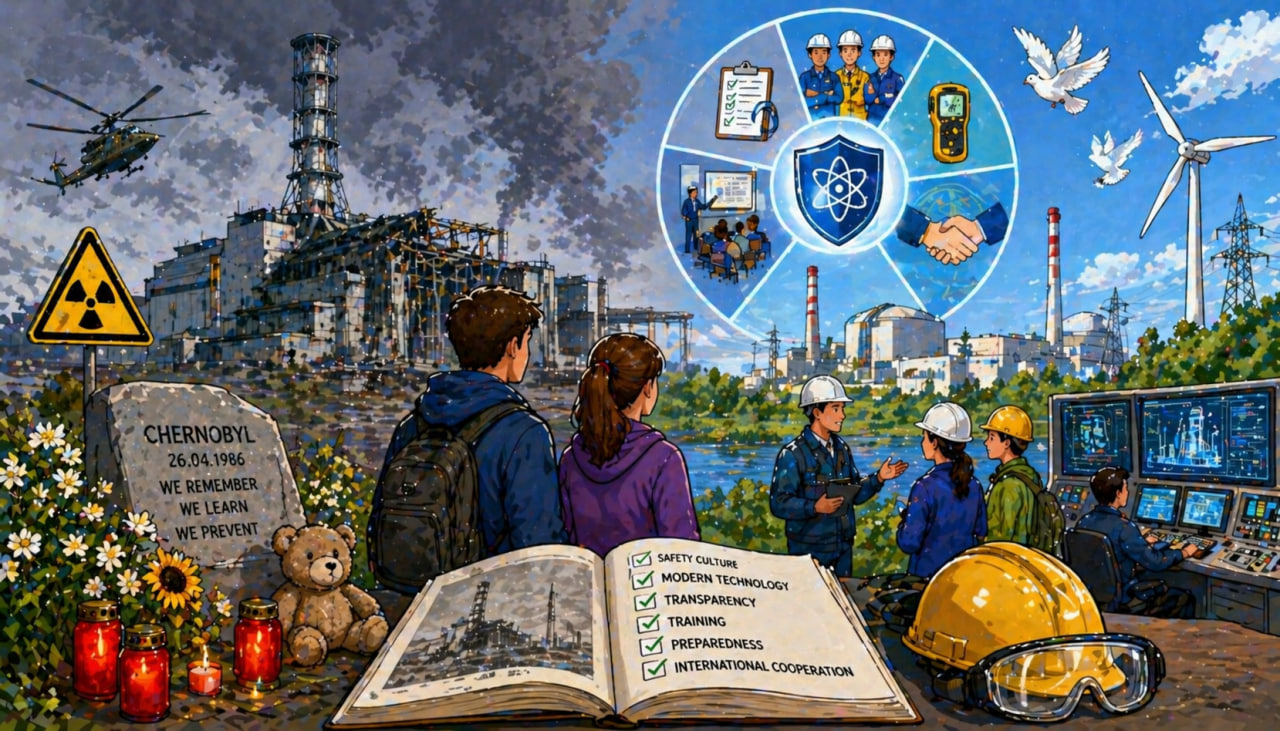
The anniversary of the Chernobyl disaster serves as a powerful reminder of the risks associated with nuclear energy when safety systems fail. On April 26, 1986, a reactor at the Chernobyl Nuclear Power Plant in present-day Ukraine exploded during a safety test, releasing massive amounts of radioactive material into the environment. It remains one of the worst nuclear accidents in history. Decades later, Chernobyl continues to influence global nuclear safety standards. Understanding what went wrong—and how modern science and policy aim to prevent similar disasters—is essential for ensuring a safer future.