History

Airships: History and Modern Revival
History Hi-Tech Science

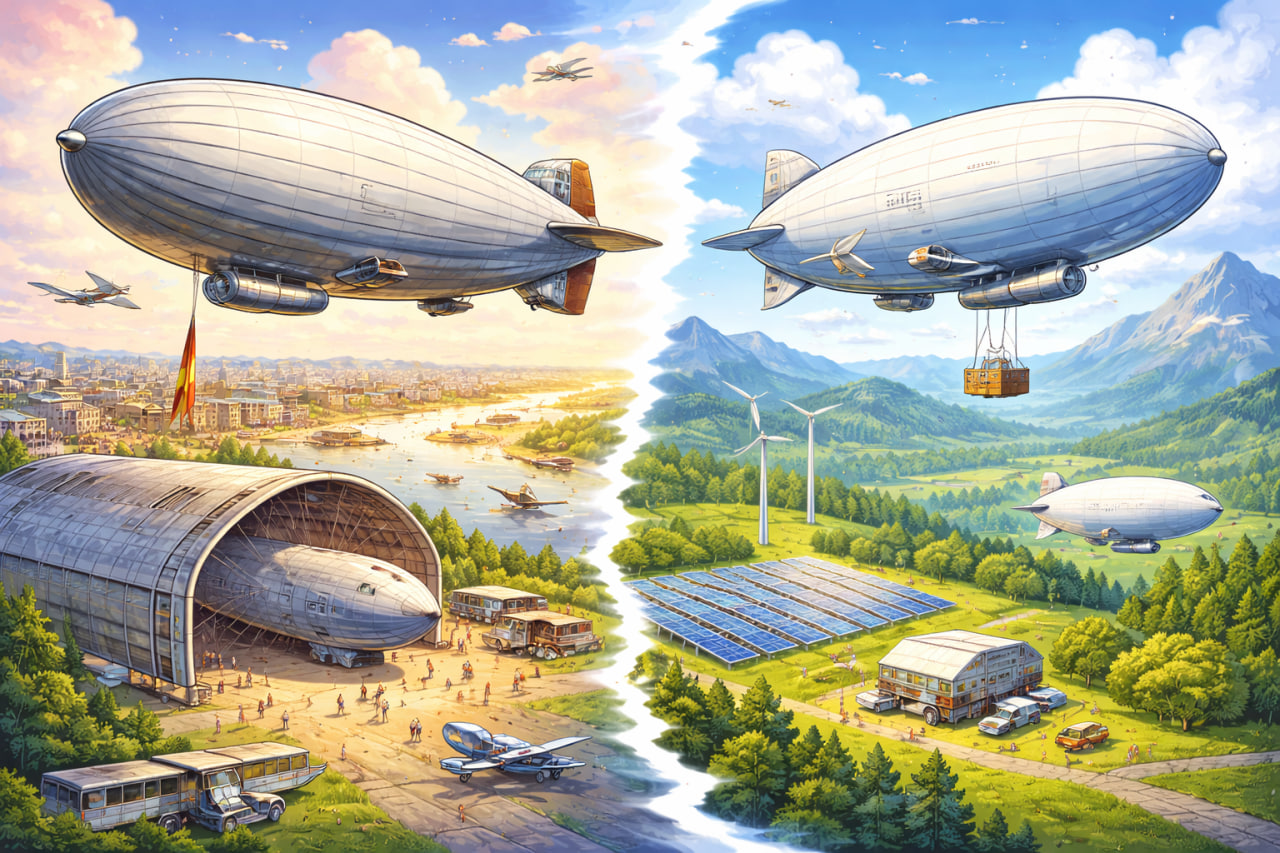
Airships: History and Modern Revival

Airships, often called dirigibles, represent one of the most fascinating chapters in the history of aviation. Long before airplanes dominated the skies, airships promised controlled, long-distance flight with unmatched endurance and efficiency. Their graceful movement and massive silhouettes symbolized technological optimism at the dawn of the 20th century. Although their role diminished after dramatic accidents and rapid advances in airplanes, airships never fully disappeared. Today, renewed interest in sustainability, surveillance, and heavy transport has brought airships back into scientific and industrial discussion. Understanding their past and present helps explain why this technology continues to capture human imagination.

Time Machines: Myths and Facts
History Science Be Smart

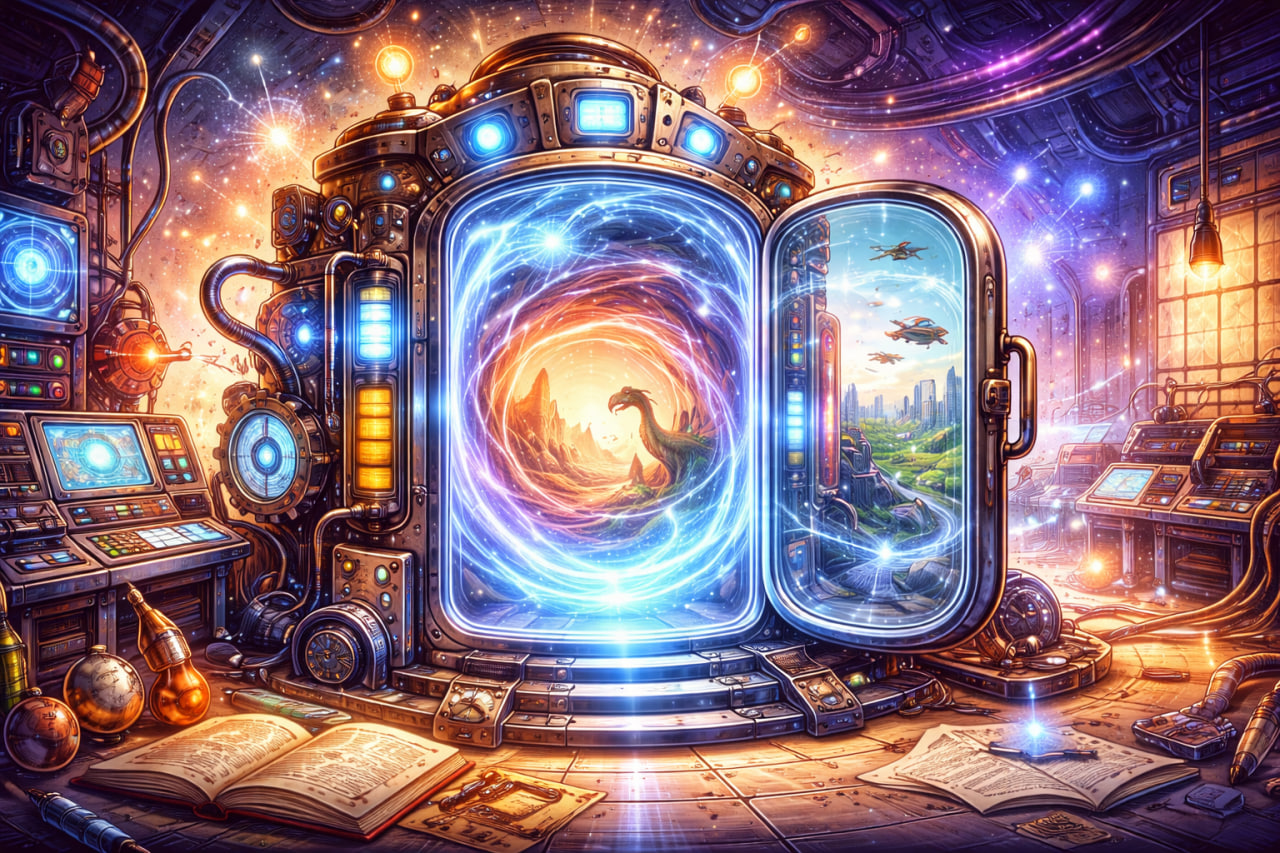
Time Machines: Myths and Facts

The idea of a time machine has fascinated humanity for centuries, appearing in myths, literature, and modern science fiction. The possibility of traveling into the past or future challenges our understanding of time, causality, and the laws of physics. While popular culture often presents time travel as a mechanical device with buttons and levers, real science treats time as a fundamental dimension governed by strict physical rules. Some concepts associated with time travel are rooted in legitimate physics, while others remain pure speculation. Distinguishing between what science actually allows and what belongs to imagination helps clarify why time machines remain elusive. Exploring these ideas reveals as much about human curiosity as it does about the structure of the universe.

The Ether Theory
History Universe Science

The Ether Theory

The ether theory is one of the most important historical ideas in physics, illustrating how scientific understanding evolves over time. For centuries, scientists believed that space could not be truly empty and that a special medium—called ether—filled the universe and carried light and electromagnetic waves. This concept shaped early theories of optics, electricity, and cosmology, influencing some of the greatest minds in science. Although the ether was eventually rejected by modern physics, its role in scientific development remains highly significant. Studying the ether theory helps explain how evidence, experimentation, and new frameworks transform scientific thought. It also demonstrates that even incorrect ideas can drive progress when tested rigorously.

The History of Science
History Science Be Smart

The History of Science

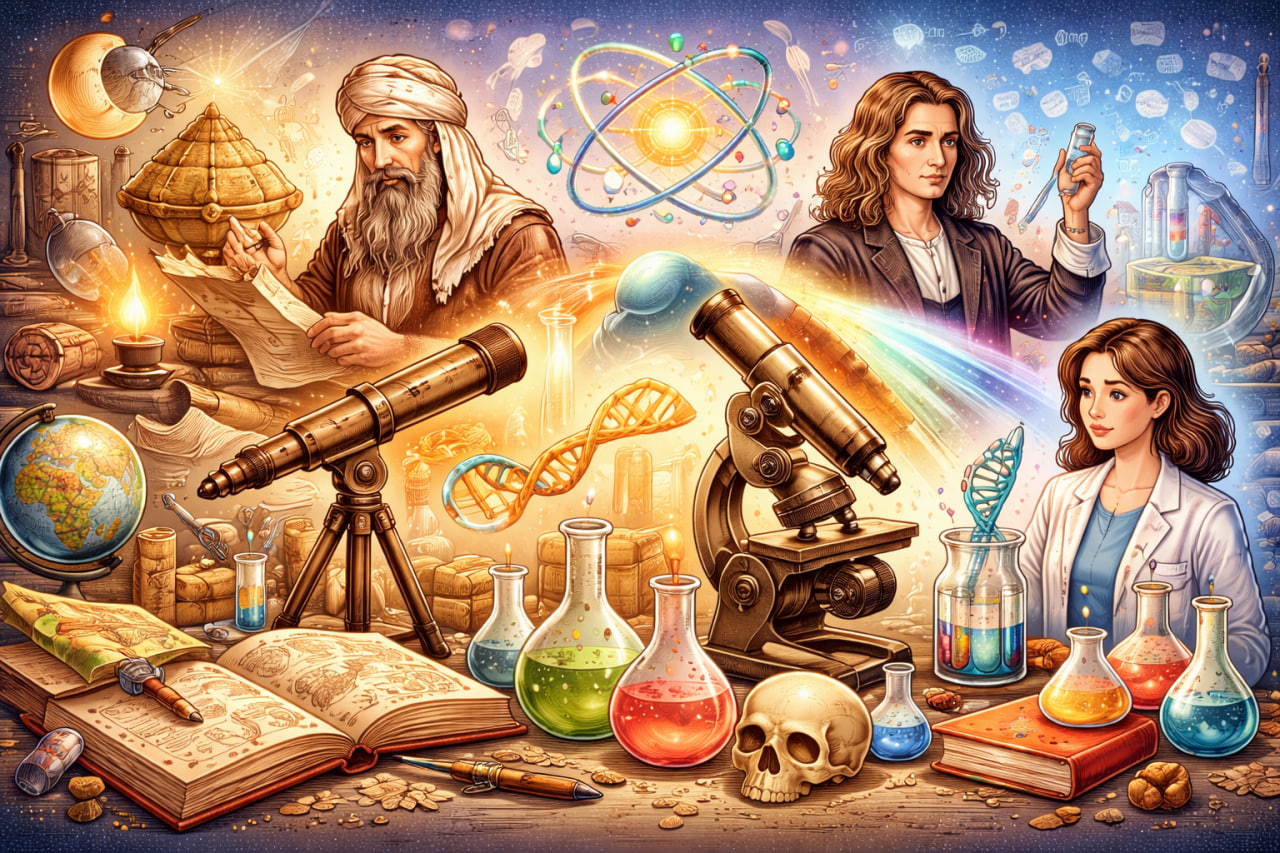
The history of science is the story of how humanity gradually learned to understand the world through observation, experimentation, and reasoning. Long before modern laboratories and advanced instruments existed, people sought patterns in nature, the sky, and living organisms. Over centuries, curiosity transformed into systematic knowledge, laying the foundations of modern civilization. Scientific progress did not follow a straight path; it advanced through trial and error, debates, breakthroughs, and sometimes resistance. Each era added new tools, methods, and perspectives that reshaped how reality was interpreted. Studying the history of science helps us understand not only scientific discoveries, but also how human thinking itself evolved.

The Library of Alexandria: The Ancient World’s Greatest Center of Knowledge
History Science Be Smart

The Library of Alexandria: The Ancient World’s Greatest Center of Knowledge

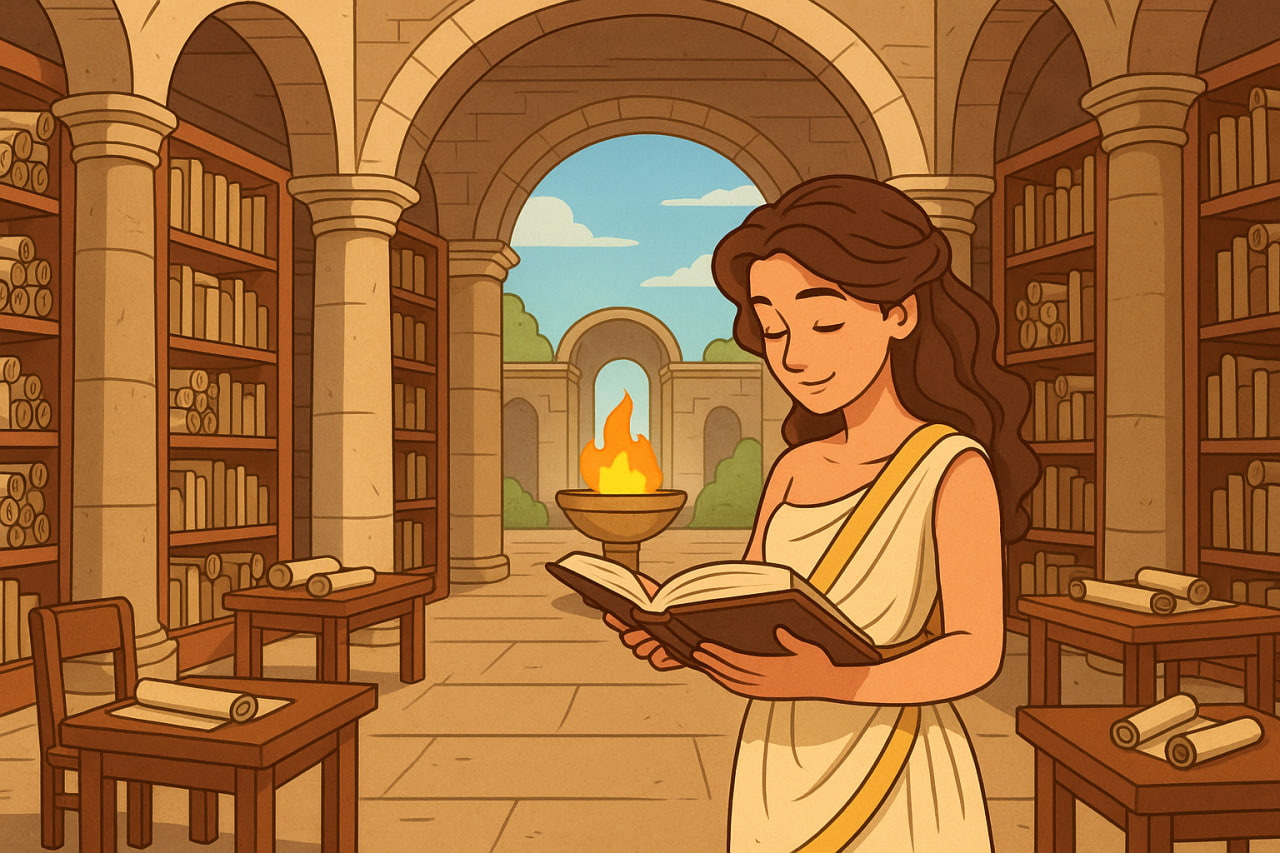
The Library of Alexandria remains one of the most legendary and influential institutions in human history. Founded in the 3rd century BCE in the Egyptian city of Alexandria, it served as a monumental center of learning, research, and cultural exchange. Scholars from Greece, Egypt, Persia, India, and other regions gathered there to study mathematics, astronomy, medicine, philosophy, geography, and literature. At its height, the Library may have contained hundreds of thousands of scrolls, making it the largest repository of written knowledge in the ancient world. The ambition of the Library was unprecedented: it sought to collect all knowledge of humanity, a mission that shaped the foundations of modern science and scholarship.

The Calendar: How Humans Learned to Measure Time and Organize Life
History Be Smart Inventions

The Calendar: How Humans Learned to Measure Time and Organize Life

A calendar is one of humanity’s oldest and most important inventions — a system that divides time into days, months, and years, allowing societies to plan seasons, track astronomical cycles, coordinate human activity, and preserve history. The development of calendars reflects the evolution of civilization itself: as agriculture emerged, people needed reliable ways to predict seasons, schedule harvests, and prepare for climate patterns. Over time, calendars also became essential for religious traditions, political administration, economic planning, and scientific understanding of Earth’s motion.

The Hindu Calendar: A Sophisticated Lunisolar System Shaped by Astronomy and Tradition
History Be Smart Inventions

The Hindu Calendar: A Sophisticated Lunisolar System Shaped by Astronomy and Tradition

The Hindu calendar is one of the world’s oldest and most complex timekeeping systems. Unlike the purely solar Gregorian calendar, the Hindu calendar is lunisolar, meaning it harmonizes both lunar phases and the solar year. This unique structure allows it to accurately track seasons, religious festivals, agricultural cycles, and astronomical events. It has evolved for thousands of years, reflecting deep scientific observation, mathematical precision, and cultural meaning. Even today, it guides millions of people in India and across the world in determining auspicious dates, ritual timings, and traditional celebrations.

Paint: What It Is, How It Works, and Why It Matters in Art, Industry, and Everyday Life
History Be Smart Inventions

Paint: What It Is, How It Works, and Why It Matters in Art, Industry, and Everyday Life

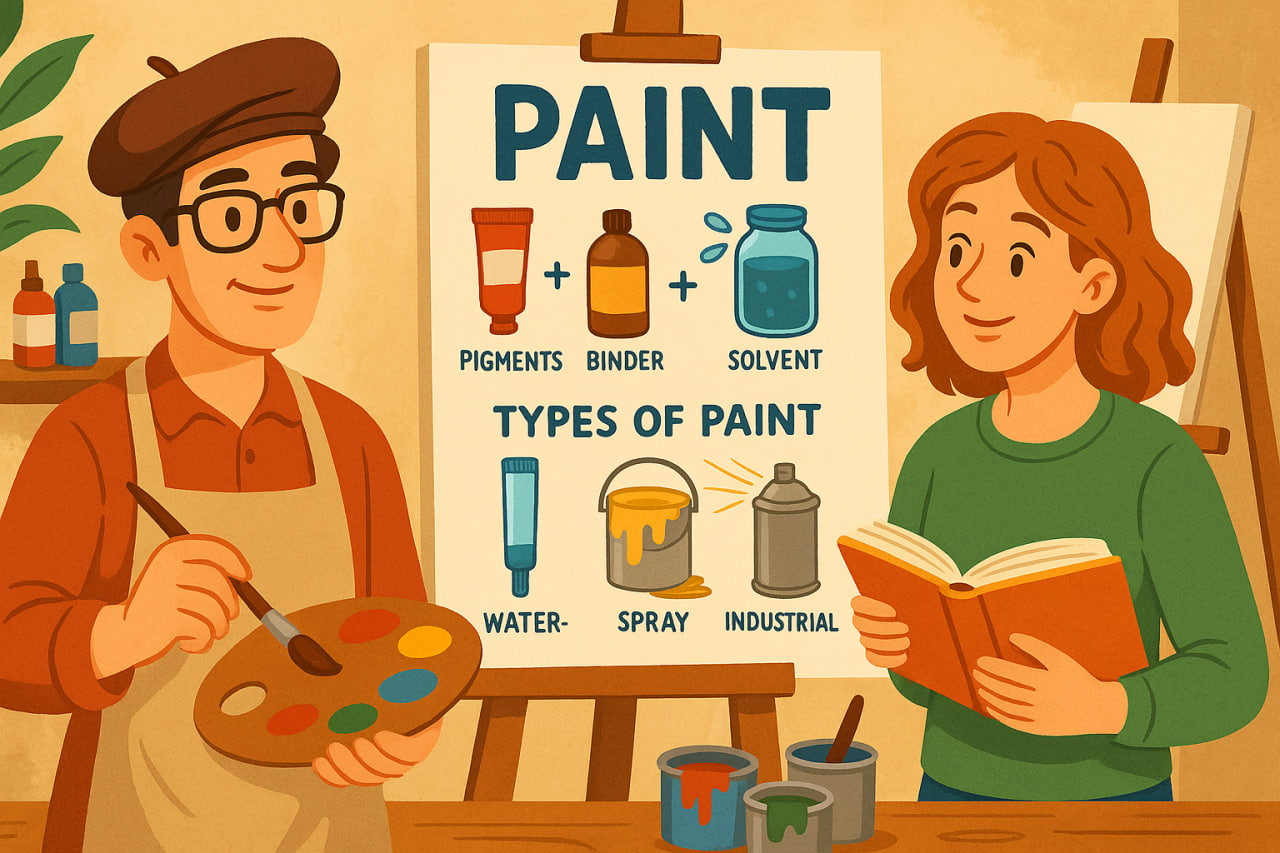
Paint is one of humanity’s oldest and most versatile creations — a material used for protection, decoration, communication, and artistic expression. From prehistoric cave walls to modern skyscrapers, paint has shaped visual culture and practical technology across thousands of years. At its core, paint is a mixture of pigments, binders, solvents, and additives, each serving a specific role in color, durability, texture, or application. Whether used in fine art, engineering, or interior design, paint transforms surfaces, protects materials, and allows humans to express ideas visually.

Schrödinger’s Cat: The Famous Thought Experiment That Redefined Reality
History Science Be Smart

Schrödinger’s Cat: The Famous Thought Experiment That Redefined Reality

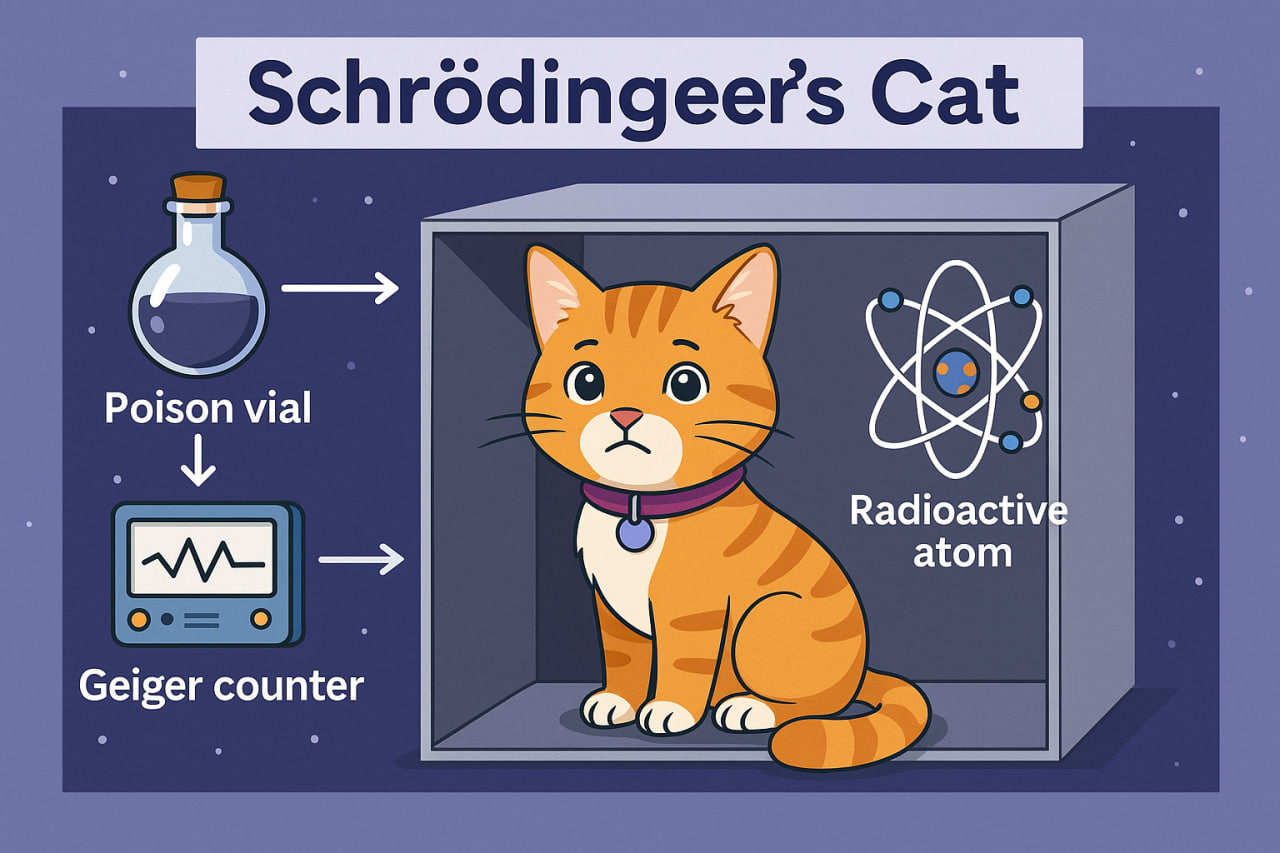
Schrödinger’s Cat is one of the most iconic and widely discussed thought experiments in the history of physics. Proposed in 1935 by Austrian physicist Erwin Schrödinger, it was designed not to explain quantum mechanics, but to criticize the way quantum rules were being interpreted at the time. The scenario imagines a cat placed in a sealed box with a radioactive atom, a detector, and a vial of poison. If the atom decays, the poison is released and the cat dies; if not, the cat lives. According to some interpretations of quantum mechanics, until the box is opened and the system is observed, the cat exists in a superposition of both alive and dead states simultaneously. Schrödinger intended this paradox to highlight the absurdity of applying quantum rules—designed for subatomic particles—to large everyday objects.

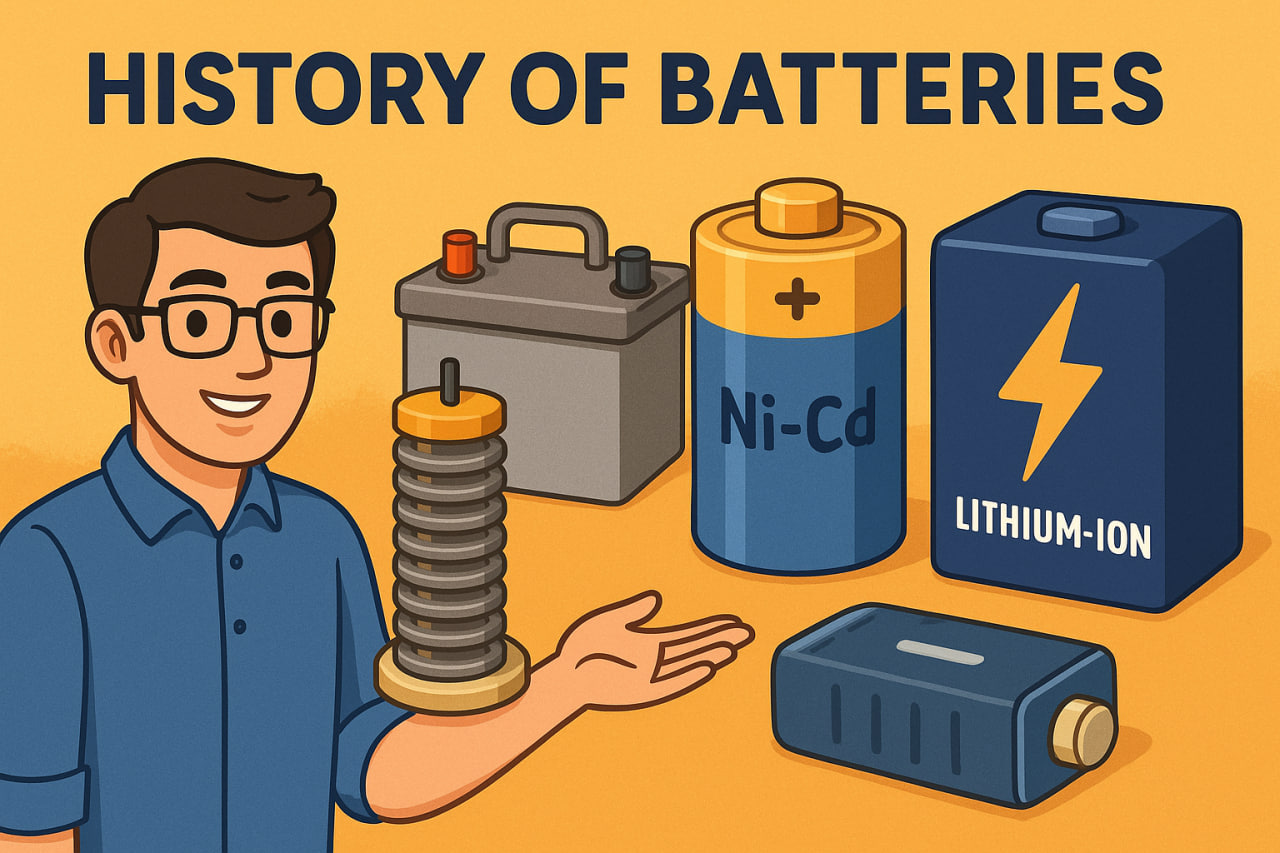
Batteries: Their History and the Modern Technologies Shaping the Future of Energy Storage
History Hi-Tech Inventions

Batteries: Their History and the Modern Technologies Shaping the Future of Energy Storage

Batteries have transformed the world by providing portable, reliable electrical energy for everything from telecommunication devices to renewable power systems. The evolution of battery technology spans more than two centuries, beginning with simple chemical cells and expanding into sophisticated, high-density systems that power electric vehicles, satellites, and entire electrical grids. Understanding the history of batteries reveals how scientific discovery, industrial innovation, and global energy demands have shaped modern storage solutions. As the world transitions toward sustainable energy, cutting-edge battery technologies are becoming more important than ever, enabling cleaner transportation, stabilizing renewable electricity, and supporting the development of advanced electronics. The story of batteries is a story of continuous improvement — and it continues to accelerate.