New Discoveries

The History of Flying Machines: From Myth to Modern Aviation
History Science New Discoveries

The History of Flying Machines: From Myth to Modern Aviation

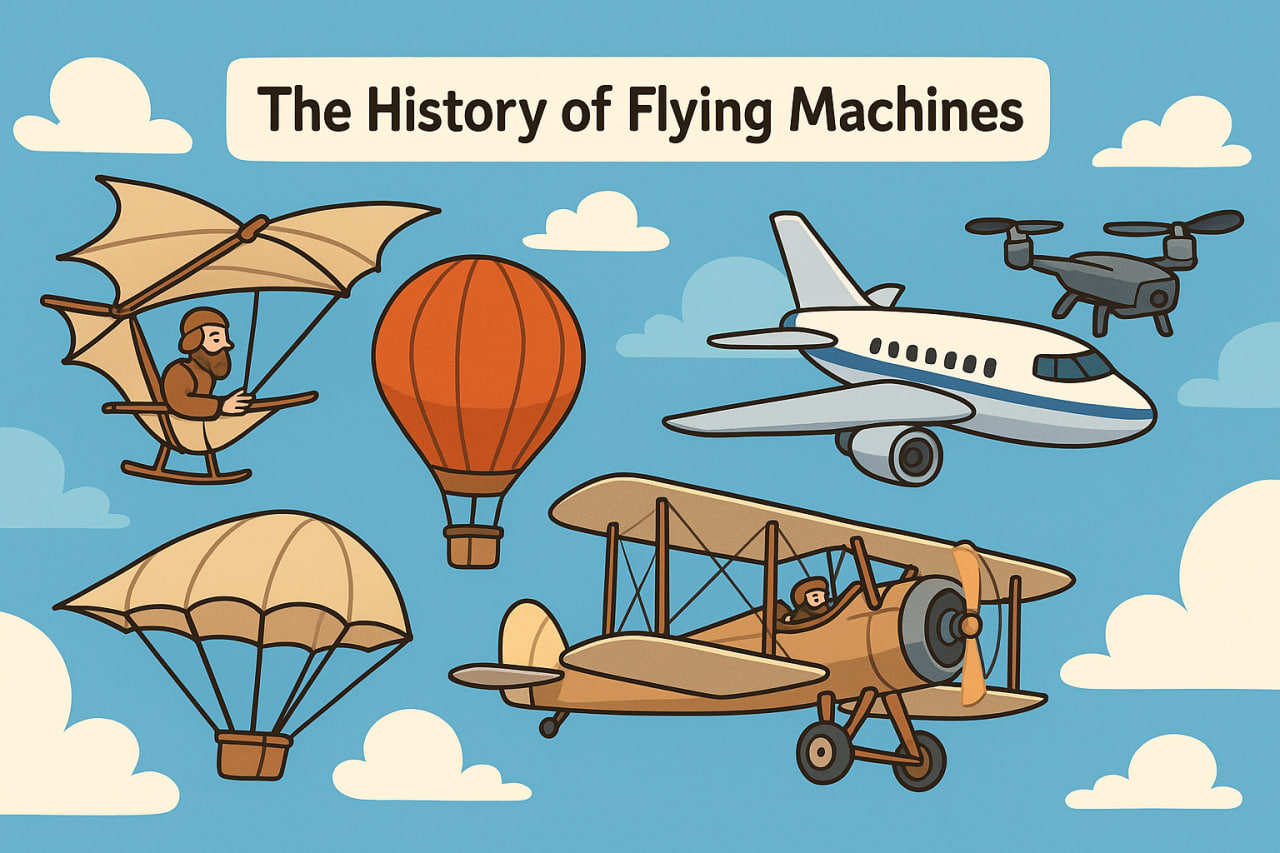
The idea of human flight has fascinated people for thousands of years. Ancient myths featured winged gods and flying chariots — from Daedalus and Icarus in Greek mythology to Vimanas in Indian texts. Though purely symbolic or imaginative, these stories reflect a deep human desire to overcome gravity and explore the skies. Some inventors tried to imitate birds, creating ornithopters — devices with flapping wings. However, without an understanding of aerodynamics, these attempts remained failures until much later.

What Are Torsion Fields in Modern Theoretical Physics?
Science New Discoveries Be Smart

What Are Torsion Fields in Modern Theoretical Physics?

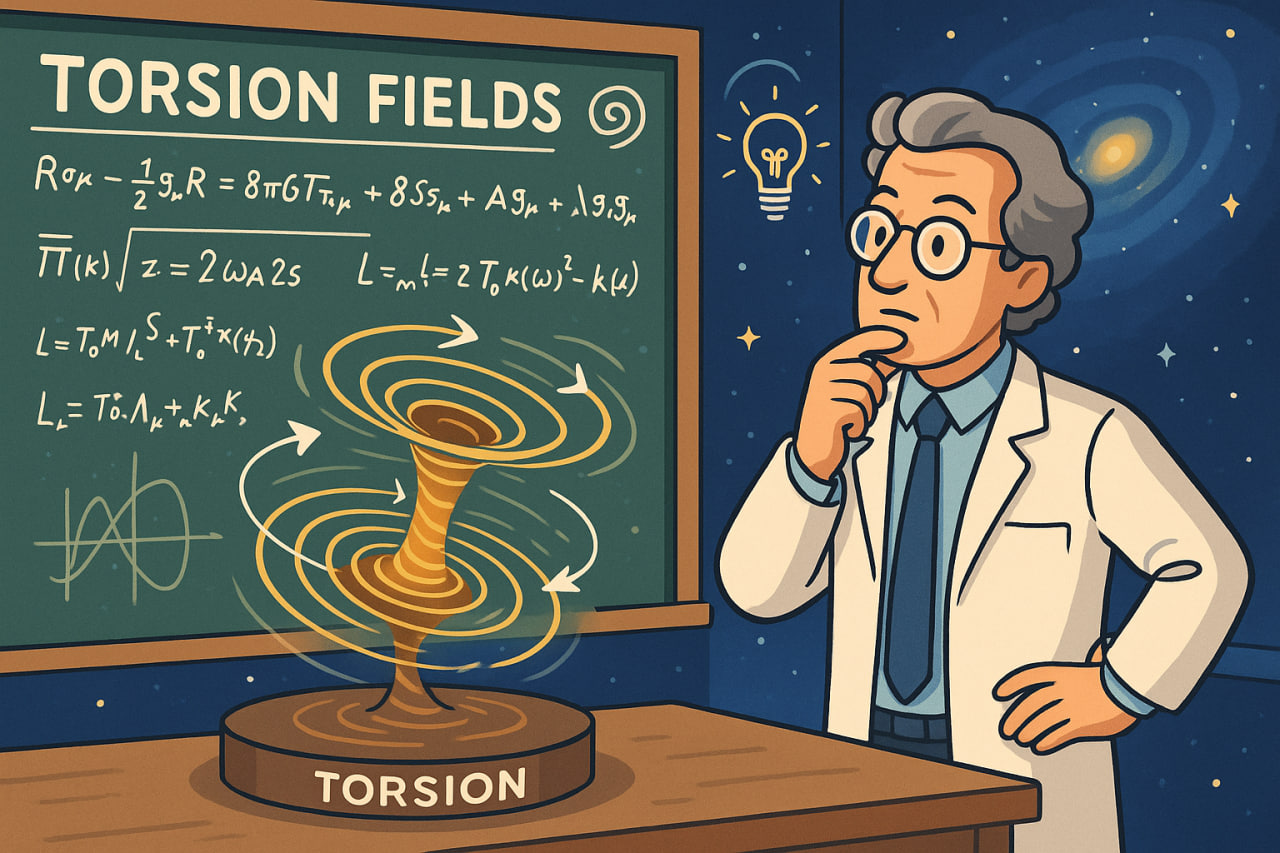
In advanced physics, torsion fields are explored as a possible extension to general relativity — Albert Einstein's theory of gravity. Unlike traditional models where gravity is described as curvature of spacetime by mass, theories involving torsion suggest spacetime may also twist, especially in the presence of spinning matter. This idea is formalized in models such as the Einstein–Cartan theory, which adds torsion (geometric twisting) to the fabric of spacetime. In this context, torsion interacts not with mass, but with intrinsic spin of particles — a fundamental property of elementary matter.

The Future of Bioengineering: Unlocking Life’s Potential
Bioengineering AI & Ethics New Discoveries

The Future of Bioengineering: Unlocking Life’s Potential

Bioengineering is one of the most promising and transformative fields of the 21st century. It combines biology, engineering, and technology to design and build systems that improve health, agriculture, the environment, and even the structure of life itself. From lab-grown organs to gene-edited crops, bioengineering is rapidly reshaping what’s possible for humanity.

Explaining the Principles of Quantum Computing in Simple Terms
Hi-Tech New Discoveries

Explaining the Principles of Quantum Computing in Simple Terms

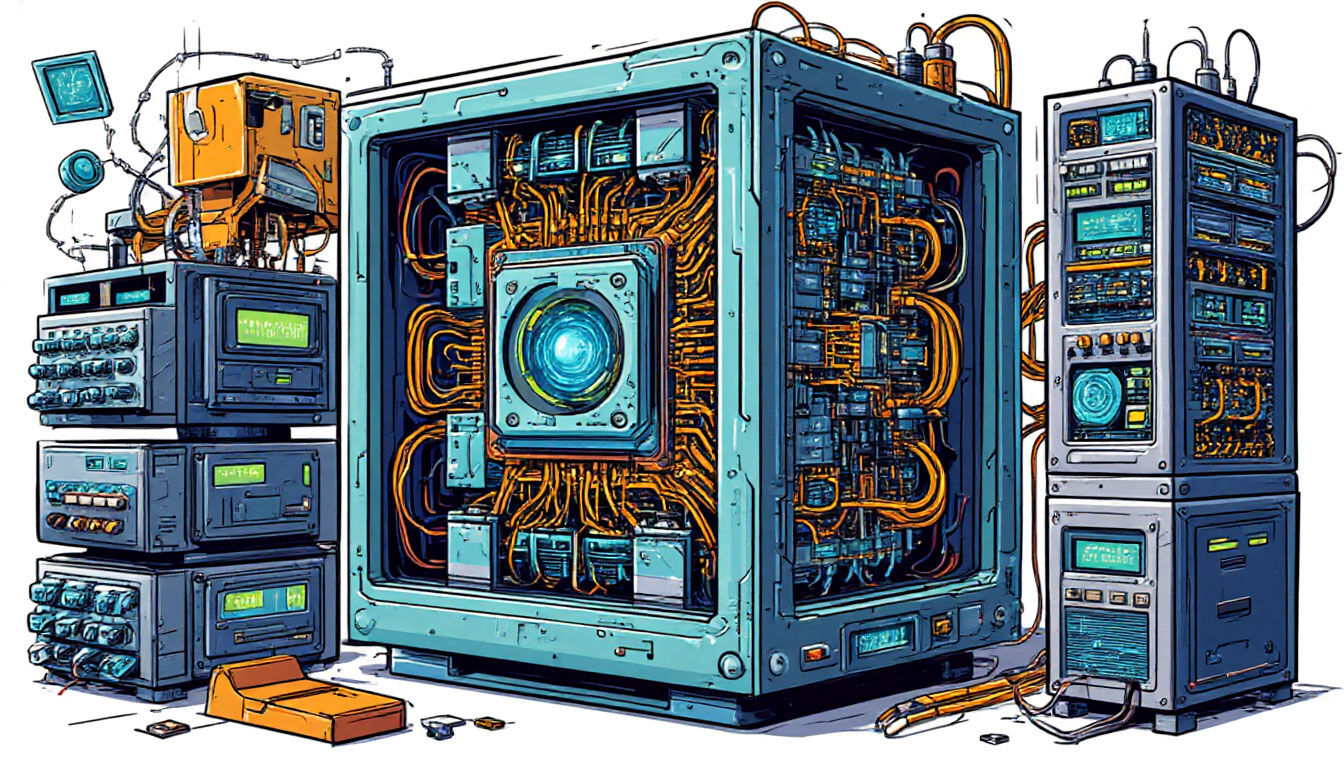
Quantum computing is a groundbreaking field that could revolutionize how we solve complex problems — from simulating molecules to optimizing global logistics. But how does it actually work? Unlike classical computers that rely on binary bits, quantum computers use quantum bits, or qubits, which operate under the rules of quantum mechanics — the physics of the very small. Let’s explore the basic principles that power quantum computers and how they differ from traditional machines.

The Higgs Boson: Unlocking the Mystery of Mass in the Universe
Science New Discoveries

The Higgs Boson: Unlocking the Mystery of Mass in the Universe

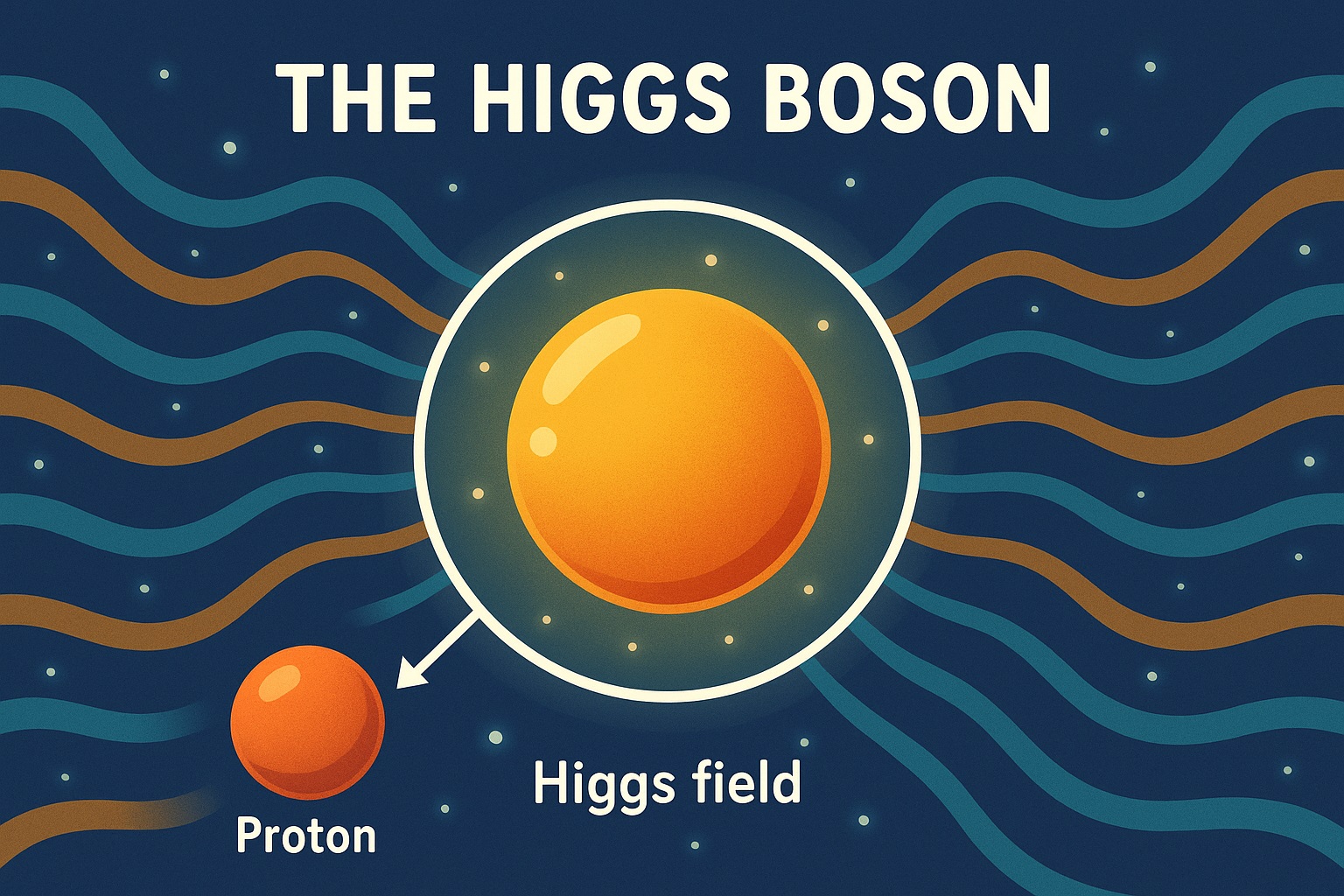
The Higgs boson is a fundamental particle that plays a crucial role in explaining why other elementary particles have mass. Predicted in 1964 by physicist Peter Higgs and others, the particle remained purely theoretical until its groundbreaking discovery in 2012 at the Large Hadron Collider (LHC) at CERN. The confirmation of the Higgs boson completed the Standard Model of particle physics — our most accurate theory describing the fundamental building blocks of matter.