The Monty Hall paradox is one of the most famous probability puzzles ever created. It looks simple, feels obvious, and yet produces an answer that many people initially reject.
At first glance, it looks surprisingly simple: a small clay jar containing a copper cylinder and an iron rod. Yet this unusual combination has inspired a remarkable idea — perhaps people living nearly two thousand years ago discovered a way to generate electricity.
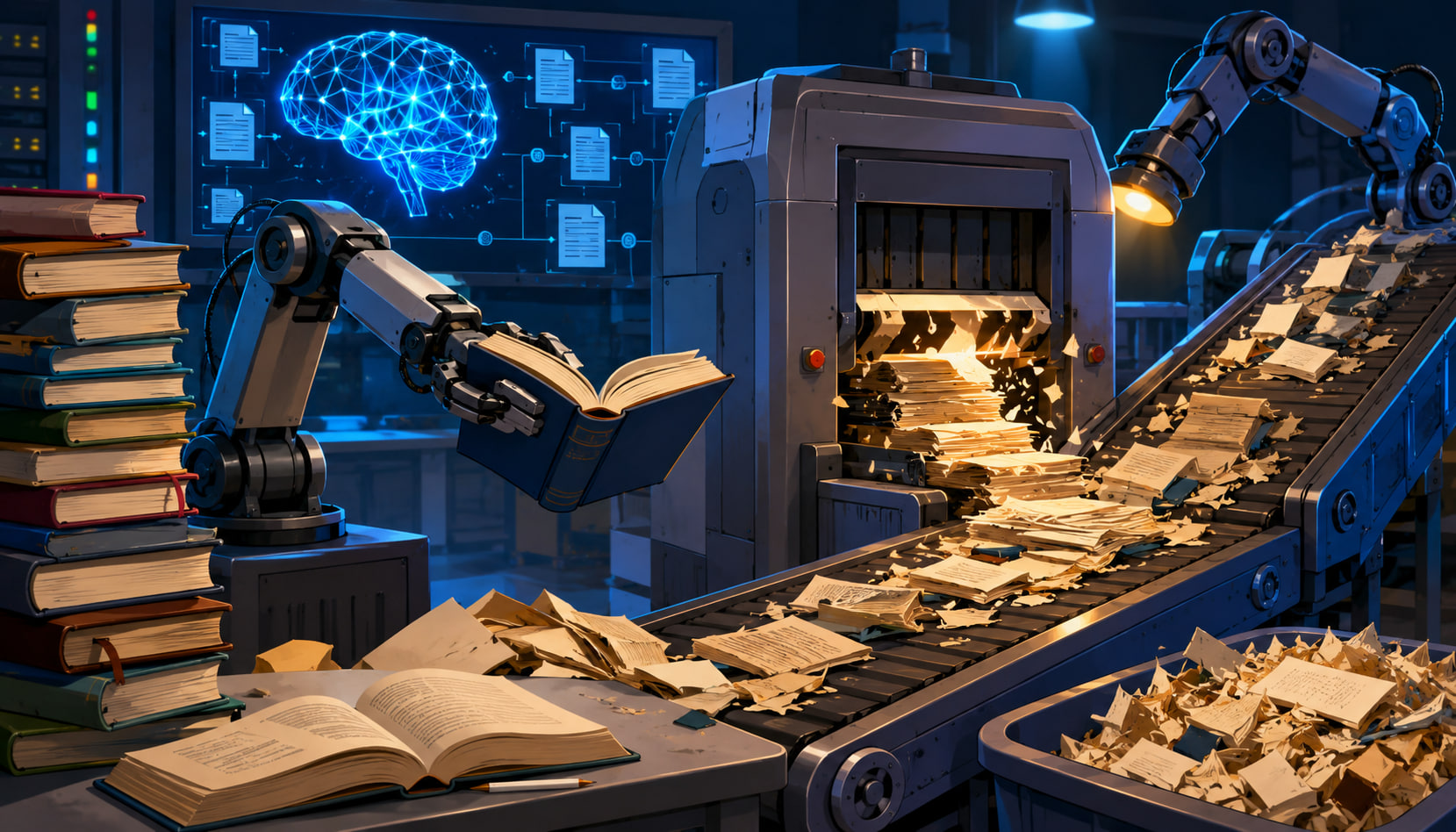
The reason is not that AI developers are trying to eliminate literature. In some large-scale digitization projects, physical books are sacrificed because destroying the binding can make high-speed scanning dramatically faster, cheaper, and more accurate.
Astronomy in 2026 is moving fast. Space telescopes, powerful ground observatories, advanced computer models, and international research teams are giving scientists sharper views of planets, stars, galaxies, black holes, and the early universe.
The SKIF complex in Russia is one of the country’s most ambitious modern science projects. Its full name is the Siberian Circular Photon Source, and it is being built in the science town of Koltsovo near Novosibirsk.
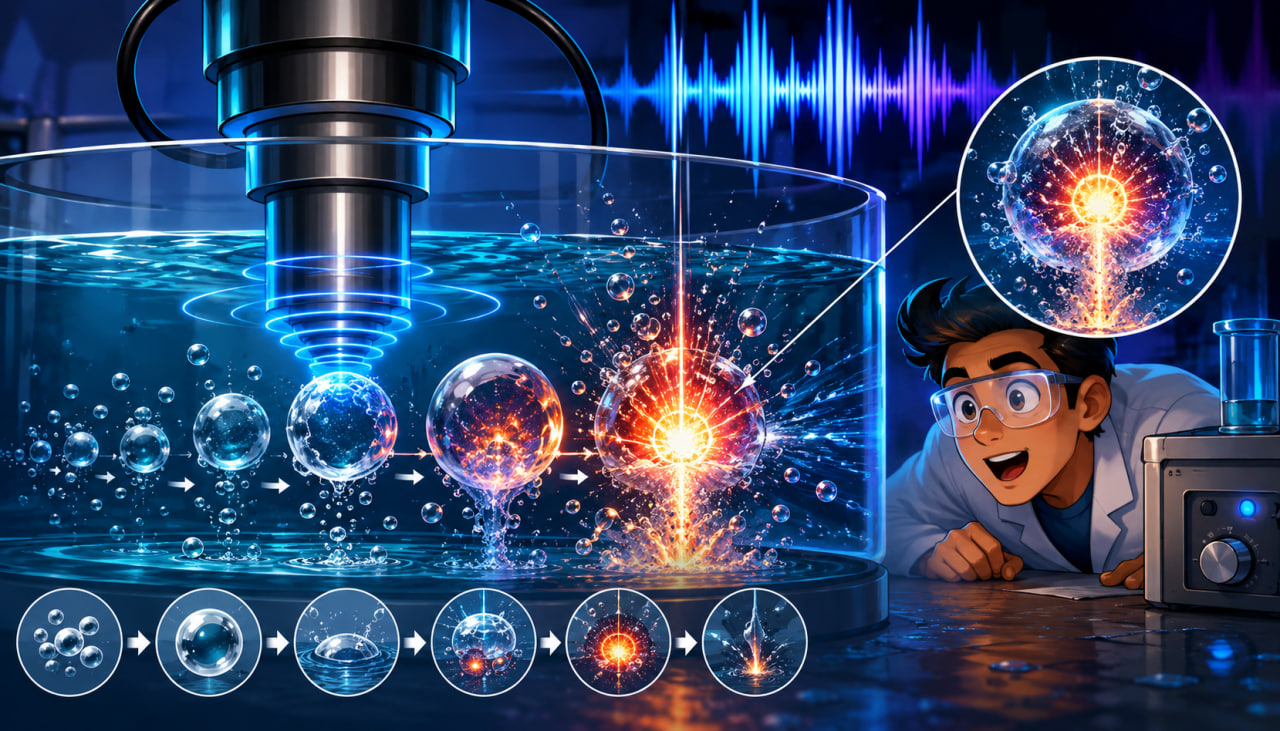
For a fraction of a second, inside a microscopic collapsing bubble, temperatures can reach thousands of degrees. In some experiments, estimates approach temperatures comparable to the surface of the Sun.
Most people learn that matter has clear states: solid, liquid, and gas. Water freezes into ice, melts into liquid, and boils into vapor. This simple picture works well in everyday life.
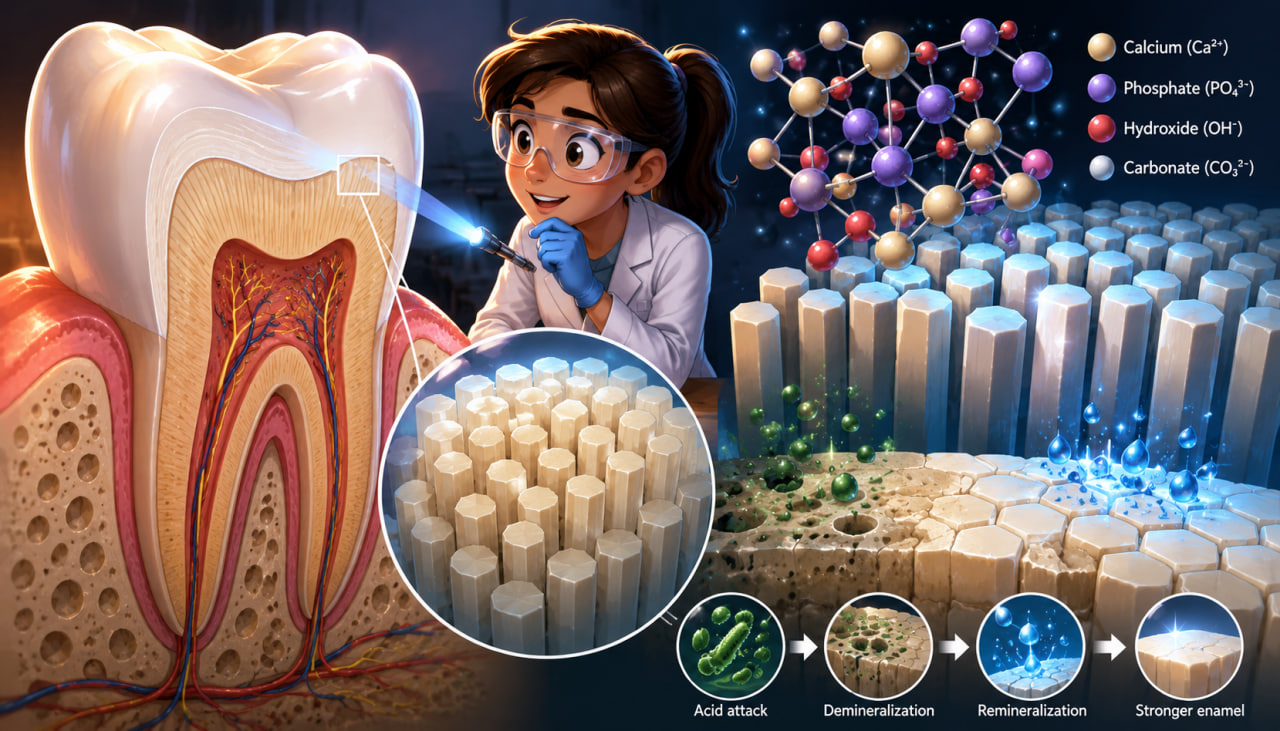
Tooth enamel looks ordinary because we see it every day. It is the smooth, pale outer layer of the teeth, designed to bite, grind, and protect. But under a microscope, enamel becomes something extraordinary.
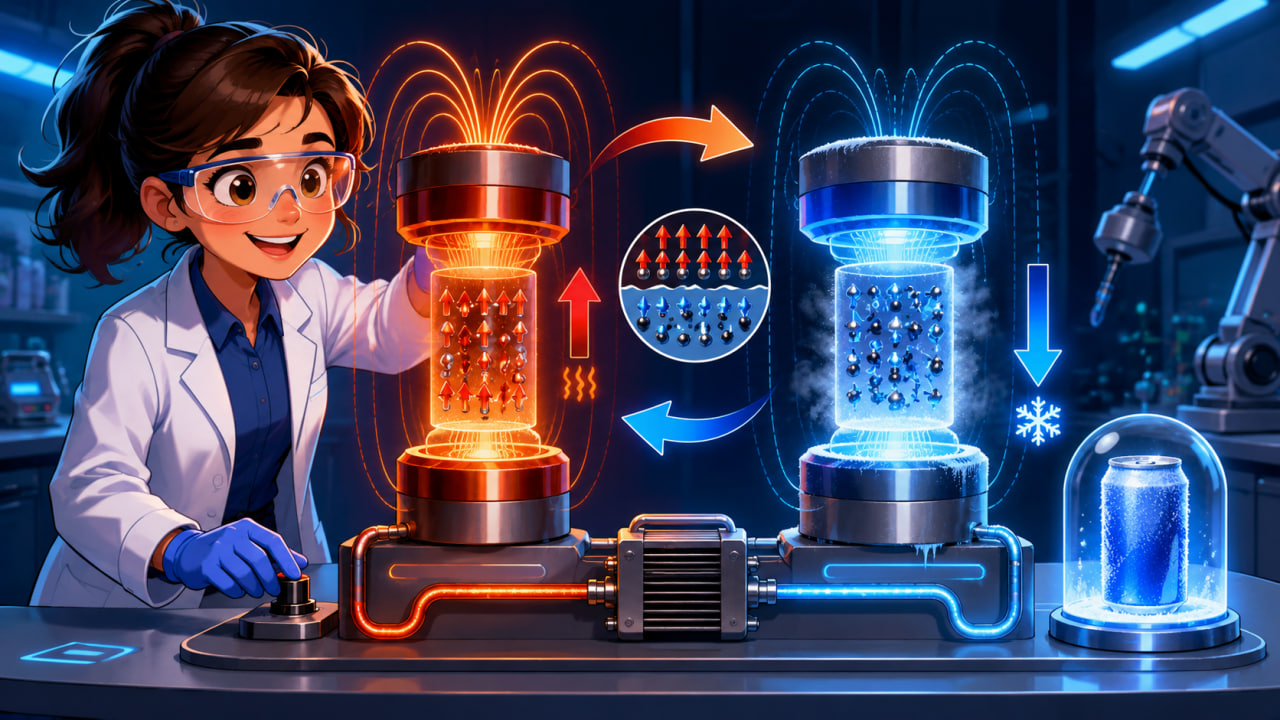
Most refrigerators cool by compressing and expanding gases. This familiar technology works well, but it depends on moving mechanical parts, refrigerants, and energy-intensive cycles. Scientists and engineers are now exploring a different approach: cooling with magnetic fields.
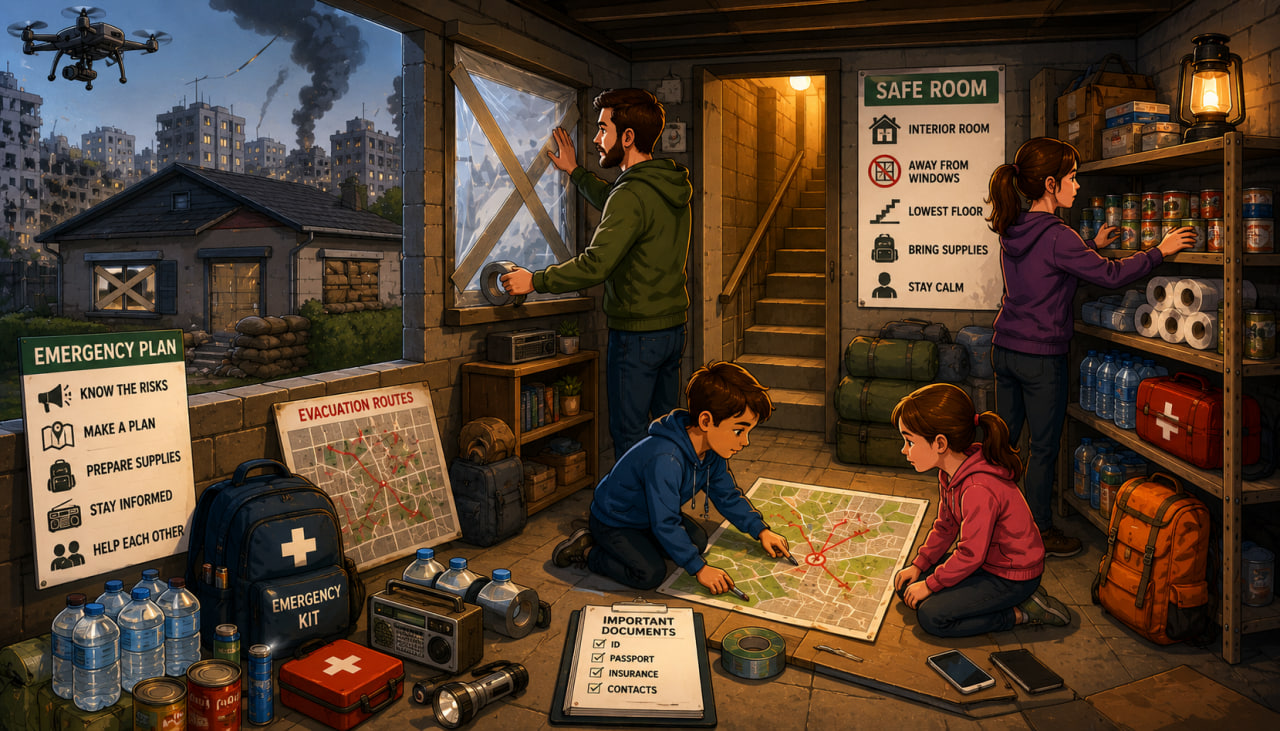
Protecting a home during active military conflict is not the same as ordinary home security. In wartime, the main threats may include shelling, drone strikes, broken windows, power outages, fire, water disruption, forced evacuation, looting, unexploded ordnance, and loss of communication. The most important rule is simple: people matter more than property. A house can be repaired or replaced. Human life cannot. This guide focuses on civilian safety, emergency preparedness, and practical home protection. It does not cover weapons, traps, confrontation, or military tactics.