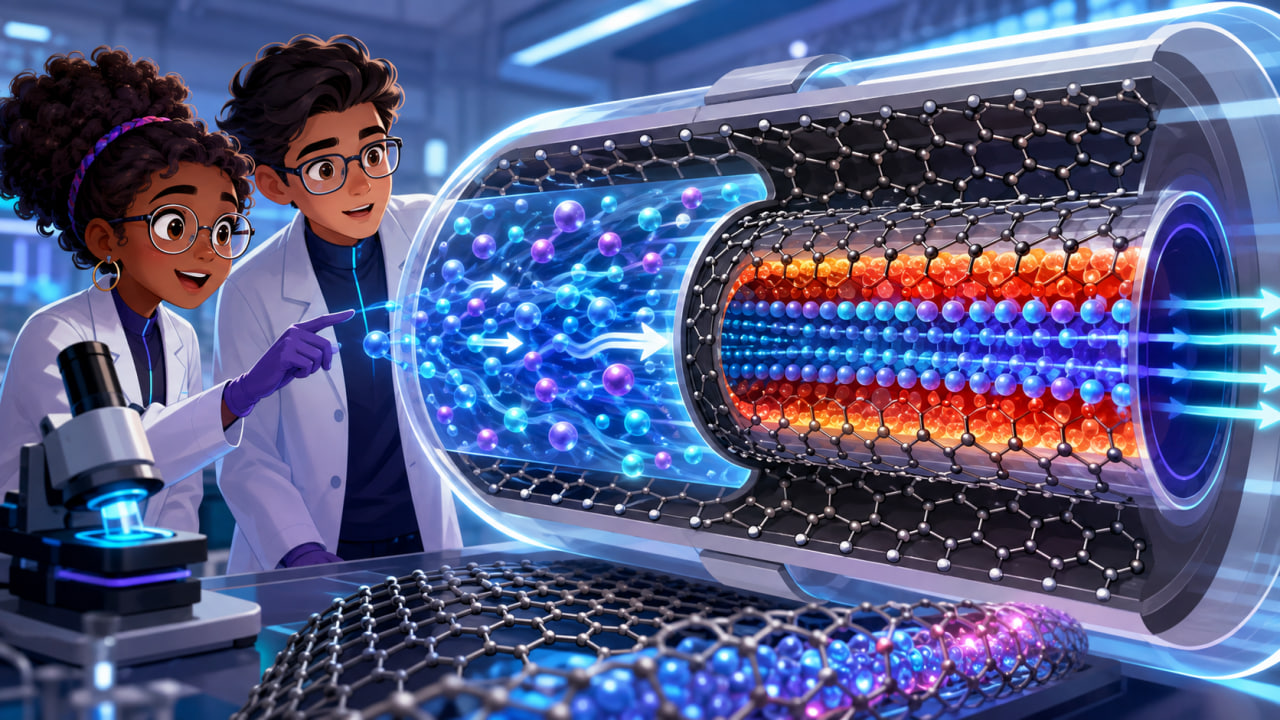
Water in a glass seems simple. Oil sliding across a pan seems familiar. Blood flowing through vessels, ink moving through a printer, and fuel passing through an engine all follow rules that engineers can measure and predict.
A fast radio burst, or FRB, is an intense flash of radio waves from deep space. Many of these signals come from other galaxies, travel for millions or billions of years, and still arrive strong enough for radio telescopes on Earth to detect.
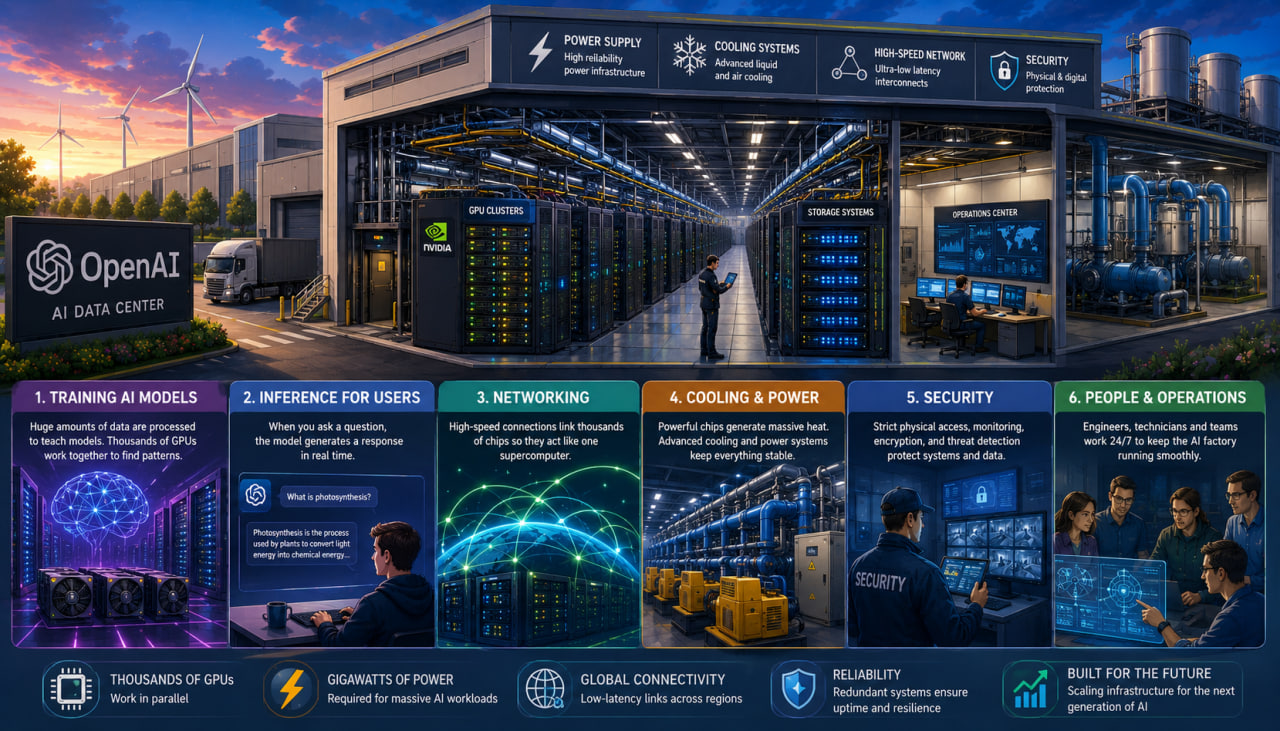
An OpenAI data center is not a single mysterious room full of one giant computer. It is a highly engineered AI computing facility built to run enormous numbers of calculations at extreme speed. It supports the systems behind tools such as ChatGPT, API services, research models, and future AI applications. The exact layout, security details, hardware configuration, and operational procedures of OpenAI-related data centers are not publicly disclosed in full. That is normal for facilities handling advanced computing, sensitive infrastructure, and valuable intellectual property. But based on OpenAI’s public infrastructure announcements, partnership details, and job descriptions, we can describe the big picture accurately: an OpenAI data center is closer to an industrial-scale AI factory than a traditional office server room.
Pirated copies are often marketed as a shortcut: free software, discounted games, unauthorized movie downloads, cracked apps, copied e-books, or fake physical discs that appear almost identical to the original product. At first glance, they seem convenient.
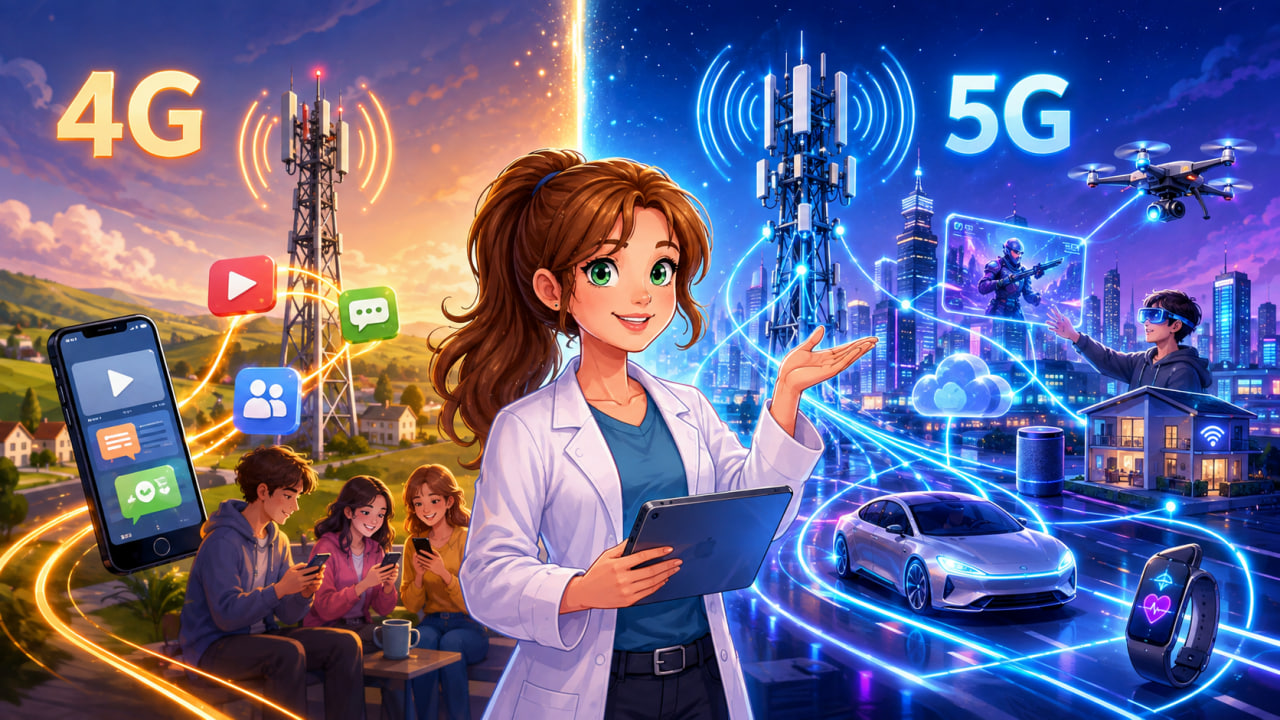
Mobile networks have evolved dramatically over the past two decades. From the early days of basic internet access on smartphones to today's ultra-fast wireless connections, each new generation has transformed how people communicate, work, and enjoy digital content. The transition from 4G to 5G is one of the biggest upgrades in wireless technology. While both allow users to browse the internet, stream videos, and make video calls, 5G introduces significant improvements in speed, latency, capacity, and reliability. But does everyone actually need 5G? And how different is it from the well-established 4G network? Let's explore the technology behind both generations and understand what truly sets them apart.
Artificial intelligence has entered a new stage in 2026. The leading systems are no longer simple chatbots that only answer questions. They can now analyze documents, write and test code, search the web, interpret images, operate digital tools, and complete multi-step professional tasks.
A messenger may offer excellent privacy but have few of your contacts. Another may be convenient and widely used but collect more account and usage data. A third may be ideal for large communities while being less suitable for sensitive private conversations.
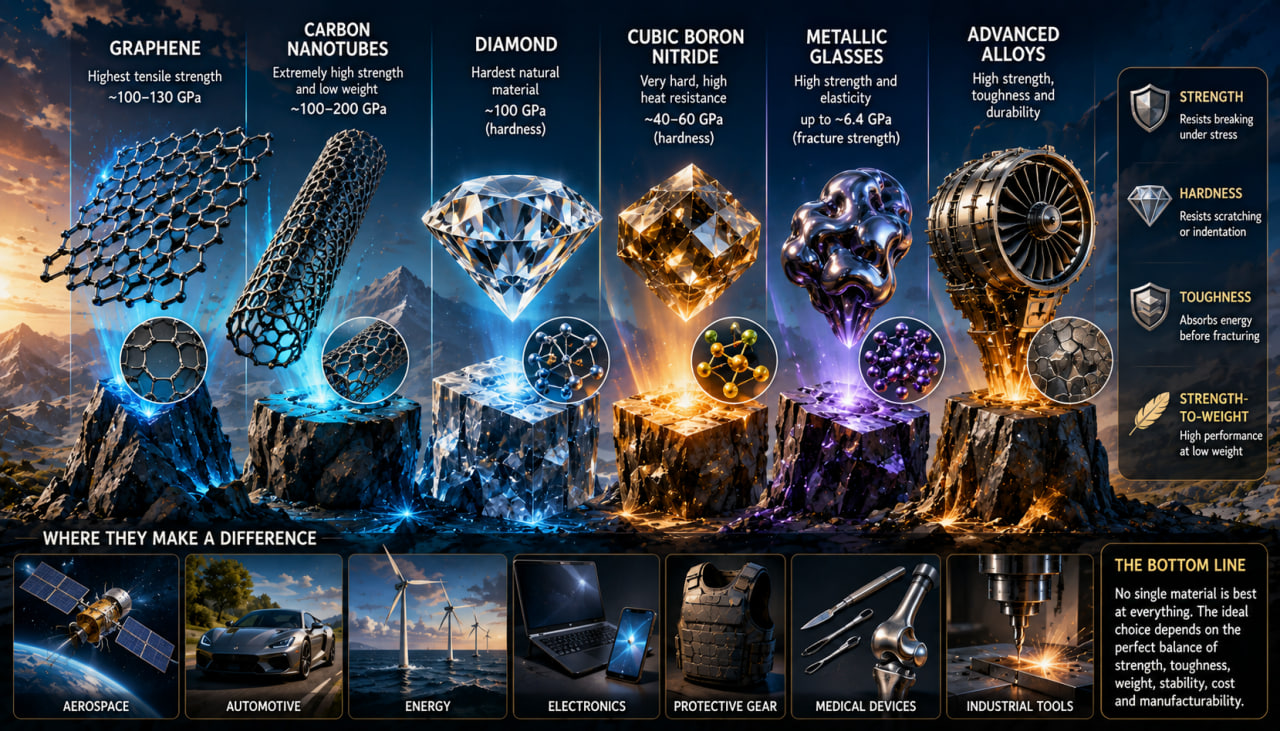
The answer depends on what “strongest” means. A material may resist stretching better than steel but crack easily when damaged. Another may be extremely hard yet unable to absorb a powerful impact. A third may survive enormous forces only when manufactured as a microscopic, nearly flawless sample.
DNA profiling and fingerprint examination are among the best-known tools in modern forensic science. Television dramas often present them as near-perfect methods that can identify a criminal with absolute certainty.
The World Economic Forum estimates that structural changes could create 170 million jobs worldwide by 2030 while displacing around 92 million, producing a net increase of approximately 78 million positions. However, these opportunities will not be distributed evenly across industries or countries.