
Does Magic Exist? What Does Science Say
The idea of magic has fascinated humanity for thousands of years, appearing in myths, religions, folklore, and modern popular culture.

The idea of magic has fascinated humanity for thousands of years, appearing in myths, religions, folklore, and modern popular culture.
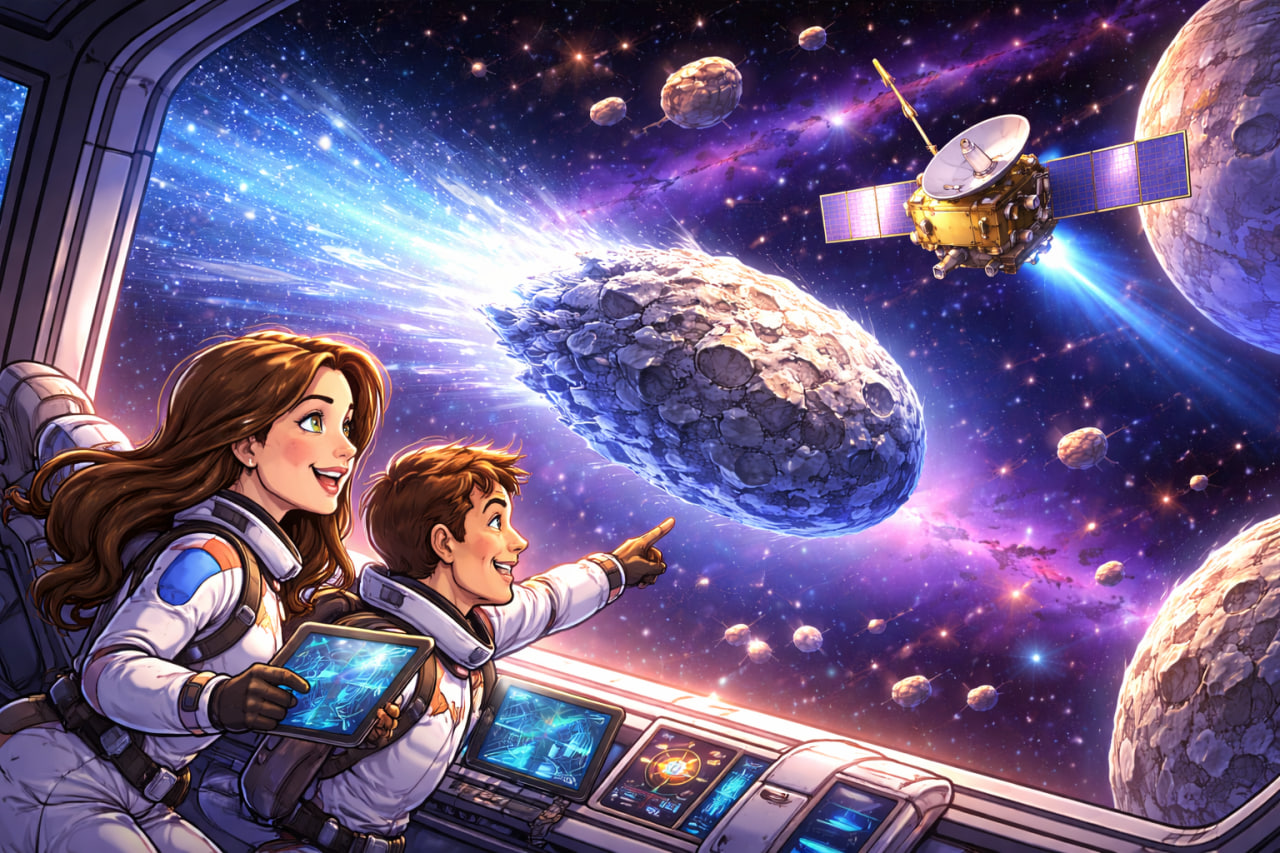
Comets are among the most intriguing objects in the Solar System, often described as frozen messengers from its earliest history.

Tides and ebbs are one of the most visible and rhythmic natural phenomena on Earth, shaping coastlines and influencing life in the oceans.
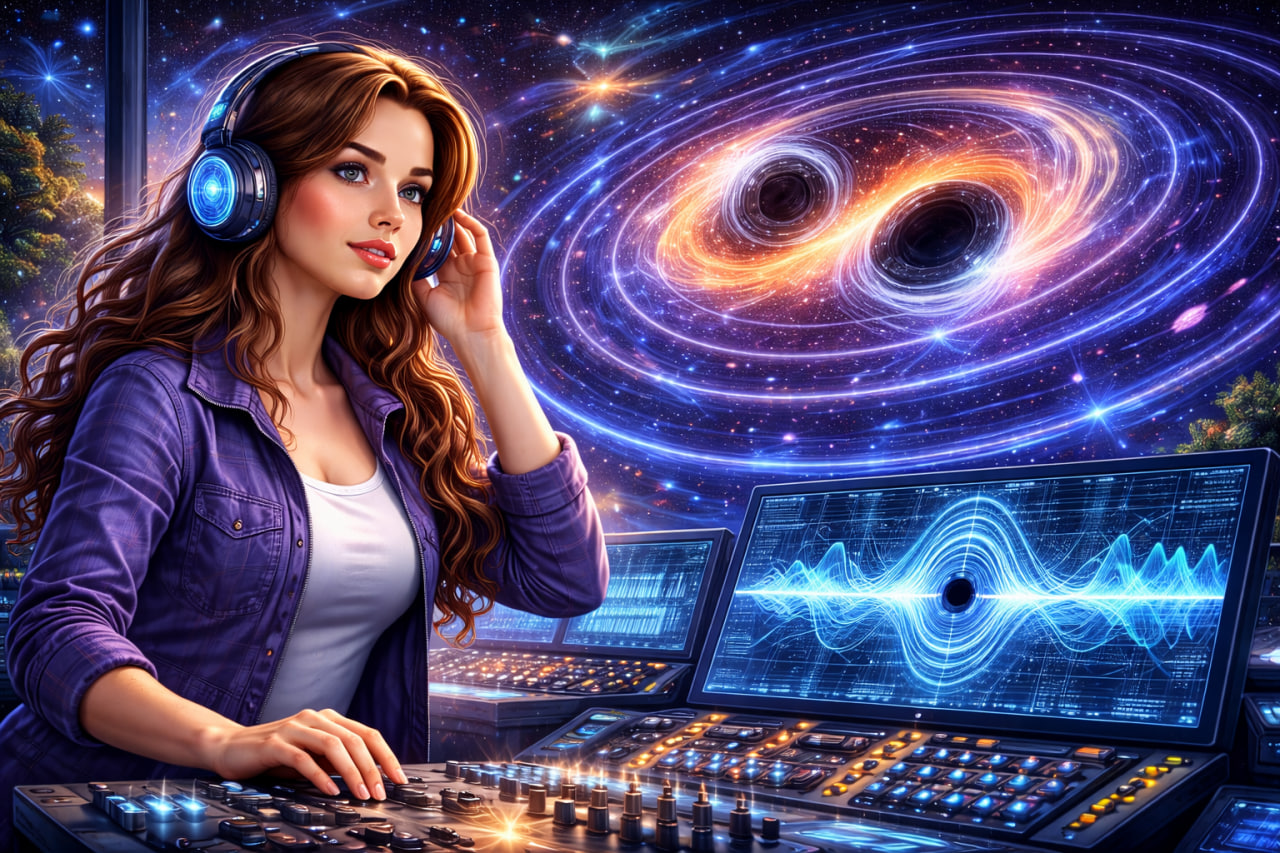
Gravitational waves are one of the most extraordinary discoveries in modern physics, allowing humanity to observe the universe in a completely new way.
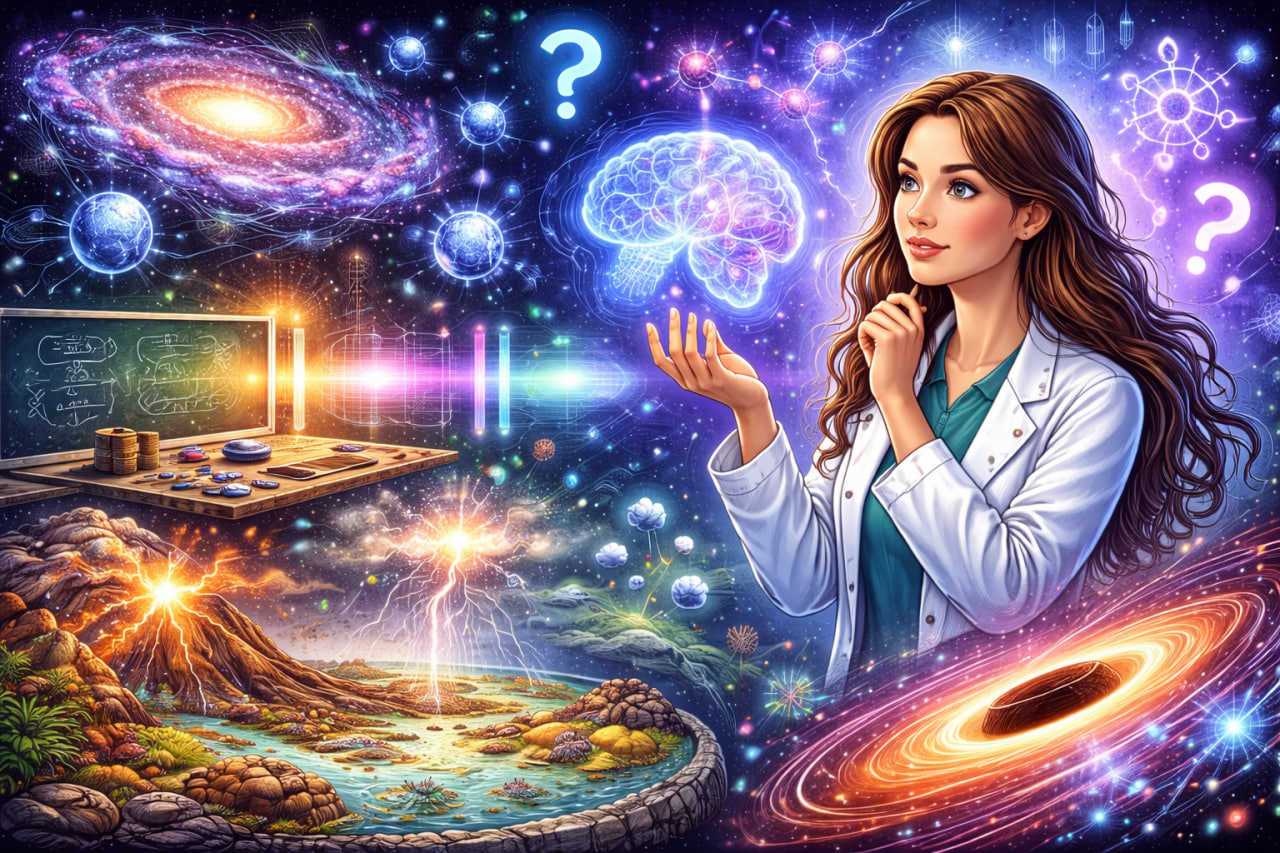
Despite extraordinary technological progress, modern science is still confronted with deep and unresolved questions about the nature of reality, life, and the Universe.
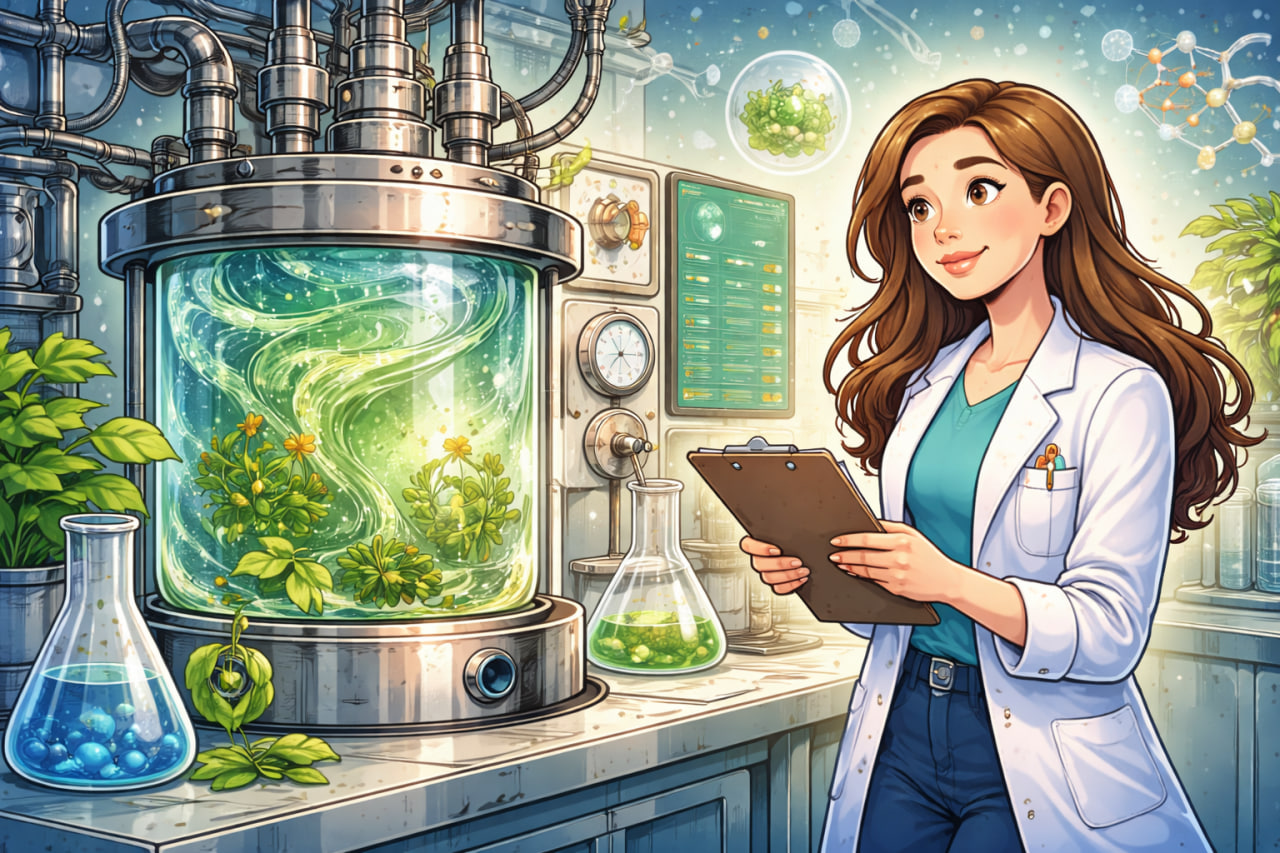
Supercritical fluids represent a unique state of matter that exists beyond the traditional boundaries of liquids and gases.

Cheminformatics is a scientific discipline that combines chemistry, computer science, and data analysis to manage, analyze, and interpret chemical information.
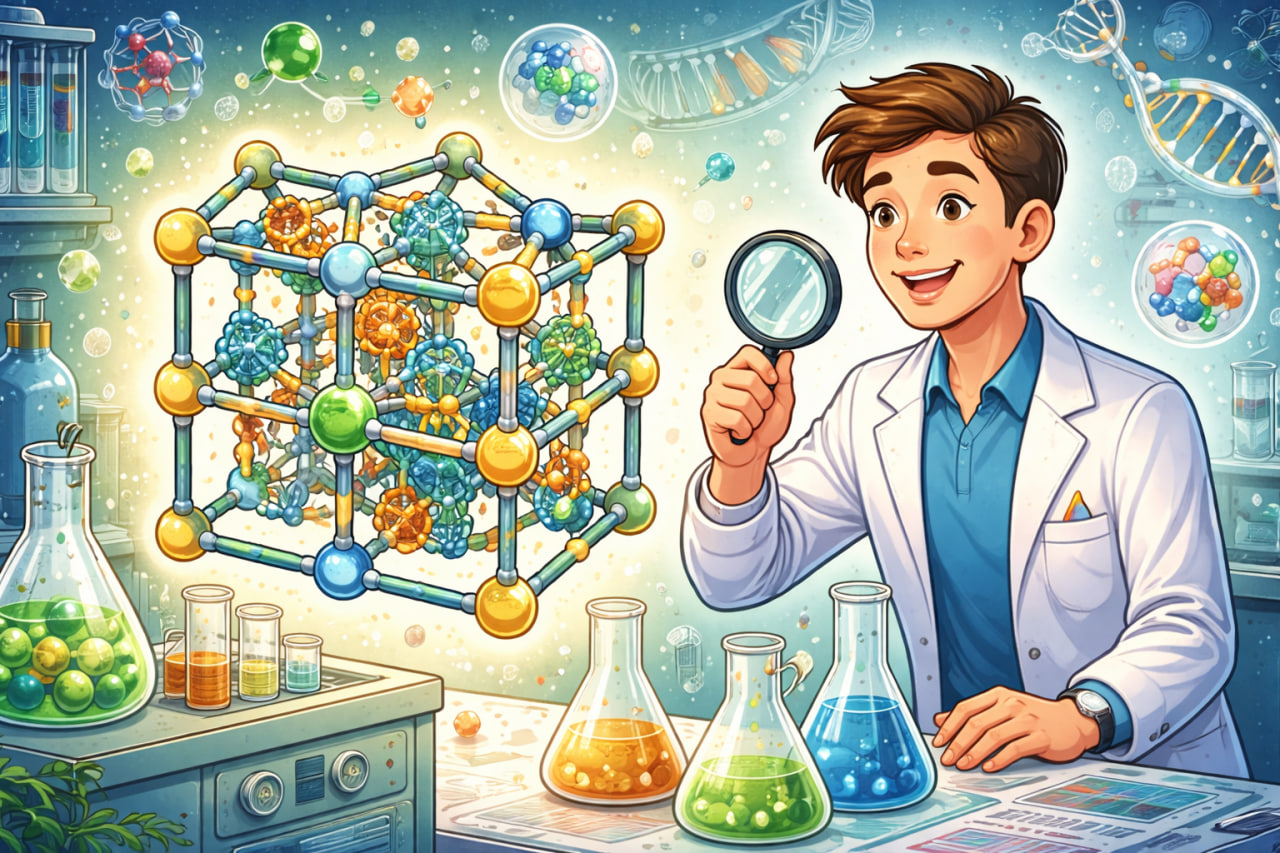
Metal–organic frameworks, often abbreviated as MOFs, are one of the most exciting classes of materials developed in modern chemistry and materials science.

Quantum computing is one of the most revolutionary fields in modern science, promising to transform how humanity processes information.
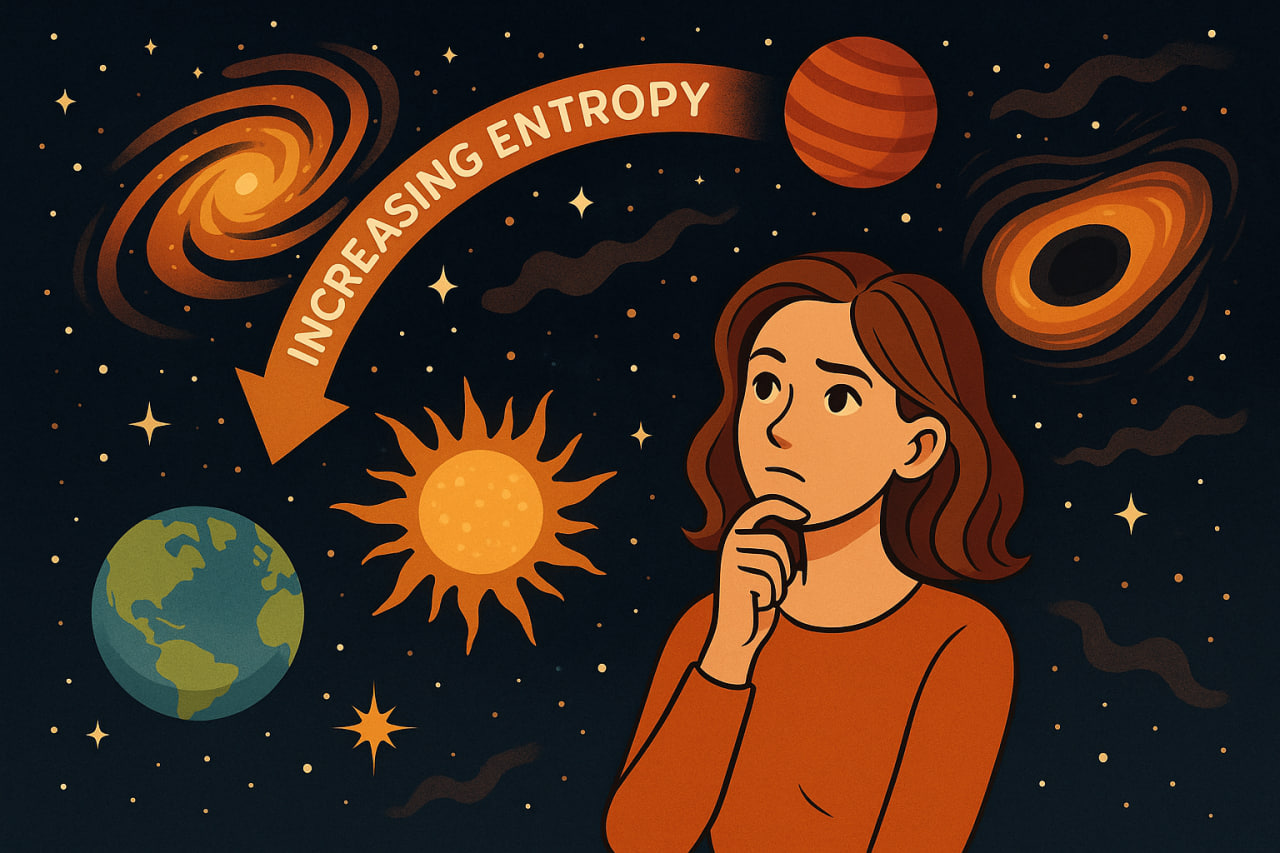
The second law of thermodynamics is one of the most fundamental principles in physics, shaping how energy flows and how the Universe evolves over time.