
The History of Science
The history of science is the story of how humanity gradually learned to understand the world through observation, experimentation, and reasoning.
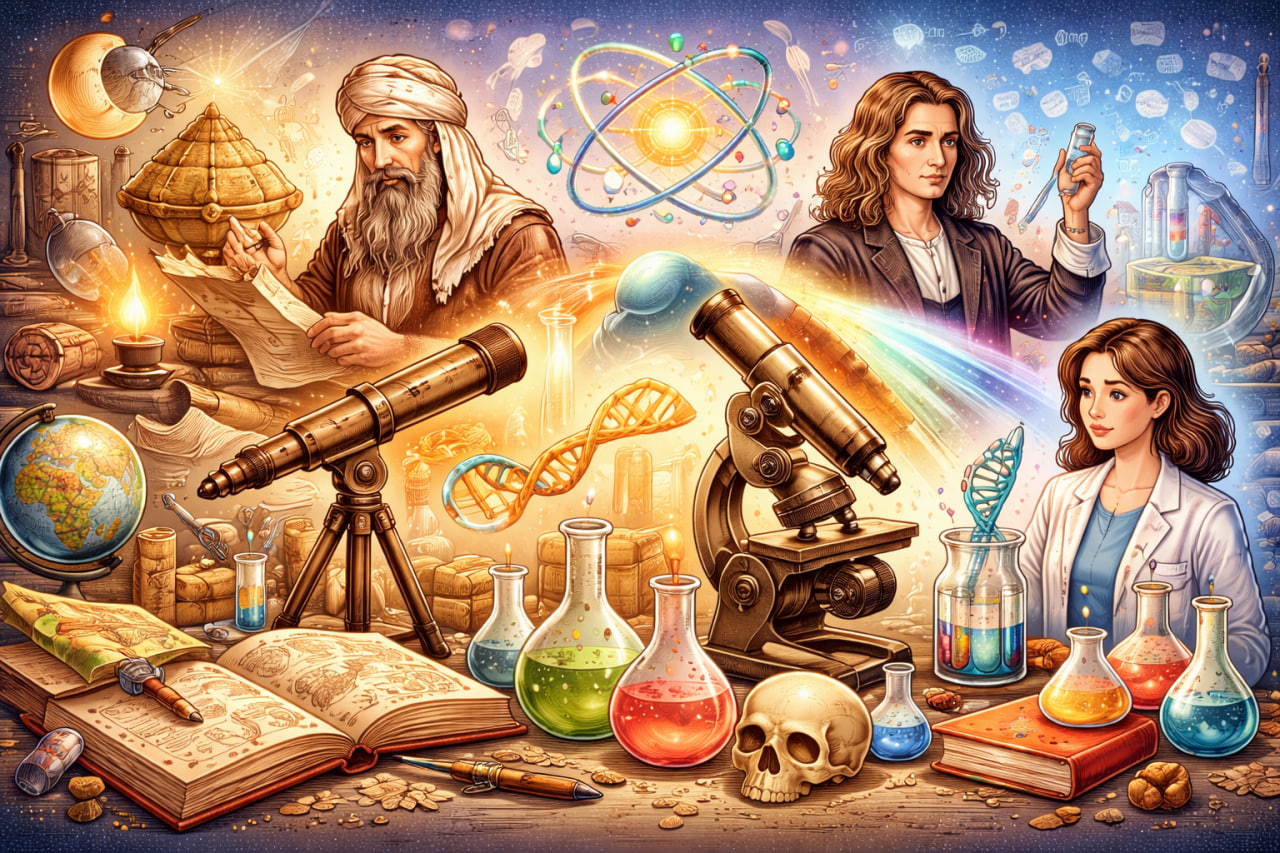
The history of science is the story of how humanity gradually learned to understand the world through observation, experimentation, and reasoning.
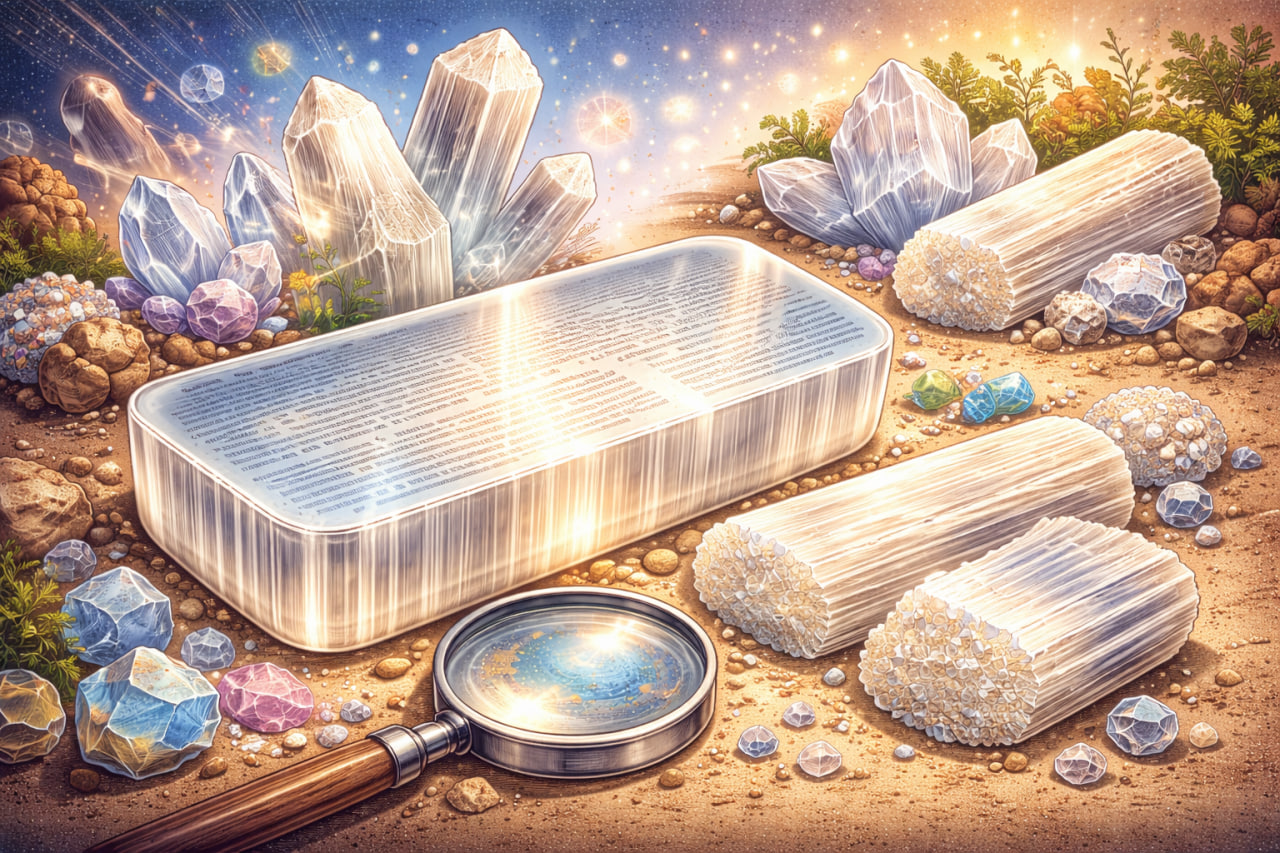
Ulexite is a rare and visually striking mineral that has fascinated scientists and collectors for over a century.
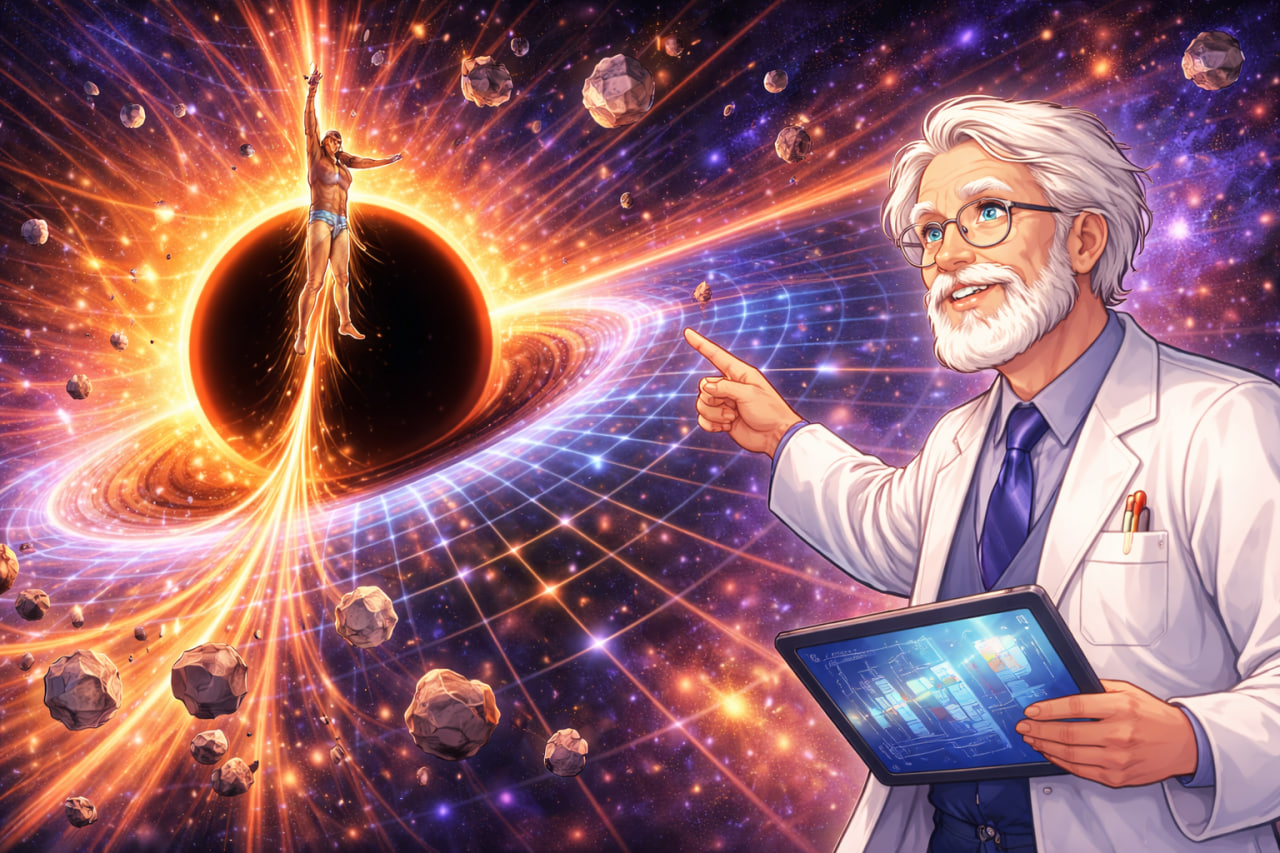
Tidal forces near a black hole are among the most extreme effects predicted by modern physics.
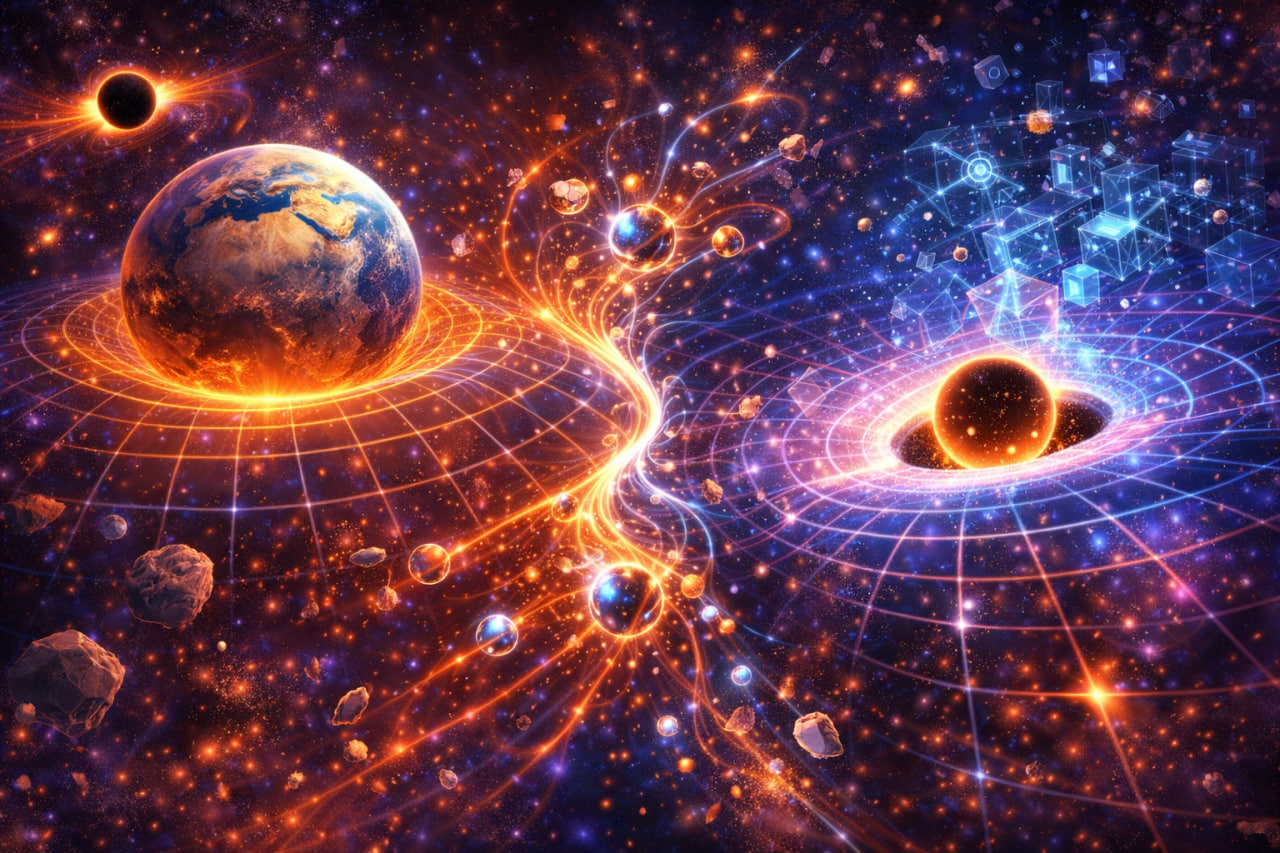
Gravity is the most familiar of the fundamental forces, shaping everything from falling objects to the motion of galaxies.

Thermodynamics is a fundamental branch of physics that describes how energy, heat, and work interact in physical systems.

The arrow of time is a concept used in physics to describe the apparent one-way direction of time—from past to future.
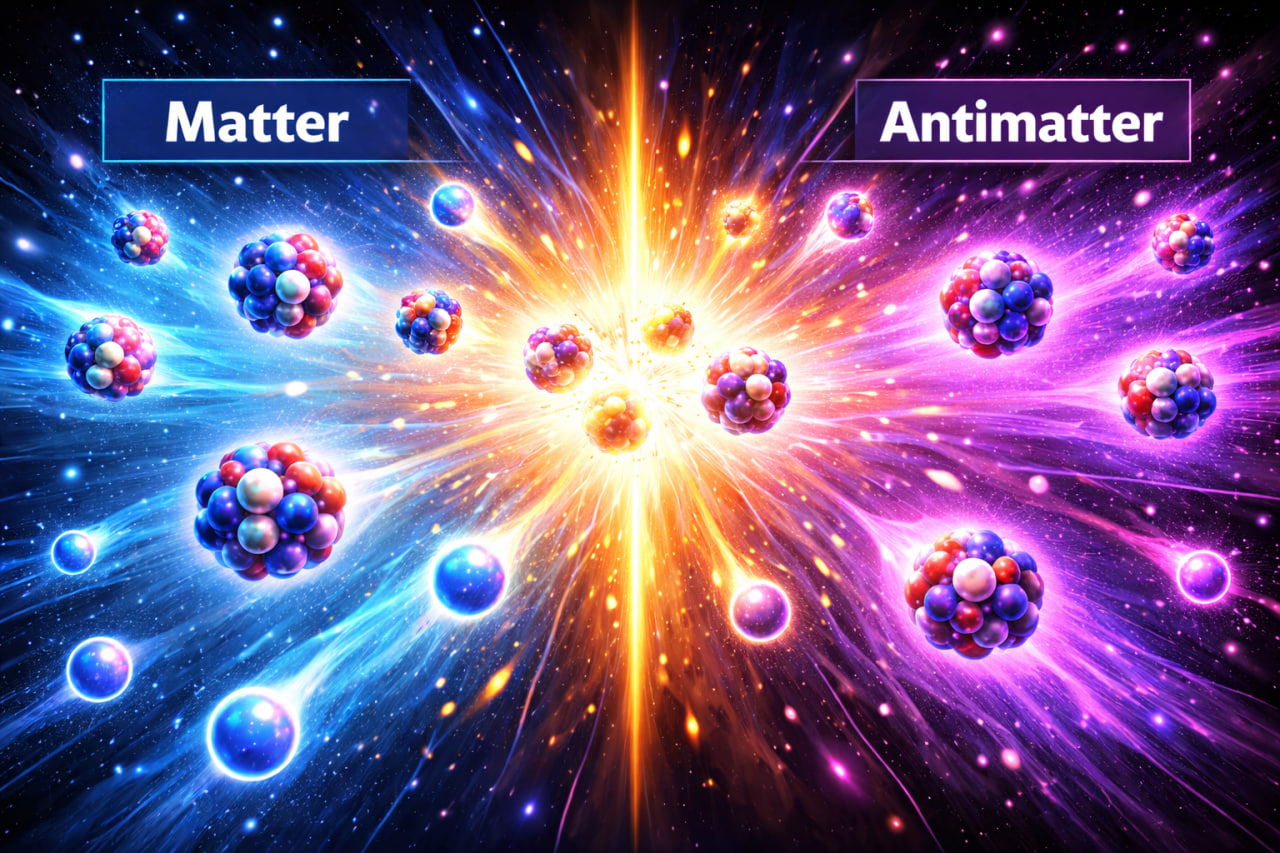
According to the known laws of physics, the Big Bang should have produced matter and antimatter in equal amounts.

The transition of a liquid into a solid is one of the most fundamental phase changes in nature, yet it is far more complex than it appears.

When we look at the universe on its largest scales, galaxies are not scattered randomly through space. Instead, they form an immense, interconnected structure known as the cosmic web.
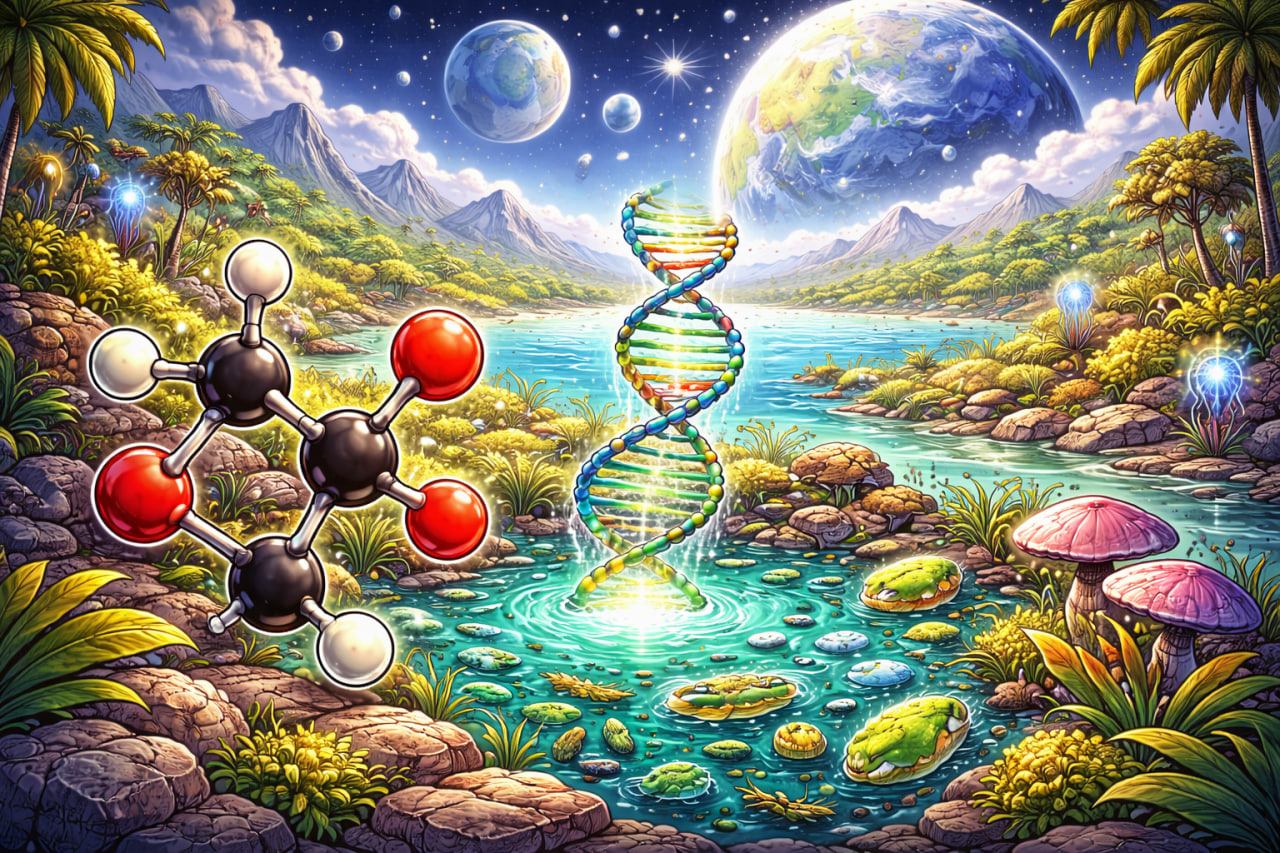
When scientists search for life beyond Earth, they begin with a fundamental question: what conditions are required for life to exist at all?