Space Stories

Black Holes: What Science Knows Today and What It Still Hypothesizes
Space Stories Universe

Black Holes: What Science Knows Today and What It Still Hypothesizes

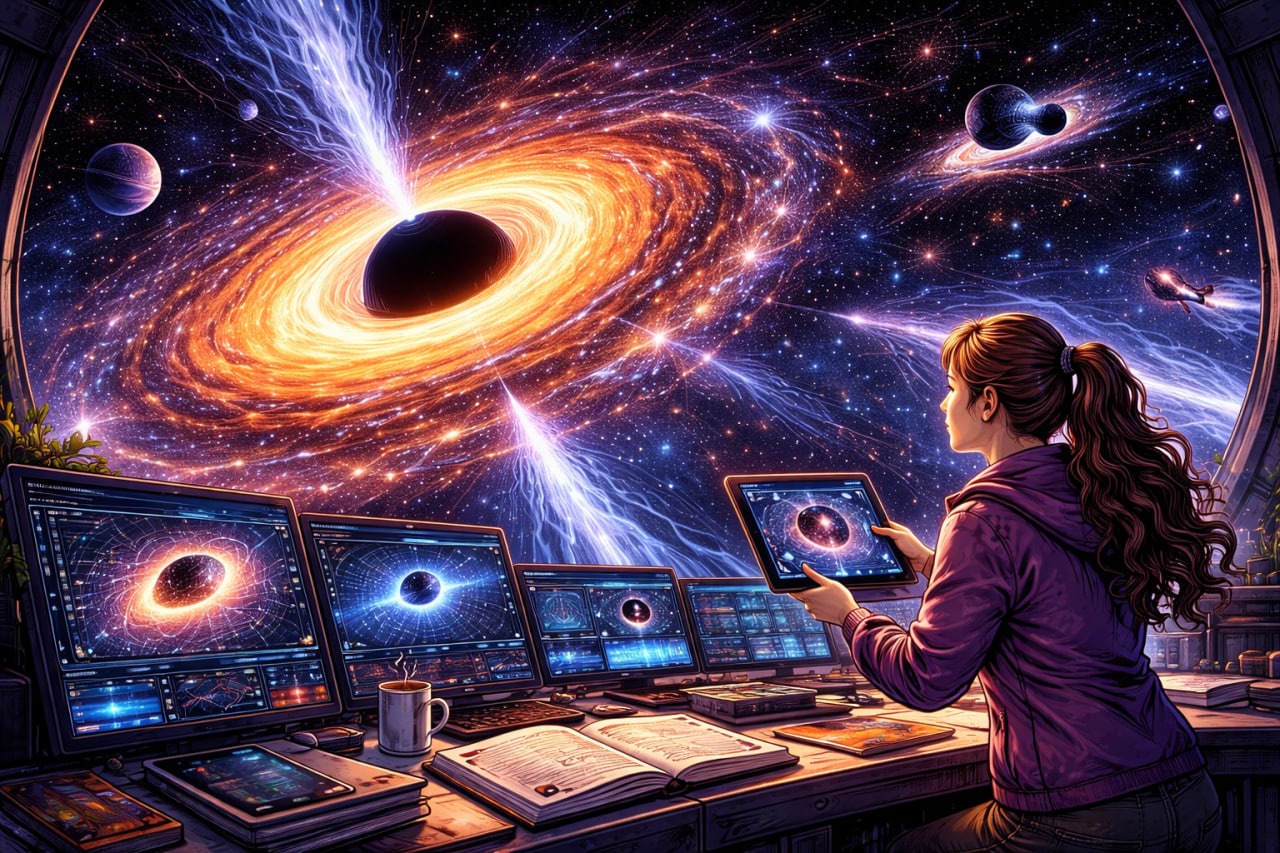
Black holes are among the most extreme and fascinating objects in the universe, once considered purely theoretical and now firmly established by observation. They represent regions of spacetime where gravity becomes so intense that nothing—not even light—can escape beyond a certain boundary. Modern astronomy no longer asks whether black holes exist, but instead focuses on understanding their properties, behavior, and role in cosmic evolution. At the same time, black holes sit at the boundary between known physics and unresolved questions, forcing scientists to distinguish clearly between what is supported by evidence and what remains theoretical. This balance between certainty and speculation defines current black hole research.
Betelgeuse: A Red Supergiant Near the End of Its Life
Space Stories Universe

Betelgeuse: A Red Supergiant Near the End of Its Life

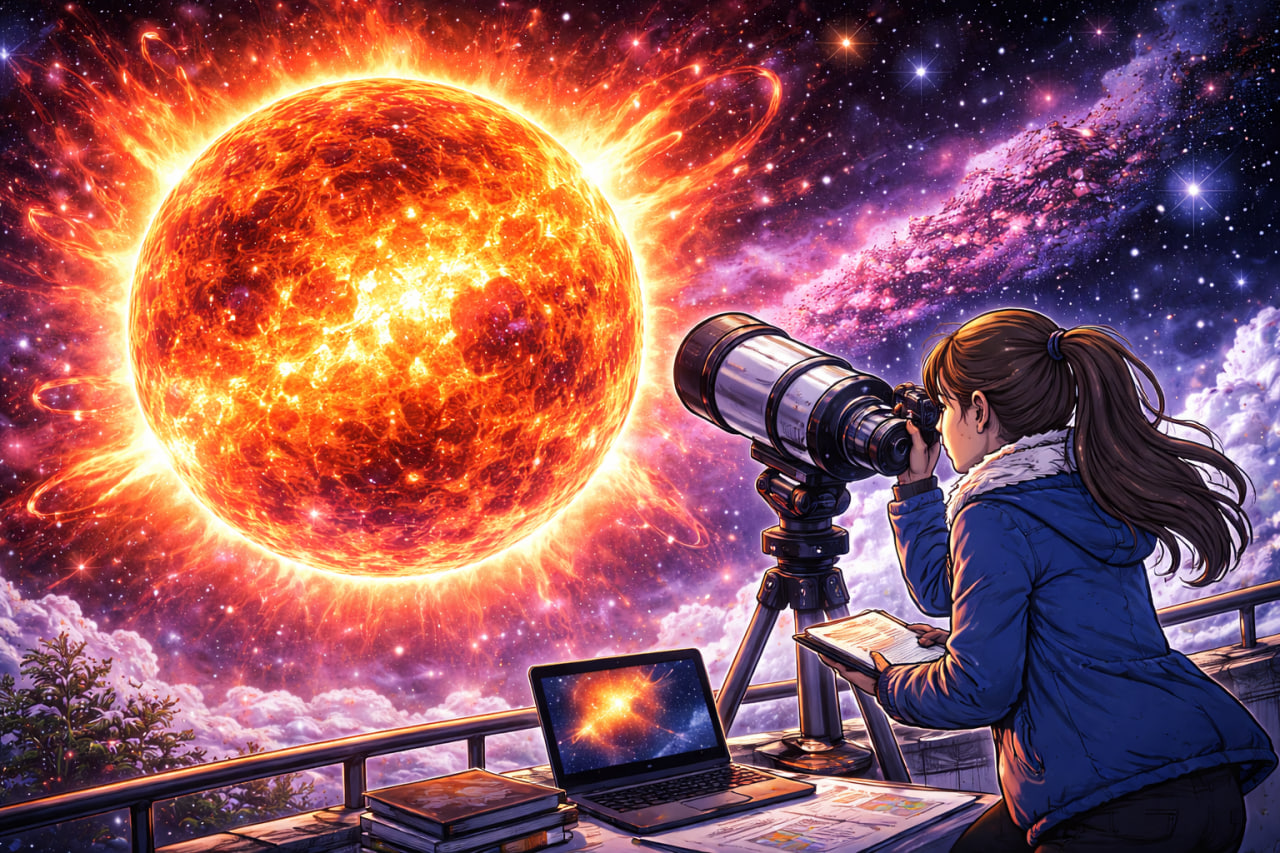
Betelgeuse is one of the most famous and closely studied stars in the night sky, easily recognizable by its reddish glow and enormous size. Located in the constellation Orion, it is a red supergiant—a rare and short-lived stage in stellar evolution. Unlike stable stars such as the Sun, Betelgeuse is highly variable, constantly changing in brightness, size, and surface structure. These fluctuations make it an exceptional natural laboratory for understanding how massive stars age and die. For astronomers, Betelgeuse offers a rare opportunity to observe stellar processes that usually unfold far beyond human timescales.

The Cosmic Web: What the Large-Scale Structure of the Universe Is Made Of
Space Stories Universe Science

The Cosmic Web: What the Large-Scale Structure of the Universe Is Made Of

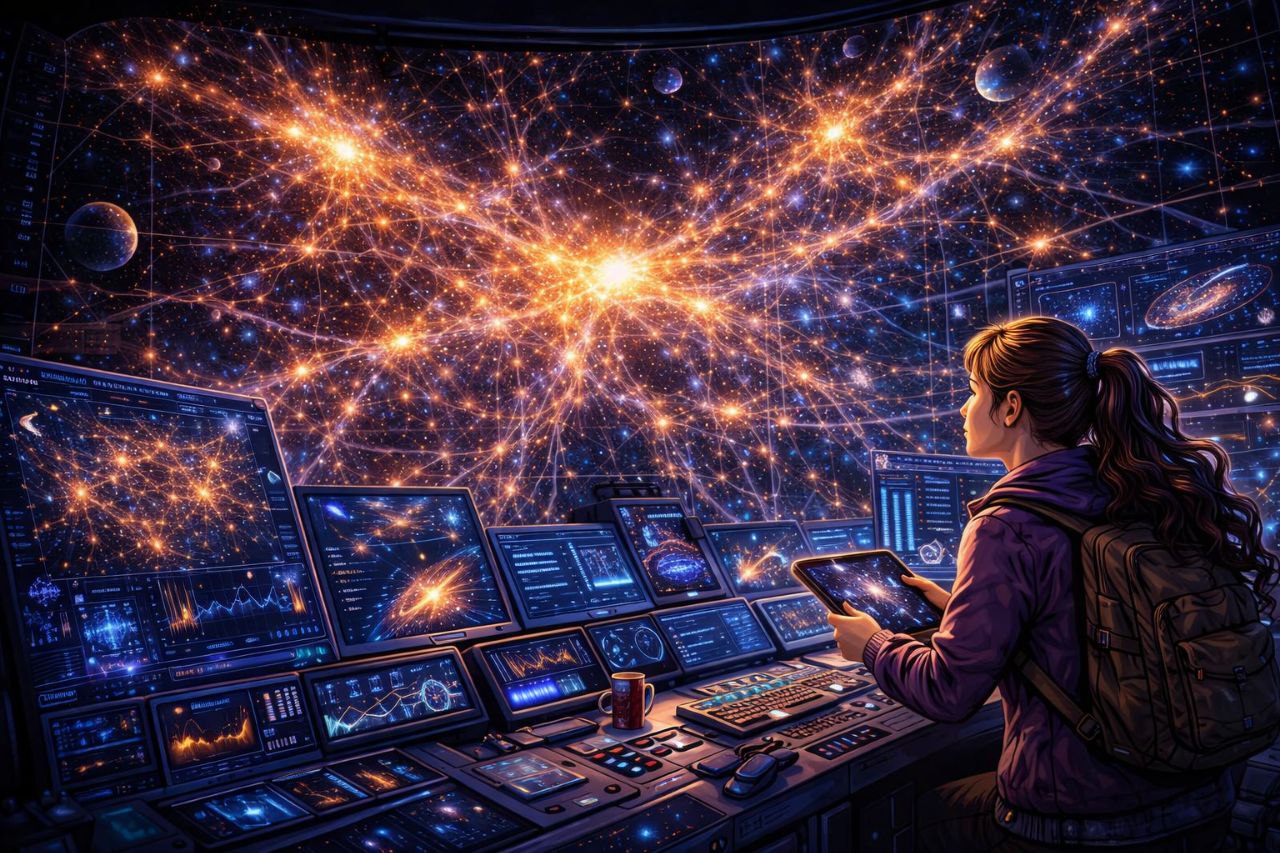
When we look at the universe on its largest scales, galaxies are not scattered randomly through space. Instead, they form an immense, interconnected structure known as the cosmic web. This web-like pattern stretches across hundreds of millions of light-years and represents the largest known organization of matter in the universe. Filaments of galaxies weave through vast empty regions, intersecting at dense nodes where galaxy clusters form. Understanding the cosmic web allows scientists to see how gravity shaped the universe from its earliest moments to the present day.

What Existed Before the Big Bang? Scientific Hypotheses Explained
Space Stories Science Be Smart

What Existed Before the Big Bang? Scientific Hypotheses Explained

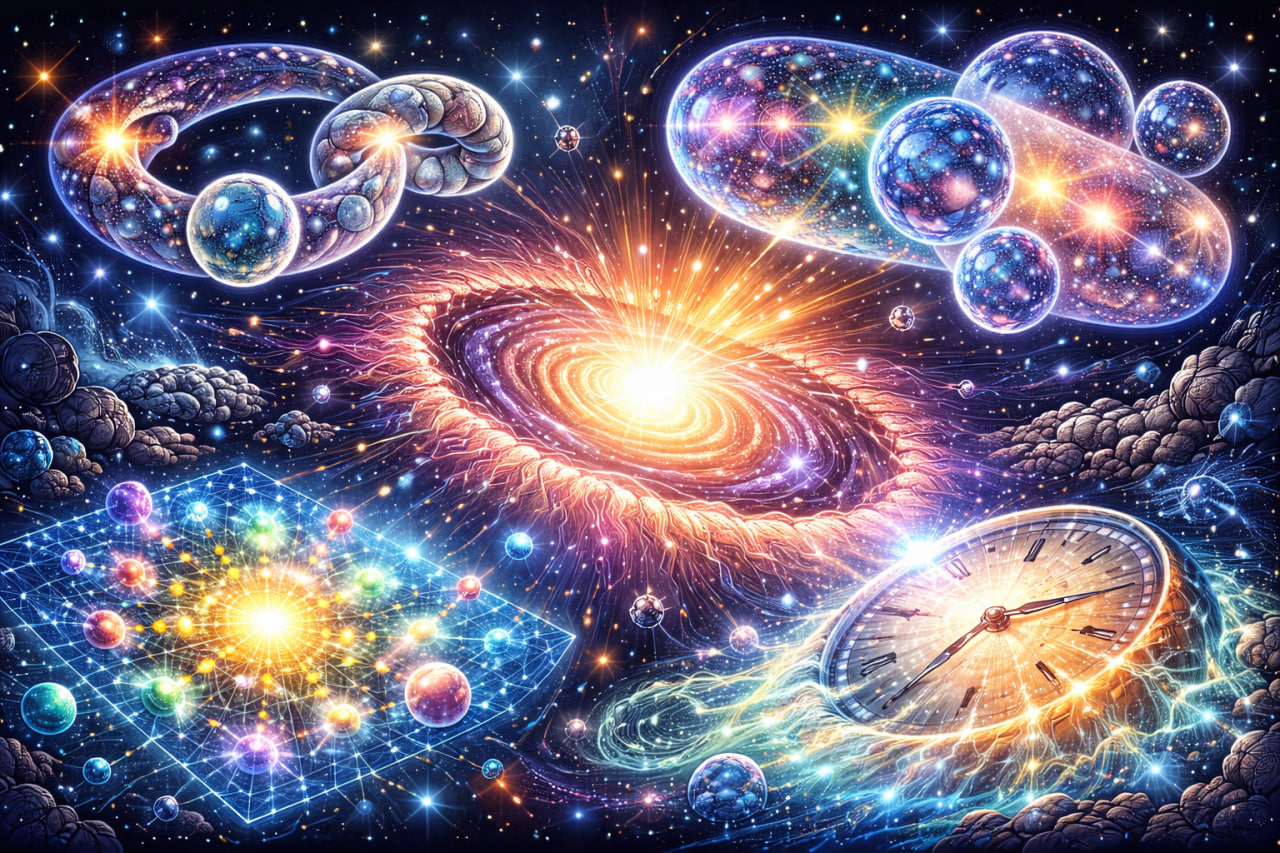
The Big Bang theory successfully describes the early expansion of the universe, but it does not fully answer one of the most profound questions in science: what, if anything, existed before it? While the term “Big Bang” is often imagined as an explosion in space, modern cosmology treats it as the beginning of spacetime itself. This raises a fundamental challenge—if time began with the Big Bang, the concept of “before” may not apply in a conventional sense. Nevertheless, physicists have proposed several hypotheses that attempt to describe conditions preceding or replacing the classical Big Bang scenario. These ideas remain speculative but are grounded in mathematics, theoretical physics, and observations of the universe.

Cosmic Inflation: How the Universe Expanded in an Instant
Space Stories Cosmic Innovations Universe

Cosmic Inflation: How the Universe Expanded in an Instant

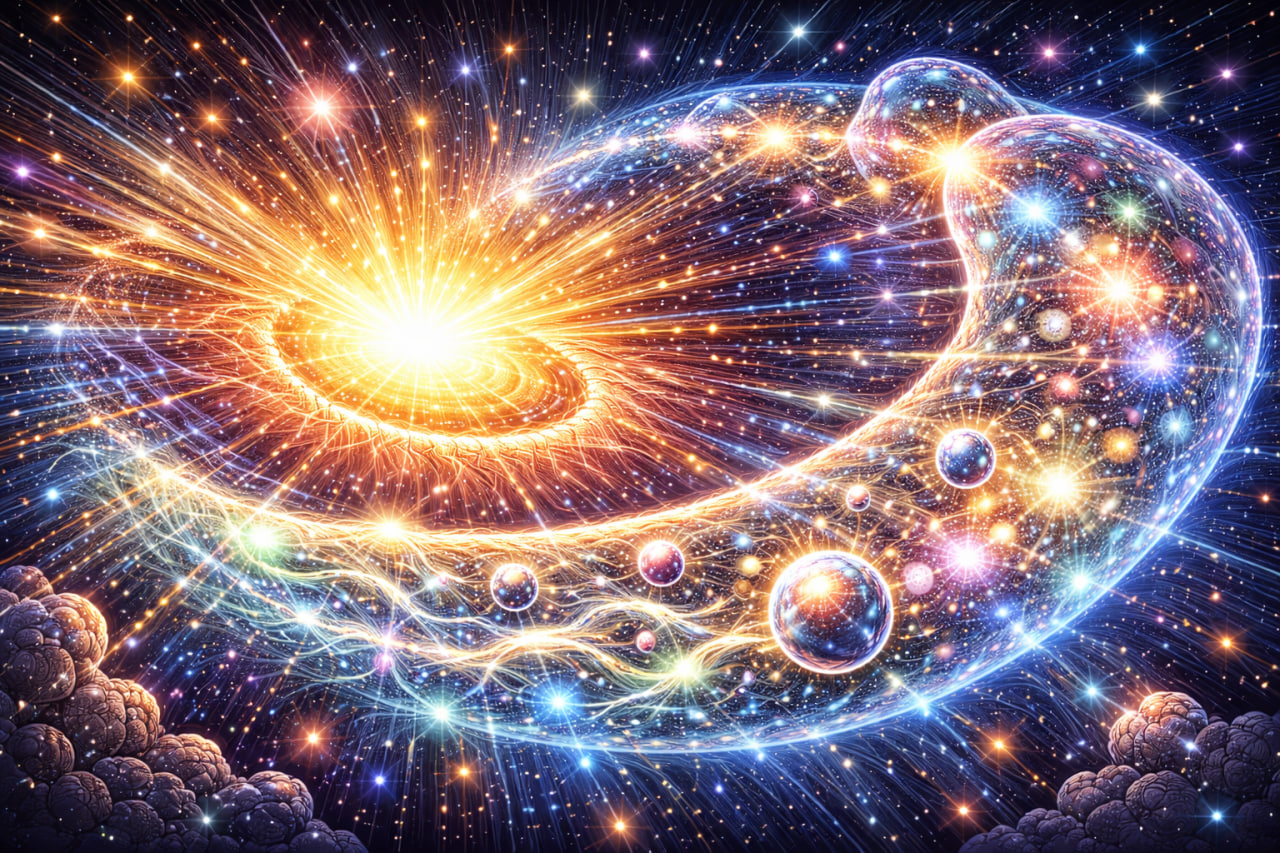
One of the most influential ideas in modern cosmology is the concept of cosmic inflation, a brief period of extremely rapid expansion that occurred at the very beginning of the universe’s history. According to this theory, space itself expanded exponentially within a tiny fraction of a second after the Big Bang. This sudden growth helps explain why the universe appears vast, smooth, and nearly uniform in all directions. Inflation does not describe an explosion of matter into space, but rather the stretching of space itself. By addressing fundamental puzzles left unanswered by earlier models, inflation has become a cornerstone of contemporary cosmological theory.

What Does Our Universe Look Like? Scientific Views and Models
Space Stories Universe Science

What Does Our Universe Look Like? Scientific Views and Models

At the largest scales imaginable, the universe appears calm, structured, and surprisingly uniform. Yet this apparent simplicity hides an extraordinary level of complexity that scientists are still working to understand. Modern cosmology does not describe the universe based on visual appearance alone, but through measurements of light, motion, and geometry across billions of light-years. Because no observer can step outside the universe to look at it from afar, its overall shape and structure must be inferred indirectly. As a result, our picture of the universe is built from theory, observation, and mathematical models rather than direct images.

Types of Civilizations on the Kardashev Scale: Where Are We Now?
Space Stories Science Be Smart

Types of Civilizations on the Kardashev Scale: Where Are We Now?

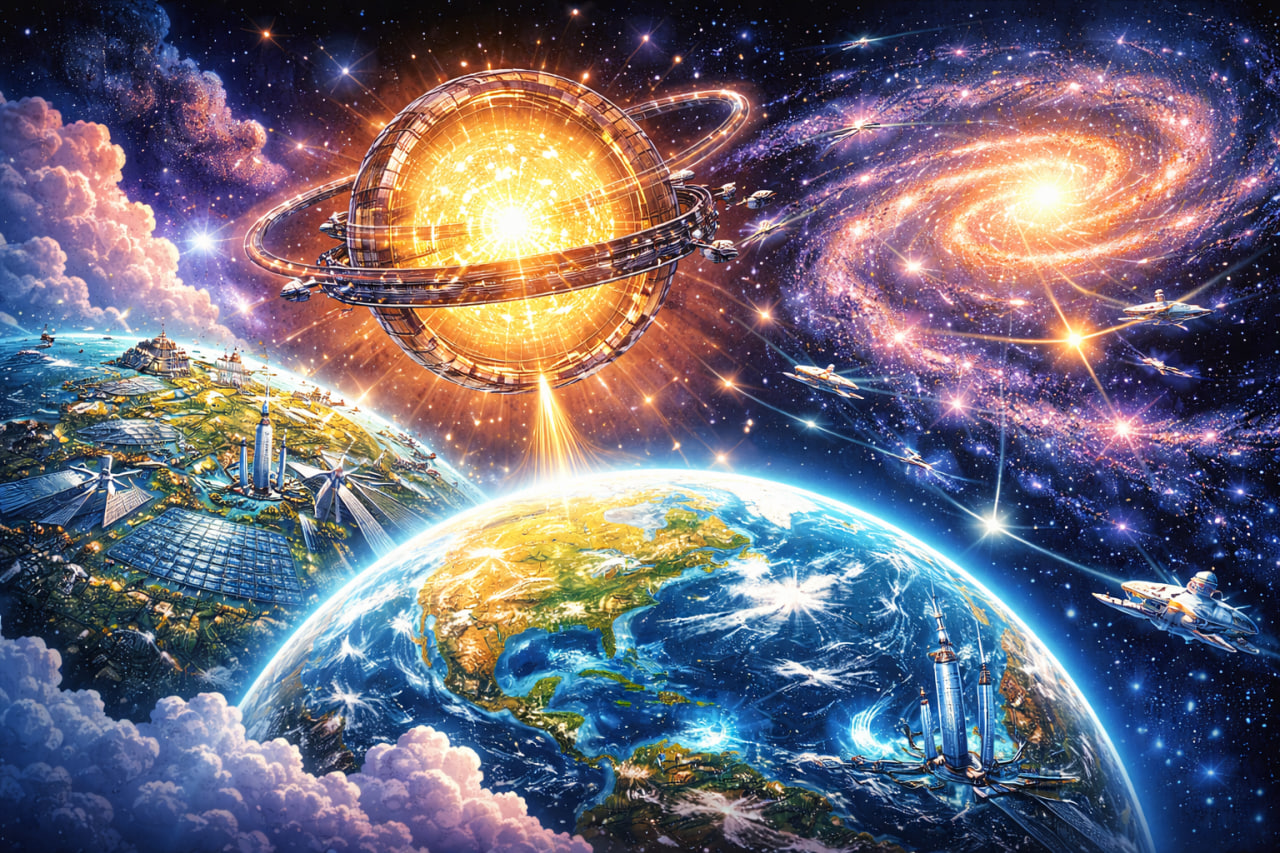
Humanity has long wondered how advanced a civilization can become and what markers define true technological progress. One of the most influential attempts to answer this question is the Kardashev scale, a theoretical framework that classifies civilizations based on their ability to harness and use energy. Rather than focusing on culture, morality, or intelligence, this scale uses a single, measurable criterion: power consumption. This approach allows scientists to compare civilizations across time and even speculate about extraterrestrial societies. Understanding where humanity stands on this scale provides insight into our technological limits, our future potential, and the challenges we must overcome to advance further.

Exoplanet Atmospheres: Chemical Analysis from Light-Years Away
Space Stories Cosmic Innovations Universe

Exoplanet Atmospheres: Chemical Analysis from Light-Years Away

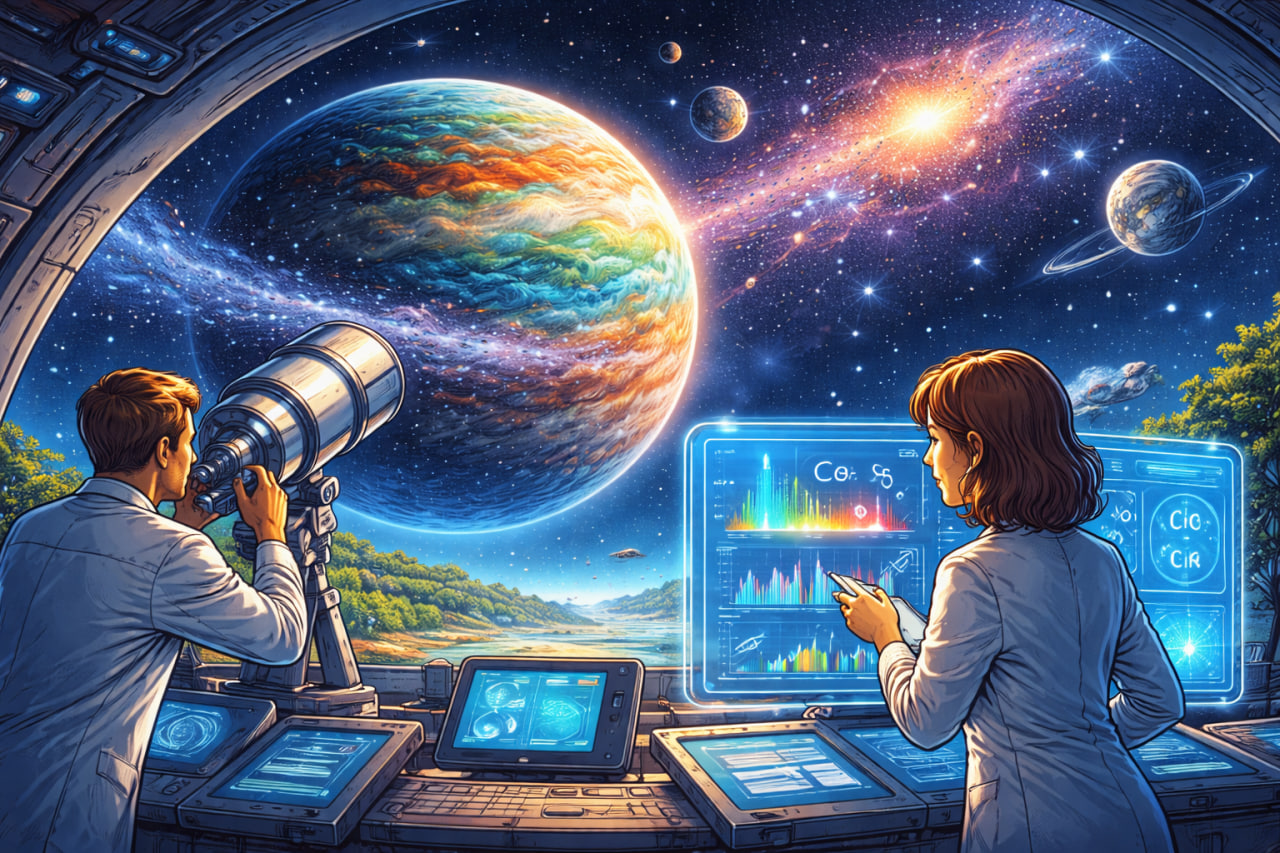
For centuries, planets beyond our solar system were purely theoretical, existing only in speculation and science fiction. Today, astronomers not only detect exoplanets, but also analyze the chemical composition of their atmospheres, despite distances measured in dozens or thousands of light-years. This remarkable achievement is possible thanks to advances in telescope technology, spectroscopy, and data analysis. By studying how starlight interacts with planetary atmospheres, scientists can identify gases, infer temperatures, and even assess whether a planet might support life. Atmospheric analysis has become one of the most powerful tools in modern astronomy, transforming exoplanets from distant dots into complex, physical worlds.

Super-Earths: The Most Common Planets Missing from Our Solar System
Space Stories Universe Be Smart

Super-Earths: The Most Common Planets Missing from Our Solar System

Among the thousands of exoplanets discovered so far, one class stands out for its abundance and mystery: super-Earths. These planets are more massive than Earth but lighter than ice giants like Neptune, occupying a size range that does not exist in our own solar system. Despite being the most frequently detected type of planet in the Milky Way, super-Earths are completely absent around the Sun. This paradox has made them a central focus of modern planetary science. By studying super-Earths, astronomers hope to understand not only how planetary systems form, but also why our own system appears so unusual compared to the galactic norm.

Tau Ceti and Other Star Systems with Potentially Habitable Worlds
Space Stories Universe

Tau Ceti and Other Star Systems with Potentially Habitable Worlds

For decades, the search for habitable worlds focused mainly on planets similar to Earth and stars similar to the Sun. However, modern astronomy has revealed that potentially life-supporting environments may exist in a wide variety of star systems. Among the most discussed candidates is Tau Ceti, a nearby Sun-like star surrounded by several intriguing planets. Alongside Tau Ceti, a growing list of stellar systems has captured scientific attention due to their location, stability, and planetary configurations. Studying these systems helps scientists understand where life might arise and how common habitable conditions may be in our galaxy.