Space Stories

Gravitational Lensing: Einstein’s Natural Cosmic Magnifying Glass
Space Stories Universe Science

Gravitational Lensing: Einstein’s Natural Cosmic Magnifying Glass

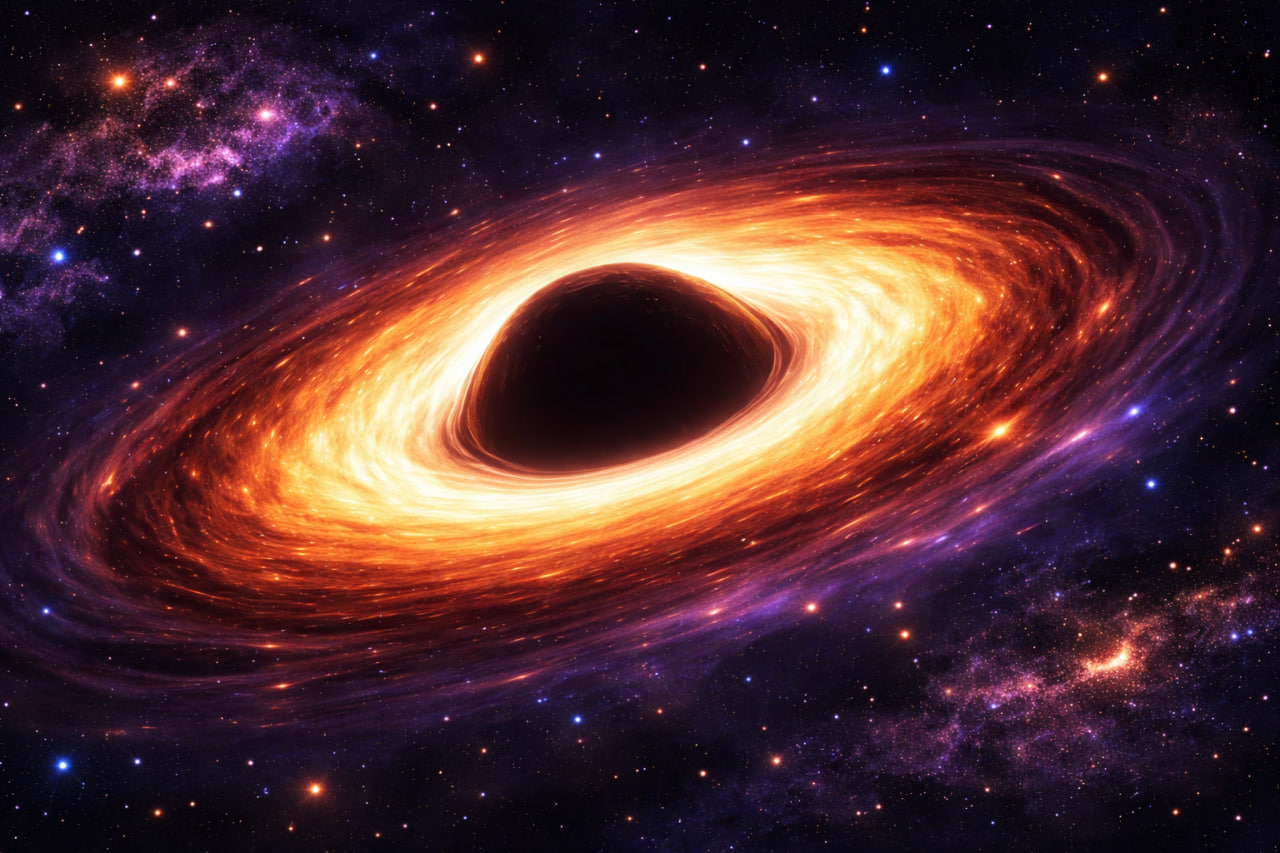
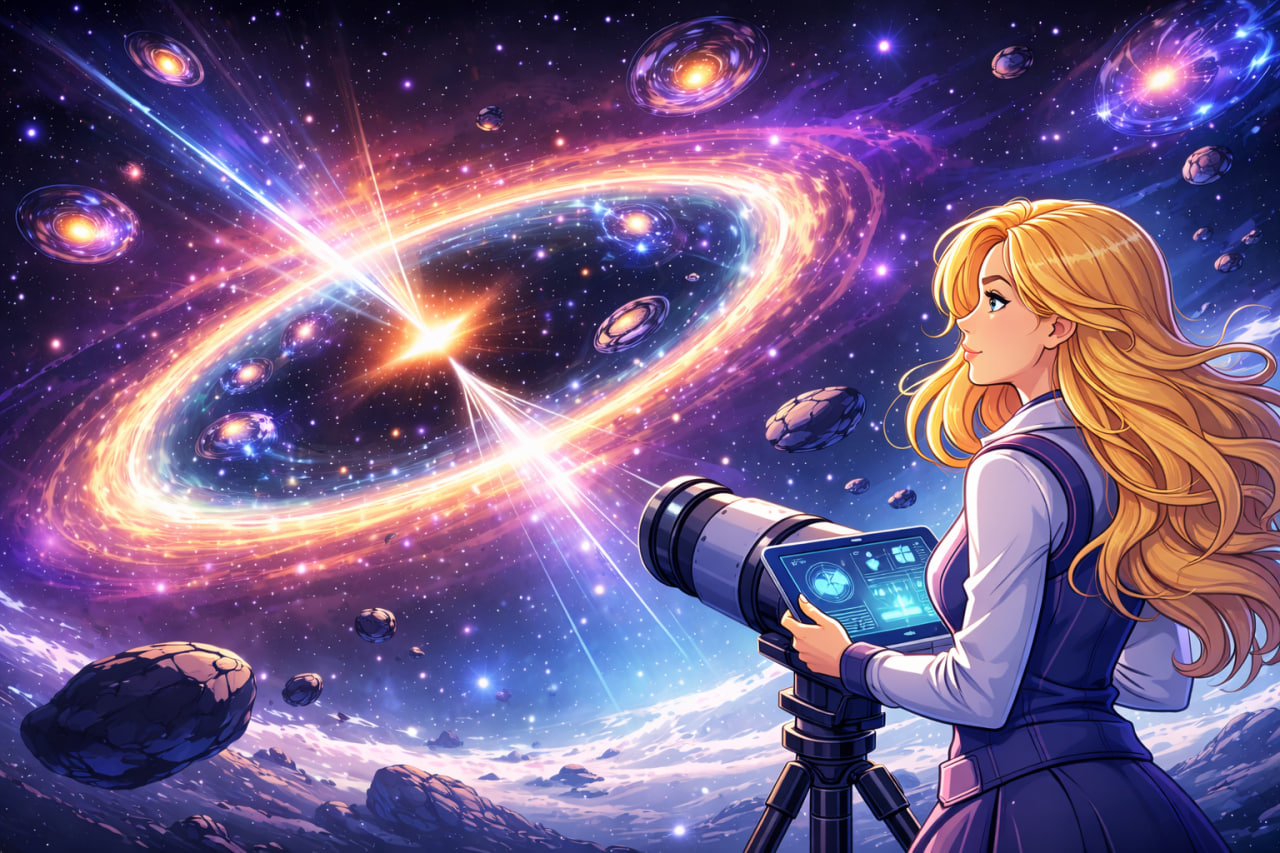
Gravitational lensing is one of the most elegant and visually striking predictions of modern physics, revealing how massive objects can bend light itself. First described by Albert Einstein in his theory of general relativity, this phenomenon shows that space and time are not rigid frameworks, but flexible structures shaped by mass and energy. When light from a distant galaxy passes near a massive object such as a galaxy cluster or black hole, its path curves, producing distorted, magnified, or even duplicated images. What appears at first glance to be a visual illusion is, in fact, a powerful scientific tool that allows astronomers to study objects far beyond the reach of conventional telescopes. Gravitational lensing has transformed how we explore the deep universe, turning gravity into a natural cosmic telescope.
Can a Black Hole Be Used as a Source of Energy?
Space Stories Universe Be Smart

Can a Black Hole Be Used as a Source of Energy?

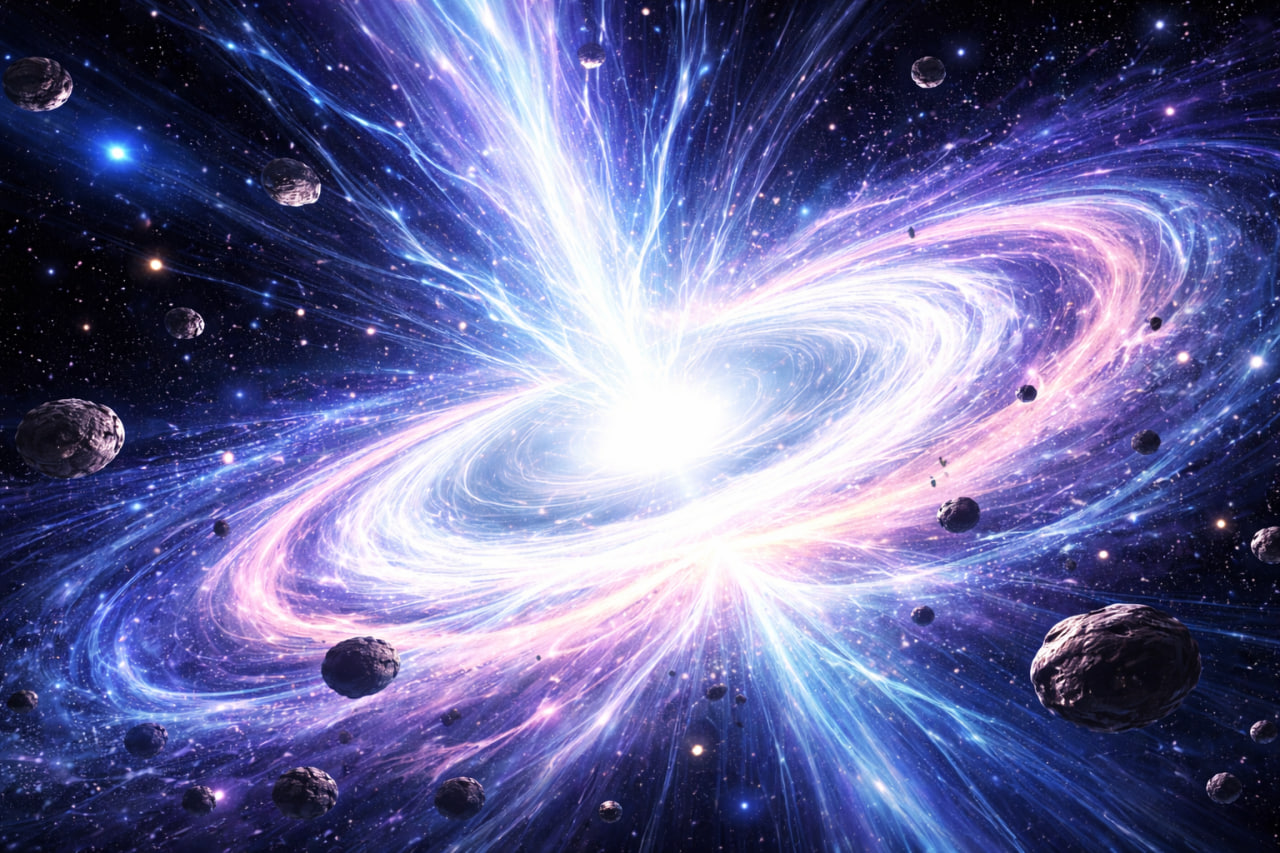
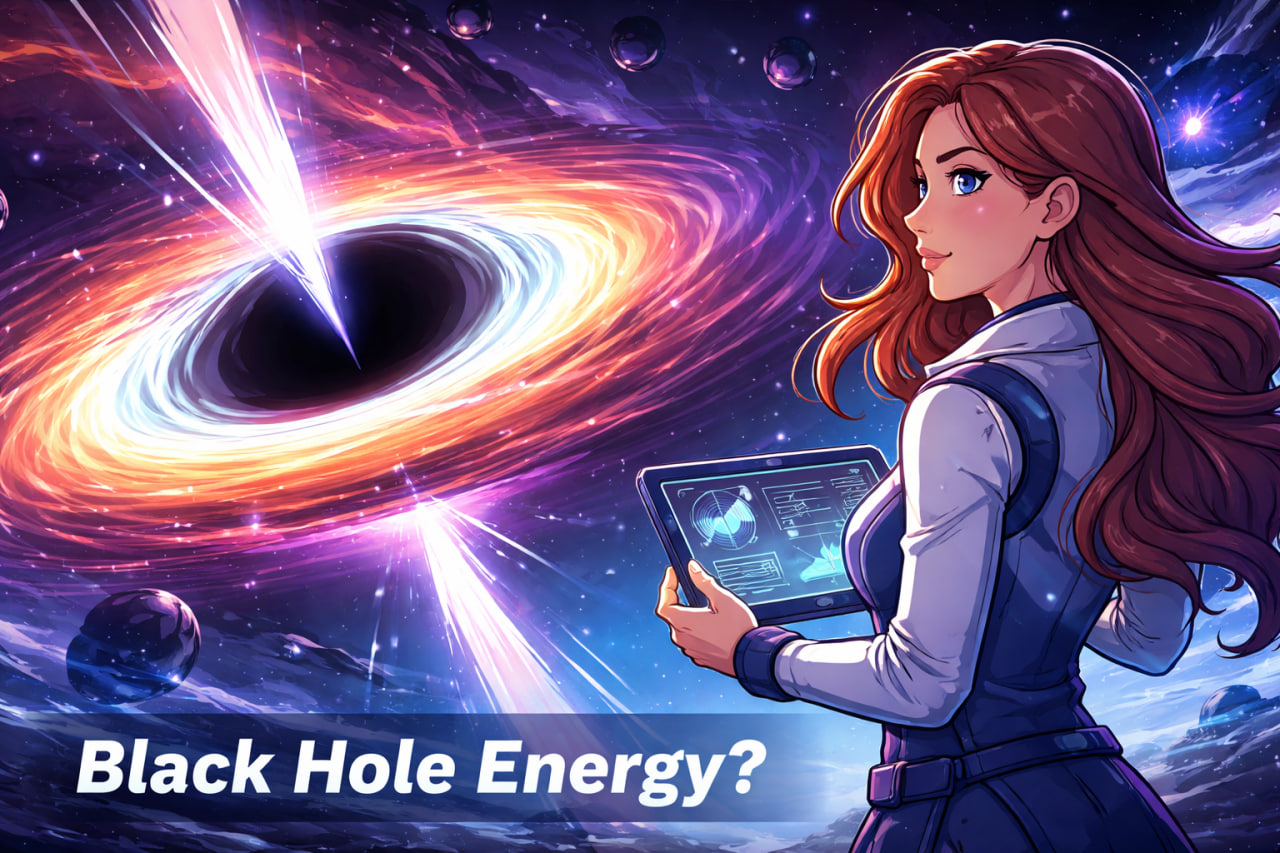
Black holes are often imagined as cosmic destroyers that consume everything around them, but modern physics suggests a far more complex picture. Under certain conditions, black holes may act not only as sinks of matter and energy, but also as potential sources of usable energy. This idea, once purely theoretical, has been explored seriously by physicists studying general relativity, quantum mechanics, and astrophysics. While harvesting energy from a black hole remains far beyond current technological capabilities, the underlying principles reveal fascinating insights into how extreme objects interact with space, time, and energy. Understanding these mechanisms helps scientists test the limits of known physics and imagine future civilizations operating on cosmic scales.

Cosmic Microwave Background: The Baby Picture of the Universe
Space Stories Universe New Discoveries

Cosmic Microwave Background: The Baby Picture of the Universe

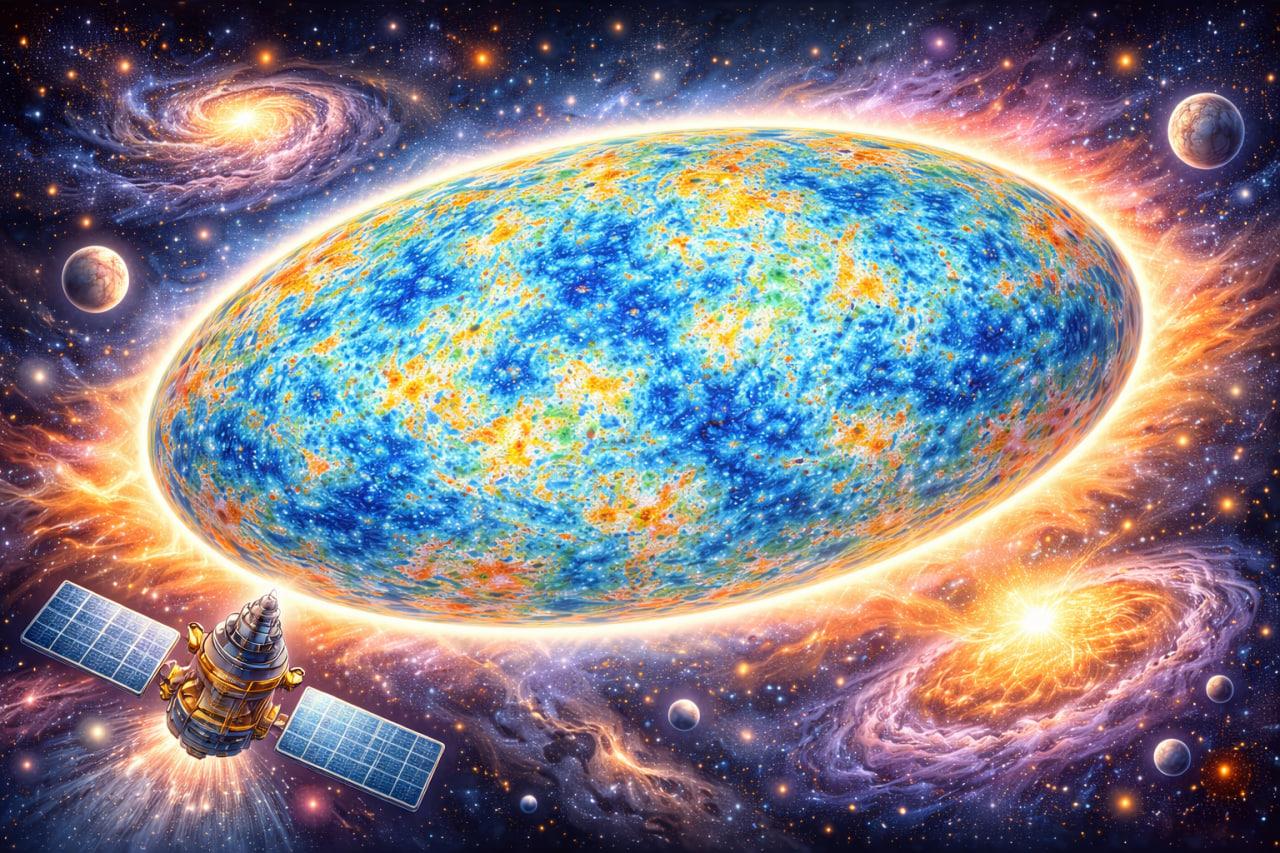
The cosmic microwave background (CMB) is one of the most important discoveries in modern cosmology. It is often described as the “baby photograph” of the Universe because it shows what the cosmos looked like shortly after its birth. This faint radiation fills all of space and comes from a time when the Universe was extremely young, hot, and dense. Although invisible to the naked eye, the CMB carries crucial information about the origin, structure, and evolution of the Universe. By studying it, scientists can look back almost to the moment when the Universe first became transparent.

The Fate of Our Sun: What Science Tells Us
Space Stories Universe Solar System

The Fate of Our Sun: What Science Tells Us

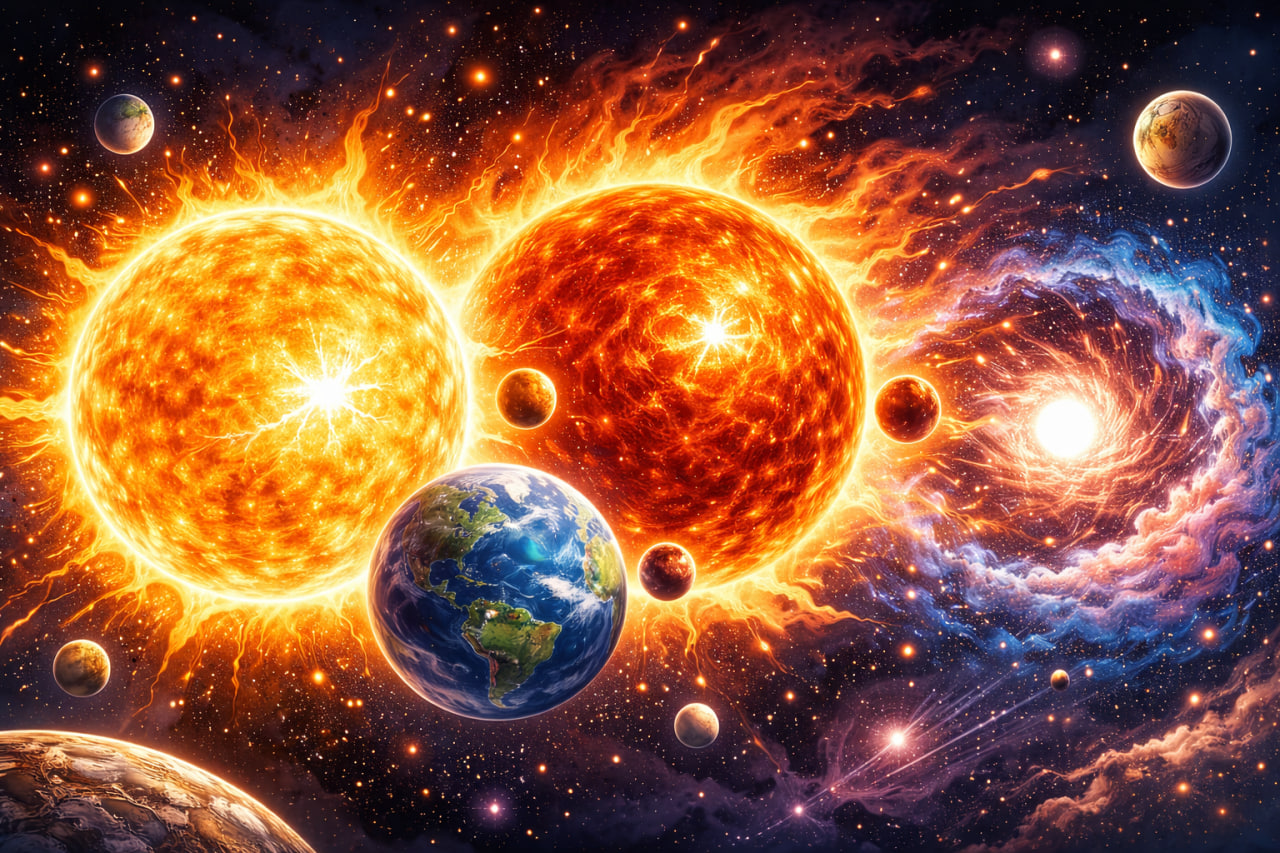
The Sun is the central engine of the Solar System and the primary source of energy for life on Earth. Although it feels permanent and unchanging on a human timescale, the Sun is a dynamic star with a well-defined life cycle. Astronomy allows scientists to understand not only how the Sun works today, but also how it will evolve over billions of years. The fate of the Sun is governed by physical laws that apply to stars across the universe. Studying this future helps place humanity in a broader cosmic context.

What Would Happen If a Neutron Star Passed Near the Solar System?
Space Stories Universe What if?

What Would Happen If a Neutron Star Passed Near the Solar System?

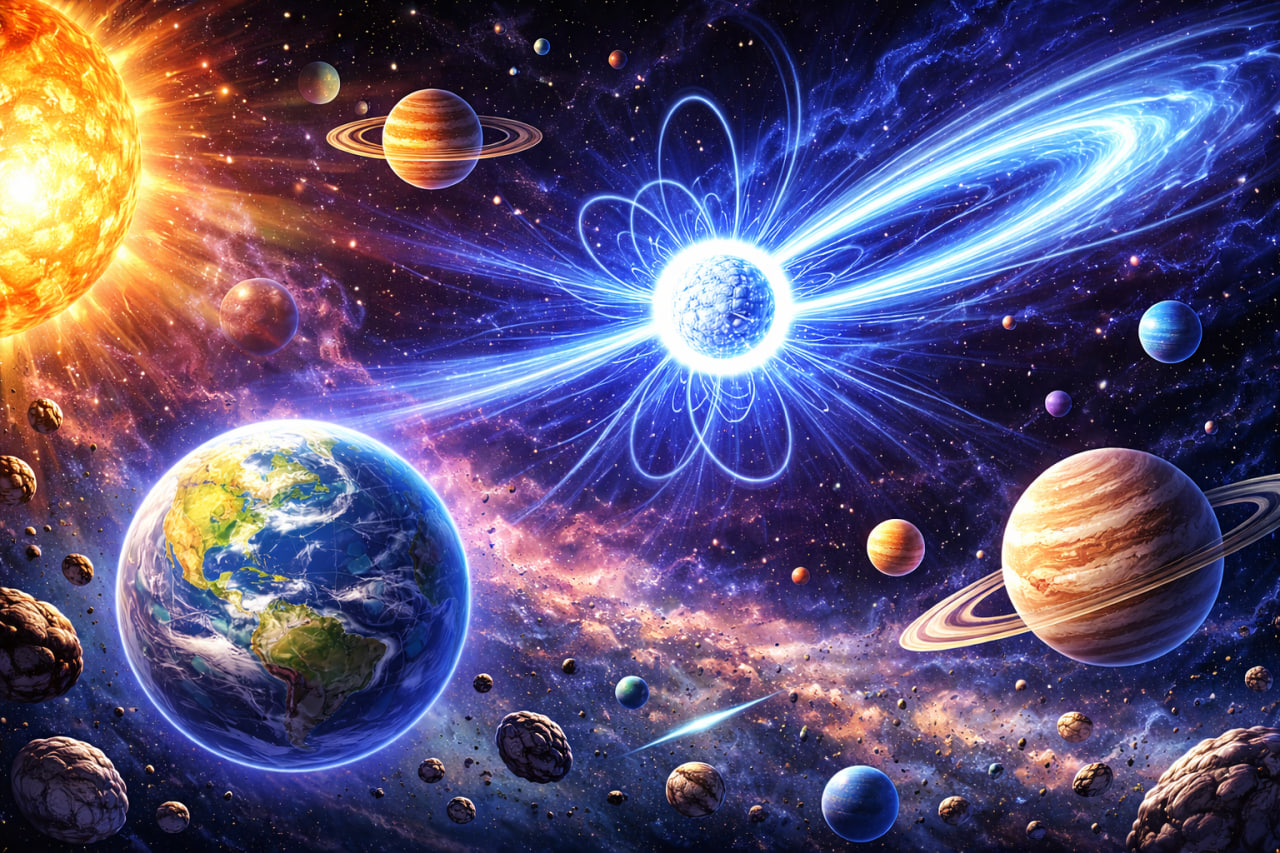
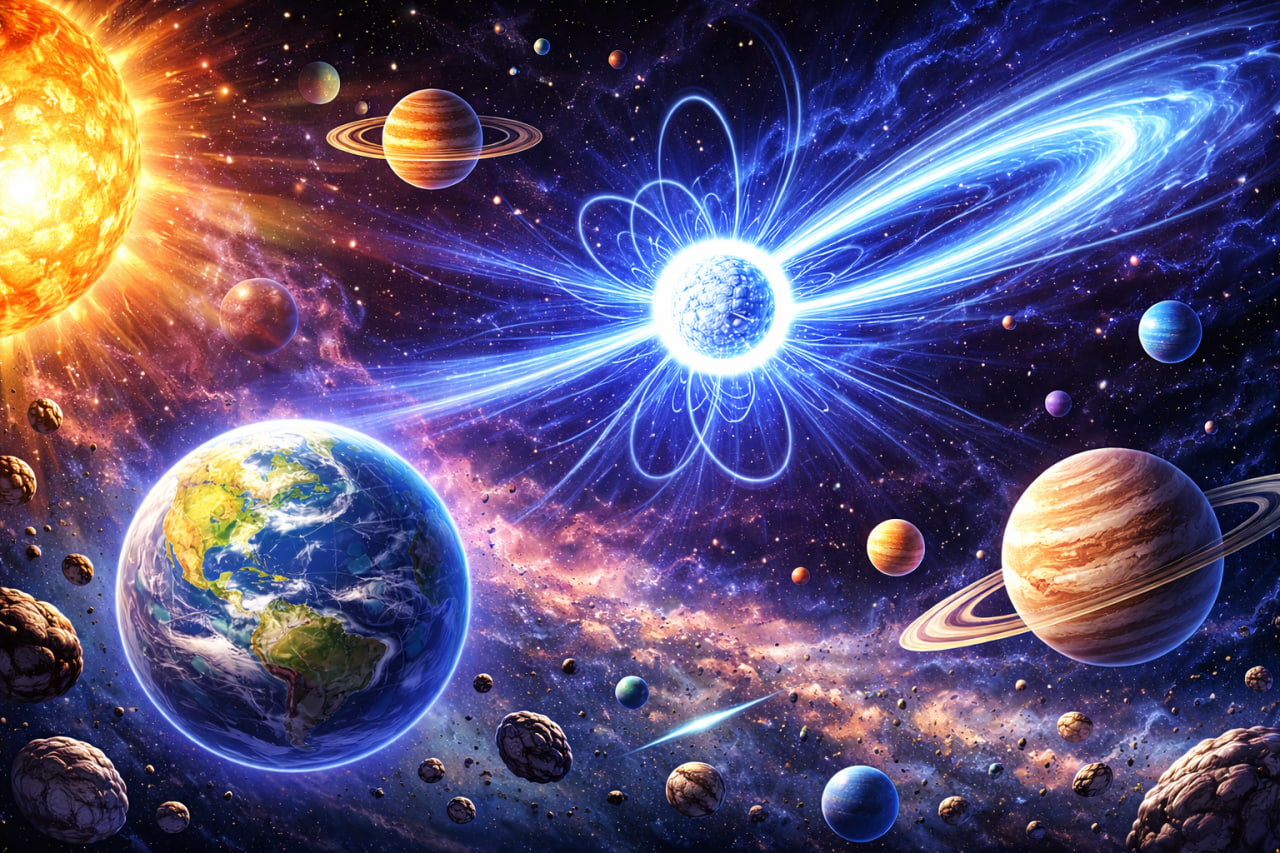
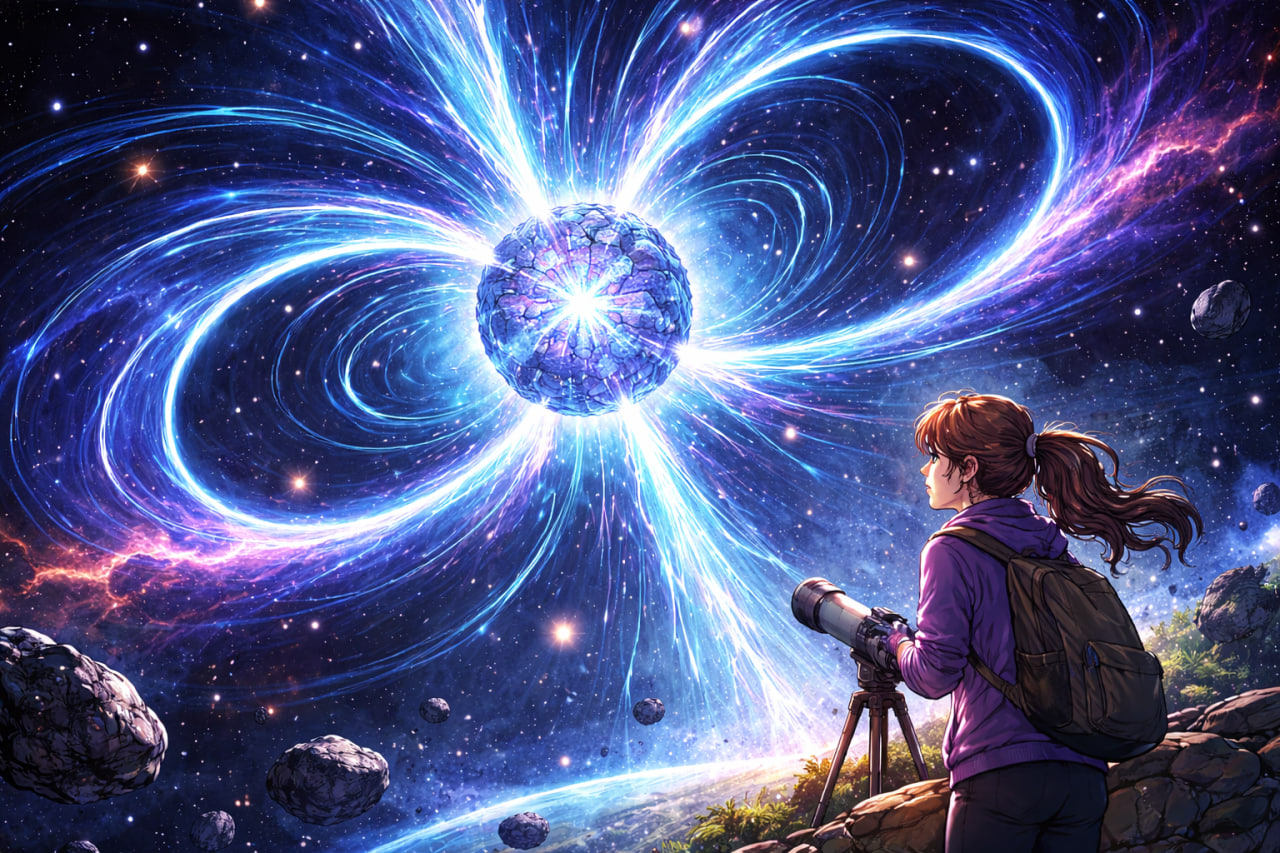
A neutron star passing close to the Solar System would be one of the most extreme astrophysical encounters imaginable. Neutron stars are remnants of massive stars that collapsed after supernova explosions, concentrating enormous mass into an incredibly small volume. Despite their compact size, their gravitational and electromagnetic influence is immense. Such an event is extraordinarily unlikely, but examining it allows scientists to understand how fragile—or resilient—planetary systems are in a dynamic galaxy. This scenario highlights the balance between cosmic forces and the stability of our Solar System.

What Would Happen If a Neutron Star Passed Near the Solar System?
Space Stories Universe What if?

What Would Happen If a Neutron Star Passed Near the Solar System?

A neutron star passing close to the Solar System would be one of the most extreme astrophysical encounters imaginable. Neutron stars are remnants of massive stars that collapsed after supernova explosions, concentrating enormous mass into an incredibly small volume. Despite their compact size, their gravitational and electromagnetic influence is immense. Such an event is extraordinarily unlikely, but examining it allows scientists to understand how fragile—or resilient—planetary systems are in a dynamic galaxy. This scenario highlights the balance between cosmic forces and the stability of our Solar System.

White Holes: Theoretical Opposites of Black Holes
Space Stories Universe What if?

White Holes: Theoretical Opposites of Black Holes

White holes are one of the most intriguing and speculative concepts in modern theoretical physics. Unlike black holes, which trap everything that crosses their event horizon, white holes are imagined as regions of space where matter and energy can only escape, never enter. They emerge not from direct observation, but from mathematical solutions to Einstein’s equations of general relativity. While black holes are now well-documented astronomical objects, white holes remain hypothetical, challenging scientists to rethink the nature of time, gravity, and the structure of the universe. The idea of white holes pushes physics to its conceptual limits, blending rigorous mathematics with deep philosophical questions. Understanding white holes helps illuminate how much we still do not know about spacetime.

Planetary Collisions with Cosmic Objects
Space Stories Universe What if?

Planetary Collisions with Cosmic Objects

Collisions between planets and cosmic objects are among the most powerful and transformative events in the universe. Asteroids, comets, and even protoplanets have repeatedly reshaped planetary surfaces, atmospheres, and evolutionary paths since the birth of the solar system. Although such impacts are rare on human timescales, they play a fundamental role in shaping worlds over millions and billions of years. From the formation of moons to mass extinctions and the delivery of water and organic compounds, planetary collisions are deeply connected to the history of life and geology. Modern astronomy studies these events not as distant catastrophes, but as key mechanisms of planetary evolution. Understanding how and why planets collide with cosmic objects reveals how dynamic and interconnected the universe truly is.

Photographing Black Holes
Space Stories Universe New Discoveries

Photographing Black Holes

For decades, black holes were considered fundamentally unobservable objects, detectable only through indirect effects on surrounding matter and light. The idea of actually photographing a black hole once belonged more to science fiction than to real science. However, advances in radio astronomy, data processing, and global scientific collaboration made what seemed impossible a reality. The first images of black holes did not capture the object itself, but rather the shadow it casts against glowing material around it. These photographs marked a historic moment, confirming predictions made by Einstein’s theory of general relativity over a century ago. Understanding how black holes are photographed reveals both the limits of human technology and the extraordinary ingenuity used to overcome them.

Magnetars: The Most Powerful Magnets in the Universe
Space Stories Universe New Discoveries

Magnetars: The Most Powerful Magnets in the Universe

Magnetars are among the most extreme and mysterious objects known in astrophysics. They are a rare type of neutron star distinguished not by their mass or size, but by their extraordinary magnetic fields, the strongest ever observed in the universe. These magnetic fields are so intense that they reshape matter, distort atomic structures, and release enormous bursts of energy. Although magnetars are relatively small on cosmic scales, their influence can be felt across vast distances. Studying magnetars provides insight into physics under conditions impossible to recreate on Earth.