Space Stories

Interstellar Travel: The Breakthrough Starshot Project and Other Concepts
Space Stories Cosmic Innovations Hi-Tech

Interstellar Travel: The Breakthrough Starshot Project and Other Concepts

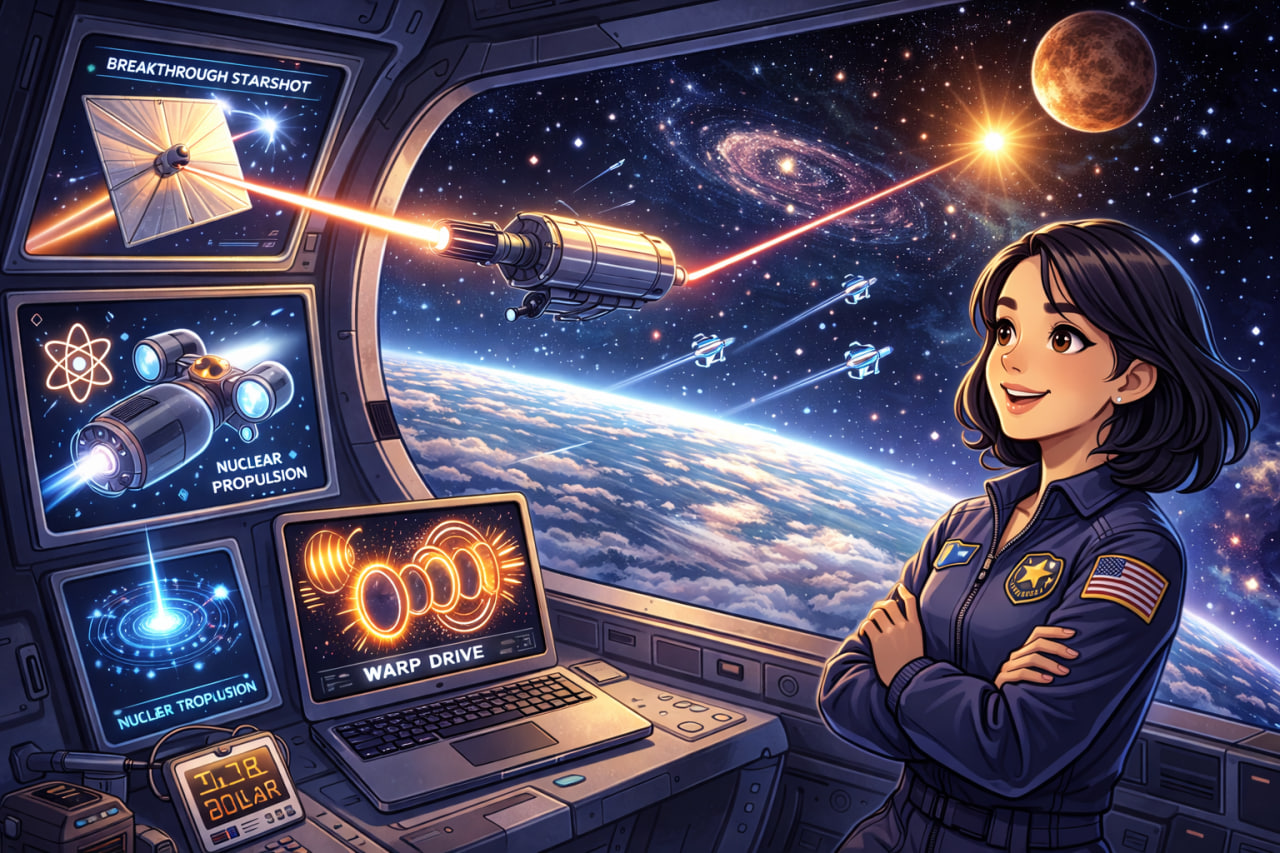
Interstellar travel—the journey beyond our solar system to other stars—has long been a dream of scientists and science fiction writers alike. Unlike missions to Mars or Jupiter, traveling to another star involves distances so vast that conventional spacecraft would require tens of thousands of years to arrive. However, in recent decades, serious scientific initiatives have begun exploring whether interstellar missions could become technically feasible. Among these efforts, Breakthrough Starshot stands out as one of the most ambitious and innovative concepts. While practical interstellar travel remains far beyond current human capability, research and theoretical engineering continue to push the boundaries of what might be possible in the future.

Radiation Protection During Long-Duration Space Travel
Space Stories Cosmic Innovations Hi-Tech

Radiation Protection During Long-Duration Space Travel

Long-duration space missions expose astronauts to radiation levels far higher than those experienced on Earth. Unlike our planet, which is protected by a magnetic field and thick atmosphere, deep space offers little natural shielding against high-energy particles. During missions to Mars or beyond, crews would spend months or even years outside Earth’s protective magnetosphere. Prolonged exposure to space radiation increases risks of cancer, nervous system damage, and other health complications. Protecting astronauts from radiation is therefore one of the most critical challenges in planning deep-space exploration. Effective solutions require a combination of engineering, biology, and mission design strategies.

Cosmic Rays: High-Energy Particles From Deep Space
Space Stories Universe New Discoveries

Cosmic Rays: High-Energy Particles From Deep Space

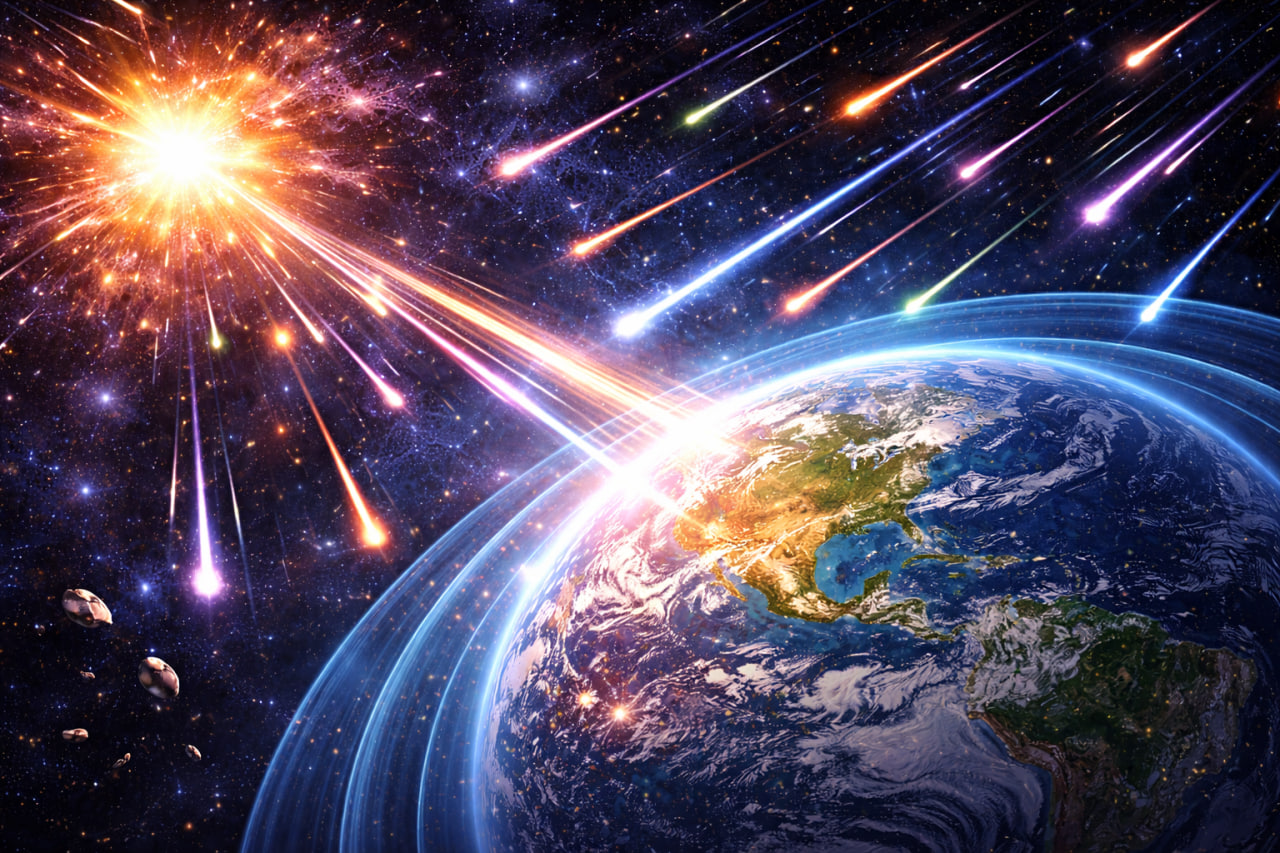
Cosmic rays are high-energy particles that travel through space at nearly the speed of light and constantly bombard Earth from all directions. Despite their name, they are not actually rays of light but mostly atomic nuclei and subatomic particles. These particles originate from powerful astrophysical events such as supernova explosions, active galactic nuclei, and possibly even more extreme cosmic phenomena. When cosmic rays reach Earth, most are deflected by the planet’s magnetic field or absorbed by the atmosphere. However, a small fraction interacts with atmospheric molecules, producing cascades of secondary particles. Studying cosmic rays helps scientists understand the most energetic processes in the universe.

Space Medicine: How Long-Term Exposure to Microgravity Changes the Human Body
Space Stories Cosmic Innovations Hi-Tech

Space Medicine: How Long-Term Exposure to Microgravity Changes the Human Body

Space medicine studies how the human body responds to the extreme conditions of space, especially prolonged exposure to microgravity, radiation, and isolation. While astronauts appear to float effortlessly in orbit, the absence of gravity triggers profound physiological changes. The human body evolved under constant gravitational pull, and when that force disappears, multiple systems begin to adapt—sometimes in harmful ways. Missions lasting months aboard space stations have revealed patterns of bone loss, muscle atrophy, cardiovascular shifts, and neurological changes. As space agencies plan missions to Mars and beyond, understanding these effects has become a central priority. Protecting astronaut health during long-duration missions is one of the most complex challenges in modern aerospace science.

A Space Station Around the Moon: Why It Is Needed and How It Could Be Built
Space Stories Cosmic Innovations Earth & Moon

A Space Station Around the Moon: Why It Is Needed and How It Could Be Built

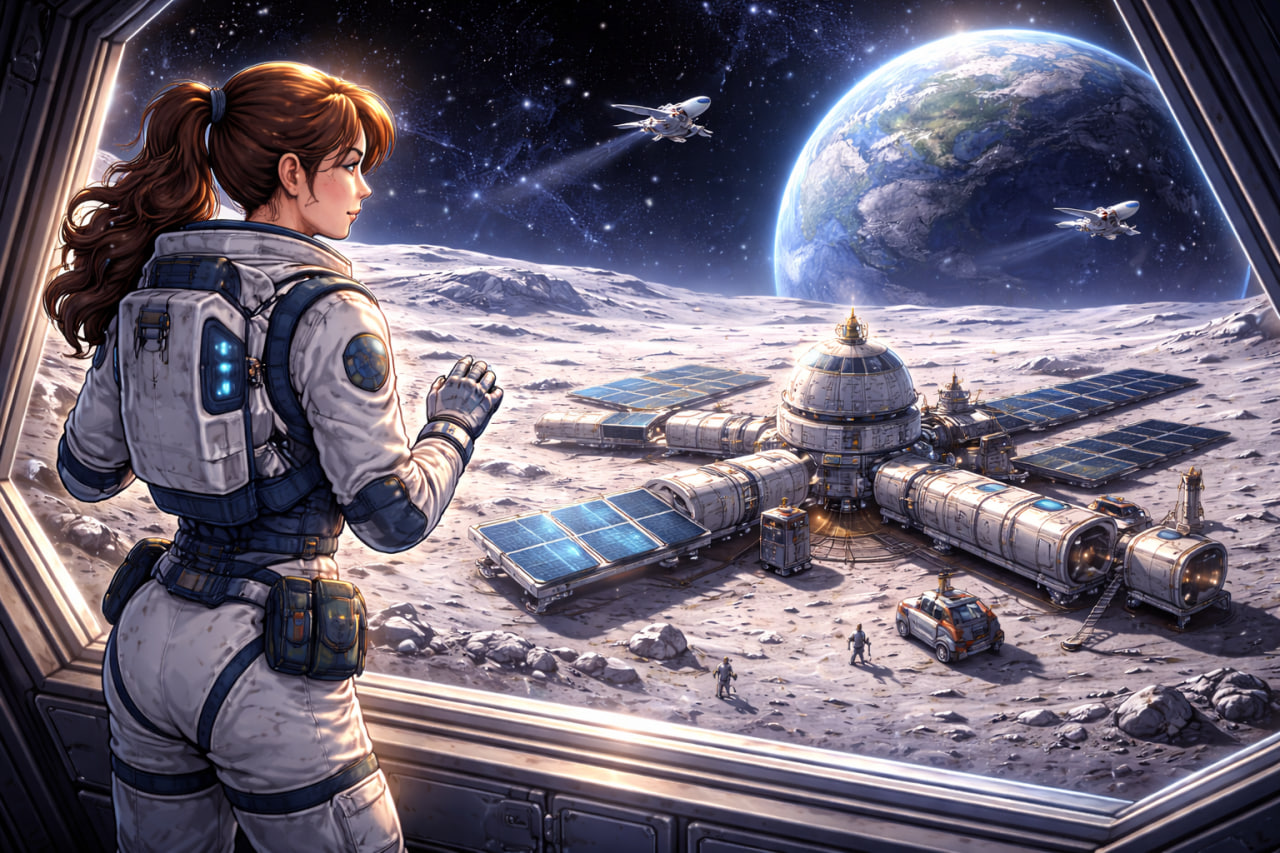
A space station orbiting the Moon represents one of the most important steps in expanding human presence beyond low Earth orbit. Unlike Earth-orbiting stations, a lunar station would serve as a gateway for deep-space missions, scientific research, and long-term exploration. Positioned in lunar orbit, it could support missions to the Moon’s surface and act as a staging point for journeys to Mars. Building such a station is technically complex but considered achievable with modern space engineering. As global interest in lunar exploration grows, a lunar space station is increasingly viewed as a strategic infrastructure project rather than a distant concept. Understanding its purpose and construction challenges reveals how humanity may extend its reach deeper into space.

Is the Colonization of Mars Possible?
Space Stories Cosmic Innovations What if?

Is the Colonization of Mars Possible?

The idea of colonizing Mars has moved from the realm of science fiction into serious scientific and engineering discussion. Advances in space technology, robotics, and life-support systems have made the Red Planet a realistic target for long-term human exploration. Mars is the most Earth-like planet in our solar system in terms of day length, seasons, and the presence of water ice, which makes it a primary candidate for human settlement. However, colonization is not simply about reaching Mars—it involves sustaining human life in one of the most hostile environments known. Understanding whether Mars colonization is possible requires examining scientific feasibility, technological challenges, and human limitations.

Asteroid Mining: Science Fiction or the New Gold Rush?
Space Stories Cosmic Innovations Universe

Asteroid Mining: Science Fiction or the New Gold Rush?

The idea of extracting valuable resources from asteroids once belonged exclusively to science fiction, but in recent years it has become a serious topic of scientific and economic discussion. Rapid progress in space technology, robotics, and automation has transformed asteroid mining from a distant dream into a long-term strategic possibility. Asteroids contain vast amounts of metals, water, and rare elements that are increasingly scarce or expensive to extract on Earth. As global demand for resources grows, interest in off-world mining continues to intensify. The central question is no longer whether asteroids contain valuable materials, but whether humanity can realistically access and use them.

Artificial Gravity: How It Works and Why Humanity Needs It
Space Stories Cosmic Innovations Universe

Artificial Gravity: How It Works and Why Humanity Needs It

Artificial gravity is a concept designed to solve one of the most serious challenges of long-term space travel: the absence of natural gravity. While weightlessness may look fascinating, prolonged exposure to microgravity has significant negative effects on the human body, including muscle loss, bone weakening, and cardiovascular changes. To support long-duration missions, space stations, and future colonies, scientists and engineers have explored ways to simulate gravity using physical principles rather than massive planets. Artificial gravity is not science fiction—it is a scientifically grounded idea with real experimental foundations. Understanding how it works reveals how humans may one day live comfortably beyond Earth.

Strange Matter: What Is It and Does It Exist in Neutron Stars?
Space Stories Universe New Discoveries

Strange Matter: What Is It and Does It Exist in Neutron Stars?

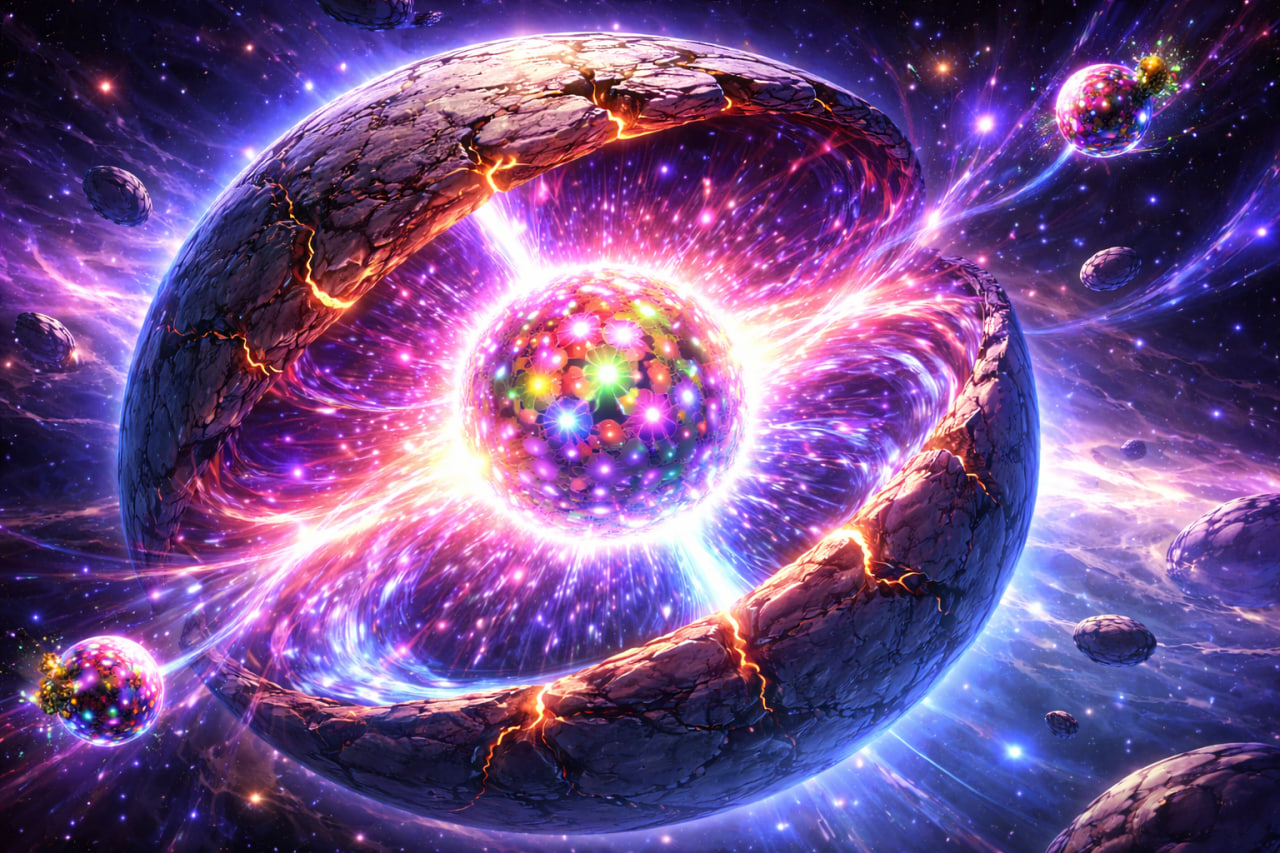
Strange matter is one of the most intriguing and speculative concepts in modern astrophysics and particle physics. It refers to a hypothetical form of ultra-dense matter that may exist under extreme pressures, far beyond anything achievable in laboratories on Earth. Scientists became interested in strange matter while studying the interiors of neutron stars, where gravity compresses matter to densities that challenge our understanding of physics. Under such conditions, familiar particles may break down into more exotic states, potentially forming entirely new phases of matter. If strange matter truly exists, it could fundamentally reshape how we understand neutron stars, cosmic evolution, and the behavior of matter at its most extreme limits.

Pulsars: Cosmic Beacons of the Universe
Space Stories Universe New Discoveries

Pulsars: Cosmic Beacons of the Universe

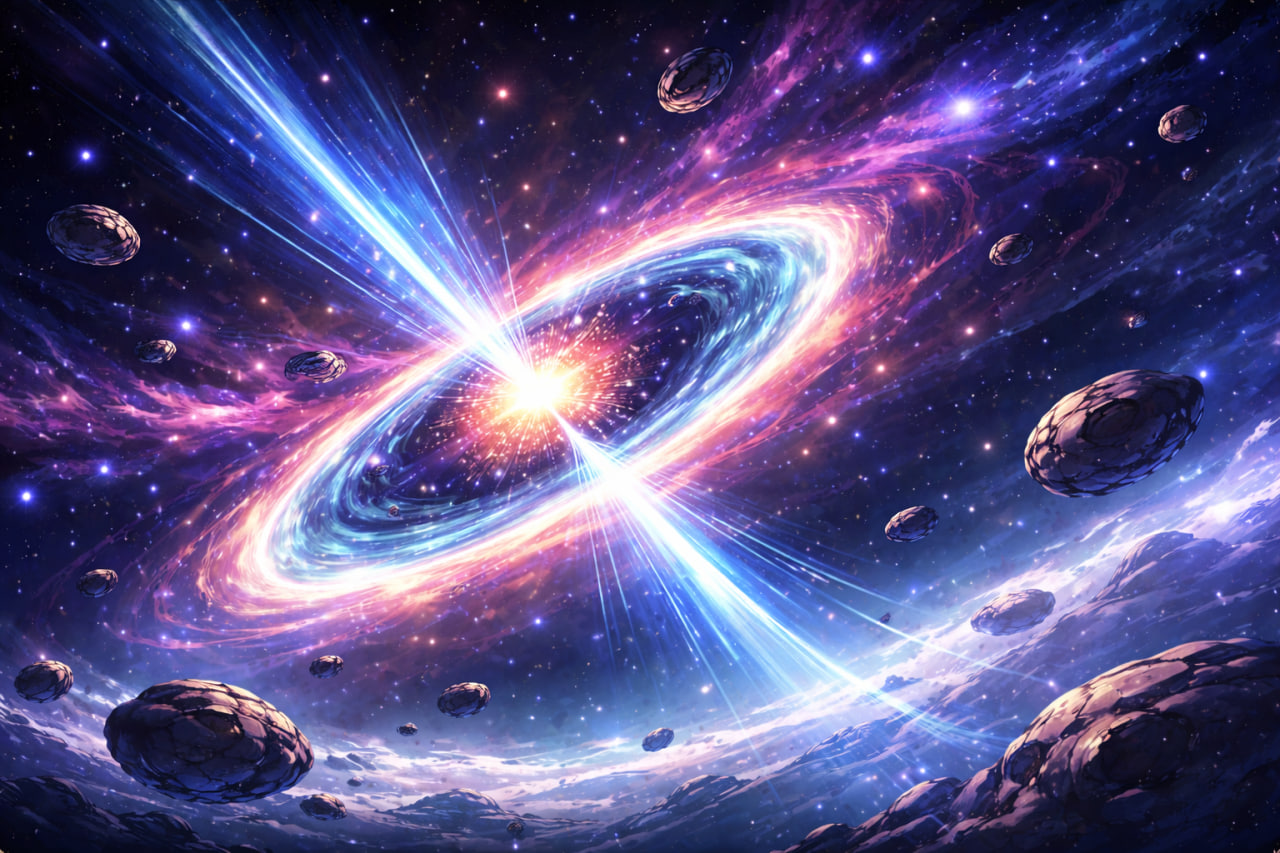
Pulsars are among the most extraordinary objects in the universe, acting like precise cosmic lighthouses that sweep beams of radiation across space. First discovered in 1967, these rapidly spinning remnants of massive stars challenged scientists’ understanding of matter, gravity, and time itself. What makes pulsars unique is their incredible regularity: some rotate hundreds of times per second, emitting signals so stable they rival atomic clocks. These objects are not only fascinating remnants of stellar death but also powerful tools for studying extreme physics. By observing pulsars, astronomers gain insight into the behavior of matter under conditions that cannot be reproduced on Earth.