Space Stories

Space Debris: What It Is and What We Can Do About It
Space Stories Be Smart Earth & Moon

Space Debris: What It Is and What We Can Do About It

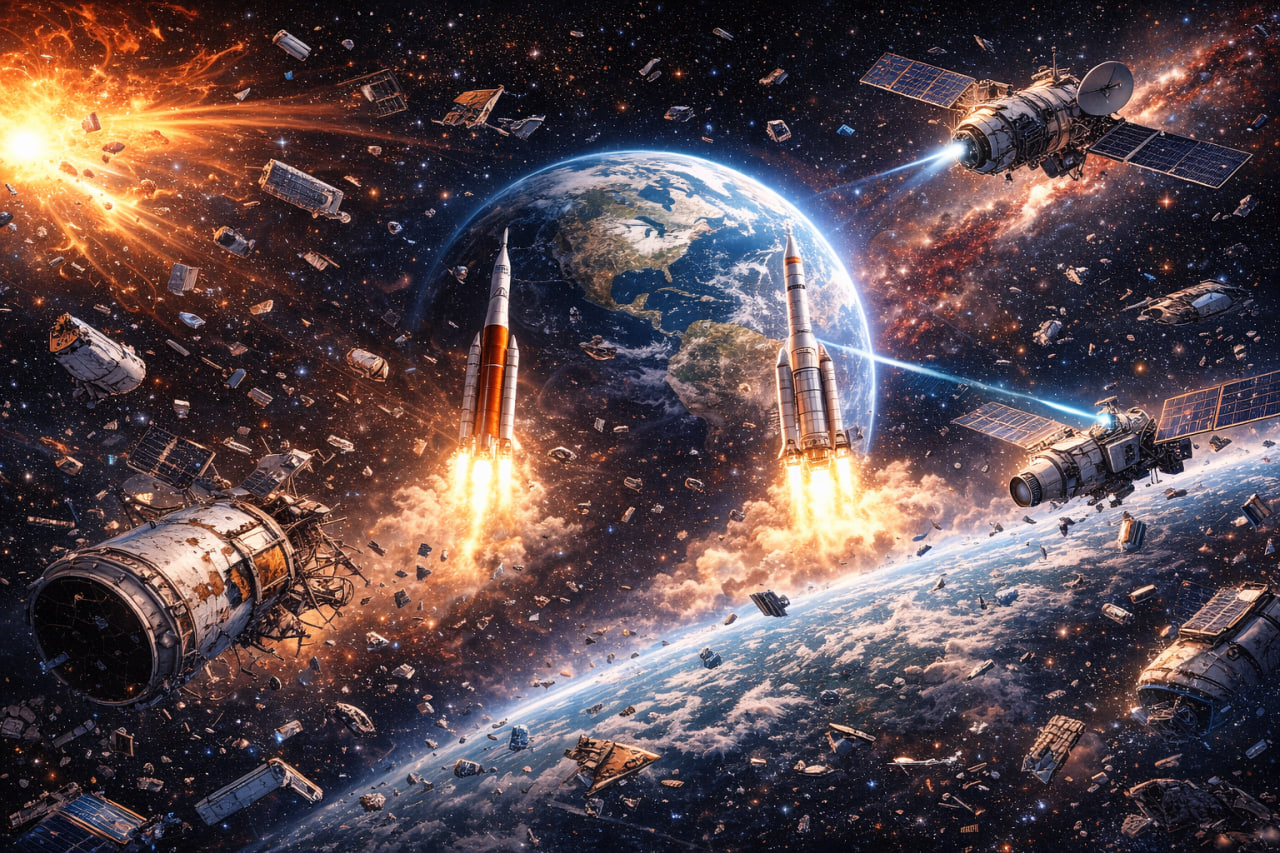
Space debris, often called space junk, refers to defunct satellites, fragments from collisions, and leftover parts of rockets orbiting Earth. While invisible to most people, this growing cloud of debris poses a serious threat to active satellites, space missions, and future exploration. Even tiny fragments can travel at extremely high speeds, making them capable of causing significant damage. As humanity becomes increasingly dependent on satellite technology, the issue of space debris is becoming more urgent. Understanding its origins and solutions is essential for maintaining safe and sustainable access to space.
Kessler Syndrome: When Space Becomes Too Dangerous to Use
Space Stories Be Smart Solar System

Kessler Syndrome: When Space Becomes Too Dangerous to Use

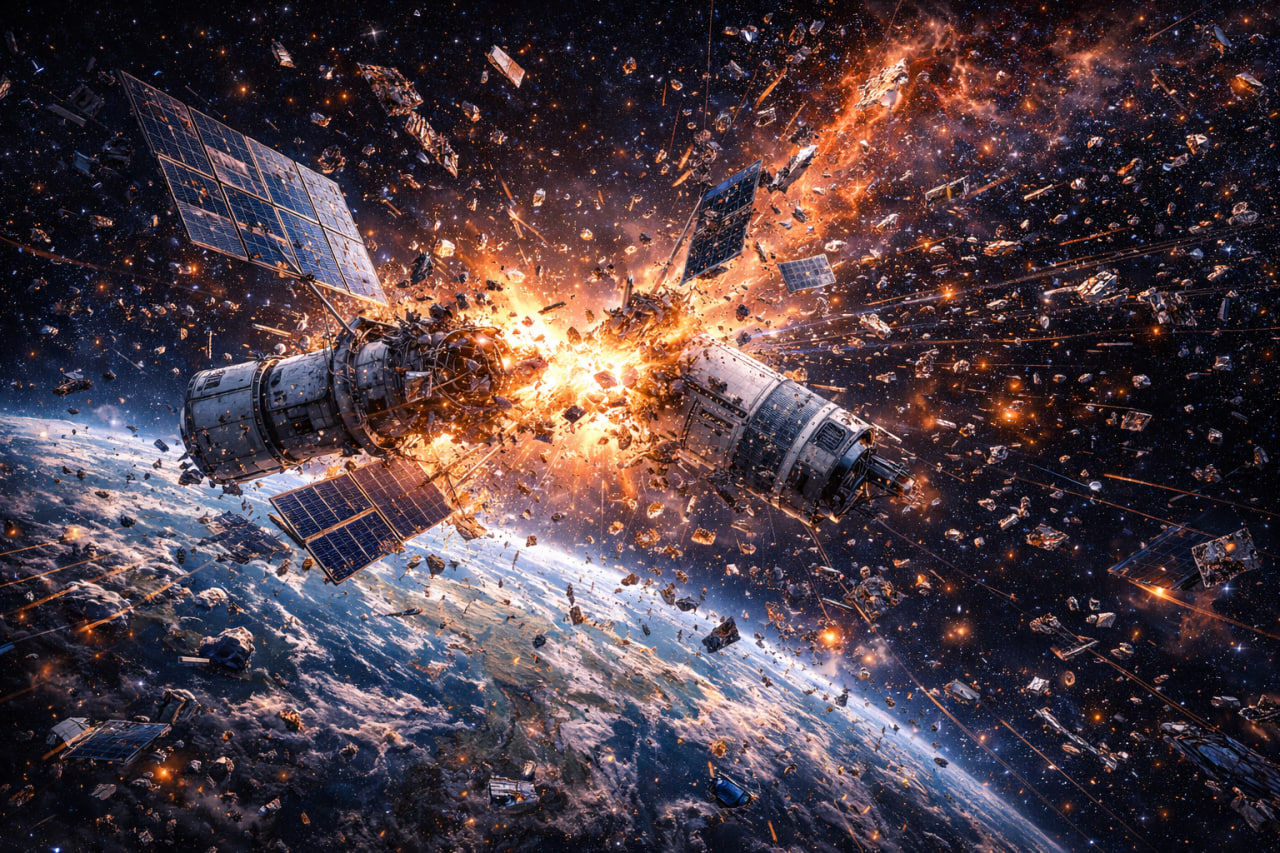
The Kessler Syndrome is a theoretical scenario in which the amount of space debris in Earth’s orbit becomes so dense that collisions between objects create a chain reaction, generating even more debris. Over time, this process could make certain orbits unusable, threatening satellites, space missions, and even future exploration. First proposed in 1978 by NASA scientist Donald Kessler, the concept has become increasingly relevant as the number of satellites and debris fragments continues to grow. What once seemed like a distant possibility is now considered a real and growing risk in modern space operations.

How Satellites Are Launched Into Orbit: From Earth to Space
Space Stories Cosmic Innovations Smart Technology

How Satellites Are Launched Into Orbit: From Earth to Space

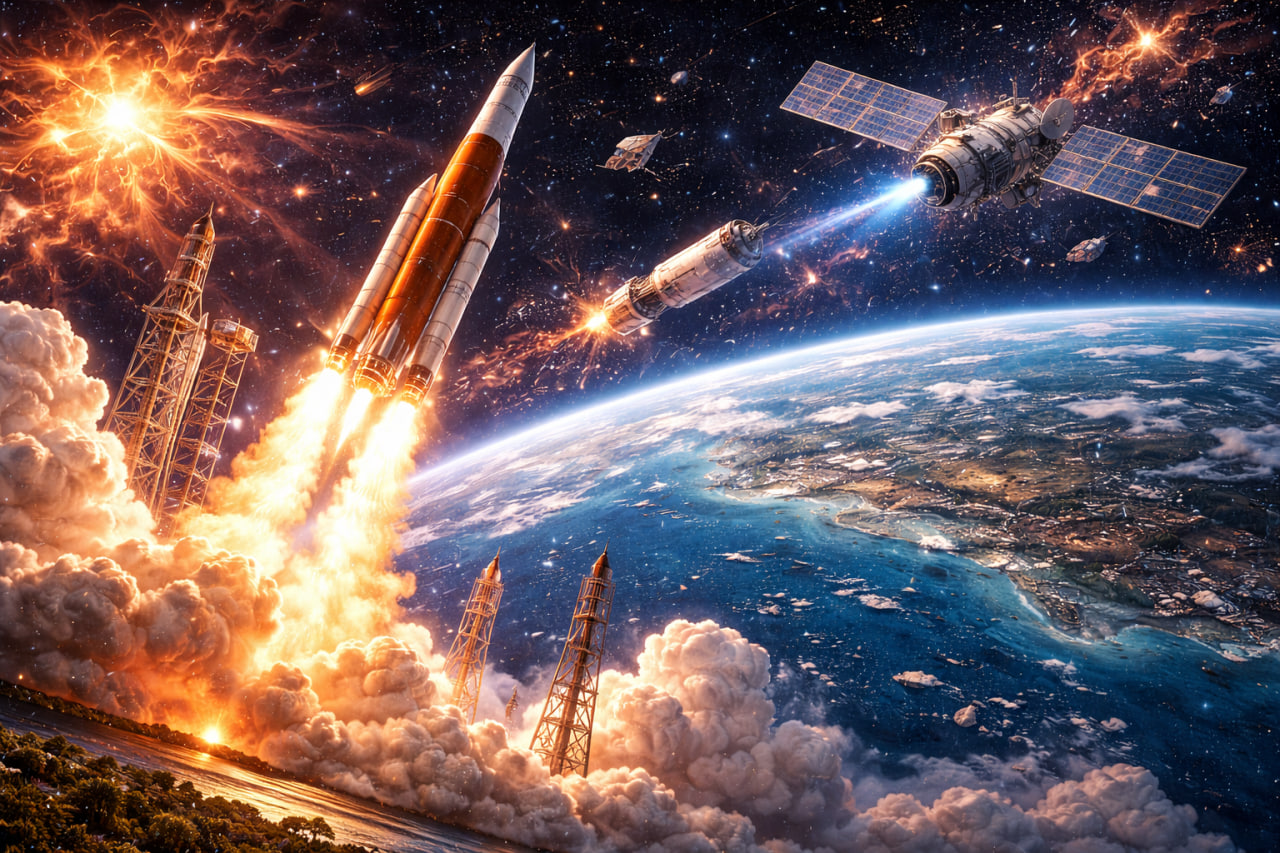
Launching a satellite into orbit is one of the most complex and precise processes in modern engineering. It requires overcoming Earth’s gravity, achieving the correct speed, and placing the satellite on a carefully calculated path around the planet. This process combines rocket science, physics, and advanced navigation systems. Every launch must be precisely timed and executed to ensure the satellite reaches its intended orbit safely and efficiently. Understanding how satellites are launched reveals the incredible coordination and technology behind everyday services like GPS, communication, and weather forecasting.

Cosmic Microwave Background: The Echo of the Big Bang
Space Stories Universe Science

Cosmic Microwave Background: The Echo of the Big Bang

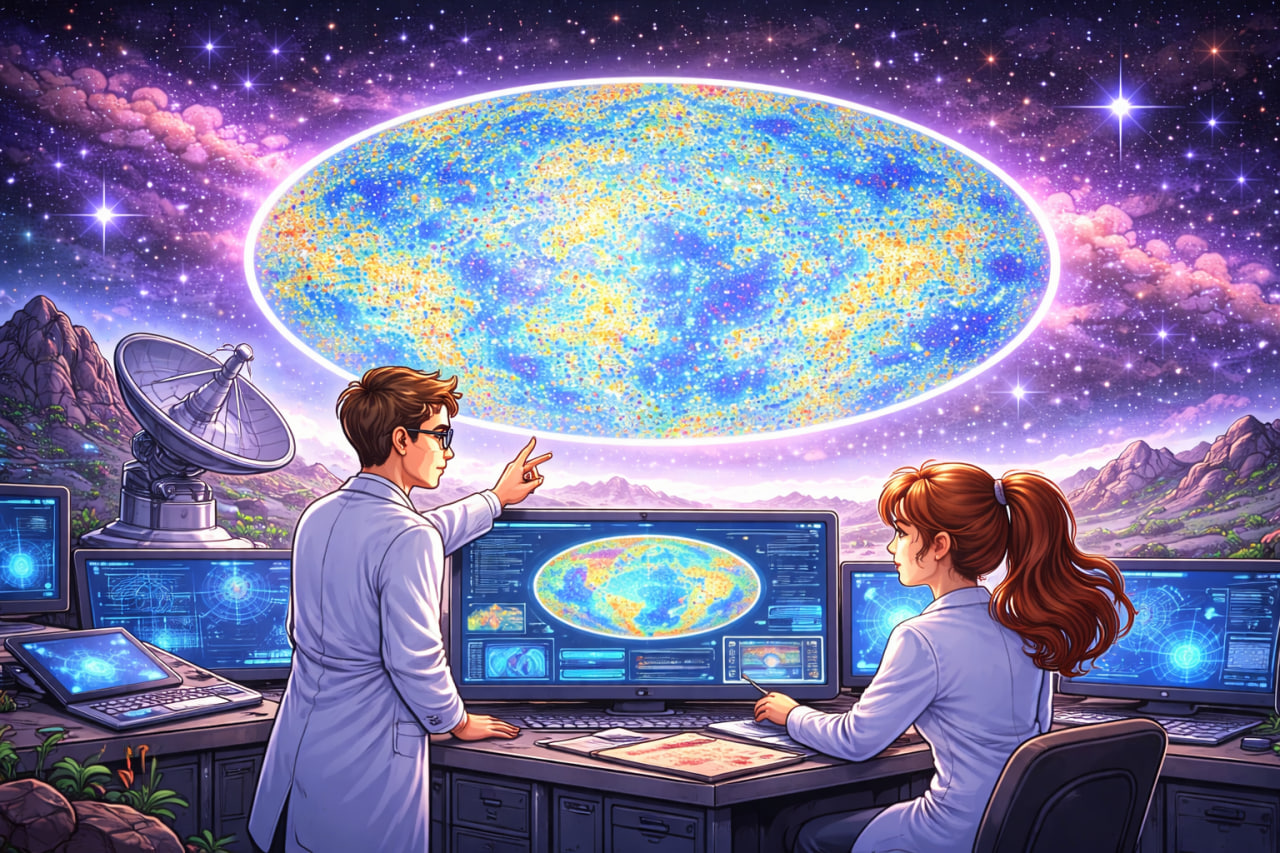
The cosmic microwave background (CMB) is one of the most important discoveries in modern cosmology, often described as the afterglow of the Big Bang. It is a faint radiation that fills the entire universe, detectable in every direction and providing a snapshot of the cosmos when it was only about 380,000 years old. At that early stage, the universe had cooled enough for electrons and protons to combine into neutral atoms, allowing light to travel freely for the first time. This moment, known as recombination, effectively released the radiation we now observe as the CMB. Studying this ancient signal allows scientists to understand the origin, structure, and evolution of the universe. It is not just a background noise—it is a detailed map of the early cosmos encoded in radiation.

Dead Galaxies: Who Turned Off the Light?
Space Stories Universe Science

Dead Galaxies: Who Turned Off the Light?

Galaxies are vast systems of stars, gas, dust, and dark matter, but not all of them shine with the same intensity. Some galaxies, known as “quenched” or “dead galaxies,” have stopped forming new stars, leaving them dim, red, and slowly fading over time. Unlike active galaxies filled with bright, young stars, these systems are dominated by older, cooler stars that emit less energetic light. Scientists have long tried to understand what causes galaxies to “turn off,” since star formation is the key process that keeps galaxies alive and luminous. The mystery is not just about what stops star birth, but also about what prevents it from restarting. Exploring this phenomenon helps astronomers understand how galaxies evolve and how the universe itself changes over billions of years.

The First Stars of the Universe: Cosmic Dawn
Space Stories History Universe

The First Stars of the Universe: Cosmic Dawn

The first stars in the universe marked a turning point known as the cosmic dawn, when darkness gave way to light for the very first time. After the Big Bang, the universe spent hundreds of millions of years in a period often called the cosmic dark ages, where no stars or galaxies yet existed. During this time, matter slowly gathered under gravity, forming dense regions of gas that would eventually ignite the first stars. These early stars were fundamentally different from those we see today, as they were composed almost entirely of hydrogen and helium. Their formation not only illuminated the universe but also began the process of creating heavier elements necessary for planets and life. Understanding these first stars helps scientists uncover how structure, light, and complexity emerged in the early universe.

Tabby’s Star: The Strangest Star and What Dims Its Light
Space Stories Universe New Discoveries

Tabby’s Star: The Strangest Star and What Dims Its Light

Tabby’s Star, also known as KIC 8462852, is one of the most mysterious objects ever discovered in our galaxy. It attracted global attention because of its unusual and irregular drops in brightness. Unlike typical stars, which dim in predictable ways when planets pass in front of them, this star shows deep and unpredictable fluctuations. Sometimes its brightness drops by more than 20%, which is extremely unusual. These strange patterns have led scientists to explore many possible explanations. Some early ideas even suggested the possibility of alien megastructures, although this remains highly speculative. Today, Tabby’s Star is a key subject in astrophysics research.

Accretion Disks: How Matter Accelerates to Near Light Speed
Space Stories Universe Star Wars

Accretion Disks: How Matter Accelerates to Near Light Speed

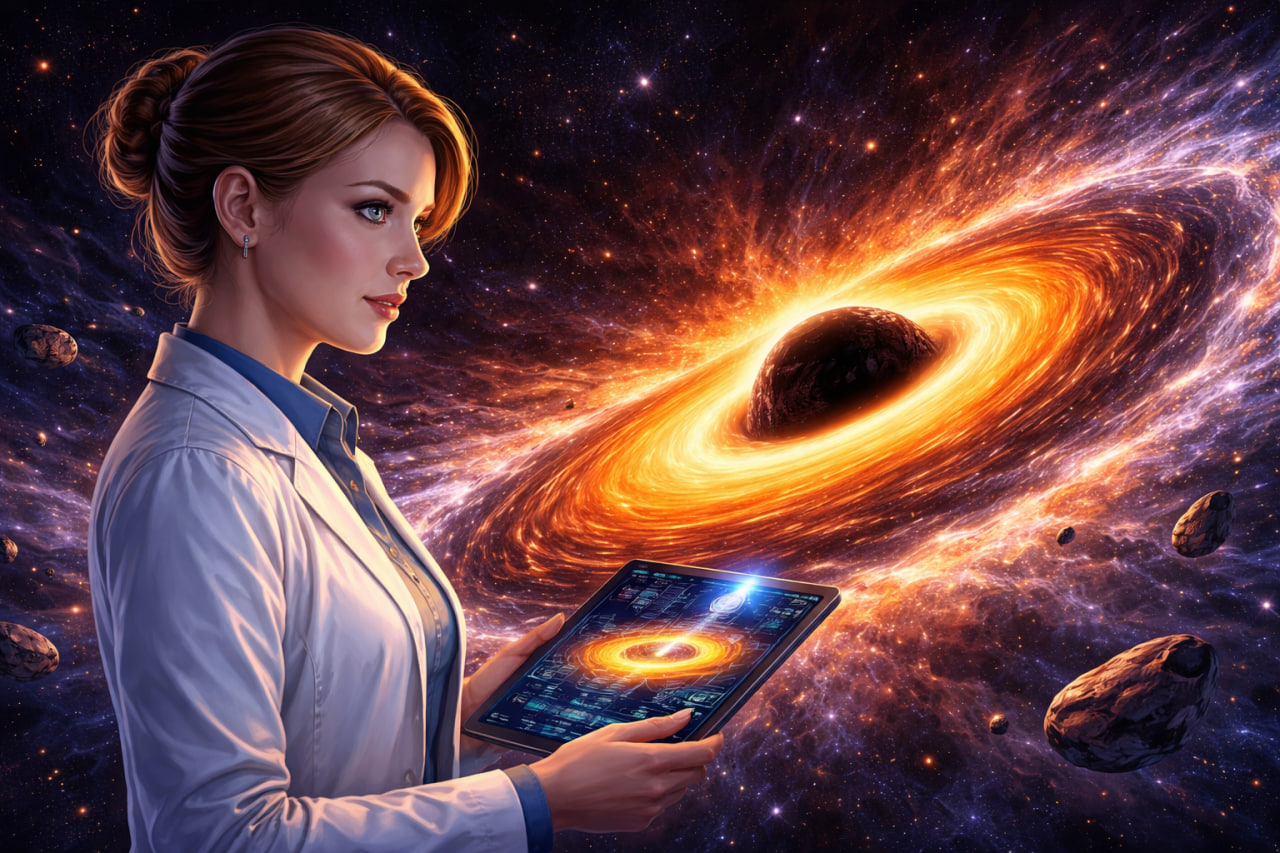
Accretion disks are some of the most extreme and fascinating structures in the universe. They form when matter spirals toward a massive object such as a black hole, neutron star, or white dwarf. Instead of falling straight in, the material forms a rotating disk due to angular momentum. As particles move inward, they accelerate and heat up dramatically. In the most extreme cases, matter in accretion disks can approach significant fractions of the speed of light. These environments are among the brightest sources of radiation in the universe. Studying accretion disks helps scientists understand gravity, energy, and high-speed physics.

Jets in Space: What They Are and How They Form
Space Stories Universe Star Wars

Jets in Space: What They Are and How They Form

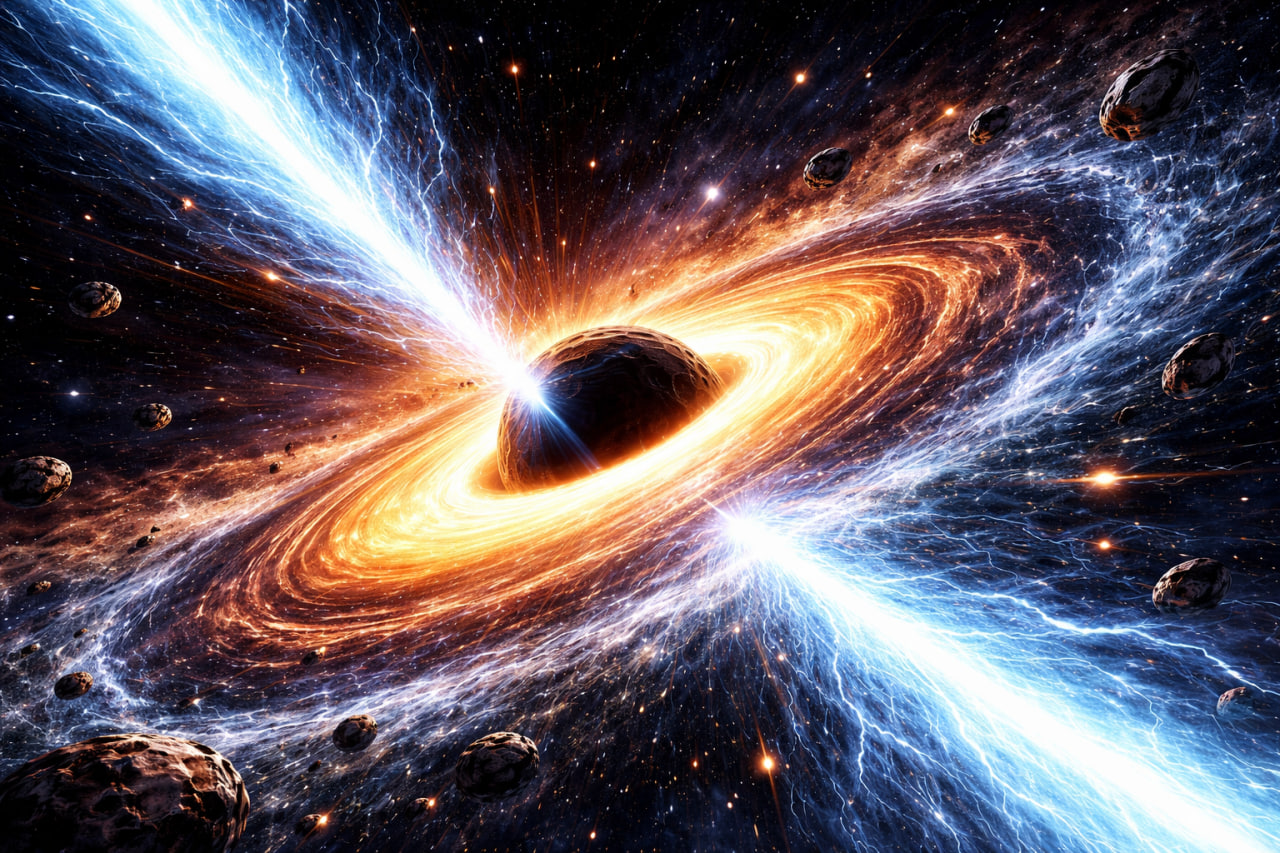
Astrophysical jets are powerful, narrow streams of matter and energy that are ejected from some of the most extreme objects in the universe. They are commonly associated with black holes, neutron stars, and young stars surrounded by accretion disks. These jets can travel enormous distances, sometimes stretching across thousands or even millions of light-years. Despite their immense energy, jets remain highly focused and structured. They move at extremely high speeds, often approaching the speed of light. These phenomena are among the most energetic events known in astrophysics. Studying jets allows scientists to better understand how matter behaves under extreme gravitational and magnetic conditions.

Space Weather: How Solar Storms Could Disrupt Electricity and the Internet
Space Stories Universe Solar System

Space Weather: How Solar Storms Could Disrupt Electricity and the Internet

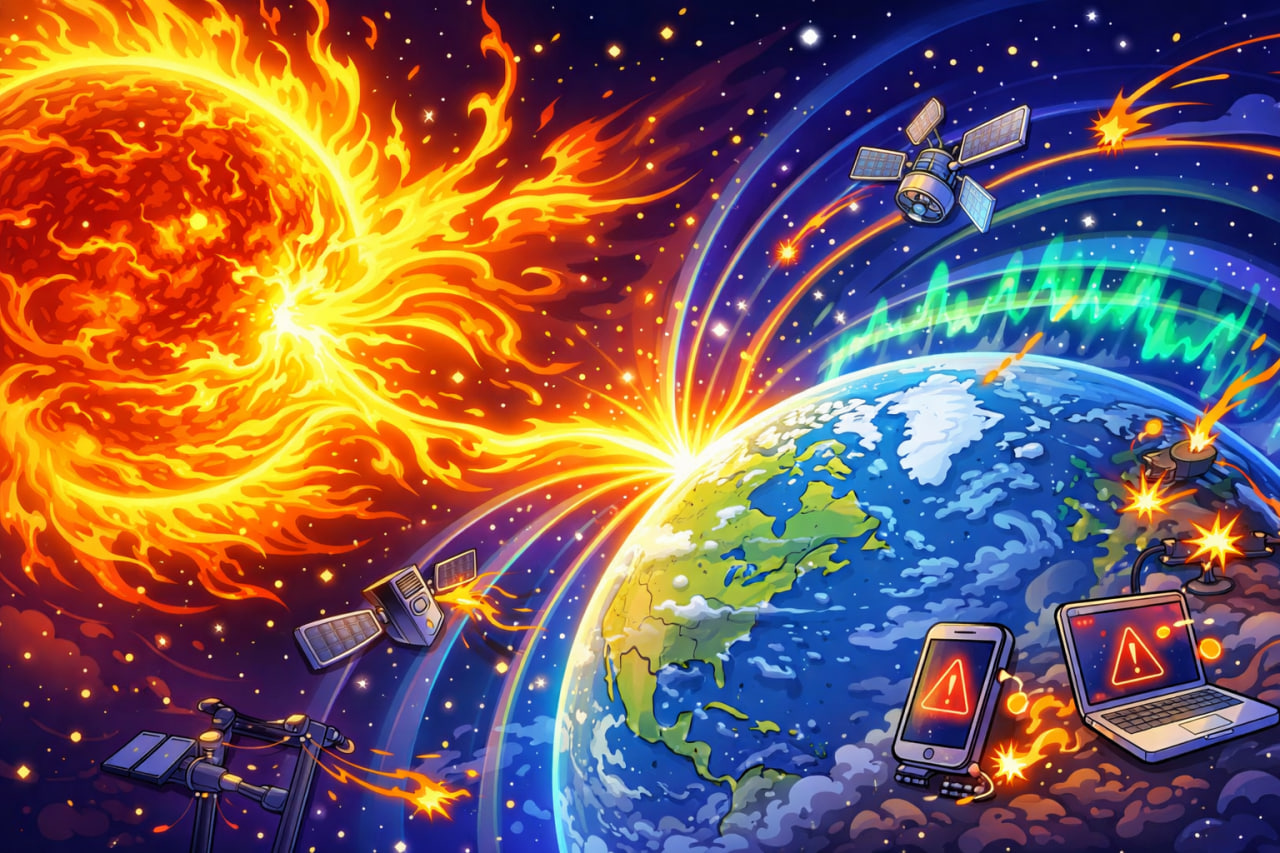
Space weather refers to conditions in space that are influenced by the activity of the Sun, particularly solar flares and coronal mass ejections. Although space may seem distant, solar activity can have direct and powerful effects on Earth. These events release enormous amounts of energy and charged particles that travel through space at high speeds. When they reach Earth, they interact with the planet’s magnetic field and atmosphere. Under certain conditions, this interaction can disrupt modern technological systems. In a world that depends heavily on electricity and digital communication, such disruptions could have serious consequences. Understanding space weather is essential for protecting infrastructure and maintaining global stability.