Space Stories

Through Hardships to the Stars
Space Stories History Be Smart

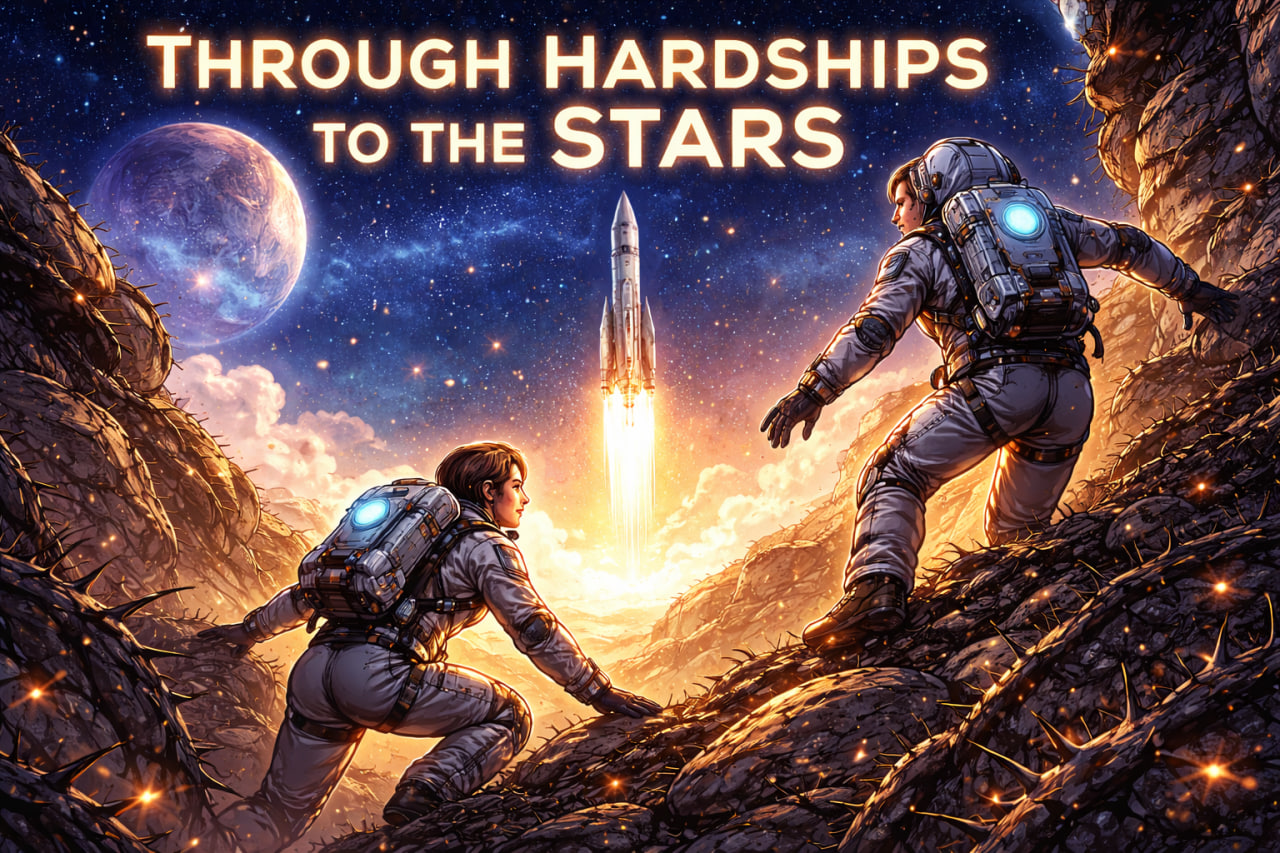
Through Hardships to the Stars

The phrase “Through hardships to the stars” symbolizes the idea that great achievements require perseverance, effort, and the ability to overcome obstacles. It reflects a universal truth: progress—whether personal, scientific, or societal—rarely comes easily. From ancient explorers to modern astronauts, humanity has always faced challenges on the path toward discovery. Yet it is precisely these difficulties that shape growth, strengthen determination, and make success meaningful. This concept applies not only to space exploration but also to everyday life, where persistence often determines the difference between failure and achievement.
Could Earth Turn Into Venus?
Space Stories Solar System What if?

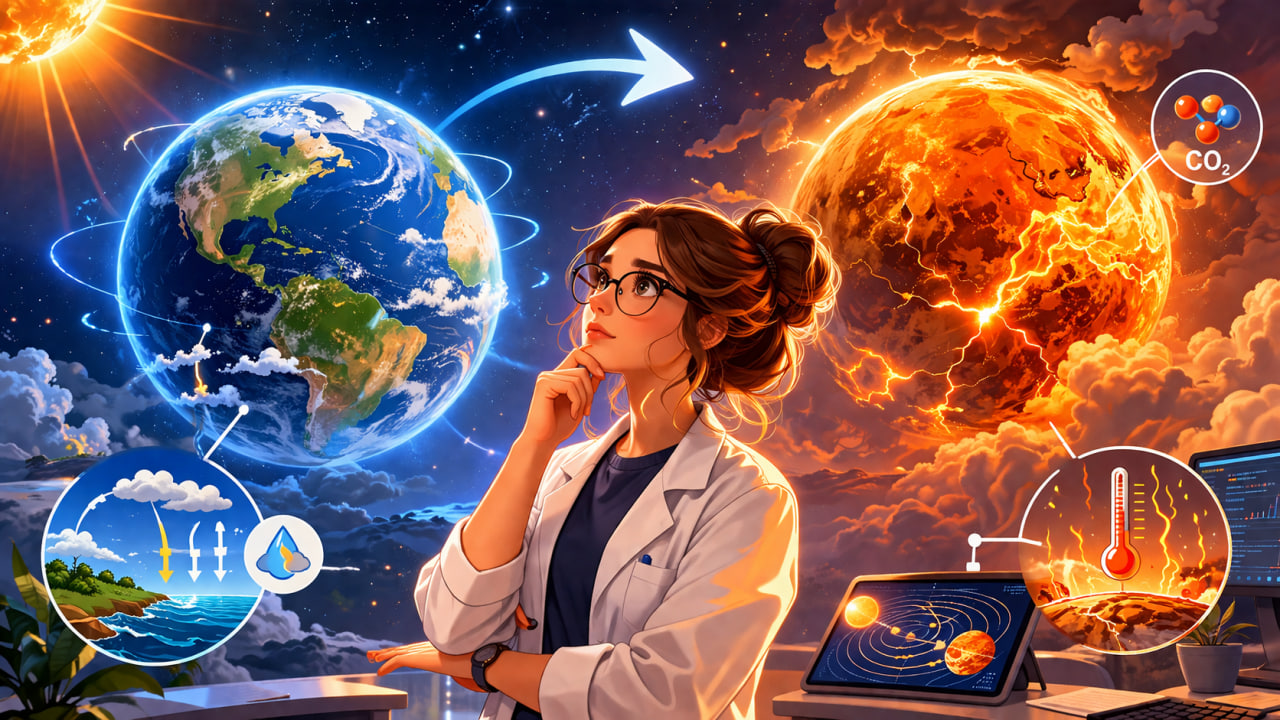
Could Earth Turn Into Venus?

The idea that Earth could one day become like Venus—a hot, hostile planet with crushing pressure and toxic clouds—may sound alarming, but it raises important scientific questions about climate and planetary evolution. Venus is often called Earth’s “twin” because of its similar size and composition, yet the two planets developed in dramatically different ways. While Earth supports life, Venus became an extreme world dominated by a powerful greenhouse effect. Understanding whether Earth could follow a similar path helps scientists study climate stability and the limits of habitability. The short answer is that while some processes are similar, a full transformation like Venus is extremely unlikely under current conditions.

How Venus Became a Hellish Planet
Space Stories Universe Be Smart

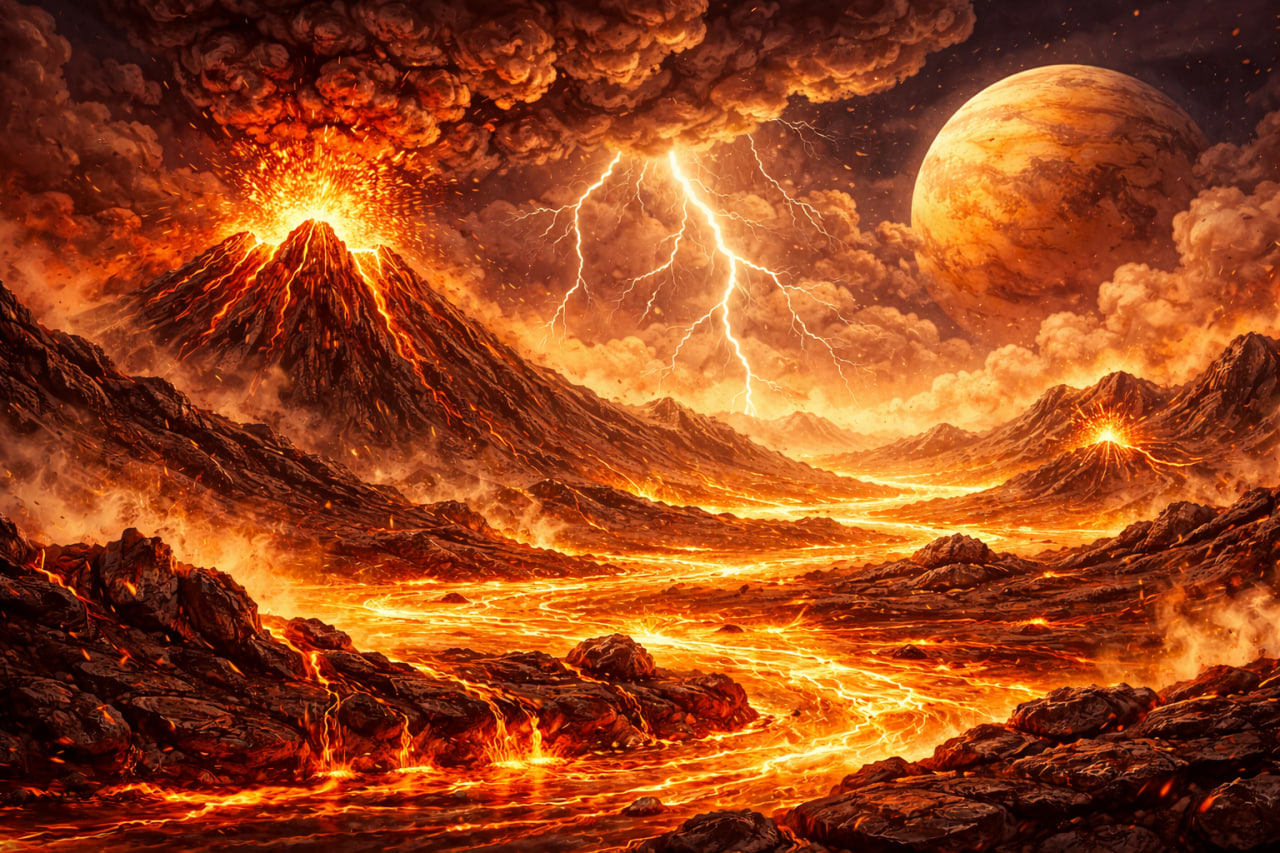
How Venus Became a Hellish Planet

Venus is often called Earth’s “twin” because of its similar size, composition, and location in the inner Solar System. However, despite these similarities, Venus evolved into one of the most extreme and hostile environments known, with surface temperatures hot enough to melt lead and atmospheric pressure crushing enough to destroy most spacecraft. Scientists believe that billions of years ago, Venus may have had conditions more similar to Earth, including the potential for liquid water. Over time, however, a series of runaway processes transformed the planet into a hellish world dominated by extreme heat and a toxic atmosphere. Understanding how Venus changed so dramatically provides valuable insight into planetary evolution and the delicate balance required to sustain life.

Is There Life on Mars?
Space Stories Universe Solar System

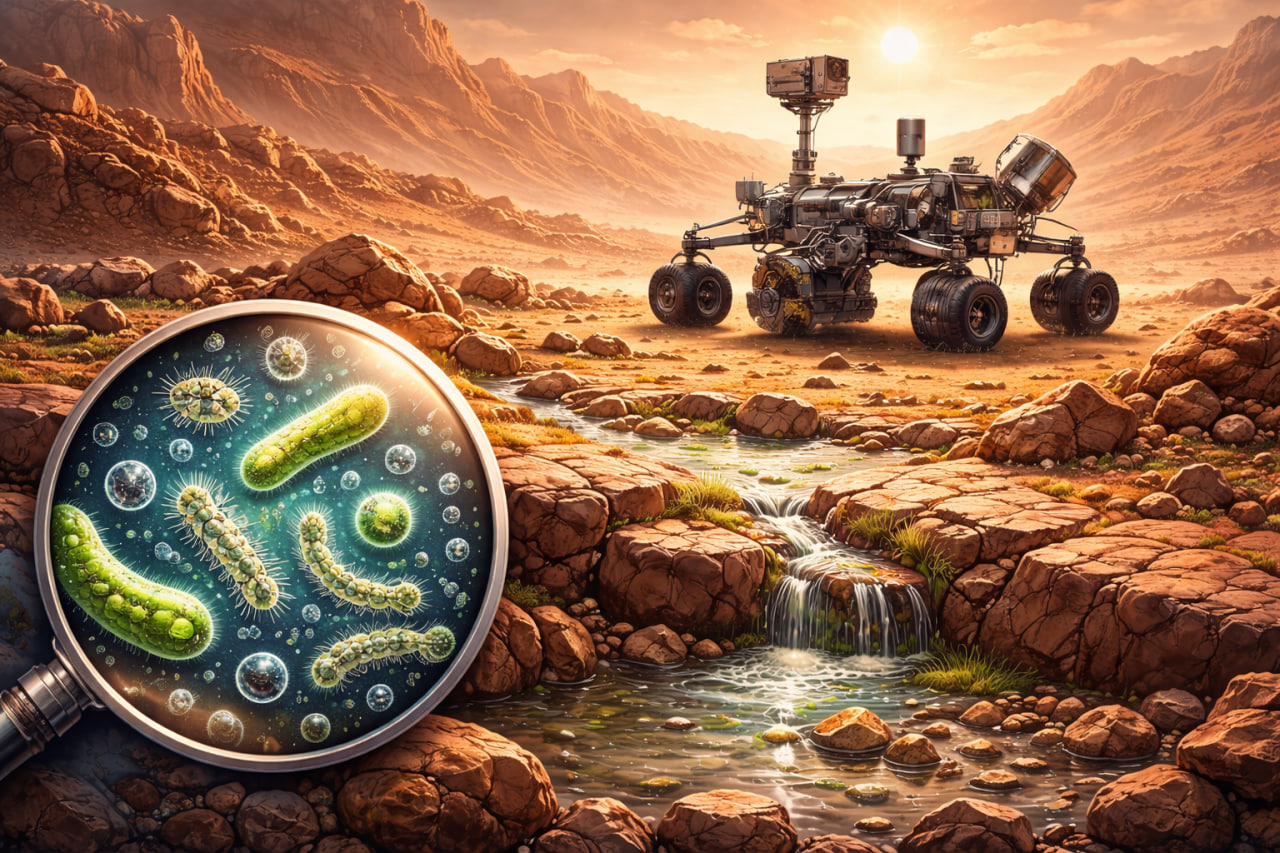
Is There Life on Mars?

The question of whether life exists on Mars has fascinated scientists and the public for generations. As one of Earth’s closest planetary neighbors, Mars shares several similarities with our planet, including seasons, polar ice caps, and evidence of ancient water. These features make it one of the most promising places in the Solar System to search for signs of past or present life. Over the past decades, robotic missions, orbiters, and rovers have collected vast amounts of data, revealing a complex history that suggests Mars was once much more hospitable than it is today. While no direct evidence of life has been confirmed, the discoveries made so far continue to raise important questions about the potential for microbial organisms beneath the planet’s surface. Understanding Mars helps scientists better understand how life might arise elsewhere in the universe.

Asteroid Psyche: A Metal World Worth More Than the Global Economy?
Space Stories Solar System News

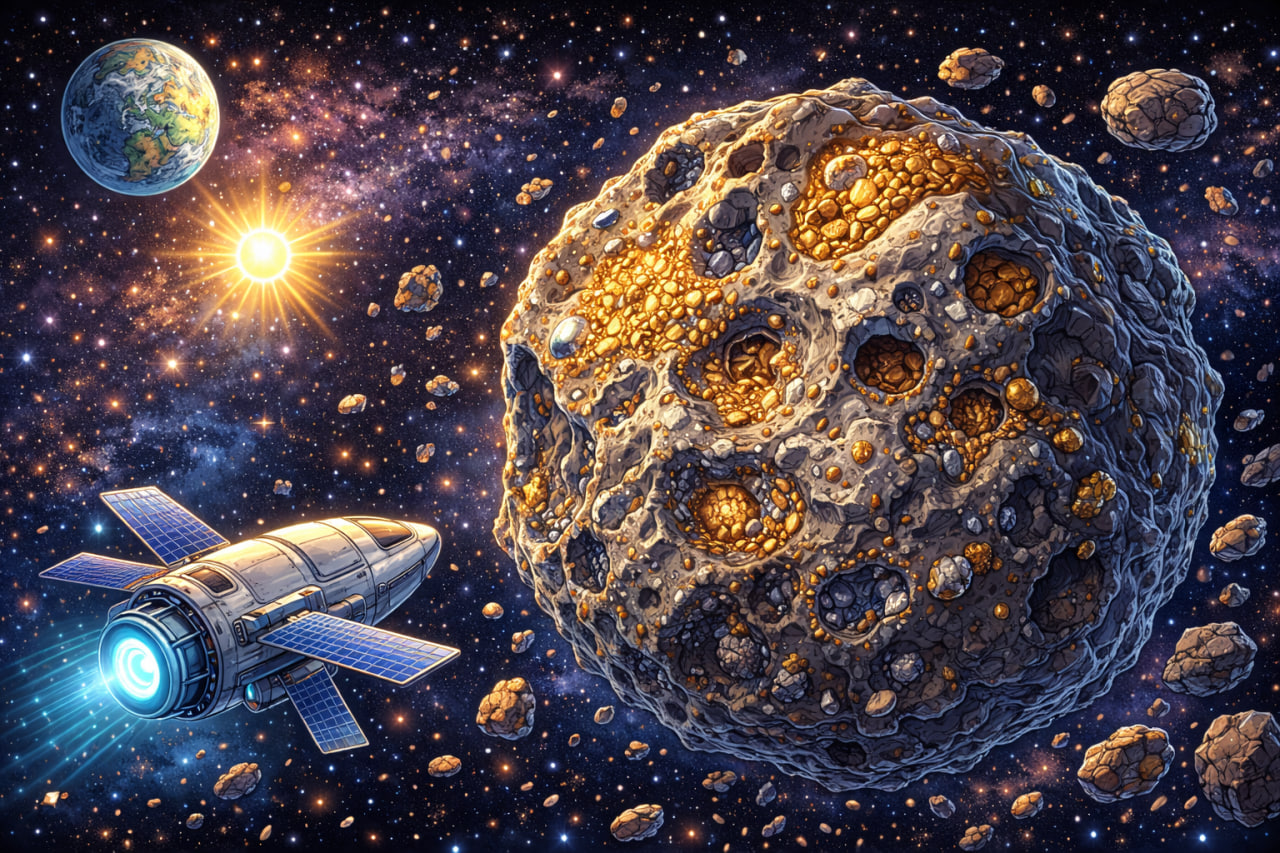
Asteroid Psyche: A Metal World Worth More Than the Global Economy?

Among the countless objects in the asteroid belt, one stands out as truly extraordinary—asteroid Psyche. Unlike most asteroids made of rock or ice, Psyche appears to be composed largely of metal, including iron and nickel. This has led scientists to suggest that it could be the exposed core of an ancient protoplanet, offering a rare glimpse into the building blocks of planets. Beyond its scientific value, Psyche has captured public imagination because of its enormous estimated economic worth, often described as exceeding the entire global economy. But what does that really mean?

Space Mining: Extracting Resources Beyond Earth
Space Stories Cosmic Innovations Hi-Tech

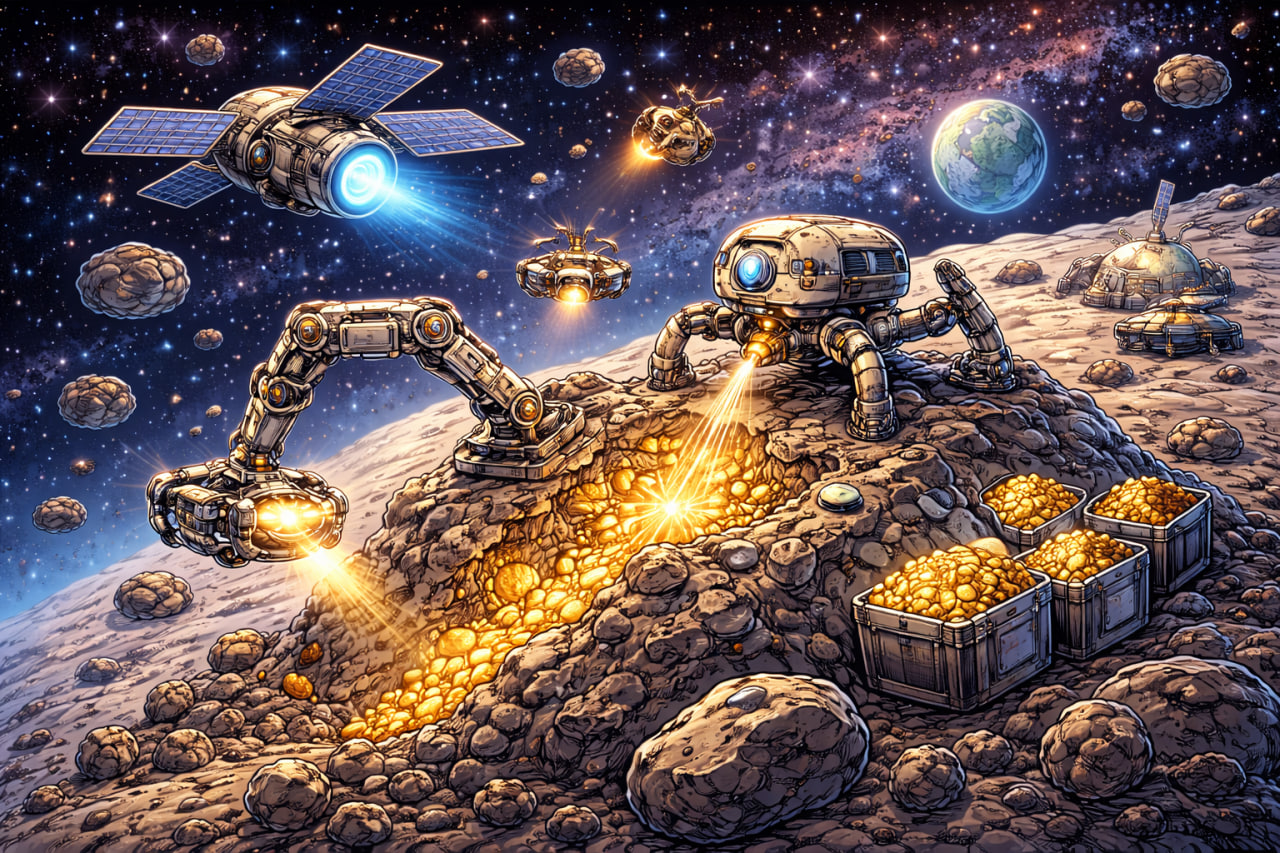
Space Mining: Extracting Resources Beyond Earth

Space mining is the concept of extracting valuable resources from celestial bodies such as asteroids, the Moon, and other planets. Once considered science fiction, it is now becoming a serious field of research as humanity looks for new sources of materials beyond Earth. With increasing demand for metals and energy, space offers vast untapped potential that could reshape the future of industry and exploration.

Artemis Mission: A New Era of the Lunar Race
Space Stories Cosmic Innovations Earth & Moon

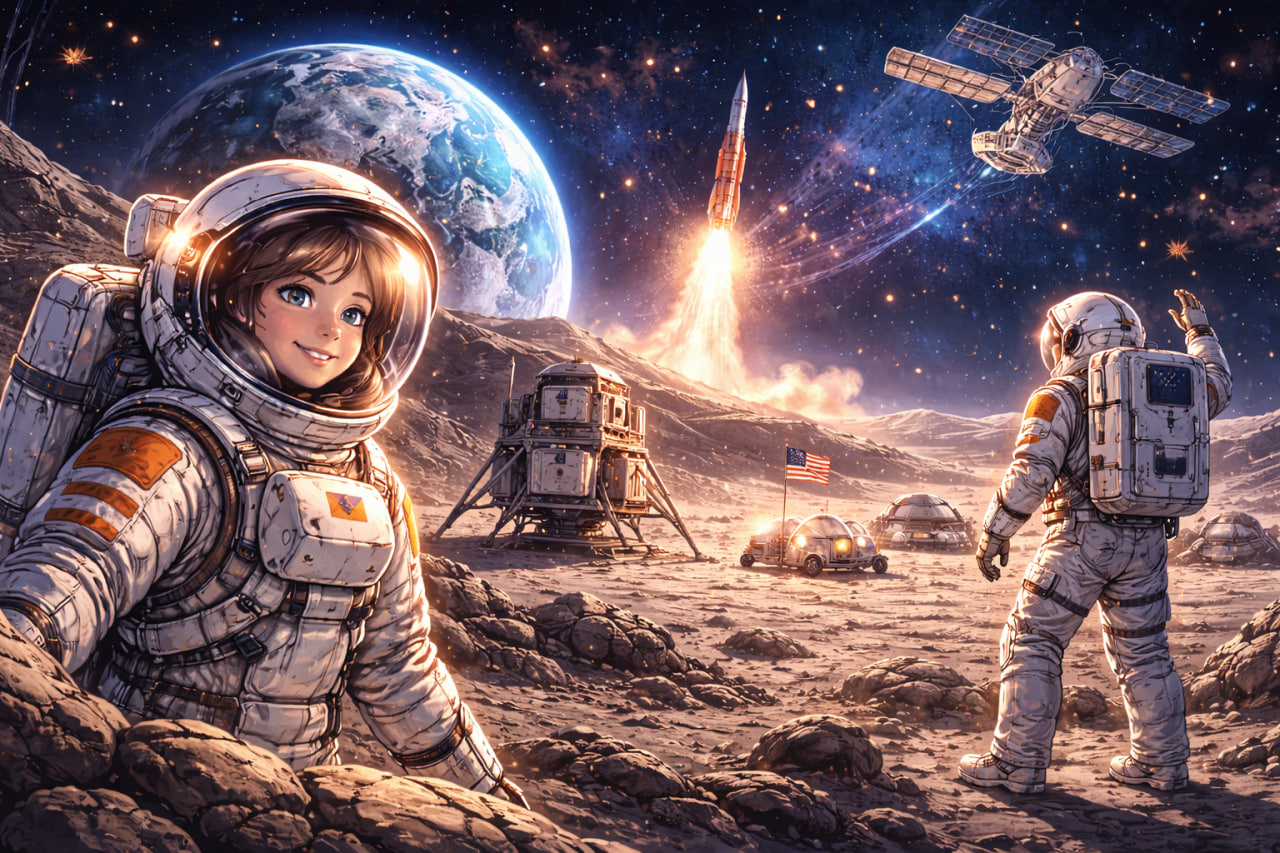
Artemis Mission: A New Era of the Lunar Race

The Artemis program represents humanity’s return to the Moon and marks the beginning of a new phase in space exploration. Led by NASA in collaboration with international and commercial partners, this mission aims not only to land humans on the Moon again but to establish a sustainable presence. Unlike the Apollo missions of the 20th century, Artemis is designed with long-term goals, including preparing for future missions to Mars. It reflects a shift from short-term achievements to continuous exploration and development beyond Earth. This new lunar race is not just about competition—it is about cooperation, innovation, and expanding humanity’s reach into space.

Europa Clipper: NASA’s Mission to Search for Life Beneath Europa’s Ice
Space Stories Cosmic Innovations Solar System

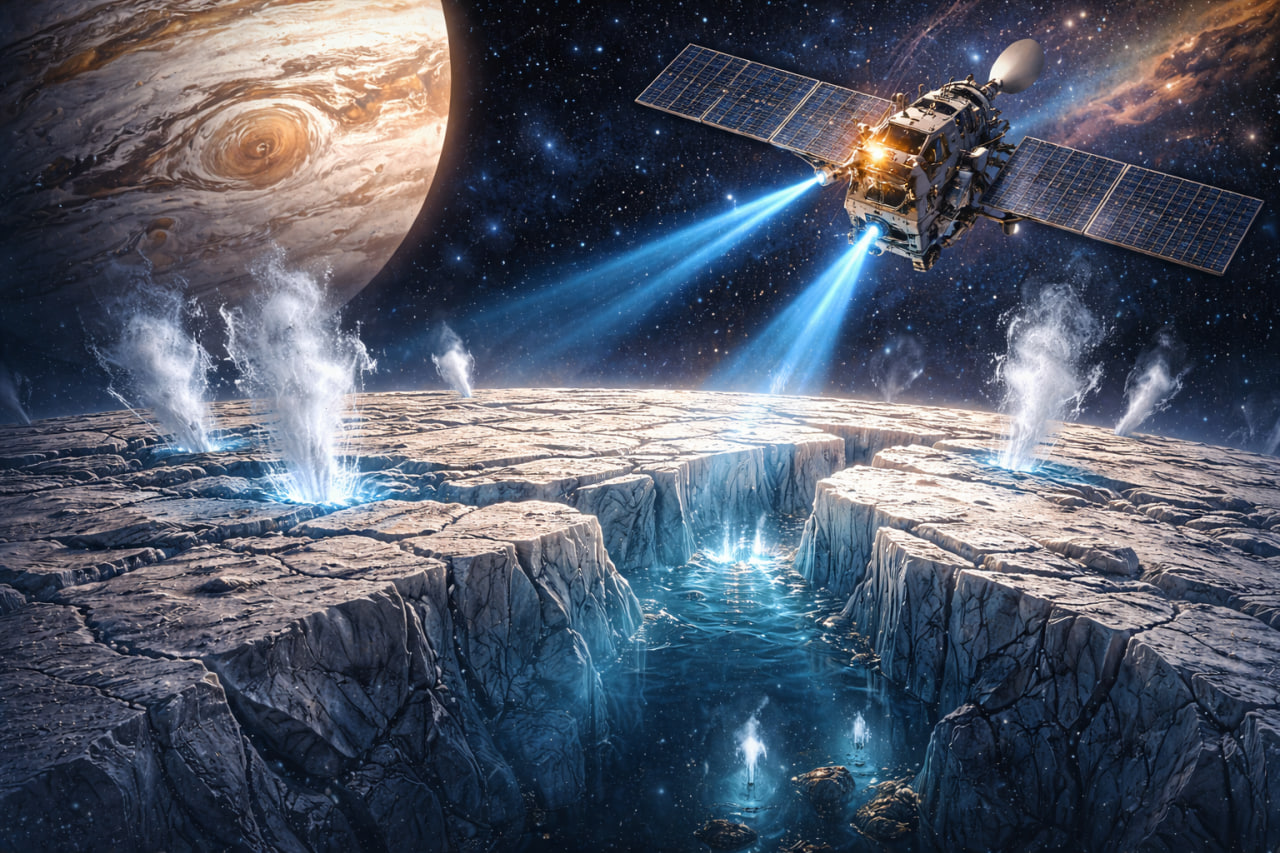
Europa Clipper: NASA’s Mission to Search for Life Beneath Europa’s Ice

The Europa Clipper mission is one of NASA’s most ambitious projects aimed at exploring the possibility of life beyond Earth. Its target is Europa, one of Jupiter’s moons, which is believed to hide a vast ocean beneath its thick icy crust. Scientists consider Europa one of the most promising places in the solar system to search for extraterrestrial life, thanks to the presence of water, energy sources, and potentially suitable chemical conditions. Rather than landing on the surface, the spacecraft will perform multiple flybys, collecting detailed data about the moon’s structure and environment. This mission represents a major step forward in the search for life in our cosmic neighborhood.

Radiation Belts Around Planets: Invisible Shields and Threats
Space Stories Universe New Discoveries

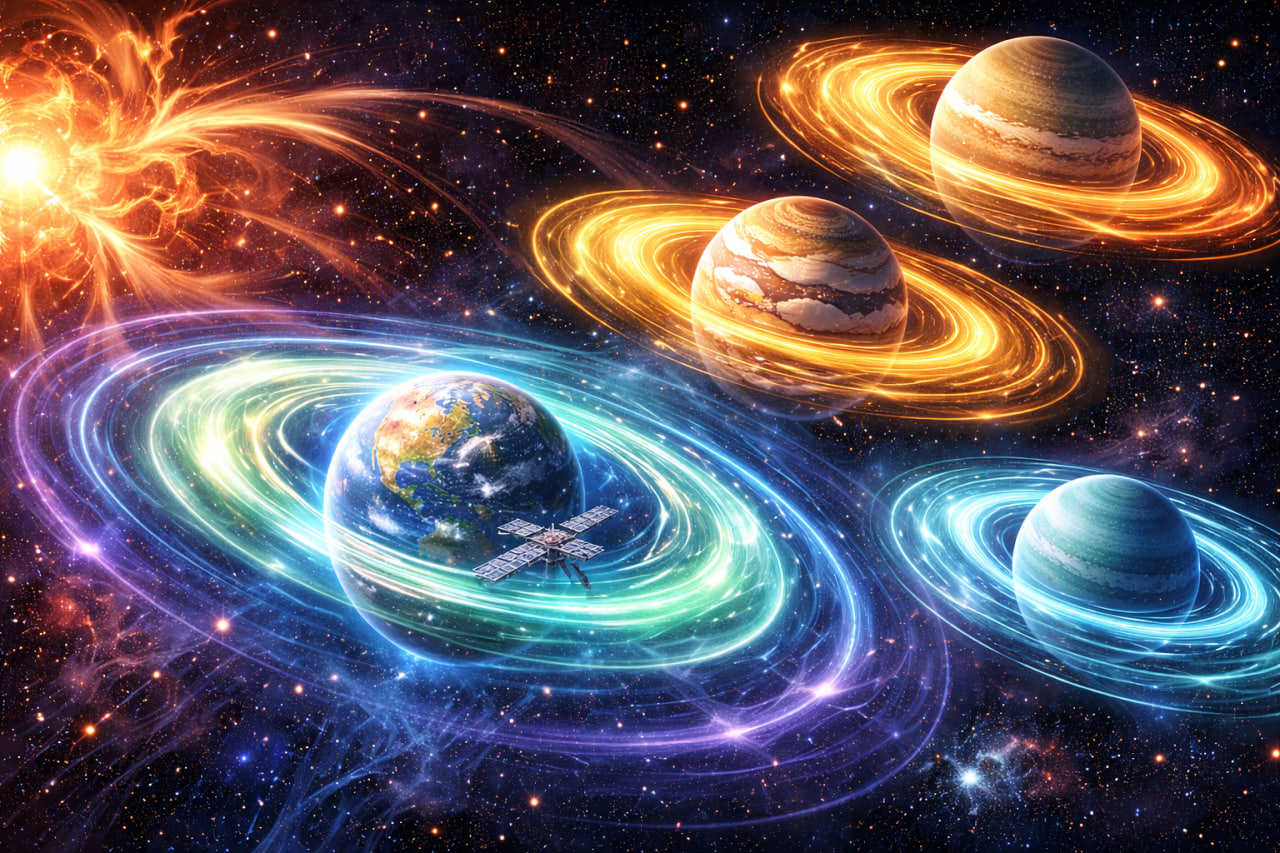
Radiation Belts Around Planets: Invisible Shields and Threats

Radiation belts are regions surrounding planets where charged particles are trapped by magnetic fields, forming invisible yet powerful zones of energy. The most well-known example is Earth’s Van Allen radiation belts, but similar structures exist around other planets such as Jupiter and Saturn. These belts are created when particles from the solar wind become captured and accelerated by a planet’s magnetosphere. While they can act as a form of protection by deflecting harmful radiation, they also pose serious risks to spacecraft and astronauts. Understanding radiation belts is essential for space exploration and for studying how planetary magnetic fields interact with their environment.

China vs NASA: The New Space Race
Space Stories Cosmic Innovations Smart Technology

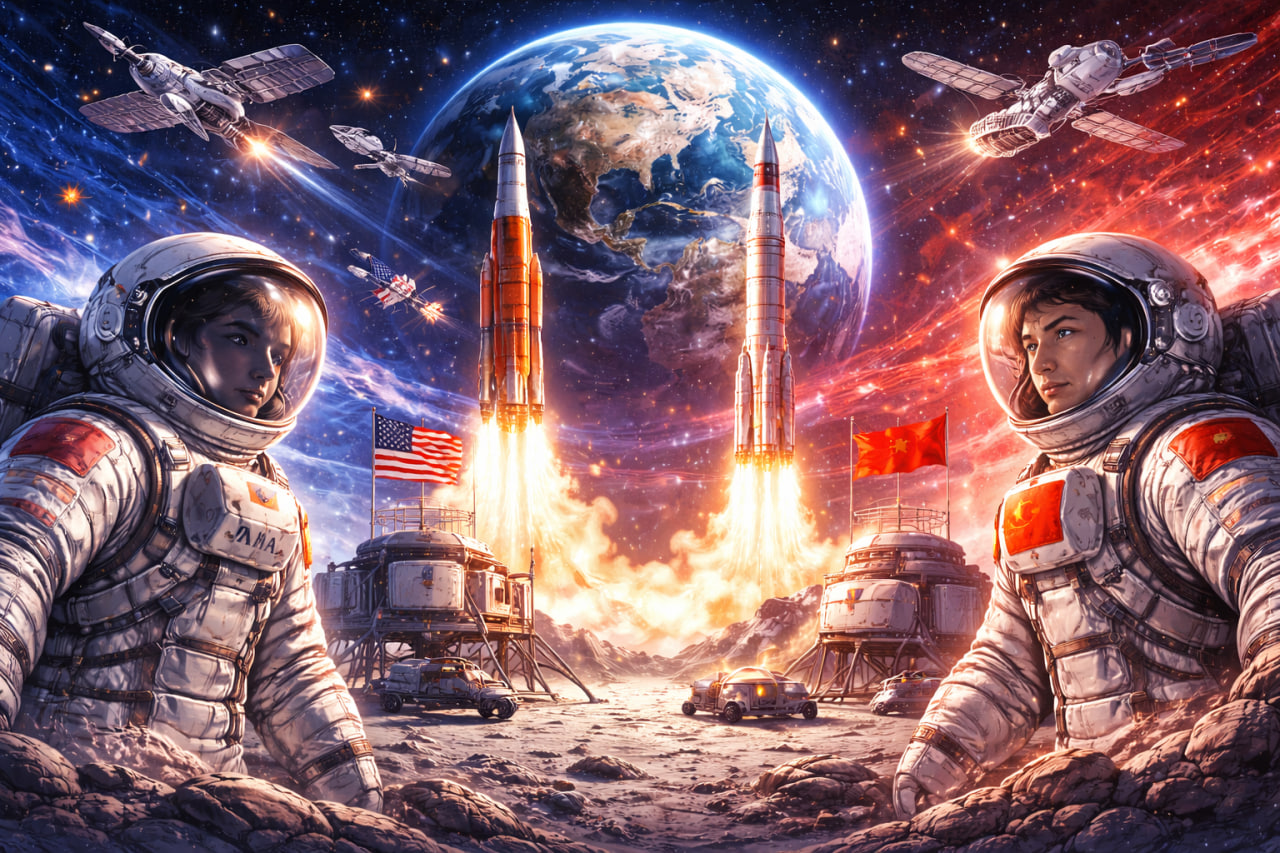
China vs NASA: The New Space Race

A new era of space exploration is unfolding, often described as a modern space race between China and the United States. Unlike the Cold War competition, today’s rivalry is more complex, combining elements of competition, technological advancement, and strategic influence. Both China and NASA are pursuing ambitious goals, including Moon bases, Mars exploration, and deep space missions. This new race is not only about prestige but also about leadership in science, innovation, and future space infrastructure. As both sides push forward, the outcome could shape humanity’s presence beyond Earth for decades to come.