Space Stories

The Fermi Paradox: If the Universe Is Full of Life, Where Is Everyone?
Space Stories Universe Science

The Fermi Paradox: If the Universe Is Full of Life, Where Is Everyone?

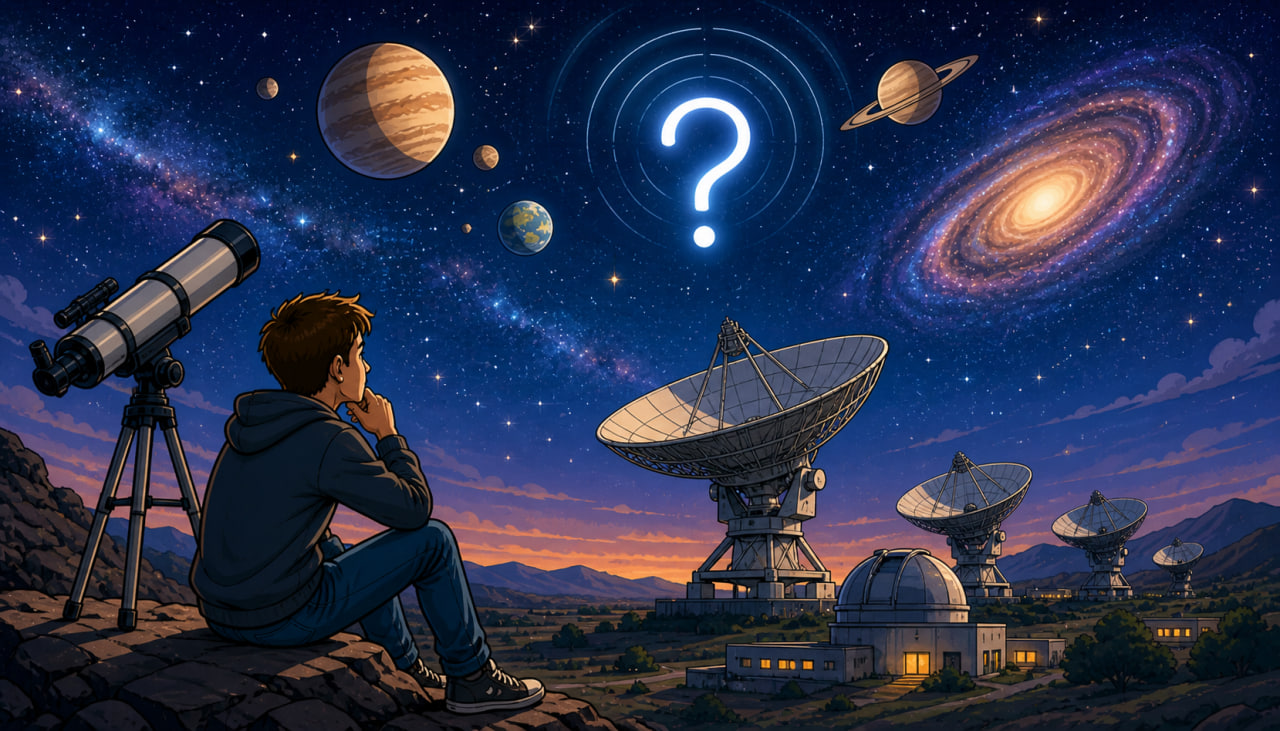
The Fermi Paradox is one of the most fascinating questions in science and philosophy. It highlights a contradiction between the high probability of extraterrestrial life and the complete lack of evidence for it. In simple terms, if intelligent life should exist elsewhere in the universe, why haven’t we found any signs of it? This paradox forces us to rethink our assumptions about life, intelligence, and the cosmos.
How Stars Are Born and Die: The Life Cycle of Stars
Space Stories Universe Science

How Stars Are Born and Die: The Life Cycle of Stars

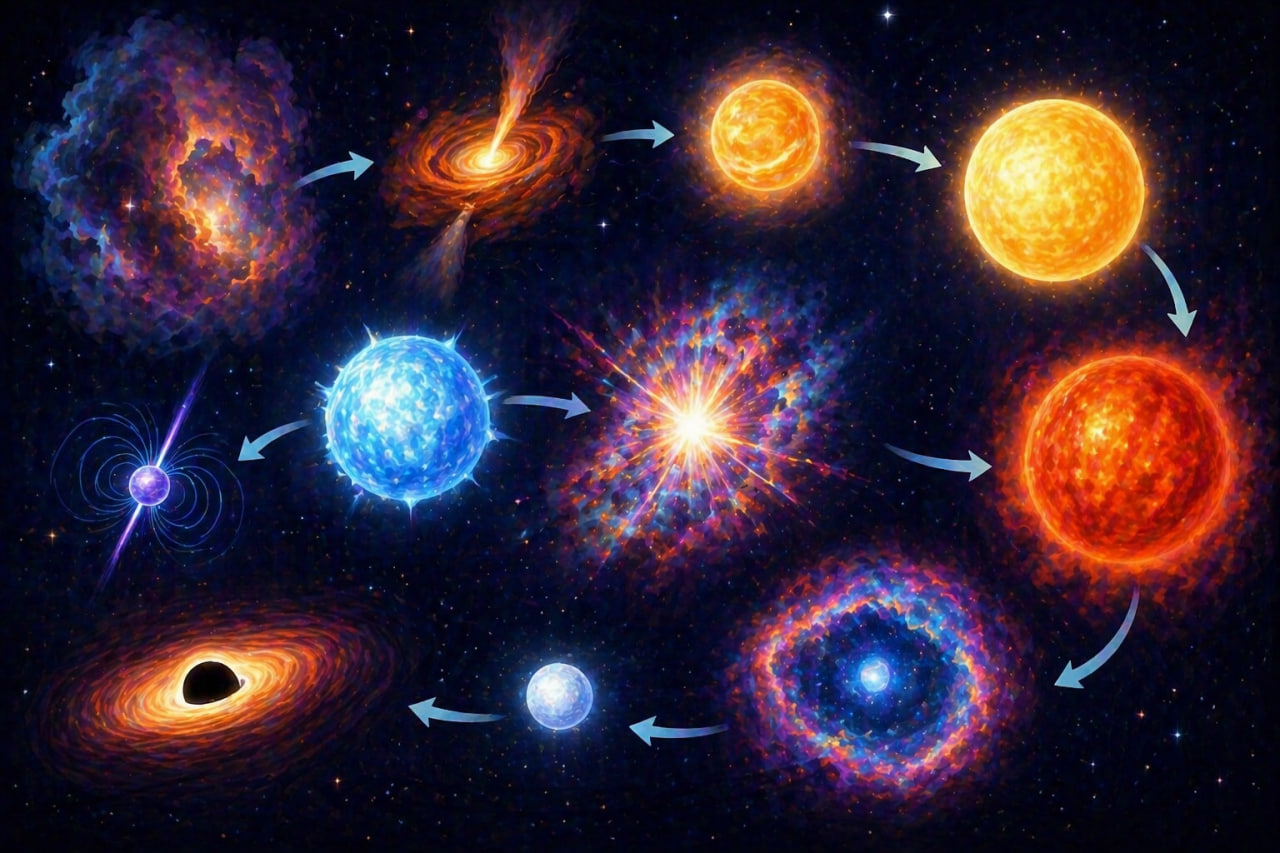
Stars are among the most fundamental objects in the universe. They light up galaxies, create the elements necessary for life, and shape cosmic evolution. Yet, like all things, stars are not eternal. They are born, evolve, and eventually die—sometimes quietly, sometimes in spectacular explosions. Understanding the life cycle of stars reveals how the universe itself changes over time.

Dark Flow: Why Galaxies Seem to Move in One Direction
Space Stories Universe New Discoveries

Dark Flow: Why Galaxies Seem to Move in One Direction

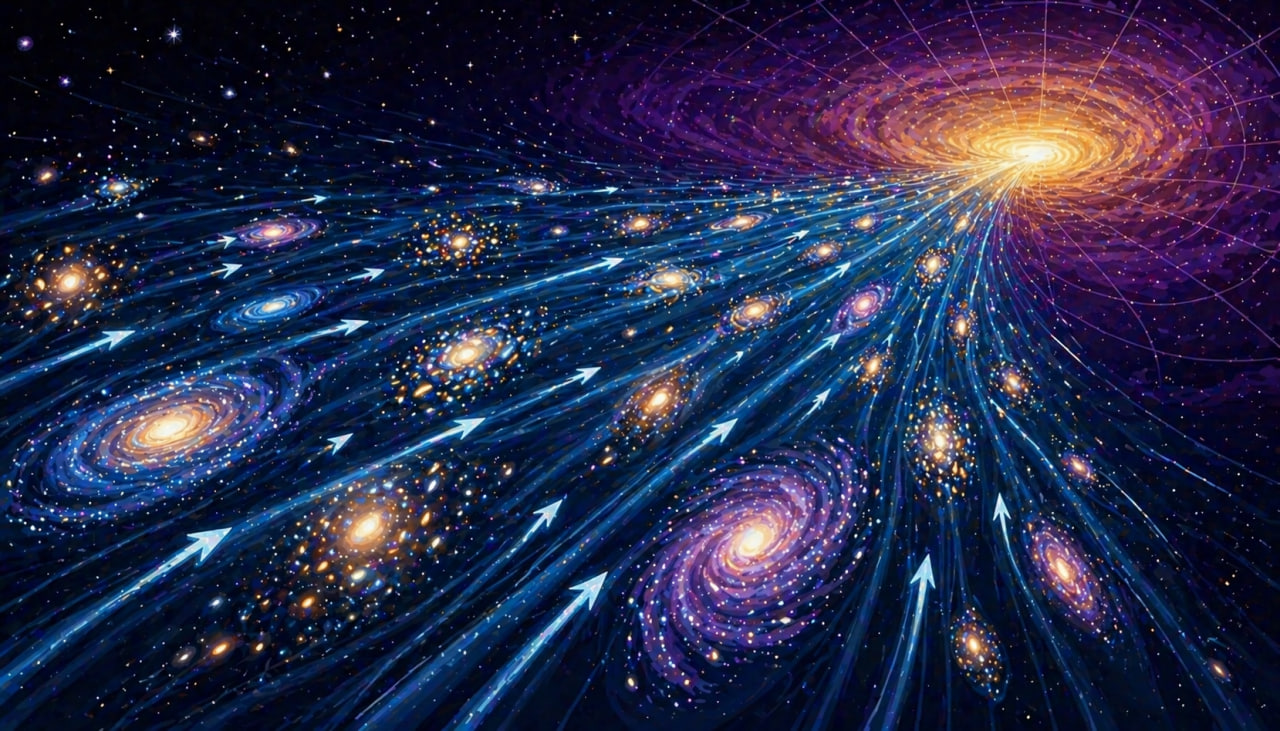
The universe is expanding, and galaxies are generally moving away from each other as space itself stretches. However, astronomers have observed something unexpected: large groups of galaxy clusters appear to be drifting in the same direction, as if pulled by an unseen force. This mysterious phenomenon is known as dark flow. The idea challenges our understanding of cosmology and raises a fundamental question: what could be powerful enough to influence motion on such enormous scales?

Ice Giants: Uranus and Neptune — The Forgotten Planets
Space Stories Be Smart Solar System

Ice Giants: Uranus and Neptune — The Forgotten Planets

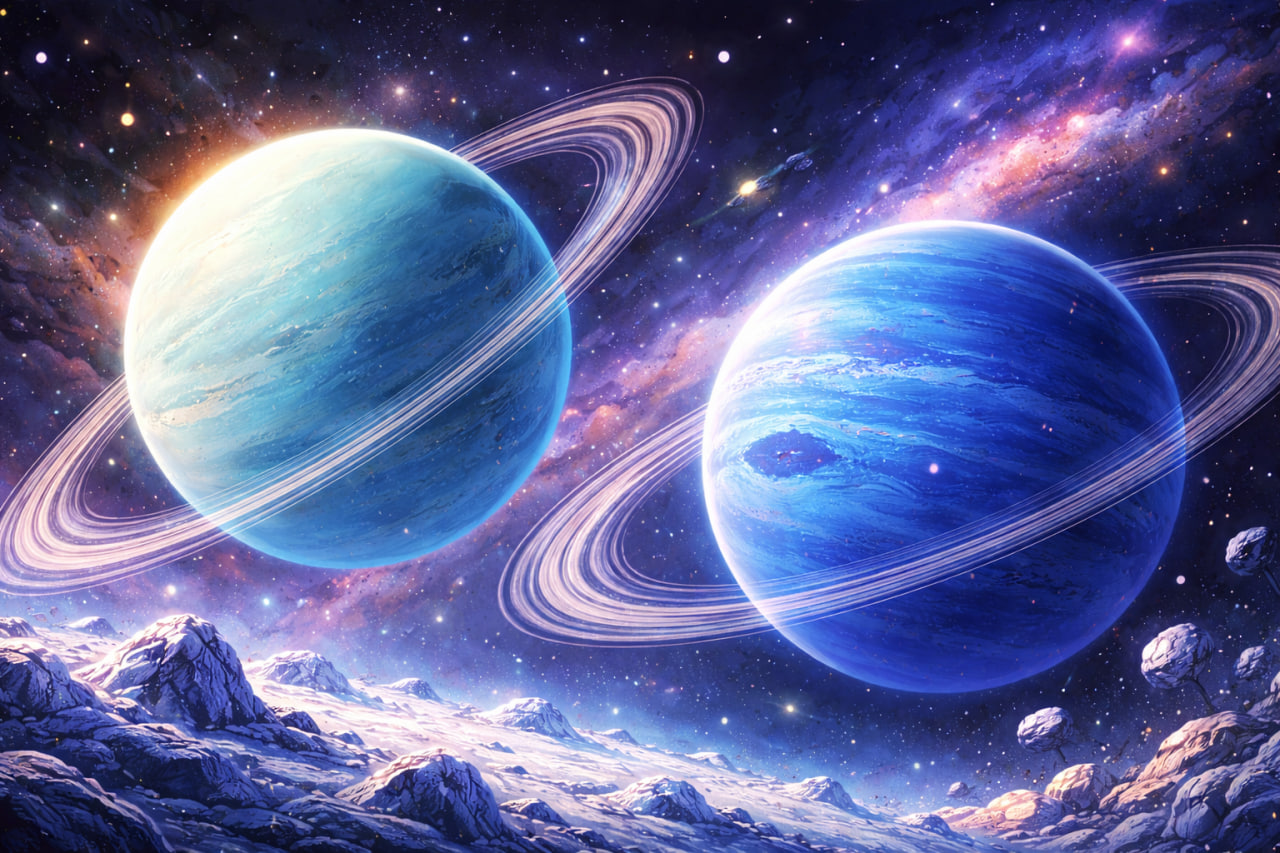
Uranus and Neptune are often referred to as the ice giants of the Solar System, yet they remain some of the least explored and most mysterious planets. Unlike the more famous gas giants like Jupiter and Saturn, these distant worlds receive far less attention, largely due to their extreme distance from Earth. However, they hold crucial clues about planetary formation, atmospheric physics, and the diversity of worlds beyond our Solar System. Composed largely of water, ammonia, and methane ices, these planets differ significantly from gas giants, offering a unique class of planetary environments. Despite their beauty and scientific importance, Uranus and Neptune are often called “forgotten” because only one spacecraft—Voyager 2—has ever visited them. Studying these planets helps scientists better understand not only our Solar System but also the many similar planets discovered around other stars.

How Venus “Died” as a Habitable Planet
Space Stories Be Smart Solar System

How Venus “Died” as a Habitable Planet

Venus is often described as a “dead” or “lost” world—not because the planet itself disappeared, but because it likely lost the conditions that could have supported life. Billions of years ago, Venus may have had a much more Earth-like environment, with moderate temperatures and possibly even liquid water on its surface. However, over time, a series of powerful climatic and atmospheric changes transformed it into the extremely hot and hostile planet we see today. This transformation is one of the most dramatic examples of planetary evolution in the Solar System. Studying how Venus “died” helps scientists understand the fragile balance required for a planet to remain habitable. It also provides important warnings about how climate systems can change beyond recovery.

Space Archaeology: Can We Find Evidence of Lost Civilizations?
Space Stories Universe What if?

Space Archaeology: Can We Find Evidence of Lost Civilizations?

The idea of discovering traces of lost extraterrestrial civilizations has fascinated scientists and the public for decades. While traditional archaeology studies human history through physical remains on Earth, space archaeology explores the possibility of detecting technological or structural evidence beyond our planet. With the rapid development of astronomy and space exploration, scientists are beginning to ask whether it is possible to identify signs of past intelligent life elsewhere in the universe. Although no confirmed discoveries have been made, modern research focuses on indirect clues—such as unusual energy signatures, artificial structures, or unexplained cosmic phenomena. Understanding these possibilities helps expand the search for life beyond simple biology and into the realm of advanced civilizations.

Probe to the Sun: How Parker Solar Probe “Touched” a Star
Space Stories Cosmic Innovations Solar System

Probe to the Sun: How Parker Solar Probe “Touched” a Star

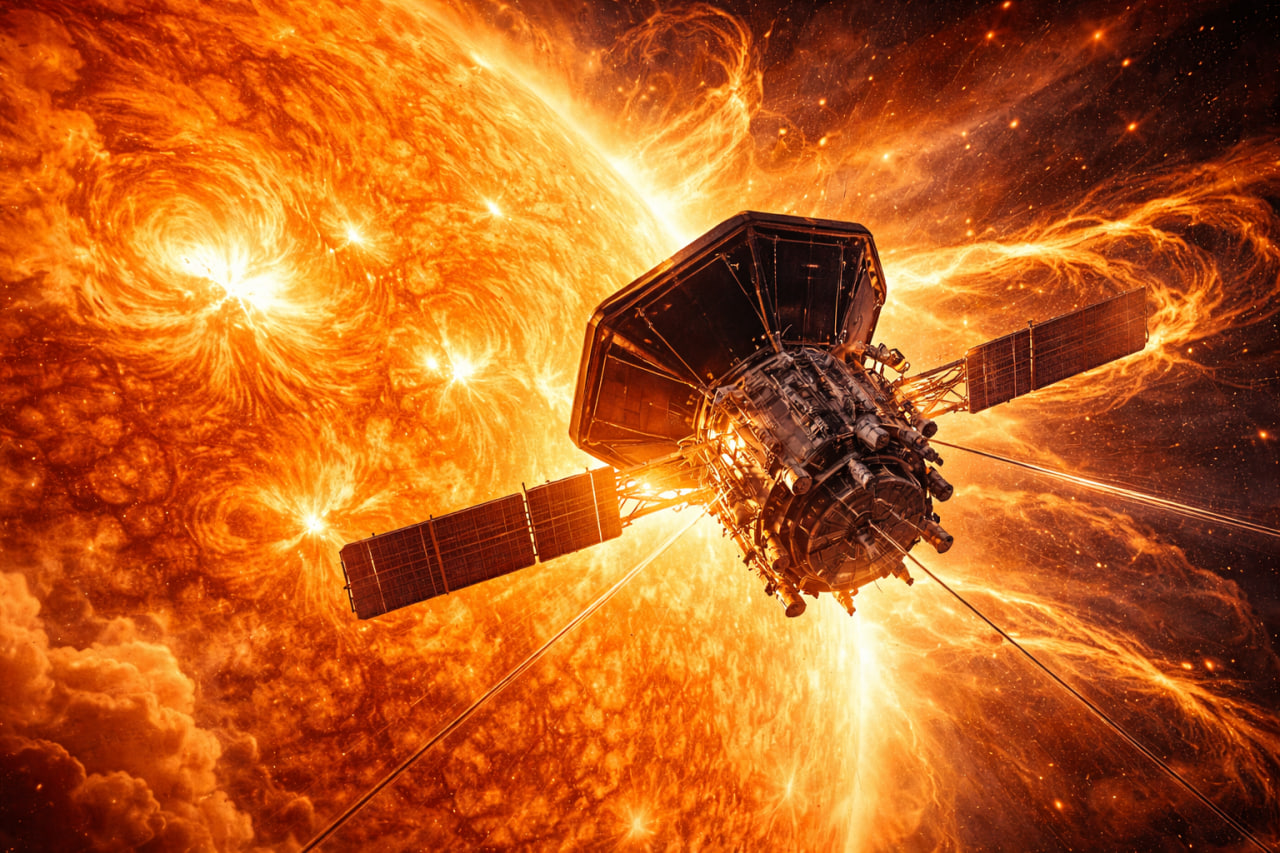
For the first time in history, humanity has sent a spacecraft into the outer atmosphere of the Sun. NASA’s Parker Solar Probe achieved what was once considered impossible—flying directly through the Sun’s corona, the extremely hot and dynamic outer layer of our star. This milestone is often described as the moment when a spacecraft “touched the Sun,” marking a breakthrough in space exploration and solar science. The mission is designed to answer fundamental questions about how the Sun works, including why its outer atmosphere is much hotter than its surface and how solar winds are generated. By traveling closer to the Sun than any previous spacecraft, Parker Solar Probe provides data that could transform our understanding of stellar physics and space weather.

The Sun’s Corona: What It Is and Why It’s So Hot
Space Stories Universe Solar System

The Sun’s Corona: What It Is and Why It’s So Hot

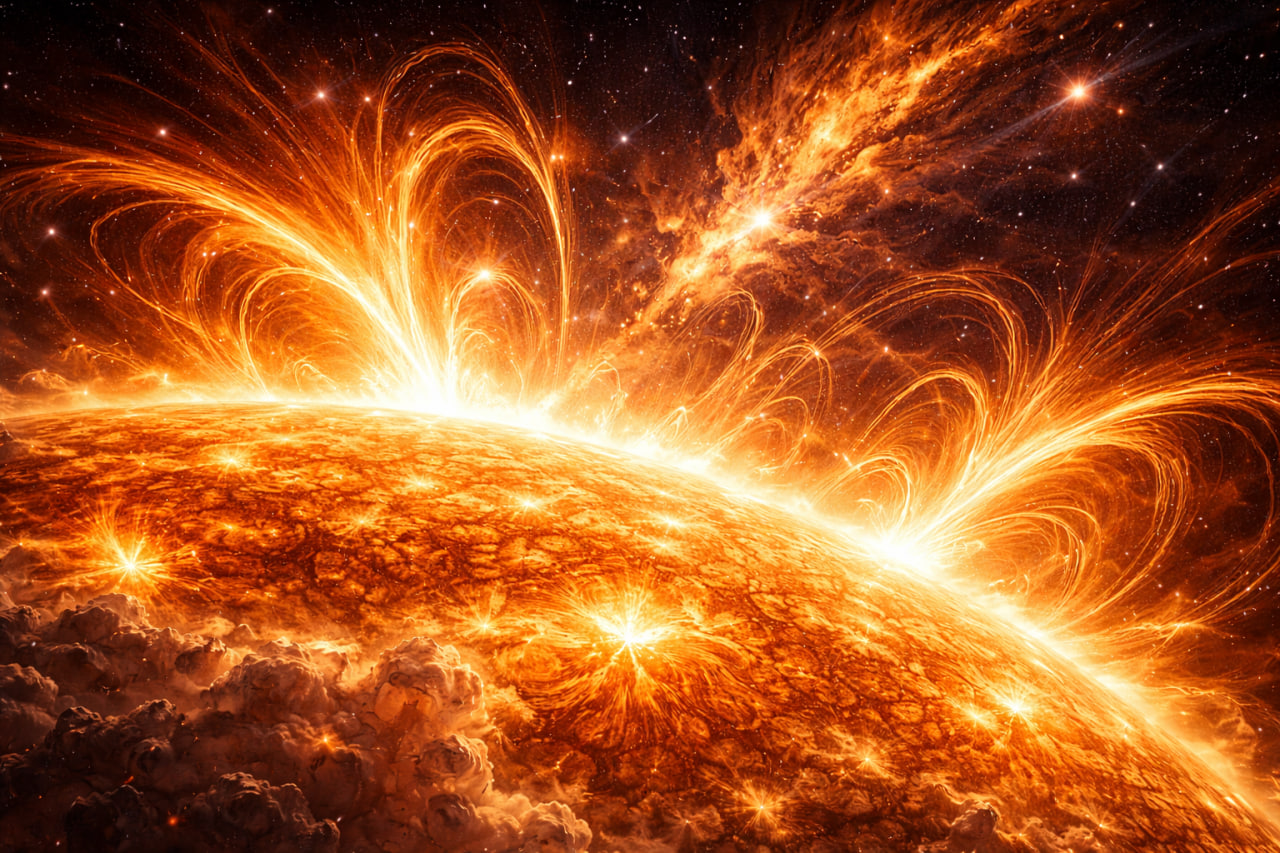
The solar corona is the outermost layer of the Sun’s atmosphere, extending millions of kilometers into space. It is usually invisible to the naked eye and can only be seen during a total solar eclipse, when it appears as a glowing halo surrounding the Sun. Despite being farther from the Sun’s surface, the corona is mysteriously much hotter, reaching temperatures of millions of degrees Celsius, compared to about 5,500°C on the surface. This surprising phenomenon has puzzled scientists for decades and remains one of the biggest mysteries in solar physics. Studying the corona is essential for understanding how the Sun works and how it influences the entire Solar System.

Weightlessness: What It Is and How It Can Benefit Humans
Space Stories Science Be Smart

Weightlessness: What It Is and How It Can Benefit Humans

The state of weightlessness, also known as microgravity, occurs when objects appear to have no weight and float freely in space. This condition is commonly experienced by astronauts orbiting Earth aboard spacecraft such as the International Space Station. Contrary to popular belief, weightlessness does not mean the absence of gravity. Instead, it happens when objects are in a continuous state of free fall, moving around Earth at high speed while being pulled by gravity at the same time. This creates the sensation of floating. Understanding weightlessness is essential not only for space exploration but also for scientific research that can benefit life on Earth.

Can We Build a Spacecraft That Passes Through the Sun’s Corona?
Space Stories Science Solar System

Can We Build a Spacecraft That Passes Through the Sun’s Corona?

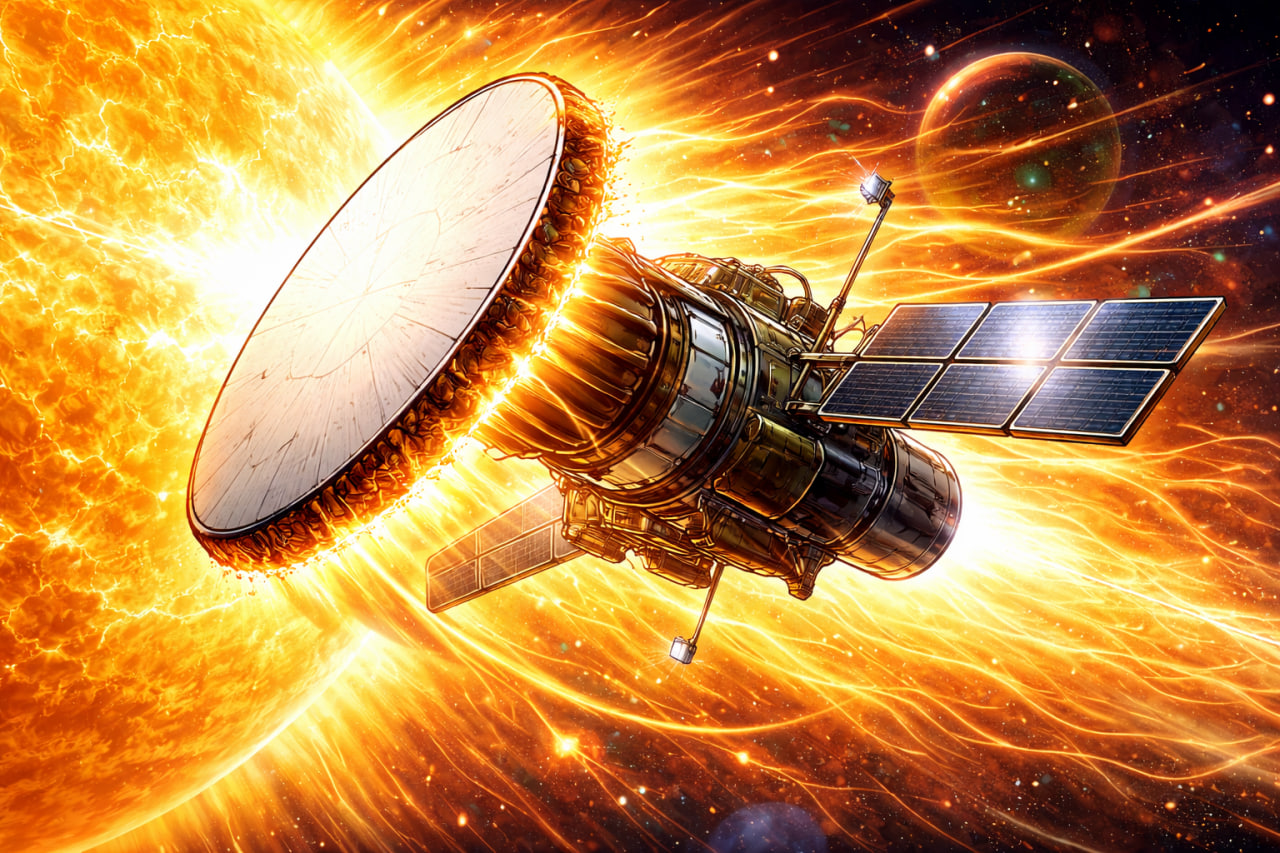
At first glance, sending a spacecraft into the Sun’s atmosphere sounds impossible. The Sun is an extremely hostile environment, with temperatures reaching millions of degrees and intense radiation that can destroy most materials. However, modern science has already taken a major step toward this goal. NASA’s Parker Solar Probe has successfully flown through the solar corona, proving that such missions are not only possible but already a reality. The challenge is not just reaching the Sun, but surviving its extreme conditions. Understanding how this is achieved reveals how advanced engineering and physics make the impossible possible.