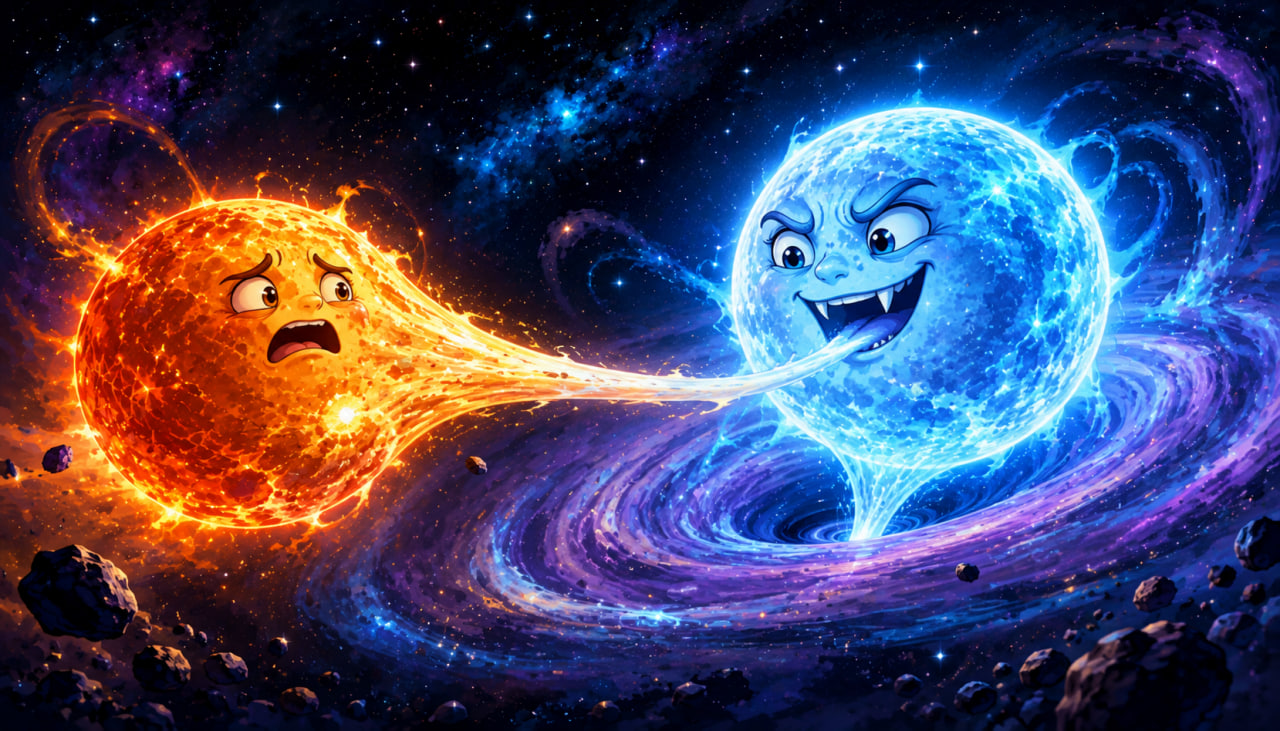
Many stars live in pairs, locked together by gravity. When two stars orbit close enough, one can begin pulling gas from the other. This dramatic process has inspired one of astronomy’s most memorable nicknames: vampire stars.
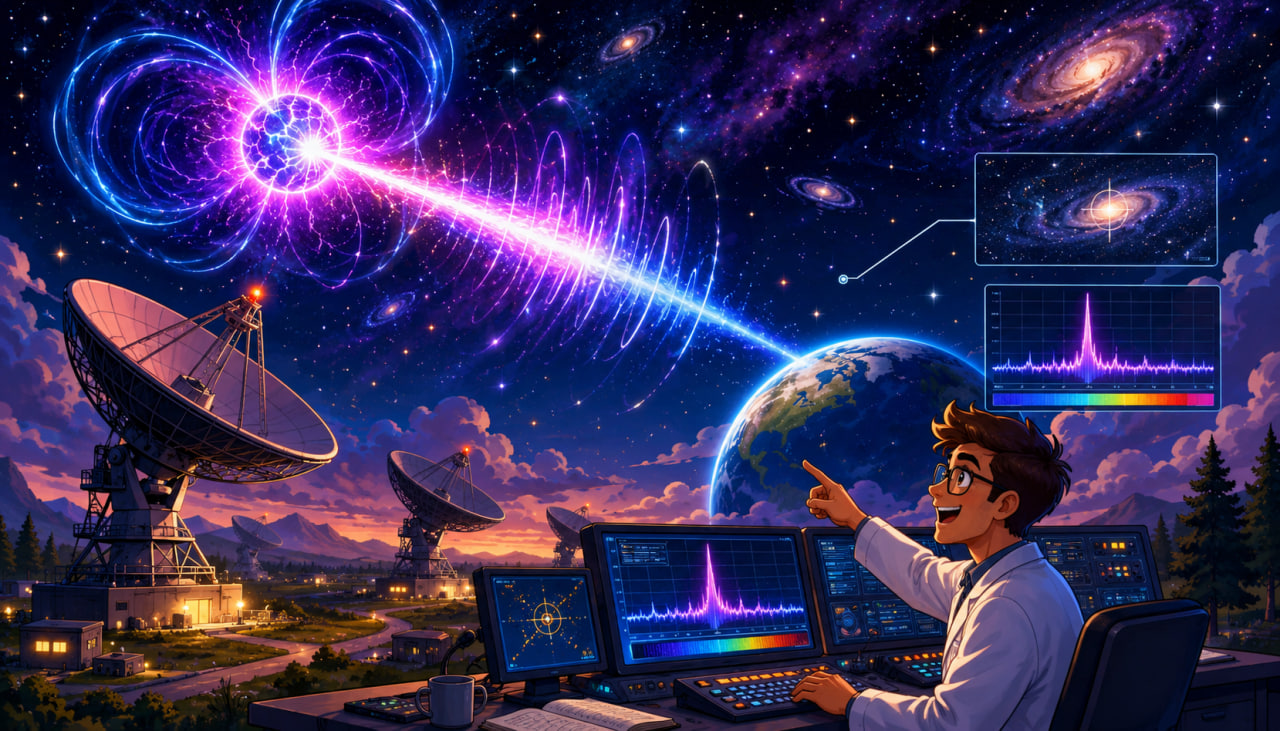
A fast radio burst, or FRB, is an intense flash of radio waves from deep space. Many of these signals come from other galaxies, travel for millions or billions of years, and still arrive strong enough for radio telescopes on Earth to detect.
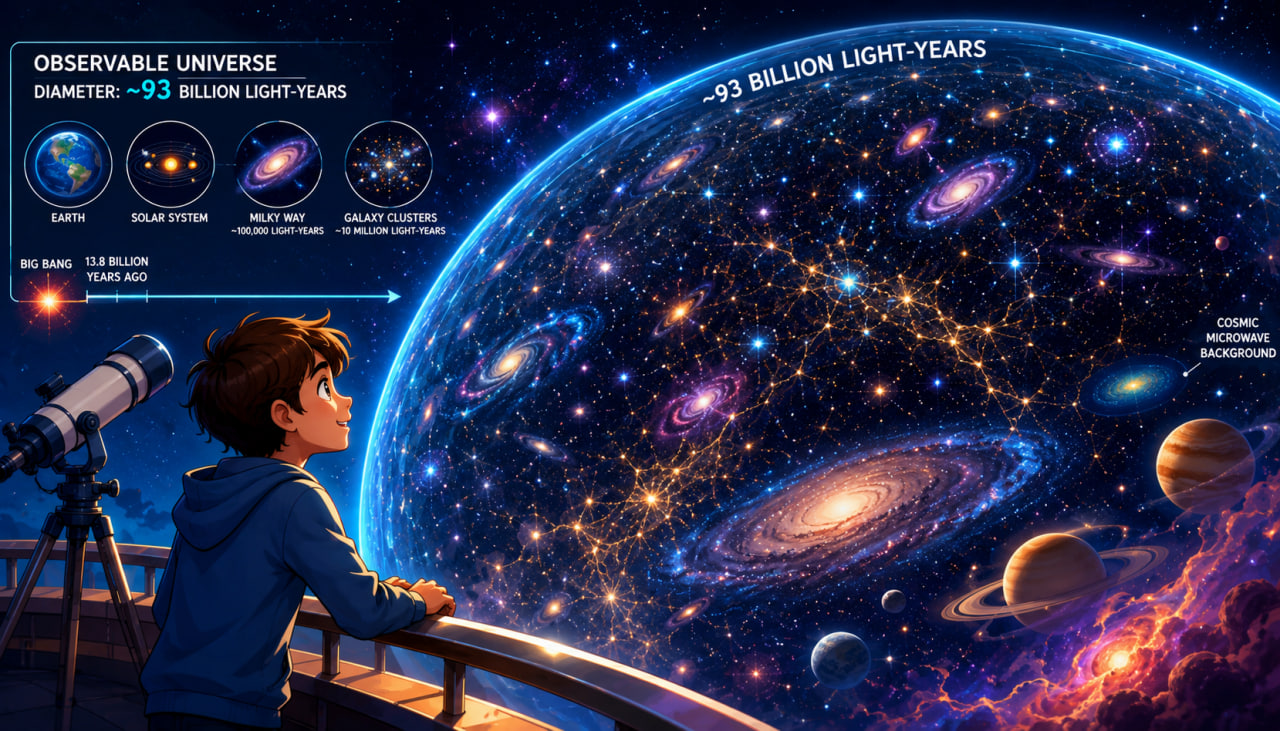
The universe is so large that ordinary distance words stop working. A city is big. Earth is huge. The Solar System is enormous. But the universe exists on a scale where even light, the fastest thing in nature, needs billions of years to cross the distances we observe.
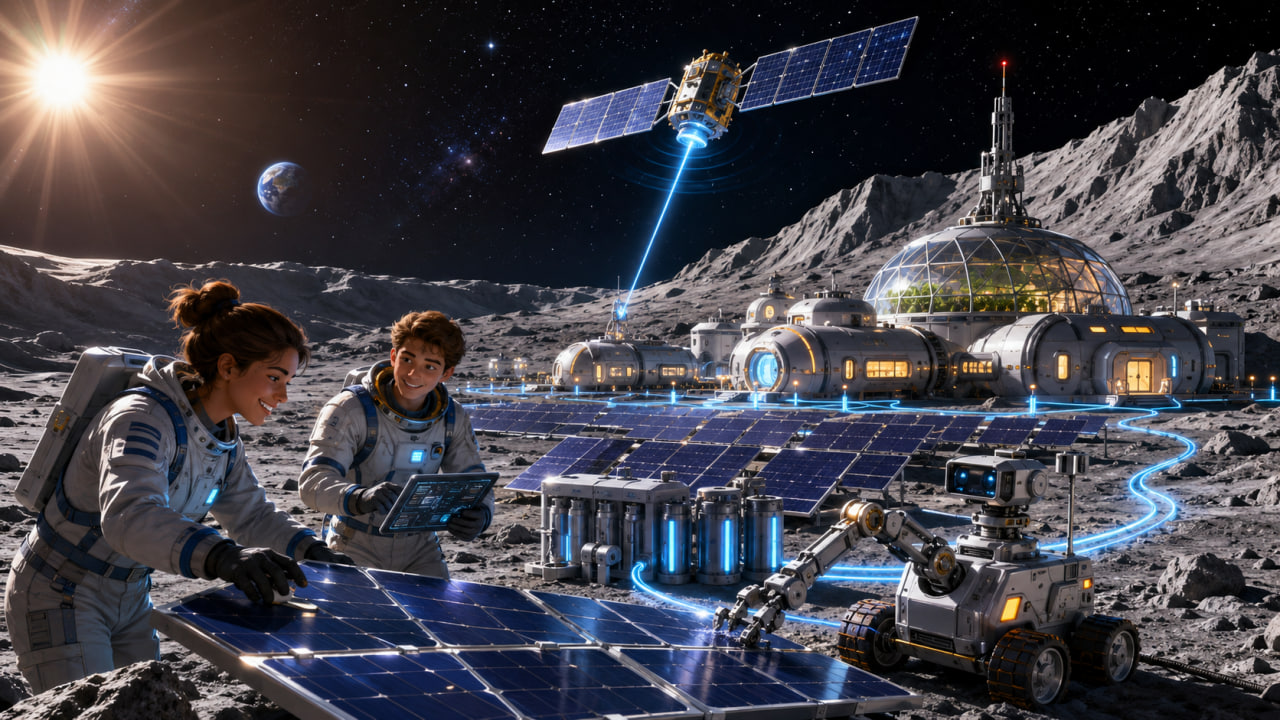
Solar energy is the foundation of modern space exploration. It powers communications satellites, scientific observatories, navigation systems, robotic spacecraft, and the International Space Station. Future lunar settlements may also depend heavily on sunlight for electricity, life support, communications, construction, and resource extraction.
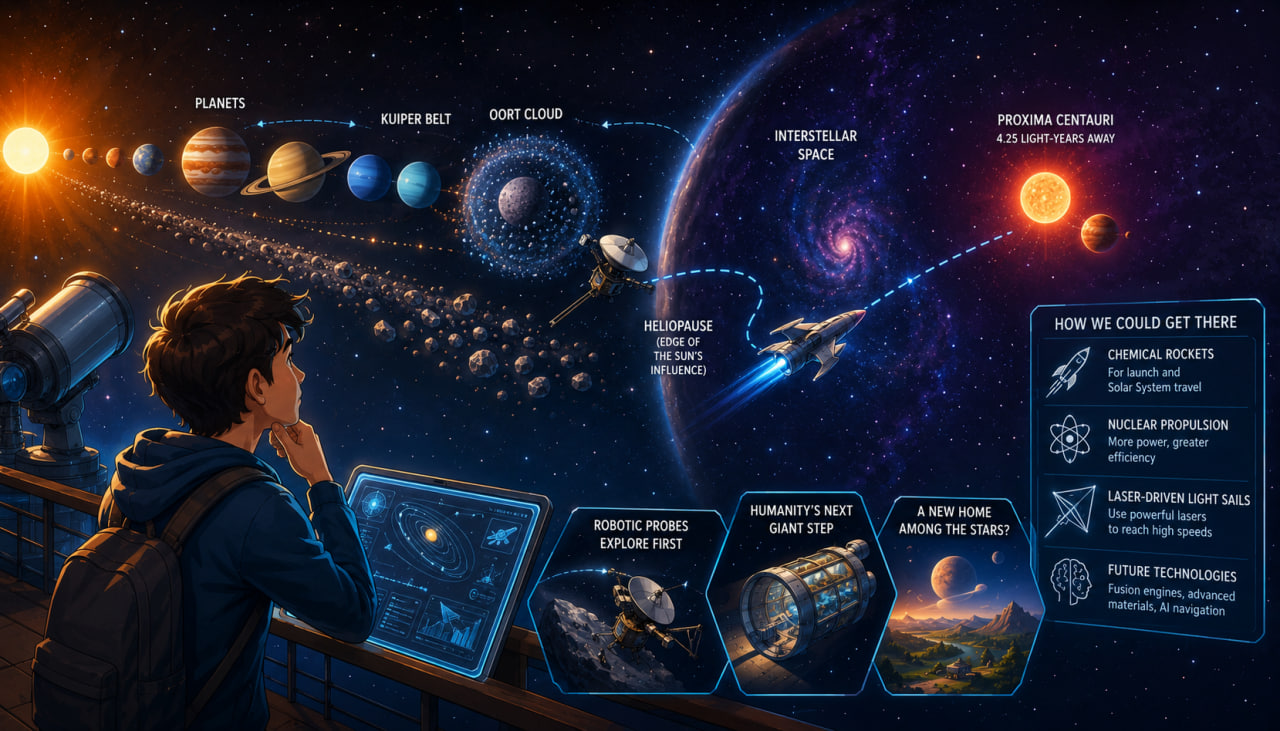
The Solar System does not end immediately after Neptune or Pluto. Beyond the planets lies an enormous sequence of increasingly distant regions: the Kuiper Belt, the scattered disc, the heliopause, the Oort Cloud, and finally the space between neighboring stars.
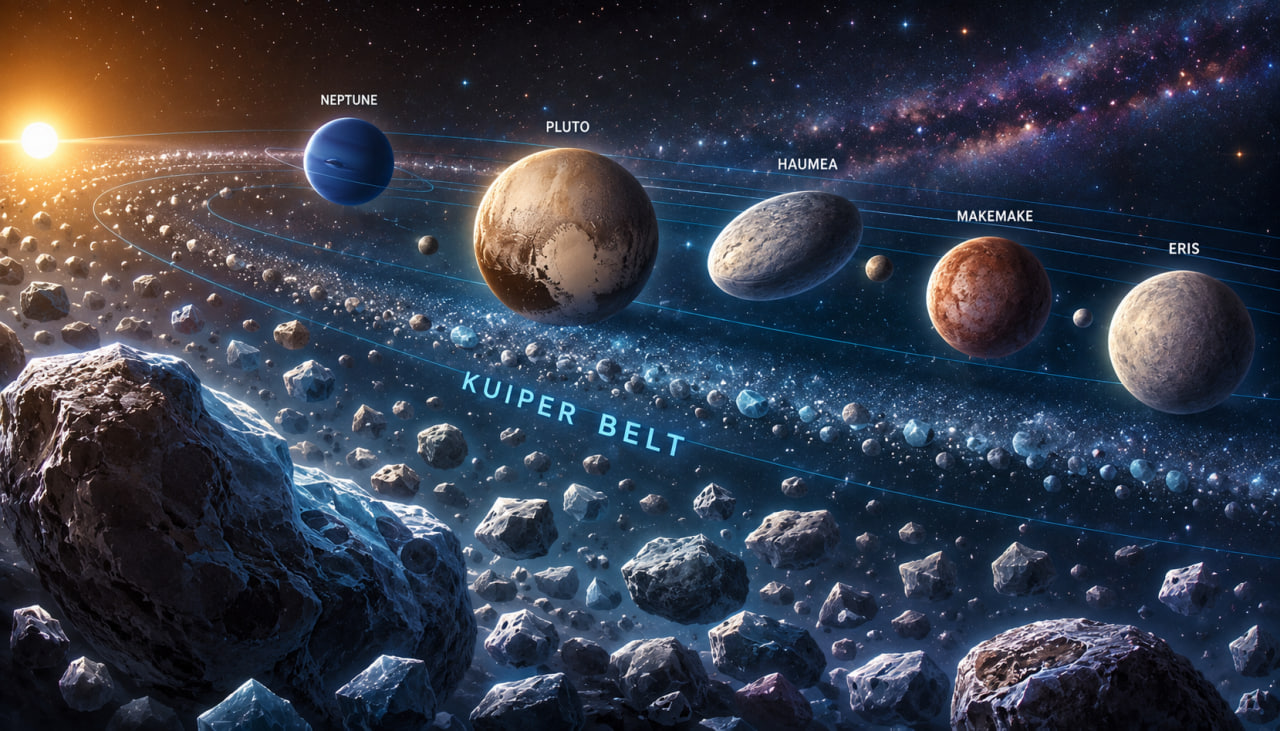
Far beyond the familiar planets lies a vast region filled with frozen worlds, dwarf planets, and ancient remnants of the early Solar System. This distant zone is known as the Kuiper Belt.
Space exploration entered an exciting new chapter in 2026. Governments, private companies, and international space agencies are launching increasingly ambitious missions that promise to deepen our understanding of the Moon, Mars, asteroids, distant planets, and even the origins of the Universe. While 2026 has not yet delivered evidence of extraterrestrial life, it is becoming one of the most important years for preparing humanity's next giant leap into deep space. New telescopes, robotic explorers, planetary defense missions, and lunar programs are laying the foundation for discoveries that could transform astronomy for decades.
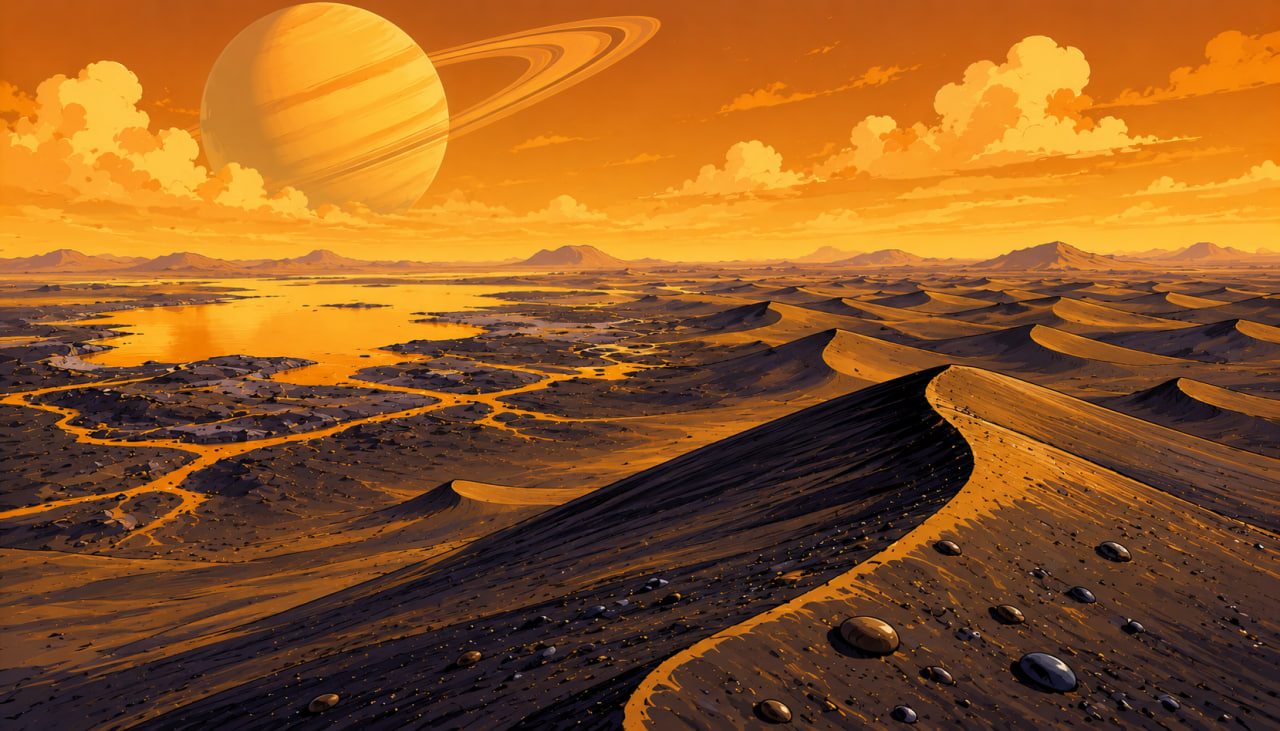
Among all the worlds in our Solar System, Titan, Saturn's largest moon, stands out as one of the most extraordinary. Hidden beneath a dense golden-orange atmosphere lies a landscape unlike anything on Earth. Instead of deserts made of quartz, Titan is covered by enormous fields of dark dunes composed of complex organic particles. Instead of rainwater, methane and ethane fall from the sky, carving rivers and filling lakes across its frozen surface. Discovered in detail by NASA and ESA's Cassini-Huygens mission, Titan has transformed scientists' understanding of planetary geology and chemistry. Its vast dune fields, stretching for thousands of kilometers beneath a hazy methane atmosphere, provide a fascinating glimpse into an alien world where familiar geological processes occur using completely different materials.
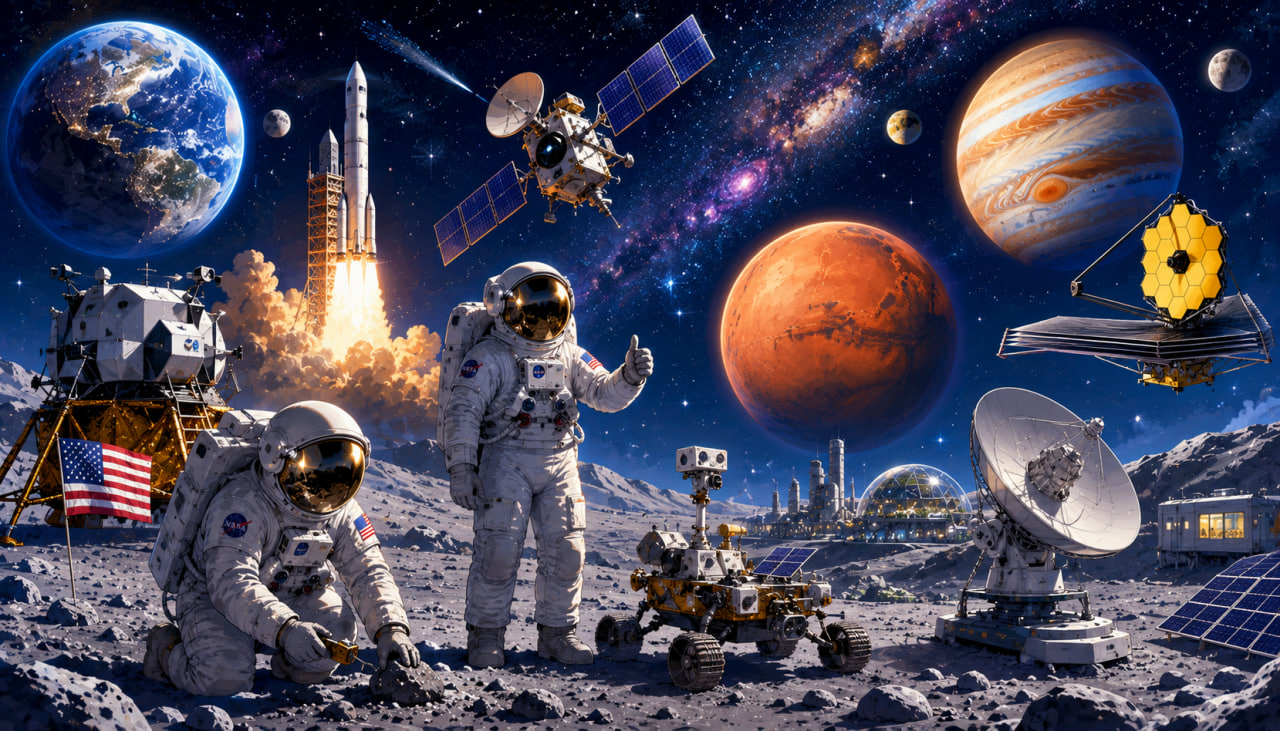
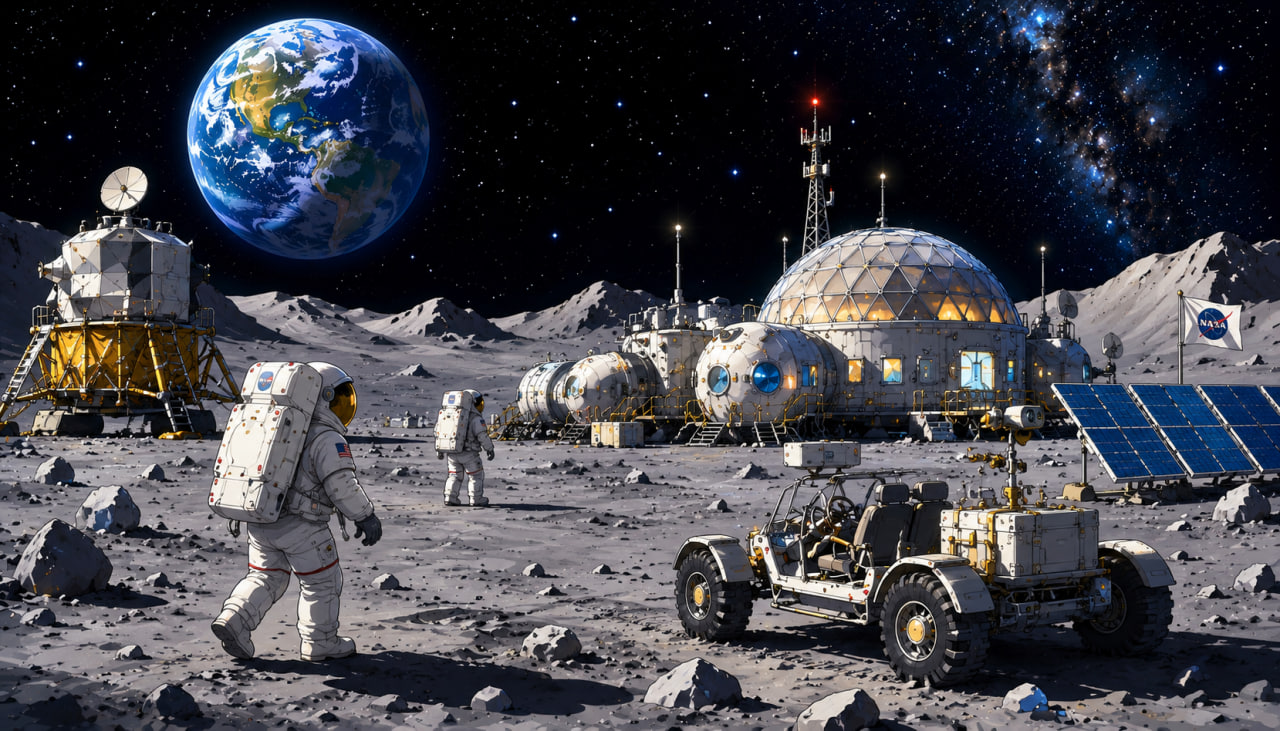
For centuries, the Moon inspired myths, scientific curiosity, and dreams of exploration. In the 20th century, those dreams became reality when humans first set foot on its surface. After decades of relative inactivity following the Apollo program, lunar exploration has entered an exciting new era. Governments and private companies are once again racing to explore the Moon—not simply to visit it, but to establish a long-term human presence. Modern Moon exploration combines advanced robotics, international cooperation, commercial innovation, and ambitious plans for future settlements. The Moon is no longer viewed only as a scientific destination but also as a stepping stone for future missions to Mars and beyond.
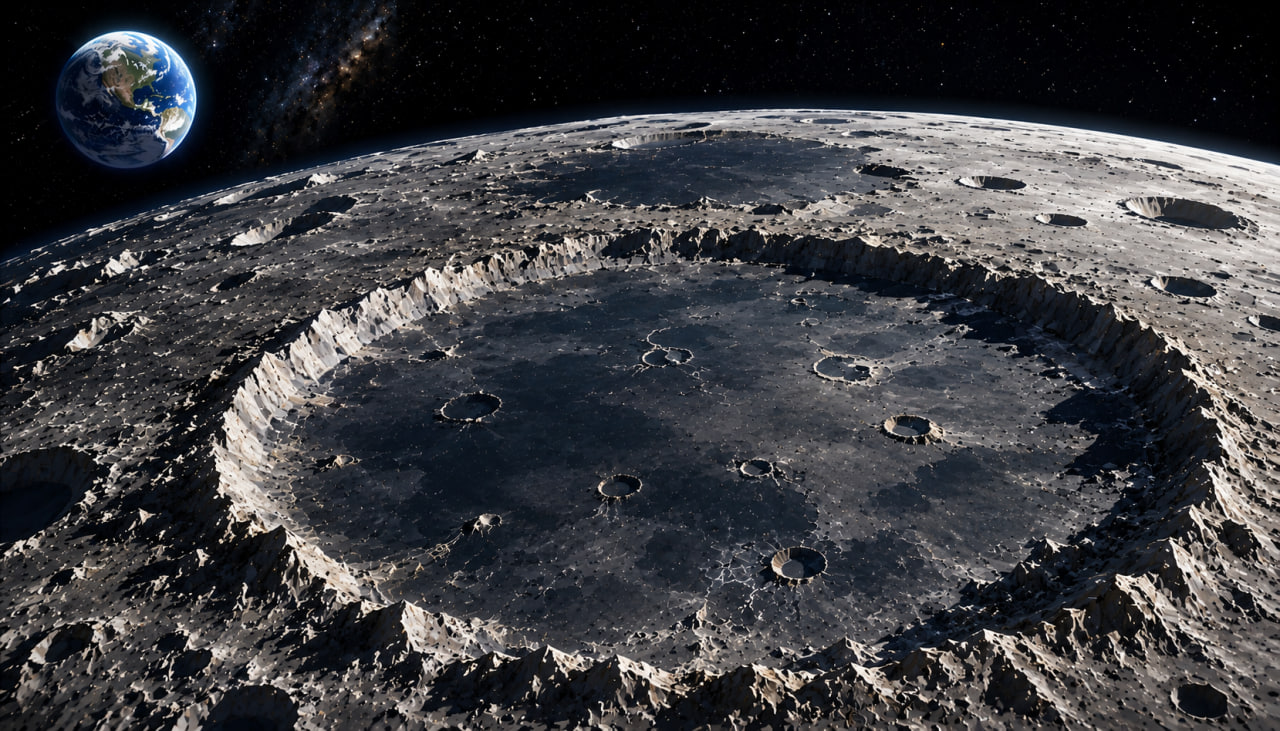
The Moon's surface is covered with countless craters, mountains, and vast dark plains that have fascinated astronomers for centuries. Among its most striking features is Mare Imbrium, or the Sea of Rains, one of the largest and most scientifically important impact basins in the Solar System. Despite its name, Mare Imbrium contains no water. Instead, it is a massive scar left by an ancient asteroid collision that forever changed the Moon's appearance. Studying Mare Imbrium allows scientists to reconstruct the violent history of the early Solar System, when enormous impacts were common and helped shape the planets and their moons. Today, it serves as a natural laboratory for planetary geology and provides valuable clues about the Moon's internal structure and evolution.