
Miranda: Uranus' Mysterious Moon With Giant Cliffs and a Shattered-Looking Surface
Miranda's strange appearance does not necessarily mean it was broken apart. Its surface may have been transformed by powerful geological activity from within.
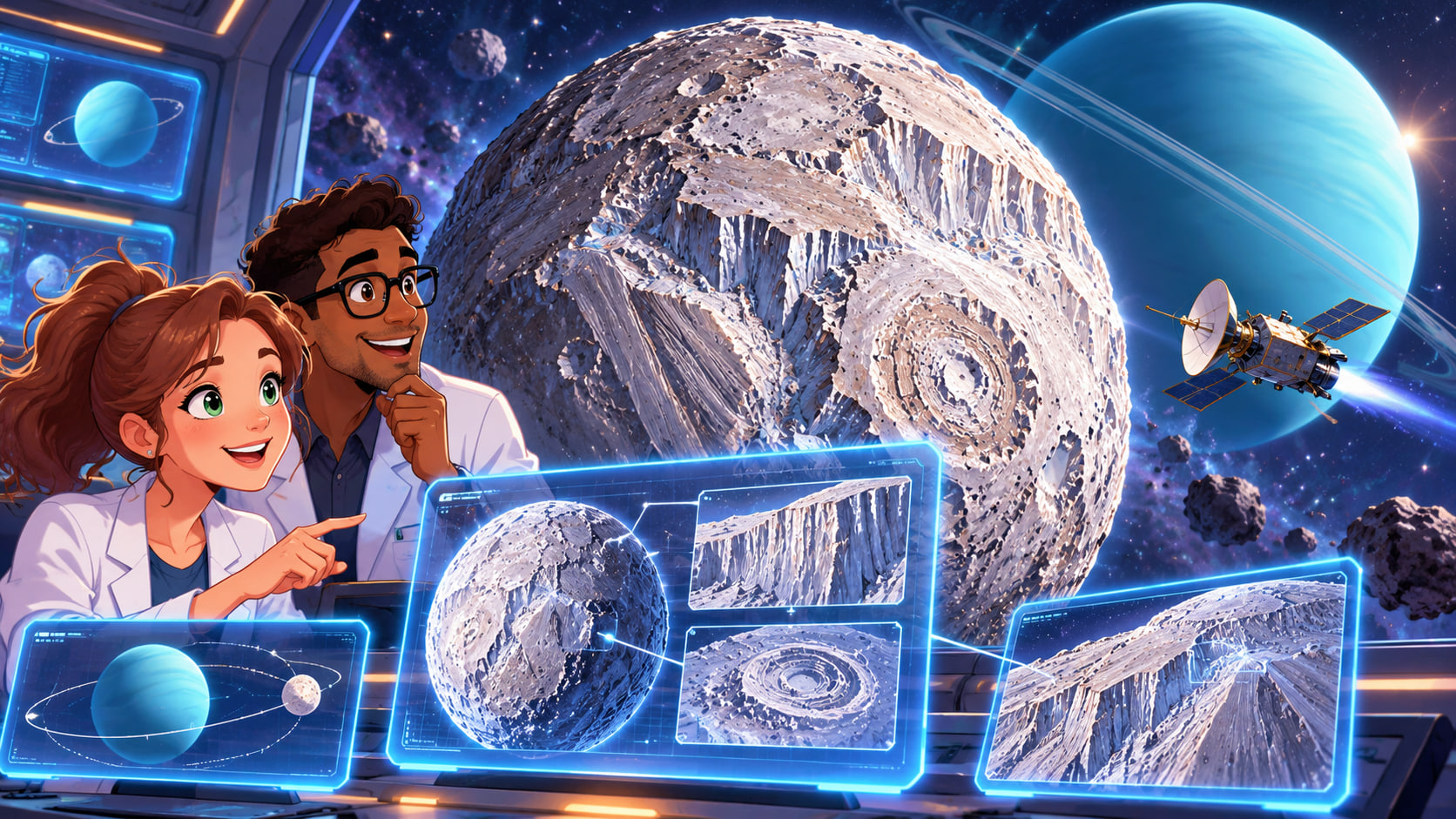
Miranda's strange appearance does not necessarily mean it was broken apart. Its surface may have been transformed by powerful geological activity from within.
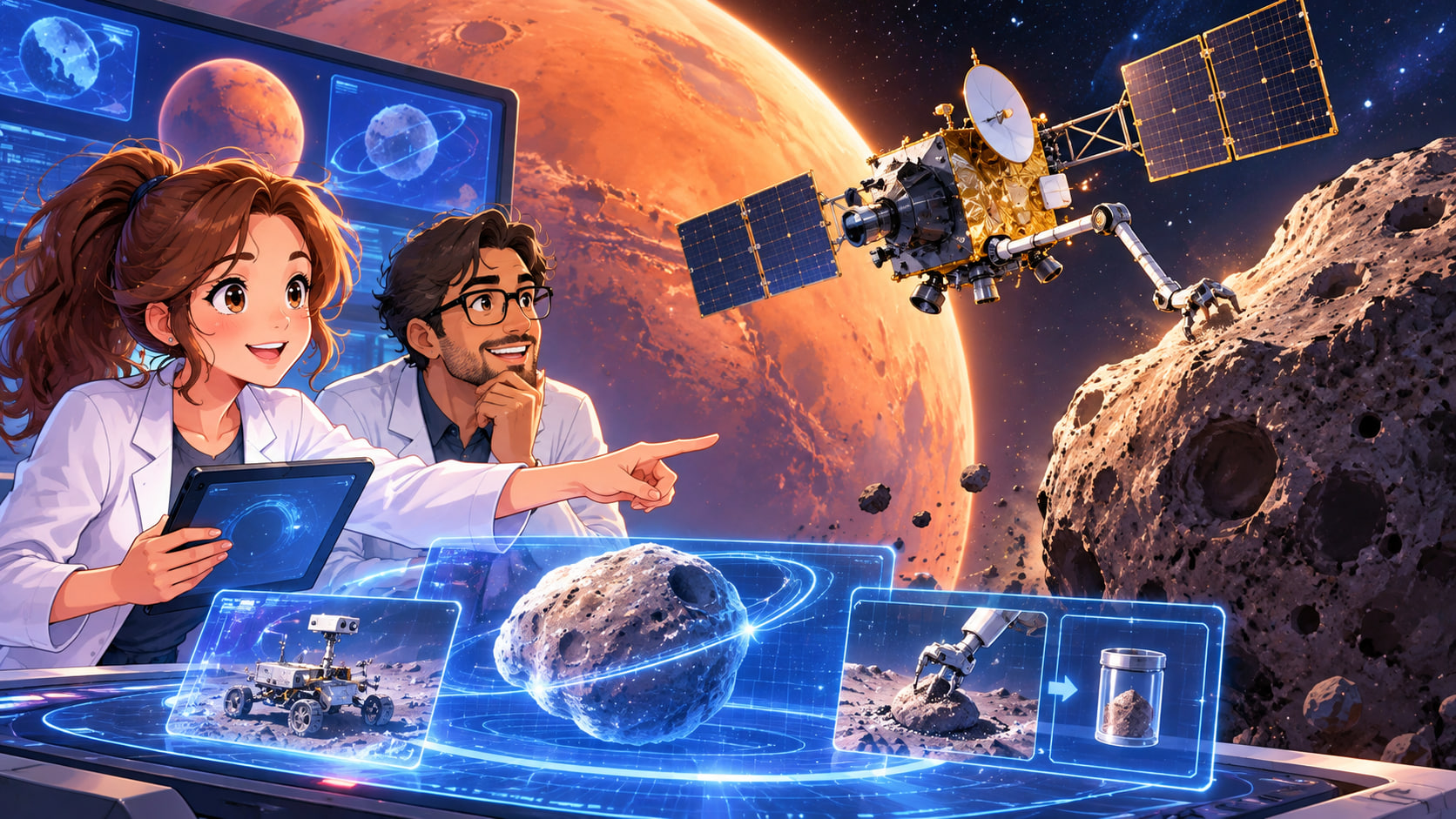
Unlike conventional Mars missions, MMX will not focus primarily on exploring the planet's surface. Instead, it will investigate its mysterious moons, collect material from Phobos, and bring those samples back to Earth.
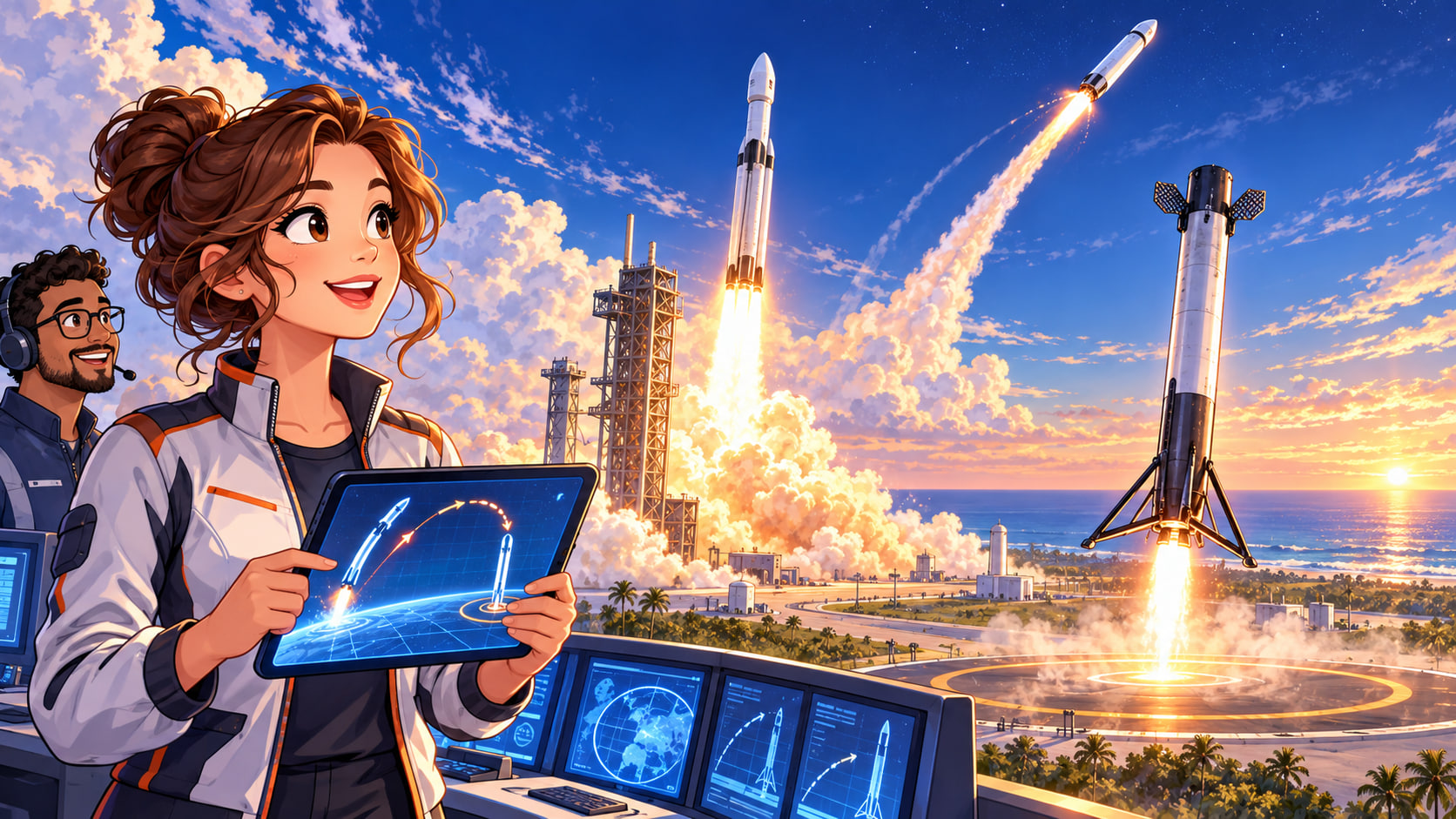
For decades, launching a rocket into space meant sacrificing an extraordinary piece of engineering. Powerful engines, enormous fuel tanks, and sophisticated equipment were used for just a few minutes before falling into the ocean or burning up in the atmosphere.

Today, Venus is one of the most hostile places in the Solar System. Its surface is hot enough to melt lead, its atmosphere is crushingly dense, and thick clouds of sulfuric acid hide the landscape from ordinary view.
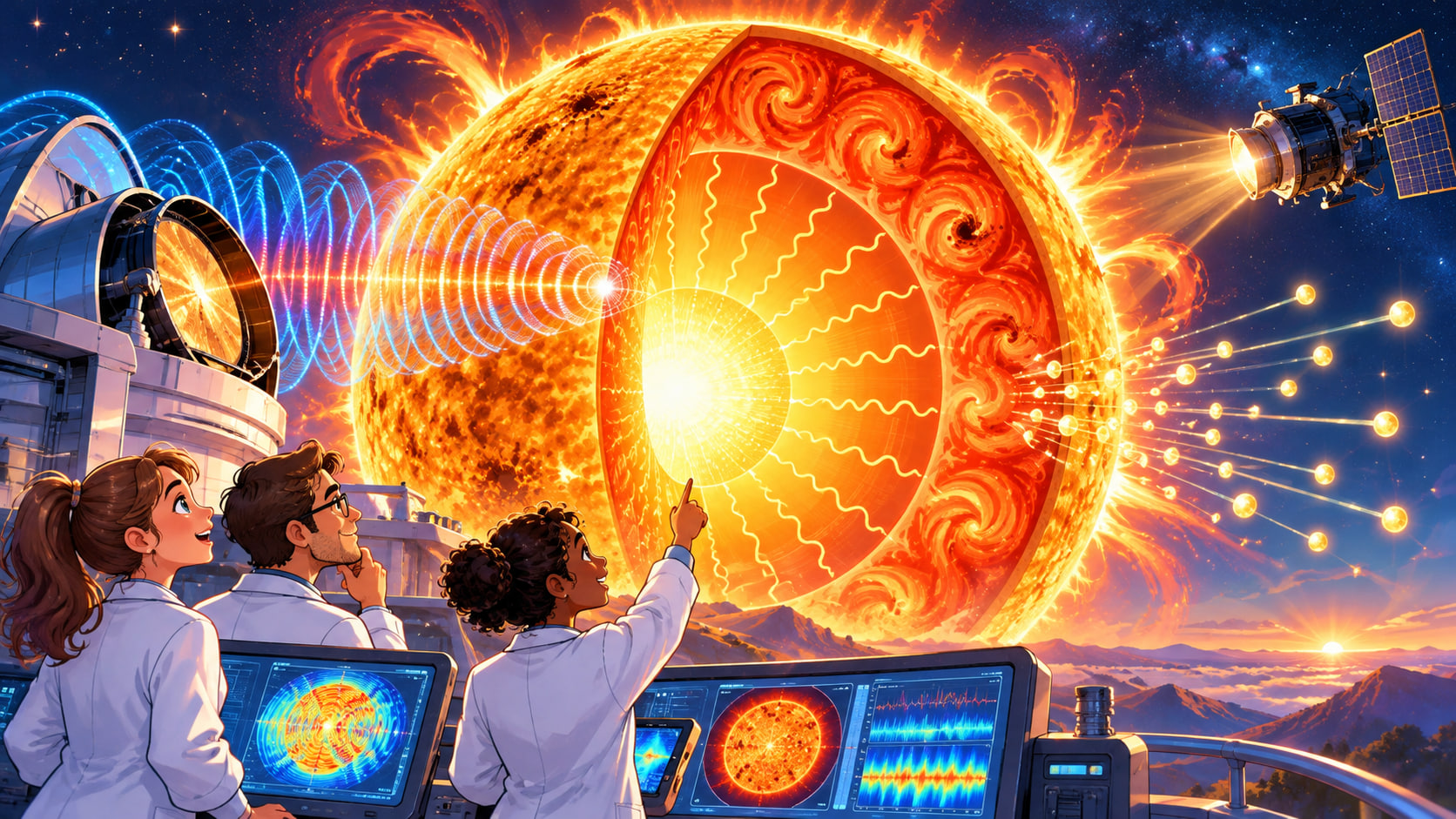
Approximately 73% of its mass is hydrogen, while around 25% is helium. The remaining fraction consists of heavier elements, including oxygen, carbon, neon, and iron.

When we look at the night sky, we see stars, planets, and distant galaxies. Between these luminous objects lies an enormous region that appears completely empty.
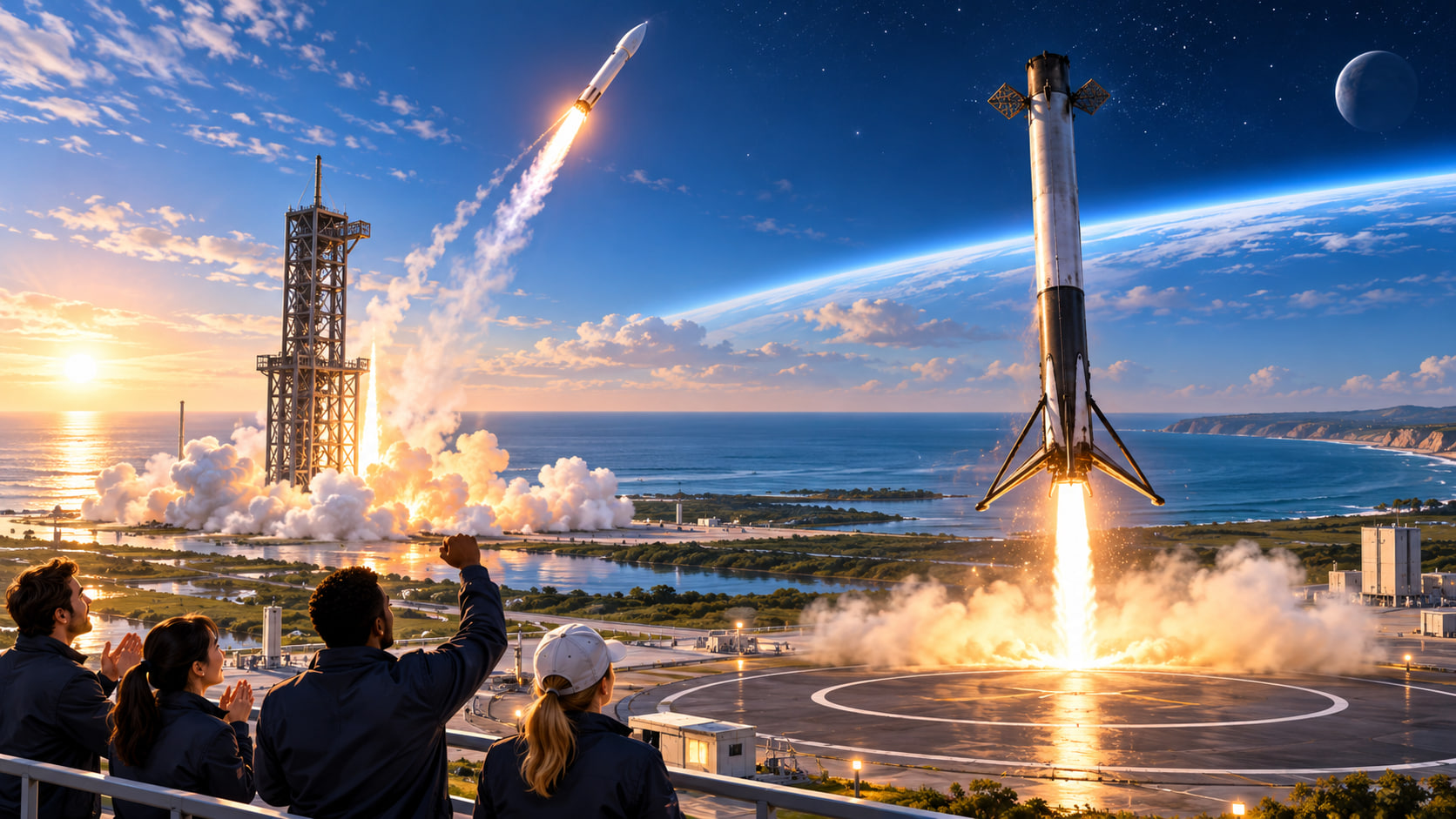
For decades, launching a rocket into space meant sacrificing enormous amounts of expensive equipment. Powerful engines, fuel tanks, and sophisticated guidance systems were used once and then discarded.
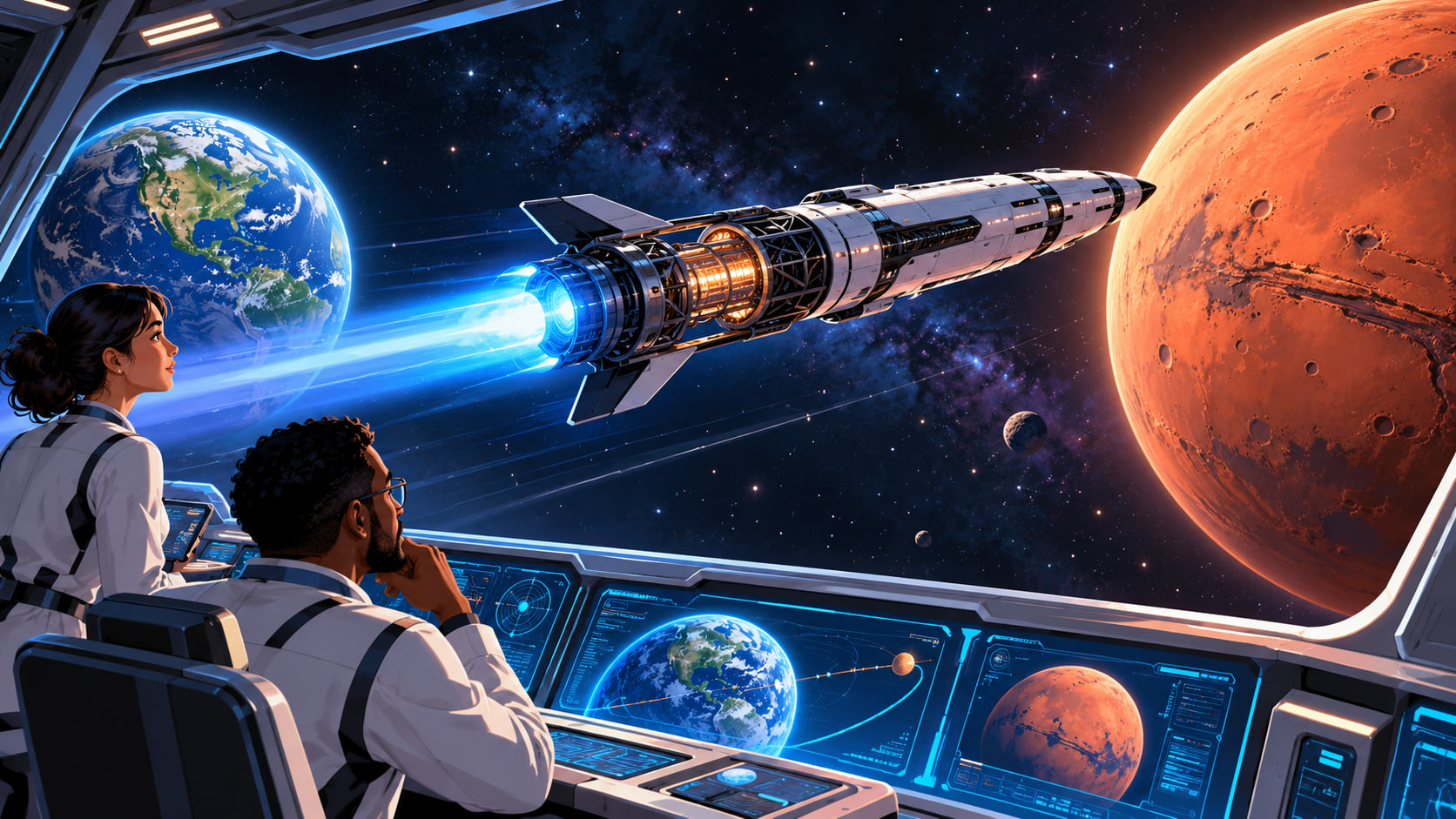
The expert committee was co-chaired by aerospace specialists Robert D. Braun and Roger M. Myers.
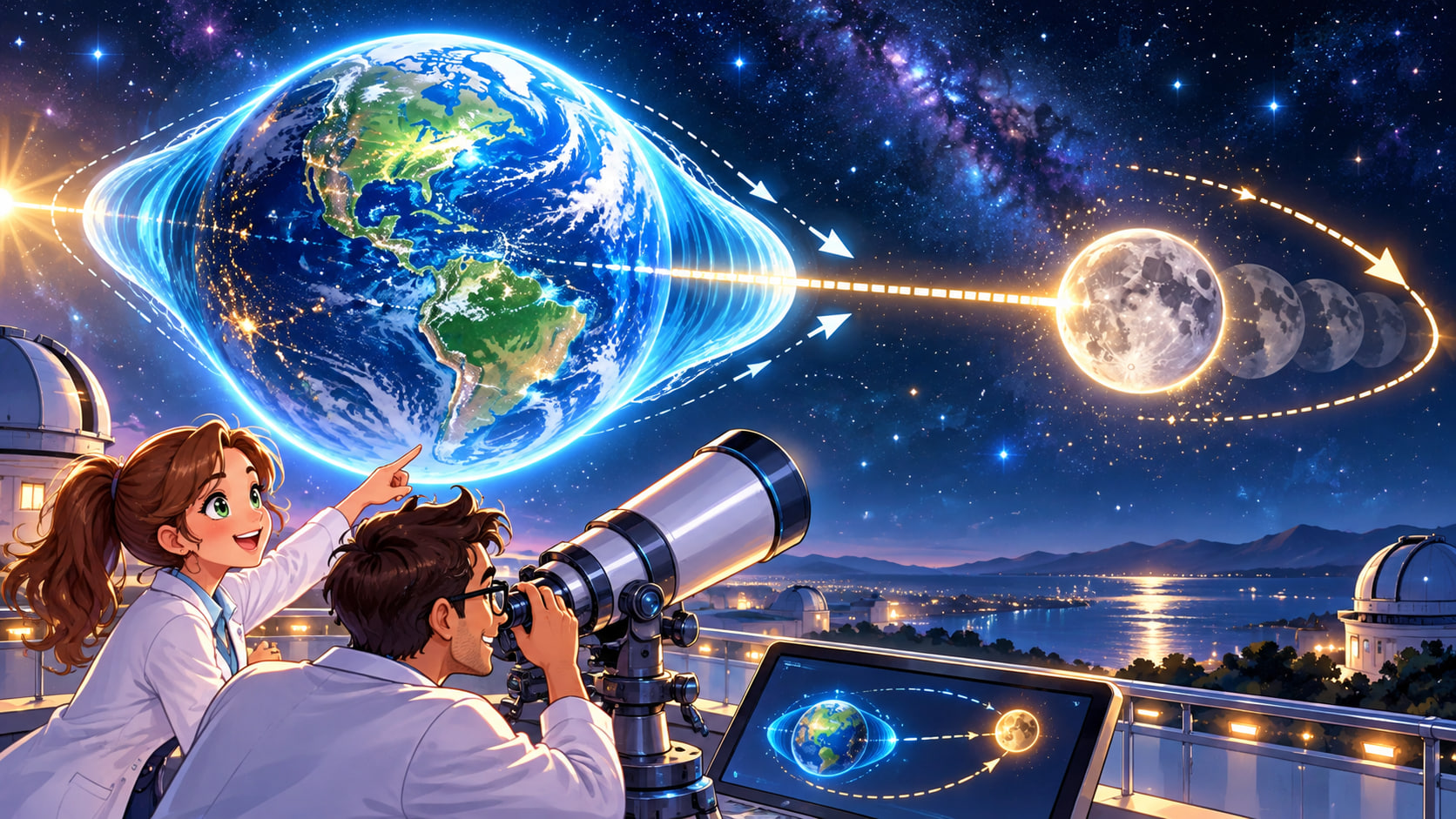
This movement is so gradual that it cannot be detected with the naked eye. However, modern scientific instruments can measure it with extraordinary precision.
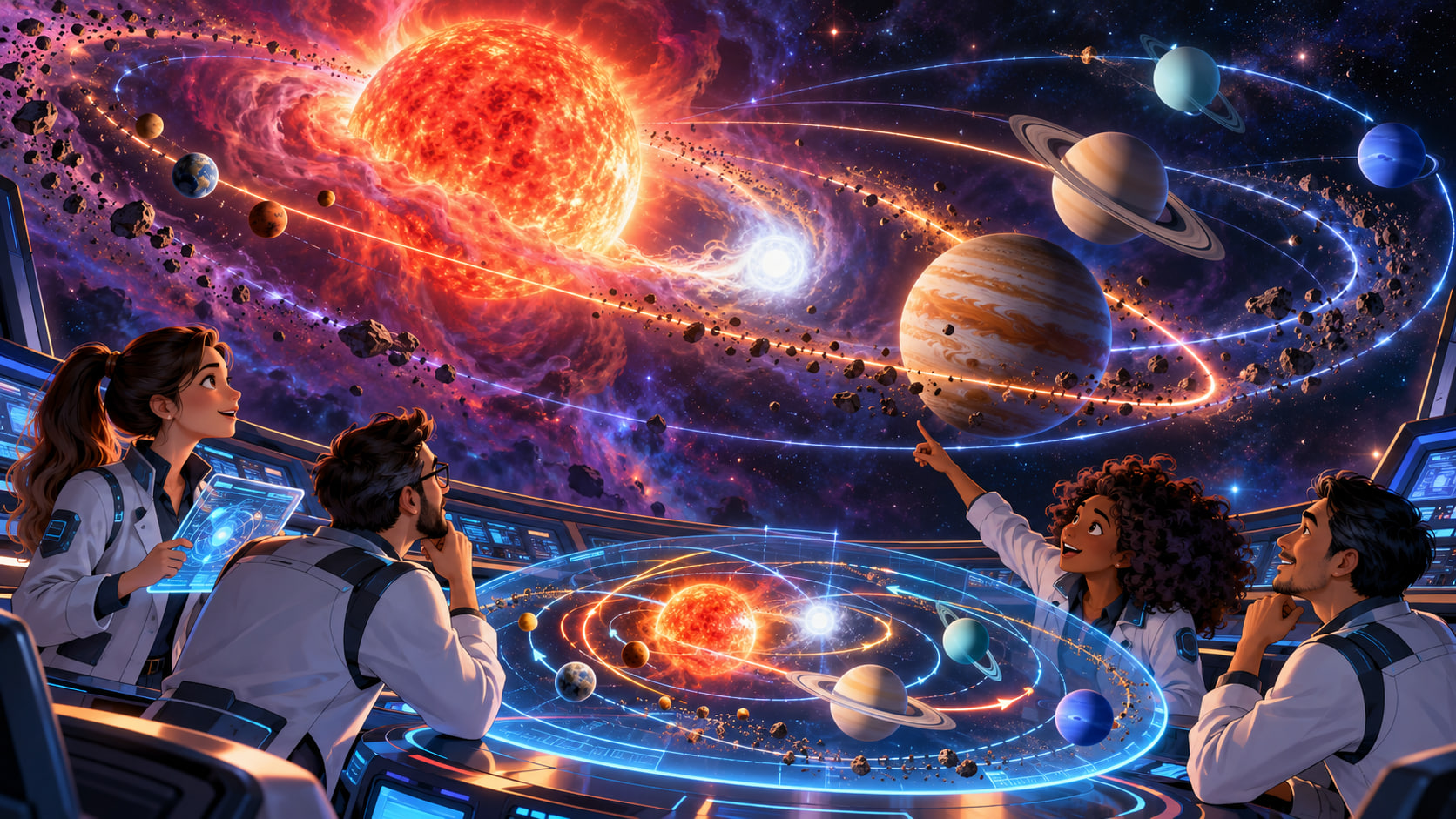
For decades, the outer Solar System looked extraordinarily durable. Even after the Sun grows old, loses much of its mass, and becomes a white dwarf, models suggested that the surviving giant planets could remain in recognizable orbits for tens of billions of years or far longer.